Ground Penetrating Radar Services in NYC & New Jersey
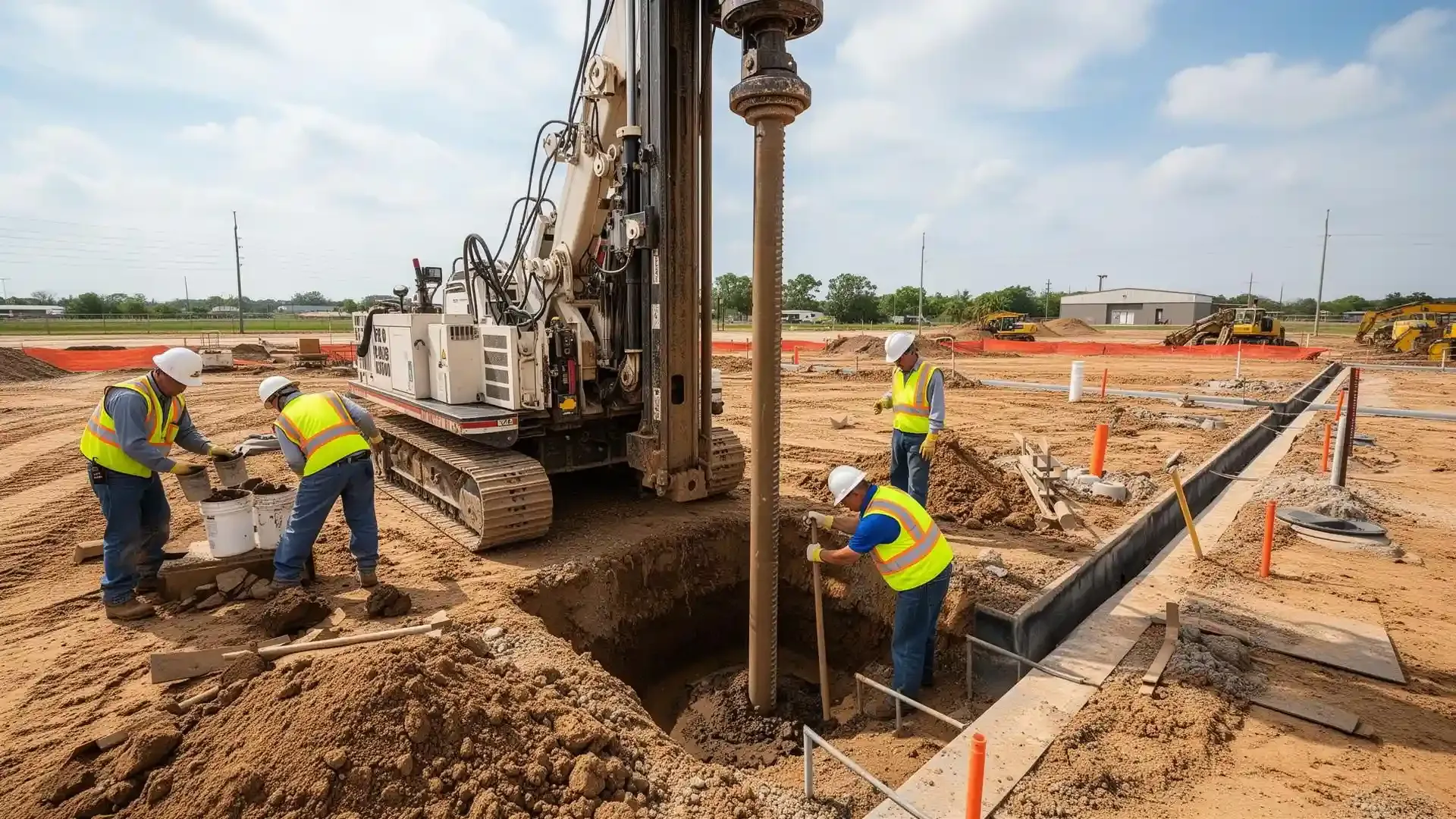
Non-destructive subsurface mapping for utility locating, underground storage tank detection, void detection, and concrete scanning. GPR data integrated with our Phase I ESA, Phase II investigation, and LSRP-led remediation services — one team, one deliverable.
How an assessment runs
Four tracked stages from authorization to a lender-ready report.
- 01
Scope & kickoff
Same-business-day scope, fee range and delivery date.
Request a scope - 02
Findings & report
ASTM-conformant deliverable your lender and counsel can rely on.
Read the FAQs - 03
Common next step
The work most clients authorize once this closes out.
Asbestos & Lead Survey - 04
Start the engagement
Send the site details — we scope it and price it.
Start the engagement
Why Ground Penetrating Radar
Prevent Costly Strikes
Every utility strike averages $56K in damages plus downtime. GPR pinpoints buried utilities, USTs, and voids before your crew breaks ground — protecting budgets, schedules, and safety.
Faster than Test Pits
A typical site is scanned in a single day with non-invasive equipment. No excavation permits, no traffic control, no site restoration — GPR delivers answers before drilling or coring begins.
Regulator-Ready Reports
Georeferenced CAD/GIS utility maps and radargram interpretations formatted for NYC DOB, NJDEP, NJDOT, and LSRP submissions. Fully integrated with Envicon Phase I / Phase II deliverables.
Get a GPR quote for your site
Share a few details — a licensed engineer will send scope and pricing the same business day.
GPR Services & Pricing
From concrete scanning to full-site utility & tank investigations, subsurface intelligence for environmental, civil, and structural projects.
GPR Utility Locating
Pre-excavation planning, Phase II ESA boring layouts, UST location, utility conflict resolution, and NYC DOB / NJDOT permit submittals.
Non-destructive subsurface utility locating using ground penetrating radar to identify buried water, sewer, electric, gas, fiber, and unknown utilities before excavation. SUE-compliant deliverables reduce strike risk on NYC and NJ construction, remediation, and utility projects.
What's Included
- Multi-frequency GPR grid scan (200–900 MHz)
- Electromagnetic (EM) locator sweep for metallic utilities
- Marked locations on-site with paint & flags
- Georeferenced CAD/GIS-ready utility map
- Depth estimates with confidence rating
- ASCE 38 / SUE Quality Level B documentation
Underground Storage Tank (UST) & Void Detection
Phase I ESA follow-up, UST closure planning, LSRP-directed site investigation, and pre-purchase environmental due diligence.
GPR scanning to locate suspected underground storage tanks, abandoned drywells, cesspools, buried debris, and subsurface voids for real estate due diligence, brownfield redevelopment, and NJDEP-mandated Phase I ESA follow-up.
What's Included
- Site walk & historical review of AOCs
- Low-frequency GPR sweep (100–400 MHz) for depth
- Anomaly interpretation by geophysicist
- Field marking of tank/void perimeters
- Written report with radargrams & interpretations
- Coordination with LSRP or Phase II team
Concrete Scanning & Structural GPR
Pre-coring surveys, tenant fit-outs, elevator pit installations, façade anchor layouts, and DOB-filed alterations requiring subsurface verification.
High-frequency GPR (1.6–2.6 GHz) scanning of concrete slabs, walls, and decks to locate rebar, post-tension cables, conduits, and voids before coring, cutting, or anchoring. Prevents costly hits during renovation, MEP retrofits, and structural assessments in NYC and NJ.
What's Included
- 1.6–2.6 GHz antenna scanning grid
- Real-time marking of rebar, PT cables, conduits
- Slab thickness & void identification
- Photo-documented scan locations
- PDF report suitable for structural engineer review
- Coordination with GC and structural team
Certified Geophysicists, One-Stop Deliverable
All GPR surveys are performed by trained geophysicists and interpreted by licensed engineers. When your project also needs a Phase I ESA, LSRP, or UST closure, we bundle the GPR data directly into that scope — no coordinating multiple vendors.
Transparent pricing for Ground Penetrating Radar (GPR) Survey — get your site-specific estimate
Answer a few questions about your property and get a real price range in under 2 minutes. No sales call required.
- Site-specific range
- Under 2 minutes
- No obligation
- Emailed to you
Preliminary estimate only. Not an engineering quote.
Service inquiry form
Request a Free Project Consultation
Tell us about your property and we'll respond with a tailored scope and pricing within 2 business hours.
Tell us about your site
A licensed engineer will get back to you the same business day.
Ground Penetrating Radar FAQ
What is ground penetrating radar (GPR) used for?
GPR is a non-destructive geophysical method that sends radar pulses into the ground or concrete and images subsurface features. It's used to locate buried utilities, underground storage tanks, voids, rebar and post-tension cables in concrete, and archaeological or environmental targets — without excavation.
How much do GPR services cost in NYC and NJ?
Typical Envicon GPR projects range from $1,500 for a small concrete-scanning job to $5,500 for a full-site utility and UST investigation. Pricing depends on site size, required depth, and deliverables (field marking vs. CAD/GIS map vs. ASCE 38 SUE Quality Level B).
How deep can GPR see?
Depth depends on antenna frequency and soil conditions. High-frequency antennas (1.6–2.6 GHz) image the top ~18 inches of concrete in detail; mid-frequency (400–900 MHz) reaches 3–8 ft for utilities; low-frequency (100–200 MHz) can reach 15–30 ft in favorable soils for tank and void detection.
Do I need GPR before a Phase II ESA?
Yes — GPR before boring or excavation is the standard of care. It locates buried utilities and any suspected USTs identified in the Phase I ESA, so the Phase II drill program targets the right Areas of Concern and avoids strikes. Envicon coordinates GPR directly with our LSRPs and Phase II crews.
Frequently Asked Questions
Related Environmental Assessment Services
Projects rarely need one service in isolation. These are the scopes most often paired with this one.
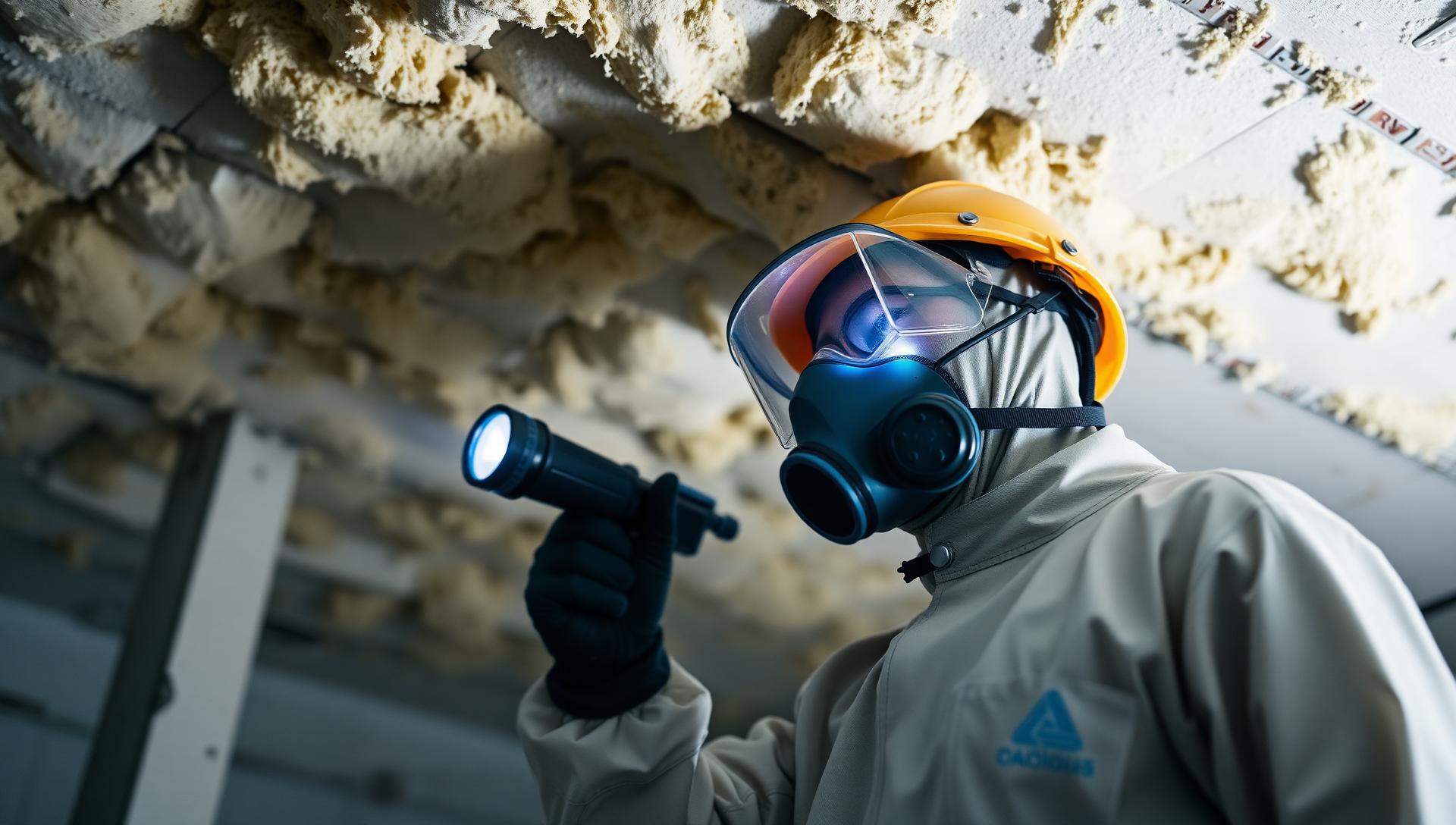
Asbestos & Lead Paint Survey
Certified pre-demolition and pre-renovation asbestos and lead paint surveys for NYC and NJ properties.
Learn more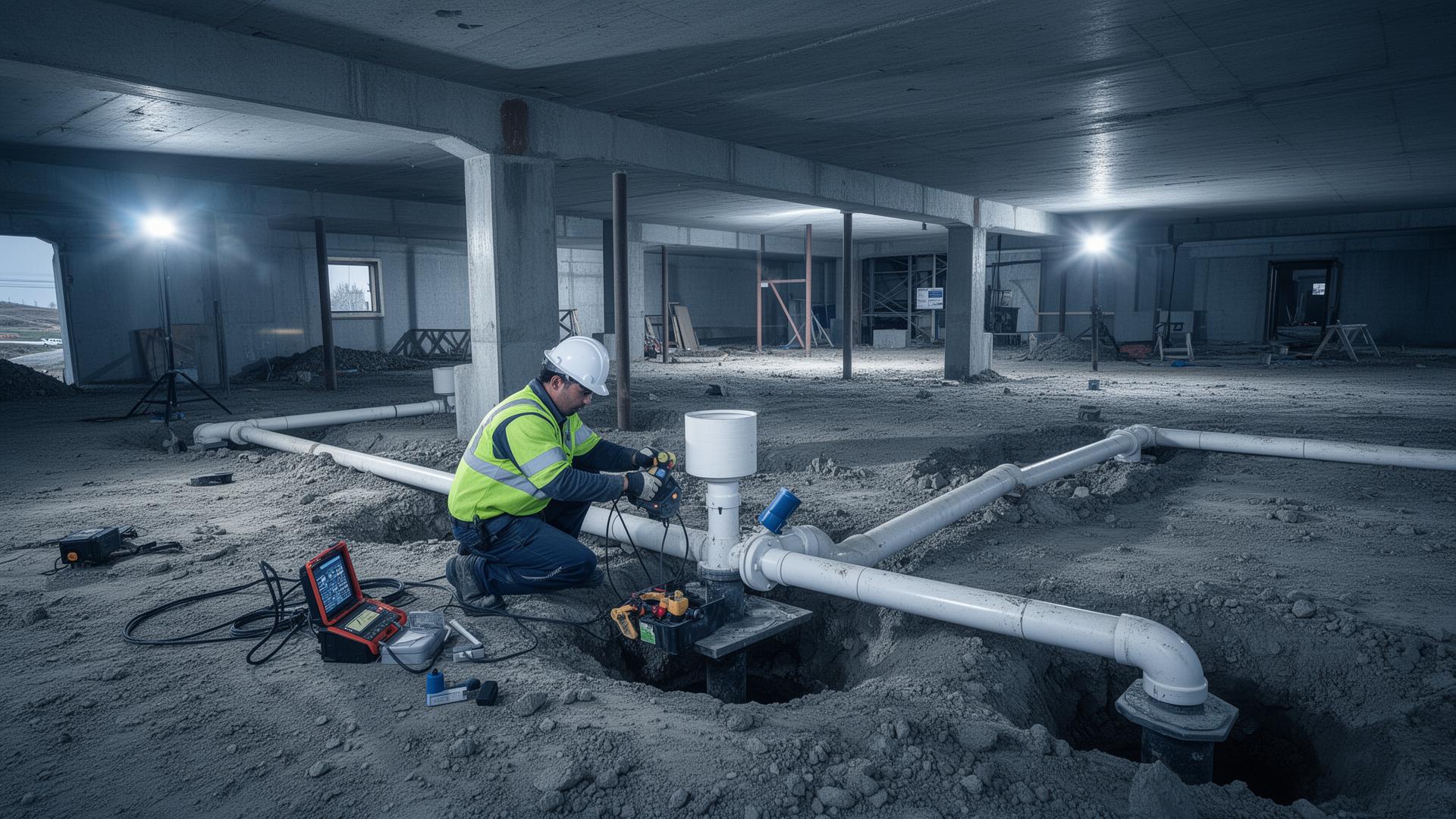
Vapor Intrusion Assessment
Sub-slab, indoor air, and vapor mitigation design per NJDEP and NYSDEC vapor intrusion guidance.
Learn more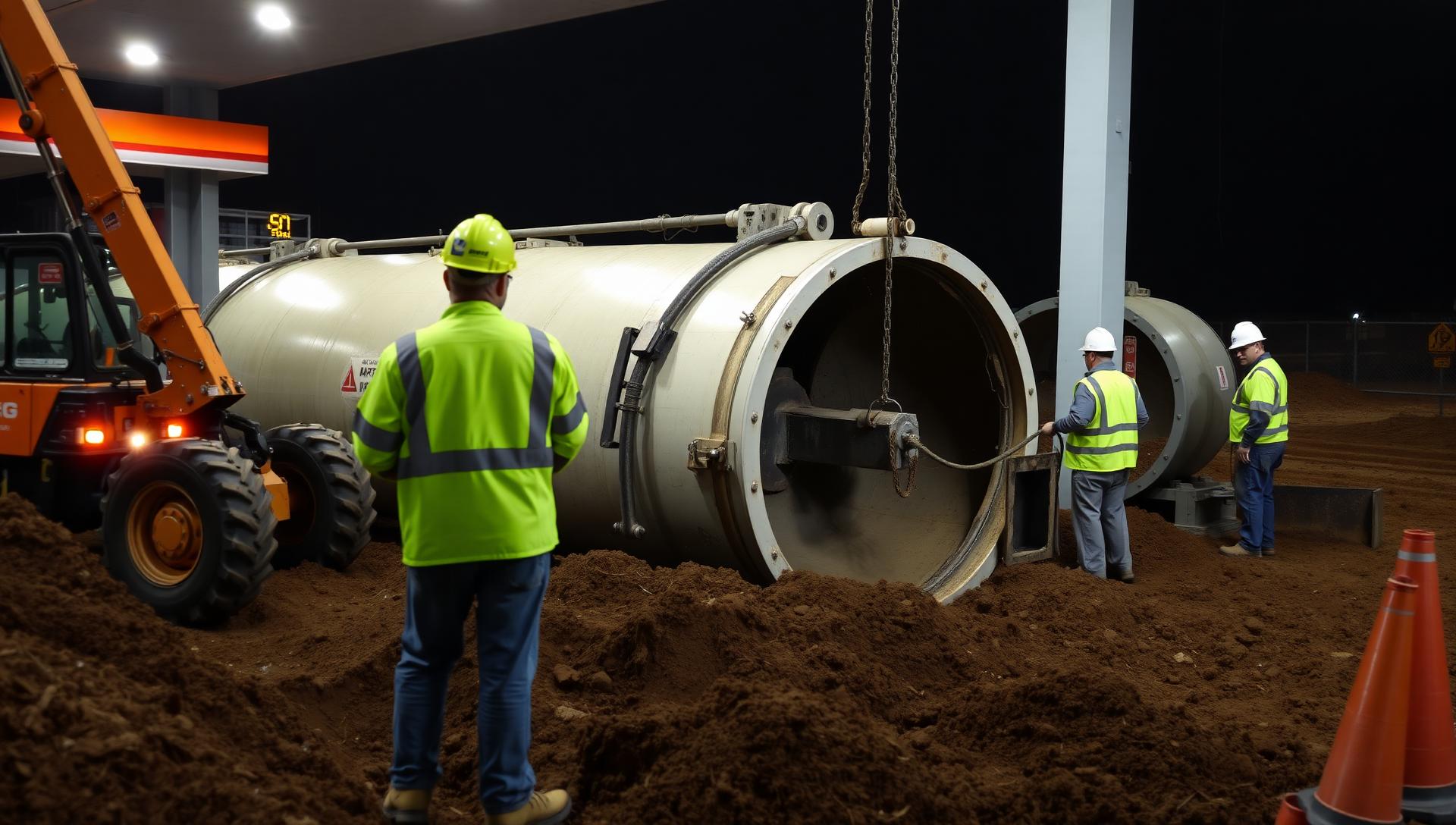
UST Closure & Tank Removal
Underground storage tank removal, closure-in-place, and post-closure remediation for NYC and NJ.
Learn more
PFAS Assessment & Advisory
PFAS due diligence, sampling, and regulatory advisory for NJ and NY properties.
Learn more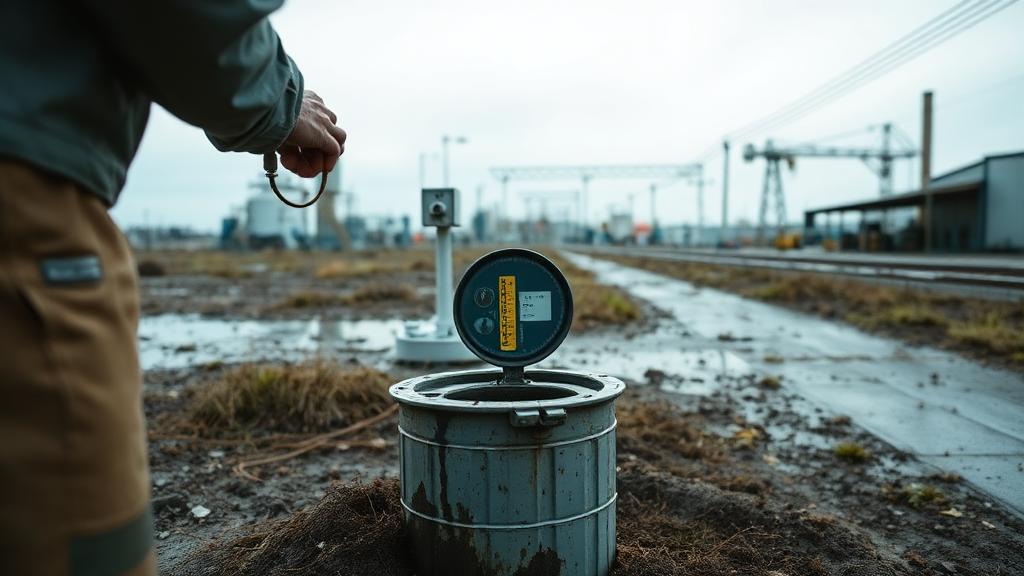
Groundwater Investigation & Monitoring
Monitoring well installation, aquifer testing, and long-term groundwater sampling programs.
Learn more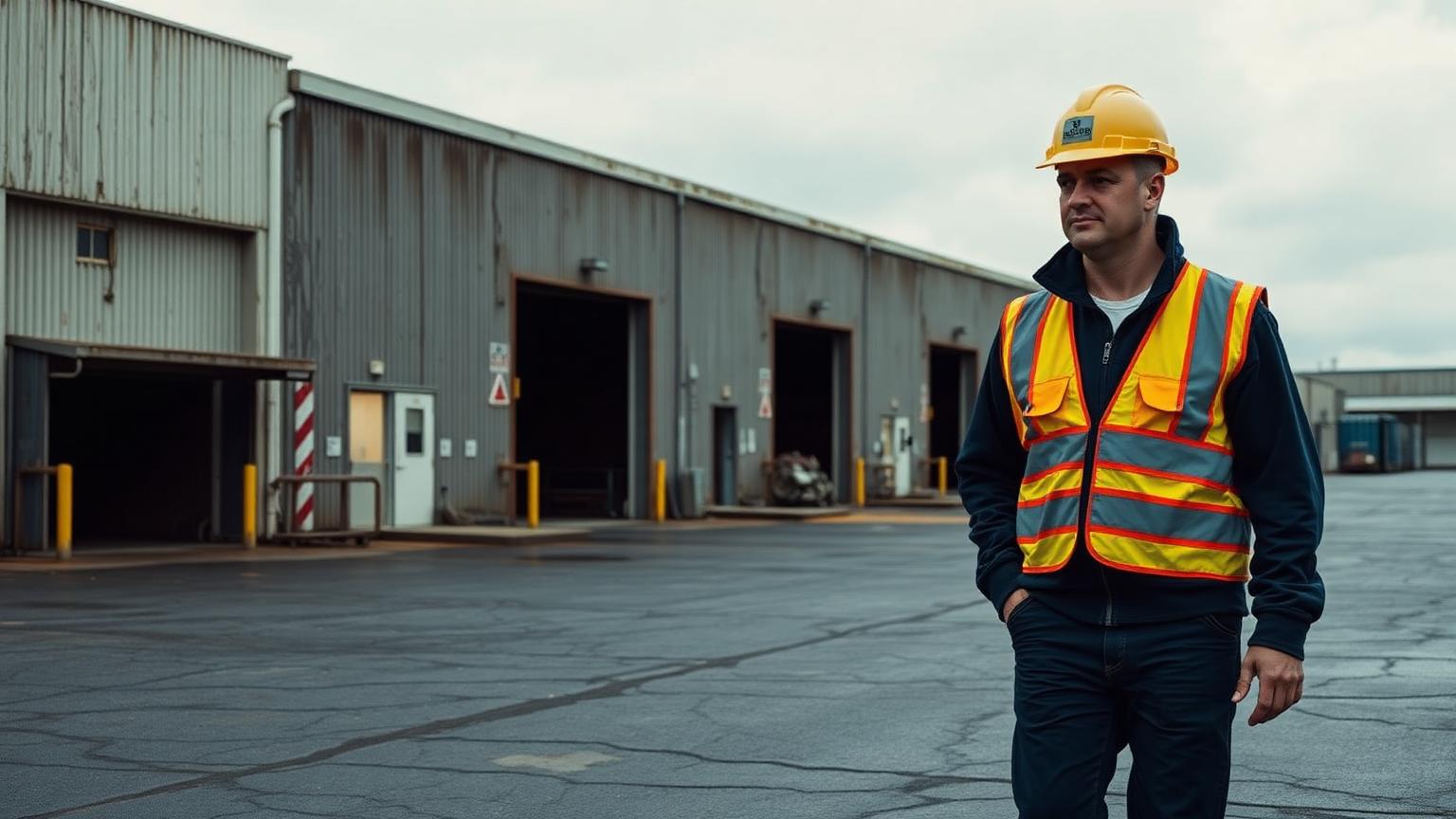
Phase I Environmental Site Assessment
ASTM E1527-21 Phase I Environmental Site Assessments satisfying All Appropriate Inquiries for NY/NJ property transactions.
Learn moreServices That Work Alongside Ground Penetrating Radar (GPR) Survey
Scopes our clients most often add to keep one schedule, one regulator conversation, and one point of accountability.
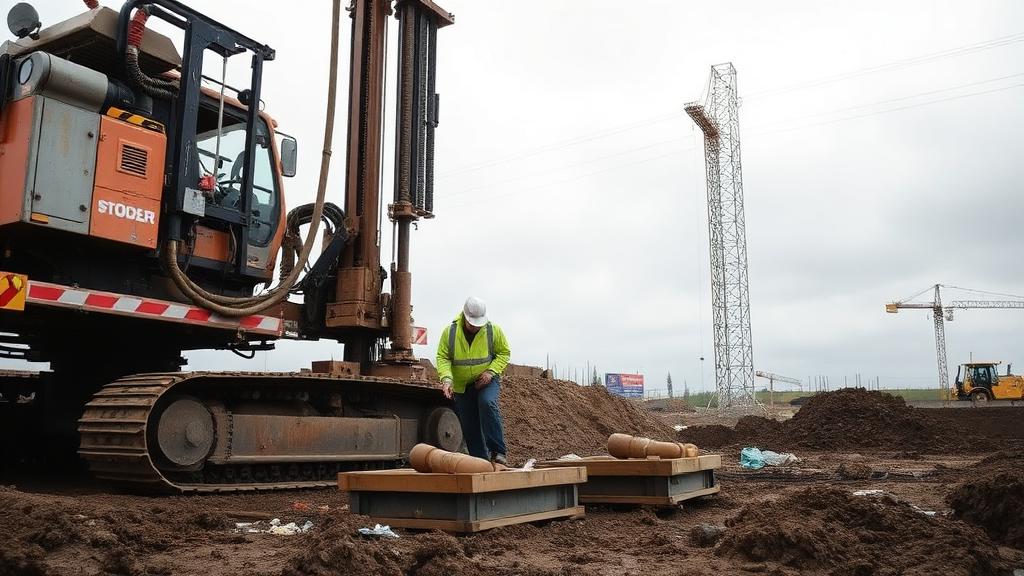
Geotechnical Investigation
Soil borings, geotechnical sampling, and foundation recommendations for NJ, NY, and PA.
Learn more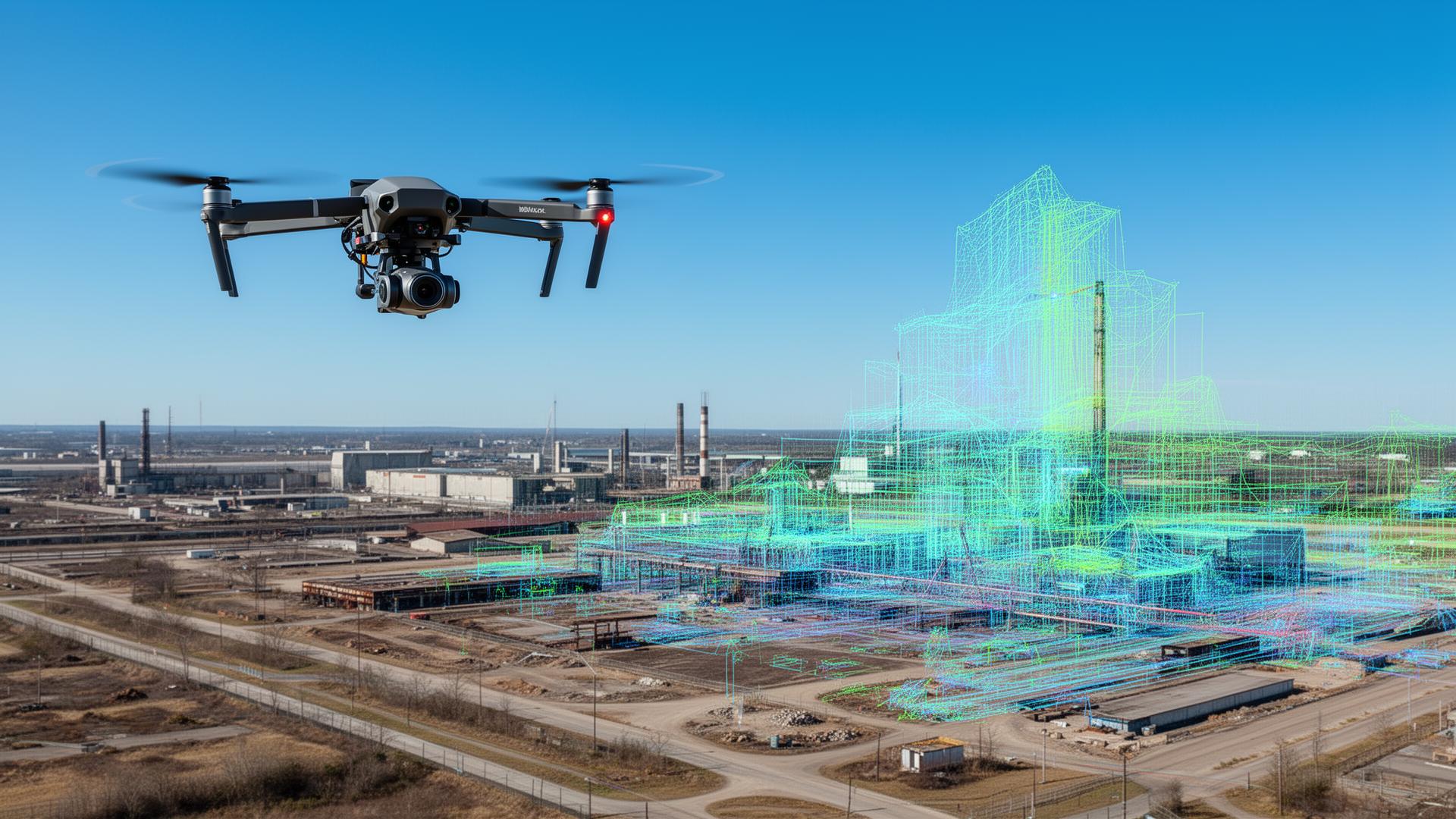
LiDAR & Drone Mapping
Drone aerial surveys, LiDAR 3D site modeling, and GIS integration for site analytics.
Learn moreUST Closure & Tank Removal
Underground storage tank removal, closure-in-place, and post-closure remediation for NYC and NJ.
Learn moreIndustries That Rely on Ground Penetrating Radar (GPR) Survey
See how teams across these sectors integrate ground penetrating radar (gpr) survey into their projects, with regulator-ready deliverables and predictable timelines.

Developers
We understand your timeline pressures. Get Phase I ESAs that pass lender scrutiny the first time, with 1-week turnaround when you need it.
Explore industry
Lenders
Protect your portfolio with lender-compliant environmental assessments. We deliver Phase I ESAs that meet SBA, FDIC, and institutional requirements, on your timeline.
Explore industry
Law Firms
We provide environmental law firms with the technical analysis, expert opinions, and litigation support needed to build winning arguments.
Explore industry
Industrial
Whether you're acquiring, developing, or operating industrial facilities, we provide the environmental expertise to protect your investment.
Explore industry
Institutional
Hospitals, universities, and nonprofits face unique environmental challenges. We help you protect your community while managing complex property portfolios.
Explore industryGround Penetrating Radar (GPR) Survey Across the NY/NJ Metro Area
Licensed teams working locally — pick your market for regional regulators, turnaround times, and recent project work.