Groundwater Investigation & Monitoring Wells
Defensible data from installation through closure.
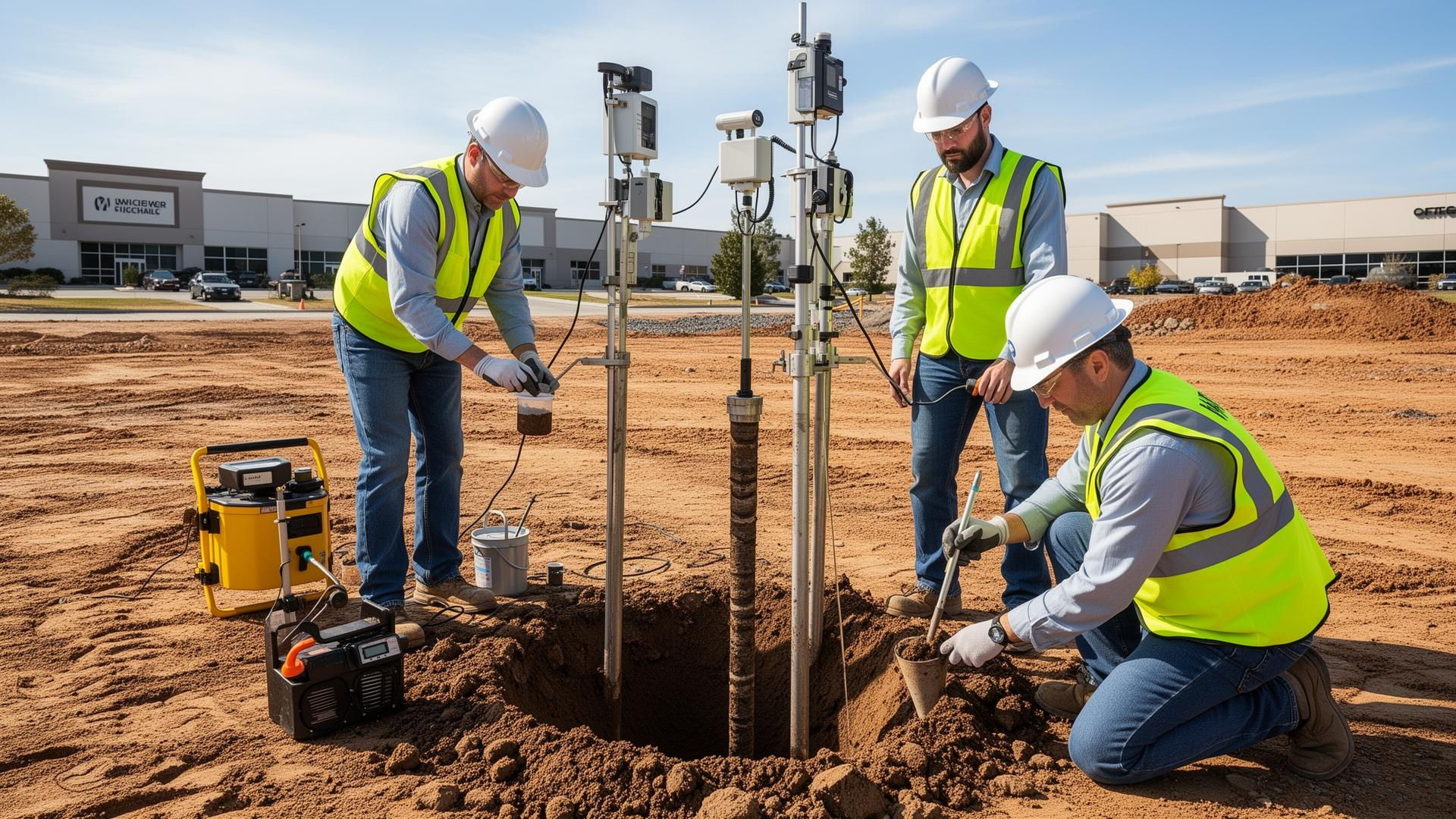
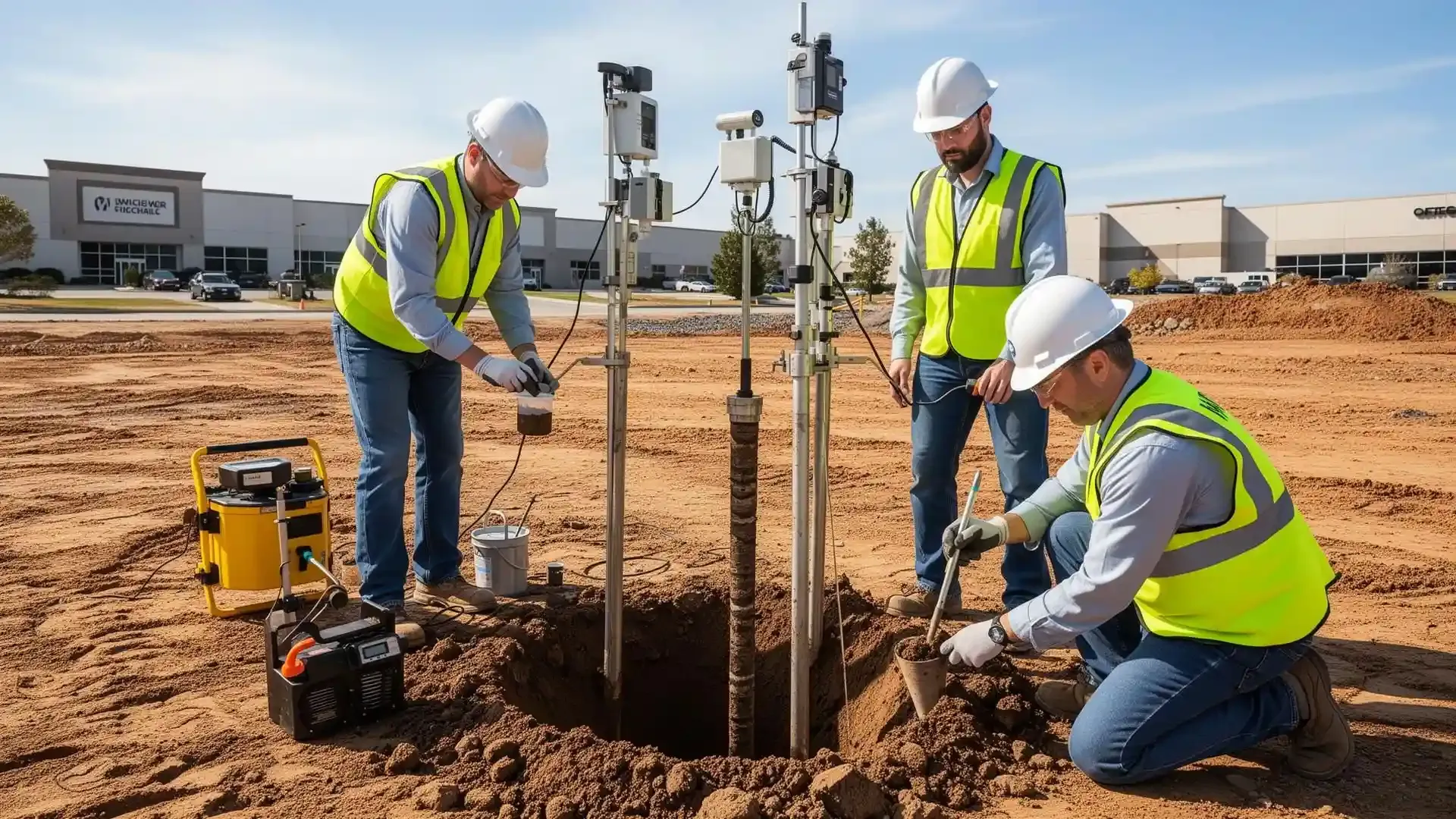
Monitoring well installation, low-flow sampling, and plume delineation for LSRP-directed remedial investigations, post-closure programs, and long-term compliance across NJ, NY, and the Northeast.
How an assessment runs
Four tracked stages from authorization to a lender-ready report.
- 01
Scope & kickoff
Same-business-day scope, fee range and delivery date.
Request a scope - 02
Findings & report
ASTM-conformant deliverable your lender and counsel can rely on.
Read the FAQs - 03
Common next step
The work most clients authorize once this closes out.
Asbestos & Lead Survey - 04
Start the engagement
Send the site details — we scope it and price it.
Start the engagement
Where Groundwater Programs Go Sideways
Under-Scoped Well Networks
Baseline networks that skimp on downgradient wells miss plume geometry and force expensive re-drilling once the LSRP or NYSDEC reviewer flags data gaps.
Sampling Methodology Drift
Non-low-flow sampling produces turbid, unrepresentative data. Reviewers reject it, and you pay to sample again — sometimes after invalidating a whole year of monitoring.
Emerging Contaminants
PFAS, 1,4-dioxane, and other emerging analytes now belong in monitoring plans at sites with historic industrial or firefighting activity — but only when method selection matches state guidance.
Groundwater Services
From well installation through plume delineation, one LSRP-led team keeps groundwater data defensible from field to closure report.
Monitoring Well Installation & Development
Sites needing baseline groundwater data, LSRP-directed monitoring networks, or long-term post-closure monitoring under NJDEP or NYSDEC oversight.
Turnkey installation of shallow and deep groundwater monitoring wells with hollow-stem auger, sonic, or air-rotary methods. Includes NJDEP/NYSDEC-compliant well construction, development, survey, and permanent identification for long-term monitoring programs.
What's Included
- Well construction plan & permit filings
- Hollow-stem, sonic, or air-rotary drilling
- PVC or stainless well construction to NJDEP/NYSDEC spec
- Well development & purge documentation
- Sub-meter GPS survey & permanent marker
- Well completion report
Groundwater Sampling & Low-Flow Programs
Owners with recurring monitoring obligations under NJDEP, NYSDEC, or federal orders — including CEA/deed notice sites and post-closure programs.
Quarterly, semi-annual, or annual groundwater sampling using EPA low-flow (minimal drawdown) methodology. Includes field parameters, chain-of-custody, laboratory coordination, and data validation against NJDEP GWQS or NYSDEC Class GA standards.
What's Included
- Low-flow (EPA 542-S-02-001) sampling
- Field parameters (pH, DO, ORP, conductivity, turbidity)
- VOC, SVOC, metals, PFAS, or 1,4-dioxane analysis
- Chain-of-custody & lab coordination
- Data validation & tabulation
- Quarterly monitoring report
Plume Delineation & Aquifer Testing
Sites in remedial investigation, feasibility study, or closure planning where plume geometry drives remedial cost and schedule.
Full contaminant plume delineation with iterative drilling, multi-level sampling, and aquifer testing (slug, pump, or step-drawdown). Deliverables include hydrogeologic conceptual site model, plume maps, and remedial alternatives screening for closure planning.
What's Included
- Iterative delineation borings & wells
- Multi-level & discrete-depth sampling
- Slug, pump, or step-drawdown testing
- Hydrogeologic conceptual site model
- 3D plume visualization & maps
- Remedial alternatives screening
LSRP-Led Groundwater Programs
Every well network, sampling program, and delineation study is overseen by a Licensed Site Remediation Professional. Data validation, chain-of-custody, and reporting stay defensible when the regulator or opposing counsel asks the hard questions.
Groundwater Monitoring Program Guide
Well Networks & Low-Flow Sampling
Practical guide to scoping monitoring well networks, low-flow sampling, and plume delineation under NJDEP and NYSDEC oversight.
Get Instant Access
Frequently Asked Questions
Transparent pricing for Groundwater Investigation & Monitoring — get your site-specific estimate
Answer a few questions about your property and get a real price range in under 2 minutes. No sales call required.
- Site-specific range
- Under 2 minutes
- No obligation
- Emailed to you
Preliminary estimate only. Not an engineering quote.
Service inquiry form
Request a Free Project Consultation
Tell us about your property and we'll respond with a tailored scope and pricing within 2 business hours.
Tell us about your site
A licensed engineer will get back to you the same business day.
Related Environmental Assessment Services
Projects rarely need one service in isolation. These are the scopes most often paired with this one.
Asbestos & Lead Paint Survey
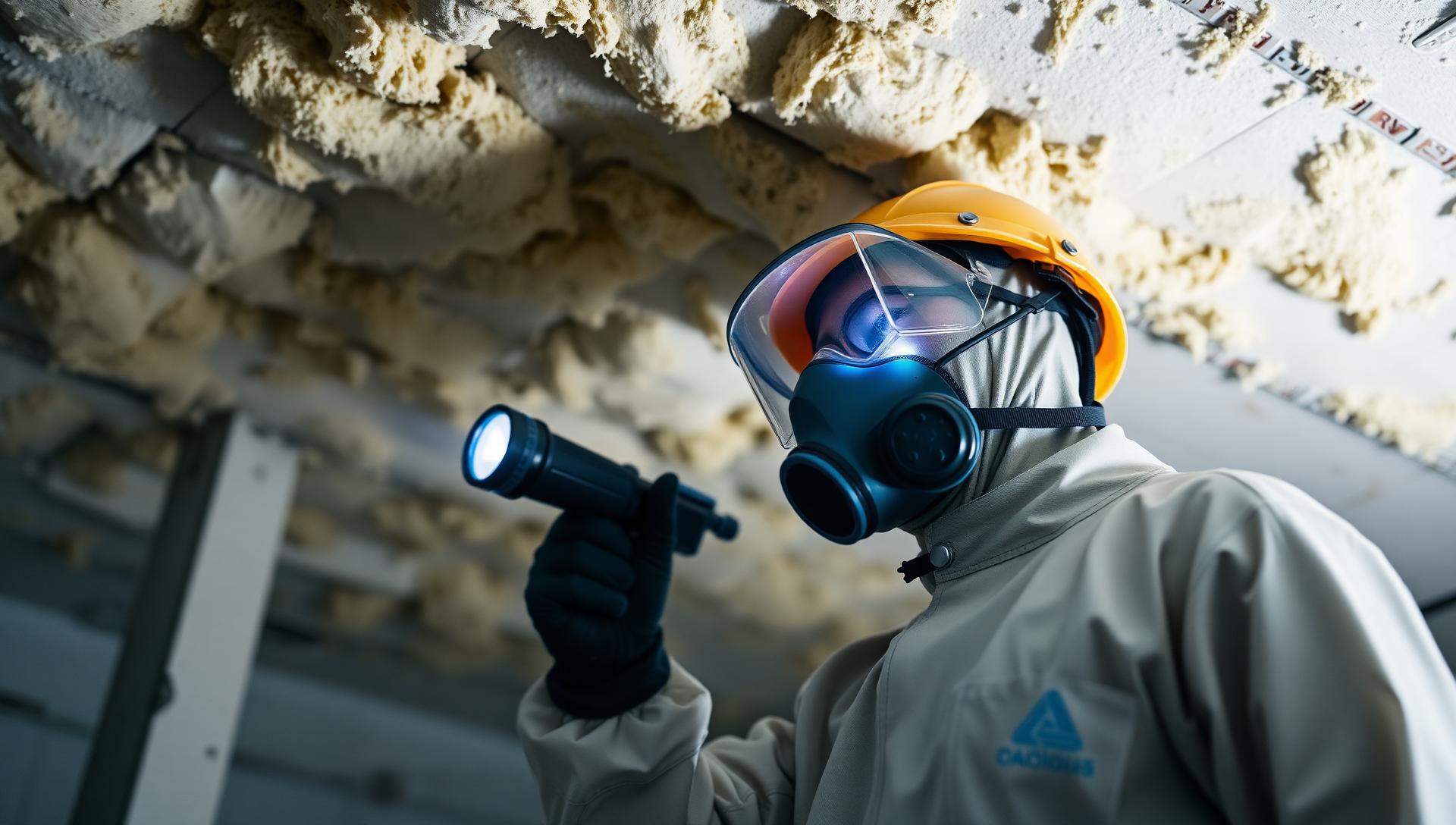
Certified pre-demolition and pre-renovation asbestos and lead paint surveys for NYC and NJ properties.
Learn more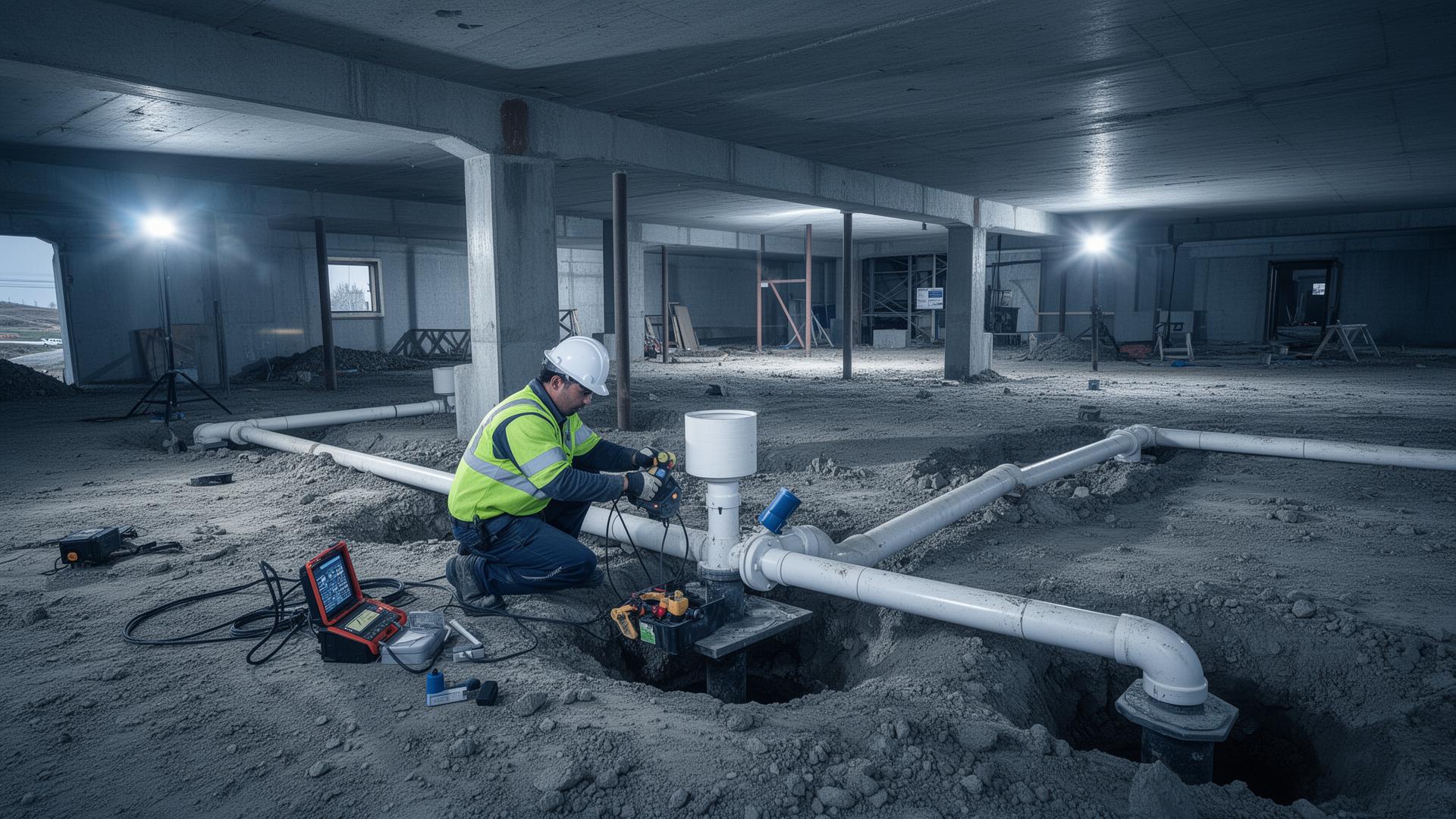
Vapor Intrusion Assessment
Sub-slab, indoor air, and vapor mitigation design per NJDEP and NYSDEC vapor intrusion guidance.
Learn more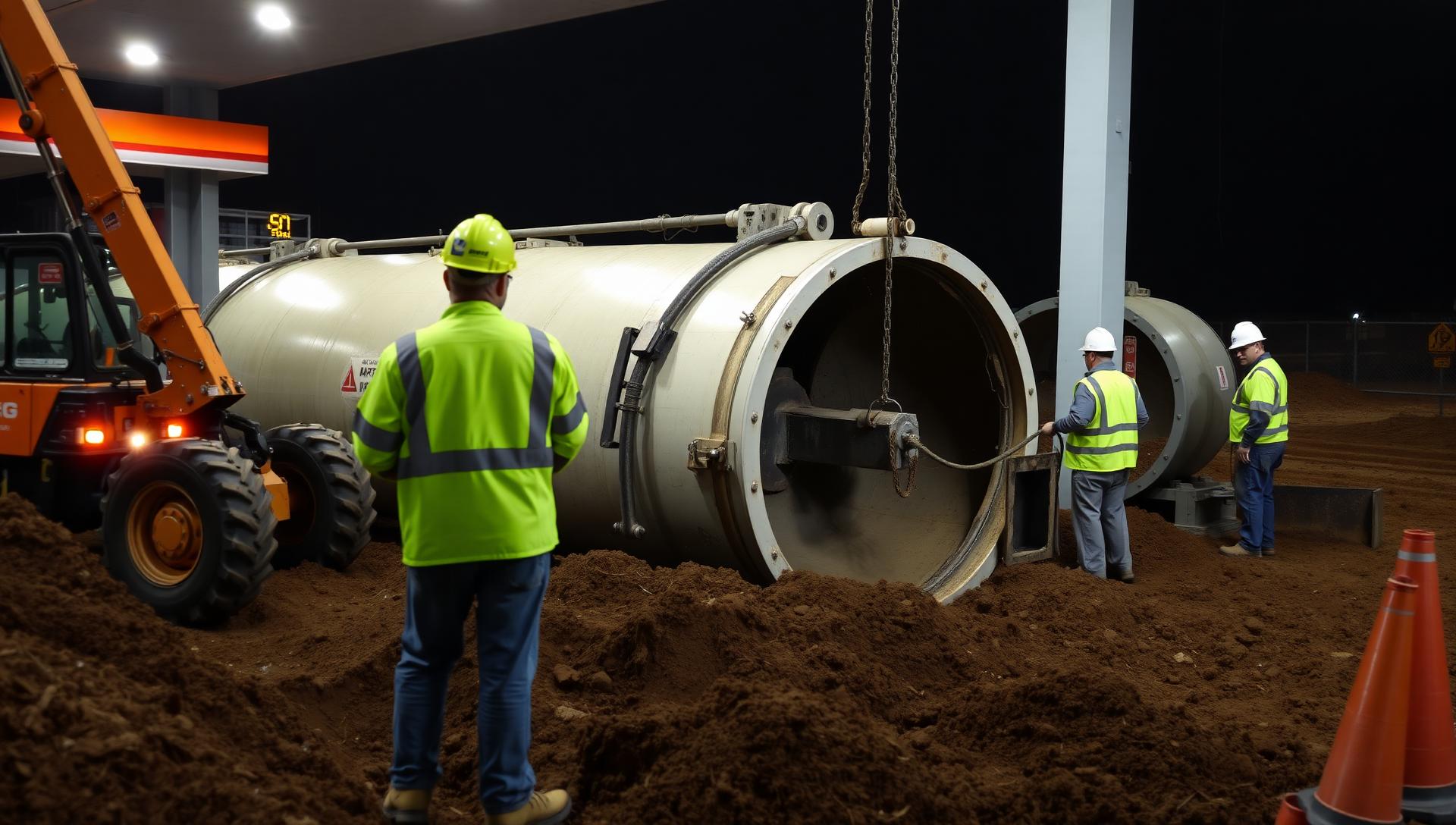
UST Closure & Tank Removal
Underground storage tank removal, closure-in-place, and post-closure remediation for NYC and NJ.
Learn more
PFAS Assessment & Advisory
PFAS due diligence, sampling, and regulatory advisory for NJ and NY properties.
Learn more
Ground Penetrating Radar (GPR) Survey
Non-destructive subsurface utility, tank, and structural GPR investigations.
Learn more
Phase I Environmental Site Assessment
ASTM E1527-21 Phase I Environmental Site Assessments satisfying All Appropriate Inquiries for NY/NJ property transactions.
Learn moreServices That Work Alongside Groundwater Investigation & Monitoring
Scopes our clients most often add to keep one schedule, one regulator conversation, and one point of accountability.
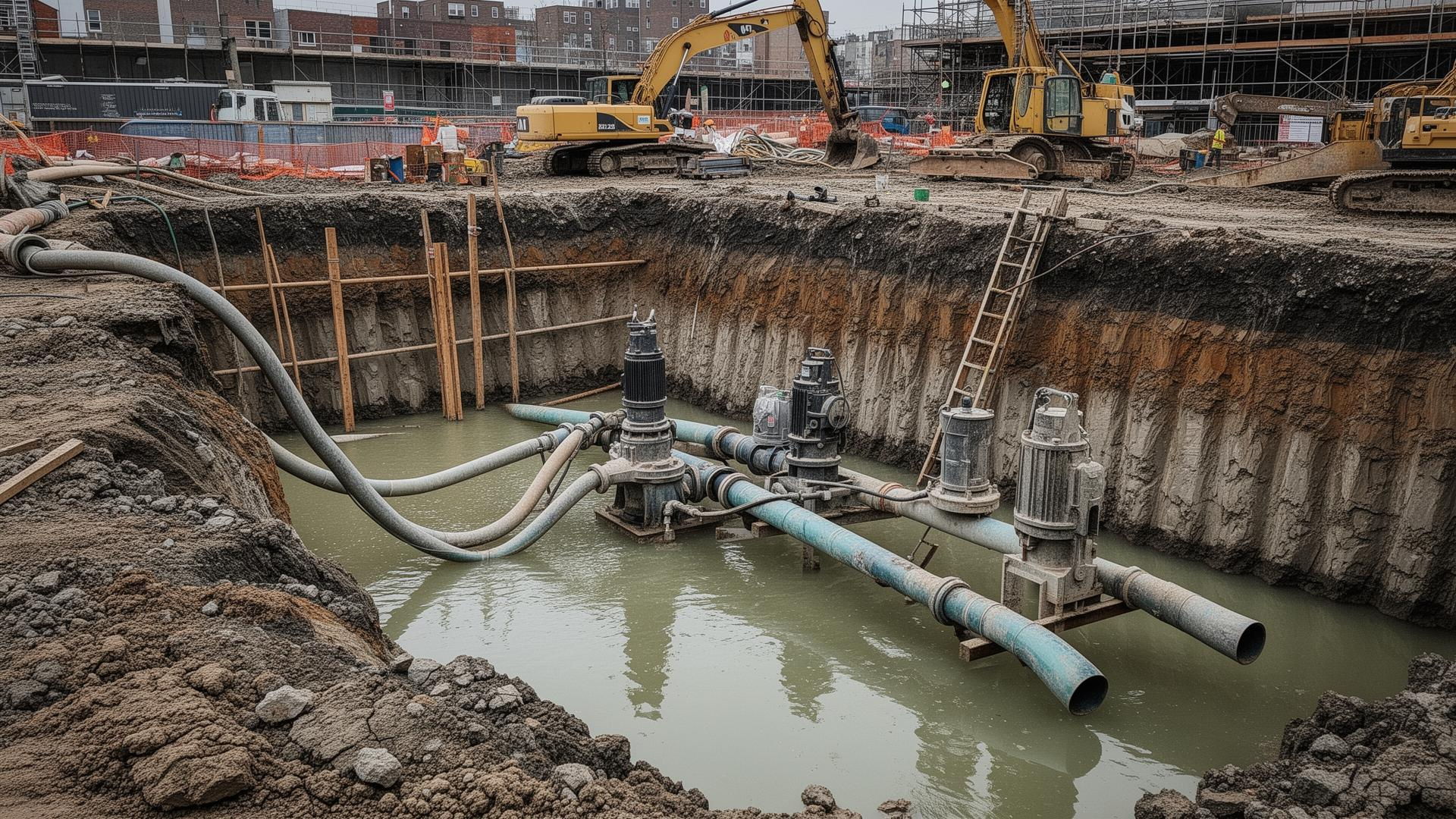
Dewatering Design & Permitting
Construction dewatering system design, permitting, and field oversight for NJ and NY sites.
Learn more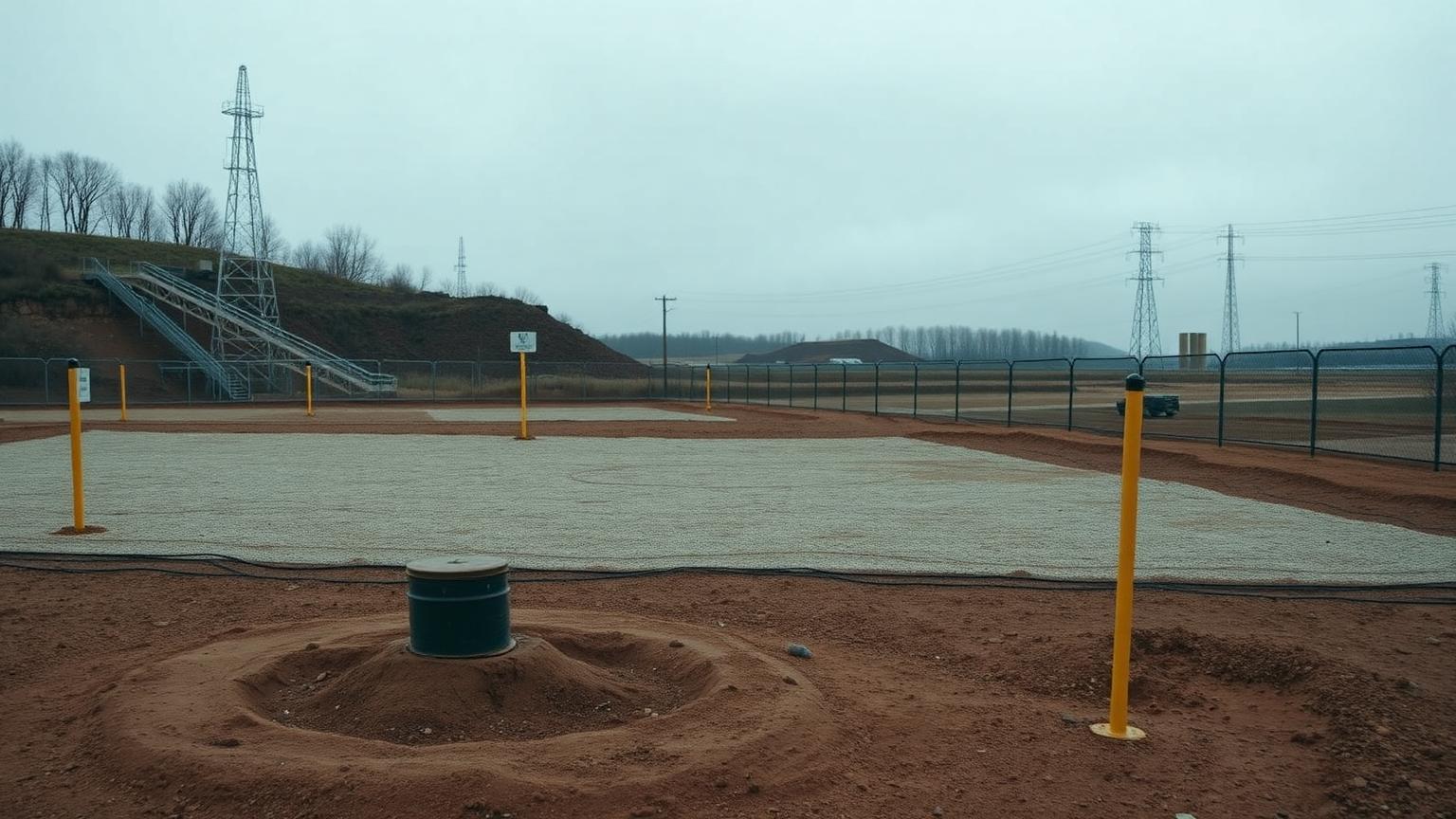
Site Management Plans
Post-remedy Site Management Plans, engineering and institutional control monitoring, and Periodic Review Reports.
Learn more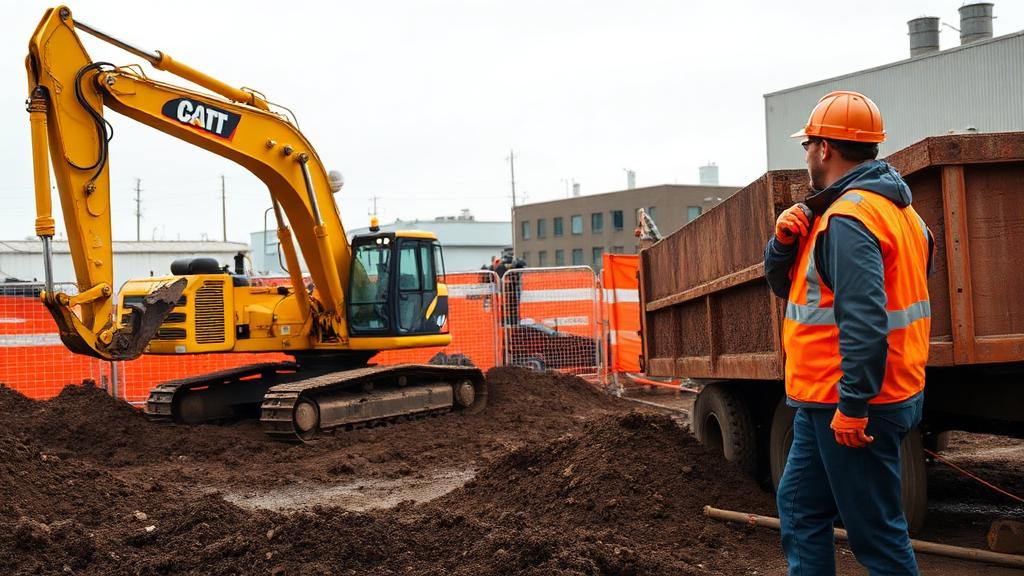
NJ LSRP Services
Licensed Site Remediation Professional services for NJDEP-regulated site closure.
Learn moreIndustries That Rely on Groundwater Investigation & Monitoring
See how teams across these sectors integrate groundwater investigation & monitoring into their projects, with regulator-ready deliverables and predictable timelines.

Developers
We understand your timeline pressures. Get Phase I ESAs that pass lender scrutiny the first time, with 1-week turnaround when you need it.
Explore industry
Industrial
Whether you're acquiring, developing, or operating industrial facilities, we provide the environmental expertise to protect your investment.
Explore industry
Pharma/Chemical
From RCRA compliance to legacy contamination, we help pharmaceutical and chemical companies manage environmental risk and regulatory obligations.
Explore industry
Law Firms
We provide environmental law firms with the technical analysis, expert opinions, and litigation support needed to build winning arguments.
Explore industry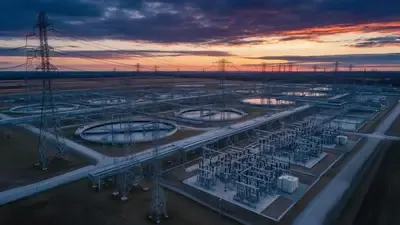
Utilities
From capital improvement projects to regulatory compliance, we help utilities deliver reliable service while meeting environmental obligations.
Explore industryGroundwater Investigation & Monitoring Across the NY/NJ Metro Area
Licensed teams working locally — pick your market for regional regulators, turnaround times, and recent project work.