For New York brownfield developers, the path to a Certificate of Completion is not finished when excavation ends. Under the December 31, 2025 amendments to 6 NYCRR Part 375, the quality, timing, and professional responsibility behind your documentation matter as much as the physical cleanup.
That has direct consequences for developers, lenders, attorneys, contractors, and environmental consultants working across NYC, Westchester, and the Hudson Valley.
The most important point is often misunderstood: a Qualified Environmental Professional, or QEP, can lead substantial environmental work and documentation. However, the Final Engineering Report supporting a New York State Brownfield Cleanup Program, or BCP, Certificate of Completion still requires certification by a New York licensed professional engineer where the regulation calls for engineering certification.
That distinction should shape your project team before fieldwork begins.
What changed under the December 31, 2025 Part 375 amendments?
The revised Part 375 rules reinforce several expectations for BCP projects:
- Data must be accurate, complete, and sufficient to support the project conclusions.
- Remedial work must follow the approved work plan and remedial design.
- Field changes and deviations must receive appropriate review and documentation.
- Significant problems, including Community Air Monitoring Plan issues, must be brought to NYSDEC’s attention as they arise.
- The Final Engineering Report must document implementation, contractor submittals, approved field changes, and the completed remedy.
- The COC issuance date is tied to NYSDEC’s written approval of the Final Engineering Report.
NYSDEC summarized the change clearly. Deviations, CAMP exceedances, and other problems should be addressed “as they arise rather than after a final engineering report has been submitted.” Review the NYSDEC environmental remediation revisions page and the agency’s December 31, 2025 public notice for the official rulemaking materials.
This is more than a closeout formatting issue. It changes how the project team should manage daily field conditions.
QEP responsibilities versus PE certification
The term “NYSDEC Part 375 QEP certification” is generating confusion in the market.
A QEP may perform or manage environmental tasks that fall within the professional’s qualifications and legal authority. That can include field oversight, sampling coordination, data review, environmental reporting, and preparation of technical documentation.
The QEP may also be central to documenting whether the remedy was implemented as designed.
But the QEP does not replace a New York licensed PE when Part 375 requires engineering certification. NYSDEC rejected proposals to create a QEP-only certification pathway for the Final Engineering Report. The agency cited the requirements of New York State Education Law Article 145 and the limits on delegating engineering work to non-licensed professionals.
In practice, the responsibilities should be divided clearly:
The QEP typically supports
- Environmental investigation and sampling coordination.
- Field observations and daily environmental logs.
- Soil, groundwater, vapor, and air monitoring documentation.
- CAMP tracking and exceedance records.
- Waste characterization and disposal documentation.
- Preparation of technical narratives and supporting tables.
- Identification of deviations from approved plans.
- Coordination with contractors and laboratory personnel.
The New York licensed PE must address
- Engineering design and engineering judgment.
- Engineering review of contractor submittals.
- Engineering review of approved field changes.
- Conformance of the completed remedy with the approved design.
- Certification of the Final Engineering Report when required.
- Professional responsibility for engineering statements submitted to NYSDEC.
The right structure is not QEP versus PE. It is a coordinated team with defined authority, clear review points, and one defensible record.
Why real-time field deviation documentation matters
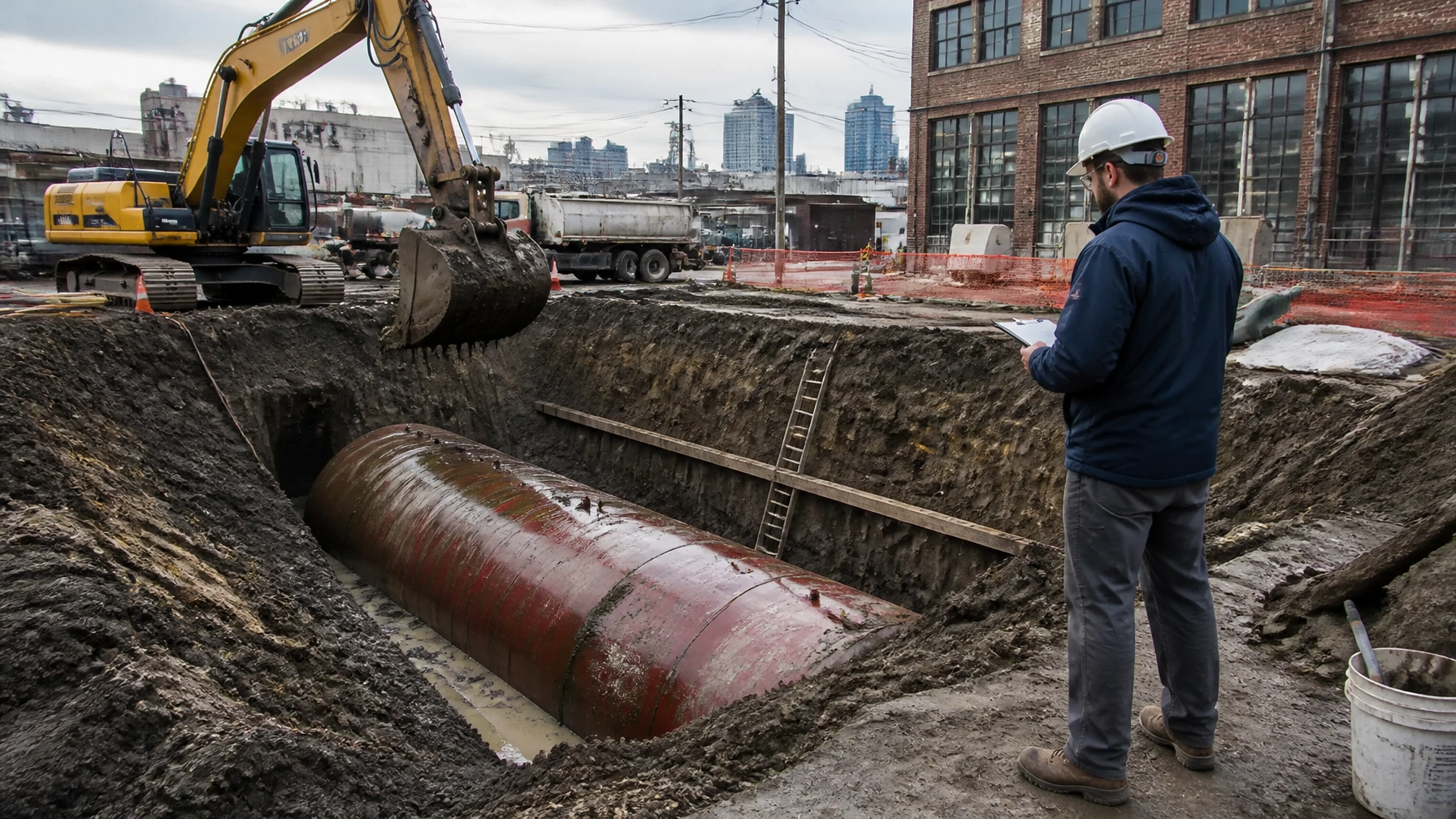
A remediation project rarely proceeds without field adjustments. Soil conditions change. Utilities appear where drawings did not show them. Excavation limits shift. A treatment system may require a revised operating procedure. A contractor may propose a substitute material or sequence.
The problem is not always the deviation itself. The problem is undocumented deviation.
A field change that seems minor in the moment can create a closeout problem if the project team cannot later answer:
- What changed?
- Why did it change?
- Who reviewed it?
- Did the change affect the remedy’s performance?
- Was NYSDEC notified?
- Did the change require agency approval?
- Where is the supporting evidence?
- Was the final condition incorporated into the Site Management Plan or engineering controls?
For NYC brownfield sites, this record may also need to align with construction schedules, NYC Department of Buildings coordination, utility work, vapor mitigation systems, and future operation and maintenance obligations.

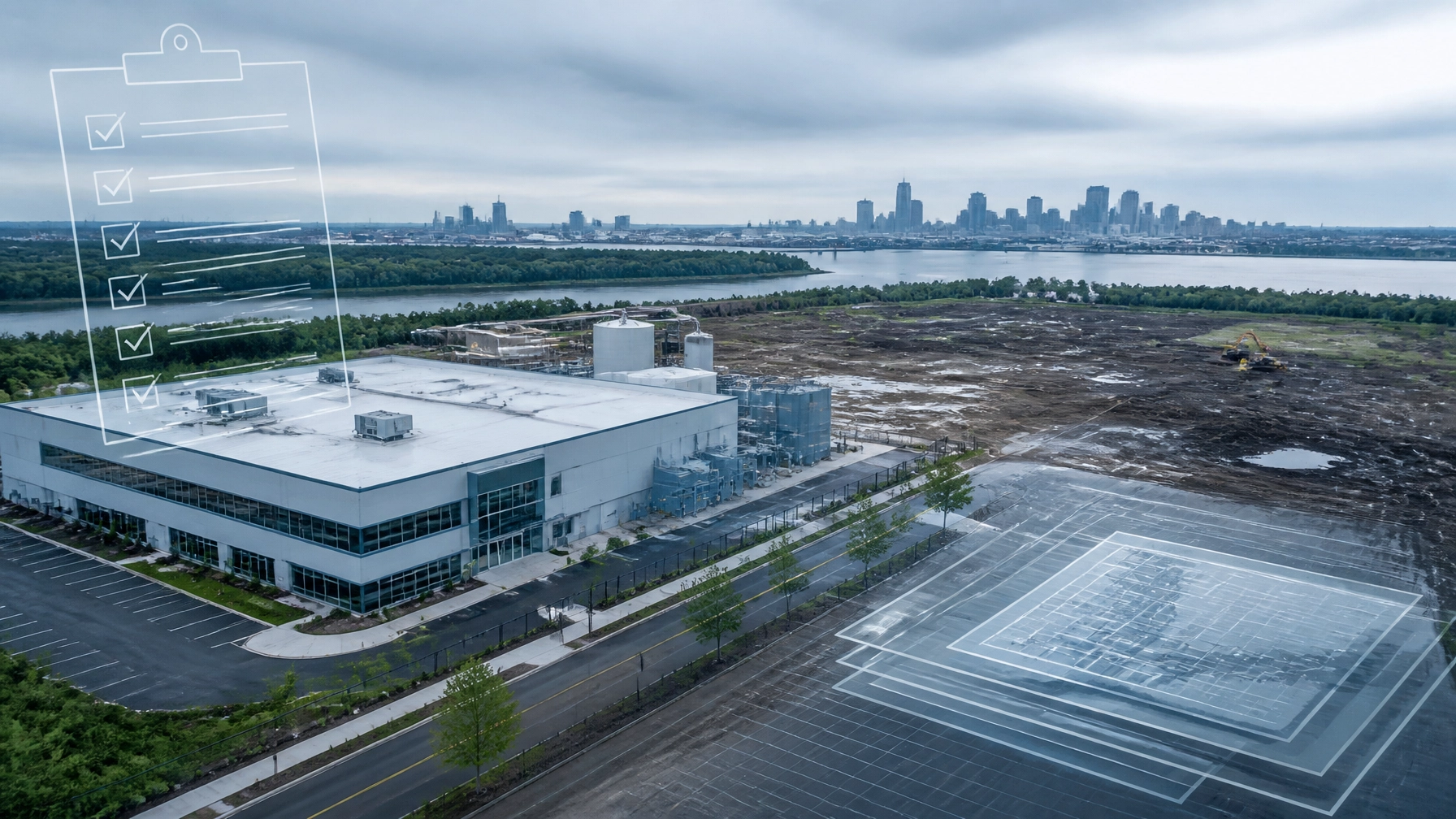
Field-documentation checklist for NYC brownfield projects
Your field documentation should be built for review by NYSDEC, lenders, attorneys, future owners, and the PE signing the Final Engineering Report.
At minimum, maintain:
- Daily field reports with date, weather, personnel, work areas, and active contractors.
- Photographs with location, date, and subject descriptions.
- Excavation limits and remedial areas tied to survey information.
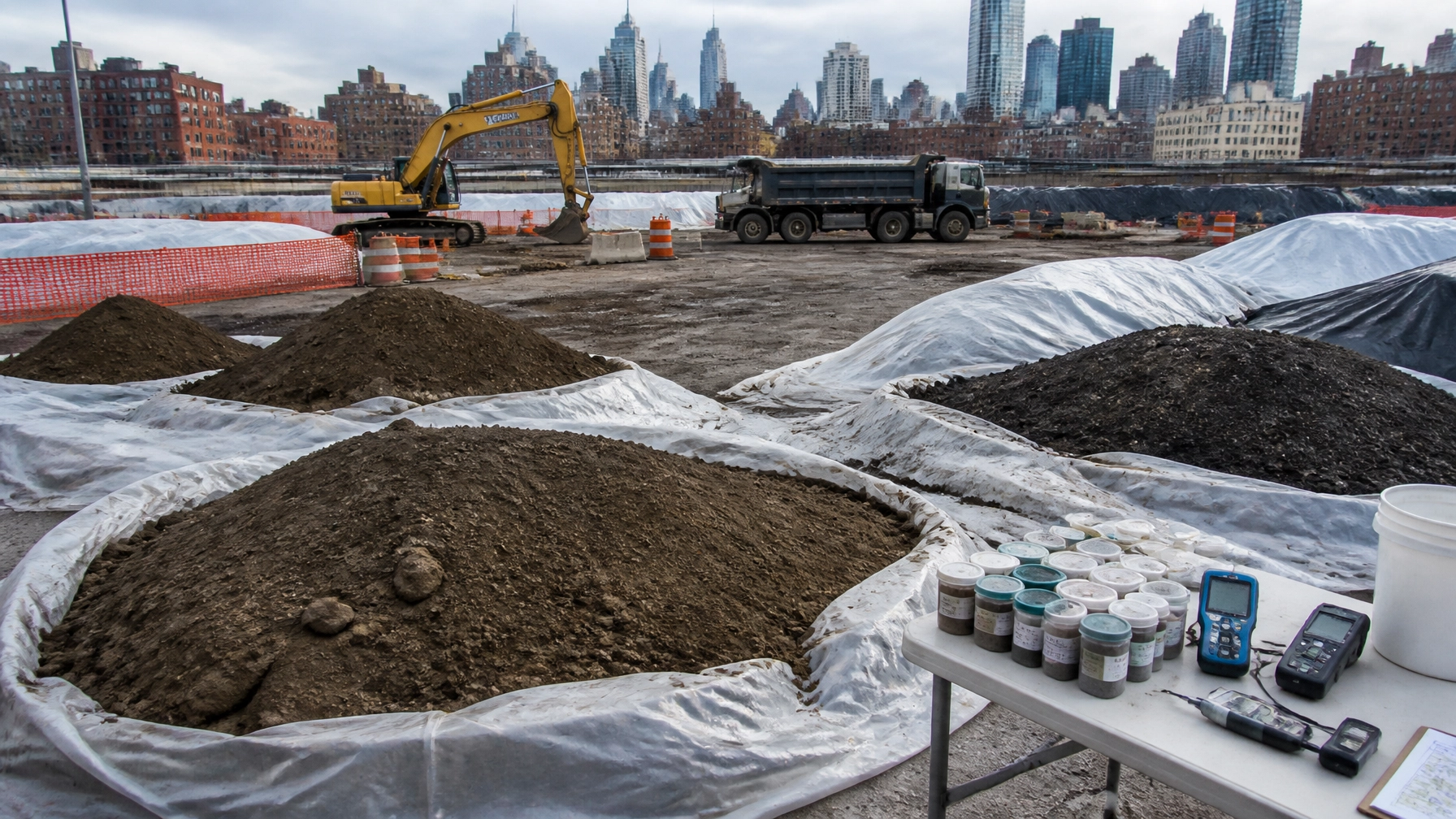
- Soil staging, stockpile, disposal, and reuse records.
- Laboratory reports and complete chain-of-custody documentation.
- Groundwater, soil vapor, and confirmation sampling records.
- CAMP readings, exceedances, notifications, and corrective actions.
- Equipment calibration and field instrument records.
- Contractor submittals and material approvals.
- Requests for information and responses.
- Field change notices and deviation evaluations.
- Agency correspondence and meeting notes.
- As-built drawings for caps, barriers, vapor systems, and other engineering controls.
- Institutional control and Site Management Plan documentation.
- Final survey information showing the completed condition.
A strong record connects the approved plan to the field result. It does not simply place documents in a shared folder.
Engineering controls and institutional controls must work together
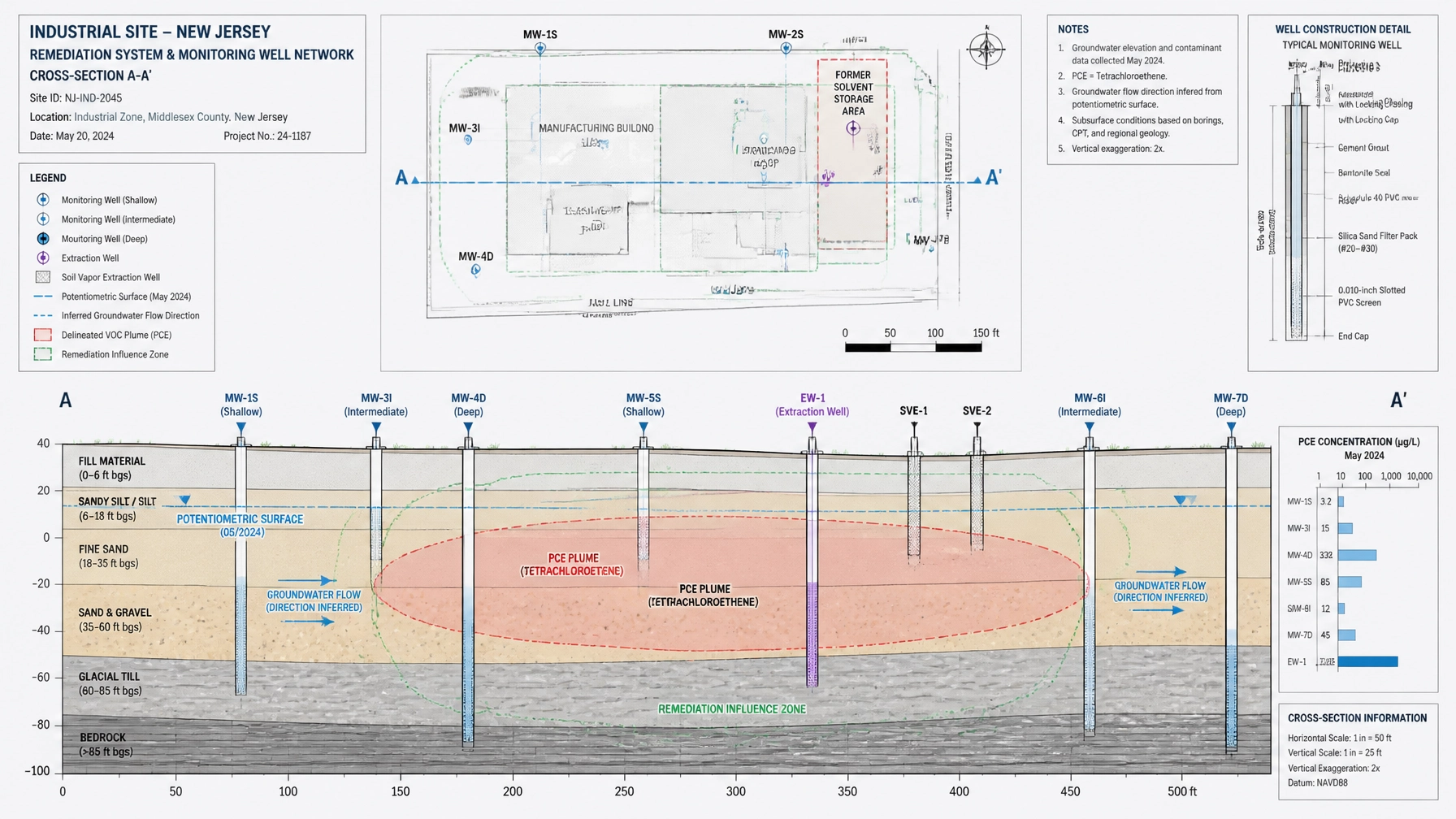
Many New York brownfield remedies do not rely on unrestricted soil cleanup alone. They may include engineering controls such as:
- Soil covers and paved caps.
- Subsurface barriers.
- Vapor intrusion mitigation systems.
- Groundwater treatment systems.
- Excavation restrictions.
- Monitoring wells and access controls.
Institutional controls then preserve the remedy over time. They may include environmental easements, land-use restrictions, groundwater-use restrictions, or requirements for periodic inspections and reporting.
The COC process depends on demonstrating that these controls were installed correctly and can be maintained. A design drawing without field verification is not enough. A photograph without location data is not enough. A Site Management Plan that does not reflect the as-built condition creates unnecessary risk for the owner and future lender.
The Final Engineering Report should explain the connection between the approved remedy, field implementation, deviations, confirmation data, and long-term controls.

NYC BCP and NYC OER VCP are different programs
New York City developers often use “brownfield cleanup” as a general term. The regulatory pathway matters.
The NYSDEC Brownfield Cleanup Program operates under state law and 6 NYCRR Part 375. A BCP project may lead to a NYSDEC Certificate of Completion and can involve state brownfield tax credits, approved remedial work plans, engineering controls, institutional controls, and a PE-certified Final Engineering Report.
The NYC Office of Environmental Remediation Voluntary Cleanup Program, or NYC OER VCP, is a separate city program with its own application, work plan, reporting, oversight, and sign-off requirements.
An NYC project can also involve:
- NYC OER E-Designation requirements.
- NYC Department of Buildings filings.
- NYC Department of City Planning coordination.
- NYC Department of Environmental Protection requirements.
- NYSDEC oversight or separate state permits.
- Lender-specific environmental conditions.
Do not treat a city VCP closure document as interchangeable with a NYSDEC BCP COC. Confirm the program, agency, closure instrument, and certification requirements before relying on a cleanup schedule in a purchase agreement or financing model.
COC readiness affects transactions and lenders
A delayed or challenged COC can affect more than regulatory status. It can delay:
- Construction financing.
- Refinancing.
- Sale or recapitalization.
- Tax credit claims.
- Release of escrowed funds.
- Permanent loan conversion.
- Buyer representations and indemnities.
- Transfer of operation and maintenance obligations.
Lenders want a closure record that is complete, traceable, and consistent with the current site condition. They will often review the approved plans, confirmation sampling, engineering controls, institutional controls, agency correspondence, and the Final Engineering Report.
This is where a large, disconnected consulting team can create avoidable friction. The report may be technically correct but still fail to explain what happened in the field or how the final condition relates to the approved remedy.
At Envicon, we keep the PE, QEP, contractor, owner, attorney, and agency record aligned. Our remediation and brownfield team provides field oversight, QA/QC documentation, remedial design support, engineering control documentation, and regulatory closeout coordination. We also support developers through our NYC environmental consulting practice, with direct coordination across NYC and New York State agencies.
What developers should do now
If your project is active under the NYSDEC BCP, do not wait until closeout to test the documentation.
Start with these actions:
- Confirm whether your project requires a PE-certified Final Engineering Report.
- Define QEP and PE responsibilities in writing.
- Create a field deviation protocol before construction begins.
- Establish who must be notified when CAMP or work-plan issues arise.
- Tie photographs, surveys, sampling, and daily reports to specific work areas.
- Track engineering controls from design through as-built verification.
- Reconcile the Site Management Plan with actual site conditions.
- Review the record against lender and transaction requirements.
- Identify missing documentation before the final report is drafted.
- Hold a COC readiness review with the project engineer and environmental team.
Request a COC readiness review
A BCP COC is not just a final letter. It is the result of a defensible project record built from accurate data, approved plans, disciplined field oversight, and accountable professional review.
If your NYC, Westchester, or New York brownfield project is approaching remediation closeout, we can review the record, identify documentation gaps, and define the path to a regulator-ready submission.
Takeaway
The December 31, 2025 Part 375 amendments raise the standard for contemporaneous field documentation and professional oversight. A QEP remains an important part of the environmental team, but a QEP does not replace the New York licensed PE required for engineering certification of the Final Engineering Report.
The projects that close cleanly are the projects that document reality as it happens.
- Request a COC readiness review
- Call Envicon at (917) 764-2171
- Review your project risk with our risk screener