Understanding the ASTM E1527-21 Standard: What Every Property Buyer Needs to Know
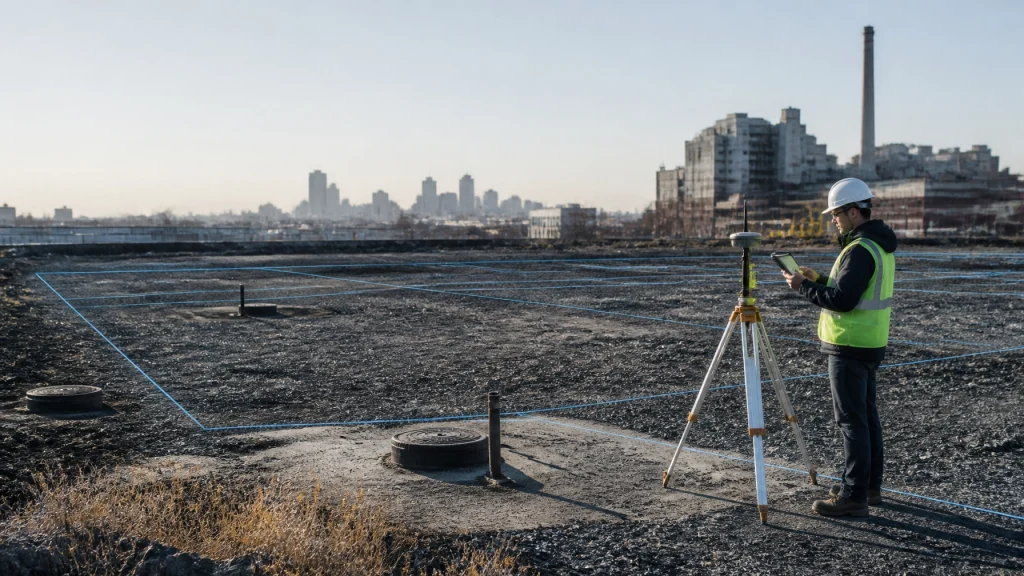
The ASTM E1527-21 standard represents the most significant update to Phase I Environmental Site Assessment (ESA) requirements since 2013. For property buyers, lenders, developers, and environmental professionals operating in New York and New Jersey, understanding these changes is critical for maintaining CERCLA liability protections and ensuring thorough environmental due diligence.
Why ASTM E1527-21 Matters for Your Next Transaction
All Appropriate Inquiries (AAI) under CERCLA require compliance with the current ASTM standard. Since November 2023, the E1527-21 standard has been the benchmark for defensible Phase I ESAs. Transactions using outdated standards may not qualify for innocent landowner, contiguous property owner, or bona fide prospective purchaser liability protections.
Key Changes from E1527-13 to E1527-21
1. Enhanced User Questionnaire Requirements
The updated standard significantly expands User Questionnaire documentation requirements:
- Storage tank history – Both underground (UST) and aboveground (AST) tanks
- Hazardous substance usage – Current and historical chemical handling
- Environmental liens and deed restrictions – Activity and use limitations (AULs)
- Prior environmental reports – Any existing assessments or investigations
- Specialized knowledge – User's awareness of environmental conditions
2. Vapor Intrusion Assessment (Critical Addition)
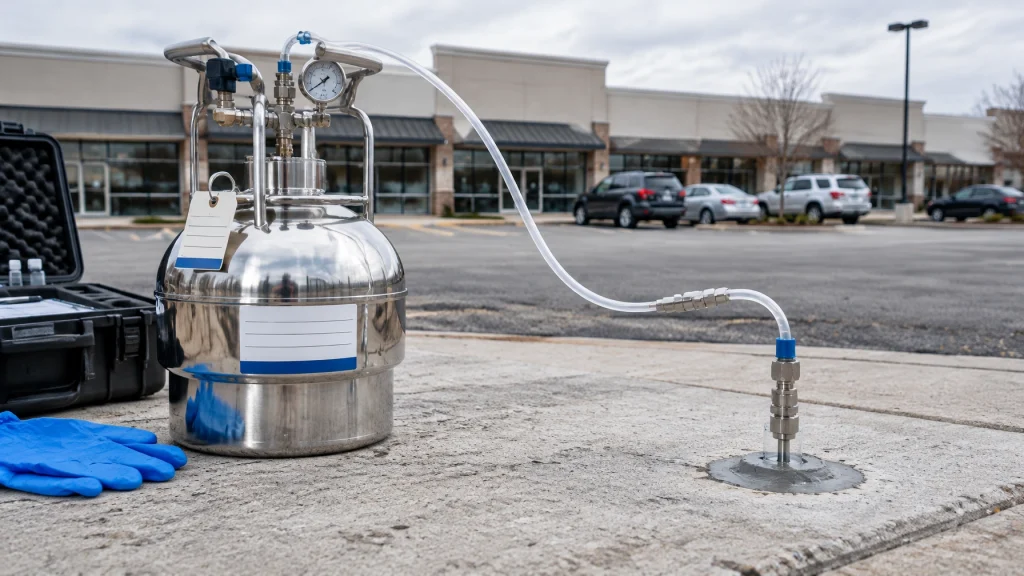
Perhaps the most impactful change, E1527-21 explicitly requires environmental professionals to evaluate vapor intrusion (VI) pathways as part of the Recognized Environmental Condition (REC) analysis:
- Assessment of potential vapor migration from subsurface contamination
- Evaluation of building construction, foundation type, and HVAC systems
- Documentation of vapor encroachment conditions (VECs)
- Consideration of nearby contaminated sites that could affect the subject property
This change reflects growing regulatory focus on vapor intrusion risks, particularly relevant in New Jersey under NJDEP's VI guidance and New York's similar frameworks.
3. Strengthened Historical Research
E1527-21 reinforces comprehensive historical research requirements:
- Sanborn fire insurance maps – Dating back to earliest available
- Historical aerial photographs – Multiple time periods showing site evolution
- City directories – Business occupancy documentation
- Building department records – Permits, violations, and construction history
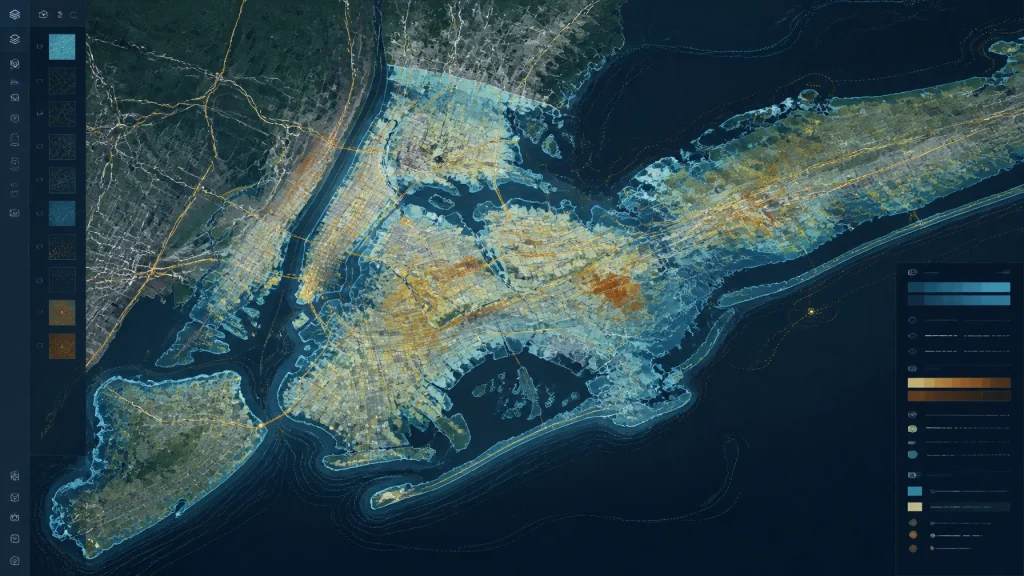
- Environmental database review – Federal, state, and tribal databases
4. Refined REC Definitions
The standard clarifies distinctions between:
- Recognized Environmental Conditions (RECs) – Presence or likely presence of contamination
- Controlled RECs (CRECs) – Contamination managed through institutional/engineering controls
- Historical RECs (HRECs) – Past releases that have been remediated to applicable standards
Implications for New York and New Jersey Transactions
For Property Buyers
- Request E1527-21 compliant Phase I ESAs for all acquisitions
- Ensure your environmental consultant addresses vapor intrusion explicitly
- Complete User Questionnaires thoroughly and accurately
- Allow adequate time for comprehensive assessments (typically 3-4 weeks minimum)
For Lenders
- Update environmental due diligence requirements to specify E1527-21 compliance
- Review borrower-provided reports for vapor intrusion analysis
- Consider VI implications for collateral valuation
For Developers
- Factor potential VI mitigation costs into project pro formas
- Engage qualified environmental consultants early in site selection
- Understand how VI findings may affect building design requirements
Best Practices for E1527-21 Compliance
- Engage qualified environmental professionals – Look for firms with specific NY/NJ regulatory experience
- Start early – Allow 4-6 weeks for comprehensive assessments
- Complete User Questionnaires thoroughly – Incomplete responses can limit liability protections
- Address data gaps proactively – Document reasonable attempts to obtain information
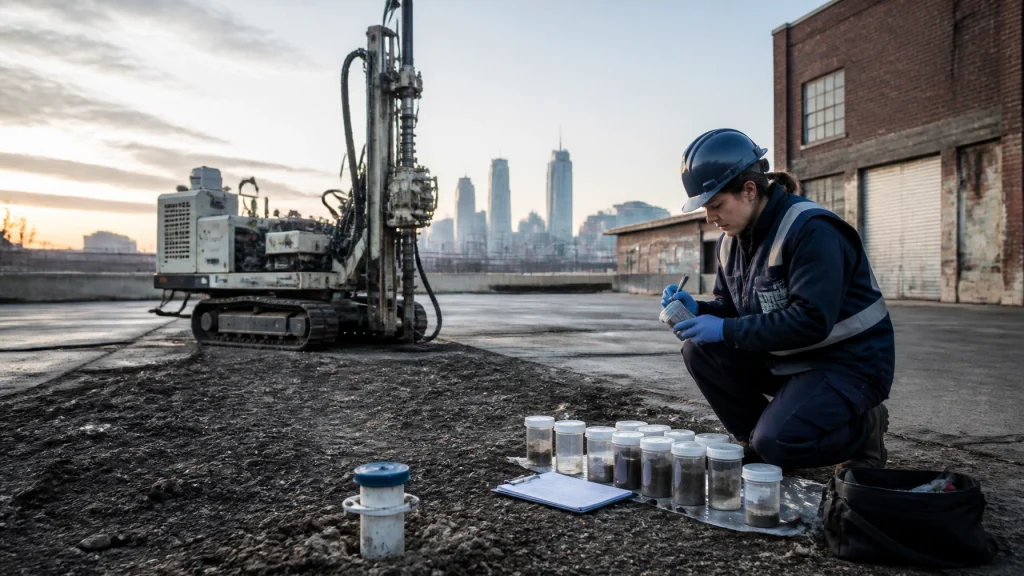
- Consider Phase II investigations – When RECs are identified, timely follow-up protects your interests
How Envicon Group Supports Your Due Diligence
Our Phase I ESA team has fully integrated ASTM E1527-21 requirements into our assessment protocols. With offices in Newark and New York, we understand the regional regulatory landscape and provide:
- Rapid turnaround without compromising quality
- Explicit vapor intrusion pathway evaluations
- Clear, defensible reports supporting informed decision-making
- Seamless transition to Phase II investigations when needed
Ready to discuss your next transaction? Contact our environmental assessment team for a consultation.