2026 NJDEP LSRP Program Updates: Preparing for New Compliance Requirements
New Jersey's Licensed Site Remediation Professional (LSRP) program enters 2026 with significant regulatory adjustments that directly affect responsible parties, property owners, and developers with active remediation cases. The NJDEP has introduced tighter oversight mechanisms and revised reporting protocols that demand immediate attention from anyone managing contaminated sites in the state.
Key Changes Taking Effect in 2026
1. Revised Mandatory Timeframe Extensions
NJDEP has tightened the process for mandatory timeframe extension requests:
- Earlier submission deadlines - Extension requests must now be submitted 120 days before the regulatory deadline, up from 90 days
- Enhanced justification requirements - Responsible parties must demonstrate "material progress" through quantitative metrics rather than narrative descriptions
- Cumulative extension caps - Sites with three or more prior extensions face additional NJDEP review before approval
- Direct oversight triggers - Failure to meet extended deadlines may result in automatic NJDEP direct oversight referral
2. Updated Receptor Evaluation Requirements
The 2026 updates expand receptor evaluation obligations:
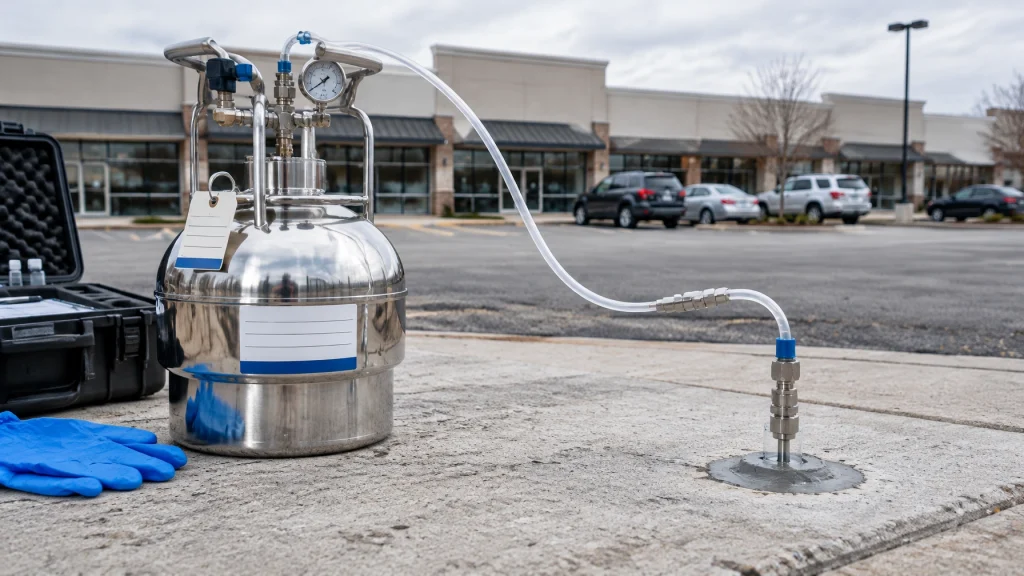
- Expanded vapor intrusion screening - All sites with VOC contamination above screening levels must complete a preliminary VI assessment within the first remedial investigation phase
- Sensitive receptor documentation - LSRPs must now map and document all sensitive receptors within a 1,500-foot radius, up from 500 feet for certain contaminant classes
- Ecological receptor analysis - Sites within 500 feet of surface water must include preliminary ecological risk screening
3. New Electronic Reporting Standards
NJDEP is transitioning all LSRP reporting to its updated DataMiner portal:
- Standardized data formats - Analytical results must be submitted in NJDEP's revised Electronic Data Deliverable (EDD) format
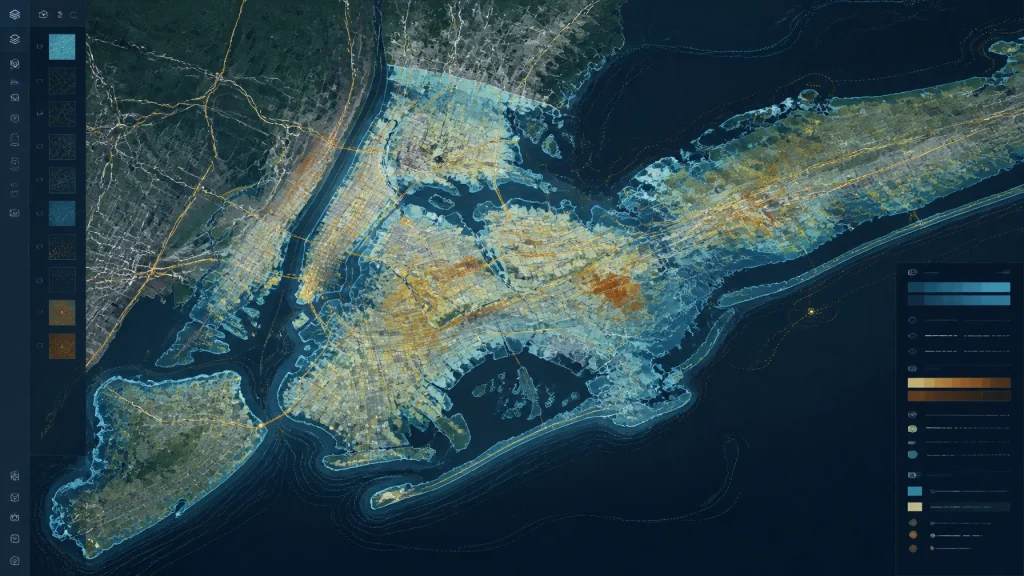
- GIS-integrated site maps - Remedial Action Reports must include georeferenced site plans compatible with NJDEP's mapping system
- Real-time case status tracking - Responsible parties can now monitor case progress and upcoming deadlines through the portal
Implications for Active Remediation Cases
Sites in Remedial Investigation (RI) Phase
If your site is currently in the RI phase, the 2026 changes mean:
- Vapor intrusion assessments should be integrated into your RI workplan now, not deferred to a later phase
- Budget for expanded receptor evaluations, particularly if your site is near residential areas or schools
- Coordinate with your LSRP on EDD formatting requirements before submitting the next round of analytical data
Sites Approaching Regulatory Deadlines
For sites with upcoming mandatory timeframe deadlines:
- File extension requests at least 120 days in advance with quantitative progress documentation
- If you have had two or more prior extensions, prepare a detailed remedial progress report demonstrating measurable contaminant reduction
- Consider whether accelerated remedial technologies could help meet deadlines without extension
Post-Remediation Monitoring Sites
Sites in long-term monitoring face new requirements:
- Biennial Certification submissions must include updated receptor evaluations
- Classification Exception Areas (CEAs) require updated GIS boundary files
- Deed Notice compliance monitoring must reference current NJDEP template language
Compliance Strategies for Responsible Parties
- Audit your current case status - Review all pending deadlines against the new 120-day extension request window
- Update your remedial workplan - Integrate expanded receptor evaluation and VI screening requirements
- Transition to electronic reporting - Ensure your environmental consultant is prepared for the new EDD and GIS requirements
- Review your LSRP relationship - Confirm your LSRP is current on 2026 regulatory changes and continuing education requirements
- Budget accordingly - Factor in additional costs for expanded assessments and electronic reporting compliance
How Envicon Group Supports NJ Site Owners
Our LSRP team has been tracking these regulatory changes since the proposed rulemaking stage. We provide:
- Regulatory gap analysis - Identify where your current remediation program falls short of 2026 requirements
- Deadline management - Proactive tracking and timely extension filings
- Cost-effective remedial strategies - Accelerated technologies that reduce timeline risk
- Full EDD and GIS compliance - Data management systems aligned with NJDEP's updated portal
Have an active NJDEP case? Contact our LSRP team for a complimentary regulatory gap review.