

Vapor Intrusion
Vapor intrusion assessment and mitigation for NY and NJ buildings: soil gas sampling, sub-slab depressurization, NYC (E) designations and NJDEP guidance.

NJDEP Vapor Intrusion IEC 2026: The Rapid Action Levels and Dual Notification Duty That Turn a Sampling Event Into an Emergency Response
NJDEP Vapor Intrusion IEC 2026: Rapid Action Levels and Dual ReportingMeta description: Learn when NJDEP vapor intrusion results trigger an IEC, who must call the hotline, which filings are due, and how Newark-area industrial sites can respond. Published October 26, 2026, at 2:00 p.m. ET October 2026 NJDEP reminders have put an important […]
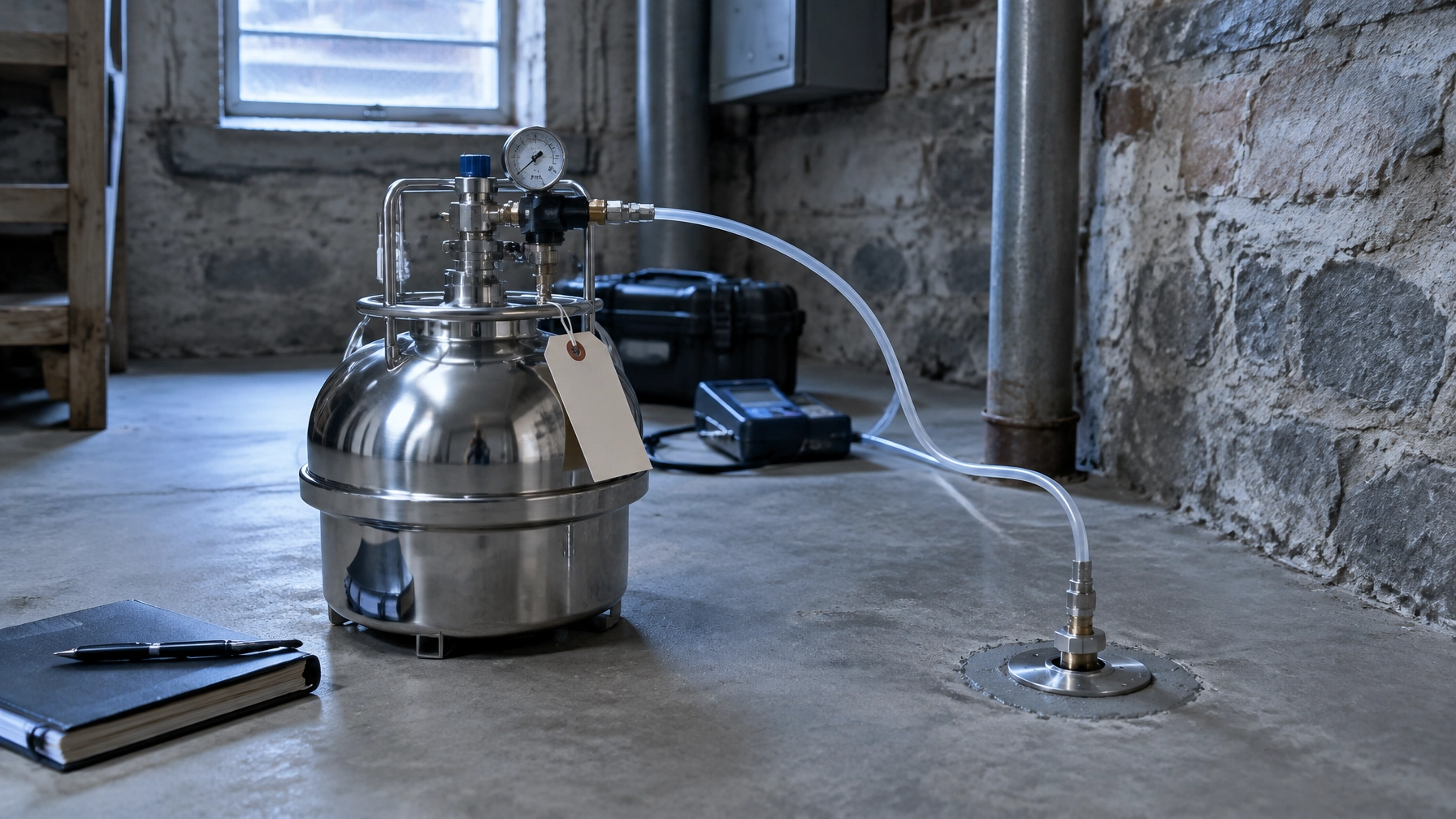
Data Usability Summary Reports 2026: The Gowanus Vapor Files That Show Why Half Your Soil Gas Data Might Not Survive Review
Data Usability Reports 2026: Gowanus Vapor Sampling and NJDEP ReviewMeta description: What the 2026 NYSDEC Gowanus vapor reports reveal about data usability, sampling QC, NJDEP IEC decisions, and avoiding costly resampling.Status: Draft for approval. Not published or scheduled. A vapor result is only useful if the regulator can rely on it. That depends […]
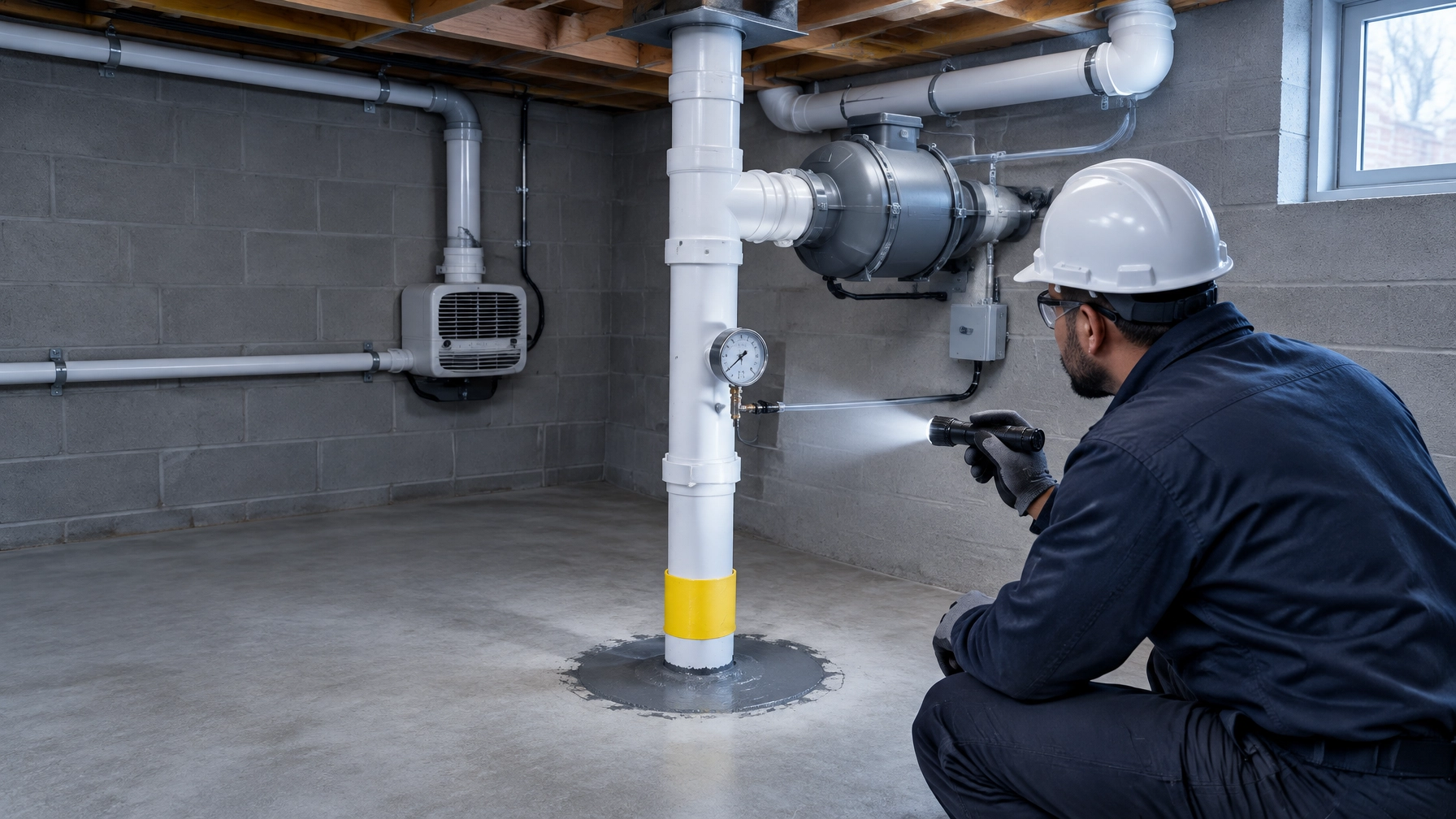
Vapor Intrusion Mitigation System O&M in NJ: Fan Testing, Annual Certification, and LSRP Reporting
A vapor intrusion mitigation system is not finished when the fan turns on. For an NJ multifamily or mixed-use building, the operational phase determines whether the remedy remains protective, whether tenants receive accurate information, and whether the property can satisfy its ongoing NJDEP obligations. Sub-slab depressurization and sub-membrane systems require documented startup testing, pressure monitoring, […]
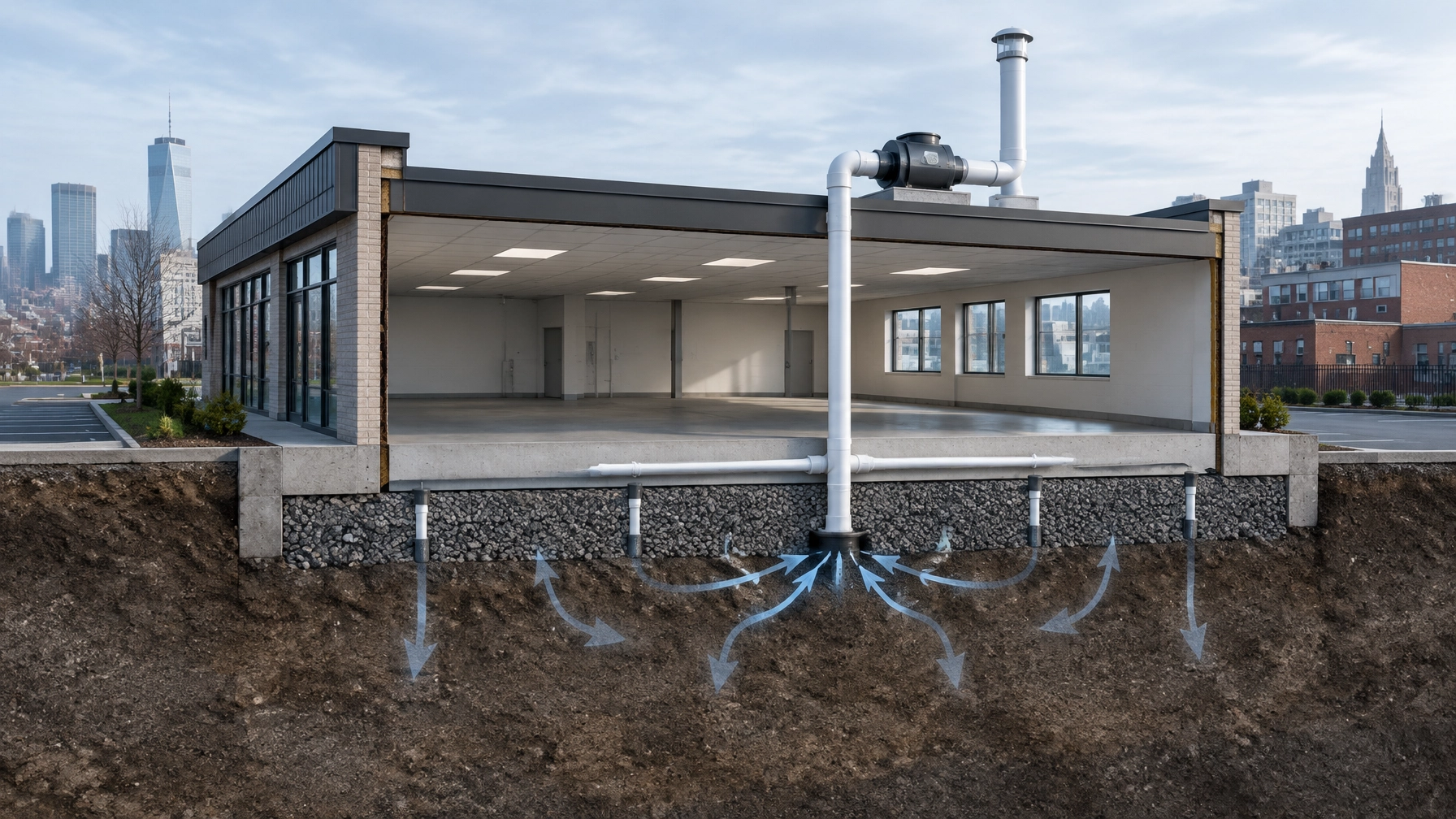
Vapor Intrusion Mitigation Systems 2026: Sub-Slab Depressurization Design and What Owners Owe After Installation
A vapor intrusion finding can change a development schedule quickly. A lender may pause funding. A tenant improvement plan may need revision. NJDEP or an LSRP may require additional investigation, mitigation, or long-term monitoring before the property can move forward. For many existing buildings in New Jersey, the practical remedy is an active sub-slab depressurization […]
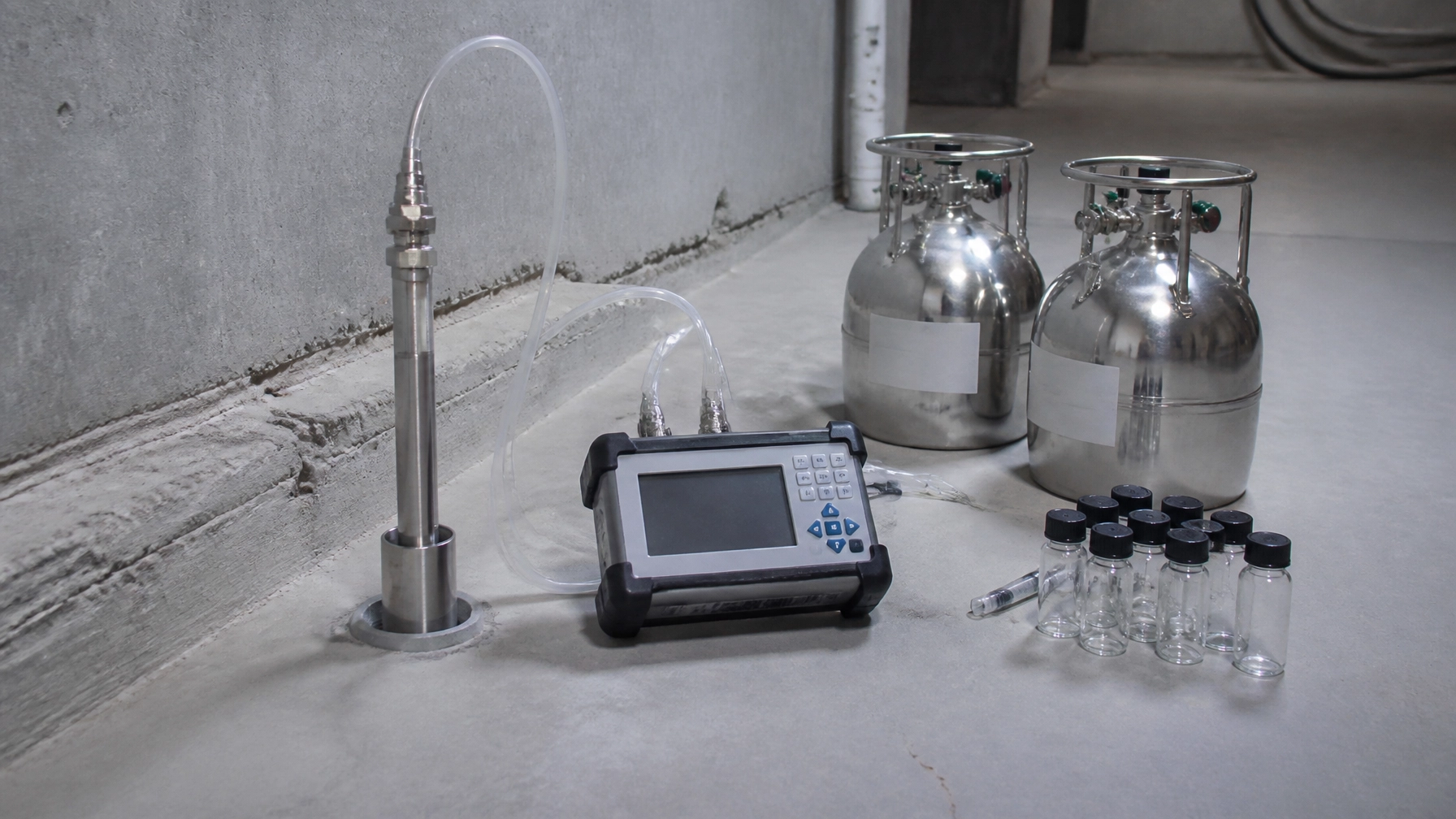
NJDEP Vapor Intrusion Screening Levels: Soil Vapor Testing for Newark and Jersey City Properties
A vapor intrusion assessment can affect whether a Newark warehouse closes, whether a Jersey City redevelopment receives lender approval, and whether a contaminated property has a clear path to construction. The starting point is the NJDEP vapor intrusion guidance, including the current Vapor Intrusion Screening Levels, or VISL, tables. These values help investigators decide when […]
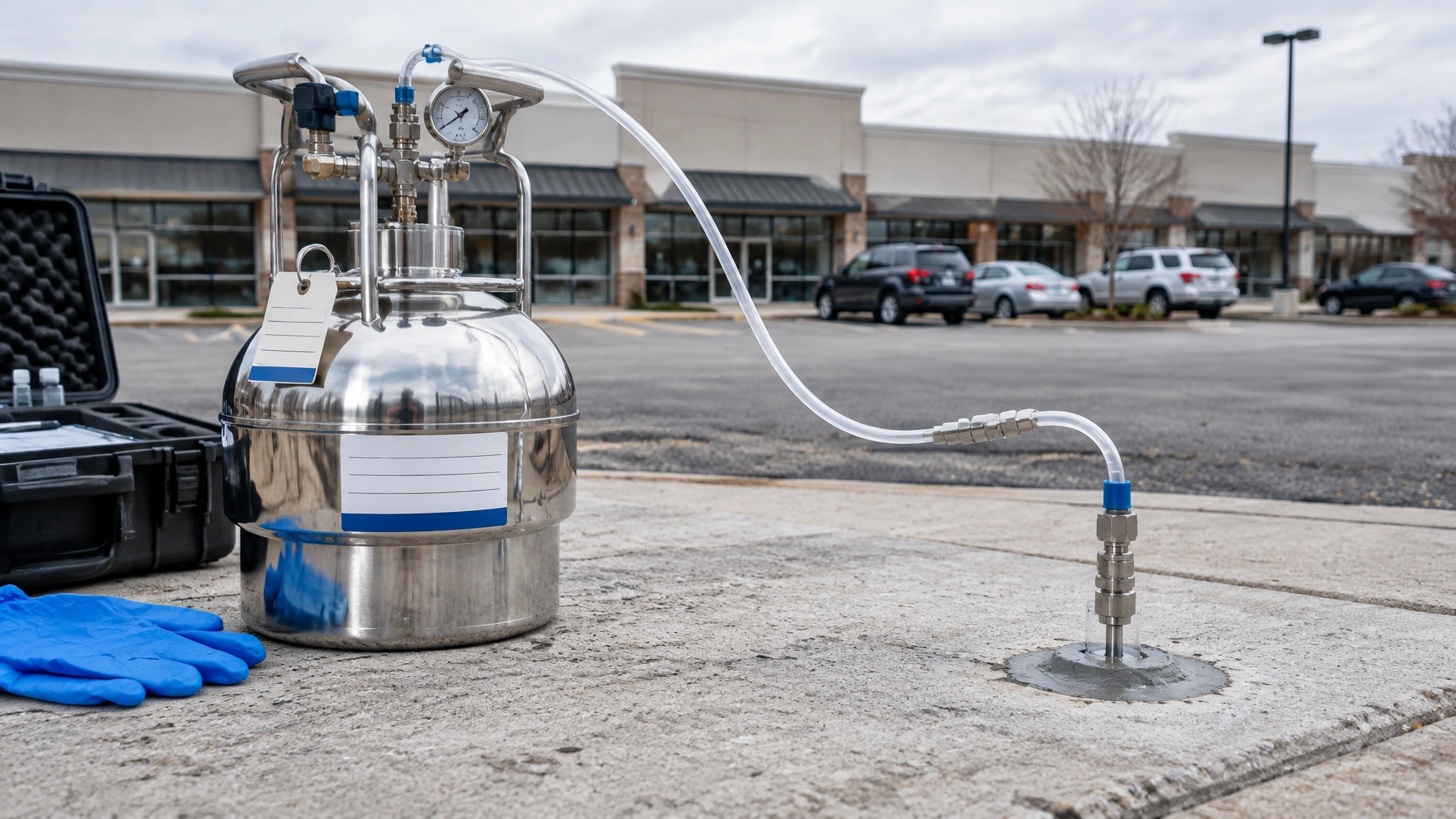
Former Dry Cleaner Sites 2026: PCE Vapor Intrusion Risk in NY and NJ Retail Redevelopment
Former Dry Cleaner Sites 2026: PCE Vapor Intrusion Risk in NY and NJ Retail Redevelopment Meta description: Learn how former dry cleaner sites create PCE vapor intrusion risks in New York and New Jersey, and how a properly scoped Phase II ESA supports mitigation and regulatory closeout. A drive-by inspection can tell you […]
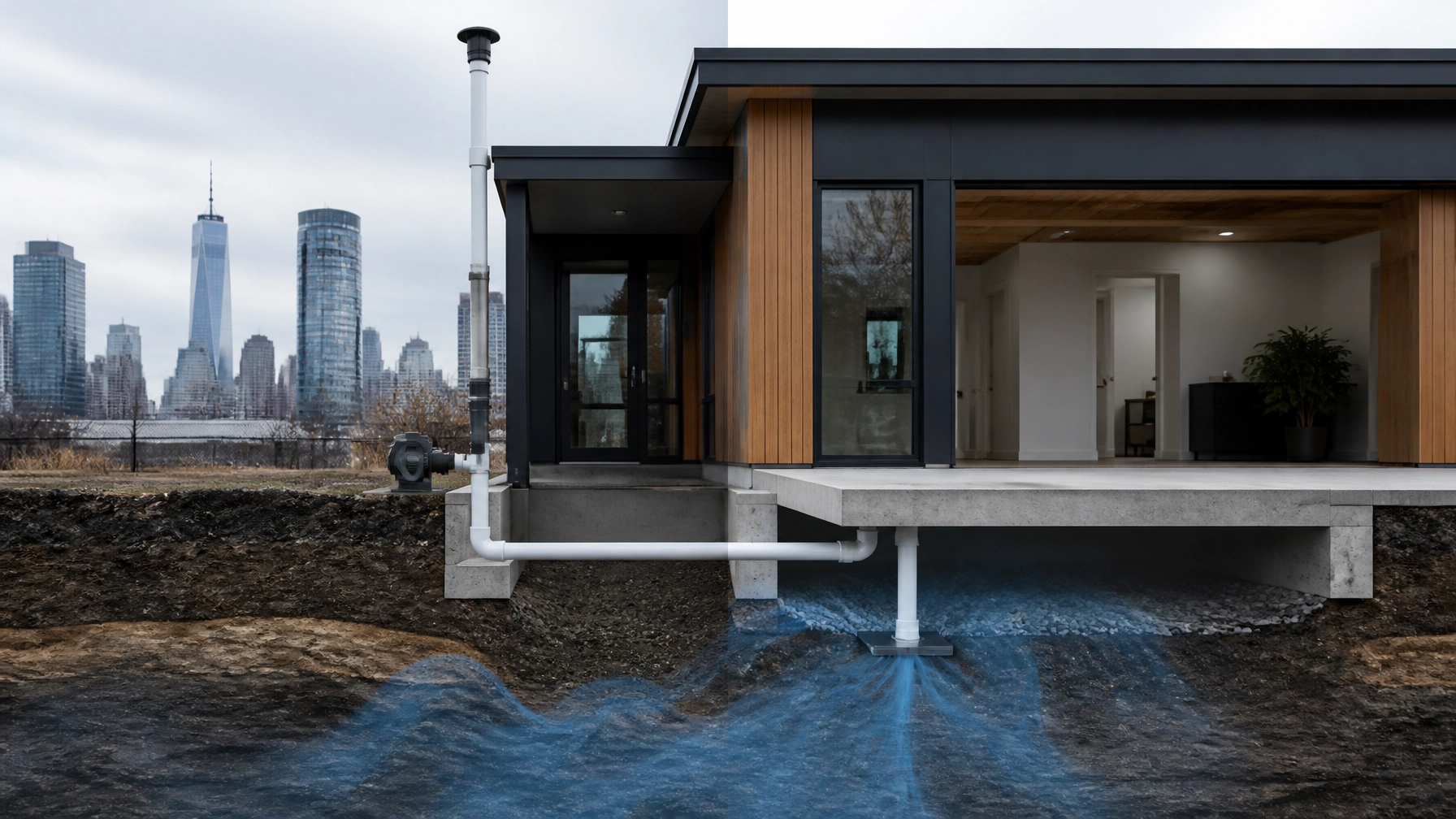
Vapor Intrusion Mitigation Systems: The NYC and NJ Design, Installation, and Closing Guide
Vapor intrusion mitigation systems protect building occupants when volatile organic compounds, or VOCs, migrate from contaminated soil or groundwater into indoor air. For developers, lenders, attorneys, and property owners in New York and New Jersey, the question is not simply whether a system can be installed. The real questions are: What pathway is active? Which […]
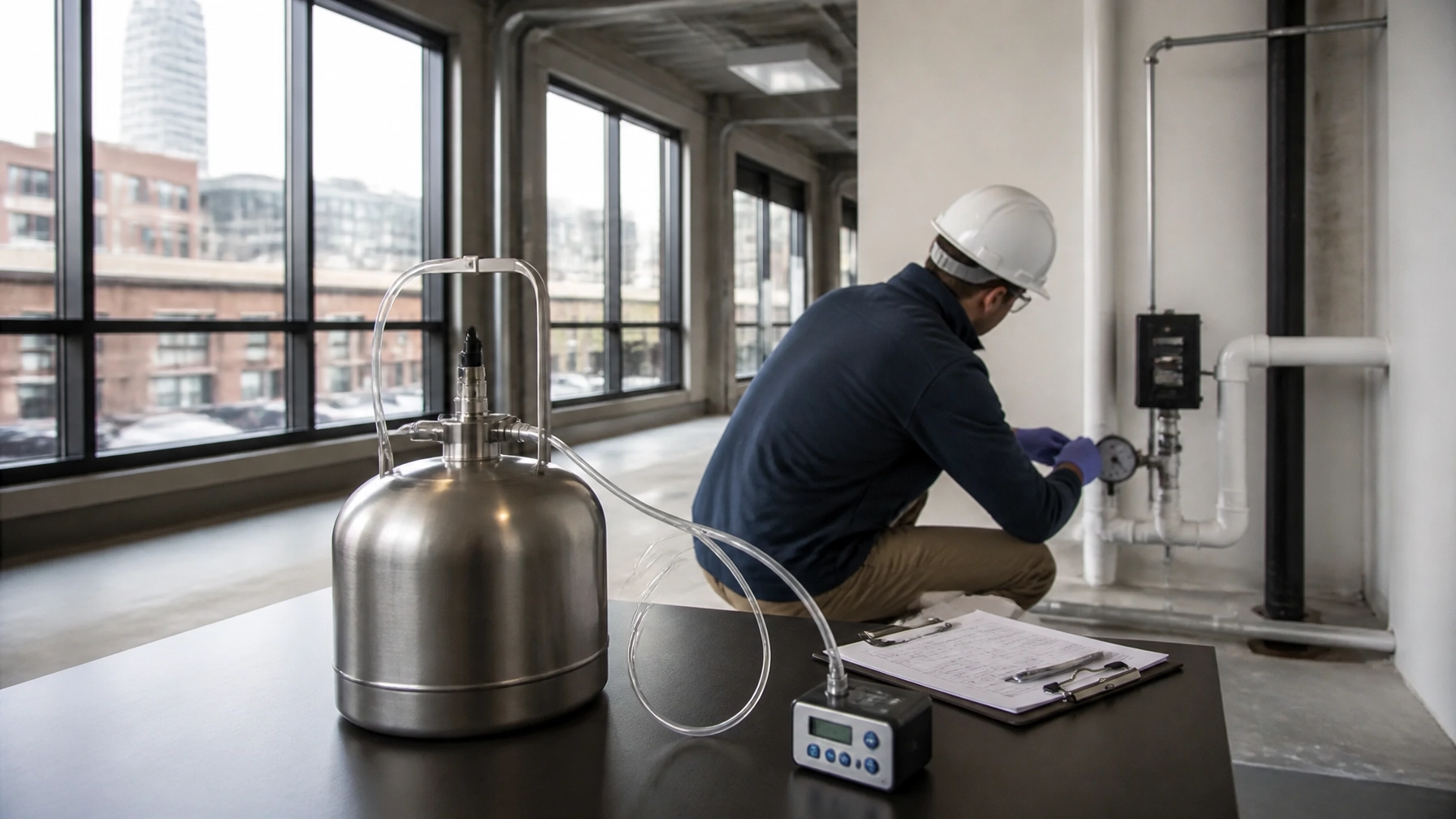
NJ Remedial Action Permit Indoor Air Requirements: Vapor Intrusion Closeout for Newark and Jersey City Properties
A vapor intrusion investigation and a Remedial Action Permit are not the same thing. The investigation evaluates whether contaminants in soil gas, groundwater, or indoor air can reach building occupants. A Remedial Action Permit, or RAP, governs the controls and obligations that remain after the remedy relies on institutional or engineering controls. That distinction matters […]
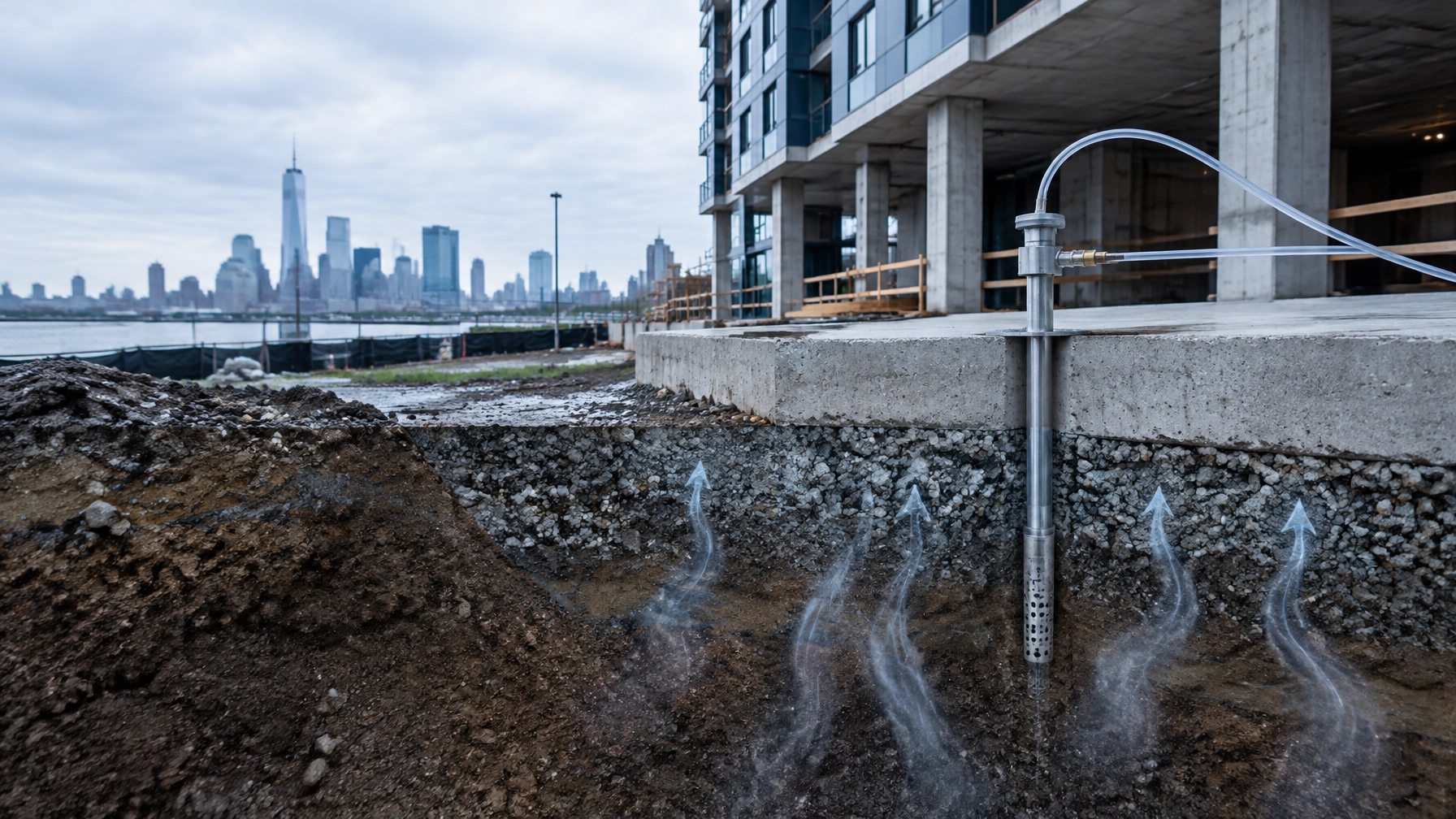
NJDEP Indoor Air Notification Area: New Vapor Intrusion Controls for Contaminated Properties
As of February 2026, the New Jersey Department of Environmental Protection has added the Indoor Air Notification Area, or IANA, to the state’s remedial framework for contaminated properties. The change matters for property owners, developers, lenders, attorneys, and construction teams working in Newark, Jersey City, and throughout Hudson County. When volatile chemicals migrate from soil […]
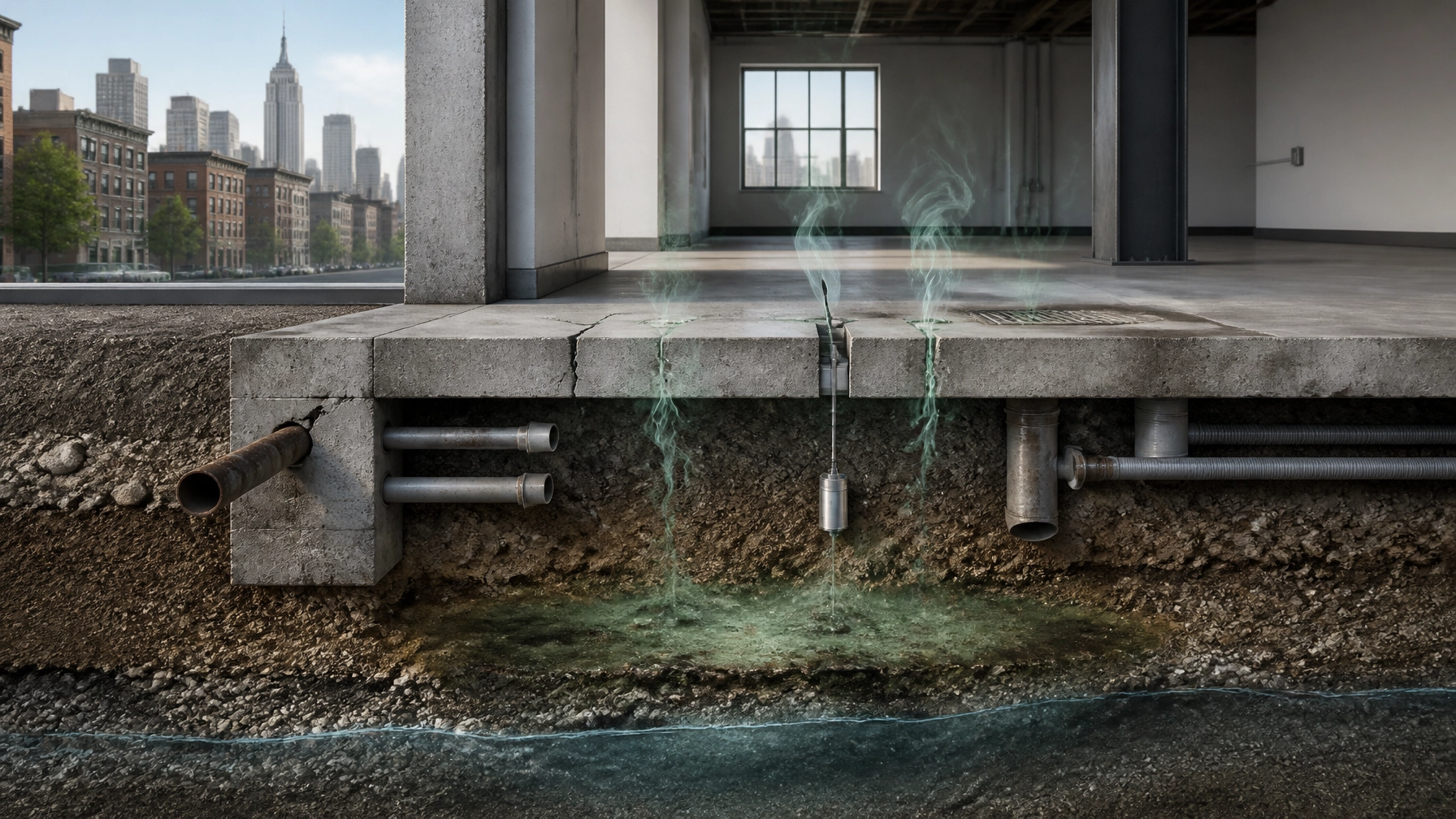
Vapor Intrusion Assessment NYC: E-Designation, Soil Vapor Testing, and Real Estate Closing Risk
A vapor intrusion assessment can determine whether volatile organic compounds in soil or groundwater are migrating into a building. For New York City property transactions, the assessment can also determine whether an acquisition stays on schedule or moves into a longer regulatory and lender review. The issue often appears during Phase I or Phase II […]
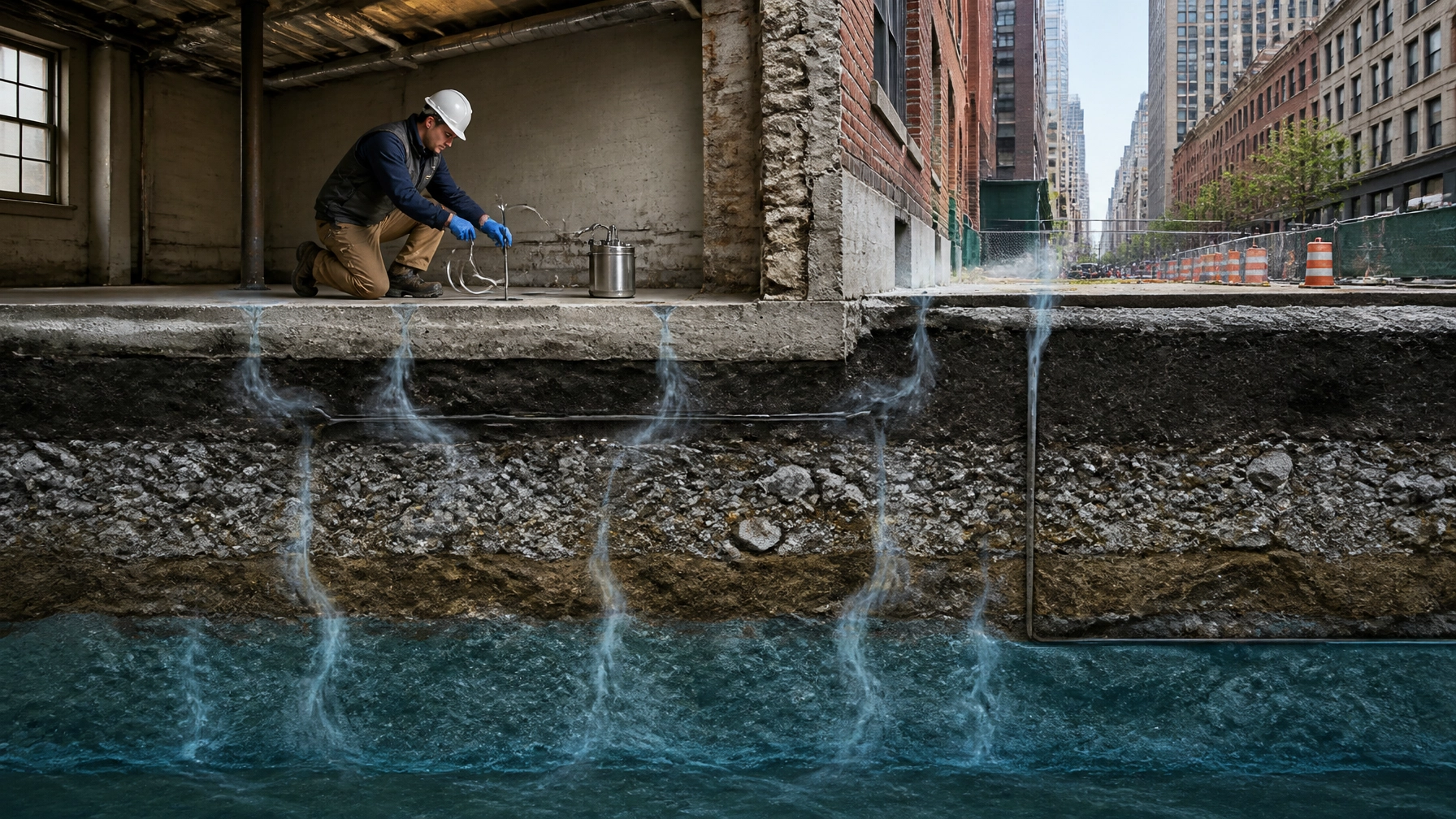
NYSDEC Vapor Intrusion Guidance: 2026 Soil Vapor Sampling and Decision Matrix Updates for NYC Sites
For NYC and Lower Hudson Valley property transactions, vapor intrusion is no longer a late-stage technical issue. It can affect acquisition decisions, lender approval, building design, remediation budgets, and closing schedules. The current NYSDEC vapor intrusion guidance 2026 framework remains anchored in the New York State Department of Health’s 2006 Soil Vapor Intrusion Guidance, with […]
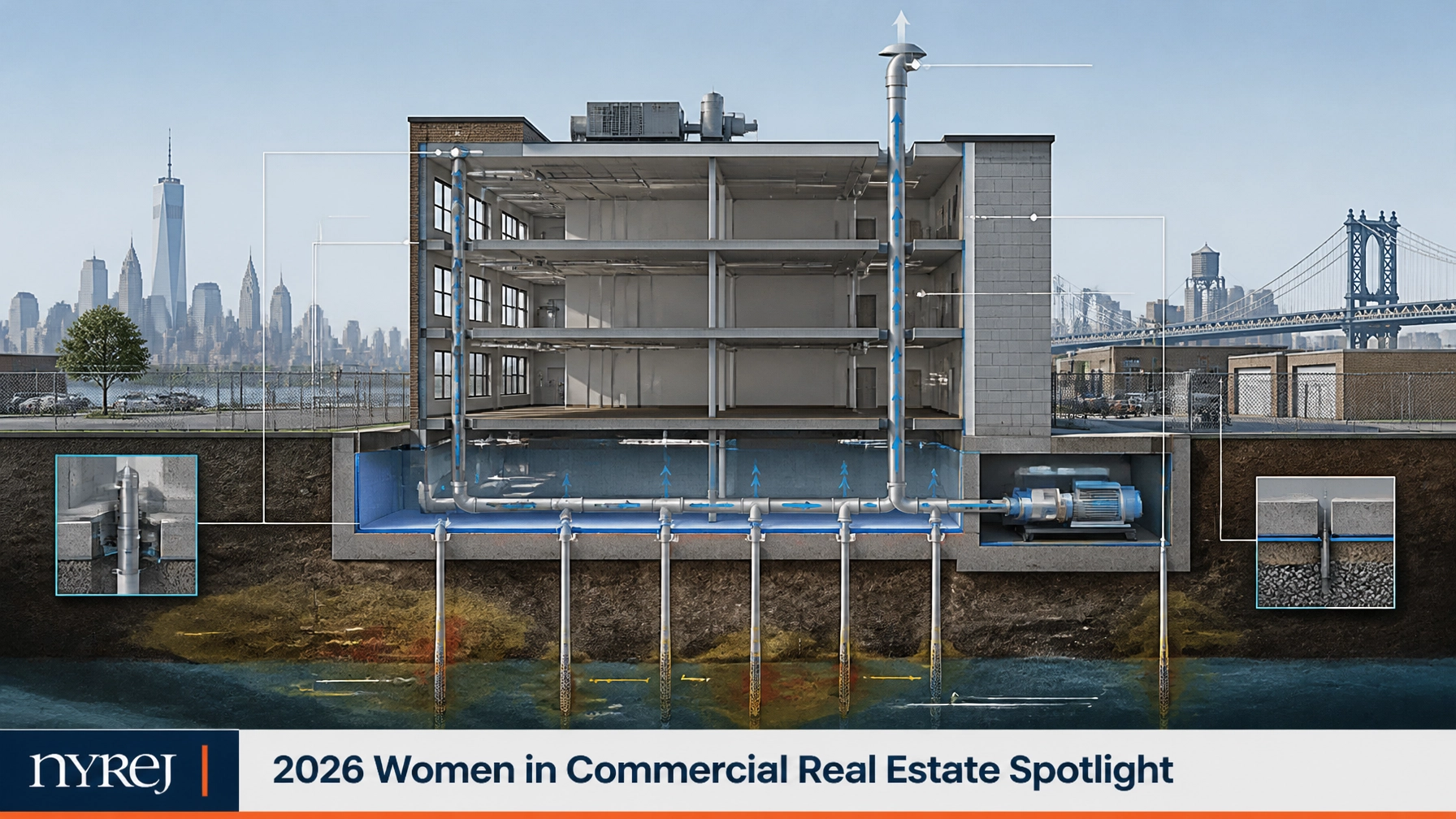
Vapor Intrusion Mitigation Systems in NYC and NJ: Design, Installation, and Long-Term Monitoring
Vapor intrusion mitigation systems protect occupied buildings from volatile organic compounds, or VOCs, migrating from contaminated soil or groundwater into indoor air. In New York City and New Jersey, the right system must do more than reduce vapor concentrations. It must satisfy agency requirements, support the construction schedule, and remain functional after the building opens. […]