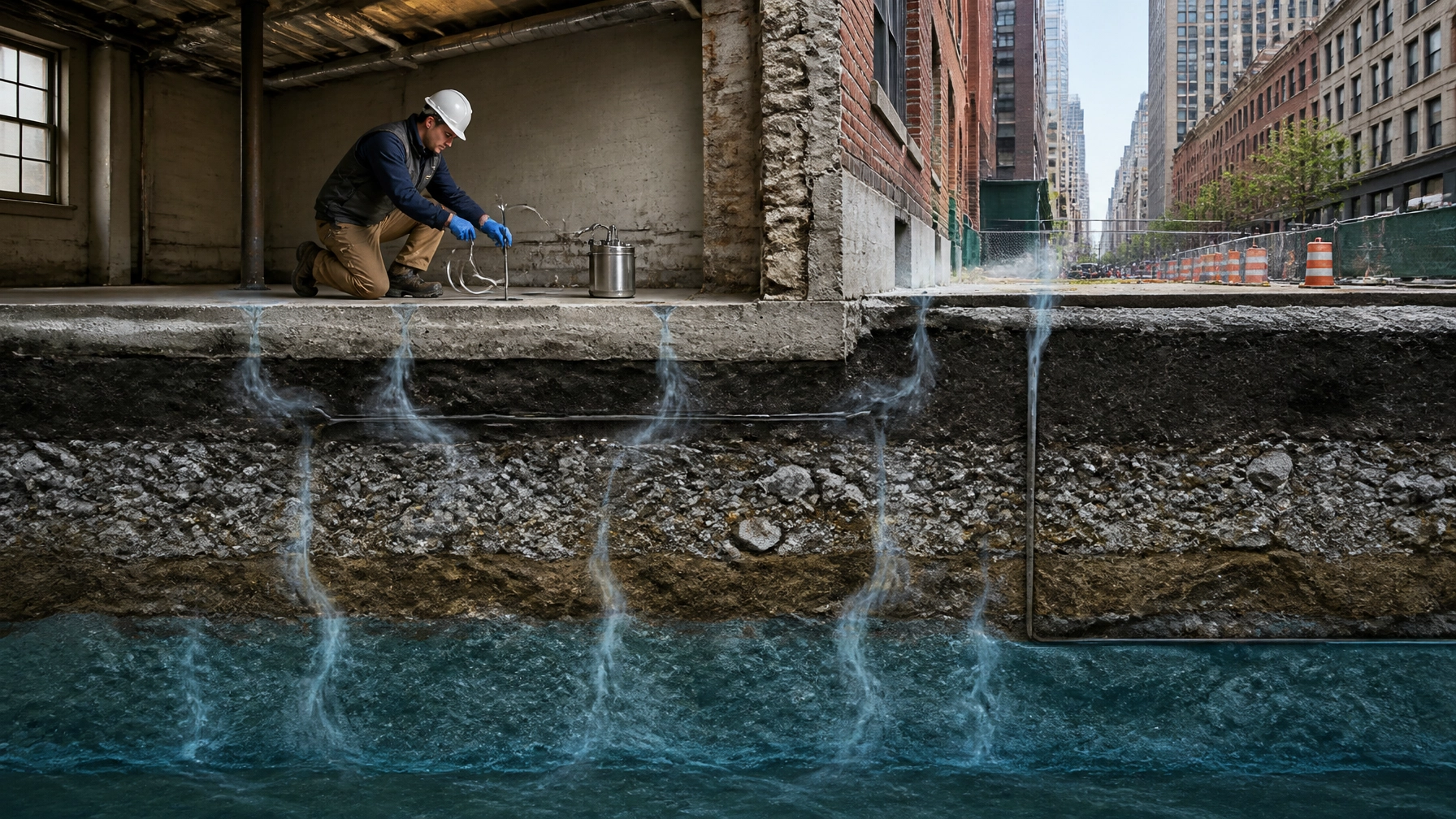
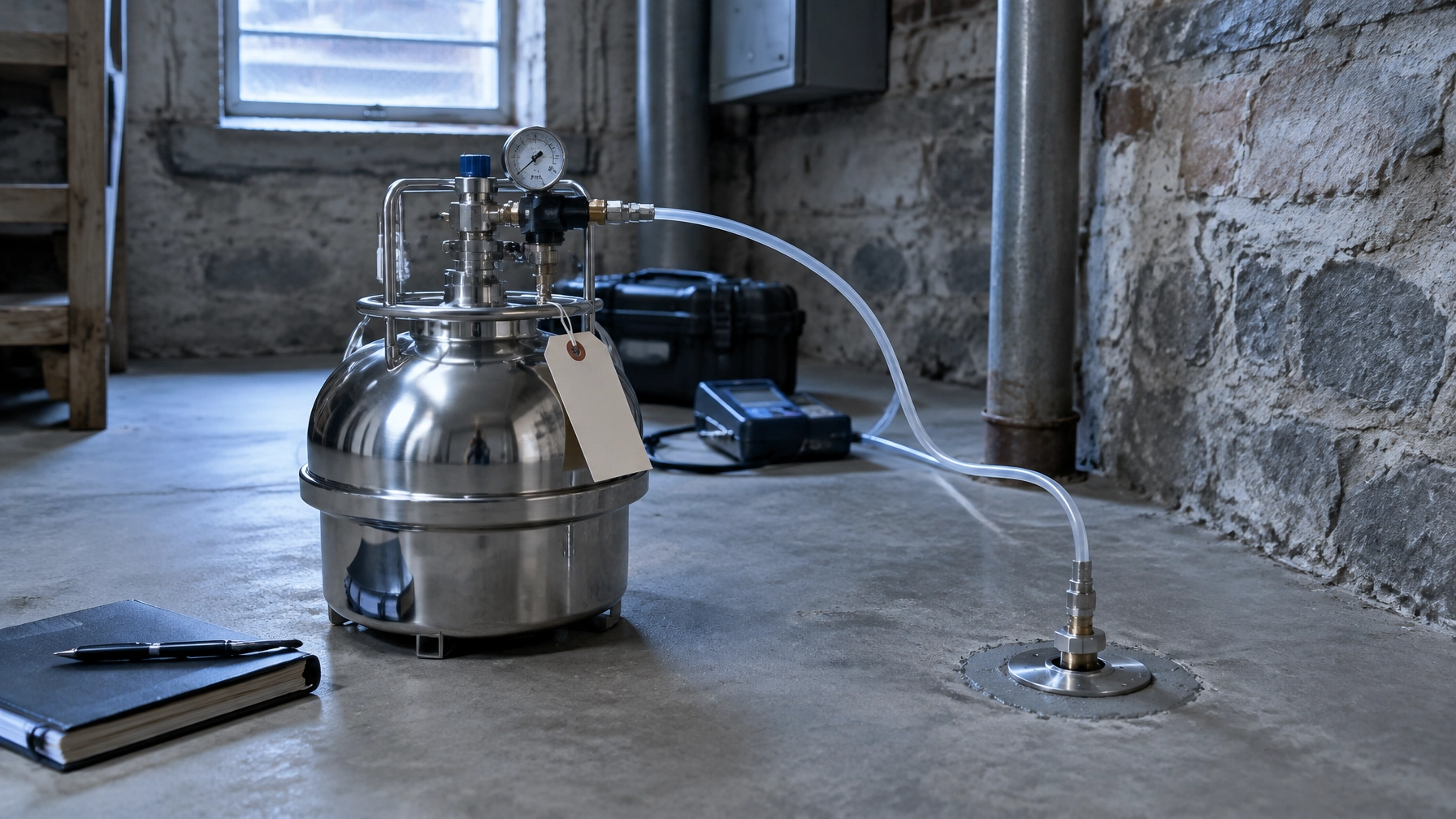
A vapor result is only useful if the regulator can rely on it. That depends on more than the number on the lab sheet. Sampling records, canister condition, calibration, blanks, duplicates, and laboratory quality control all affect whether a result can support a decision.
On October 7, 2026, NYSDEC posted the 2025/2026 heating-season Gowanus Canal soil vapor intrusion report, including Volume 2 data usability summary reports (DUSRs) for site 224133. These files offer a public, practical look at the data review behind vapor decisions. They do not establish that half of Gowanus’s soil gas data were rejected. The “half” in this headline is a warning about data risk, not a published rejection rate.
For LSRPs and developers in Monmouth County and across New Jersey, the lesson is direct: plan for data usability before mobilizing. A weak sampling record can mean more fieldwork, more cost, and a delayed decision about mitigation or remedial action.
What a DUSR checks
A DUSR evaluates whether laboratory results are complete and reliable enough for their intended use. The Gowanus reports cite NYSDEC DER-10 and EPA Region 2’s TO-15 validation procedure. They review analytical quality controls and identify results that need qualification or rejection. (NYSDEC Gowanus Volume 2, Part 4)
The review can examine:
- Sample identity and chain of custody. Do field IDs, canister labels, laboratory IDs, and custody records match?
- Calibration. Did initial and continuing calibration meet the method’s acceptance criteria?
- Blanks and laboratory control samples. Did blanks show contamination? Did laboratory control sample recoveries fall within limits?
- Holding time and sample condition. Were the method-specific requirements met, and did the lab document sample receipt and condition?
- Duplicates and other QC samples. Were the required checks collected and documented at the project’s planned frequency?
- Canister certification and analytical records. Do certification and laboratory records support the reported results?
A flag does not always mean a result is unusable. A “J” qualifier, for example, identifies an estimated result. A rejected qualifier such as “UR” means the affected analyte result is considered unusable. The impact depends on the analyte, sample, reason for the flag, and the decision the data need to support.

What the Gowanus files show, and what they do not
NYSDEC’s October 2026 community update reports that the 2025/2026 effort solicited 1,784 buildings and sampled 82. Six properties were identified as requiring mitigation during that heating season.
Those figures describe the investigation and mitigation findings. They do not tell us what percentage of analytical results failed data review.
The DUSRs show why a single percentage would be misleading. In one Volume 2, Part 4 report for building GC517, the reviewer marked certain analytes “UR,” meaning rejected and considered unusable, after poor laboratory control sample and continuing calibration verification recoveries. Other analytes in the same data package received different qualifications. That is analyte-specific review, not proof that the building’s entire sampling event failed.
The practical point is not that vapor data routinely fail. It is that a reviewer can identify a specific QC problem, qualify a result, or reject it. Your decision should rest on a clear, documented usability assessment, not on the assumption that every reported concentration is equally dependable.
How rejected or qualified results affect a project
If a result cannot support the intended decision, the team may need to collect more data or explain why qualified results remain appropriate for use. That can trigger resampling, additional lab analysis, and another round of review.
Timing matters. If the original campaign was intended to capture heating-season conditions, a return visit may not reproduce those conditions until a later season. In New Jersey, an unresolved result can also complicate a vapor intrusion evaluation, mitigation design, or an Immediate Environmental Concern response.
Averaging does not fix unusable data. Any averaging or compliance calculation must follow the applicable method, project plan, and regulatory direction. A questionable result should be addressed before combining data or relying on an average to support an action level decision.
New Jersey’s rules make usability part of the record
N.J.A.C. 7:26E sets out New Jersey’s technical requirements for site remediation. It requires remedial phase reports to discuss laboratory data usability, and the quality assurance project plan must describe procedures for reviewing data against project objectives. For vapor intrusion, the rules also require full laboratory data deliverables for sub-slab, indoor, and ambient air samples. (N.J.A.C. 7:26E, including §§ 1.6, 1.11, 2.1, and 2.2)
For an IEC, the rule sets response and reporting requirements. For example, the responsible party must submit full laboratory data deliverables within 14 days after receiving IEC analytical data. The rule also requires a data usability determination in the IEC source control report. These are distinct obligations. A DUSR is a technical data review, while IEC rules set the protective actions and reporting deadlines.
That distinction matters to an NJDEP LSRP. The LSRP needs usable, well-documented data to evaluate the vapor pathway and advise on the next regulatory step. If indoor air exceeds the vapor intrusion rapid action level, the IEC response requirements apply. Data review cannot be an afterthought, but it also does not replace any immediate protective action that the rule requires.
Field checklist: make the sampling package reviewable
For a Phase II environmental site assessment in NJ or a standalone vapor investigation, align the sampling design, field procedure, laboratory deliverables, and regulatory decision before the crew arrives.
- Confirm the decision the data must support. Identify the buildings, sample types, analytes, criteria, and intended use of the results.
- Write the QC plan before mobilization. Specify duplicate frequency and handling, documentation, and laboratory deliverables. Follow the project QAPP and applicable NJDEP requirements.
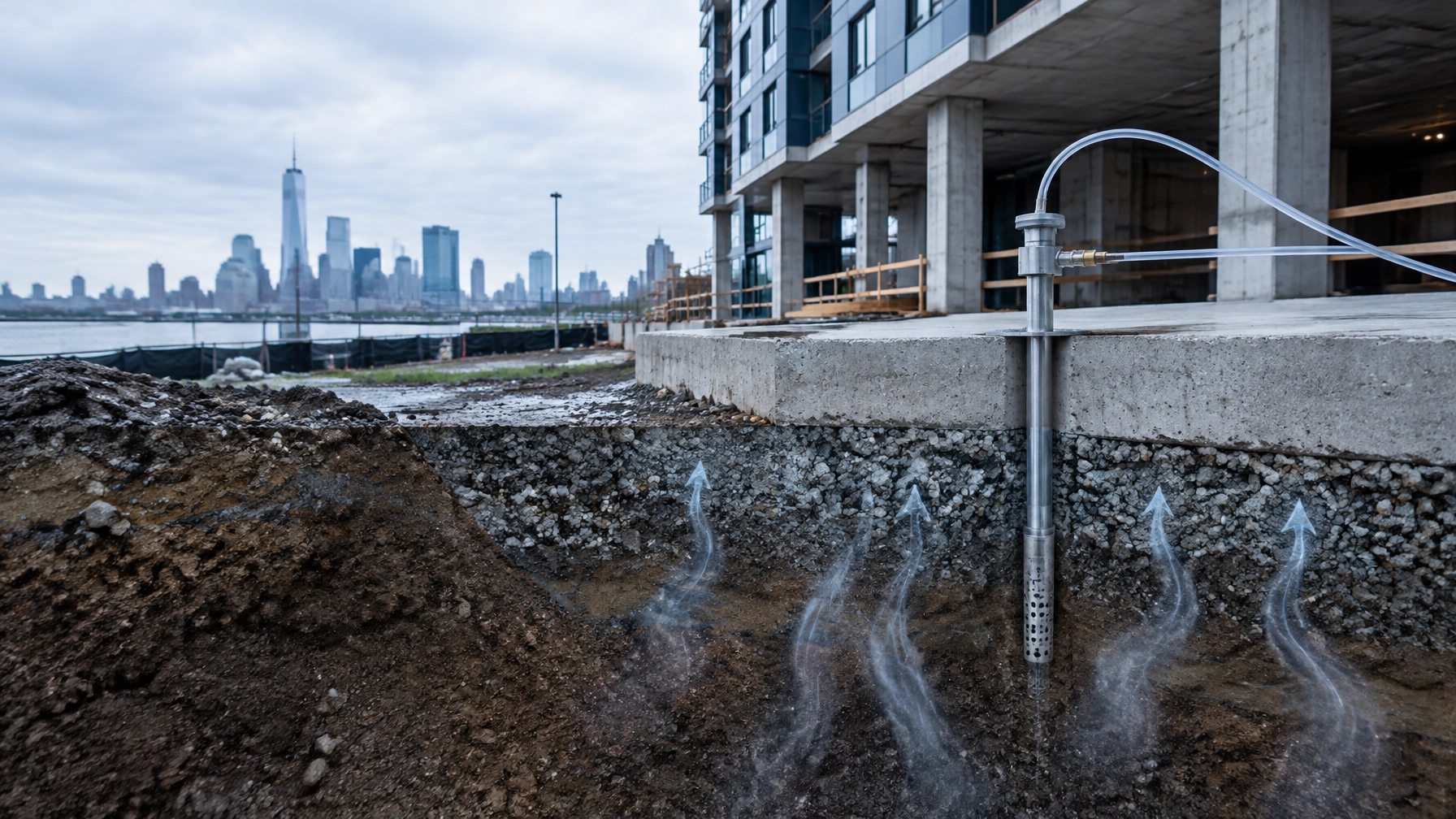
- Check the sampling train. Inspect connections and fittings. Perform and document helium leak checks where the sampling method calls for them.
- Protect and identify each port. Keep sample ports capped between use. Confirm that port IDs, canister IDs, field sheets, and chain-of-custody forms match.
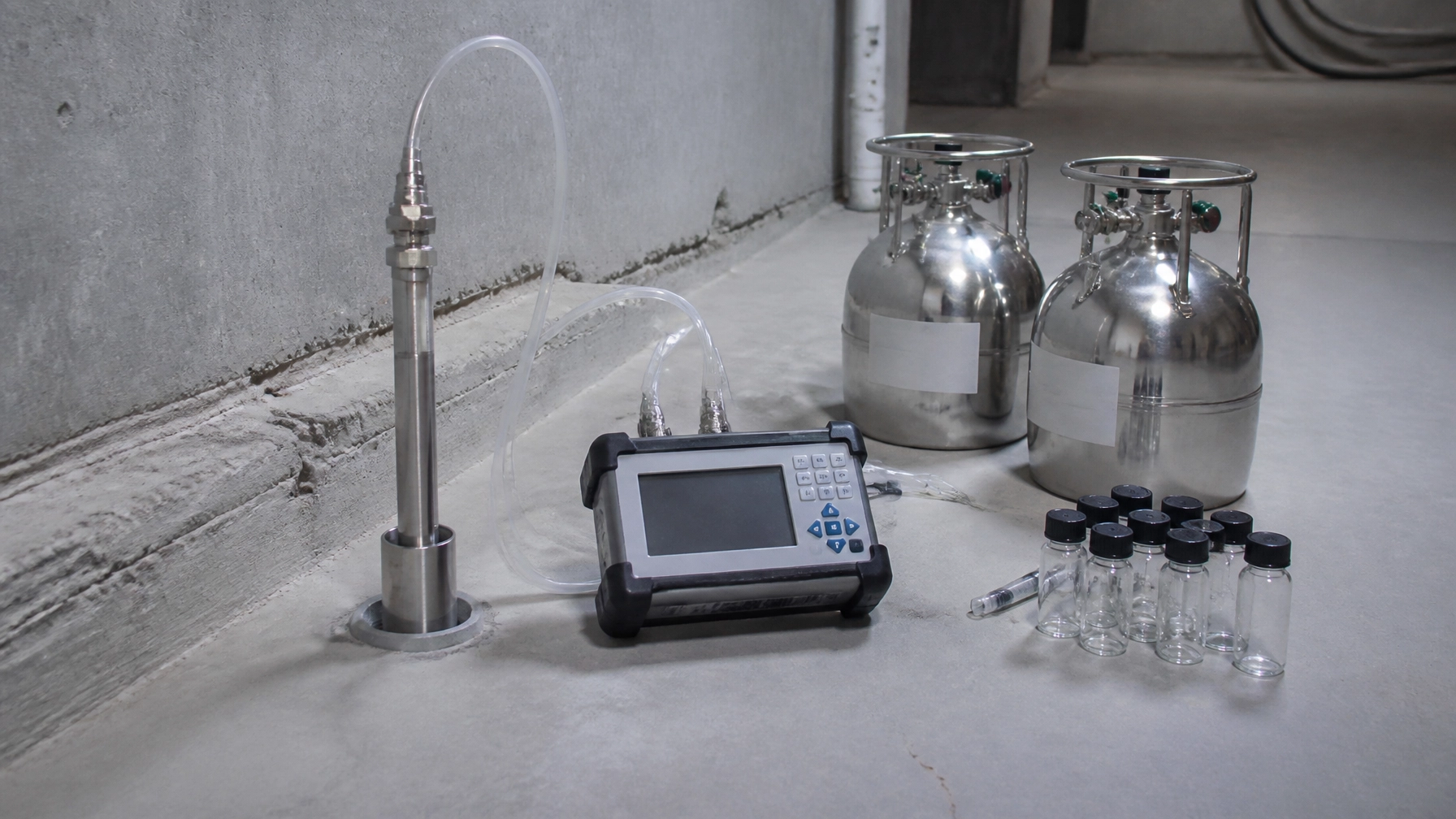
- Verify canister readiness. Confirm the canister certification paperwork and suitability for the target analytes and reporting limits before sampling.
- Document setup and collection. Record sample start and stop times, initial and final vacuum where applicable, field conditions, duplicate IDs, and any deviations.
- Review lab deliverables against the decision criteria. Check calibration, blanks, laboratory control samples, holding-time requirements, reporting limits, and qualifiers before calculating averages or making a mitigation recommendation.

Connect the data review to the remedy
A qualified or rejected result should lead to a clear next step, not a generic request for more study. Determine whether the issue affects a particular analyte, sample, building, or decision. Then decide whether the existing data remain useful, whether targeted resampling is needed, or whether an interim protective action is required.
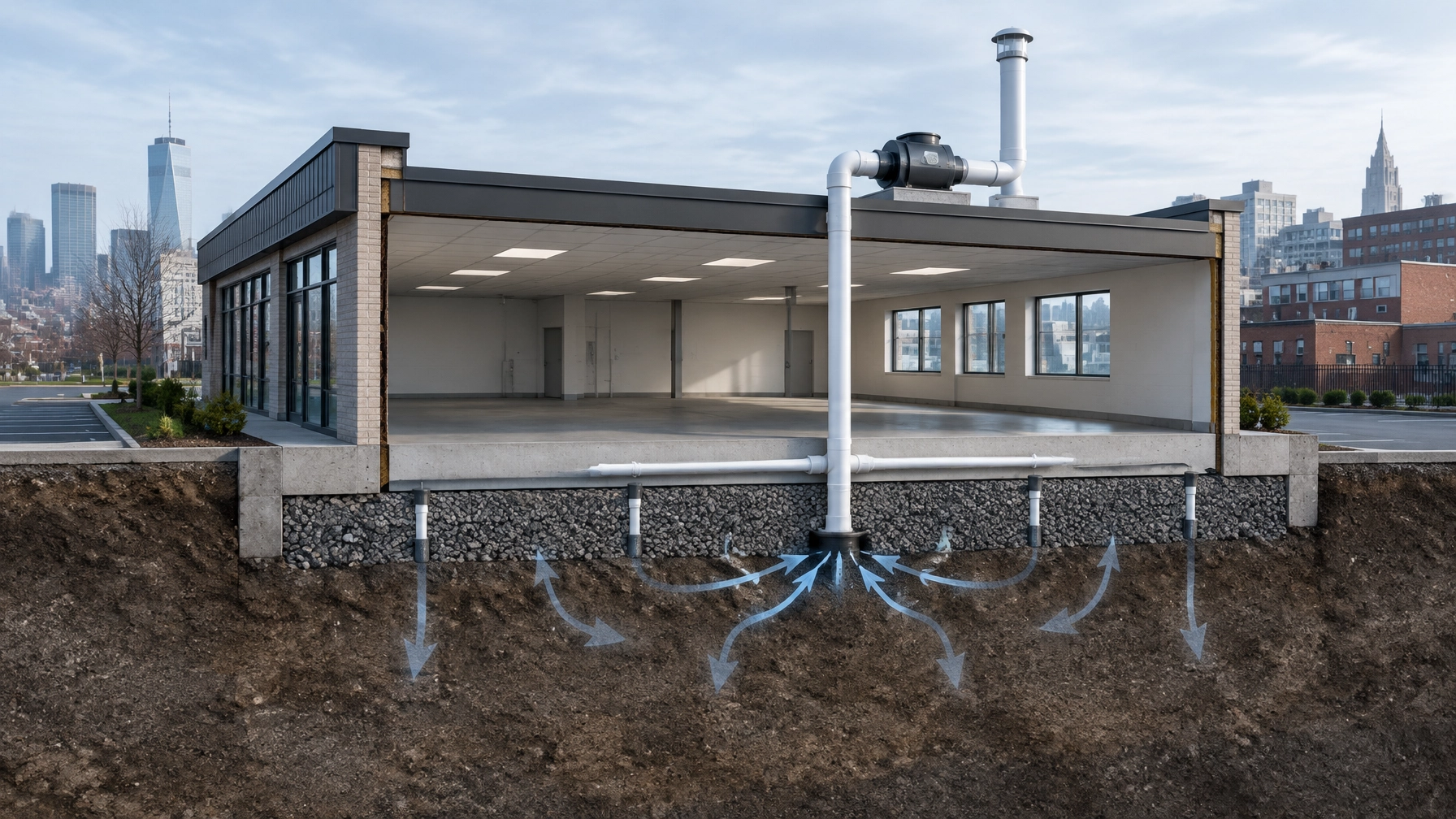
Envicon’s work connects field findings to action. Our team supports remedial design and implementation oversight, including soil and groundwater management, and works directly with LSRPs, laboratories, contractors, and regulators. For a site that needs vapor controls, our vapor intrusion mitigation team can carry the work from design through installation oversight and post-mitigation verification. For New Jersey projects, see our remediation and brownfield services and Monmouth County coverage.
The right consultant does more than hand over a report. We explain what the data can support, what it cannot support, and what should happen next.
FAQ
Does a DUSR mean the vapor sample was rejected?
No. A DUSR may find that data are usable as reported, usable with an estimated qualifier, or unusable for a specific analyte. Read the reason and scope of each qualification before deciding what it means for the project.
Did NYSDEC report that half of Gowanus soil gas data were rejected?
No. The October 2026 Gowanus update reports building counts and mitigation findings. It does not give a 50% data-rejection rate. The DUSRs document individual data reviews and specific qualifications.
What does an “UR” qualifier mean?
In the Gowanus reports, “UR” identifies an analyte result as rejected and considered unusable because of a quality-control issue. It does not automatically invalidate every other analyte or sample in the same data package.
What does New Jersey require for vapor intrusion data?
N.J.A.C. 7:26E requires quality assurance planning, discussion of data usability in remedial reporting, and full laboratory data deliverables for vapor intrusion samples. Separate IEC provisions set response and reporting timelines when applicable.
Can I average vapor results with different qualifiers?
Do not assume that averaging makes qualified data acceptable. First determine whether the results are usable for the intended calculation and whether the method, project plan, and regulator allow that approach.
Keep the next decision moving
If vapor data are driving a mitigation decision, an IEC response, or a redevelopment schedule, review the QC record before committing to the next step. Envicon helps teams turn environmental findings into defensible actions and buildable paths forward.