NYC E-Designation Compliance: What Developers Must Know Before Breaking Ground
An Environmental (E) Designation placed on a property through NYC's land use review process (ULURP/CEQR) can delay your project by months if not addressed early. In 2026, the Mayor's Office of Environmental Remediation (OER) has refined its review process with updated protocols that every NYC developer should understand before submitting building permit applications.
What Is an E-Designation?
An E-Designation is an institutional control placed on a property's zoning lot during a CEQR environmental review. It requires the property owner to address specific environmental conditions before or during development. E-Designations fall into three categories:
- Hazardous Materials (E) - Requires subsurface investigation and potential remediation before construction
- Air Quality (E) - Mandates specific HVAC design, fuel restrictions, or stack placement to meet air quality standards
- Noise (E) - Requires window/wall attenuation and HVAC noise reduction to achieve interior noise levels below 45 dBA
2026 OER Protocol Updates
1. Streamlined Phase I/II Review Process
OER has introduced a revised document review timeline:
- Pre-submission conferences - OER now offers optional 30-minute pre-submission meetings to identify scope gaps before formal submission, reducing rejection rates by an estimated 40%
- Tiered review tracks - Sites with no contamination findings follow an expedited 30-day track; sites requiring Remedial Action Plans (RAPs) follow the standard 60-day review
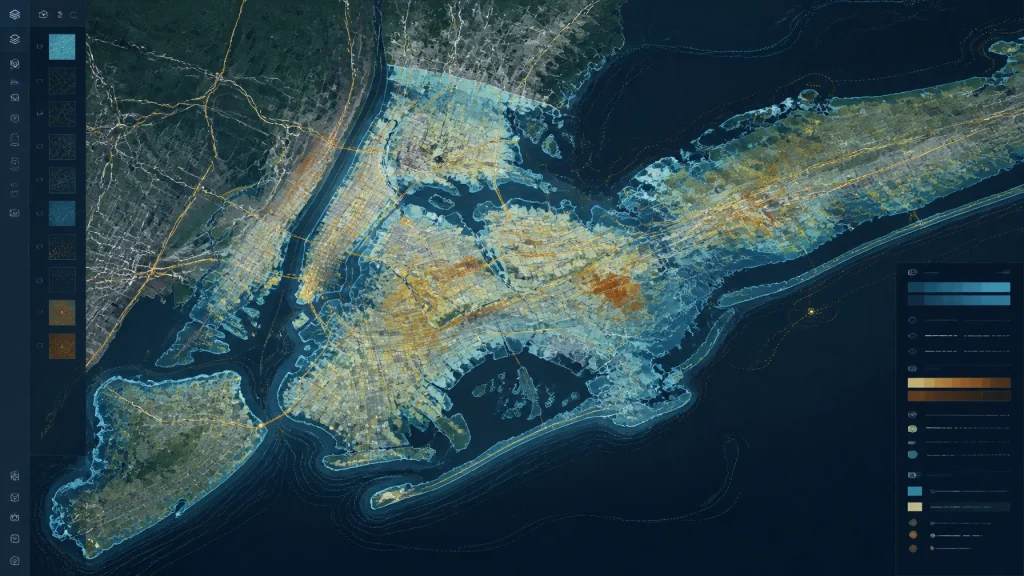
- Digital submission portal - All E-Designation documents must be submitted through OER's updated online portal with GIS-referenced site maps
2. Updated Hazmat Investigation Standards
For Hazardous Materials E-Designations:
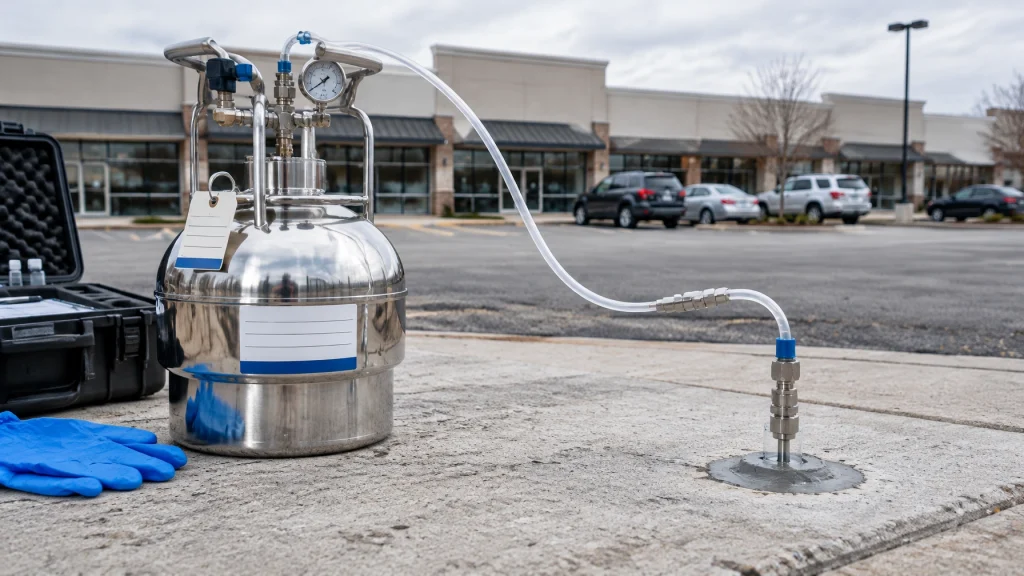
- PFAS screening - OER now requires PFAS analysis (Method 537.1 or 533) for sites with suspected AFFF use, industrial history, or proximity to airports and fire training facilities
- 1,4-Dioxane analysis - Sites with solvent history must include 1,4-Dioxane in groundwater analytical suites
- Vapor intrusion protocols - OER has aligned its VI guidance with NYSDEC's 2024 updated Soil Vapor Intrusion Guidance, requiring sub-slab sampling at increased density for buildings over 10,000 SF
3. Revised Noise Attenuation Requirements
Noise E-Designations now incorporate:
- 24-hour monitoring periods - Noise measurements must capture full day/night cycles, not just peak hours
- Composite STC ratings - Window and wall assemblies must achieve composite STC ratings verified by third-party testing, not just manufacturer specifications
- Mechanical system integration - HVAC noise from the building's own systems must be included in the interior noise analysis
Common E-Designation Compliance Mistakes
- Applying for building permits before OER clearance - DOB will reject permit applications for E-Designated lots without OER sign-off. Start the E-Designation process at least 6 months before your target permit date.
- Underscoping Phase II investigations - OER frequently requires additional sampling when initial investigations don't adequately characterize site conditions. A thorough initial investigation saves months of back-and-forth.
- Ignoring the air quality component - Even when hazmat is the primary concern, air quality E-Designations require specific HVAC and fuel commitments that must be reflected in mechanical drawings before permit approval.
- Not engaging an OER-experienced consultant - OER's review process has specific formatting, content, and procedural requirements that differ from standard NYSDEC or NJDEP protocols.
- Failing to coordinate with DOB - E-Designation clearance, DOB permit review, and construction sequencing must be carefully choreographed to avoid costly delays.
Development Timeline Planning with E-Designations
A realistic timeline for E-Designation compliance on a moderately complex site:
- Months 1-2: Phase I ESA and E-Designation scope confirmation with OER
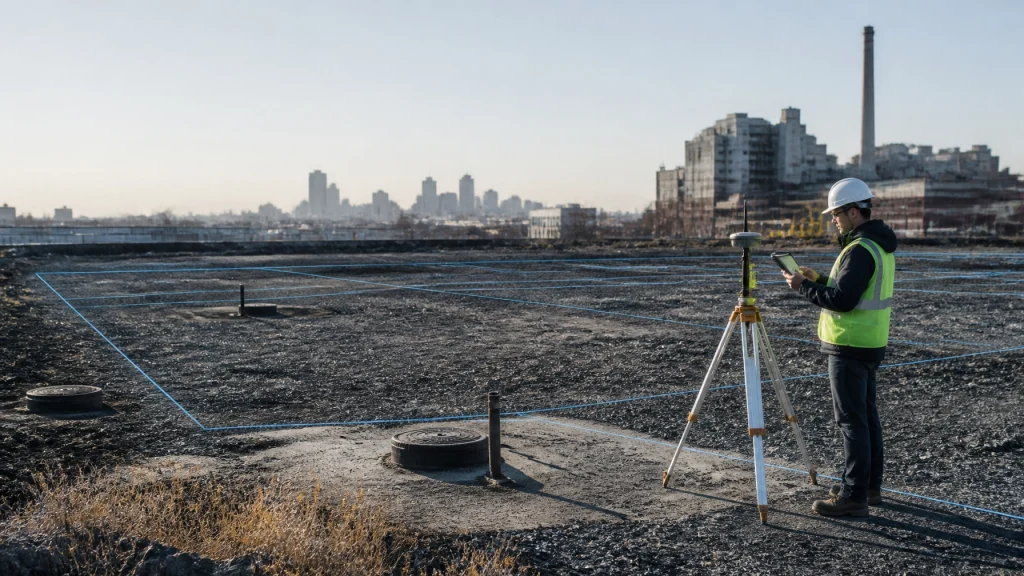
- Months 2-4: Phase II investigation (subsurface sampling, noise monitoring, air quality analysis)
- Month 4: Submit investigation report to OER
- Months 4-6: OER review and comment resolution
- Months 6-7: RAP preparation and submission (if contamination found)
- Months 7-9: OER RAP approval and DOB coordination
- Month 9+: Building permit application with OER clearance letter
Key takeaway: Budget 6-9 months for E-Designation compliance before your planned construction start. For complex sites with contamination, allow 12+ months.
Envicon Group's NYC E-Designation Services
Our NYC environmental team has completed E-Designation compliance for projects ranging from single-lot residential to multi-block mixed-use developments. We provide:
- E-Designation scope review - Identify all applicable requirements before you close on the property
- Phase I/II ESA - Investigations designed specifically for OER review standards
- Noise and air quality assessments - Full compliance analysis with mechanical design coordination
- OER liaison - Direct communication with OER reviewers to expedite approvals
- RAP development and implementation - Remedial strategies that minimize construction delays
Developing on an E-Designated lot? Contact our NYC team for a pre-acquisition E-Designation assessment.