Site Remediation in 2026: Navigating an Increasingly Complex Regulatory Landscape
The environmental remediation industry is adapting to a wave of regulatory changes in 2026 that affect how contaminated sites are investigated, cleaned up, and closed. From federal PFAS designations to state-level institutional control reforms, responsible parties and their consultants must recalibrate remedial strategies to stay compliant and cost-effective.
PFAS: From Emerging Contaminant to Regulatory Priority
Federal MCL Implementation
The EPA's final Maximum Contaminant Levels (MCLs) for six PFAS compounds are now in effect, creating ripple effects across site remediation:
- PFOA and PFOS - Individual MCLs of 4 parts per trillion (ppt), among the lowest drinking water standards ever set
- PFHxS, PFNA, and HFPO-DA (GenX) - Individual MCLs of 10 ppt
- Hazard Index approach - Mixtures of PFHxS, PFNA, HFPO-DA, and PFBS evaluated using a combined hazard index of 1.0
State-Level Responses
New Jersey and New York have adopted standards that in some cases exceed federal requirements:
- NJDEP - Maintains its groundwater quality standard of 13 ppt for PFNA and 14 ppt for PFOA, with remediation investigation triggers at these levels for all contaminated sites
- NYSDEC - Proposed soil cleanup objectives for PFOA and PFOS that will affect brownfield and voluntary cleanup program sites
- Drinking water testing - Both states require PFAS testing for public water supplies, with results driving remediation priorities for upgradient contamination sources
What This Means for Site Owners
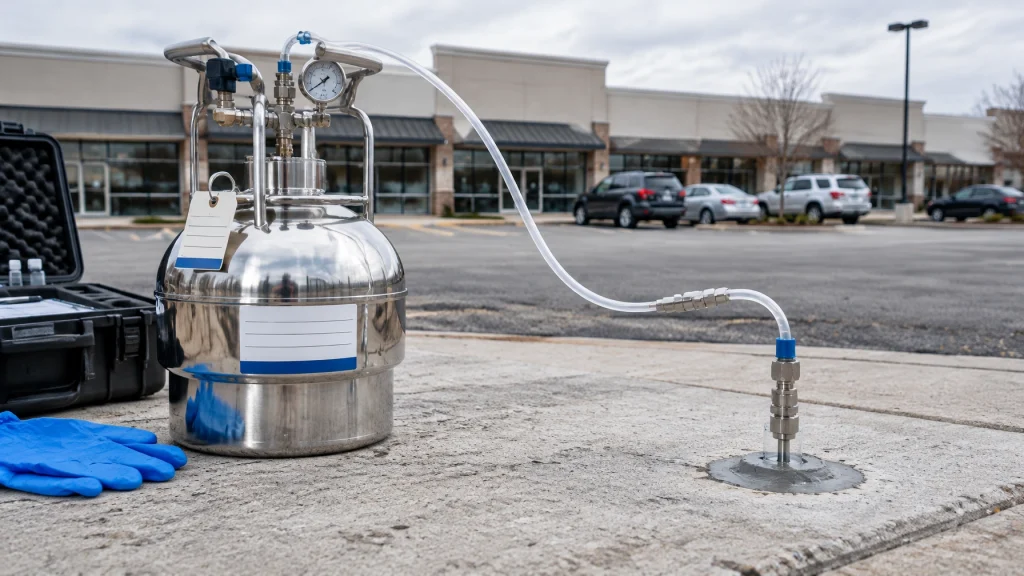
- PFAS sampling is becoming a standard component of Phase II ESAs, not just for suspected AFFF sites
- Sites with historical industrial use, particularly those involving chrome plating, textile manufacturing, or fire suppression, should proactively assess PFAS exposure
- Remediation costs for PFAS are significantly higher than conventional contaminants due to treatment technology requirements (GAC, ion exchange, high-pressure membranes)
Institutional Controls: Tighter Oversight, Higher Stakes
NJDEP Deed Notice Reforms
New Jersey's 2026 updates to deed notice and institutional control requirements include:
- Annual compliance certification - Property owners with deed-restricted sites must now submit annual certifications confirming compliance with engineering and institutional controls
- Transfer notification requirements - Property transfers involving deed-restricted sites require 60-day advance notification to NJDEP with updated responsible party information
- Violation enforcement - NJDEP has increased enforcement actions for institutional control violations, including fines and mandatory corrective action
NYC E-Designation Monitoring
OER has expanded its post-construction monitoring for E-Designated properties:
- Vapor mitigation systems must undergo annual performance verification
- Noise attenuation compliance is subject to post-occupancy testing
- Environmental easements are now recorded with the NYC Department of Finance, improving discoverability during title searches
Emerging Closure Strategies
Risk-Based Corrective Action (RBCA) Expansion
Both NJ and NY are increasingly accepting risk-based approaches to site closure:
- Alternate remediation standards - Site-specific cleanup criteria based on actual receptor exposure pathways rather than generic statewide standards
- Monitored Natural Attenuation (MNA) - Accepted as a final remedy for petroleum and certain chlorinated solvent sites where conditions support natural degradation
- Engineering controls as final remedy - Vapor barriers, cap systems, and groundwater containment accepted for sites where source removal is impractical
Brownfield Program Advantages
Enrolling contaminated sites in state brownfield programs continues to offer significant benefits:
- Liability protection - BCP participants receive liability releases upon completing approved remediation
- Tax credits - NY BCP credits can offset 22-28% of remediation and development costs
- Streamlined closure - BCP sites often achieve closure faster than sites under traditional enforcement oversight
Cost Management Strategies for 2026
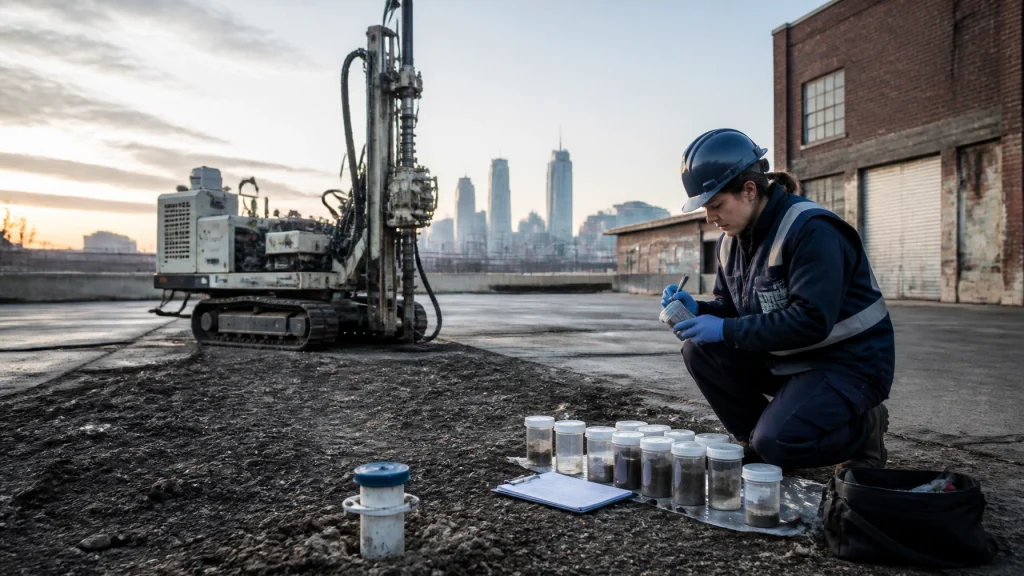
- Scope investigations strategically - Target sampling to answer specific questions rather than blanket characterization. Use screening-level analytics before committing to full-method laboratory analysis.
- Consider treatment trains - Combining technologies (e.g., in-situ chemical oxidation followed by bioremediation) can reduce overall costs compared to single-technology approaches.
- Pursue regulatory incentives - BCP tax credits, EPA Brownfields grants, and state revolving loan funds can offset 20-40% of total remediation costs.
- Plan for PFAS early - If PFAS is a potential concern, include it in initial investigations rather than discovering it during a later phase, which restarts the assessment process.
- Negotiate risk-based closure - Work with your LSRP or state agency to establish site-specific cleanup standards that reflect actual risk rather than conservative default criteria.
Envicon Group's Remediation Expertise
Our remediation team manages sites across New Jersey and New York, from small petroleum releases to complex multi-contaminant industrial sites. Our 2026 capabilities include:
- PFAS site investigation and remediation - Sampling design, treatment feasibility, and regulatory negotiation
- LSRP case management - Full-service NJDEP case oversight from investigation through closure
- Brownfield program enrollment - BCP applications, remedial planning, and tax credit optimization
- Institutional control compliance - Deed notice preparation, CEA management, and annual certifications
Need a remediation strategy for 2026? Schedule a consultation with our site remediation team.