A commercial acquisition in Jersey City, Newark, Hoboken, Bayonne, or another Hudson County market needs more than a quick building walkthrough. Lenders, investors, and acquisition teams need a clear view of the property’s current condition, near-term repair exposure, and future capital needs.
An ASTM E2018 property condition report Jersey City buyers can use for lender due diligence should connect field observations to cost, timing, and transaction decisions. It should tell you what requires attention now, what may affect the loan term, and where the baseline inspection stops.
Envicon Group prepares lender-ready Property Condition Reports, also called PCRs or PCAs, for commercial properties throughout New Jersey and the New York metro area.
What ASTM E2018-24 Covers
ASTM E2018-24 is the current ASTM guide for baseline Property Condition Assessments. The standard establishes a framework for:
- Reviewing available property documents and records
- Interviewing owners, managers, operators, or other knowledgeable parties
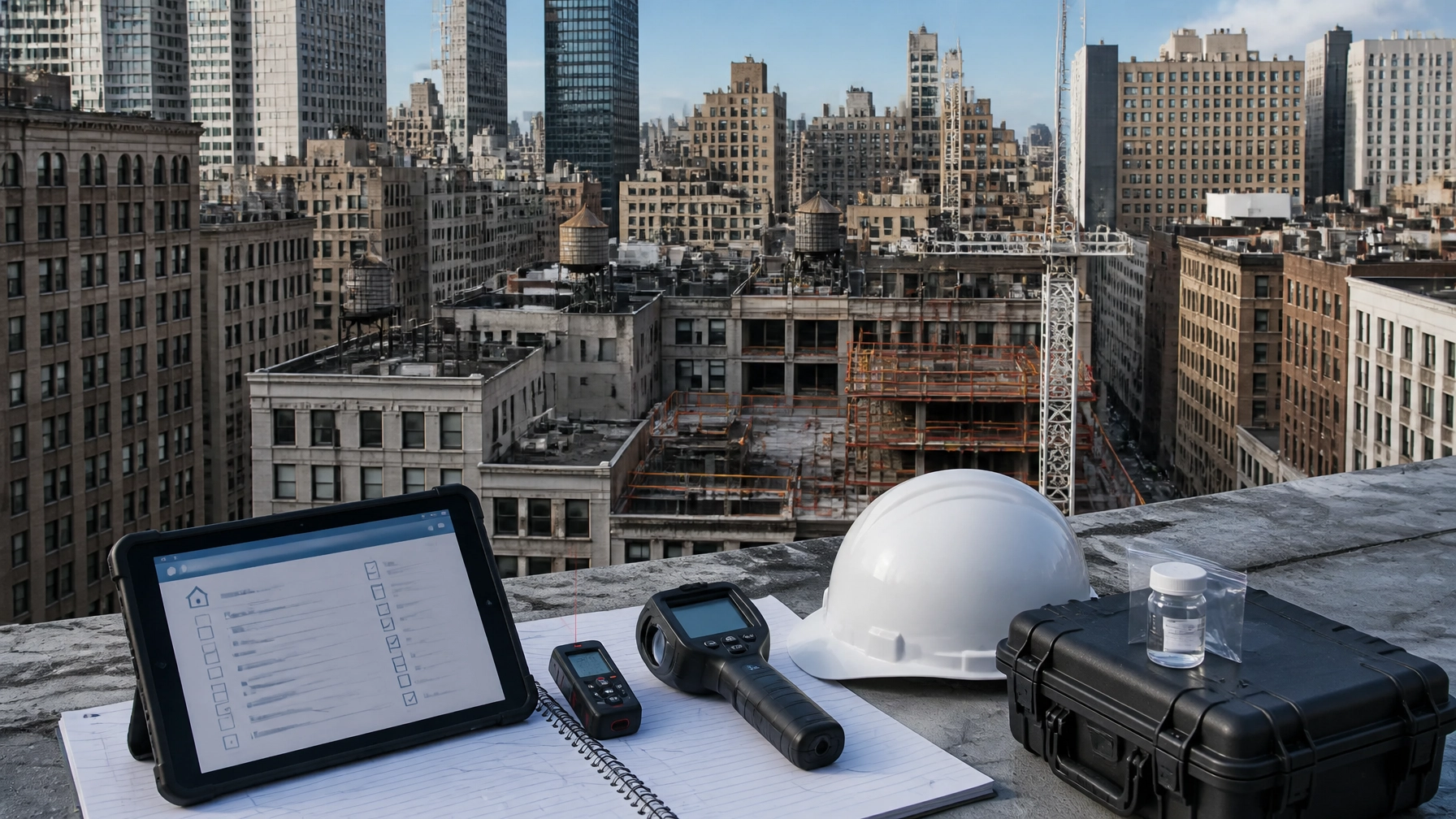
- Performing a non-invasive site reconnaissance
- Observing primary building systems and site improvements
- Identifying material physical deficiencies
- Preparing a Property Condition Report
- Providing opinions of costs for recommended repairs and replacements
The official standard is available through ASTM International.
ASTM E2018-24 defines a baseline process. It does not mean every possible building, environmental, structural, or code issue receives a complete investigation. The lender and consultant should define the transaction objective before the inspection begins.
That matters in an acquisition. A lender financing a stabilized office building may need a different scope from an investor acquiring an older industrial property for conversion or redevelopment.
Lender PCA Hudson County: What the Review Should Examine
A useful lender PCA Hudson County report should do more than list visible defects. It should explain the condition of major systems, identify financial exposure, and separate urgent repairs from longer-term capital planning.
Structural systems
The consultant reviews visible portions of:
- Foundations and accessible basement areas
- Framing and load-bearing elements
- Slabs, columns, beams, and structural walls
- Settlement indicators, cracking, movement, or water damage
- Exterior stairs, balconies, retaining walls, and loading areas
A baseline PCA is not a structural design investigation. If the inspection identifies significant movement, distress, overloading, or other concerns, the report should recommend a qualified structural engineer and define the next step.
Building envelope
The envelope protects the building from water, air, and weather exposure. Observations typically include:
- Exterior walls and cladding
- Windows, storefronts, and doors
- Sealants and expansion joints
- Masonry condition
- Waterproofing and visible moisture intrusion
- Parapets, copings, and exterior attachments
This is especially important in dense waterfront and urban markets such as Jersey City, Hoboken, and Bayonne, where wind exposure, freeze-thaw cycles, and aging masonry can create recurring maintenance costs.
Roof systems
Roof conditions often affect lender reserves and acquisition negotiations. The review should document:
- Roof covering and membrane condition
- Flashings and penetrations
- Roof drains, scuppers, and overflow paths
- Copings and parapets
- Rooftop mechanical equipment
- Evidence of ponding, leaks, or previous patching
- Available roof warranties and replacement records

A roof that appears serviceable during a walkthrough may still require replacement within the lender’s evaluation period. The report should distinguish routine maintenance from a probable capital replacement.
Mechanical, electrical, and plumbing systems
A commercial property condition report New Jersey lenders can use should address the major MEP systems without implying that a baseline PCA replaces specialty testing.
Typical observations include:
- Heating, ventilation, and air-conditioning equipment
- Boilers, chillers, cooling towers, and rooftop units
- Electrical service, distribution equipment, and visible panels
- Emergency generators and transfer switches
- Domestic water and sanitary piping
- Sump pumps and drainage systems
- Elevators and escalators, where applicable
- Fire pumps, sprinkler systems, and alarm equipment
The consultant should review available maintenance logs, service contracts, inspection tags, and replacement history. Missing records can be a transaction issue in itself. They may increase uncertainty around useful life and capital reserves.
Fire and life-safety conditions
The PCA should identify visible conditions that could affect occupant safety, lender requirements, or continued operations. This may include:
- Fire alarm and sprinkler system observations
- Emergency lighting and exit signage
- Exit access and egress conditions
- Guardrails, handrails, and stairs
- Fire doors and rated assemblies
- Visible trip hazards or unsafe access conditions
- Open electrical hazards
- Suspected gas or water leaks
A baseline PCA is not a complete code compliance audit. It should not be presented as a certificate of compliance or a substitute for inspections required by the local authority having jurisdiction.
Document Review and Interviews
Field observations tell only part of the story. A lender-ready report should request and review available records, including:
- Prior property condition reports
- Capital improvement plans
- Repair invoices and maintenance logs
- Roof warranties
- Elevator inspection reports
- Fire alarm and sprinkler inspection records
- Certificates of occupancy
- Building permits and violations
- Utility history
- Service contracts
- Insurance claims related to the property
- Known litigation or major repair disputes
Interviews with the property owner, manager, superintendent, or maintenance personnel can identify recurring issues that may not be visible during a single site visit.
For example, an intermittent roof leak, failing boiler, or drainage problem may not be obvious on a dry inspection day. The report should record those statements and explain how they affect the cost and risk analysis.
Immediate Repairs, Physical Deficiencies, and Capital Reserves
The report should separate findings into categories that support an actual transaction decision.
Immediate repairs
Immediate repairs involve conditions requiring prompt action. Examples may include:
- Active water intrusion
- Unsafe stairs, railings, or access routes
- Exposed energized electrical components
- Failed fire or life-safety equipment
- Structural distress requiring immediate evaluation
- Conditions that create an imminent safety concern
ASTM E2018-24 refined the treatment of immediate needs and removed reliance on a fixed one-year definition. The report should explain why an item requires immediate attention rather than placing every expensive repair in the same category.
Material physical deficiencies
A physical deficiency may include a conspicuous defect, significant deferred maintenance, or a component that has reached the end of its useful life.
Examples include:
- A roof nearing failure
- Deteriorated façade masonry
- A failing boiler system
- Substantial pavement deterioration
- Corroded plumbing risers
- A nonfunctional drainage system
- Repeated water intrusion with unresolved cause
The key question is not whether the property has imperfections. Every older building does. The question is whether the condition affects safety, function, value, operations, or near-term cost.
Opinions of probable cost
Lenders typically need cost opinions for:
- Immediate repairs
- Short-term repairs
- Replacement of major systems
- Deferred maintenance
- Long-term capital expenditures
- Recommended specialist investigations
ASTM E2018-24 uses the term “opinions of costs.” Many lender schedules continue to use “opinions of probable cost.” Either way, the report should state assumptions, quantities where practical, expected timing, and limitations.
Capital reserve recommendations should align with the lender’s requested evaluation period. A 10-year or 12-year reserve schedule can help an acquisition team estimate future cash requirements and negotiate credits or escrow conditions.

Lender Deliverables Checklist
| Deliverable | Why it matters in an acquisition |
|---|---|
| Executive summary | Gives credit and investment teams a fast risk overview |
| Property description | Establishes building age, size, use, and site context |
| Document review summary | Shows what records were available and what was missing |
| Site reconnaissance findings | Documents actual observed conditions |
| Structural and envelope observations | Identifies visible building performance concerns |
| Roof assessment | Supports repair timing and replacement reserves |
| MEP review | Identifies system age, condition, and remaining useful life |
| Fire and life-safety observations | Flags visible safety concerns and follow-up needs |
| Immediate repair table | Helps prioritize closing or post-closing action |
| Physical deficiency table | Separates material conditions from routine maintenance |
| Opinions of probable cost | Supports underwriting, reserves, and negotiations |
| Capital reserve schedule | Projects major replacement needs over the selected period |
| Out-of-scope limitations | Prevents the lender from assuming unsupported conclusions |
| Photographic documentation | Connects findings to observable field conditions |
A strong report is organized for decisions. It does not bury the important findings in a long narrative.
What a PCR or PCA Does Not Replace
A Property Condition Report is one part of transaction due diligence. It does not replace:
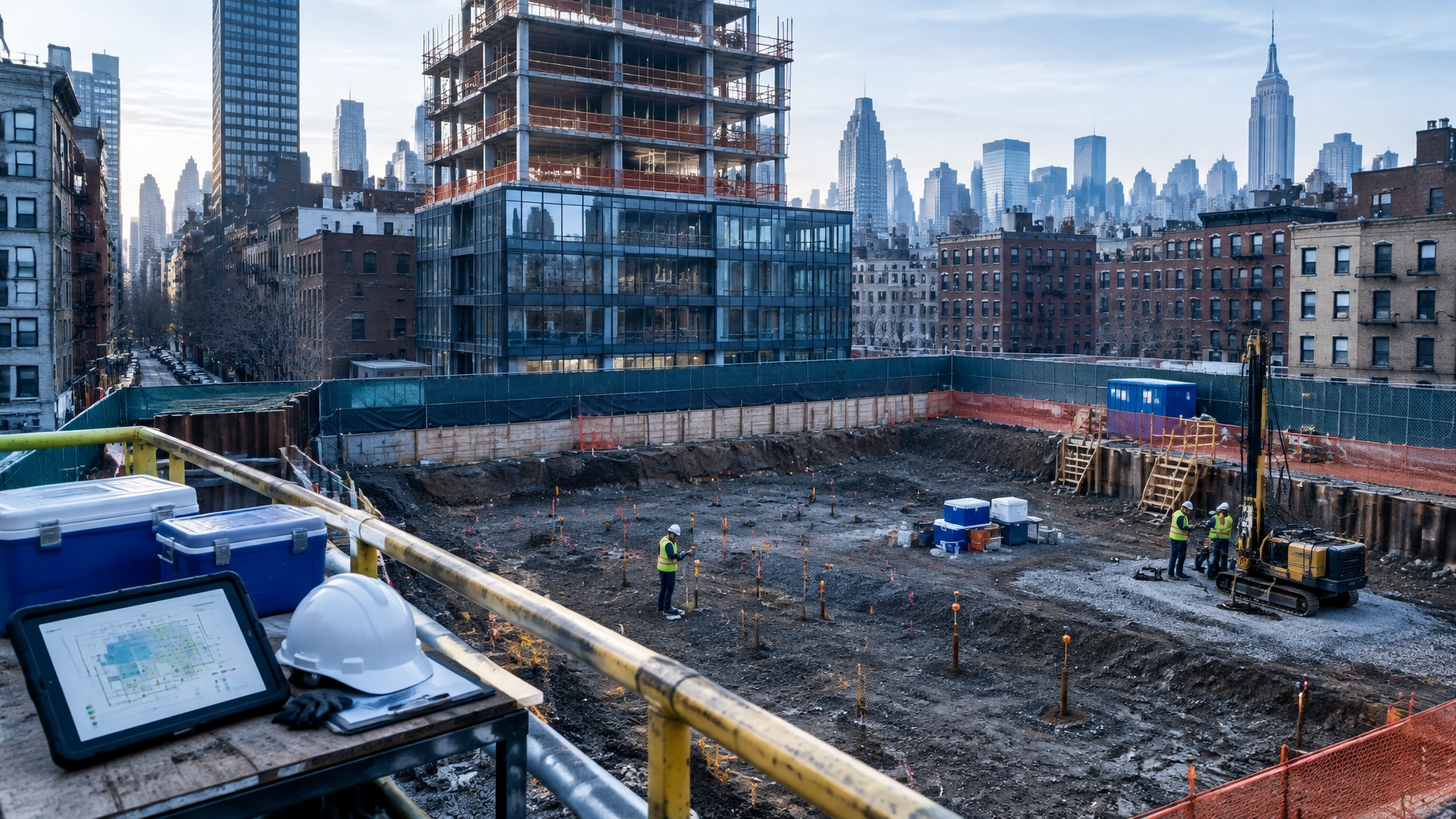
- A Phase I Environmental Site Assessment under ASTM E1527-21
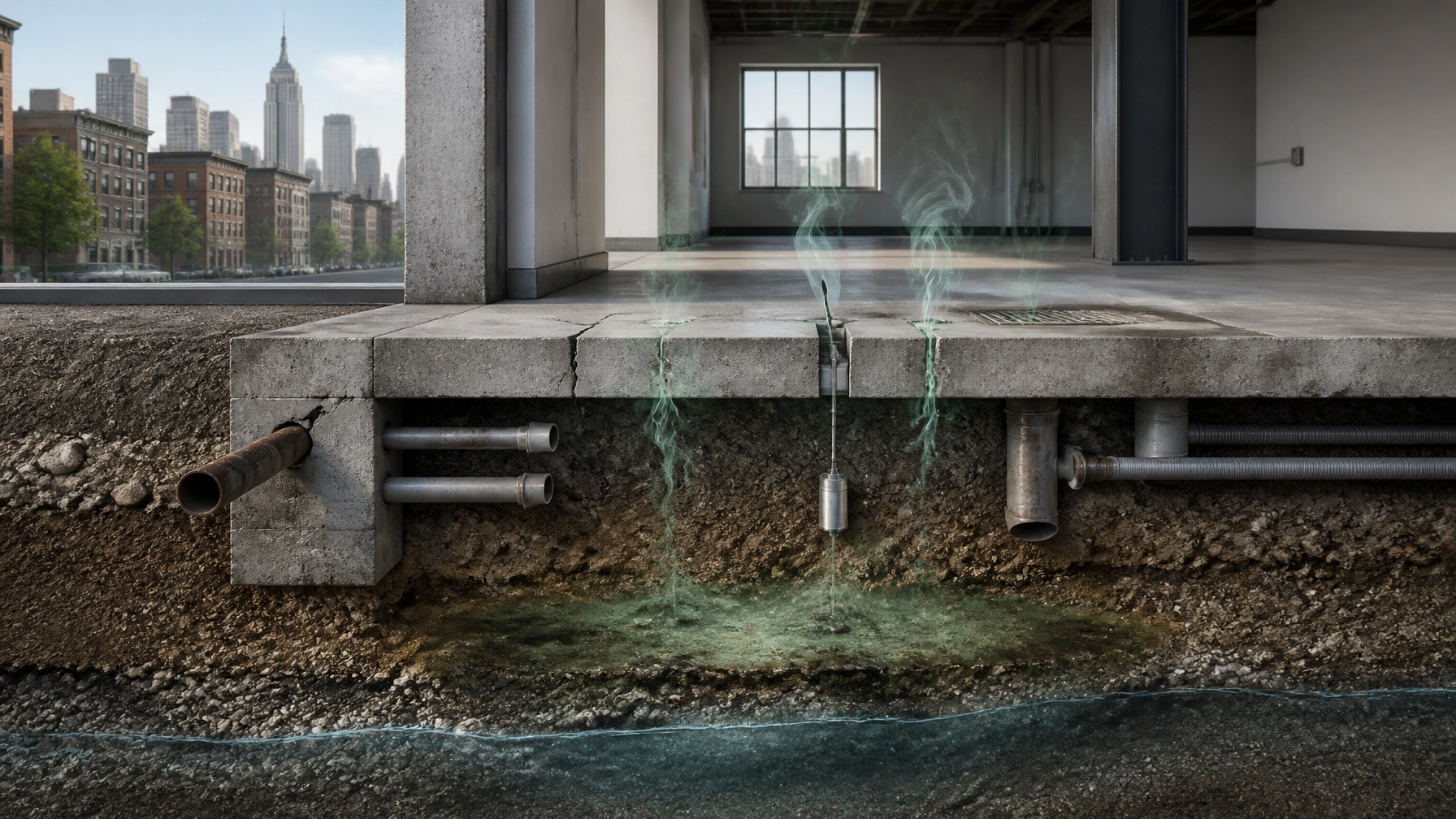
- A Phase II ESA or subsurface investigation
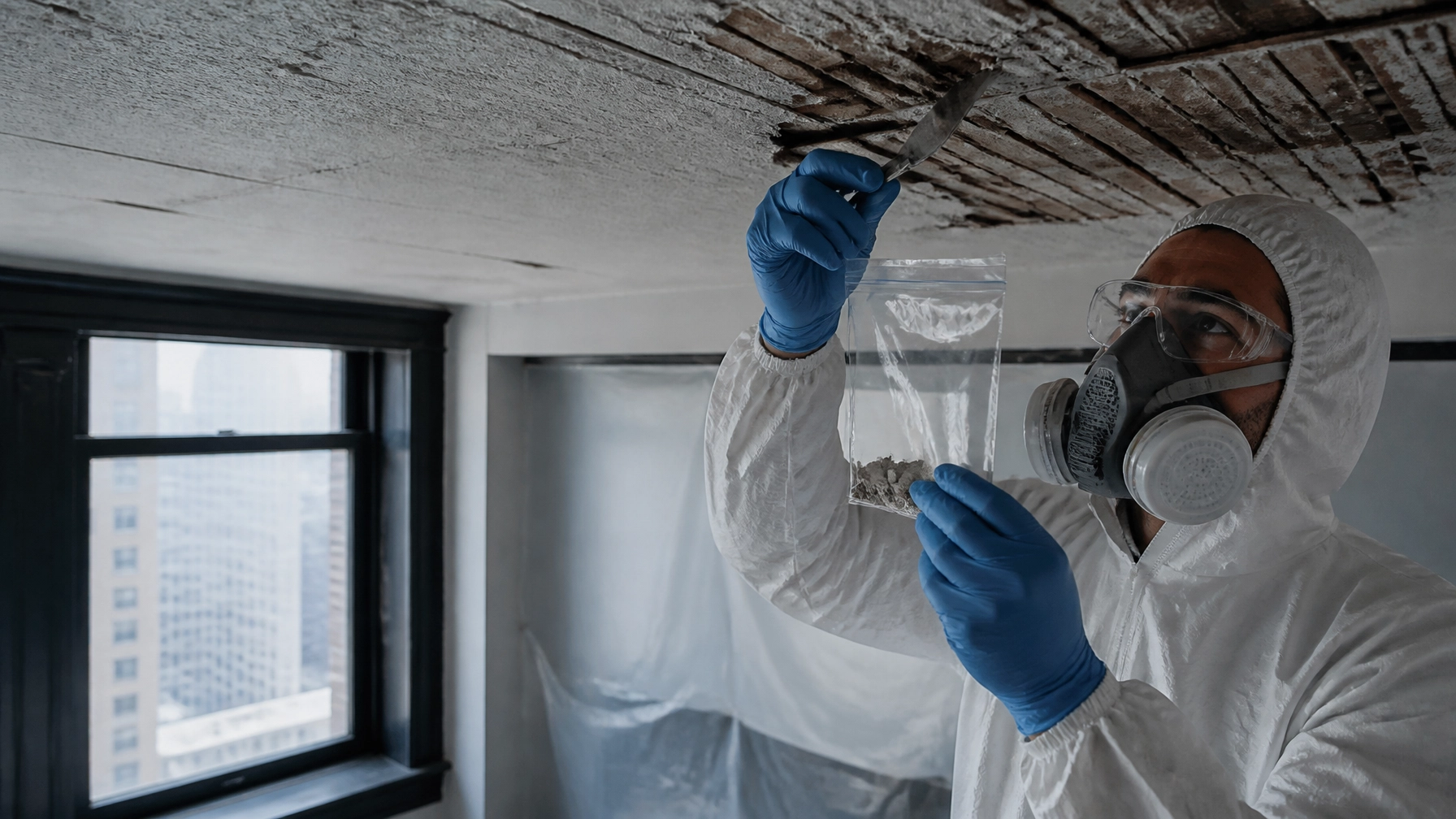
- An asbestos survey
- A lead-based paint survey
- Mold, radon, or indoor air quality testing
- A detailed structural investigation or structural design
- A complete accessibility review
- A building code certification
- A fire code inspection by the authority having jurisdiction
- A title, zoning, land use, or legal review
For a former industrial property in Newark, a mixed-use acquisition near Journal Square, or an older commercial building in Bergen County, the PCA should be coordinated with environmental and legal diligence.
Envicon can coordinate the property review with civil and geotechnical engineering services and environmental due diligence so the acquisition team has one clear path from finding to action.

Why Local Experience Matters in New Jersey Acquisitions
A property condition assessment Newark NJ transaction team can rely on should reflect the actual building stock and operating conditions of the market. Newark acquisitions may involve older masonry structures, adaptive reuse, industrial history, transportation-related vibration, aging utility systems, or redevelopment plans that change the appropriate scope.
Jersey City and Hoboken properties often require attention to waterfront exposure, dense access conditions, vertical transportation, façade maintenance, and mixed-use occupancy. Bayonne and Bergen County properties may present different combinations of industrial history, warehouse systems, paved site areas, and aging infrastructure.
Envicon’s team works across Jersey City, Newark, Hoboken, Hudson County, and Bergen County. We focus on clear findings, direct communication, and reports that help lenders and buyers move to the next decision.
Property Condition Report Cost NJ
The cost of a PCA depends on building size, age, access, number of structures, property use, requested evaluation period, and lender requirements. Envicon’s current property condition report service page lists typical reports starting at $1,500, with site-specific pricing determined during scoping.
A low initial fee does not help if the report needs revisions or fails to answer the lender’s questions. The right comparison is scope, turnaround, licensed oversight, cost detail, and accountability through closing.
Request a Lender-Ready Property Review
If you are acquiring a commercial property in Jersey City, Newark, Hoboken, Bayonne, Hudson County, or Bergen County, send us the property address, building type, lender requirements, and transaction deadline.
We will review the scope, identify any needed additions, and provide a clear path forward.
- Call Envicon now at (917) 764-2171
- Request a lender-ready property review
- Estimate your property condition report cost in New Jersey
A useful PCA does not simply describe a building. It gives you enough clarity to price the risk, protect the loan, and make the next decision with confidence.