Effective June 12, 2026, amendments to 6 NYCRR Part 617 changed how New York agencies evaluate environmental justice issues under the State Environmental Quality Review Act, or SEQRA.
The change does not mean every project near a disadvantaged community requires an Environmental Impact Statement. It does mean that certain Type I and Unlisted actions must now address whether they may cause or increase a disproportionate pollution burden on a disadvantaged community.
For developers in New York City and the broader downstate market, the practical message is simple: identify the community context, document the potential pathways, and coordinate environmental, civil, and permitting work before the lead agency asks for it.
NYSDEC published its Statewide Notice of Adoption for the Part 617 amendments. Project-specific applicability still depends on the action, the lead agency, the involved agencies, and the site conditions.
What the 2026 Part 617 amendments require
The amendments implement SEQRA-related provisions of New York’s Environmental Justice Siting Law, including Environmental Conservation Law § 70-0118.
The amended significance criteria in 6 NYCRR § 617.7(c)(xiii) now direct agencies to consider whether an action:
“May cause or increase a disproportionate pollution burden on a disadvantaged community that is directly or significantly affected by such action.”
That language matters during the determination of significance. It does not automatically require an EIS. The lead agency must still evaluate the full range of potential environmental impacts and determine whether one or more may be significant.
If the lead agency identifies potentially significant adverse environmental impacts, an EIS may be required. The environmental justice analysis then becomes part of the environmental impact statement and the agency’s findings.
Type II actions remain different
Type II actions remain exempt from further SEQRA review under Part 617. The new environmental justice questions do not convert every small or exempt action into an EIS project.
The first question for a developer is therefore not, “Is the site near a disadvantaged community?” It is:
- What is the SEQRA classification?
- Which agency will act as lead agency?
- Which agencies have jurisdiction or approval authority?
- Could the action create or increase a disproportionate pollution burden?
- Has the project team documented that analysis in the correct EAF or supporting materials?
The new disadvantaged community screening questions
The revised Short and Full Environmental Assessment Forms include environmental justice questions addressing disadvantaged communities.
The forms ask whether the project is located within, or within one-half mile of, a disadvantaged community. If the answer is no, the form asks whether project impacts could still affect a disadvantaged community.
That distinction is important. The one-half-mile screening distance is not a universal impact boundary. A project farther away may still affect a disadvantaged community through:
- Air emissions or construction dust
- Truck traffic and idling
- Noise and vibration
- Stormwater or industrial discharges
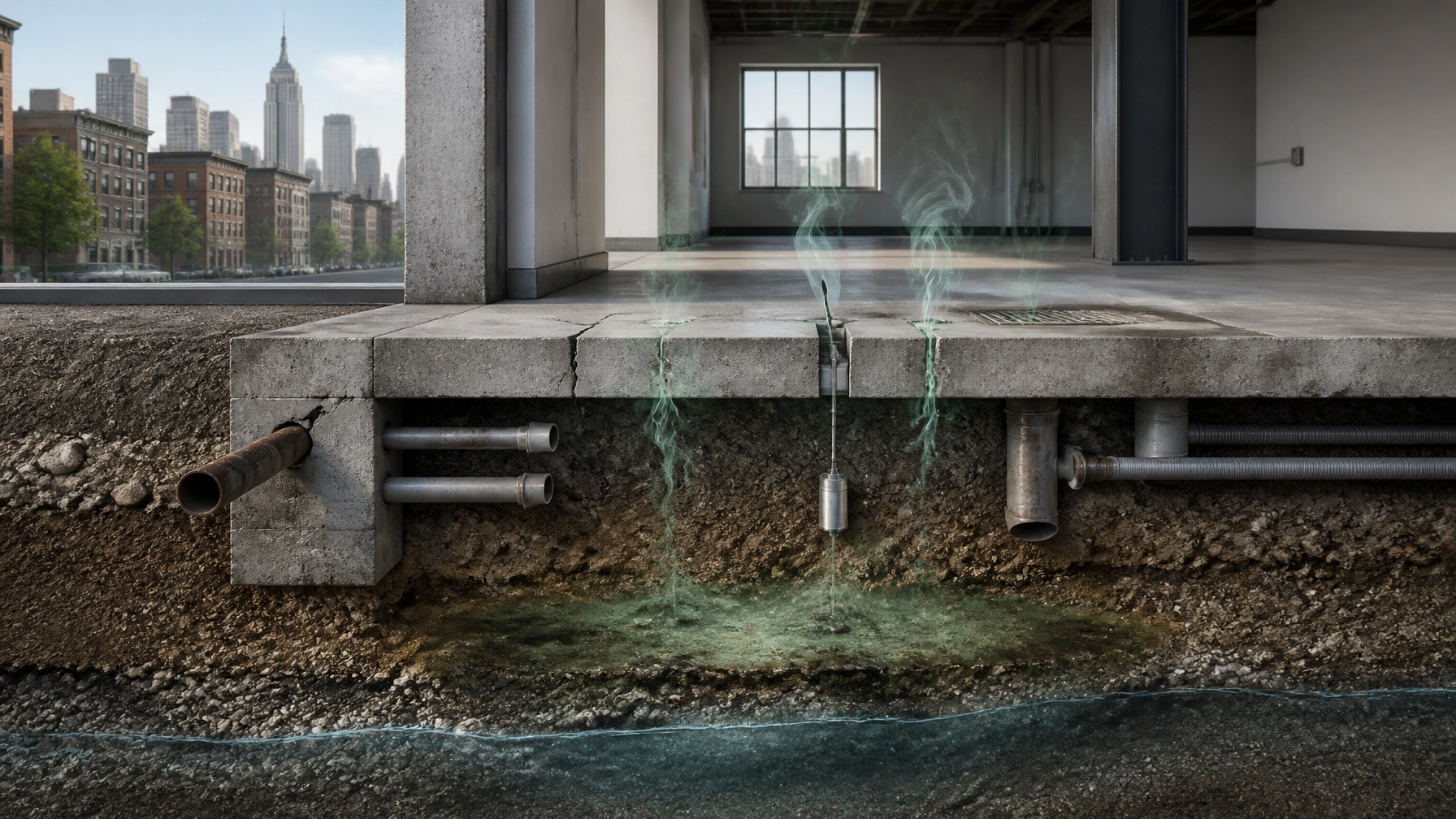
- Groundwater migration
- Odors
- Utility or infrastructure changes
- Changes to traffic patterns or access
- Cumulative impacts from existing nearby facilities
NYSDEC also identifies the Disadvantaged Community Assessment Tool as an initial screening resource. The tool considers environmental burden and population vulnerability. It helps agencies and applicants determine whether further analysis may be appropriate.
The screening result is not the end of the analysis. It is the point where a disciplined project team begins asking better questions.

What this means for NYC and downstate developers
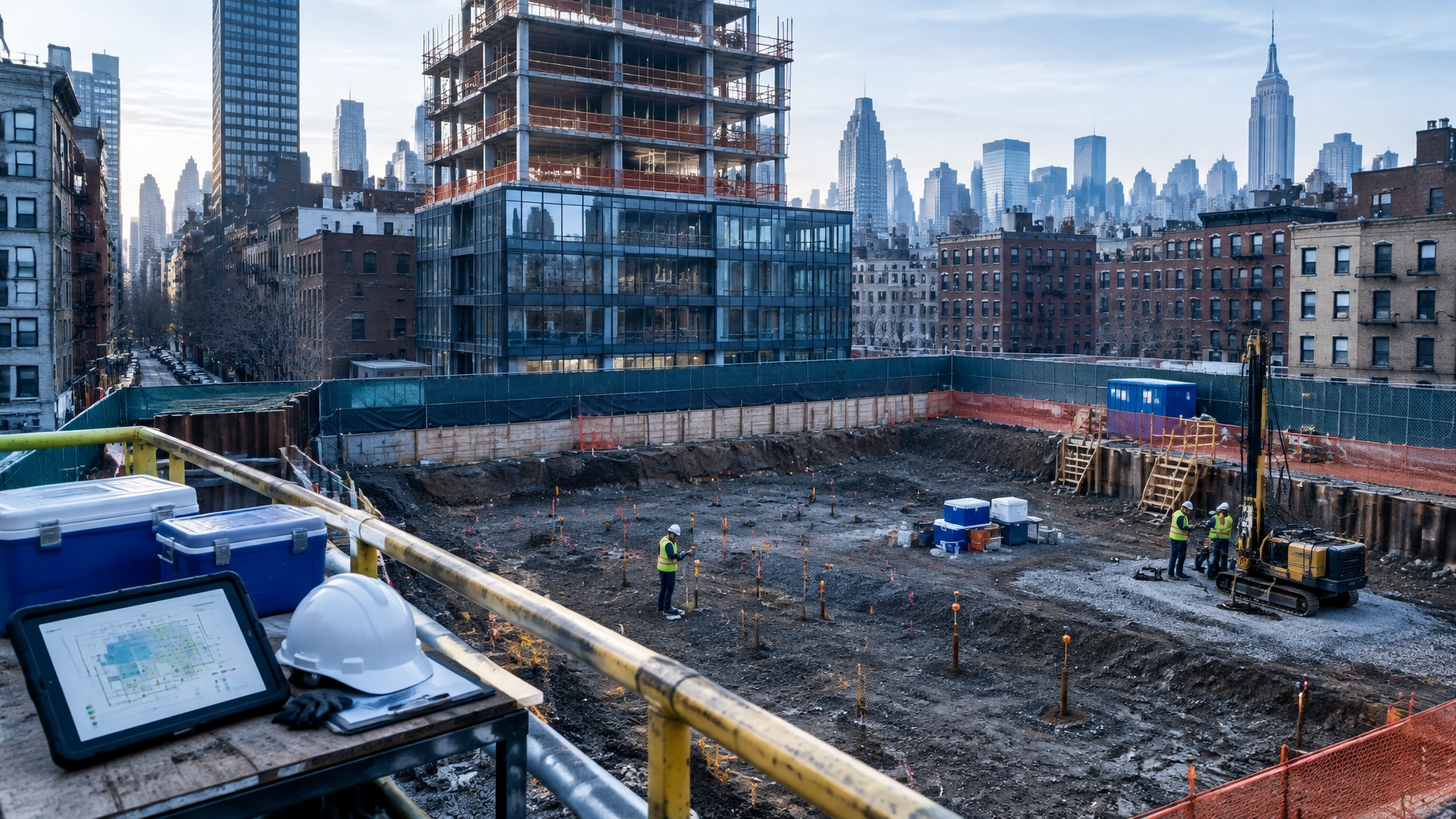
New York City projects often combine dense residential neighborhoods, former industrial uses, active transportation corridors, and legacy contamination. A site may be suitable for redevelopment while still requiring a careful assessment of existing environmental burdens.
This is especially relevant for projects involving:
- Former manufacturing or warehouse properties
- Fueling facilities and bulk storage
- Waste transfer or maritime facilities
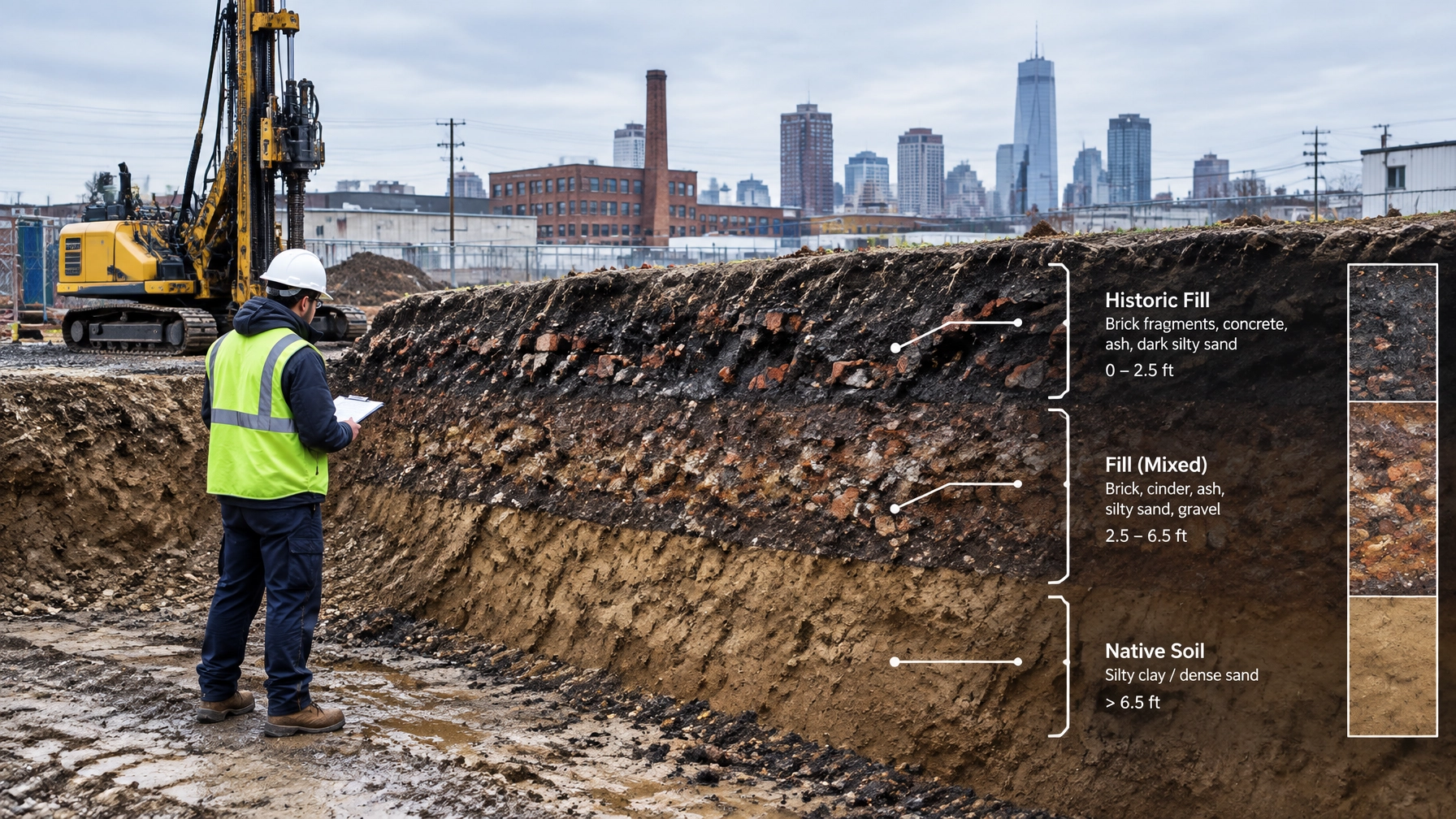
- Large excavation and soil export
- New industrial or utility uses
- Major residential or mixed-use development
- Parking, loading, or distribution operations
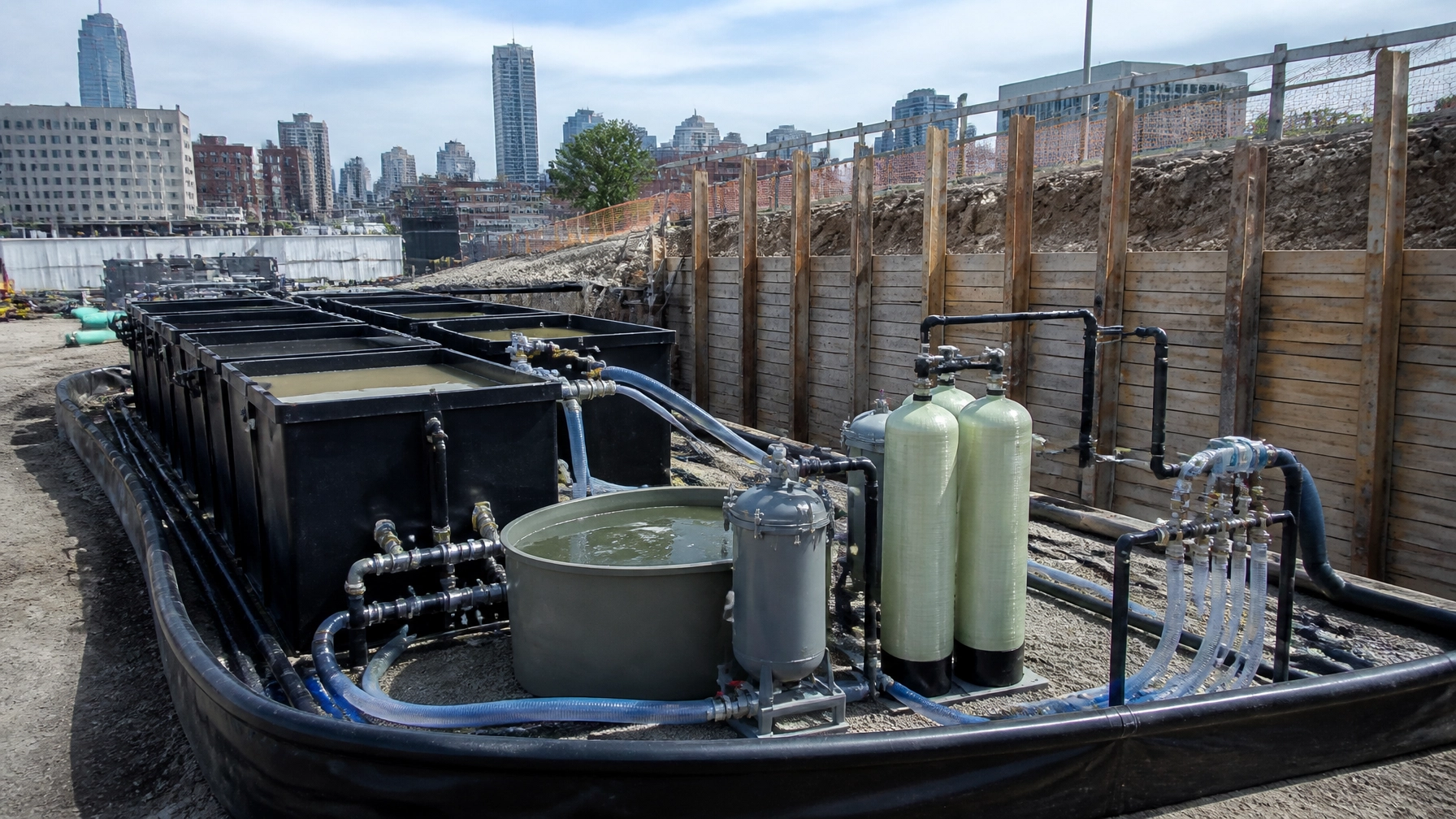
- Dewatering and discharge
- Demolition or construction near occupied buildings
A project in Brooklyn, Queens, the Bronx, or another downstate market may require more than a parcel-level description. The agency may need to understand how the proposed action fits within the surrounding community and existing pollution sources.
Developers should also separate New York and New Jersey requirements. A project located entirely in New Jersey is not subject to SEQRA merely because it is across the Hudson River from a New York disadvantaged community. It may still face NJDEP, municipal, or other environmental review requirements. Cross-border impacts can raise coordination questions, but they do not automatically place a New Jersey project under New York’s Part 617 process.
For New York projects, start with the applicable NYC location context and confirm the responsible lead agency before assuming that NYSDEC will control the review.
When an EIS may be required
The 2026 amendments create a clear documentation issue, not an automatic EIS mandate.
A practical sequence looks like this:
-
Classify the action.
Confirm whether the project is Type I, Unlisted, or Type II under 6 NYCRR Part 617. -
Identify the lead agency.
The lead agency coordinates the significance determination. Other agencies may remain involved through permits, funding, approvals, or property interests. -
Complete the revised EAF.
Address the disadvantaged community questions accurately. Do not treat the one-half-mile distance as a complete impact analysis. -
Evaluate potential burdens.
Consider the project’s incremental effects together with existing environmental conditions and nearby sources. -
Make the significance determination.
If the lead agency finds no potentially significant adverse environmental impacts, the project may proceed with a negative declaration, subject to other approvals. -
Scope and prepare an EIS if required.
If the agency identifies potentially significant impacts, the project may require scoping, a Draft EIS, public review, responses to comments, a Final EIS, and findings.
The new rule can affect the quality and amount of information needed before the lead agency makes its determination. It does not create one fixed schedule for every project.
Schedule implications: document before the clock starts
SEQRA schedules vary based on project complexity, agency workload, coordinated review, document completeness, and public participation. An environmental justice issue can affect the schedule when the initial EAF does not adequately explain the site context or potential impact pathways.
A developer should build time into the front end for:
- GIS screening and disadvantaged community confirmation
- Review of nearby facilities and environmental databases
- Existing air, water, soil, traffic, and noise conditions
- Construction-phase impacts
- Alternatives and mitigation
- Lead agency coordination
- Responses to agency completeness comments
- Community context and outreach planning where appropriate
An incomplete EAF can lead to repeated agency questions. A weak cumulative impact discussion can create more significant review comments later. Those delays are avoidable.
The goal is not to write an unnecessarily long report. The goal is to provide the right technical record before the agency has to request it.
What developers should document early
Use this checklist during site planning and entitlement work.
1. Confirm the project footprint
Map all components of the action, not just the tax parcel. Include access roads, staging areas, utility work, off-site drainage, dewatering discharge points, haul routes, and temporary construction areas.
2. Screen disadvantaged community status
Use the current NYSDEC mapping resources and the EAF Mapper when available. Document whether any project component falls within or within one-half mile of a disadvantaged community.
3. Define potential impact pathways
Explain how impacts could travel from the project to surrounding communities. A site plan alone will not answer questions about air, traffic, noise, stormwater, groundwater, or construction dust.
4. Establish existing conditions
Review known contamination, permitted facilities, historic industrial uses, traffic conditions, air quality concerns, surface water, groundwater, and existing engineering controls.
5. Connect environmental and civil design
Grading, drainage, utility design, truck circulation, excavation support, soil handling, and stormwater controls can directly affect the environmental justice analysis.
6. Evaluate alternatives and mitigation
Consider design changes that reduce burdens before the project reaches formal EIS scoping. Examples may include cleaner equipment, enclosed operations, revised loading areas, dust controls, traffic routing, green infrastructure, vapor controls, and construction-phase monitoring.
7. Plan the community record
Identify how the project affects nearby residents, workers, schools, businesses, and public facilities. Coordinate public-facing information with the agency process. Do not assume that generic outreach satisfies project-specific concerns.
8. Track assumptions
Keep a clear record of data sources, maps, field observations, agency communications, and design revisions. A defensible file should show how the team reached its conclusions.
Coordinate SEQRA with hazardous materials and civil work
Environmental justice documentation should not sit in a separate memo disconnected from the rest of the project.
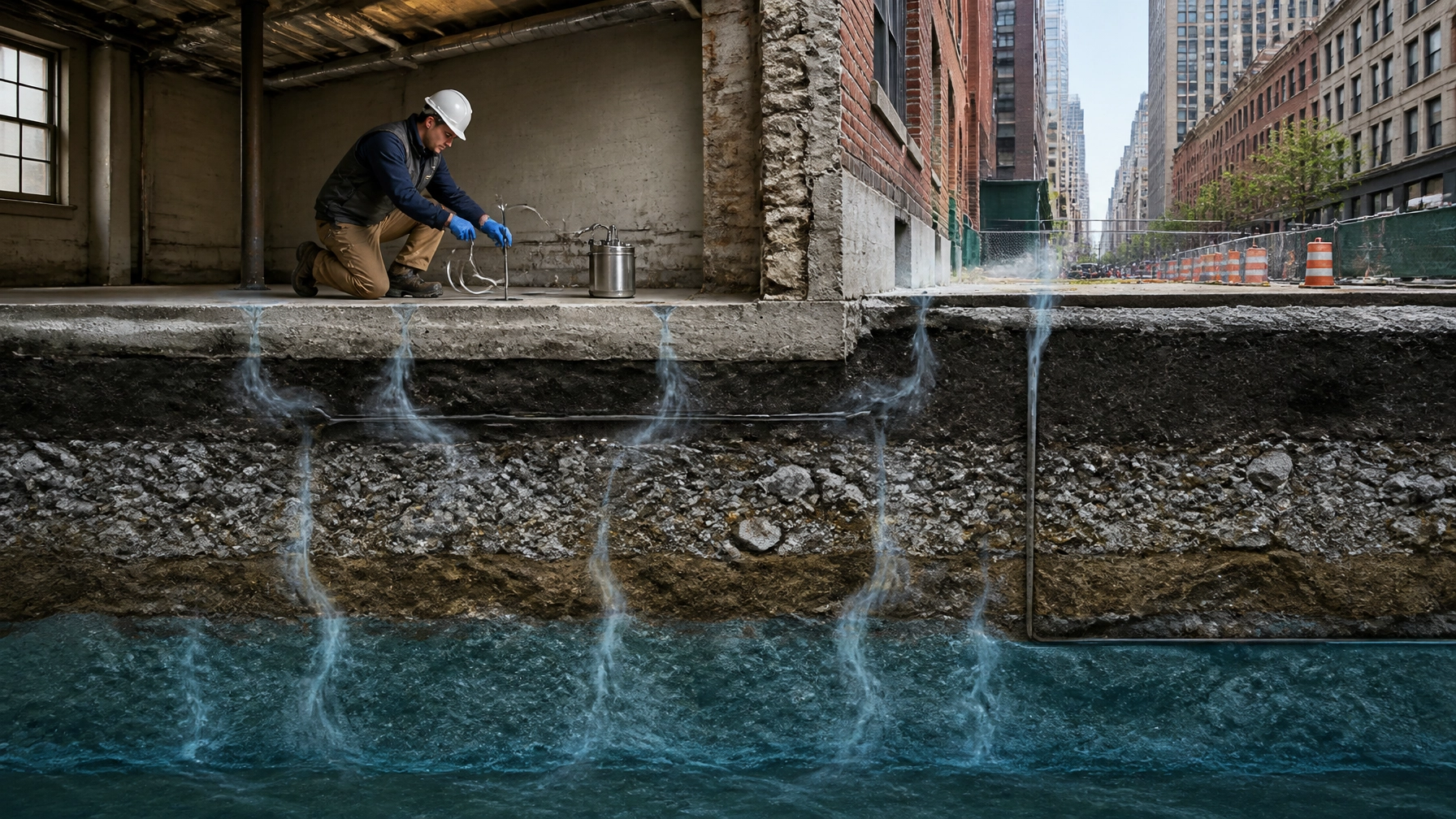
A Phase I ESA may identify recognized environmental conditions. A Phase II investigation may identify soil, groundwater, or vapor impacts. Civil plans may show excavation, dewatering, grading, drainage, and utility work. Construction documents may establish dust control, air monitoring, soil management, and truck routing.
Those workstreams should support one another.
For example, if a project will excavate impacted soil near an occupied residential area, the SEQRA record should align with:
- The soil management plan
- Waste characterization and disposal profiles
- Community air monitoring requirements
- Vapor intrusion evaluation
- Dewatering and discharge controls
- Stormwater Pollution Prevention Plan requirements
- Construction logistics and truck routing
- Remedial design and engineering controls
Envicon supports this integrated approach through environmental assessment and investigation, compliance and permitting, civil and geotechnical engineering, and remediation and brownfield redevelopment.

Why local, regulator-facing coordination matters
The 2026 amendments add another reason to involve the technical team early.
A large national consultant may assign separate groups to SEQRA, hazardous materials, civil design, and community outreach. That structure can work, but only when someone owns the connection between those disciplines.
Envicon works differently. Our engineers and environmental professionals coordinate directly with developers, attorneys, architects, contractors, public agencies, and regulators. We do not prepare a report and leave you to interpret it.
We help answer the practical questions:
- What does this finding mean for the site plan?
- Which data does the lead agency need now?
- What can be mitigated through design?
- Does the remediation approach match the proposed land use?
- Will the construction controls hold up in the field?
- Which agency should receive the next communication?
“Collaboration is not a buzzword. It’s how we work.”
That approach is especially important in NYC and downstate New York, where environmental, land use, infrastructure, and community issues overlap on the same site.

The takeaway for developers
New York’s June 12, 2026 Part 617 amendments do not make an EIS automatic for every project near a disadvantaged community.
They do require a more deliberate early review for applicable Type I and Unlisted actions. Developers should identify disadvantaged community status, evaluate potential disproportionate pollution burdens, document existing conditions, and coordinate environmental findings with civil design and construction controls.
The strongest project files are not built around regulatory language alone. They connect the technical facts to the decisions that determine whether a site can be permitted, financed, constructed, and accepted by the community.
If your project is in NYC or downstate New York, have the SEQRA screening, hazardous materials investigation, civil design, and agency strategy reviewed together before submission.
Need a project-specific review?
Envicon Group helps developers, investors, attorneys, contractors, and public agencies solve environmental and engineering challenges with precision, speed, and trust.
This article is for general information and does not replace project-specific legal, regulatory, or engineering advice. Confirm current requirements with the applicable lead agency and qualified professionals before relying on a SEQRA determination.