A construction site in Jersey City, Newark, Hoboken, Bayonne, Hudson County, Bergen County, or Essex County can lose time before the first excavation if stormwater obligations are treated as a late permitting task.
For qualifying projects, the NJPDES 5G3 construction stormwater permit, Soil Erosion and Sediment Control approval, Stormwater Pollution Prevention Plan, and Request for Authorization must align before land disturbance begins. The details depend on the project, site conditions, municipality, county Soil Conservation District, and NJDEP review.
Envicon provides SWPPP services in Jersey City and Newark for developers, contractors, architects, municipalities, and property owners who need a clear path from approved plans to compliant construction.
When NJPDES 5G3 coverage applies
New Jersey generally requires construction stormwater authorization when construction activity disturbs:
- One acre or more of land
- Less than one acre as part of a larger common plan of development or sale that will disturb one acre or more
- Soil through clearing, grading, excavation, demolition, utility installation, or related construction activity
The one-acre threshold is not limited to the first phase of work. A phased project, adjacent parcel, shared infrastructure plan, or later construction phase may be part of the same common plan.
That matters in dense markets such as Jersey City, Newark, Hoboken, and Bayonne. A project may have a small active work area but still fall under the threshold because the full development plan includes future buildings, parking areas, utilities, access roads, or public improvements.
The first step is a documented applicability review. Do not assume that a small parcel is exempt without reviewing the full project limits and development sequence.
See the NJDEP Bureau of NJPDES Stormwater Permitting for the state’s stormwater permitting framework and links to current program materials.
Soil Erosion and Sediment Control approval comes first
Before filing the NJPDES 5G3 Request for Authorization, the project typically needs an approved Soil Erosion and Sediment Control Plan through the applicable county Soil Conservation District.
The plan addresses how the project will control soil loss and sediment migration during construction. Depending on the site, it may include:
- Stabilized construction entrances
- Silt fencing and perimeter controls
- Sediment basins, traps, and temporary settling areas
- Inlet protection
- Temporary diversion swales
- Dust and tracking controls
- Stockpile protection
- Slope stabilization
- Construction sequencing
- Permanent stabilization measures
The approved plan and supporting codes become part of the authorization process. A missing certification, incorrect project boundary, or mismatch between the civil drawings and erosion control plan can create avoidable review comments.
For an erosion and sediment control plan in Newark, NJ, the plan must reflect actual grading, drainage, access, and construction sequencing. A generic detail sheet does not tell the contractor what to install first, where runoff will go during a storm, or how the site will remain compliant while work progresses.
Request for Authorization under NJPDES 5G3
New Jersey uses a Request for Authorization, or RFA, for coverage under its construction stormwater general permit. The RFA is not a substitute for the technical plan. It is the administrative request that connects the project, owner, operator, Soil Conservation District approval, and NJPDES permit coverage.
A typical process includes:
- Confirming whether 5G3 coverage applies.
- Defining the project area and common-plan limits.
- Preparing the Soil Erosion and Sediment Control Plan.
- Obtaining county Soil Conservation District approval and required identification information.
- Preparing the SWPPP or SPPP components.
- Submitting the RFA through the NJDEP process.
- Addressing agency comments or deficiencies.
- Keeping the approved plans and inspection records current throughout construction.
Current permit status, agency procedures, fees, and lead times can change. The applicable schedule also depends on project facts, completeness of the submittal, county review, municipal requirements, and NJDEP agency review. Confirm the current requirements before setting a groundbreaking date.
NJDEP’s stormwater program operates under the state’s NJPDES rules at N.J.A.C. 7:14A. Stormwater management design requirements are addressed separately through N.J.A.C. 7:8.
What belongs in a construction SWPPP
A construction SWPPP, also called an SPPP in New Jersey materials, should be site-specific. It should connect the regulatory requirements to the way the contractor will actually build the project.
Core components commonly include:
- Project description and limits of disturbance
- Existing site conditions and drainage patterns
- Construction sequence and schedule
- Soil types, slopes, receiving waters, and discharge points
- Erosion and sediment control measures
- Stormwater best management practices
- Construction material and waste controls
- Concrete washout procedures
- Fuel, chemical, and spill controls
- Soil stockpile management
- Dewatering procedures where applicable
- Inspection forms and corrective action procedures
- Stabilization requirements
- Rain-event response procedures
- Roles for the owner, operator, contractor, and inspector
The plan should not sit in a binder while field conditions move in another direction. If the contractor changes the access road, expands the laydown area, relocates a stockpile, changes the grading sequence, or installs temporary drainage differently, the plan may need to be reviewed and updated.

Grading and drainage must match the SWPPP
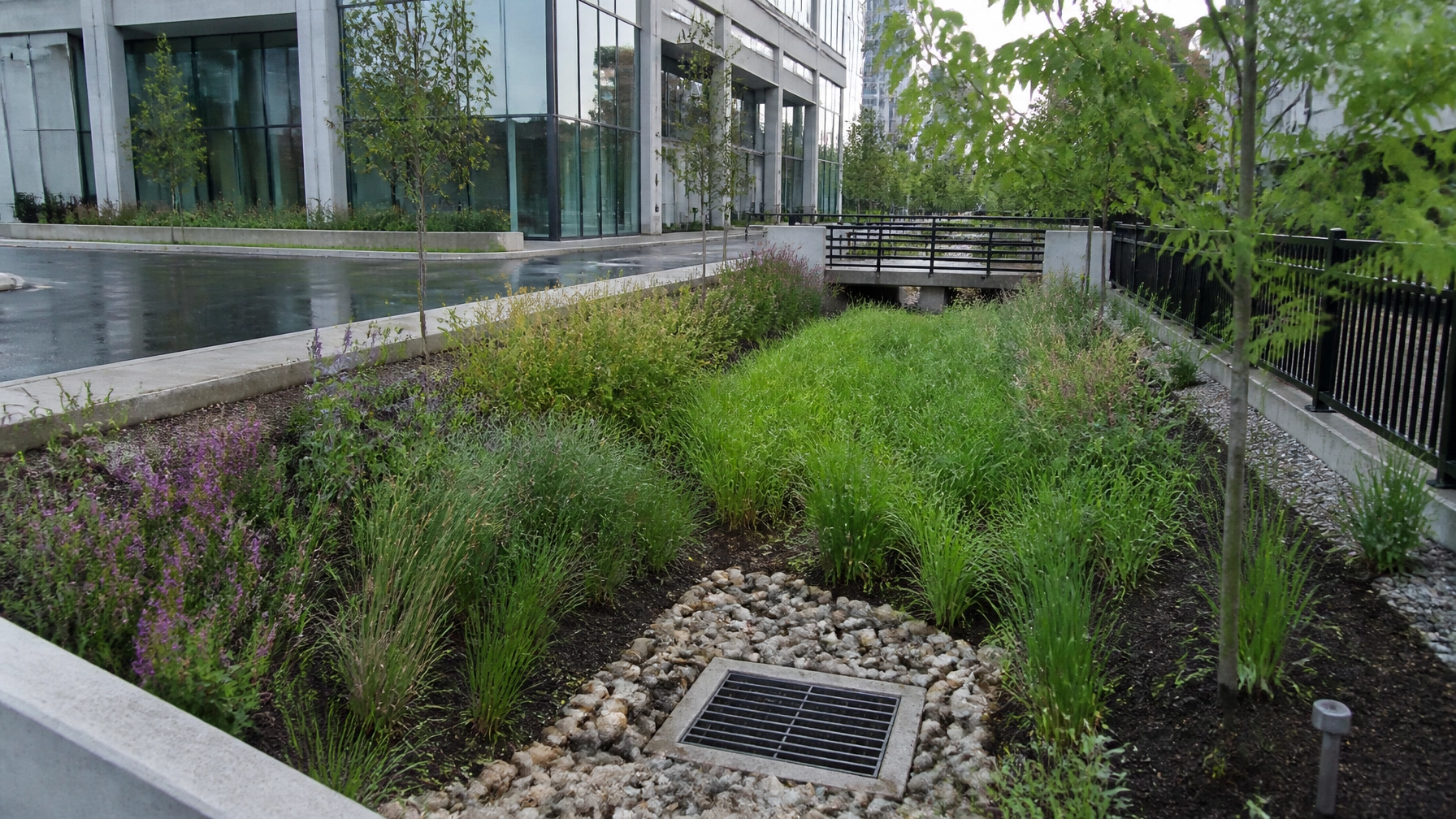
Stormwater compliance is not separate from civil design. The grading plan determines where water flows. The drainage plan determines how that water is collected, conveyed, detained, treated, or discharged. The SWPPP determines how the site remains protected while those systems are being built.
Coordination should address:
- Temporary and permanent drainage routes
- Low points and ponding areas
- Inlet protection during installation
- Discharge locations
- Sediment basin sizing and access
- Utility trench crossings
- Construction entrances
- Soil stockpile locations
- Dewatering discharge points
- Final stabilization and landscaping sequence
This is why civil and geotechnical engineering support should be coordinated with the SWPPP before groundbreaking. A plan that looks complete on paper can fail in the field if it ignores the actual grade, groundwater, utility layout, or available construction access.
Envicon brings civil, environmental, and field oversight into the same project conversation. That reduces the coordination gap between the engineer preparing the drawings and the contractor responsible for maintaining the controls.
Inspections, stabilization, and rain-event response
Permit coverage does not end when the RFA is approved. Construction-phase compliance requires ongoing inspection, maintenance, documentation, and corrective action.
The responsible team should inspect:
- Perimeter sediment controls
- Storm drain and inlet protection
- Construction entrances and tracking
- Sediment basins and outlet structures
- Exposed slopes
- Stockpiles and soil covers
- Temporary channels and swales
- Concrete washout areas
- Material storage and waste controls
- Areas disturbed by recent work or rainfall
After a significant rain event, the inspection should focus on displaced controls, channel erosion, overtopping, sediment accumulation, muddy discharge, damaged inlet protection, and areas where runoff bypassed the planned BMPs.
Stabilization also needs to follow the construction sequence. Exposed soil should not remain unprotected while the project waits for the next trade. Temporary stabilization may include mulch, erosion control blankets, seed, stone, paving, concrete, or another approved measure appropriate to the area and schedule.

Contractor responsibilities under the SWPPP
Contractors need clear direction before mobilization. Their responsibilities may include:
- Installing BMPs before disturbing soil
- Keeping controls in working condition
- Following the approved construction sequence
- Protecting storm drains and discharge points
- Covering or securing stockpiled materials
- Maintaining stabilized entrances
- Managing concrete washout and construction waste
- Reporting damage, bypasses, spills, or unauthorized discharges
- Cooperating with scheduled and post-rain inspections
- Correcting deficiencies promptly
- Keeping required records available on site
The owner or developer should identify who has authority to stop work or direct corrective action. A SWPPP consultant should not be expected to solve a field problem that the contractor refuses to report or correct.
Clear accountability protects the project. It also prevents a minor BMP failure from becoming a larger discharge, inspection issue, neighbor complaint, or agency deficiency.
Field checklist before groundbreaking
Use this checklist during your pre-construction SWPPP review:
- Confirm the total disturbance area.
- Review whether the work is part of a common plan.
- Identify the applicable county Soil Conservation District.
- Confirm Soil Erosion and Sediment Control approval status.
- Confirm required certification and identification information.
- Prepare and submit the NJPDES 5G3 RFA.
- Confirm the current permit version and agency filing requirements.
- Match grading, drainage, and utility plans to the SWPPP.
- Identify temporary discharge and dewatering points.
- Confirm BMP locations in the field.
- Assign inspection and maintenance responsibilities.
- Train the superintendent and relevant subcontractors.
- Establish rain-event response procedures.
- Confirm stabilization materials and sequencing.
- Keep approved plans, permits, inspection forms, and contact information available on site.
Local SWPPP support for Hudson and northern New Jersey
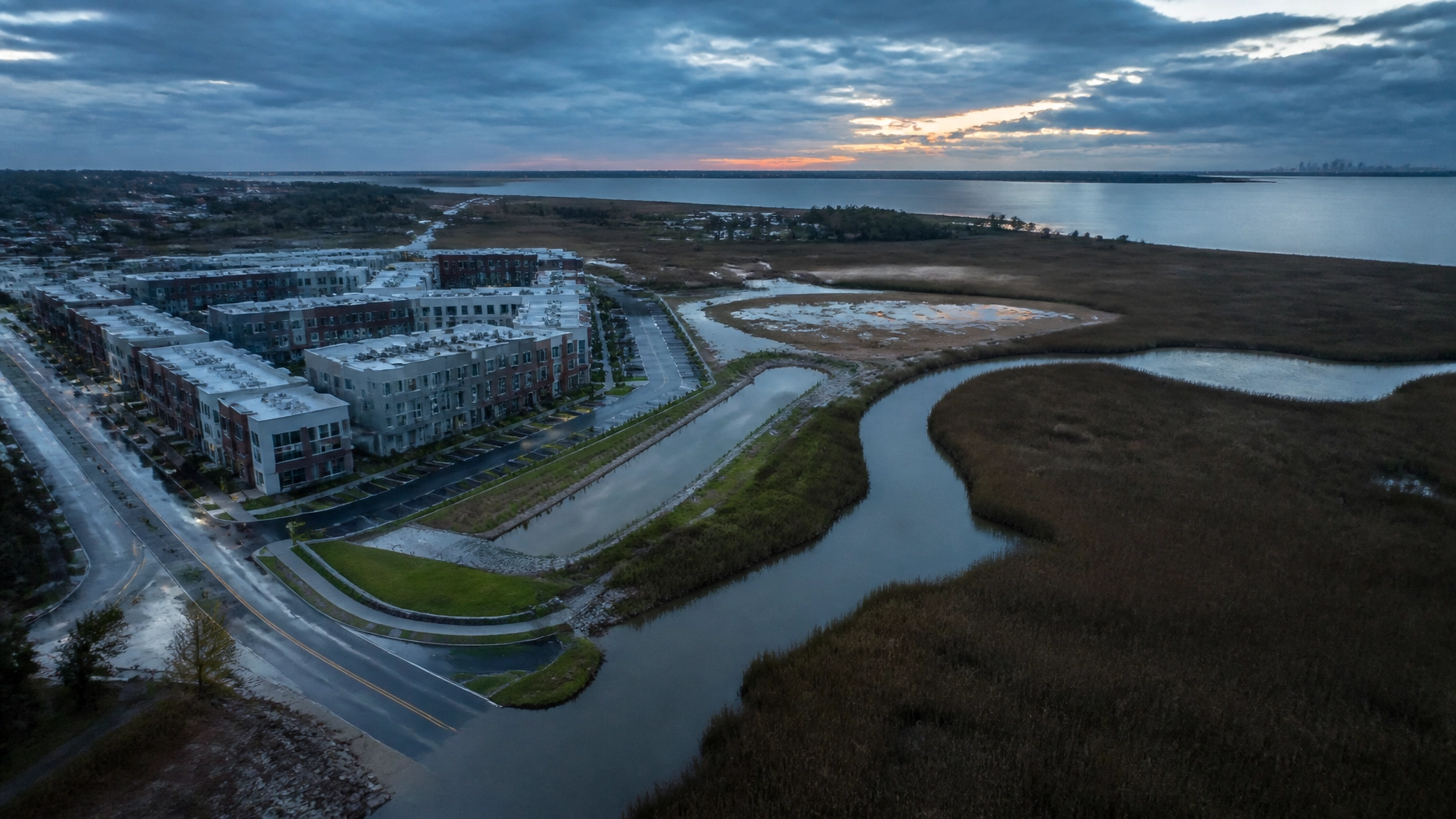
Jersey City and Newark projects face tight sites, active streets, dense utilities, constrained staging, and fast construction schedules. Hoboken and Bayonne projects may add waterfront, flood, tidal, or redevelopment constraints. Projects across Hudson County, Bergen County, and Essex County also move through different municipal and county review environments.
Envicon’s Jersey City environmental consulting team supports developers and contractors across the region with permit-ready SWPPP preparation, civil coordination, inspections, field documentation, and regulatory communication.
We do more than deliver a plan. We help make sure the plan works when the excavator arrives.
Request a pre-construction SWPPP review
Before groundbreaking, ask Envicon to review your disturbance limits, grading and drainage plans, Soil Erosion and Sediment Control status, NJPDES 5G3 RFA path, inspection responsibilities, and construction sequencing.
Request a site-specific scope through Envicon’s contact page, or call (917) 764-2171.
Our team will review the project facts, identify the applicable scope, and outline the next steps. Current permit status and lead times depend on the project and agency review, so early coordination matters.
The goal is simple: protect the site, satisfy the permit, and keep construction moving.