In New Jersey, a recorded deed notice, a groundwater Classification Exception Area, and a vapor-control system can each affect what you can build, finance, lease, or sell. They are related, but they are not interchangeable, and improving environmental conditions do not remove them automatically.
For a Newark property, the practical question is not just “Is the site clean now?” It is: Which control applies, what obligation does it create, and what evidence and NJDEP process are needed to change or end it?
A New Jersey Licensed Site Remediation Professional (LSRP) helps answer those questions and guides the remediation through the applicable rules. The LSRP does not simply erase an old restriction. The record, technical basis, agency filings, and sometimes a county recording all have to line up. Envicon provides NJDEP LSRP services for investigation, site management, permit compliance, and closure planning.
First, separate the controls
A land use restriction file may include several different controls:
- Deed notice: A recorded notice addressing soil contamination left above unrestricted-use standards. It identifies the restricted area, applicable use or excavation limits, and any required maintenance.
- Classification Exception Area (CEA): A mapped area where groundwater does not meet applicable groundwater quality standards. A related Well Restriction Area may limit groundwater use.
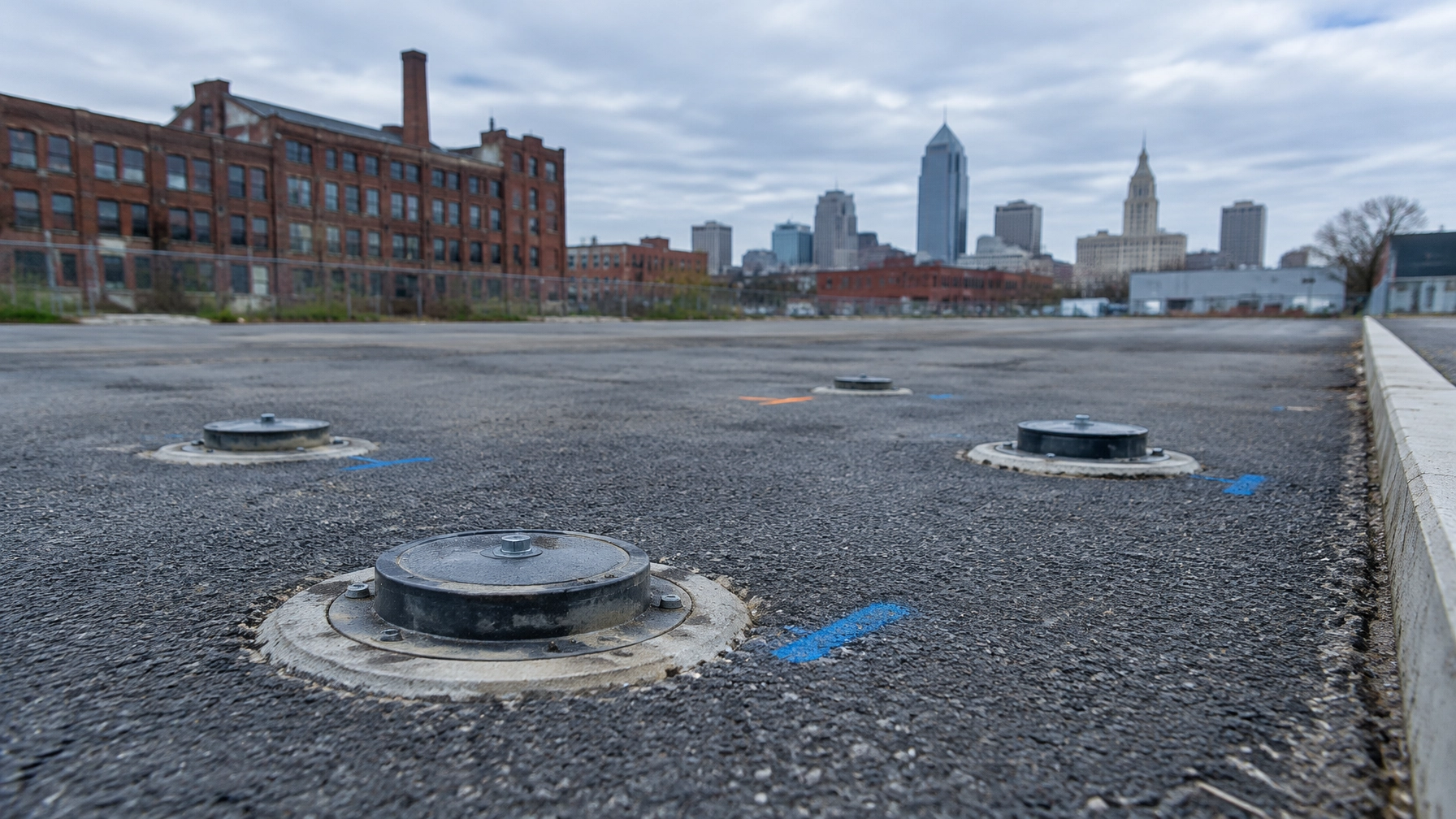
- Engineering control (EC): A physical measure that contains contamination or interrupts exposure. Examples include a cap, pavement, building slab, slurry wall, or vapor mitigation system.
- Indoor Air Notification Area (IANA): An NJDEP institutional control for the indoor-air and vapor-intrusion pathway. Adopted in February 2026, it notifies affected parties that indoor-air conditions require mitigation and monitoring. It is not the same as a soil deed notice.
A Remedial Action Permit (RAP) may govern ongoing obligations for soil, groundwater, or indoor air. A site may have more than one control and more than one RAP component. NJDEP’s current forms library lists the applicable CEA, IANA, and RAP forms.
Historic fill can mean multiple controls
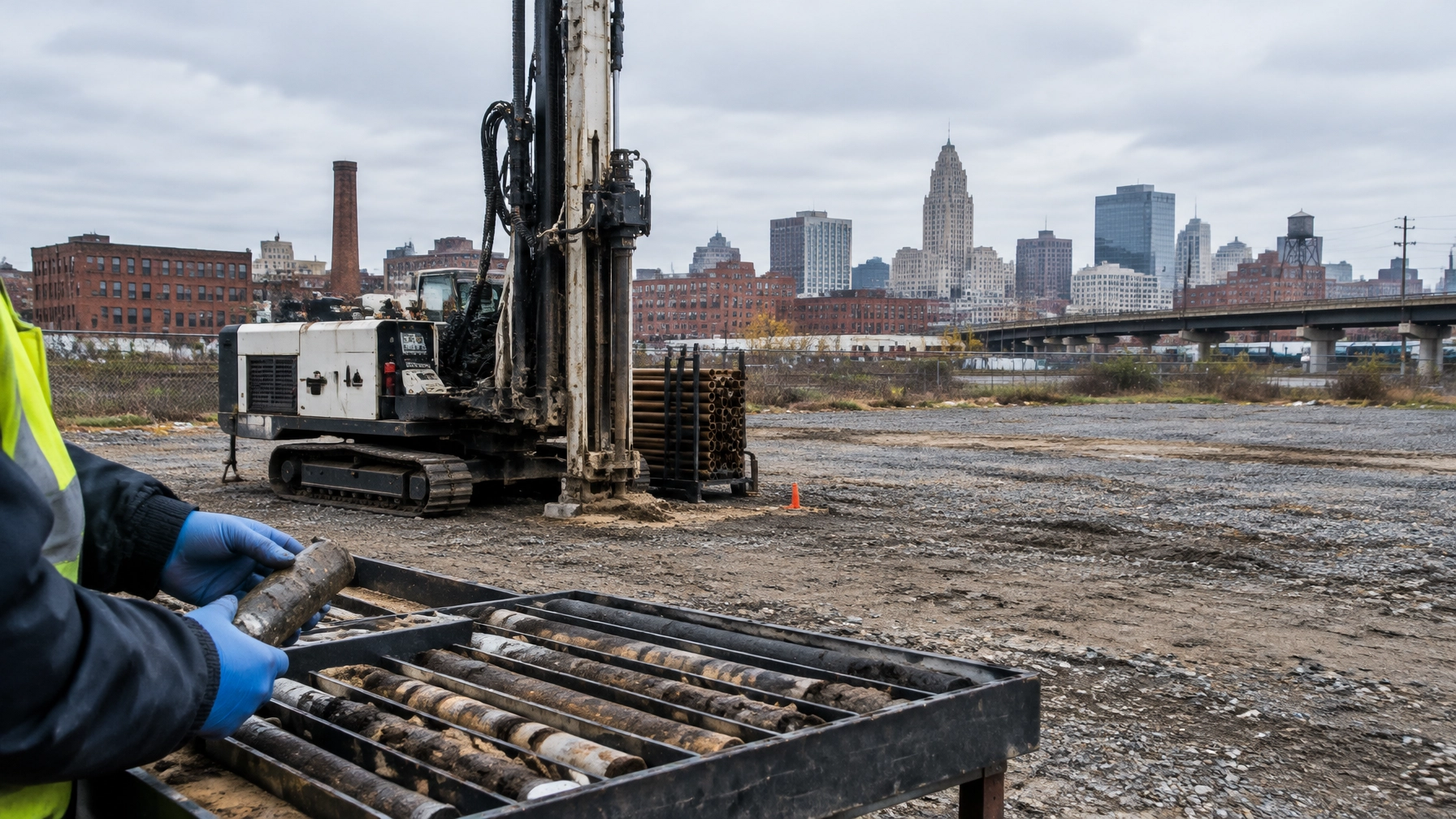
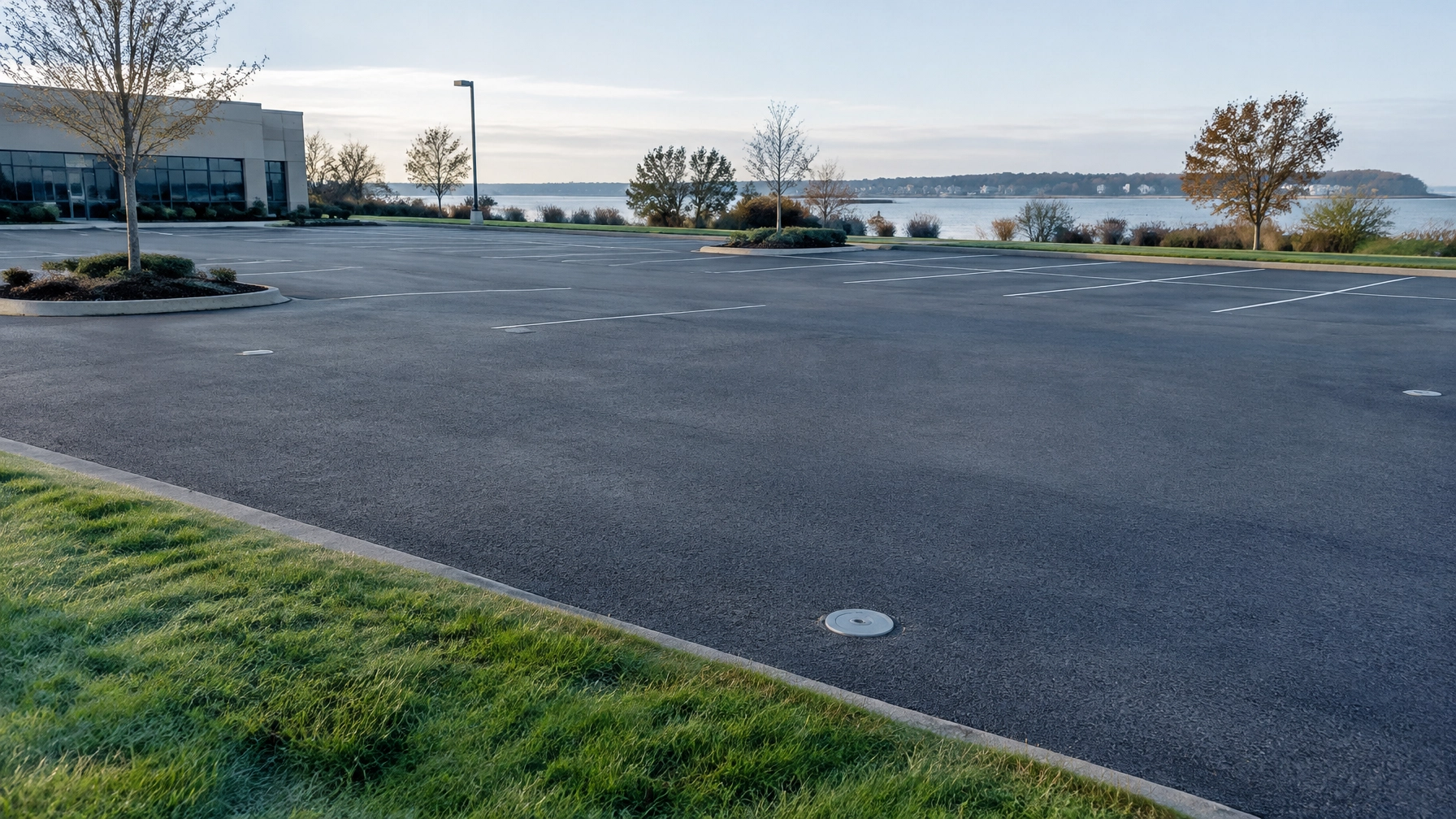
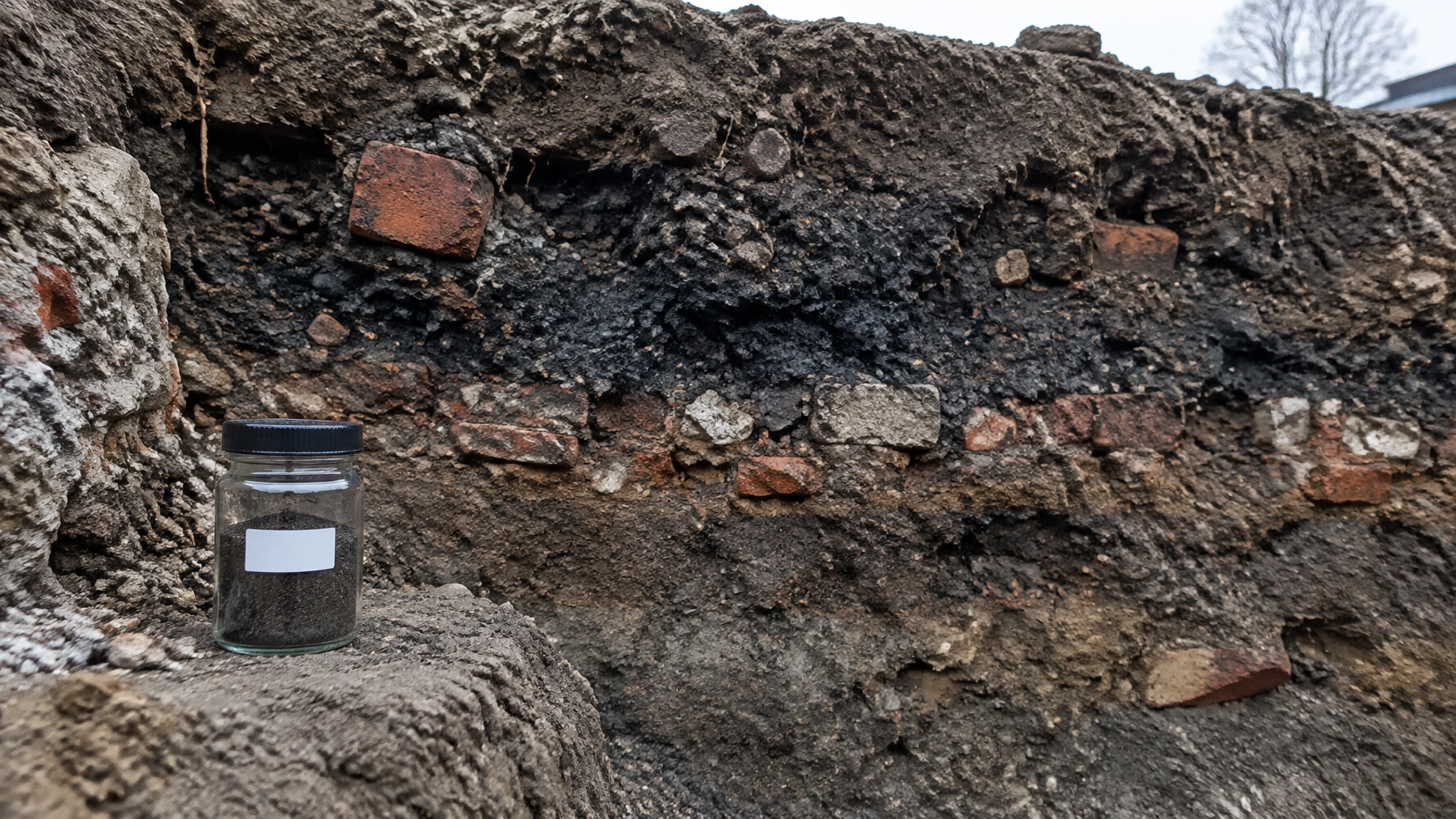
At a Newark brownfield, historic fill may remain beneath a paved lot. A deed notice can document soil restrictions, while the pavement functions as an engineering control. Groundwater impacts may also require a separate CEA. If volatile contaminants create an indoor-air concern, an IANA or vapor mitigation requirements may apply too.
The CEA guidance page explains that current CEA procedures are governed by the rules and current form instructions, not by older guidance alone. NJDEP’s current CEA form instructions state: “A CEA cannot be lifted or revised until it is already established.”

What restrictions mean for future site work
A deed notice and RAP are operating obligations, not just title paperwork. Excavating for utilities, installing foundations, replacing pavement, changing building use, or altering a vapor system could affect the remedy.
Before work begins, the owner and project team should check the recorded documents and the approved site management or operation-and-maintenance requirements. Depending on the control and proposed work, an LSRP may need to plan the disturbance, manage soil, protect workers, document restoration, and submit a RAP modification or other required notice.
NJDEP’s Soil RAP guidance says a permanent change to an institutional or engineering control generally requires a permit modification. A temporary disturbance restored to pre-disturbance condition within 60 days is treated differently, but still needs to be documented in the biennial certification. Do not assume that a contractor can cut through a cap or disconnect a vapor fan just because the work is temporary.

A cap or vapor system also carries long-term costs. The permit may require inspection, maintenance, monitoring, biennial protectiveness certification, and financial assurance. Those requirements can affect capital budgets, construction schedules, lease language, and responsibility between a seller and buyer.
How to modify or terminate a restriction
Improved groundwater or indoor-air results can support a change, but they do not automatically terminate a control. The technical endpoint and filing route depend on which control is involved.
1. Confirm exactly what is in place
Start with the county-recorded deed notice and exhibits, the current RAP and prior modifications, RAO or NFA documentation, CEA fact sheet and map, IANA records if applicable, and the latest monitoring and biennial certification materials. Check the property’s block and lot information against the documents and NJDEP’s mapped records.
For transactions, reconcile the county title record with NJDEP’s GIS and Data Miner information. Do not assume that one search captures the full picture.
2. Decide whether the goal is a change or a removal
A revised cap, shifted restricted boundary, or different engineering control may call for a modification. Eliminating a restriction because remediation standards have been met may support a termination. These are separate regulatory actions. A change to a deed notice associated with a Soil RAP generally requires termination of the old notice and recording a new one, rather than editing the existing notice.
For a CEA lift, NJDEP’s current instructions call for data demonstrating that site-related contaminants meet applicable groundwater standards throughout the CEA, including relevant off-site areas. The instructions call for at least two consecutive groundwater sampling rounds below standards, at least 90 days apart, with sampling that accounts for seasonal variation and represents the plume’s horizontal and vertical extent.
If a Groundwater RAP already applies, the CEA and permit must be addressed through the applicable RAP modification or termination/removal process. Lifting a CEA does not terminate a Soil RAP or deed notice.
3. Support the request with current evidence
The LSRP evaluates the site data against the applicable current standards and approved remedy. For a soil control, the record may need updated sampling, a remedial action report, and documentation that the cap or other control is no longer needed or has been properly replaced. For a groundwater control, the LSRP reviews monitoring history, seasonal conditions, plume boundaries, and whether off-site data support the proposed endpoint.
The June 24, 2026 NJDEP rule adoption notice addresses updated standards, including interim groundwater criteria for GenX chemicals and soil and soil-leachate standards for PFNA, PFOS, PFOA, and GenX. That notice does not itself remove an existing restriction. It is a reason to check which standards and contaminants apply to the specific site before preparing a modification or termination request.
4. Complete the approvals and recording steps
For a deed notice, NJDEP’s Soil RAP guidance describes a formal process. The termination package includes the current application, a cover letter, the signed termination document, the filed deed notice, and technical support. After NJDEP review and approval, the approved termination document must be recorded with the appropriate county. If required, a new deed notice is recorded as part of the revised remedy. A Soil RAP termination application follows the deed-notice termination process.
CEA and indoor-air control changes follow their own applicable forms and permit routes. Keep copies of NJDEP approvals, county-recorded documents, updated maps, and final permit correspondence together. The title record and regulatory record should tell the same story.
What lenders and title companies look for
There is no single underwriting checklist used by every lender or title company. In practice, a lender or title reviewer needs to understand whether a recorded or mapped control limits the property’s intended use and whether someone is maintaining it.
Prepare to provide:
- The recorded deed notice, exhibits, and recording information.
- Current RAP documents and any NJDEP modification or termination approvals.
- Current CEA and IANA information, including mapped boundaries where applicable.
- Recent groundwater, indoor-air, or engineering-control inspection records.
- Biennial certifications, fee status, and required financial assurance information.
- A clear account of who will handle maintenance, monitoring, and compliance after closing.
- A comparison of the recorded legal description, survey, tax lots, and control boundaries.
Missing certifications, unclear control boundaries, unpaid permit fees, or undocumented changes can delay underwriting and closing. A current LSRP review can help identify gaps before they become lender conditions or title exceptions.
A Monmouth County example
Consider a hypothetical Monmouth County commercial property with historic fill beneath a parking lot, a deed notice tied to the cap, and a CEA for groundwater impacts. New monitoring results show improving groundwater conditions.
That improvement may support a CEA revision or lift if the required monitoring demonstrates that applicable standards are met across the plume. It does not, by itself, terminate the deed notice. The cap and soil restriction need their own technical and regulatory review. If the building also has a vapor mitigation system, the team must separately confirm the system’s status and any indoor-air RAP or IANA obligations.
That is why an LSRP-led review should start before a refinance, sale, or construction package is submitted. In Newark, as across New Jersey, a clear path depends on matching the site evidence to the right control and permit. Envicon coordinates field work, agency filings, and project communication directly, with a practical explanation of what must happen next. See our remediation and brownfield services and New Jersey project coverage.
The takeaway
A deed notice, CEA, IANA, and engineering control each address different risks. Groundwater or indoor-air improvements can support a change, but the restriction ends only after the applicable evidence, NJDEP process, permit action, and recording steps are complete.
Before you underwrite, sell, or disturb a restricted property, confirm what is recorded, what NJDEP has mapped, and who owns each ongoing obligation. The right NJDEP LSRP review turns a stack of restrictions into a defined path forward.
Frequently asked questions
Does a cleaner groundwater sample automatically remove a CEA?
No. NJDEP’s current instructions call for adequate evidence that applicable standards are met across the entire CEA, including relevant off-site areas. A CEA lift also follows the appropriate standalone or Groundwater RAP process, depending on the site’s status.
Can I amend a recorded deed notice?
A deed notice associated with a Soil RAP generally cannot simply be edited. NJDEP guidance describes terminating the existing notice and recording a new one when the control changes, with the applicable RAP modification or termination process.
Will a deed notice or CEA prevent a property sale or loan?
Not automatically. The restriction may affect the intended use, construction plans, ongoing costs, or lender conditions. Buyers, lenders, and title teams should review the recorded notice, permit status, monitoring obligations, and current NJDEP maps before closing.