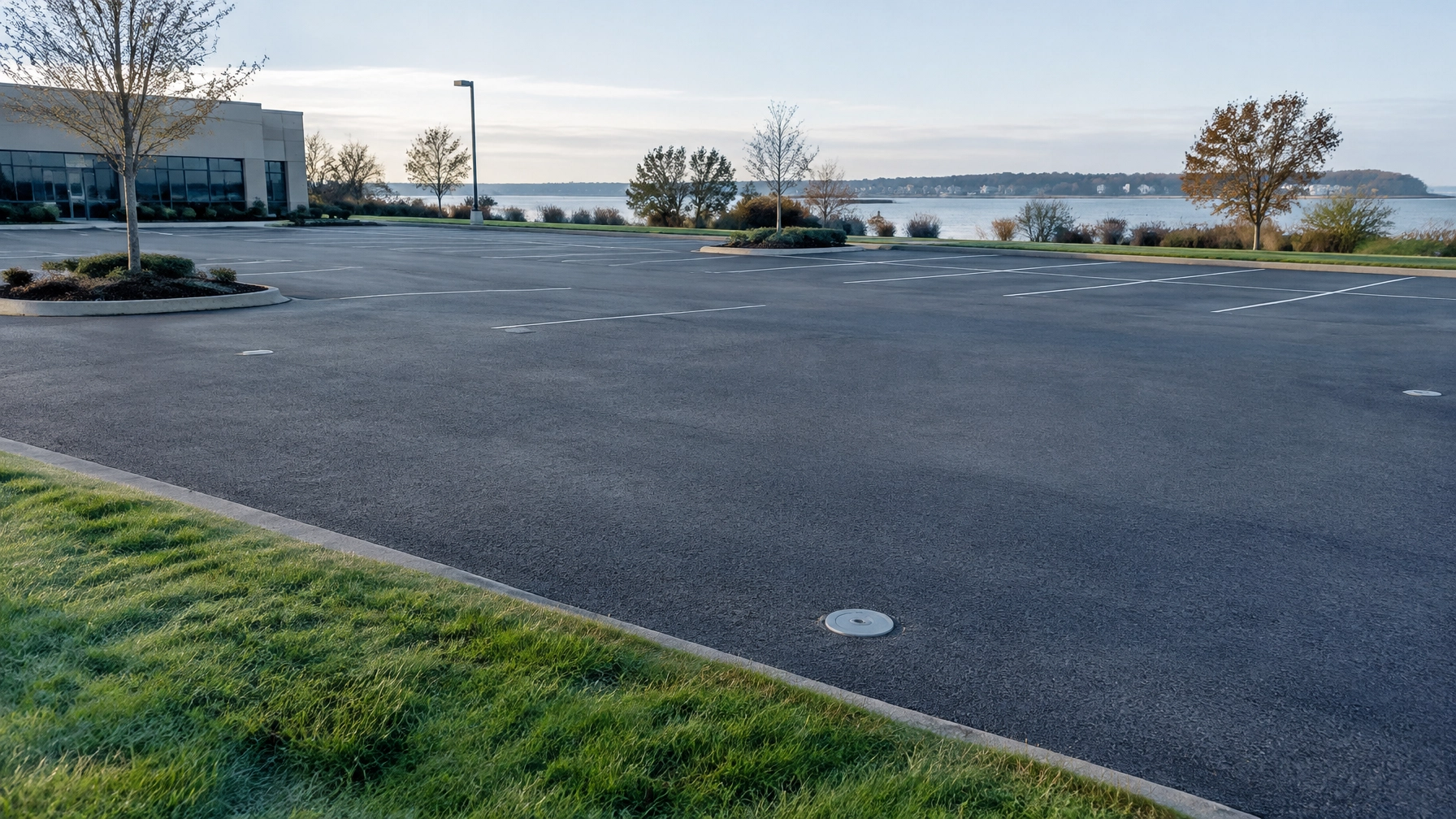
A Response Action Outcome (RAO) does not end the work when contamination remains under a deed notice or an engineering control. A Soil Remedial Action Permit (RAP) creates ongoing obligations: maintain the remedy, inspect it on schedule, keep records, and submit a protectiveness certification every two years.
For developers and owners in Monmouth County, the practical point is simple. A paved cap is not “done” because it looked sound at closing. The permittee must show that the remedy still protects people and the environment, and the permit schedule sets the certification due date.
The certification cycle follows the permit schedule
NJDEP requires permittees to submit a Soil Remedial Action Protectiveness/Biennial Certification Form every two years, according to the schedule in the Soil RAP. The certification is not a routine signature exercise. It is a documented evaluation of whether the remedy remains protective. The NJDEP Soil RAP guidance describes the ongoing permit obligations, including operation, maintenance, monitoring, fees, land-use restrictions, and biennial certification.
The certification requires signatures from the permittee and the LSRP. Supporting materials include inspection logs from the period since the last filing and photo documentation. Depending on the site, the package may also need records of control disturbances and repairs, financial assurance information, and information about changes in site use or applicable standards. Review the current NJDEP soil certification form and follow the site-specific permit schedule.
A single inspection immediately before filing is not a substitute for the inspections required by the permit. The permit and its attachments control the required inspection frequency. NJDEP guidance says the LSRP should set a frequency that reflects the control type, site use, potential damage, and likely failure modes.

What inspection documentation should show
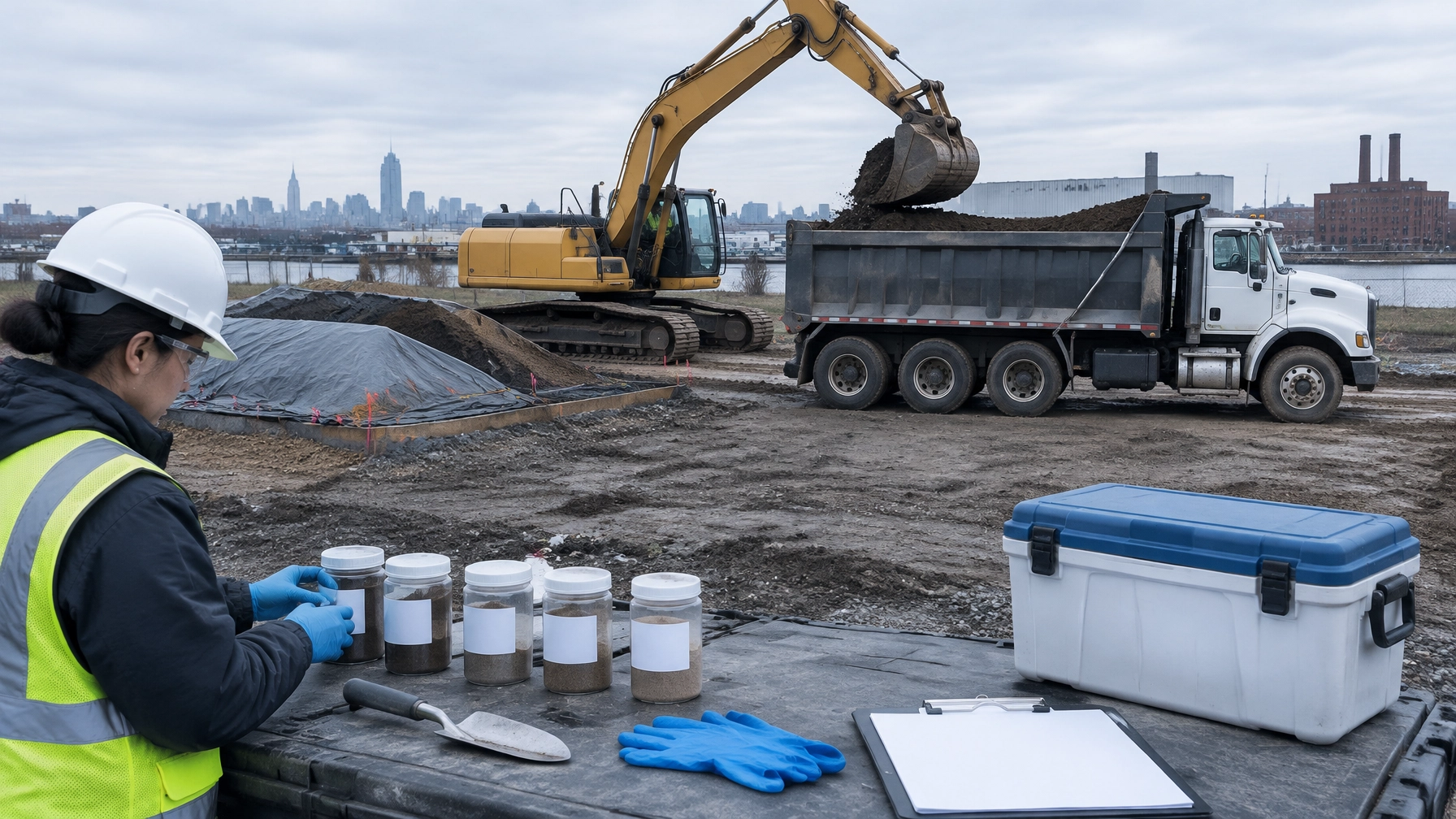
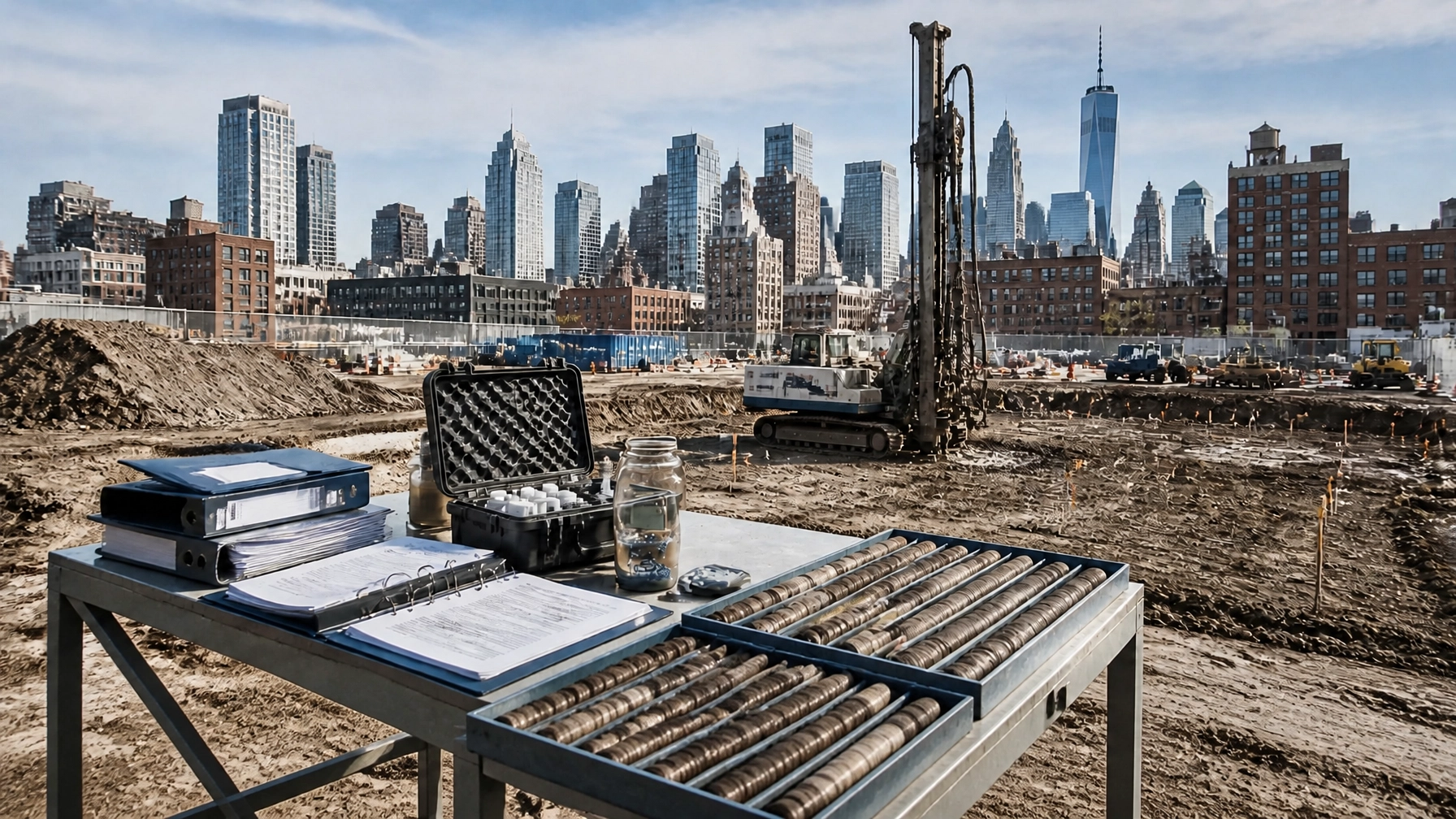
A defensible certification record lets a reviewer understand what the LSRP inspected, what changed, and why the remedy remains protective. The permit establishes the required monitoring. In practice, build a consistent inspection file that includes:
- Inspection date, inspector, and weather or site conditions that affect visibility.
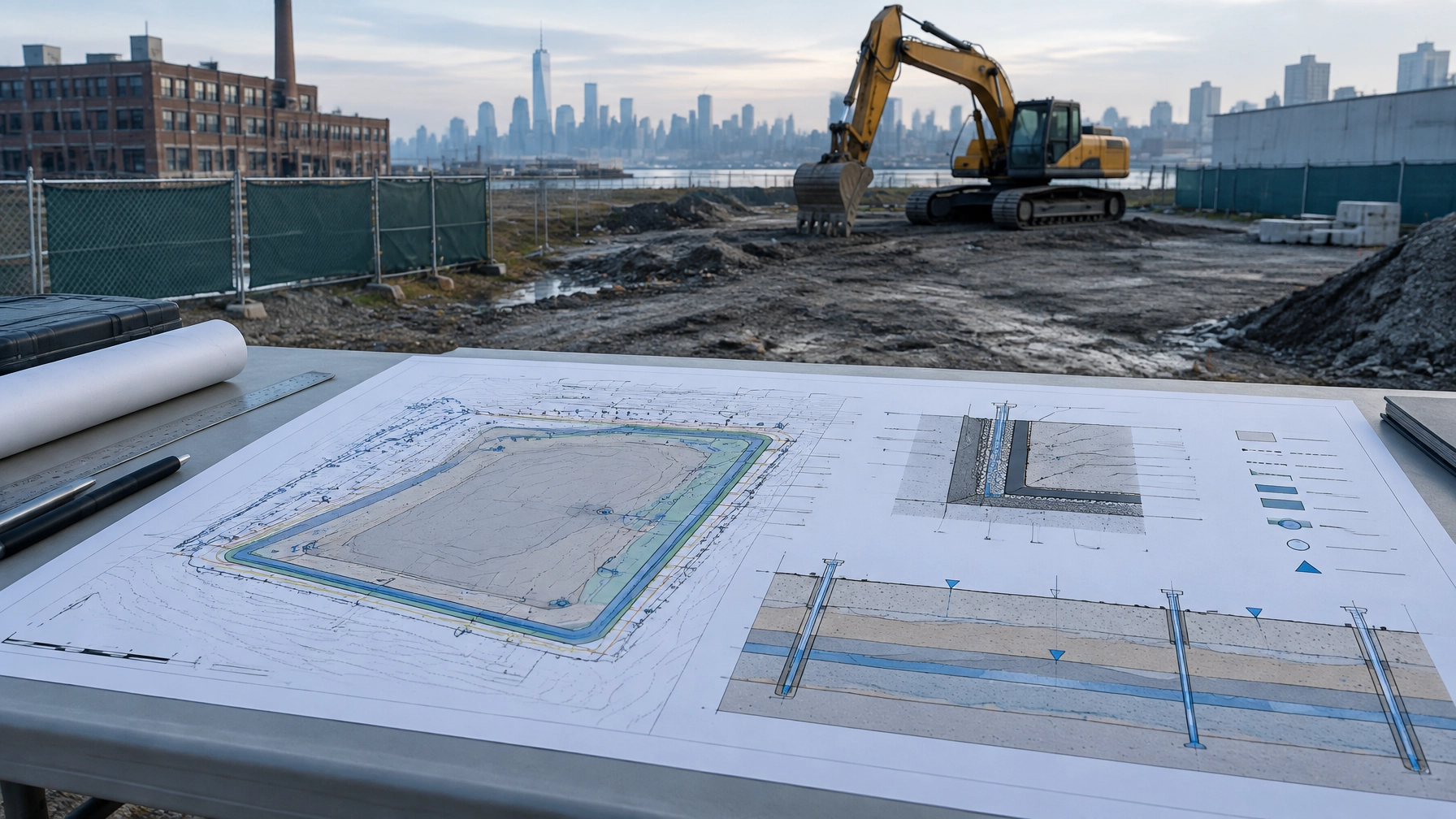
- The specific area and control inspected, tied to the site plan or deed notice exhibit.
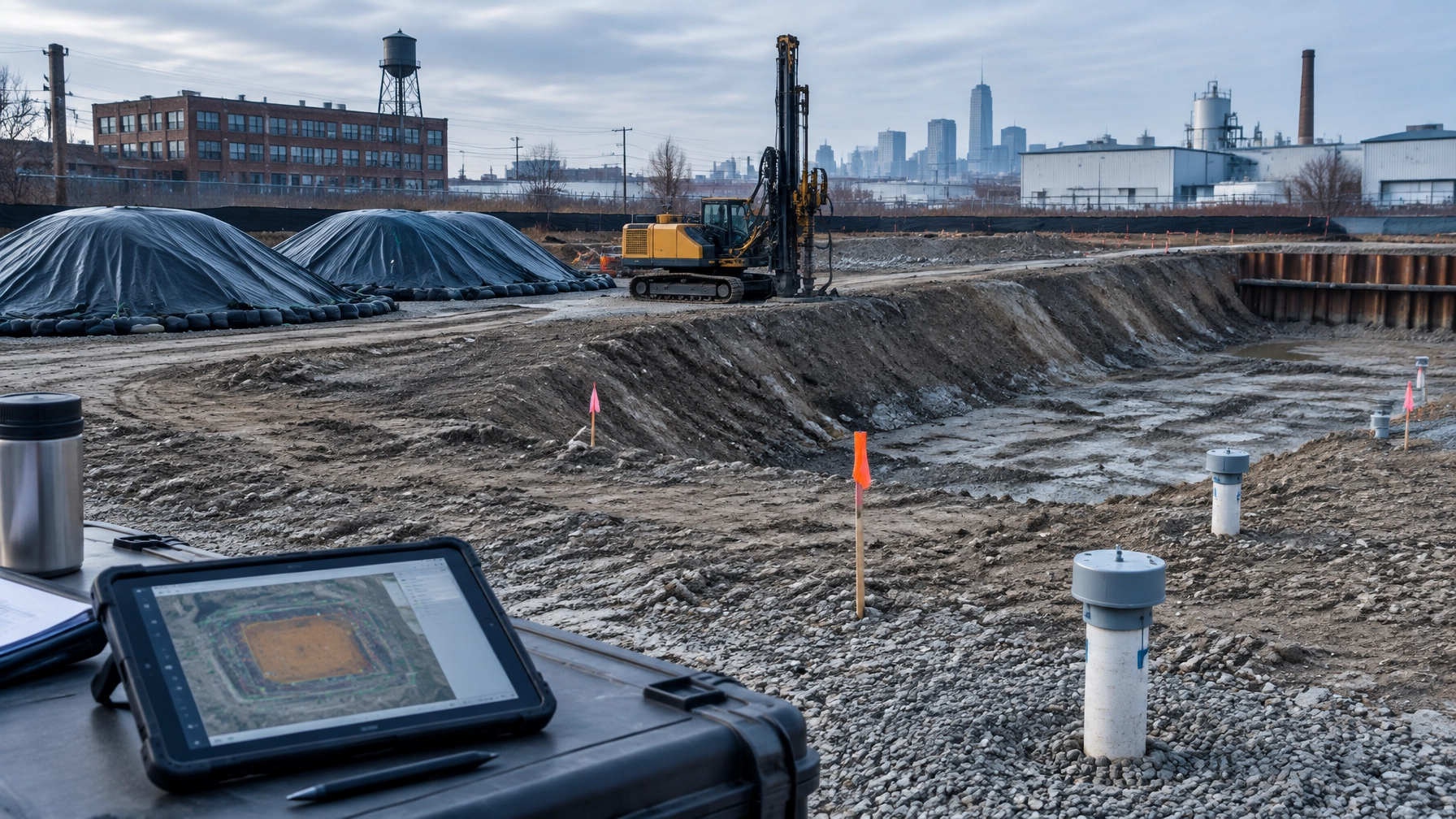
- Condition of paved or vegetated cover, drainage, fencing, signs, and other controls listed in the permit.
- Dated, location-specific photographs that show the overall control and any observed defects.
- A written record of cracks, settlement, erosion, standing water, exposed soil, utility work, or other disturbance.
- Corrective action, responsible party, completion date, and documentation showing restoration.
- A current-use check and a record of changes that may affect the remedy or land-use restrictions.
The current form asks about site use, control inspections and disturbances, changes in Soil Remediation Standards, and potential contaminants of emerging concern. Those are not items to leave until the certification deadline. Keep them in the compliance file as they arise.
This matters on sites with NJDEP historic fill. A parking lot or landscaped area can appear unchanged while paving work, utilities, or new drainage features alter the cover. The record should connect the observed surface condition to the actual engineering control and the restricted area. That is useful environmental due diligence for developers NJ, especially when an acquisition or refinancing depends on a clear understanding of continuing obligations.
Construction disturbs the control. Then what?
Do not let a contractor cut through a cap without first checking the Soil RAP, deed notice, and site-specific procedures. The permit identifies the controls and restrictions. The LSRP should help plan invasive work so the project protects workers, avoids exposure, and restores the control as required.
NJDEP guidance distinguishes temporary disturbance from a permanent change. A temporary disturbance generally does not require a Soil RAP modification if the control returns to its pre-disturbance condition within 60 days. The disturbance and restoration still need to be documented and reported with the next biennial certification. A permanent change to the engineering control requires a Soil RAP modification. See the NJDEP Soil RAP guidance for the applicable process.

If a crew uncovers soil, damages a cap, or leaves a control incomplete, treat the condition as a compliance issue, not a punch-list item. Record what happened, when it happened, how long the control was disturbed, and how it was restored. If repair will not restore the original approved condition, consult the LSRP about the required permit modification and protective measures before work continues.
Buyers inherit ongoing responsibilities
The permit obligations do not disappear when the property changes hands. NJDEP guidance says a transfer or change-of-ownership application must be submitted within 60 days after a sale or transfer. The new owner must join as a co-permittee before the former owner can be removed. Permit fees and financial assurance requirements also need to be addressed as part of the transfer.
That makes the RAP, deed notice, inspection history, and control maintenance records core transaction documents. A buyer should confirm:
- The current permittee and LSRP, and the next certification due date.
- Whether annual fees and other permit requirements are current.
- The exact location, construction, and condition of each engineering control.
- Whether prior construction disturbed a control and whether it was properly restored.
- Whether financial assurance is required and remains in place.
For sites with an engineering control, financial assurance may be required unless an exemption applies. NJDEP guidance describes maintaining it for the life of the control. Where a control remains in place in perpetuity, the guidance describes a rolling 30-year financial assurance period. Confirm the site’s specific requirement with the permit and current NJDEP guidance.
The June 15 notice and the 2026 form update
NJDEP’s June 15, 2026 Post-NFA Compliance Notice addresses sites with restricted-use or limited-restricted-use NFAs that still have controls but have not obtained the required RAP or met continuing obligations. The notice reminds responsible parties, owners, operators, and tenants to retain an LSRP, obtain the required permit, submit biennial certifications, and pay applicable fees. NJDEP says it will increase enforcement for noncompliance. The notice also identifies potential revocation of an NFA letter and civil penalties. Its stated minimum daily penalty applies to the combined failures to retain an LSRP, apply for a RAP, and pay annual RAP fees. It should not be read as a blanket penalty amount for every late certification.
One form detail deserves attention. NJDEP’s 2026 version 1.3 update applies to the RAP Initial/New Media Component Application. Section N is a supplemental certification within that application. It is distinct from the Remedial Action Protectiveness/Biennial Certification Form for an existing Soil RAP. Check NJDEP’s forms library before preparing a filing. Do not submit the wrong version or assume the application update replaces the biennial certification.

Filing instructions also depend on the case. Existing RAP certifications use the submission method described by NJDEP and the current form. The form instructions specify that Post-NFA cases without an issued RAP continue to submit the certification materials on CD by mail with the applicable fee. Verify the current instructions for your case before sending materials.
Keep one accountable team on the permit
A national firm may assign recurring certifications to junior staff who have never walked the cap. Envicon keeps the same PE involved in site conditions and permit requirements throughout the work. Our project dashboards show compliance milestones, field activity, and when the next certification is due. We coordinate with the LSRP, owner, contractors, and agency so findings lead to a clear next step, not a report left in someone’s queue.
Our remediation and brownfield redevelopment team supports post-remediation compliance, engineering control maintenance, and RAP certification. We serve owners and project teams across Monmouth County, New Jersey, as well as Newark and the wider NY/NJ region. For broader statewide context, visit our New Jersey environmental services hub.
FAQ
How often does NJDEP require a Soil RAP biennial certification?
Every two years, on the schedule established in the Soil RAP. Use the site’s permit schedule to confirm the due date. Do not calculate it from the date of the RAO unless the permit schedule says so.
Does a buyer take on the Soil RAP obligations?
A new owner must address the transfer requirements and join the permit as a co-permittee. NJDEP guidance calls for the transfer/change-of-ownership application within 60 days after sale or transfer. The buyer should review the permit, deed notice, due dates, fees, inspection history, and financial assurance before closing.
What if construction temporarily damages a soil cap?
Get the LSRP involved, document the disturbance, protect people from exposure, and restore the control as required. NJDEP guidance generally allows temporary disturbance without a RAP modification when the control is restored to pre-disturbance conditions within 60 days. Report the work with the next biennial certification. A permanent change requires a Soil RAP modification.
Does the 2026 version 1.3 form replace the biennial certification?
No. Version 1.3 applies to the RAP Initial/New Media Component Application. Its Section N is part of that application. An existing Soil RAP still has its own biennial protectiveness certification requirement.
The takeaway
An RAO is not an exit when a Soil RAP remains in place. The permittee must maintain the remedy, document inspections, address disturbances, and certify protectiveness on the schedule in the permit. Buyers should treat those duties as part of the asset, not a footnote in the closing file. Keep the record current, keep the control intact, and keep the next deadline visible.