Published October 12, 2026, at 2:00 p.m. ET
Meta description: Understand the revised 6 NYCRR Part 375 rules for New York’s Brownfield Cleanup Program, NYC tangible property tax credit eligibility, cleanup objectives, and coordination with NYC OER’s VCP.
New York’s revised 6 NYCRR Part 375 affects how applicants evaluate Brownfield Cleanup Program (BCP) eligibility, select cleanup objectives, and support requests for the tangible property tax credit (TPC).
One date needs clarification: NYSDEC adopted the revised Part 375 on December 31, 2025. The amendment summary was published in 2026, and the rules apply to projects in 2026. For a Queens property, the practical work is to confirm the right program, establish eligibility with evidence, and coordinate any NYC OER requirements before the project schedule gets committed.
Read NYSDEC’s summary of the Part 375 express terms.
What changed, and what did not
The amendments update Part 375 to reflect statutory changes and implementation experience, clarify environmental remediation program requirements, and revise the soil cleanup objective tables in §375-6.8. They do not create one universal cleanup level for every brownfield, nor do they make every contaminated parcel eligible for every BCP benefit.
BCP eligibility and NYC TPC eligibility are separate questions. A site may meet the threshold to apply to the BCP but still need to qualify under an additional NYC-specific category to receive the tangible property component of the tax credit.
The BCP “brownfield site” definition focuses on contamination above applicable soil cleanup objectives or other relevant health-based or environmental standards, criteria, or guidance for the site’s reasonably anticipated use. Statutory exclusions also apply. Those exclusions can include certain federal Superfund sites, sites with viable responsible parties under specified programs, and properties subject to certain ongoing enforcement actions. Review the current rule and site history before relying on an eligibility assumption. (NYSDEC Part 375)
BCP eligibility: build the case with site-specific facts
For an applicant, eligibility is not just a box on an application. It depends on what the investigation shows, how the property fits the regulatory definition, and whether an exclusion applies.
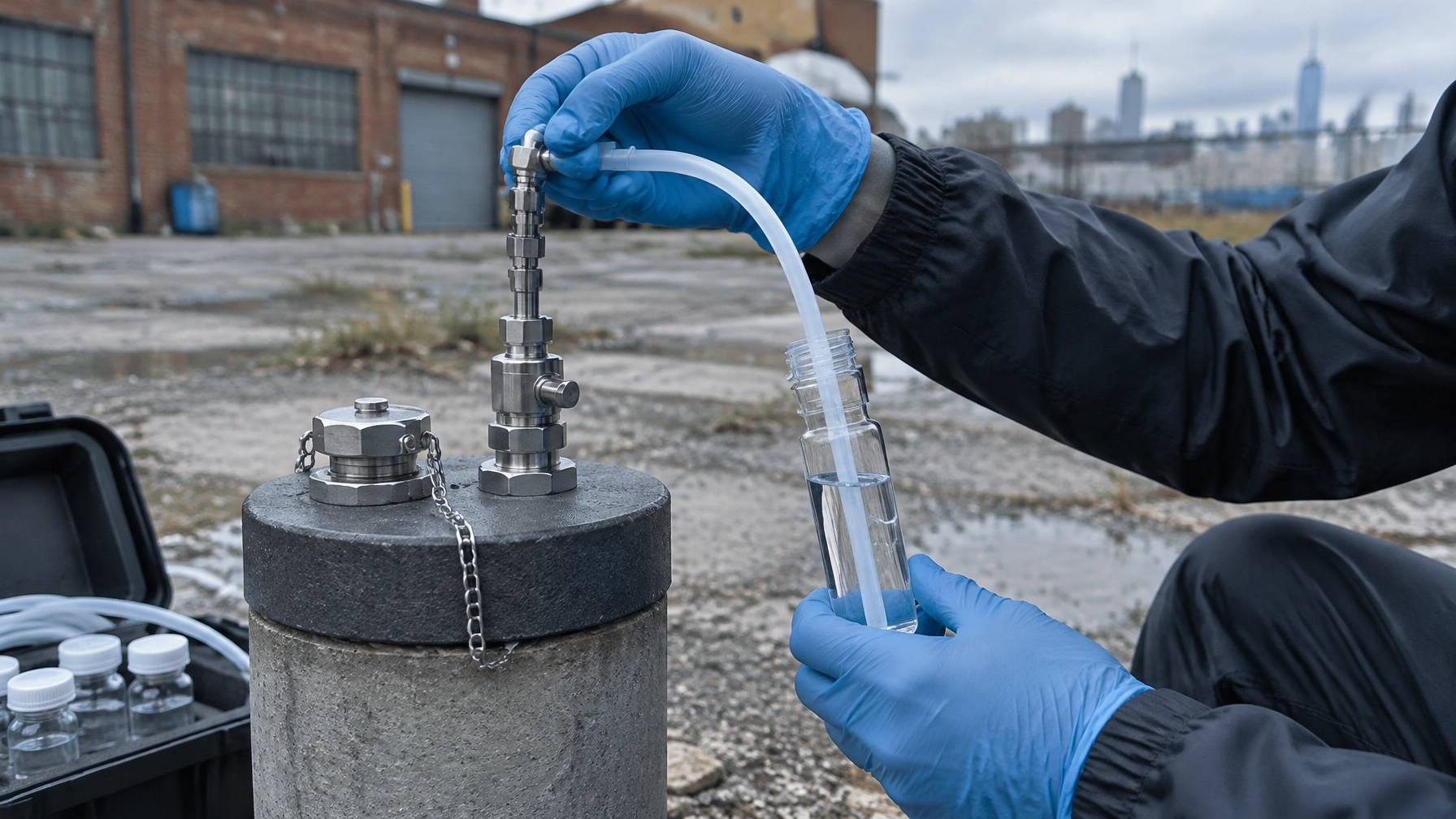
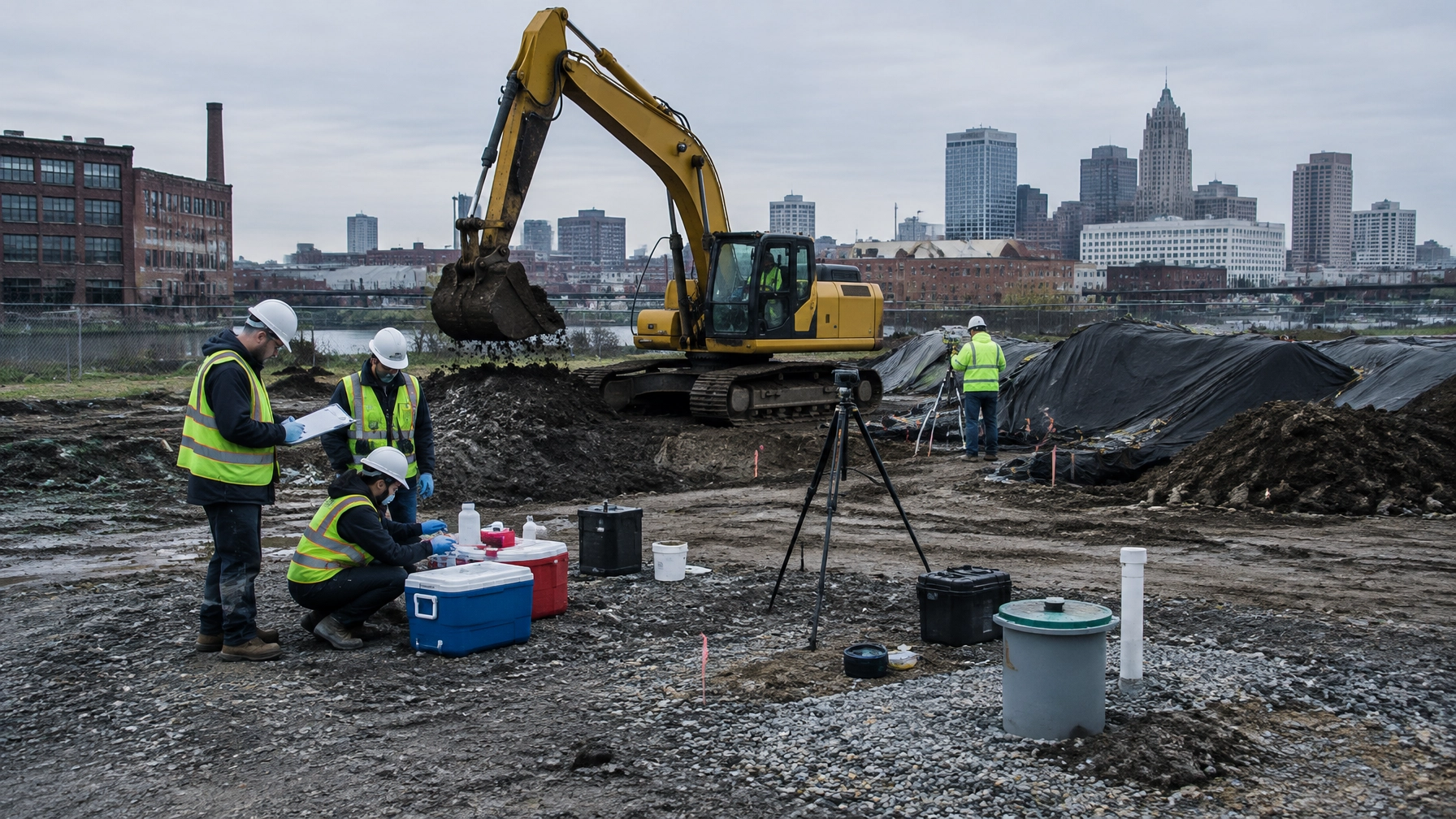
A Phase I ESA can identify recognized environmental conditions and help establish the need for further investigation. When subsurface data is needed, a Phase II ESA may use soil borings, groundwater sampling, or vapor analysis to characterize conditions. These steps help inform the program decision, but a Phase I or Phase II report by itself does not guarantee BCP acceptance.
Before applying, organize the facts that support a defensible eligibility review:
- Site ownership and operational history, including past industrial or commercial uses.
- Existing environmental reports and sampling data, with clear locations and laboratory results.
- Potentially applicable soil cleanup objectives and the property’s reasonably anticipated use.
- Any known regulatory orders, enforcement actions, or prior cleanup agreements.
- A preliminary review of the remedial work and schedule the project may require.
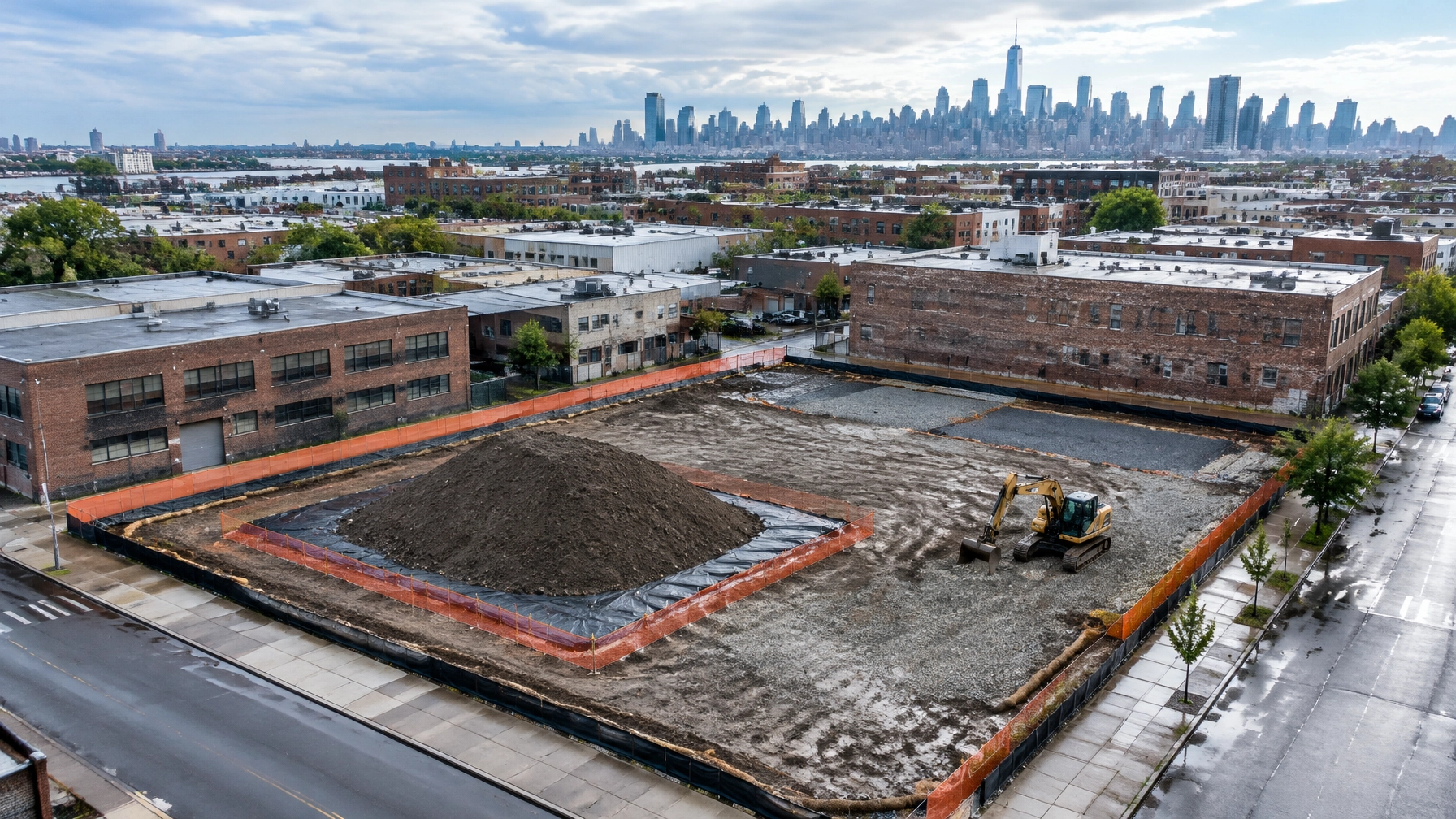
For projects in Queens, BCP review may also sit alongside zoning-driven obligations administered by the NYC Office of Environmental Remediation (OER). Keep the State and City requirements visible in one schedule rather than treating them as separate paperwork tasks.

Cleanup objectives still depend on use and remedy track
Part 375’s revised soil cleanup objective tables do not replace site-specific remedy selection. The cleanup approach depends on contamination, the proposed end use, and the applicable remedy track.
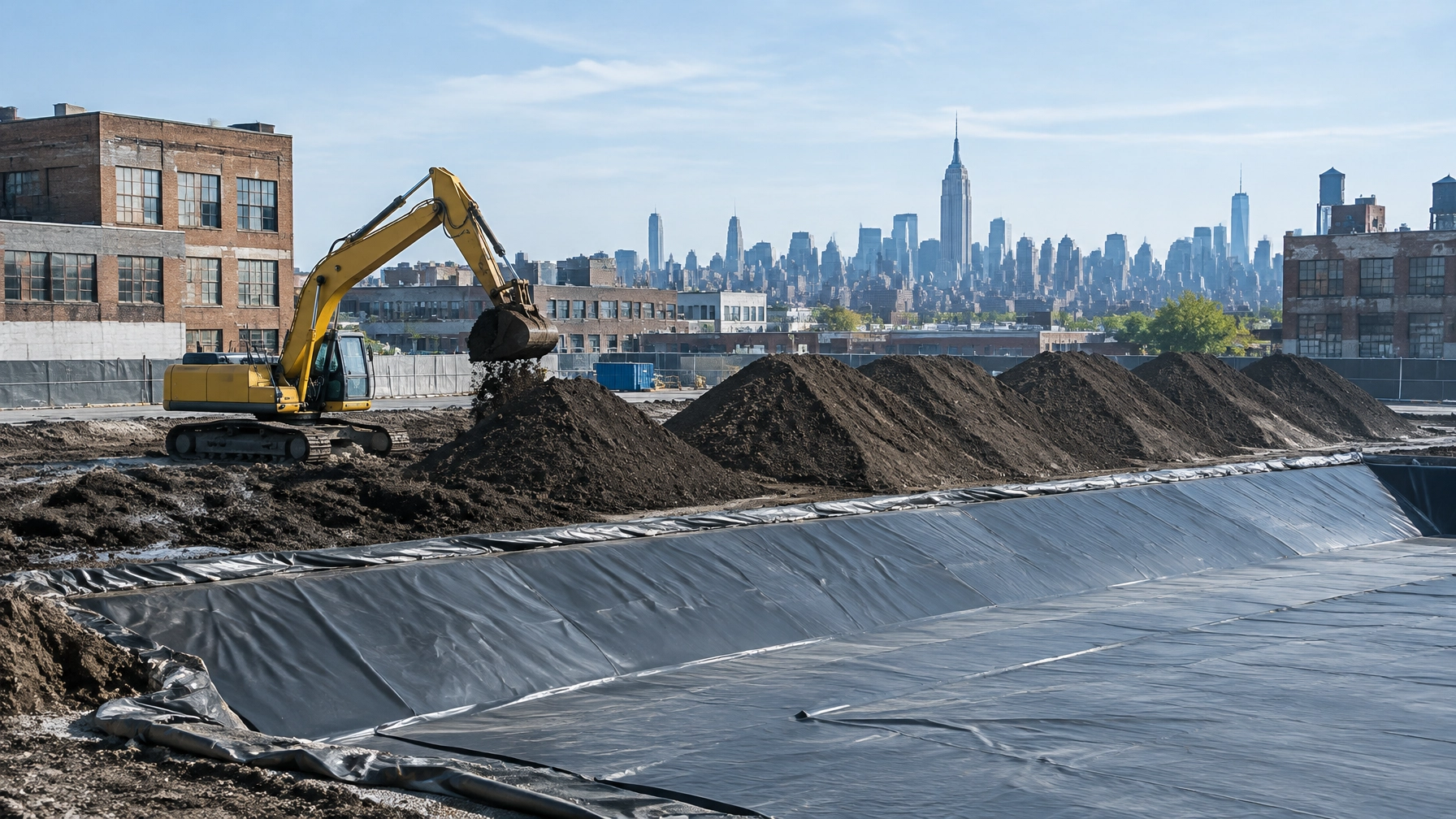
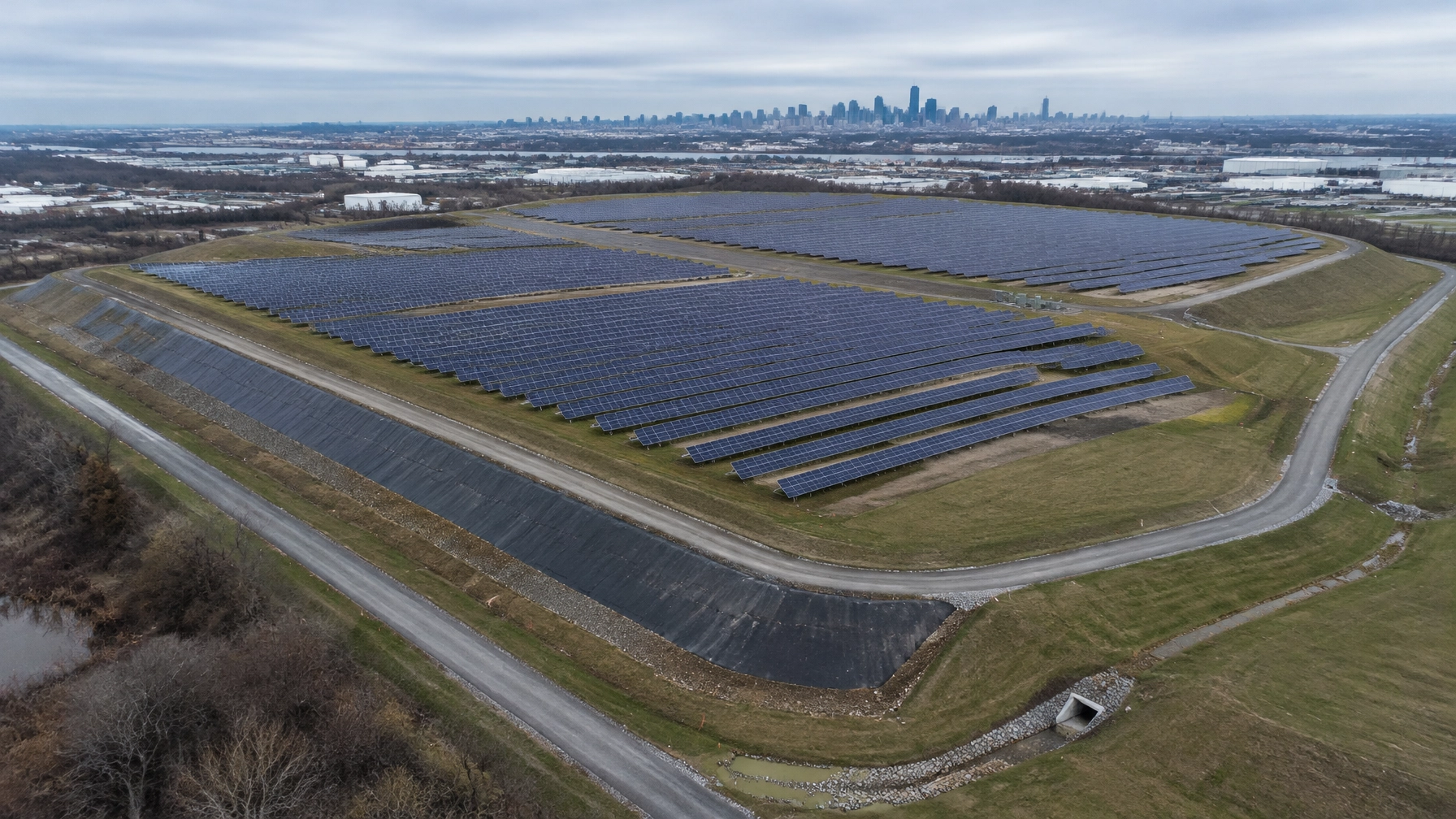
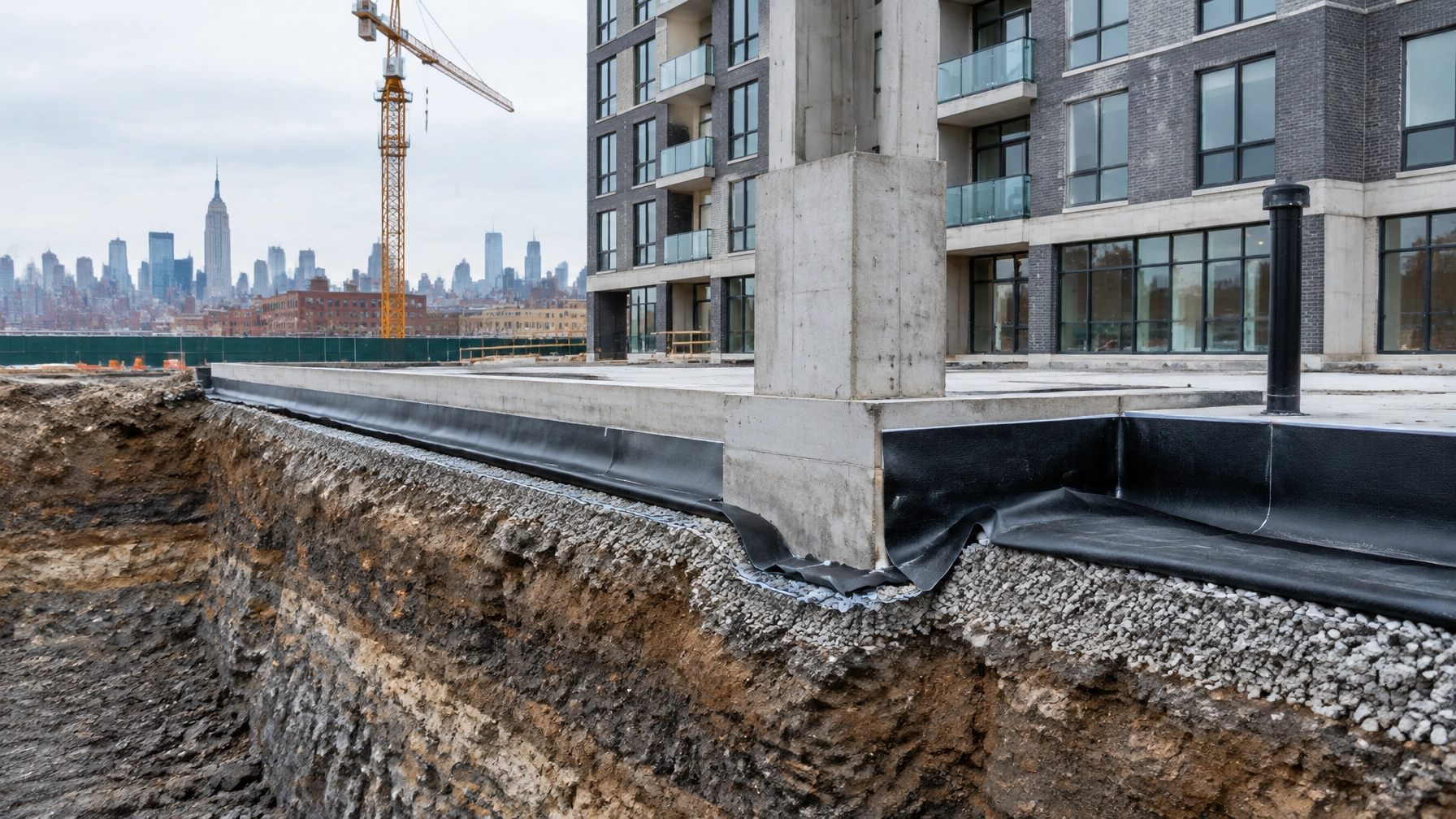
In general, Track 1 corresponds to unrestricted use. Tracks 2, 3, and 4 address restricted-use remedies, with different approaches to generic or site-specific cleanup objectives. A restricted-use remedy may also require institutional or engineering controls and ongoing site management. The details matter: the selected end use, exposure pathways, and soil conditions all influence the cleanup plan.
For your project, check the current Part 375 tables and confirm the applicable objectives with the regulator before fixing a design, disposal plan, or construction budget. A cleanup number selected without the right end-use assumptions can drive unnecessary excavation or leave the project short of its regulatory endpoint.

NYC tangible property tax credit: eligibility is a separate test
In New York City, a BCP application does not automatically establish eligibility for the tangible property tax credit. Applicants need to identify and document a qualifying statutory category. Depending on the project, that may involve an Environmental Zone, an upside-down or underutilized property, affordable housing, or another qualifying redevelopment category under current law.
The supporting record should match the category being claimed. For example, an underutilized-property claim may require evidence about the site’s use and zoning history, the proposed project, and whether it can proceed without substantial government assistance. Other claims can call for financial, property, or project-specific documentation.
Plan to assemble evidence while the project team can still verify it. Depending on the chosen category, documentation may include:
- A current BCP application identifying the proposed use and the TPC category requested.
- Ownership or prior-owner affidavits describing building use over the required period.
- Zoning records and information showing permitted floor area and actual use.
- Municipal certifications or financial analysis supporting a claim that substantial government assistance is needed.
- Property-tax records, where tax arrears form part of the basis for eligibility.
- A professional engineer’s report if the claim relies on structural deficiencies or a hazardous condition.
- An independent appraisal and documented investigation and remediation costs, where an upside-down property claim applies.
The specific evidence and timing requirements depend on the category. NYSDEC’s TPC eligibility and rates guidance and current regulations should guide the application. Have your tax advisor review credit treatment and certification requirements too. Don’t rely on a general description of the credit to determine a project’s expected benefit.

NYC OER VCP and E-designated sites: coordinate the pathways
An E-designation, NYC OER’s Voluntary Cleanup Program (VCP), and the NYSDEC BCP are related to environmental review and cleanup, but they are not interchangeable.
An E-designation is tied to a City land-use action and may require environmental measures before certain building approvals. NYC OER’s VCP is a City-administered cleanup pathway. The BCP is a separate State program under NYSDEC, with its own entry requirements, cleanup process, and potential tax-credit benefits. An E-designation does not by itself prove BCP eligibility, and OER VCP participation does not automatically provide a NYS BCP Certificate of Completion or TPC eligibility. (NYC OER E-designation information; NYC OER VCP information)
For a Queens property, determine early:
- What type of E-designation applies, and what does OER require?
- Does the site meet the BCP eligibility test, with no applicable exclusion?
- Does the project qualify for the NYC TPC category it expects to claim?
- Which agency will review each work plan, and how will sampling, remediation, and construction milestones align?
Where a project may involve both OER and NYSDEC, agree on the regulatory sequence before submitting plans or mobilizing. Separate reviews can create duplicate effort or inconsistent assumptions if the project team does not coordinate cleanup objectives, documentation, and schedule. Confirm program-specific requirements directly with the agencies.
Make the program decision before the schedule hardens
The revised Part 375 is a reason to check assumptions early, not a reason to presume that a particular cleanup track or tax benefit applies. A lender’s Phase I ESA, agency correspondence, proposed development, and NYC zoning obligations all shape the path forward.
Envicon supports remediation and brownfield redevelopment, including investigation, remedial planning, agency coordination, and construction oversight. Our Queens environmental team works across NYC OER and NYSDEC requirements, with the site conditions and project schedule in view. For regional program context, see our NYC environmental consulting hub. We also support projects in Newark, NJ and Monmouth County, where separate state and local requirements apply.
A practical first step is to gather the existing reports, parcel details, proposed end use, and known agency requirements. Then compare the available cleanup pathways and confirm what evidence the selected route requires. That is how you protect the project from avoidable redesign, re-sampling, and missed milestones.
Takeaway
The 2026 Part 375 summary describes rules adopted on December 31, 2025. The revised framework clarifies remediation program requirements and updates soil cleanup objectives, but site eligibility, remedy selection, and NYC tangible property tax credit eligibility remain distinct determinations. On an E-designated Queens property, coordinate NYC OER and NYSDEC requirements before choosing a pathway or forecasting a credit. Good documentation and direct agency coordination can keep the cleanup plan aligned with the development plan.
Plan your next step