A Queens industrial property can test positive for PFOA or PFOS even though New York has not adopted Part 375 soil cleanup objectives for either compound. That gap does not erase investigation needs, transaction exposure, or lender questions.
NYSDEC’s December 31, 2025 revisions to 6 NYCRR Part 375 did not include PFOA or PFOS soil cleanup objectives. The agency says it plans a separate rulemaking. As of November 2, 2026, no active public comment period is listed on its environmental remediation rulemaking page.
For buyers and lenders, the practical issue is clear: a missing number is not a clean bill of health. It is an uncertainty to investigate, document, and address in the deal.
What the missing New York standards mean today
Part 375 sets soil cleanup objectives used in New York State environmental remediation programs. The December 2025 revisions updated other program requirements and soil objectives, but did not establish PFOA or PFOS SCOs. NYSDEC’s PFAS site cleanup page describes its work toward soil requirements through future rulemaking.
That means you cannot treat a proposed background value as an adopted cleanup standard. It also does not mean that PFAS can be ignored during environmental due diligence. Site investigations still need to consider site history, potential release areas, groundwater pathways, applicable program requirements, and agency direction.
For a Queens transaction, the distinction matters. A Phase I ESA can identify historical uses and potential environmental concerns. Where the records point to PFAS use or release, a targeted investigation may be needed to evaluate soil and groundwater conditions. See our environmental assessment and investigation services and PFAS assessment support.
The background study is a signal, not a cleanup rule
NYSDEC’s rural soil background study provides an important clue about the technical and policy questions ahead. The study sampled 548 soil locations at 116 properties considered remote from known PFAS sources. It detected PFOS in more than 97% of surface-soil samples and PFOA in 76.5%.
The study recommended proposed background values using a 95% upper tolerance limit with 95% coverage. Those values were:
- PFOS: 3.0 micrograms per kilogram (µg/kg) in the 0-to-2-inch interval and 0.801 µg/kg at 2 to 12 inches.
- PFOA: 1.5 µg/kg in the 0-to-2-inch interval and 1.2 µg/kg at 2 to 12 inches.
These are proposed background concentrations from the study, not currently effective Part 375 SCOs. They do not establish that a site with a higher result must be excavated. NYSDEC will consider the study and other data as it develops a rule. Review the PFAS background study alongside the agency’s PFAS cleanup information.
The findings matter to underwriting because they show how low-level detections and background interpretation may affect future decisions. Once New York proposes standards, buyers, lenders, and sellers will have a more concrete basis to assess cleanup scope, schedule, and value. The eventual rule could differ from the study’s proposed background values.
New Jersey already has adopted soil standards
New Jersey is further along. NJDEP adopted PFAS soil and soil-leachate remediation standards effective June 15, 2026. The standards cover PFOA, PFOS, PFNA, and GenX chemicals. The rule also added PFAS to the list of compounds to analyze when contaminants in an area of concern are unknown or not well documented. See the NJDEP adoption and its PFAS standards page.
For PFOA and PFOS, the adopted ingestion-dermal soil standards are:
| Compound | Residential soil | Nonresidential soil |
|---|---|---|
| PFOA | 0.13 mg/kg | 1.8 mg/kg |
| PFOS | 0.11 mg/kg | 1.6 mg/kg |
The migration-to-groundwater soil standard is site-specific. NJDEP directs users to evaluate that pathway using the Synthetic Precipitation Leaching Procedure (SPLP) and the agency’s calculator. The associated soil-leachate standards are 0.28 µg/L for PFOA and 0.26 µg/L for PFOS. The state’s groundwater standards are 0.014 µg/L for PFOA and 0.013 µg/L for PFOS.
For deals in Newark, NJ or Monmouth County, NJ, confirm how the intended use, area of concern, sampling history, and groundwater pathway affect the applicable requirements. NJDEP’s 2026 rules make PFAS a more direct investigation and compliance issue, especially where site contaminants are undocumented.
Where PFAS screening can affect a deal
A focused review starts with the property’s operating history and the possibility of a release. Common uses worth investigating include:
- Metal plating and surface finishing.
- Fire training or firefighting foam use, including airport and industrial fire response.
- Paper and textile manufacturing or treatment.
- Chemical manufacturing, coating, and related industrial processes.
- Areas where groundwater, imported fill, or drainage could connect to a suspected release.
Queens properties near industrial corridors or airport-related operations may need a site-specific review of those historical uses. A similar history review is relevant to former industrial properties in Newark and Monmouth County. No single land use proves PFAS is present. It can, however, justify targeted questions and sampling.
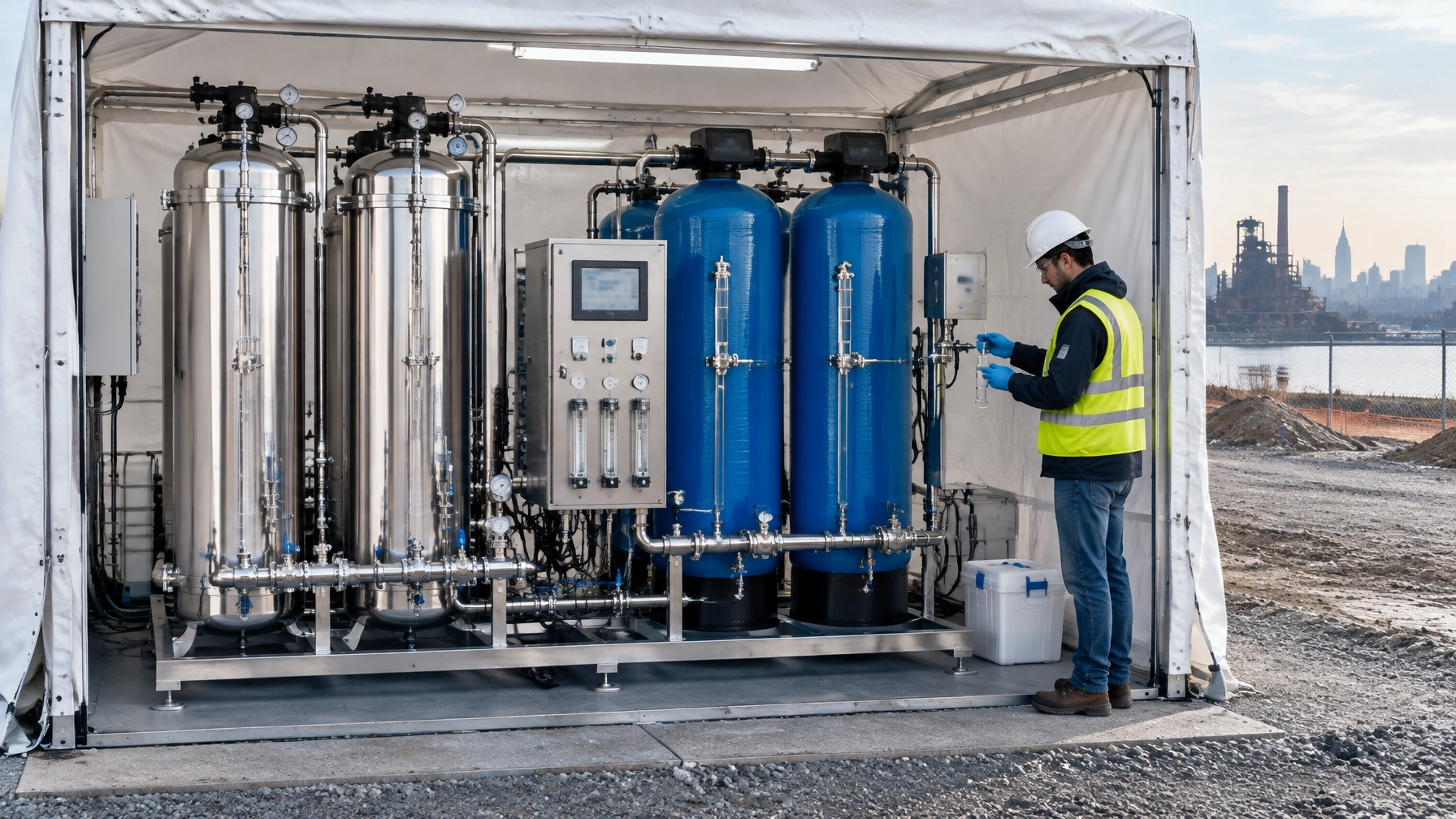
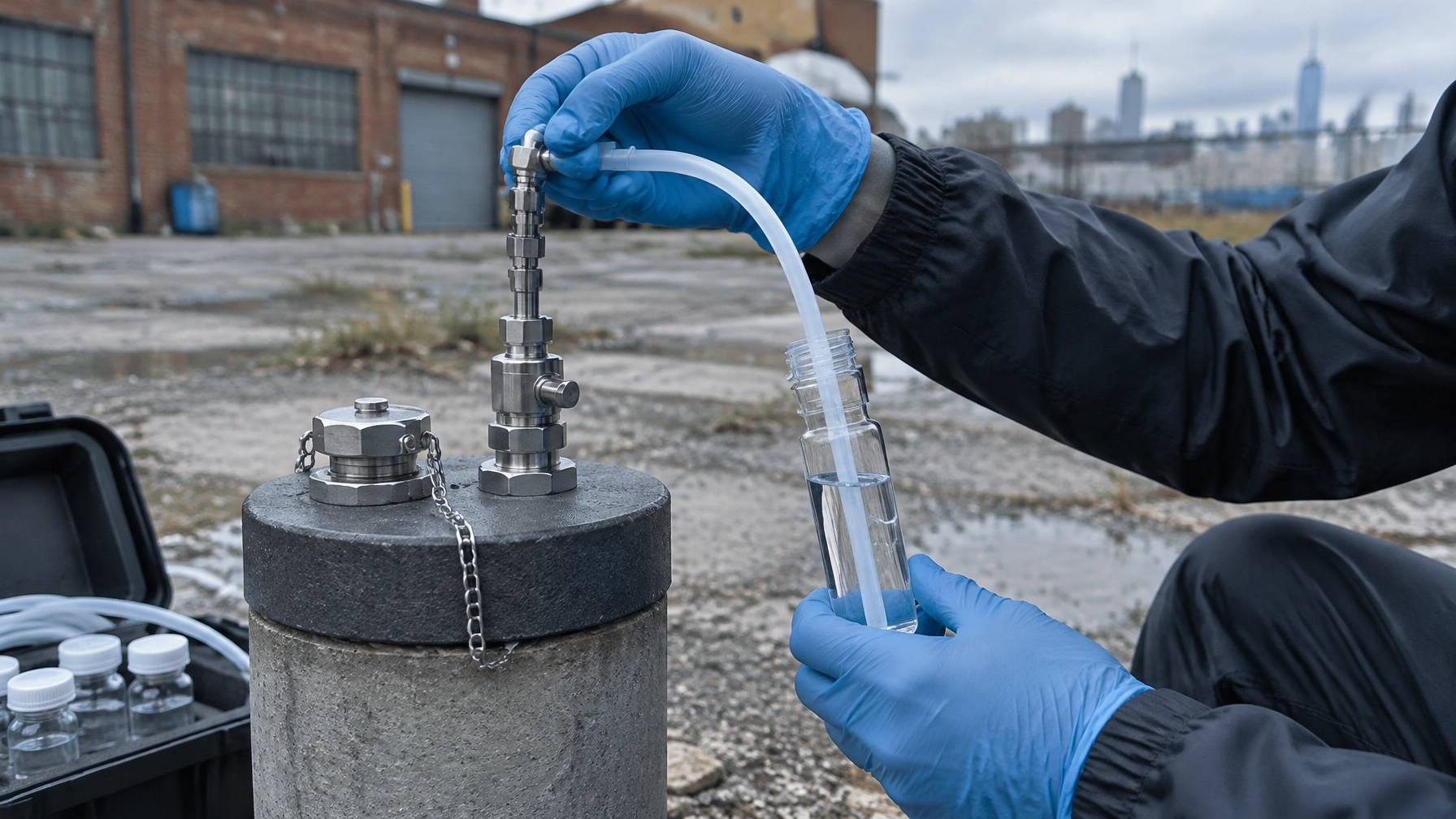
Sampling design matters. PFAS can be present at low concentrations, and field equipment or handling practices can compromise samples. The plan should match the site conceptual model, likely release areas, media, depth intervals, analytical method, reporting limits, and quality controls. Use suitable equipment and documented sample handling, and coordinate laboratory requirements before mobilization.

Soil borings and targeted sample locations help test a site-history hypothesis. They are not a substitute for a defensible sampling plan.
What drives PFAS remediation costs
There is no reliable single price for PFAS remediation costs NJ or New York sites can use without site data. The cost turns on the extent and depth of impact, the media affected, applicable standards and pathways, and what the regulator accepts as an adequate investigation.
Common cost drivers include:
- Number and location of soil borings, monitoring wells, and samples.
- PFAS analytical scope, laboratory reporting limits, and quality-control samples.
- Whether groundwater or soil-leachate testing is needed.
- Excavation volume, access, shoring, water management, and construction sequencing.
- Soil classification, transport distance, disposal options, and confirmation sampling.
- Treatment, engineering or institutional controls, monitoring, and agency review.
A limited investigation can cost far less than a broad remedial program. But a late PFAS discovery can force a redesign of sampling, excavation, water management, or disposal plans. For a development budget, separate investigation costs from possible remedial costs and make the assumptions explicit.

Laboratory analysis depends on the selected method, reporting limits, and sample handling requirements. Confirm these before field work.
Underwrite the uncertainty before the rule arrives
A buyer does not always have the option to wait for New York’s future rulemaking. The transaction can still address the uncertainty with a defined scope and clear allocation of risk.
Before closing, consider:
- Review site history. Identify likely PFAS-related operations, fire response, historic fill, and potential off-site sources.
- Set a decision-based sampling scope. Decide what each sample will resolve and how results could affect purchase terms, design, or agency coordination.
- Build in regulatory-change terms. Define how the parties will handle a new NYSDEC standard or a material change in cleanup requirements.
- Allocate access and responsibility. Address site access, testing, reporting, cooperation, and responsibility for pre-existing conditions.
- Consider escrow or holdback provisions. Tie the amount, release conditions, and duration to agreed milestones, such as completing an investigation or resolving an identified issue.
- Address fill and disposal. Set expectations for characterization, reuse, transport, and disposal if PFAS-affected soil or groundwater is found.
Have transaction counsel draft the contract provisions. Environmental findings and commercial terms need to line up. A lender should receive the key assumptions, data gaps, and decision points in a format its reviewers can use.

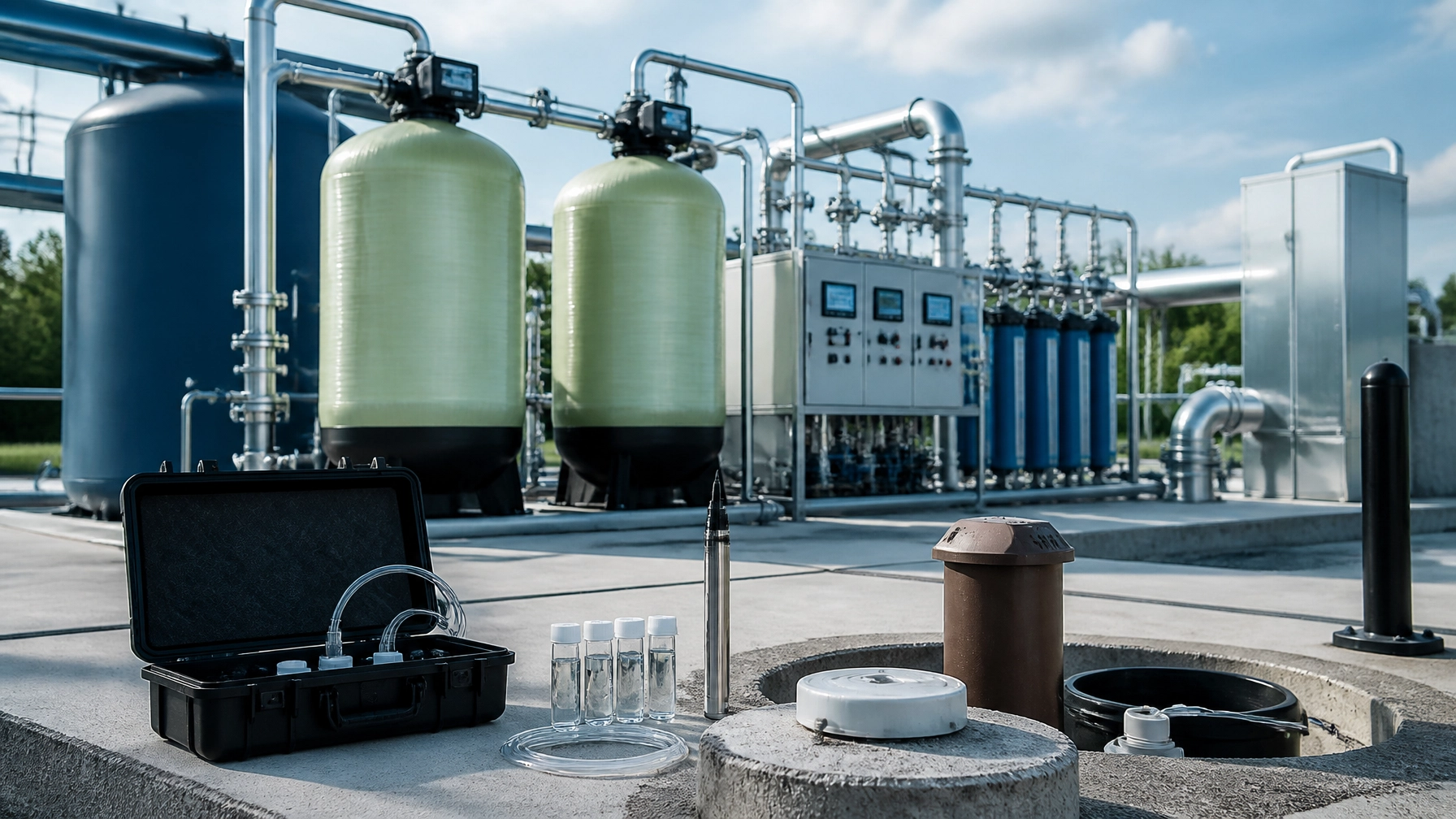
Subsurface conditions and groundwater pathways help determine where investigation is warranted. A conceptual section should reflect site data, not assume a plume.
What developers should watch on the NYSDEC agenda
Track the separate PFOA/PFOS Part 375 rulemaking, including publication of a proposed rule, supporting technical material, and the opening of a public comment period. Watch for how NYSDEC addresses background, depth intervals, exposure scenarios, reporting limits, and the relationship between soil results and groundwater protection.
Until the agency adopts a rule, do not label the rural study values as enforceable SCOs. Use them as planning context, document why they do or do not affect the site, and update the transaction analysis when NYSDEC publishes new material.
For Queens, New York, the right first move is a site-specific history review, followed by targeted investigation where the evidence supports it. Our Environmental Consultant NYC hub connects that work to the local regulatory and redevelopment context. Envicon coordinates directly with clients, design teams, and regulators so findings lead to a practical next step, not another report sitting in a queue.
Practical checklist
- Confirm whether site history indicates PFAS use, handling, or a plausible release.
- Check whether existing reports included PFAS and whether their scope fits current deal needs.
- Define sampling locations, depths, methods, reporting limits, and quality controls before mobilization.
- Evaluate groundwater and, where relevant, soil leachate pathways.
- Separate known requirements from proposed background values and future rulemaking risk.
- Negotiate testing, access, cost allocation, escrow, and regulatory-change provisions.
- Revisit the analysis when NYSDEC opens the planned rulemaking.
Frequently asked questions
Has New York adopted PFOA and PFOS soil cleanup objectives under Part 375?
No. The December 31, 2025 revisions did not adopt PFOA or PFOS SCOs. NYSDEC is developing standards through a planned future rulemaking.
Are the rural background study values enforceable cleanup standards?
No. They are proposed background concentrations from a study. They are not currently effective Part 375 SCOs and do not automatically require cleanup.
Does the absence of New York SCOs mean a developer can skip PFAS sampling?
No. Site history, groundwater pathways, applicable remediation frameworks, and agency direction can still make PFAS investigation relevant. Sampling should follow a documented, site-specific rationale.
What changed in New Jersey in 2026?
NJDEP adopted PFOA, PFOS, PFNA, and GenX soil and soil-leachate standards effective June 15, 2026. The rules also address PFAS analysis when contaminants in an area of concern are unknown or not well documented.
What should a buyer do if the deal cannot wait for New York’s rule?
Review the site history, define a targeted investigation, and have transaction counsel address access, responsibility, escrow, and future regulatory changes. Document the assumptions used to set the price and cleanup reserve.
The takeaway
New York’s missing PFOA and PFOS SCOs create uncertainty, not immunity from PFAS liability. New Jersey’s 2026 adoption shows how quickly the regulatory position can become more specific. For a legacy industrial property, good underwriting starts with the site history, defensible sampling, and contract terms that account for what is known and what is still pending.
Start with a clear view of your site’s PFAS due diligence needs: