Meta description: NJDEP PFAS standards effective June 2026 change Phase II scopes, groundwater sampling, indoor-air evaluation, and LSRP timelines across Newark, Jersey City, and Kearny.
New Jersey changed the baseline for contaminated-site investigation on June 15, 2026.
The New Jersey Department of Environmental Protection formally adopted remediation standards for PFNA, PFOA, PFOS, and GenX, also known as HFPO-DA. The rule also established soil and soil-leachate standards for methanol and expanded testing requirements for sites where contaminants are unknown or poorly documented.
For developers, lenders, property owners, and environmental attorneys in Newark, Jersey City, Kearny, and throughout New Jersey, this changes how Phase II scopes should be written.
It also changes how groundwater data, vapor intrusion concerns, remedial action permits, and LSRP schedules should be managed.
“The adopted rule requires those responsible for conducting remediation in New Jersey to ensure that these contaminants are cleaned up to prevent future impacts to public health and the environment.”
NJDEP, June 15, 2026
What NJDEP changed in June 2026
The June 2026 adoption did two important things.
First, it converted interim PFAS criteria into formal site remediation standards for four compounds:
- PFNA
- PFOA
- PFOS
- GenX chemicals, also called HFPO-DA
Second, it amended the Technical Requirements for Site Remediation under N.J.A.C. 7:26E.
When contaminants in an Area of Concern are unknown or not well documented, the required analytical list now includes:
- PFNA
- PFOA
- PFOS
- GenX chemicals, or HFPO-DA
- 2,3,7,8-TCDD, commonly known as dioxin
This requirement applies in addition to the existing TCL/TAL, tentatively identified compounds, hexavalent chromium, extractable petroleum hydrocarbons, and pH requirements.
Methanol received new remediation standards, but it is important to separate that change from the default unknown-contaminant list. Methanol is not one of the five compounds added to the mandatory unknown-AOC analyte list under the June 2026 amendment. Its inclusion in a Phase II scope should be based on site history, process knowledge, sampling results, or another technical basis.
The new NJDEP PFAS numbers
The finalized standards now drive cleanup decisions for soil, soil leachate, and groundwater.
Groundwater standards
NJDEP lists the following groundwater quality standards:
| Compound | Groundwater standard |
|---|---|
| PFNA | 0.013 µg/L |
| PFOS | 0.013 µg/L |
| PFOA | 0.014 µg/L |
| GenX, HFPO-DA | 0.020 µg/L |
These concentrations equal 13 to 20 parts per trillion. That is a narrow analytical range. Laboratory method selection, sample handling, reporting limits, quality control, and matrix effects all matter.
A result that is technically “low” may still exceed the applicable standard. A laboratory that cannot achieve the required sensitivity may produce data that does not support a defensible remedial decision.
NJDEP also maintains interim specific groundwater quality criteria for certain PFAS that do not yet have adopted groundwater quality standards. The applicable criteria depend on the compound, site conditions, and current NJDEP guidance. See the Department’s PFAS standards and regulations page for the current table.
Soil and soil-leachate standards
NJDEP adopted ingestion-dermal soil standards for the four PFAS compounds:
| Compound | Residential soil | Nonresidential soil |
|---|---|---|
| PFNA | 0.047 mg/kg | 0.67 mg/kg |
| PFOS | 0.11 mg/kg | 1.6 mg/kg |
| PFOA | 0.13 mg/kg | 1.8 mg/kg |
| GenX, HFPO-DA | 0.23 mg/kg | 3.9 mg/kg |
The migration-to-groundwater pathway also includes soil-leachate standards:
| Compound | Soil leachate standard |
|---|---|
| PFNA | 0.26 µg/L |
| PFOS | 0.26 µg/L |
| PFOA | 0.28 µg/L |
| GenX, HFPO-DA | 0.40 µg/L |
NJDEP states that migration-to-groundwater soil standards should be evaluated on an Area of Concern or site-specific basis using the Synthetic Precipitation Leaching Procedure and the Department’s PFAS calculator. The NJDEP remediation standards guidance includes the applicable calculators, comparison tables, and technical documents.
The practical point is simple. A soil result below the direct-contact standard does not automatically resolve the migration-to-groundwater pathway.
What this changes for Phase II scoping
A Phase II ESA for a former industrial property in Newark, Jersey City, or Kearny can no longer rely only on a narrow site history when the record is incomplete.
If the contaminants at an Area of Concern are unknown or poorly documented, the scope should address the expanded list from the beginning. That means building PFNA, PFOA, PFOS, GenX, and 2,3,7,8-TCDD into the sampling and laboratory plan where N.J.A.C. 7:26E-2.1 applies.
A defensible Phase II scope should document:
- The historical operations and chemicals used at the property
- Areas of Concern and likely source areas
- Soil, groundwater, soil vapor, and indoor-air pathways
- Sample locations and vertical intervals
- Laboratory methods and reporting limits
- Quality assurance and quality control requirements
- Data usability criteria
- The standards that will be used to evaluate results
- How positive results will affect the remedial investigation
This is where a low-cost scope can become an expensive problem. If PFAS sampling is added after mobilization, the project may require another round of drilling, additional groundwater wells, new laboratory analysis, and a revised report.
That is how PFAS remediation costs in New Jersey increase. The cost is not only the laboratory fee. It includes access, subcontractor remobilization, schedule impacts, consultant review, legal coordination, and potential lender delays.
Groundwater sampling requires tighter planning
PFAS investigation is not ordinary groundwater sampling.
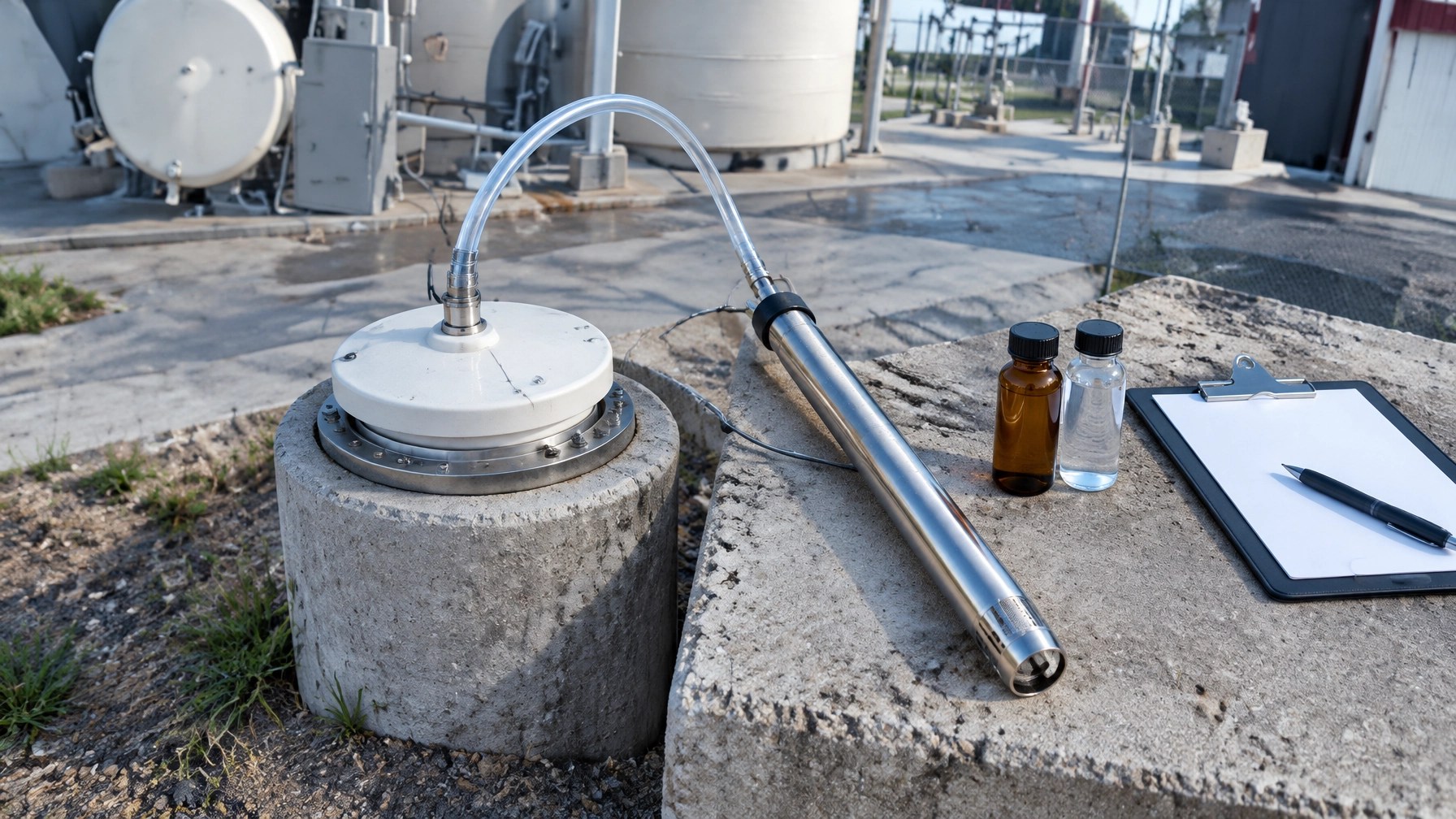
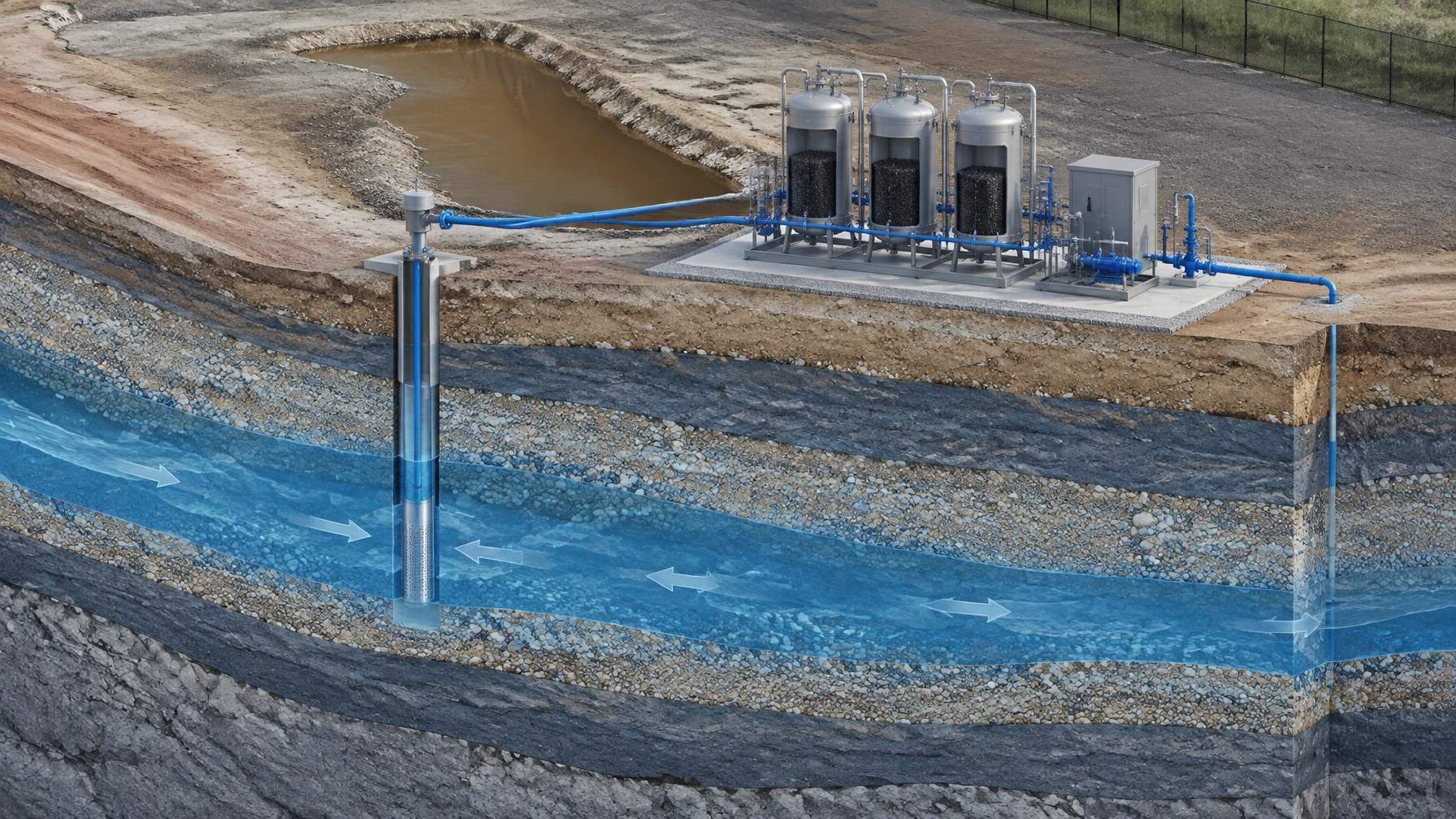
Field teams must control potential cross-contamination from sampling equipment, tubing, clothing, personal-care products, and materials that may contain fluoropolymers. The sampling plan should address equipment selection, decontamination, blanks, preservatives, holding times, and laboratory coordination before fieldwork begins.
The groundwater program should also consider:
- Upgradient and downgradient monitoring locations
- Hydraulic gradient and groundwater flow direction
- Seasonal groundwater conditions
- Source-area sampling
- Vertical delineation
- Public water supply and sensitive receptor pathways
- Existing or proposed dewatering activities
- Treatment and discharge requirements
The goal is not to collect a few bottles and wait for a result. The goal is to produce data that explains where PFAS is coming from, where it is moving, and what action will satisfy NJDEP and the project’s lender.
At Envicon, we coordinate the field team, laboratory, engineer, attorney, and LSRP before the first sample is collected. That reduces the chance of receiving data that cannot support the next regulatory decision.
What changes for indoor air and vapor intrusion
The June 2026 rule adds the five compounds to the required analytical list for unknown or poorly documented contamination in all environmental media. That affects sites where vapor intrusion or indoor-air exposure may be relevant.
For initial vapor intrusion sampling, N.J.A.C. 7:26E-2.1 requires the applicable NJDEP Method LLTO-15 compound list plus TICs. NJDEP also requires canister-based collection for LLTO-15 or USEPA Method TO-15 analyses.
NJDEP’s published PFAS information includes inhalation toxicity factors for PFOA, PFOS, and GenX. The Department lists reference concentrations of:
- PFOA: 0.007 µg/m³
- PFOS: 0.006 µg/m³
- GenX: 0.01 µg/m³
These are inhalation toxicity factors used to evaluate potential non-cancer health risks. They are not the same as a new universal indoor-air remediation standard. A project team should not apply them without confirming the current NJDEP guidance and the site-specific exposure pathway.
For a building in Kearny, Newark, or Jersey City, the correct response may include sub-slab sampling, indoor-air sampling, ambient-air sampling, building pressure evaluation, and a review of preferential pathways. The building use and occupancy schedule matter.
Remedial action permits and LSRP timelines
The new standards can affect both new and active remediation cases.
A Remedial Action Permit application must match the remedy, the applicable standards, the engineering controls, and the long-term monitoring plan. If new PFAS data changes the remedy or adds a migration-to-groundwater concern, the RAP package may need additional design work, sampling, or institutional controls.
For active LSRP cases, the first question is not whether every old report must be rewritten. The question is whether the existing investigation and remedy address the current standards and the expanded testing requirements.
An LSRP should review:
- Whether an Area of Concern had unknown or poorly documented contaminants
- Whether PFAS and 2,3,7,8-TCDD were included where required
- Whether laboratory reporting limits support the standards
- Whether groundwater delineation is complete
- Whether soil-leachate testing is needed
- Whether vapor intrusion data remain representative
- Whether the RAWP or RAP application uses the correct criteria
- Whether monitoring and biennial certification obligations change
This review should happen before a major milestone, such as property closing, construction mobilization, dewatering, or RAP submission.
Why Envicon is different from a national consultant
Large firms often separate the person who scopes the work from the person who reviews the laboratory data and the person who communicates with NJDEP.
That structure creates delay.
Envicon keeps senior technical leadership involved from Phase II planning through regulatory submission. Our team works directly with developers, lenders, attorneys, contractors, architects, and LSRPs. We understand the expectations of NJDEP reviewers because we work in these jurisdictions every day.
Our approach is built around:
- Faster lab-to-report turnaround
- Clear scopes that reduce avoidable change orders
- Direct communication with the project team
- Practical sampling plans based on site conditions
- Transparent pricing before mobilization
- Regulatory deliverables designed to move the project forward
We do not promise that PFAS remediation will be simple. We make the path understandable, measurable, and manageable.
“Collaboration is not a buzzword. It’s how we work.”
NJDEP PFAS action checklist for New Jersey property owners
If you own or are acquiring a contaminated or potentially contaminated site, take these steps now:
- Review the Phase I and historical records for undocumented Areas of Concern.
- Confirm whether the Phase II scope addresses the expanded NJDEP analyte list.
- Ask the laboratory to confirm method capability and reporting limits.
- Review existing groundwater results against the 2026 PFAS standards.
- Evaluate whether soil-leachate testing is needed for migration to groundwater.
- Confirm whether vapor intrusion and indoor-air pathways require additional work.
- Ask the LSRP whether the RAWP, RAP, or monitoring plan needs revision.
- Build PFAS investigation and treatment costs into the development budget.
The sooner these questions are answered, the more control you have over PFAS remediation costs in NJ.
The takeaway
The June 2026 NJDEP rule makes PFAS evaluation a baseline issue for many New Jersey sites with incomplete environmental histories.
For properties in Newark, Jersey City, Kearny, and the wider Hudson County market, the right Phase II scope should account for the new analyte requirements, extremely low groundwater standards, soil-leachate migration, vapor intrusion sampling, and LSRP case strategy.
The best time to identify that scope is before the drill rig arrives.
Take the next step
- Call Envicon now at (917) 764-2171
- Use our proprietary cost estimator tool
- View our complete list of environmental and engineering services
- Review Phase I and Phase II ESA services
- See Envicon’s Newark environmental consulting services