Title tag: NJEDA BRIP Pause 2026: Brownfield Pro Forma Planning in Newark and Monmouth County
Meta description: NJEDA is pausing new BRIP applications during rulemaking. See what the 2024 changes mean for awards, deal contingencies, and other funding options in New Jersey.
As of November 2, 2026, NJEDA is not accepting new applications to its Brownfields Redevelopment Incentive Program (BRIP). The agency is drafting rules to implement amendments signed on September 4, 2024. The amended law provides for larger awards and expands eligible remediation to include landfill improvements and capping for certain solar projects. But the application pause is real. Do not underwrite a BRIP award as committed capital today.
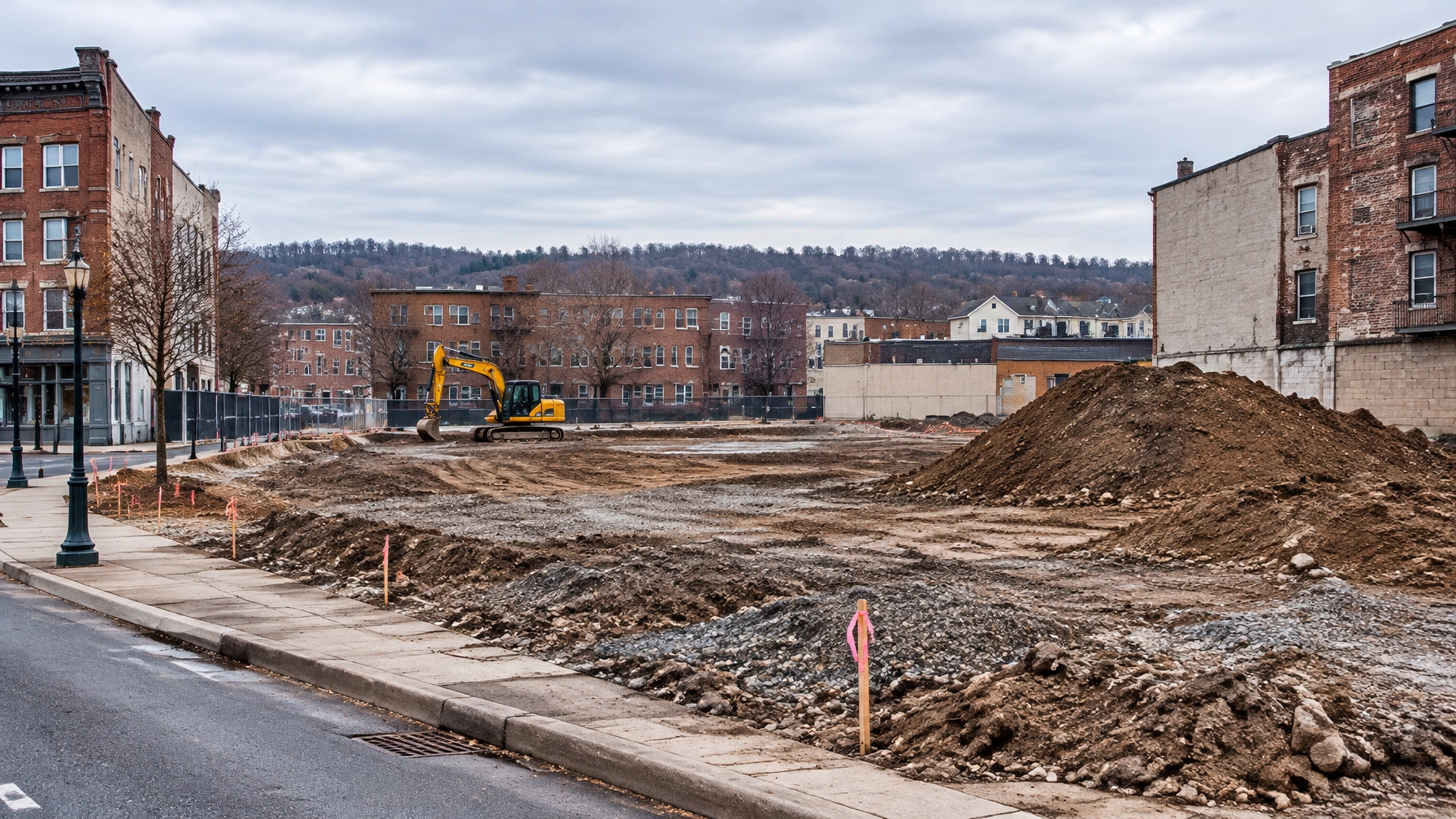
For brownfield redevelopment in Newark and Monmouth County, the practical move is to build a base case that works without BRIP, then show a potential award only as an unapproved upside scenario. The distinction matters at acquisition, closing, and lender review.
What BRIP is, and what it is not
BRIP is a New Jersey Economic Development Authority program that offers a one-time, transferable tax credit for eligible brownfield remediation costs. It is not a grant, and it does not pay for ordinary vertical construction. Eligible work may include investigation and cleanup, demolition, asbestos abatement, and other building or structural remedial activities. See the NJEDA BRIP program page and its 2026 program overview.
The term “NJ Brownfield Tax Credit” can cause confusion. In current project discussions, it often refers to BRIP. It should not be treated as a separate, second credit that developers can access while BRIP is paused.
New Jersey also has a Brownfield Site Remediation Fund. Despite the similar name, this is a reimbursement program tied to certain new state tax revenues generated by a redevelopment. It is not the same as BRIP’s transferable tax credit. The state’s older Remediation Credit is also not a current source for new project costs. The Division of Taxation says that credit applies to remediation costs incurred during tax periods beginning on or after January 1, 2004, and before January 1, 2007.

What the 2024 changes would mean
The September 2024 legislation expands the definition of a brownfield site and raises potential BRIP awards. Under the amended framework described by NJEDA, ordinary projects may qualify for a credit of up to 60% of eligible remediation costs, capped at $8 million. Sites in a qualified incentive tract or government-restricted municipality may qualify for up to 80%, capped at $12 million.
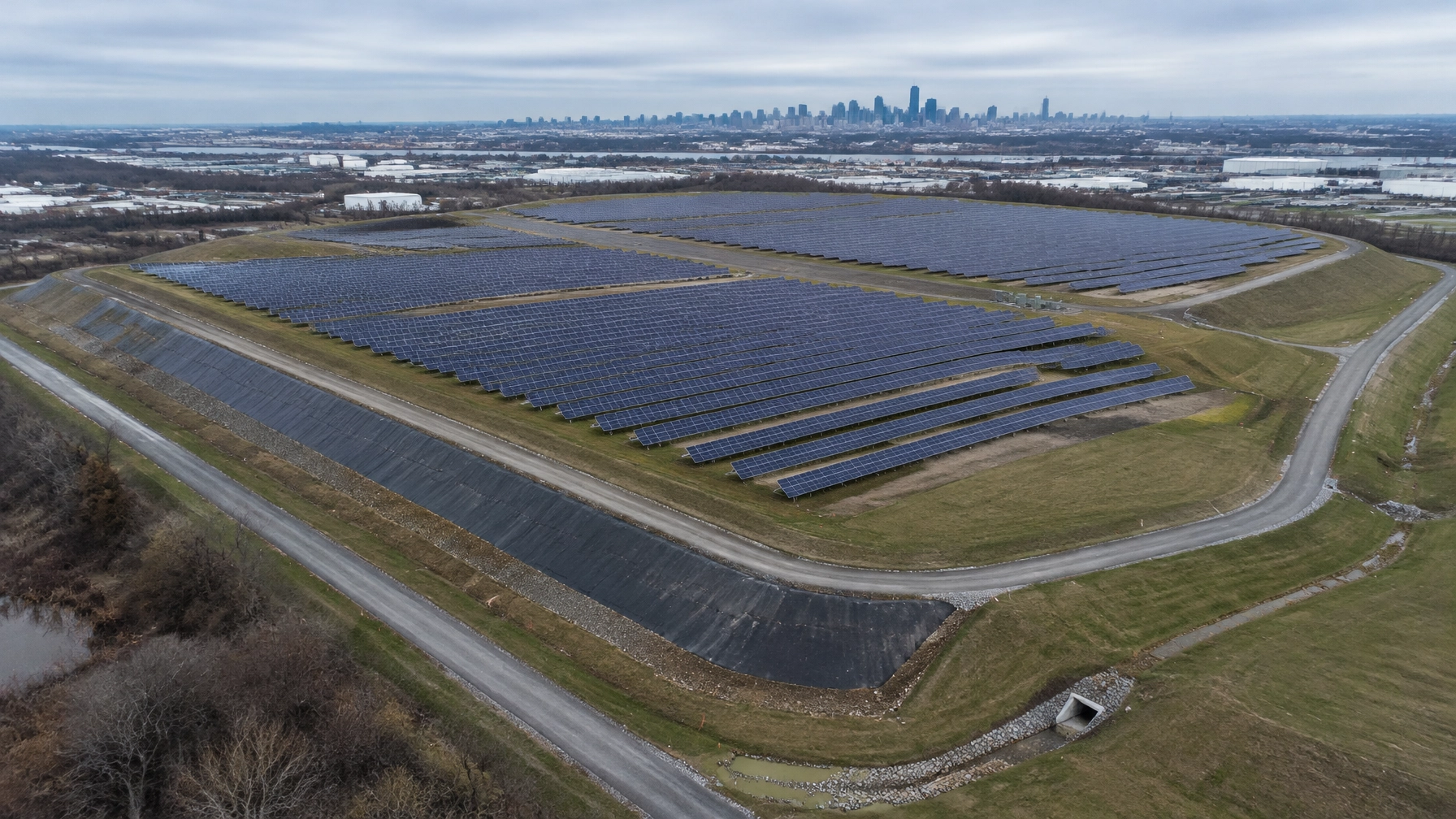
A separate category applies to qualifying solar projects on closed sanitary landfills. It provides for up to 100% of eligible remediation and landfill-capping costs, subject to a location-based cap of $8 million or $12 million. The credit does not cover the solar facility’s ordinary construction costs. New Jersey’s landfill-to-solar incentive guidance explains how BRIP remediation support differs from incentives for developing the solar facility.
The amendments also broaden the site definition to include vacant or underutilized real property with actual or suspected contamination, including contaminated building materials. They allow a limited exception for some remediation started before application when a government official orders the work or an LSRP certifies it is necessary to address or prevent the spread of a health, safety, or other hazard.
Those are statutory changes, not proof that the program is currently open. NJEDA says the application pause remains in place while it develops new rules. Confirm the final rules, application, eligibility, and site-specific location status before relying on any amended terms. A Newark address alone does not establish that a parcel qualifies for the enhanced award tier.
Why the rulemaking hold affects your deal timeline
A BRIP award is not cash at closing. It depends on eligibility, approval, eligible remediation costs, completion, and program requirements. While applications are paused, a developer cannot treat an expected award as approved financing or assume when a new application window will open.
That uncertainty can affect the purchase price, equity requirement, lender conditions, cleanup schedule, and the start of construction. It can also matter if a site’s cleanup begins before a future application. The amended law includes limited exceptions for early remediation, but the practical rules and application process are still being developed. Do not assume that routine pre-application cleanup will qualify.
In the pro forma, separate costs and funding sources clearly. Identify which work is remediation, which is vertical construction, and which is site or infrastructure work. Then model the project without BRIP first.

What can still support a project today
A BRIP pause does not stop a developer from advancing due diligence, cleanup planning, or other funding screens. Each alternative has its own eligibility requirements and may have limited funding.
- NJ Brownfield Impact Fund: NJEDA describes this as a low-interest loan program for cleanup and certain pre-construction activities, with loans up to $350,000. Its page says applications are accepted on a rolling, first-come, first-served basis, subject to application readiness and available funds. It is a loan, not a tax credit. Review current terms on the NJEDA Impact Fund page.
- Hazardous Discharge Site Remediation Fund: NJDEP’s HDSRF program lists grants and loans for qualifying public and private applicants. Eligibility depends on applicant type, site, cleanup activity, and end use. Do not assume a private developer qualifies for the same support as a public entity.
- Federal brownfield support: EPA grants can support eligible assessment or cleanup work, but many programs are awarded to public or community applicants. A private developer should not count on receiving a municipal grant directly. Check project fit and award conditions with the municipality and EPA’s Brownfields program.
- Federal tax treatment: NJDEP provides federal tax-incentive certifications for qualifying brownfield remediation expenses. Ask your tax adviser whether the project and costs qualify under current federal law. Do not substitute a potential tax deduction for a committed funding source.
- ISRA planning: If the property or business is subject to New Jersey’s Industrial Site Recovery Act, compliance planning belongs on the transaction schedule from the start. NJDEP describes ISRA’s investigation and remediation obligations for facilities with specified industrial classifications when operations cease or ownership or operations transfer. See NJDEP’s ISRA information.
A practical decision framework
Proceed without BRIP when the acquisition, cleanup budget, financing, and return still work without the credit. Keep a future BRIP award out of committed sources and uses.
Delay when the project depends on an incentive to close the financing gap and the schedule can absorb an uncertain reopening. Set a decision date for revisiting the deal. Do not let an open-ended pause become an unpriced extension.
Restructure when the project can be phased or its funding sources can be adjusted. Separate remediation from vertical construction in the cost model. Test other eligible programs, align with municipal redevelopment planning where appropriate, and document who bears cleanup obligations if the transaction closes before remediation is complete.
For Newark sites, verify the parcel’s actual location-based eligibility rather than relying on a citywide assumption. In Monmouth County, account for the same BRIP pause and independently evaluate coastal, land-use, and permitting requirements that may affect scope and schedule. Our Newark environmental team and Monmouth County team work within those local conditions. See our brownfield redevelopment and remediation services and the New Jersey environmental consulting hub.

Brownfield underwriting checklist
Before you finalize the purchase or financing package:
- Model a base case with zero BRIP proceeds.
- Keep any potential award in a separate, clearly labeled upside case.
- Separate eligible remediation costs from vertical construction and other site costs.
- Check whether the parcel meets a qualifying location definition. Do not infer eligibility from its county or city alone.
- Review ISRA applicability, LSRP obligations, and transaction timing with environmental and legal professionals.
- Ask the municipality about support, redevelopment plans, and applicable public funding routes.
- Verify current program rules, application status, funding availability, and any restrictions before committing to an incentive.
- Add closing and schedule contingencies for cleanup, agency review, and incentive uncertainty.
Frequently asked questions
Is NJEDA accepting BRIP applications in November 2026?
No. NJEDA says it is developing rules to implement the September 4, 2024 amendments and is not currently accepting applications. Check the program page for updates before making a funding assumption.
Is BRIP the same as the NJ Brownfield Tax Credit?
BRIP is the principal current NJEDA brownfield-specific transferable tax credit program. The Brownfield Site Remediation Fund is a separate reimbursement program, not another BRIP-style credit. The older New Jersey Remediation Credit applies to costs from 2004 through 2006, not new 2026 remediation costs.
What award amounts do the 2024 amendments provide for?
The amended framework provides for up to 60% of eligible remediation costs, capped at $8 million, for ordinary projects outside qualifying enhanced locations. Qualifying projects in a qualified incentive tract or government-restricted municipality may receive up to 80%, capped at $12 million. Qualifying solar projects on closed sanitary landfills have a separate 100% remediation and capping category with an $8 million or $12 million cap. Confirm how the final rules apply to a specific site.
Should a developer delay a Newark or Monmouth County acquisition?
Not automatically. Test whether the project works without BRIP, evaluate other applicable funding, and consider the cost of waiting against the deal’s schedule and carrying costs. If BRIP is essential to feasibility, do not treat a future reopening or award as certain. Build contingencies into the purchase and financing documents with advice from your legal and tax teams.
Takeaway: underwrite the site, not a paused incentive
The BRIP amendments may improve the economics of eligible remediation once the program reopens. They do not create an award that a developer can book today. For environmental due diligence for developers in NJ, build the base case around verified site conditions, real funding, and a workable regulatory path. Treat BRIP as conditional until NJEDA publishes its rules and accepts applications.