

Regulatory Updates — Page 10
251 expert articles on regulatory updates from Envicon Group's NY and NJ environmental engineers. Page 10 of 21.
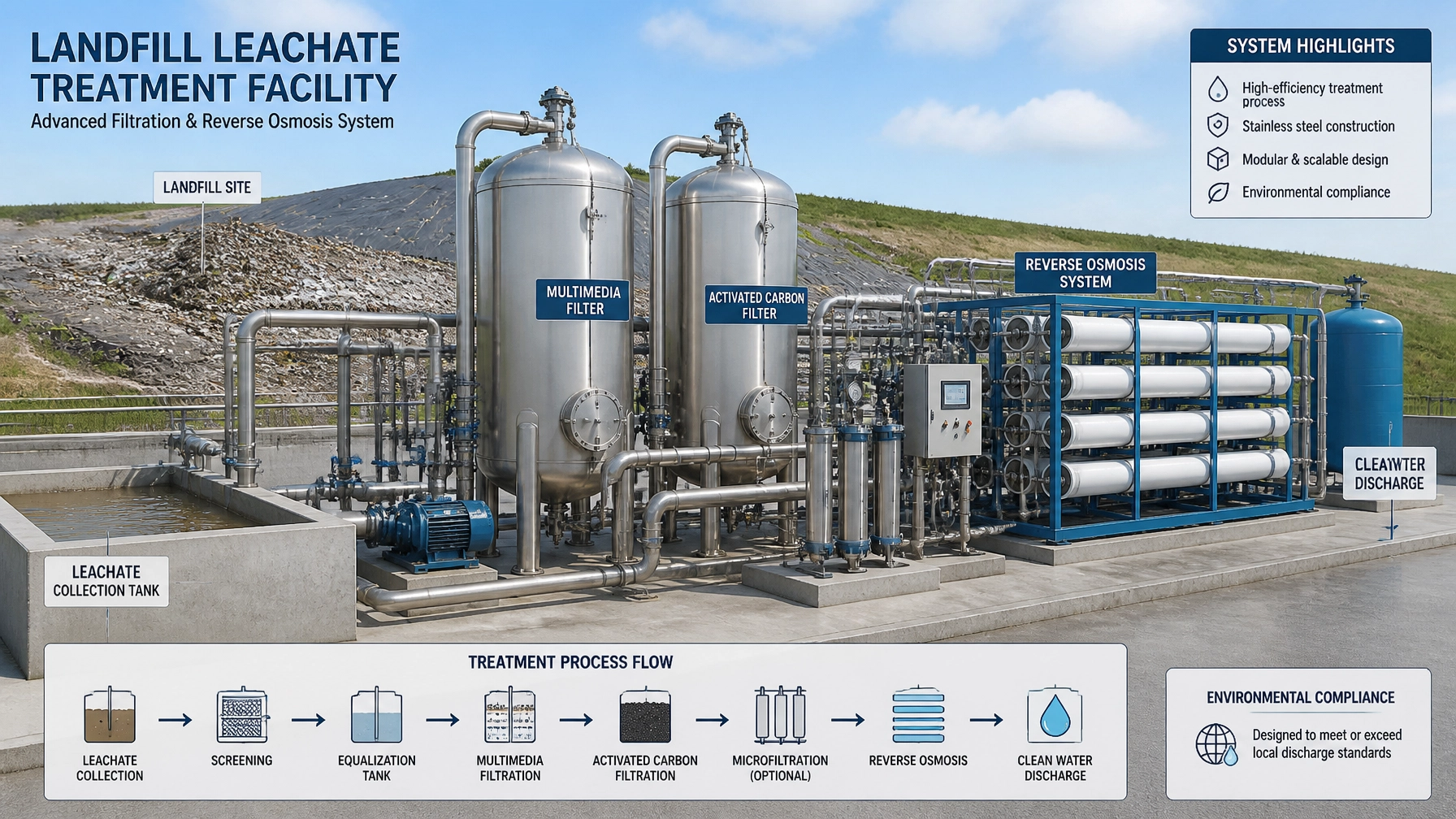
NYSDEC Proposes Landmark Landfill Leachate Treatment Rules: PFAS and 1,4-Dioxane in the Crosshairs
On July 1, 2026, the New York State Department of Environmental Conservation (NYSDEC) signaled a seismic shift in waste management policy. The department officially proposed landmark amendments to 6 NYCRR Parts 360 and 363, targeting the systematic treatment of emerging contaminants in landfill leachate. For active Municipal Solid Waste (MSW) and Construction and Demolition (C&D) […]

Managing PFAS in Recycled Biosolids: NYSDEC’s 2026 Regulatory Overhaul
As of August 2026, New York’s PFAS framework for biosolids is no longer limited to wastewater treatment plant residuals. NYSDEC now requires a broader data and management approach covering biosolids sources, commercial biosolids-derived products, land application, and: through separate proposed rules: landfill leachate. The practical message for municipalities, wastewater utilities, agricultural operators, product manufacturers, and […]
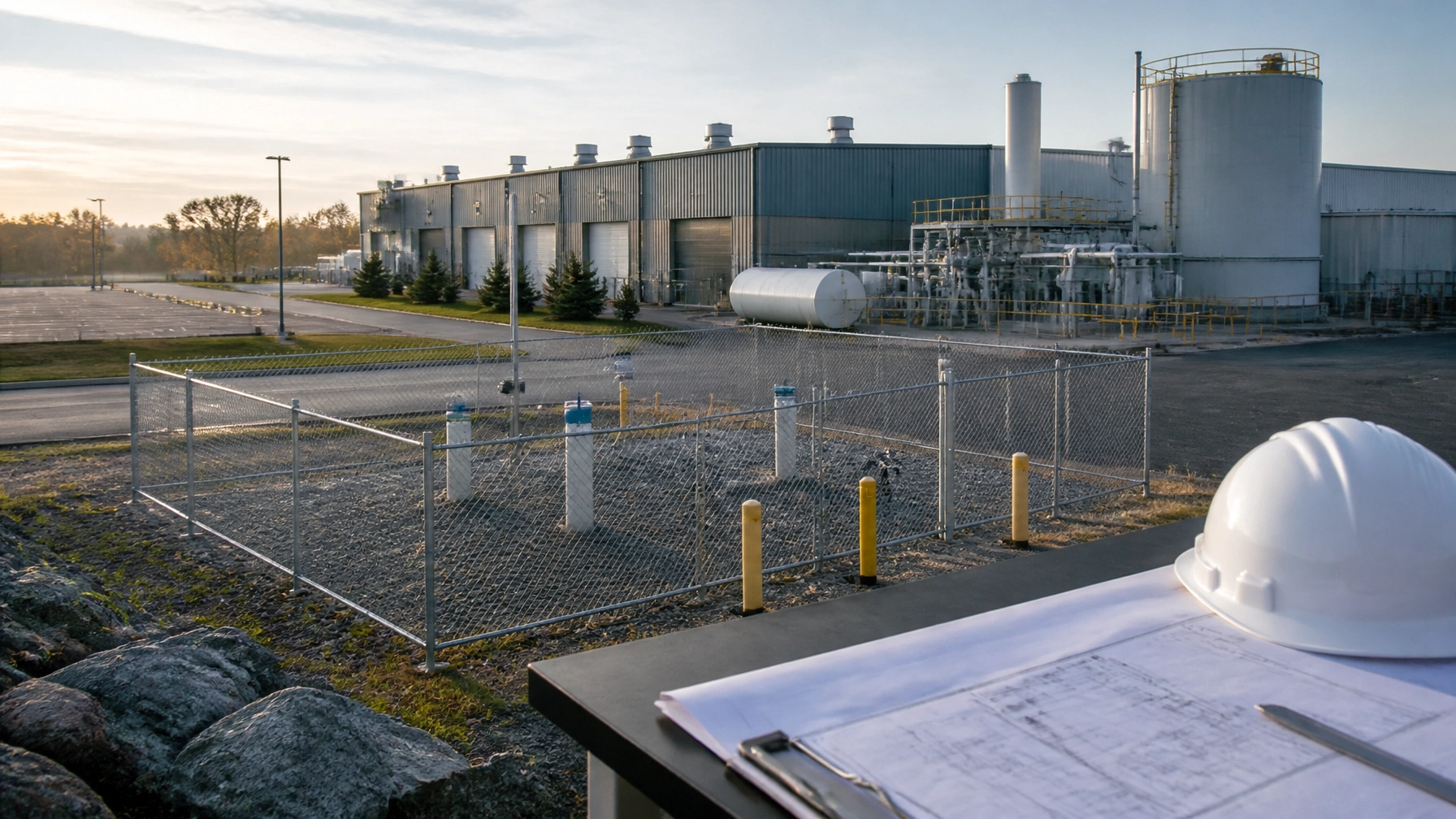
ISRA Electronic Submissions and Remedial Action Permitting Under NJDEP’s Updated Rules
New Jersey’s updated Industrial Site Recovery Act rules change how industrial property owners, operators, developers, and consultants manage regulatory submissions and long-term remedial obligations. The current N.J.A.C. 7:26B rules, last amended on November 17, 2025, place greater emphasis on electronic submissions, updated fee procedures, remediation funding, and […]
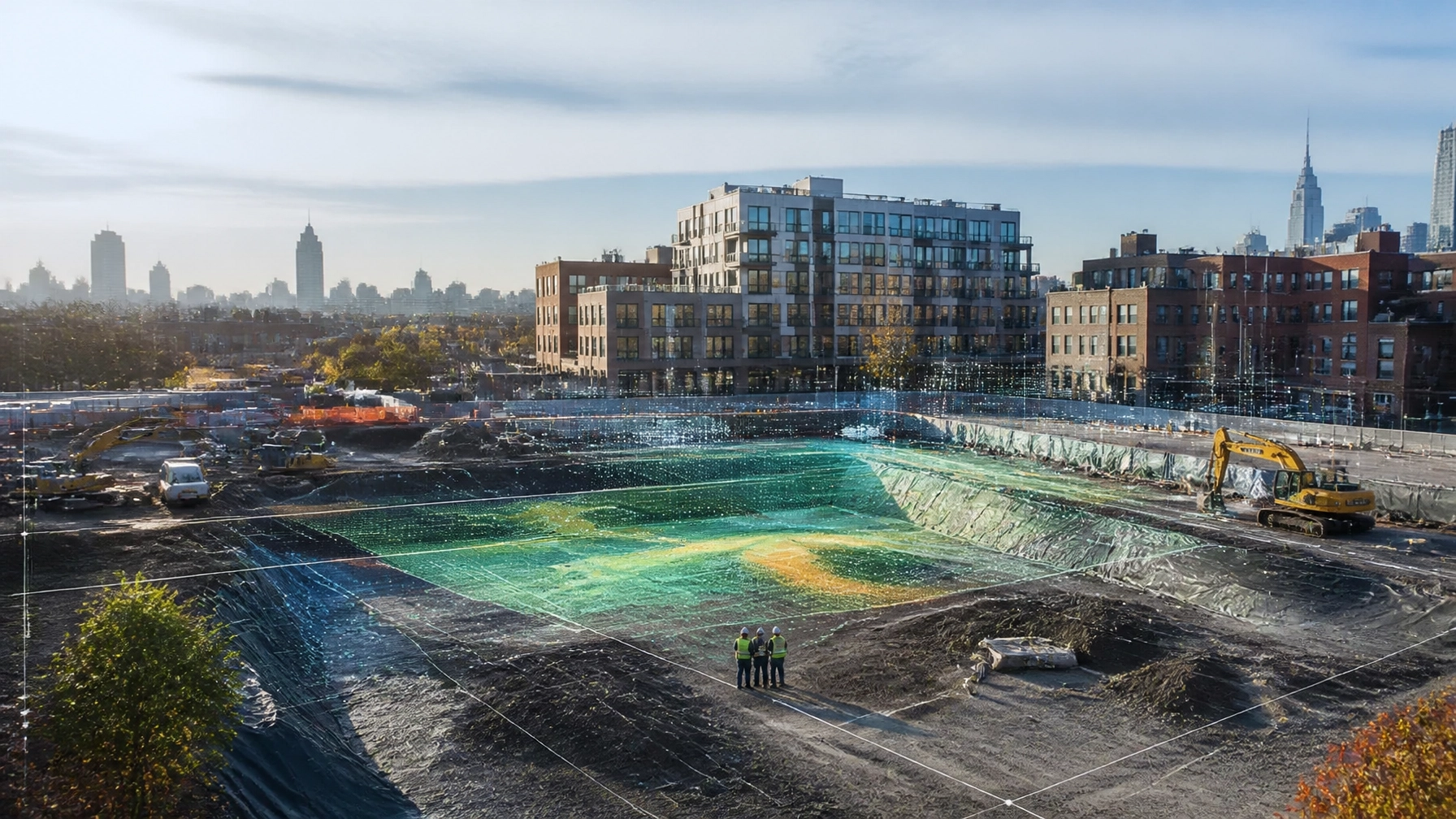
Navigating NYSDEC’s New Part 617 SEQR Amendments and DACAT Tool
Published August 10, 2026 New York developers, property owners, and project teams face a changed SEQR workflow. NYSDEC adopted amendments to 6 NYCRR Part 617 on April 24, 2026. The amendments became effective June 11, 2026, and add environmental justice and disadvantaged community considerations to the State Environmental Quality Review process. The practical issue is […]
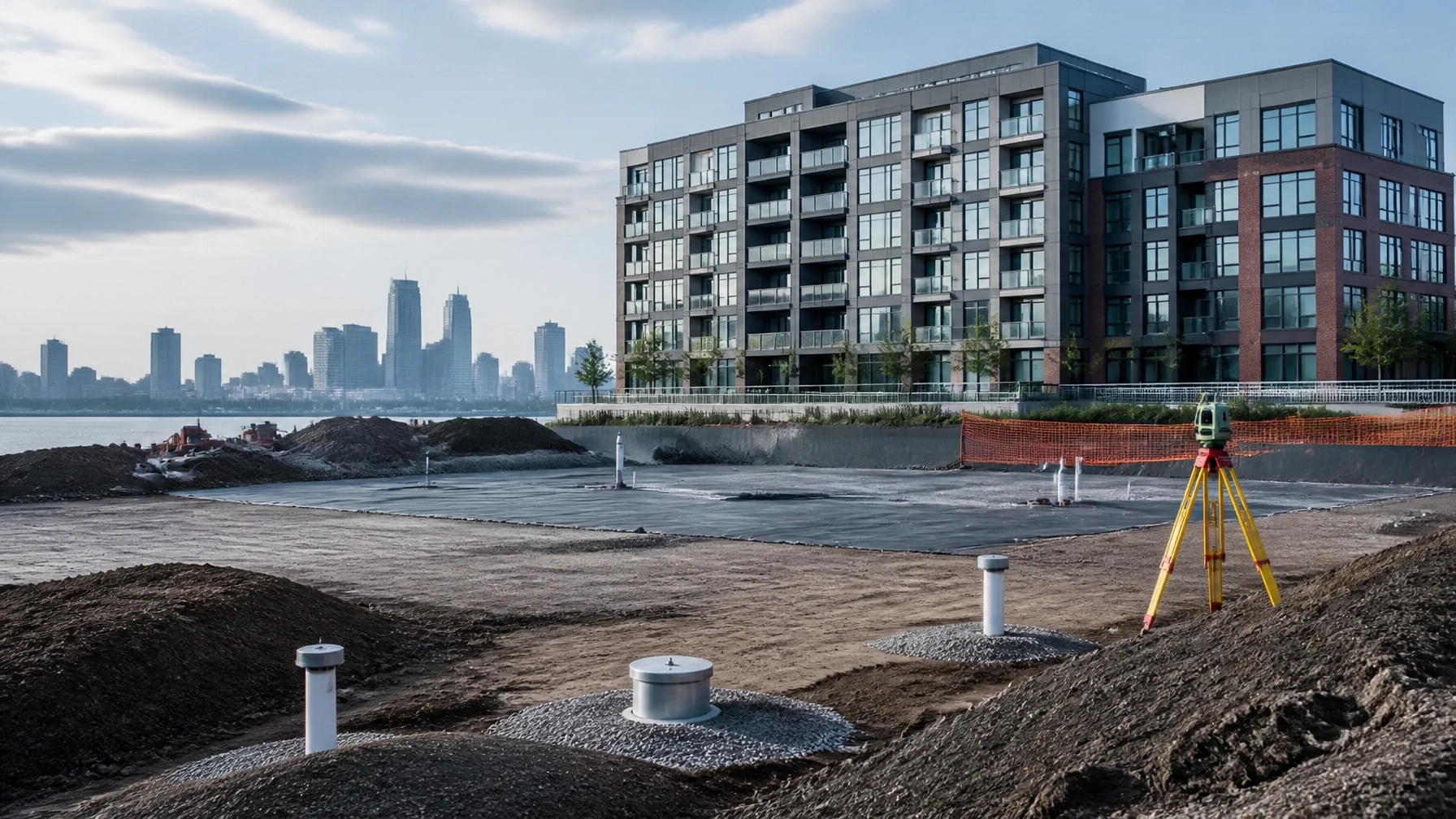
Navigating New Jersey’s Brownfield Tax Credit Program and ISRA Good Standing Requirements
For New Jersey developers, a contaminated or underutilized property can represent both a major liability and a significant redevelopment opportunity. The state’s Brownfields Redevelopment Incentive Program (BRIP) is designed to help close that gap through a one-time, transferable tax credit tied to eligible remediation costs. But the credit is not automatic. Your project must align […]
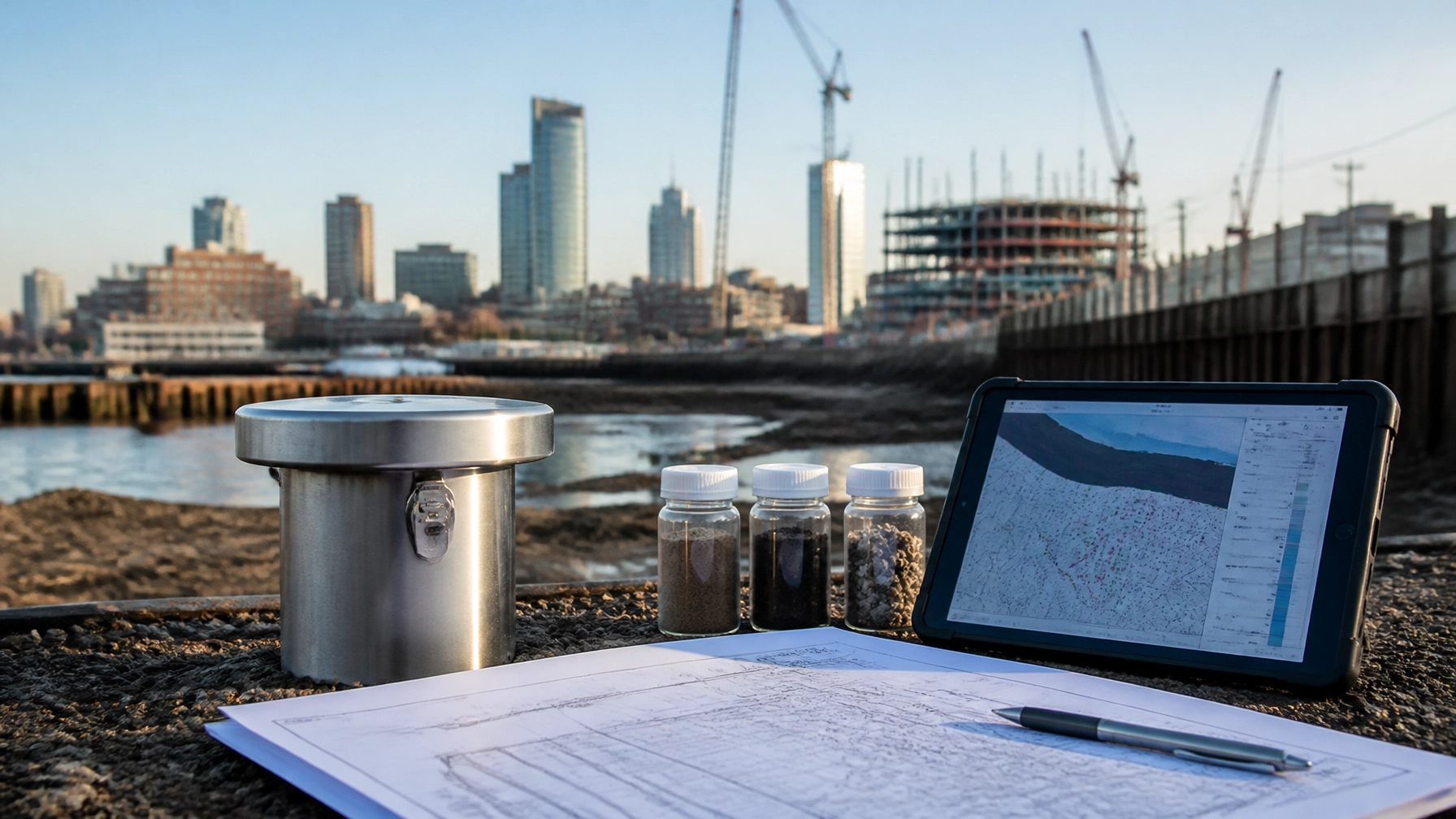
Streamlining Phase I ESAs and Phase II Investigations for NYC/NJ Real Estate Transactions in 2026
In New York and New Jersey, environmental due diligence can determine whether a transaction closes on time, gets repriced, or stalls before construction begins. In 2026, the baseline is clear: commercial real estate transactions need a defensible ASTM E1527-21 Phase I Environmental Site Assessment, aligned with the EPA’s All Appropriate Inquiries (AAI) rule under 40 […]

ASTM E2018-24 vs. Capital Reserve Studies: Understanding the Differences for Property Portfolios
A commercial Property Condition Assessment (PCA) and a capital reserve study both address building conditions and future costs. They are not the same report, and using one as a substitute for the other can leave lenders, investors, boards, and property owners with an incomplete view of risk. The difference is simple: An ASTM E2018-24 PCA […]
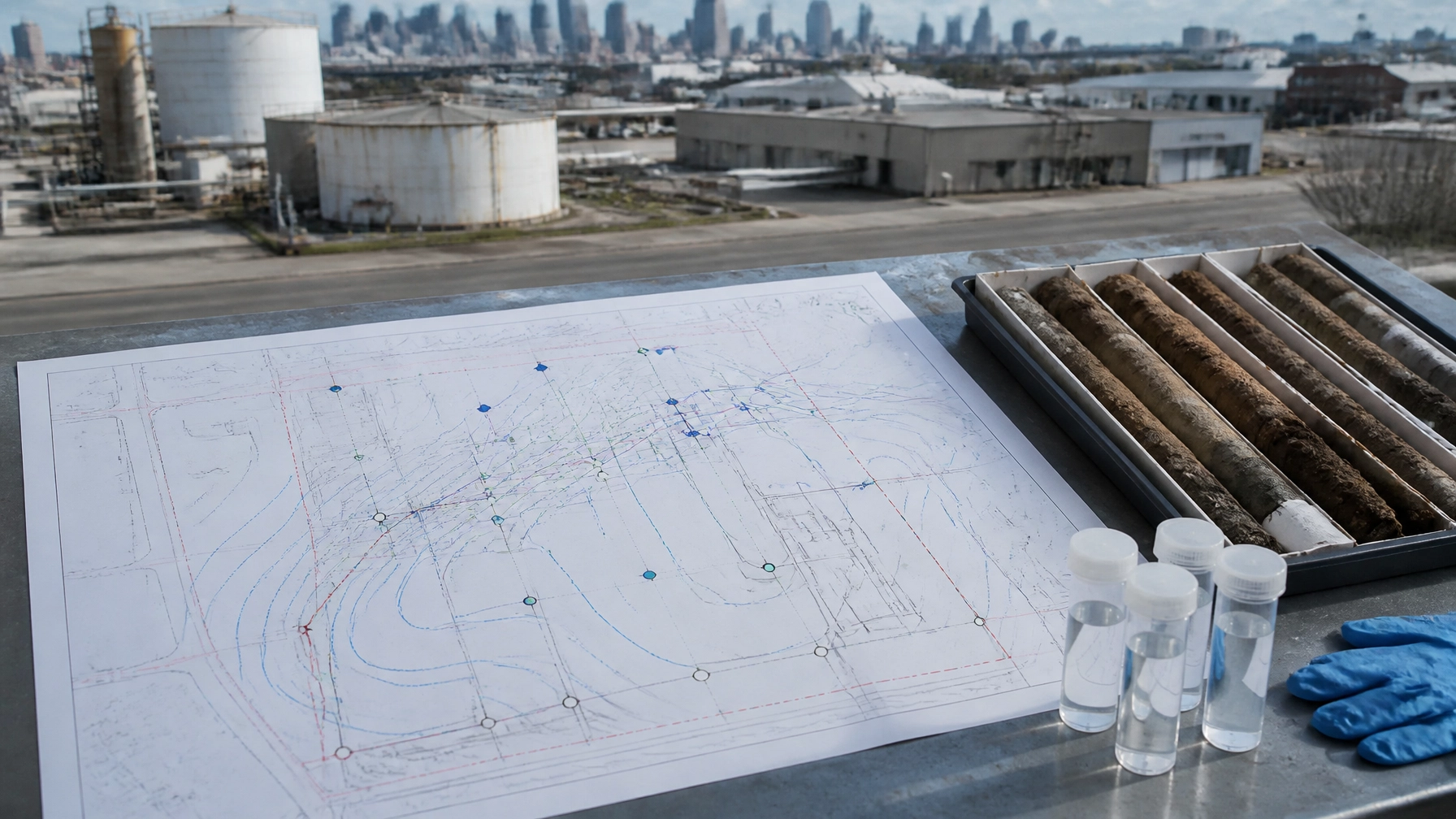
NJDEP’s Expanded 2026 PFAS Remediation Standards: What Developers and LSRPs Must Know
On June 15, 2026, the New Jersey Department of Environmental Protection (NJDEP) adopted amendments to N.J.A.C. 7:9C, 7:26D, and 7:26E. The rule converts interim remediation criteria for GenX, PFNA, PFOS, PFOA, and methanol into enforceable requirements and expands required analytical coverage when site contaminants are unknown or […]

10 Strategic SEO Posts for Envicon Group
To move from "Page 7" to "Page 1," we are deploying these 10 technical deep-dives over the next few weeks. Each post is engineered to target high-intent search terms that your ideal clients (developers, attorneys, and lenders) are searching for when they face a bottleneck. NYC OER vs. NYSDEC: The Strategic Choice for Brownfield Tax […]
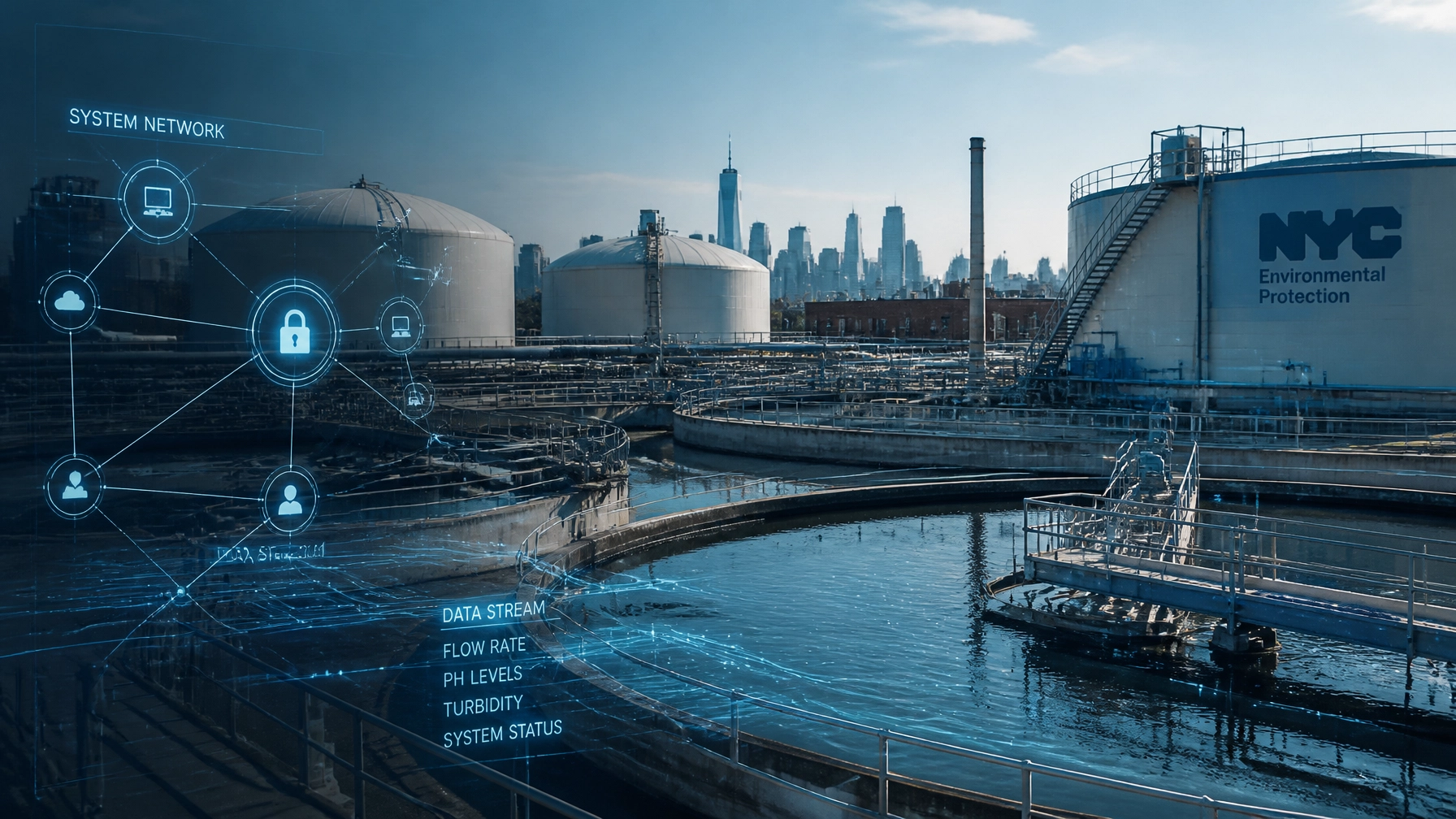
NY Wastewater Treatment Plants Now Required to Report Cybersecurity Incidents Within 24 Hours
For decades, the primary concern for New York wastewater treatment operators was physical: flow rates, nitrogen levels, and structural integrity. As of March 2026, the regulatory landscape has shifted. The New York State Department of Environmental Conservation (NYSDEC) has officially adopted amendments to 6 NYCRR Parts 616, 650, and 750, establishing the state’s first mandatory […]
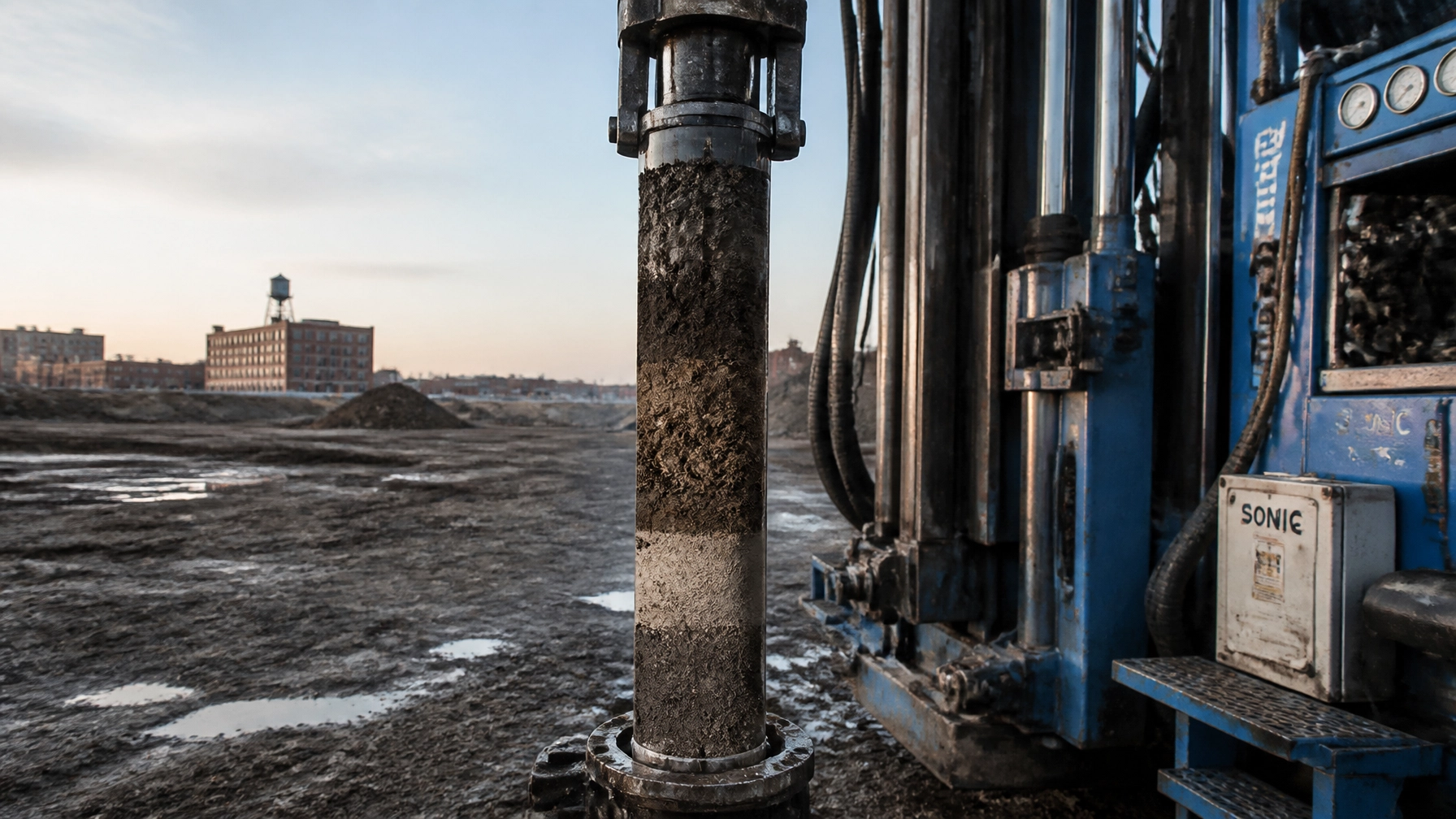
PFAS Soil Leachate Standards: The New Compliance Floor for NJ Remediation
If you’ve been tracking environmental regulations in New Jersey, you know the "interim" grace period for PFAS is officially over. As of June 15, 2026, the New Jersey Department of Environmental Protection (NJDEP) has formally adopted numeric soil and soil leachate remediation standards for four major per- and polyfluoroalkyl substances (PFAS). This isn't just another […]

The Inundation Risk Zone (IRZ): Understanding NJ’s Climate-Adjusted Flood Elevations
The rules for building in New Jersey just changed, and if you’re reading this on June 22, 2026, you have exactly 28 days to decide how you’re going to handle it. On January 20, 2026, the NJDEP officially adopted the Resilient Environments and Landscapes (REAL) rules. This wasn't just another regulatory tweak; it was a […]