

Regulatory Updates — Page 7
251 expert articles on regulatory updates from Envicon Group's NY and NJ environmental engineers. Page 7 of 21.
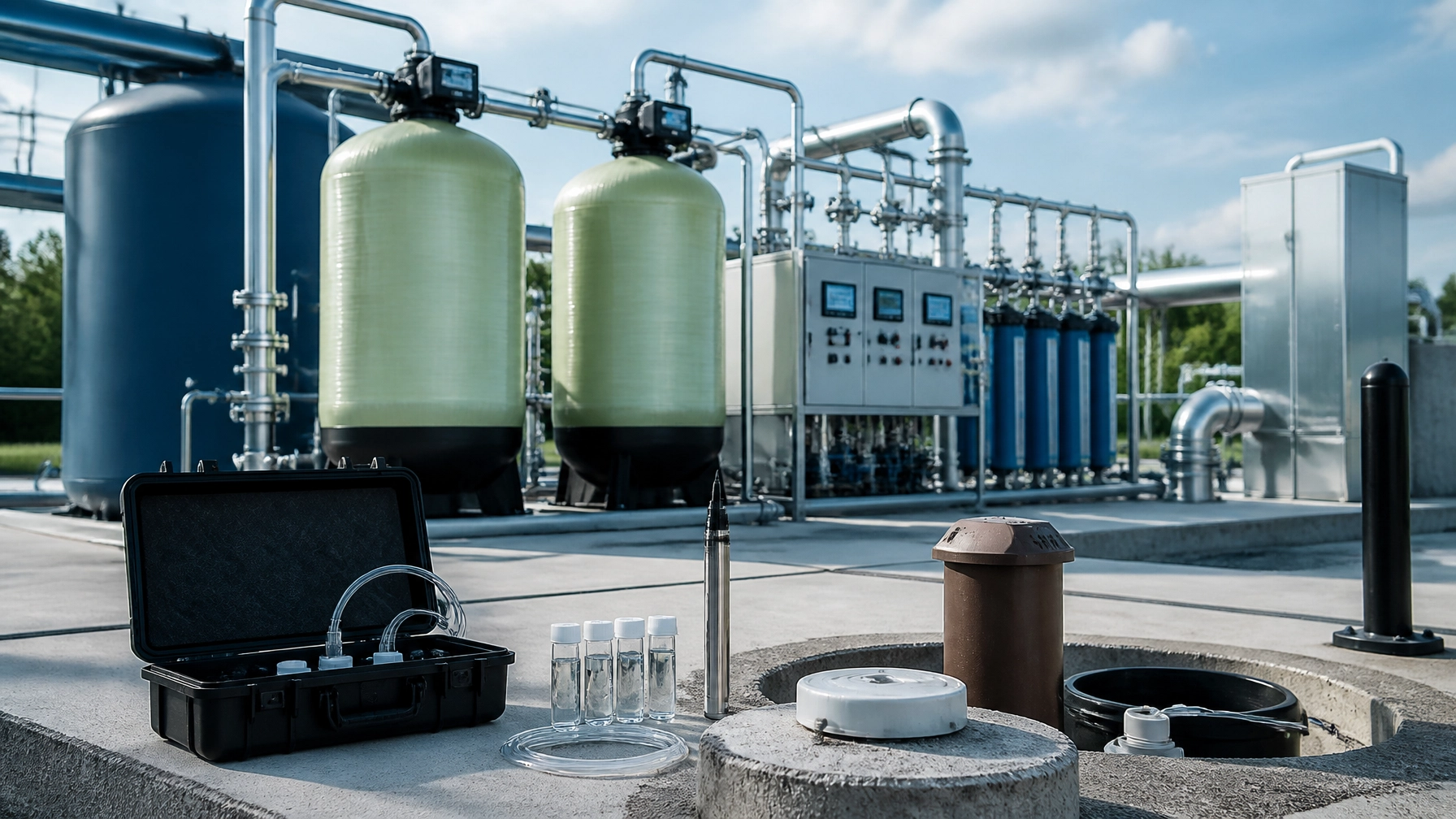
EPA’s PFAS Drinking Water Compliance Extension: How the 2031 Option Affects NY and NJ Water Systems
As of August 2026, the federal PFAS compliance picture has two important dates: April 26, 2029, and a possible extension to April 26, 2031. The EPA’s May 2026 proposal would allow eligible public water systems to request two additional years to comply with the federal 4.0 parts per trillion, or ppt, Maximum Contaminant Levels for […]
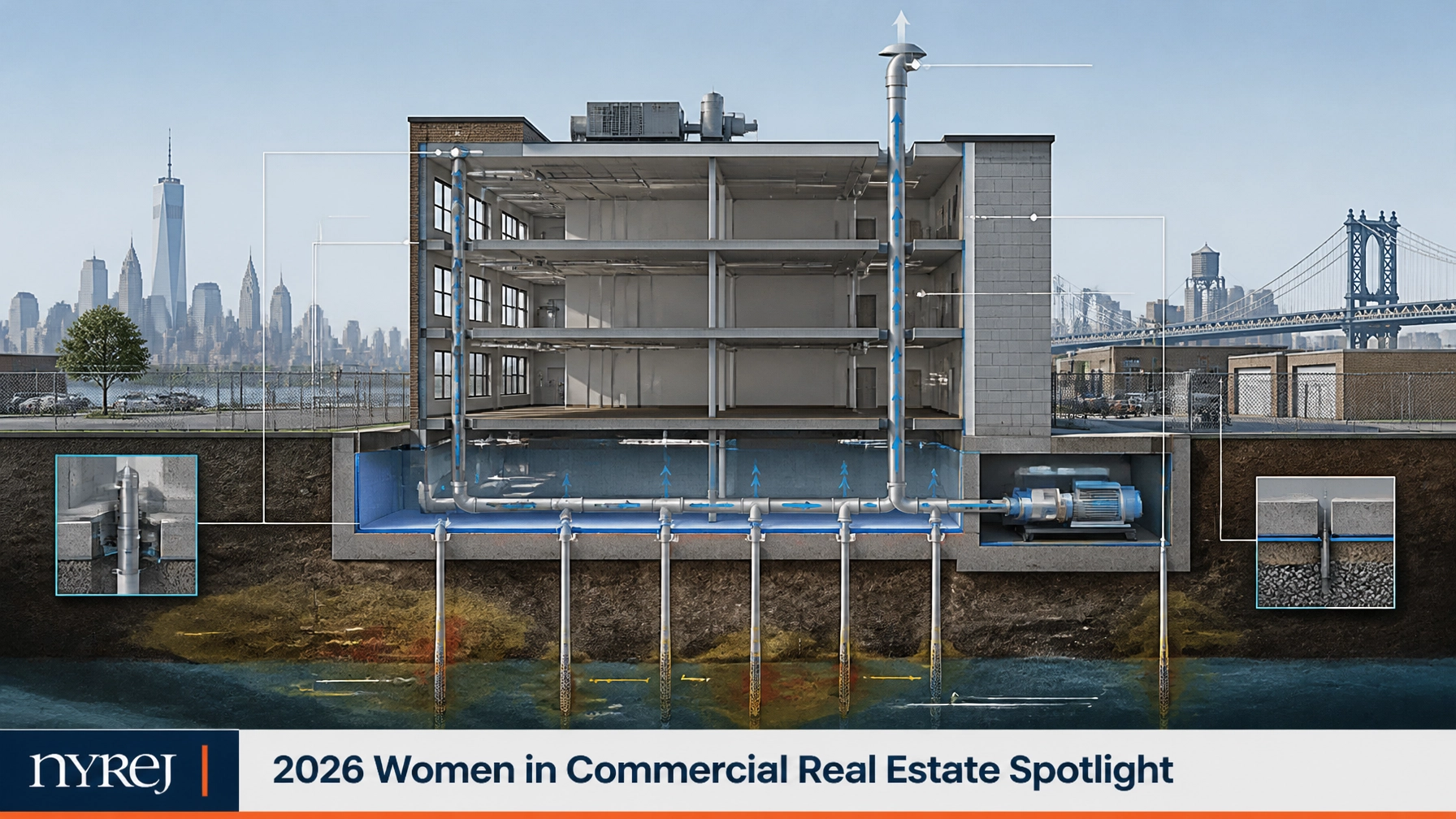
Vapor Intrusion Mitigation Systems in NYC and NJ: Design, Installation, and Long-Term Monitoring
Vapor intrusion mitigation systems protect occupied buildings from volatile organic compounds, or VOCs, migrating from contaminated soil or groundwater into indoor air. In New York City and New Jersey, the right system must do more than reduce vapor concentrations. It must satisfy agency requirements, support the construction schedule, and remain functional after the building opens. […]

GHG Mandatory Reporting: New Compliance Burdens for NY/NJ Facilities
As of August 17, 2026 Facilities across New York and New Jersey are facing a more complicated greenhouse gas reporting landscape. The obligation may come from federal reporting rules, state-specific methane and refrigerant requirements, RGGI, or more than one program at the same time. The mistake is treating GHG reporting as a single annual form. […]
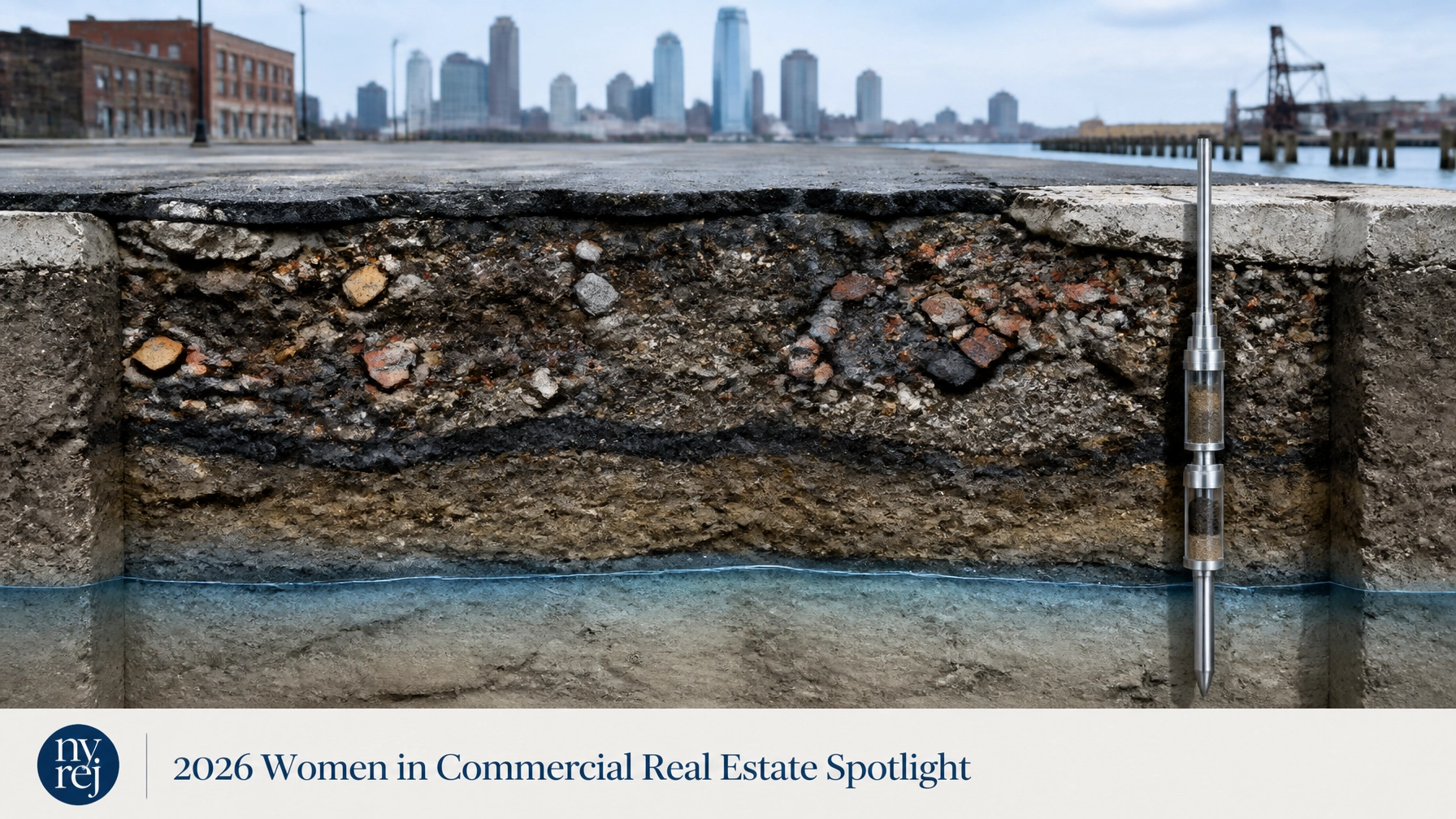
NJDEP Historic Fill Investigation in Jersey City and Newark: Sampling, Soil Management, and Reuse
A suspected historic fill layer can change the cost, schedule, and regulatory path for a development project in Jersey City, Newark, Hudson County, Bergen County, or elsewhere in Northern New Jersey. The issue is not simply whether fill is present. You need to know what it contains, where it ends, how it may affect groundwater, […]

Wastewater Cybersecurity: New Federal and State Requirements for NY/NJ Utilities
Wastewater cybersecurity is no longer only an IT issue. For utilities across New York and New Jersey, SCADA systems, programmable logic controllers (PLCs), remote-access tools, network architecture, incident reporting, and emergency response plans now sit directly inside the regulatory conversation. The requirements are not identical from one jurisdiction to the next. Some are legally binding. […]

Phase I ESA 2026 Checklist: Every Document You Need Before Closing
A Phase I Environmental Site Assessment is more than a box to check before acquiring commercial real estate. It is one of the documents your lender, attorney, insurer, and investment committee may rely on before releasing capital. In 2026, the core standard remains ASTM E1527-21, which the U.S. Environmental Protection Agency recognizes as consistent with […]
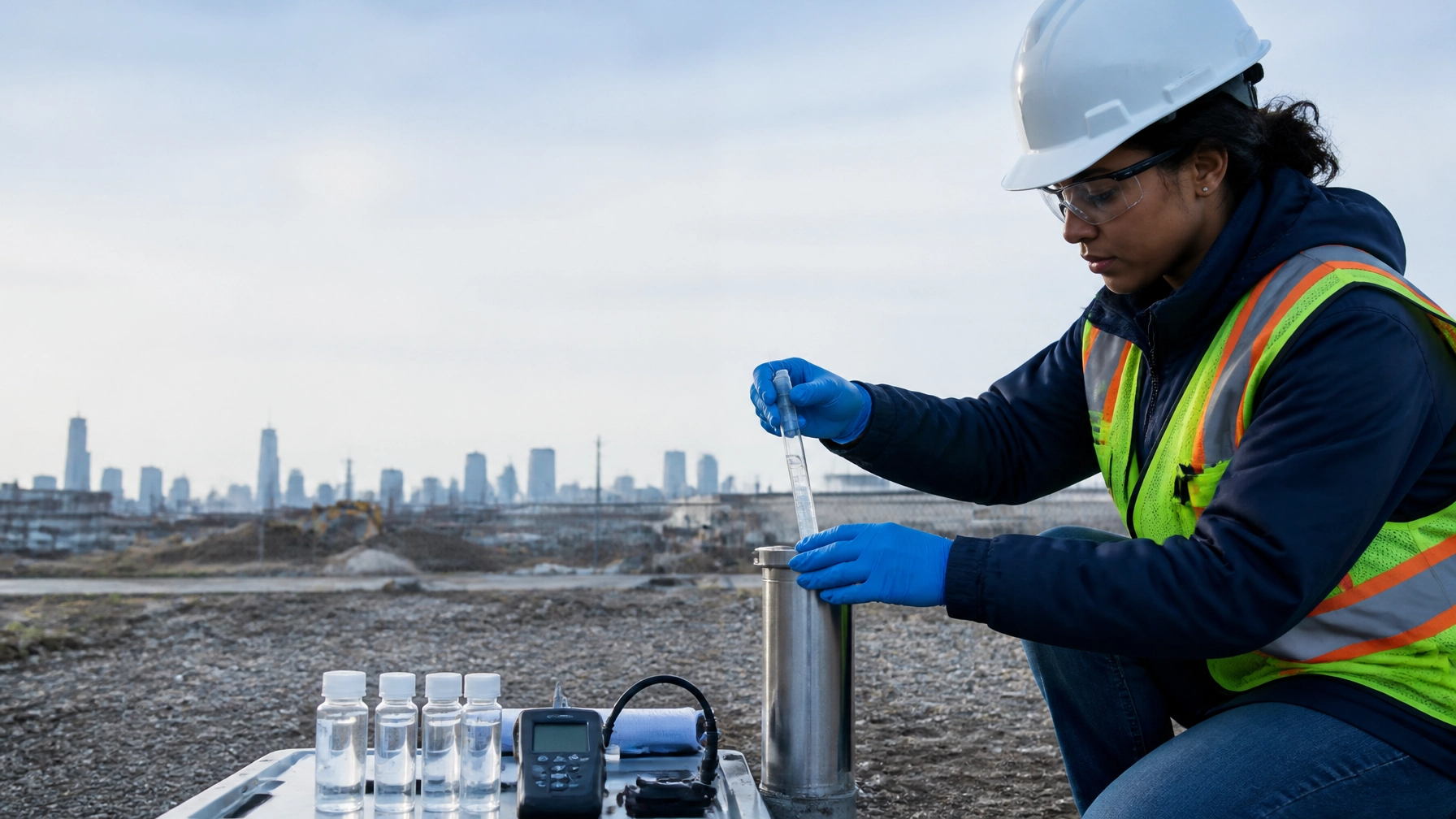
NJDEP PFAS Final Rule: New Standards Changing NJ Site Cleanup
Published August 17, 2026, at 2:00 PM ET On June 15, 2026, the New Jersey Department of Environmental Protection (NJDEP) adopted final remediation standards for four widely monitored PFAS compounds: PFNA, PFOA, PFOS, and GenX. The rule does more than add another table to a regulatory manual. It converts interim criteria into enforceable requirements under: […]
REAL Rule Extension Strategy: What the New Deadlines Mean for Projects
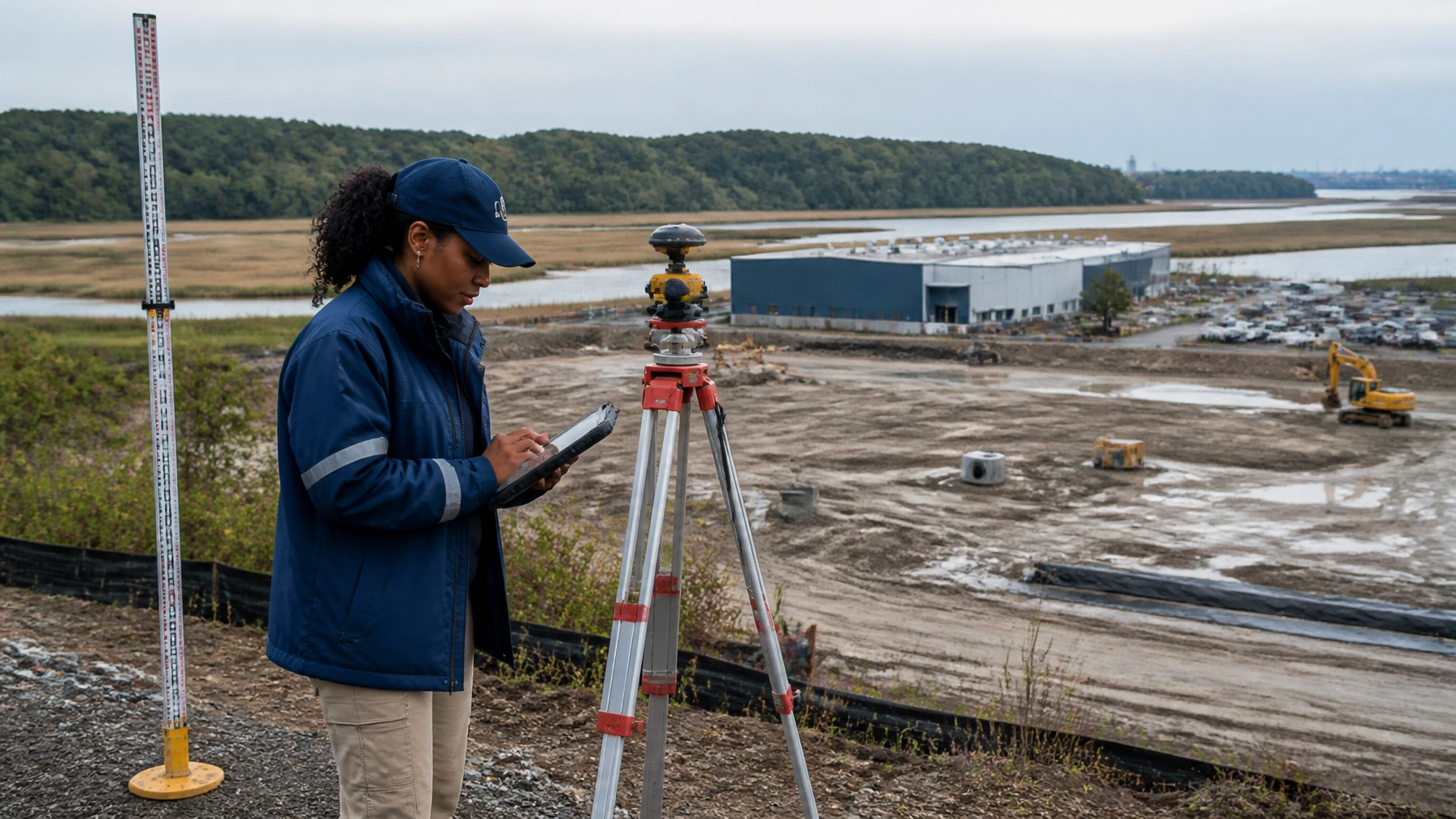
Updated August 17, 2026 New Jersey developers received more time to plan around the NJPACT Resilient Environment and Landscapes (REAL) rules. But the extension does not eliminate the technical work required to preserve a project’s regulatory options. The key date is now July 20, 2027: the proposed end of the REAL legacy period for eligible […]

NYSDEC’s New DACAT Tool: What New York Developers Need to Know
New York developers now have another factor to account for during environmental review: the New York State Department of Environmental Conservation’s Disadvantaged Community Assessment Tool, or DACAT. DACAT does not replace a Phase I ESA, Phase II investigation, SEQR review, or project-specific impact analysis. It does something […]
PFAS in Biosolids: New NY/NJ Rules Reshaping Land Application
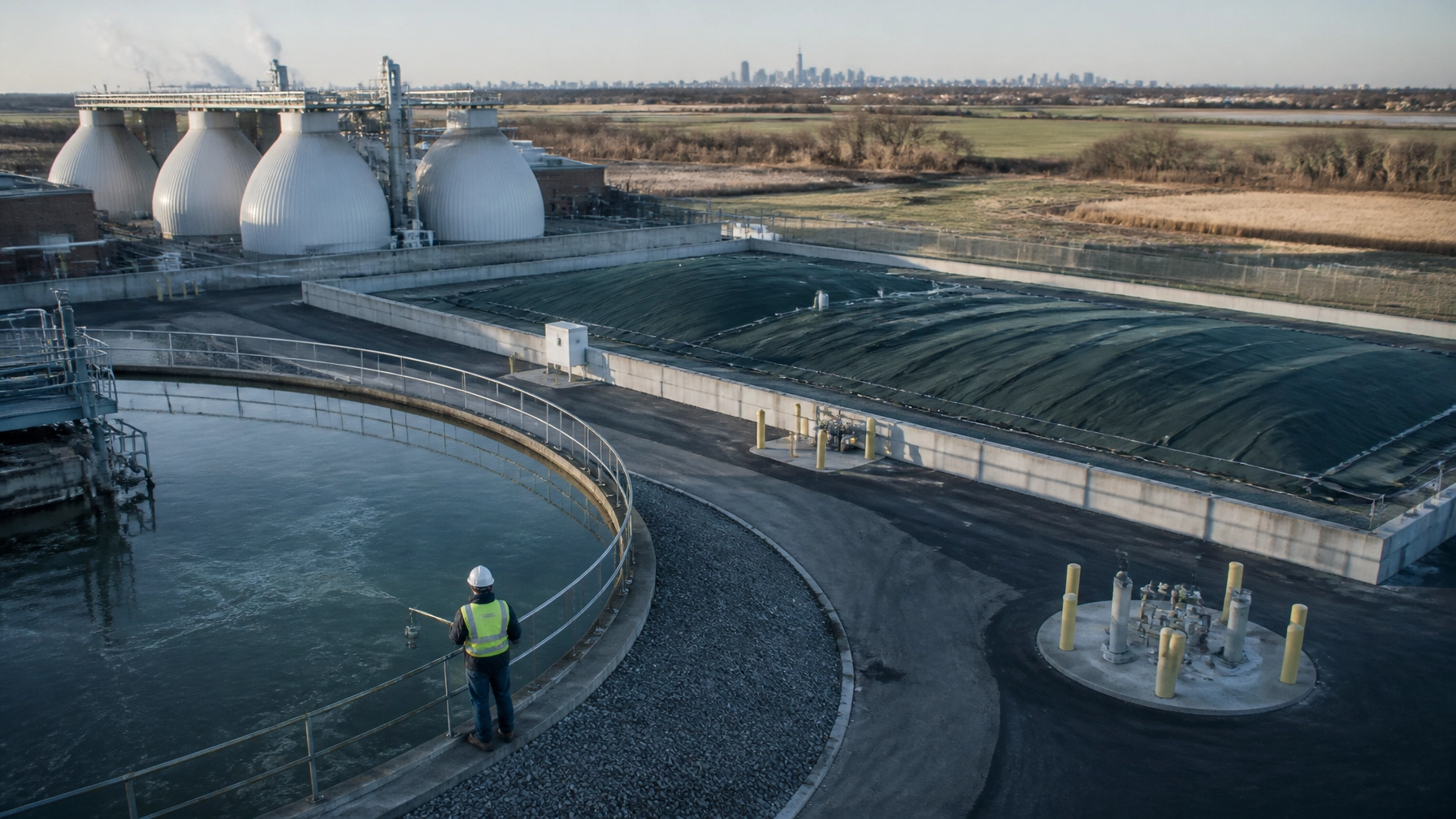
As of August 2026, PFAS in biosolids is no longer a future compliance issue for New York and New Jersey wastewater operators, agricultural users, municipalities, and environmental counsel. It is an active sampling, reporting, and land-management issue. The regulatory picture is not identical in both states: New York has interim PFAS thresholds that can restrict […]

NJDEP Historic Fill Guidance: When the Ground Under Your Project Isn’t Natural
A site can look clean at the surface and still contain decades-old construction debris, ash, brick, dredge material, or other imported soil beneath it. That material may qualify as historic fill under New Jersey Department of Environmental Protection (NJDEP) guidance. For developers, construction managers, and contractors, the distinction matters. Treating historic fill like ordinary clean […]
Phase II Environmental Site Assessment NJ: Scope, Sampling, and Realistic Costs
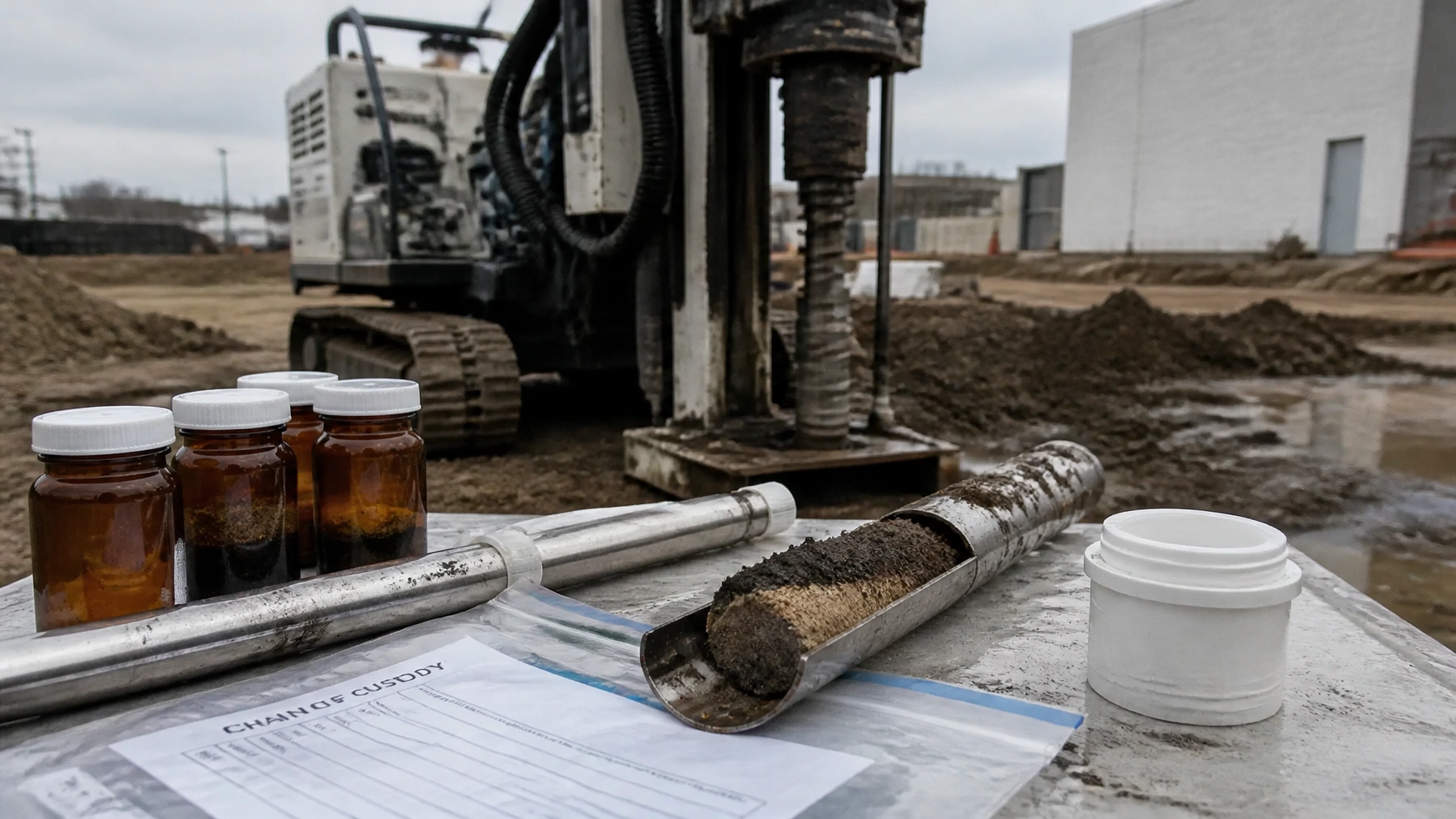
A Phase II Environmental Site Assessment answers the question a Phase I ESA cannot: is contamination actually present, where is it located, and how could it affect your project? For developers, investors, contractors, and lenders in New Jersey, that answer directly affects acquisition decisions, financing, design, permitting, and construction risk. A poorly scoped investigation can […]