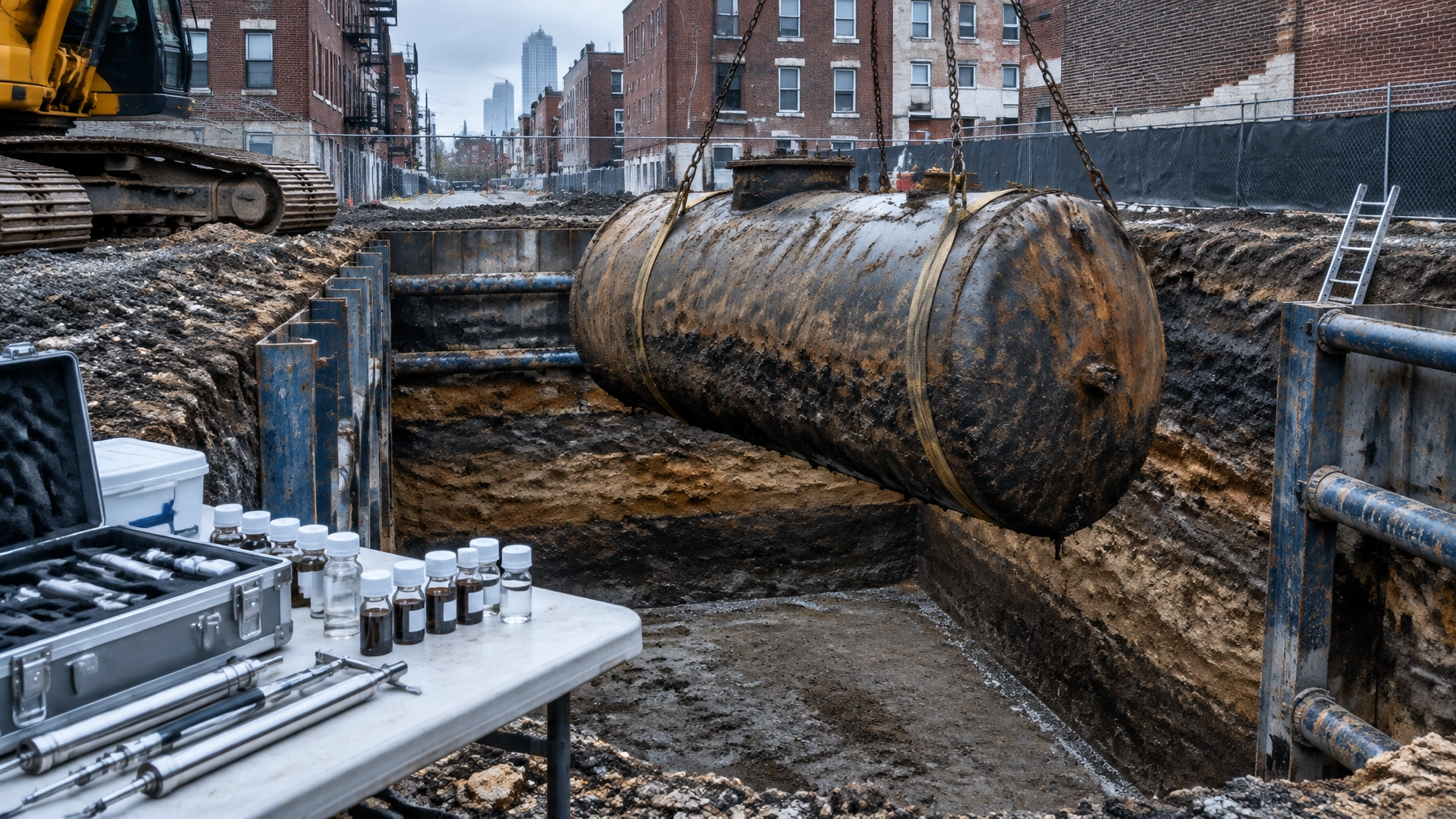
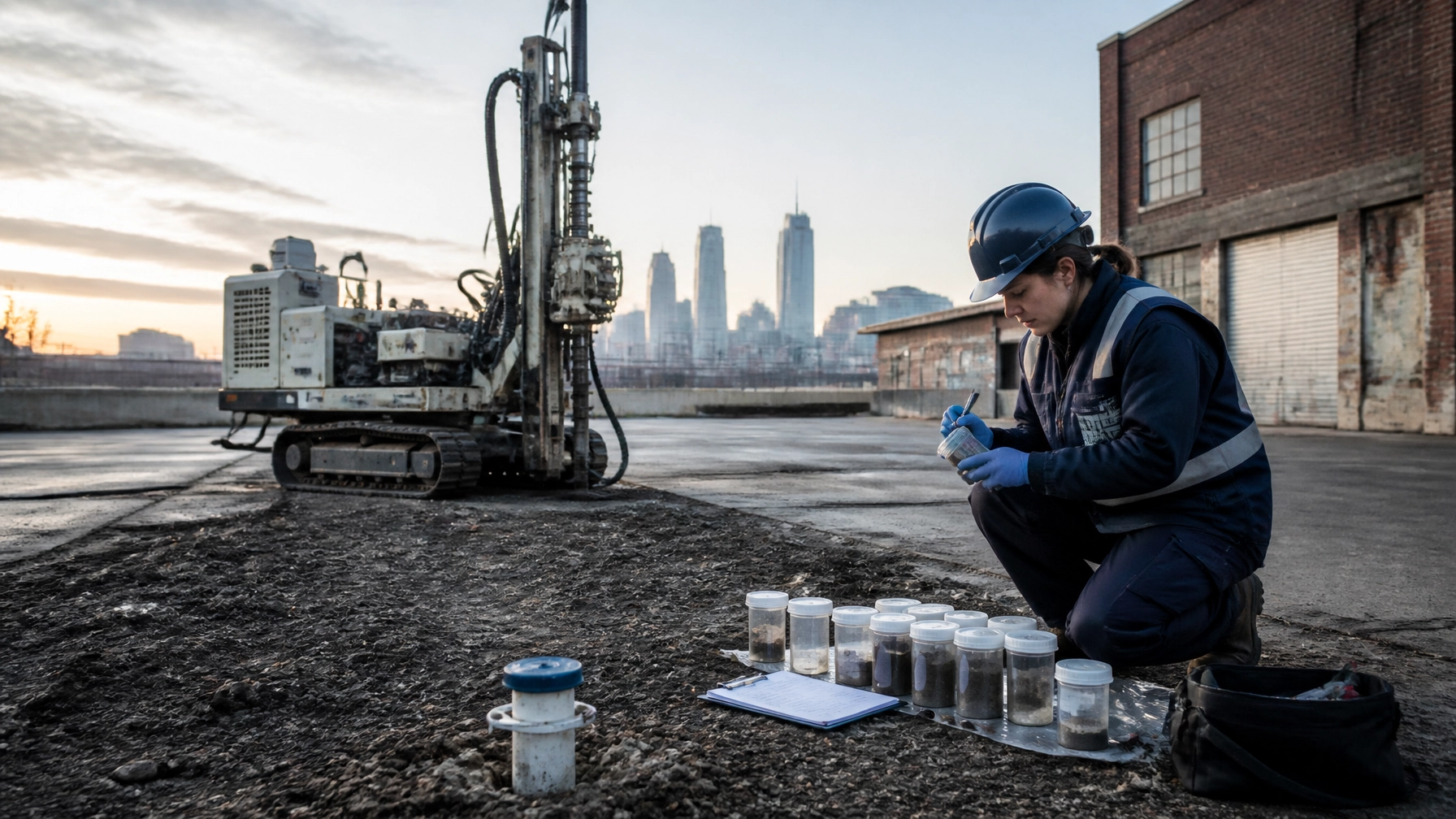
A Phase I ESA completed before closing can support Bona Fide Prospective Purchaser protection under CERCLA. It does not create a permanent shield.
After acquisition, the buyer must continue meeting specific obligations. Those obligations apply to contaminated and potentially contaminated properties in New York, New Jersey, and throughout the United States. They also matter to developers, lenders, attorneys, tenants, and future buyers relying on the original transaction record.
The basic rule is straightforward:
A buyer must perform All Appropriate Inquiries before acquisition, then continue to manage the property responsibly after closing.
For developers evaluating industrial, commercial, or brownfield property, this is a core part of environmental due diligence for developers in New Jersey.
BFPP protection starts before closing, but it does not end there
The Brownfields Amendments to CERCLA created liability protections for certain buyers who acquire property with knowledge of contamination. A Bona Fide Prospective Purchaser may qualify for protection from owner or operator liability even when the buyer knows, or has reason to know, that contamination exists.
The protection comes from CERCLA Sections 101(40) and 107(r). The buyer must satisfy threshold requirements before closing and continuing obligations after closing. The U.S. Environmental Protection Agency explains the BFPP criteria and continuing obligations here.
The 2018 Brownfields Utilization, Investment, and Local Development Act, commonly called the BUILD Act, expanded the BFPP framework to address certain leasehold interests. It did not eliminate the buyer’s ongoing responsibilities. A qualifying lessee still must avoid activities that compromise the property’s environmental protections.
This distinction matters in a transaction. A buyer cannot treat BFPP status as a document received at closing. It is a position that must be supported through conduct, records, and property management for as long as the buyer relies on the protection.
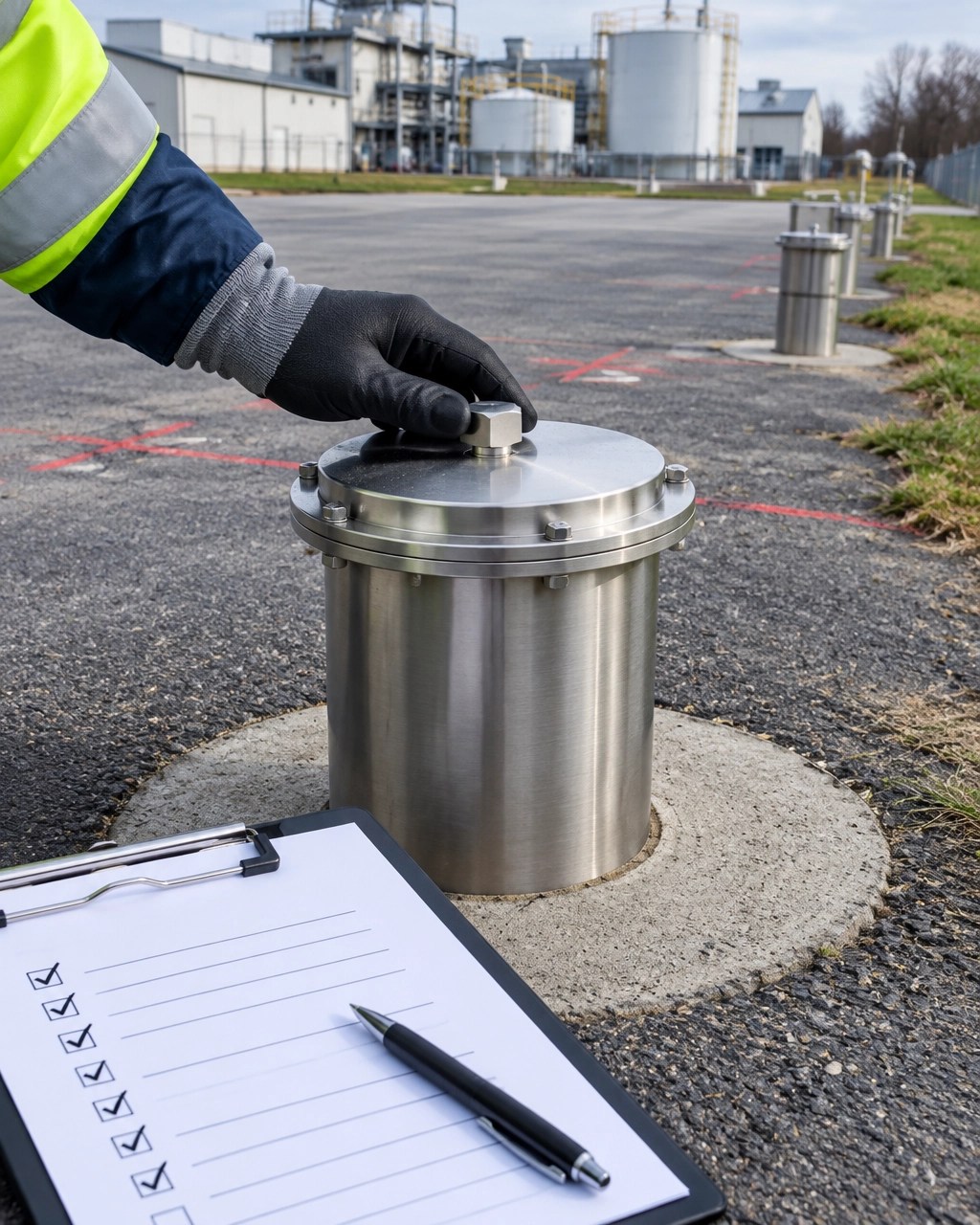
What ASTM E1527-21 and AAI actually do
ASTM E1527-21 provides the current framework for a Phase I ESA that can satisfy EPA’s All Appropriate Inquiries rule under 40 CFR Part 312.
AAI evaluates the property’s past and present uses, ownership history, regulatory records, environmental conditions, and potential releases of hazardous substances. It also includes a site inspection, interviews, and an environmental professional’s conclusions.
EPA states that:
- AAI must be conducted or updated within one year before acquisition.
- Certain components must be completed or updated within 180 days before acquisition.
- The written inquiry must be documented and signed by a qualified environmental professional.
- The buyer must provide relevant information in its possession, including environmental liens, activity and use limitations, and specialized knowledge.
The EPA’s AAI guidance provides the federal timing and documentation requirements. The eCFR requirements for AAI provide the governing regulatory framework.
A critical point is often missed: AAI is a pre-acquisition inquiry. You cannot close on a property without the required inquiry and then cure the failure by ordering a Phase I ESA after closing.
After closing, the focus changes. You are no longer updating AAI to preserve the original transaction. You are documenting conditions, managing risk, and satisfying the continuing obligations that support BFPP protection.
The five continuing obligations buyers must manage
1. Take reasonable steps to address contamination
CERCLA requires a BFPP to exercise appropriate care with respect to hazardous substances. This means taking reasonable steps to:
- Stop continuing releases.
- Prevent threatened future releases.
- Prevent or limit exposure to hazardous substances.
- Protect people, the environment, and natural resources from known contamination.
Reasonable steps depend on the site. They may include:
- Maintaining a soil cap, pavement, liner, or cover system.
- Securing contaminated areas and restricting unauthorized access.
- Maintaining vapor mitigation or sub-slab depressurization systems.
- Controlling dust, stormwater, erosion, and contaminated runoff.
- Inspecting groundwater monitoring wells.
- Managing contaminated soil during excavation.
- Responding promptly to new spills, odors, staining, or damaged controls.
Reasonable steps do not always require a complete cleanup. They do require a practical response based on what the owner knows, the site conditions, the proposed use, and the owner’s ability to control the property.
A developer who discovers that a cap has been damaged during utility work cannot simply note the condition in a file. The developer should evaluate the damage, protect the area, notify the appropriate parties, restore the control, and document each step.
2. Do not cause a new disposal or release
A BFPP must show that no disposal of hazardous substances occurred at the facility after acquisition.
This does not mean a developer can never disturb soil. It means that excavation, stockpiling, dewatering, demolition, utility work, and construction must be planned and controlled. Improper handling can create a new release or exposure pathway.
A post-closing soil management plan should address:
- Excavation limits and soil staging areas.
- Soil characterization and waste profiling.
- Clean fill placement.
- Dust and stormwater controls.
- Truck routes and load tracking.
- Disposal or reuse documentation.
- Spill response procedures.
- Contractor responsibilities.
This is where environmental oversight must connect with civil design and construction management. A report alone will not protect a project if field activities create new problems.
3. Cooperate, provide access, and respond to inquiries
BFPPs must provide full cooperation, assistance, and access to persons authorized to conduct response actions or natural resource restoration.
In practice, this may include:
- Allowing agency, consultant, or responsible-party access.
- Preserving environmental records.
- Sharing sampling data, site plans, and construction records.
- Coordinating with an existing remediation program.
- Responding to EPA, NYSDEC, or NJDEP information requests.
- Avoiding actions that interfere with investigation or cleanup.
A developer should identify an internal contact for environmental inquiries. That person should maintain a current record of agency correspondence, consultant reports, permits, inspection logs, and contractor documentation.
Fast response matters. An unanswered agency letter or missed access request can create avoidable questions about whether the owner is cooperating.

4. Follow land use restrictions and institutional controls
Many brownfield remedies leave some contamination in place. When that happens, the remedy may depend on institutional controls and engineering controls.
Examples include:
- Deed restrictions.
- Environmental easements.
- Deed notices.
- Groundwater use restrictions.
- Prohibitions on residential use.
- Soil excavation restrictions.
- Vapor mitigation requirements.
- Soil caps, pavement, liners, or building slabs.
- Classification Exception Areas and Well Restriction Areas in New Jersey.
- Site Management Plans and periodic reporting requirements.
The owner must comply with these restrictions and must not impair their effectiveness.
In New Jersey, a NJDEP Site Remediation Program case may involve an LSRP, Deed Notice, Remedial Action Permit, Site Management Plan, or groundwater control. The specific obligations depend on the remedy and site conditions.
In New York, a property may be subject to NYSDEC-approved institutional controls, environmental easements, site management requirements, or Brownfield Cleanup Program obligations. The documents recorded or approved for the site control what future owners, tenants, and contractors may do.
Before construction begins, the developer should turn those controls into field instructions. The restrictions should appear in civil plans, excavation specifications, contractor scopes, tenant materials, and inspection checklists.
A Phase I ESA does not protect you from everything
A Phase I ESA supports liability protection. It does not guarantee that contamination will never be found. It does not eliminate state liability. It does not replace remediation, permitting, or construction controls.
A Phase I ESA does not protect a buyer from:
- A release caused after closing.
- Improper handling of contaminated soil.
- Failure to maintain an engineering control.
- Violation of a deed notice or environmental easement.
- Interference with an agency response action.
- Failure to provide access or information.
- Failure to provide legally required notices.
- An affiliation with a liable party that disqualifies the buyer.
- New contamination introduced by tenants, contractors, or operators.
- Construction that creates an exposure pathway or damages a remedy.
The report is evidence of what was investigated before closing. It is not a substitute for ongoing environmental management.
Do you need a post-acquisition AAI update?
Usually, not to preserve BFPP status from the original acquisition.
AAI is tied to the acquisition date. The one-year and 180-day timing requirements apply before the purchase. A Phase I completed after closing cannot retroactively satisfy AAI for that transaction.
However, a post-closing environmental review is still good risk management. It should be considered when:
- New contamination is discovered.
- Site operations change.
- A tenant begins handling hazardous substances.
- Construction will disturb soil or groundwater.
- An engineering control is modified.
- The property is refinanced or sold.
- A new leasehold interest is created.
- The lender requires current environmental information.
- An agency requests updated documentation.
A future sale or refinancing may require a new Phase I ESA under ASTM E1527-21. A new transaction creates a new diligence event. It does not make the original report permanent.
Put continuing obligations into the deal documents
The strongest environmental compliance programs make obligations visible to everyone who controls the property.
Lease agreements
Leases should address:
- Prohibited uses and hazardous substance handling.
- Tenant spill reporting.
- Access for inspections and remediation.
- Maintenance of vapor or groundwater systems.
- Compliance with deed notices and environmental easements.
- Restoration obligations at lease termination.
- Indemnification and insurance requirements.
The BUILD Act expanded the BFPP framework for certain lessees, but lease language still matters. A tenant’s actions can create operational, financial, and legal exposure for the ownership group.
Loan covenants
Loan documents may require:
- Ongoing compliance with environmental laws.
- Delivery of environmental reports.
- Notice of releases or agency inquiries.
- Maintenance of institutional and engineering controls.
- Access for lender inspections.
- Corrective action after a violation.
- Environmental insurance or financial assurances.
The lender’s requirements often overlap with BFPP continuing obligations. Aligning the documents avoids gaps between the borrower, property manager, tenant, and consultant.
Site Management and O&M plans
An effective Site Management or Operations and Maintenance plan should identify:
- Each engineering control and its location.
- Inspection frequency.
- Maintenance procedures.
- Responsible personnel.
- Contractor restrictions.
- Sampling and monitoring requirements.
- Agency reporting deadlines.
- Emergency response procedures.
- Record retention requirements.
- Annual or periodic certifications.
Envicon supports these requirements through NJ LSRP services, remediation oversight, Site Management Plans, environmental monitoring, and regulatory coordination.

A practical post-closing checklist for developers
After closing, the ownership team should:
- Confirm that the final Phase I ESA, title records, environmental lien search, and AAI documentation are complete.
- Create a property-specific continuing obligations register.
- Identify every deed restriction, environmental easement, deed notice, CEA, WRA, permit, and engineering control.
- Assign responsibility for inspections, maintenance, reporting, and agency communication.
- Add environmental obligations to leases, loan covenants, contractor scopes, and construction plans.
- Establish soil, groundwater, dust, stormwater, and spill response procedures.
- Document inspections with dated photographs, field notes, and corrective action records.
- Reassess the file before refinancing, selling, rezoning, or beginning major construction.
- Engage an environmental professional or LSRP when site conditions or regulatory obligations change.
For developers working in Hudson County, Jersey City, Newark, or other New Jersey markets, local regulatory knowledge makes a difference. Envicon’s Hudson County team works across environmental due diligence, remediation, civil engineering, and construction oversight.
The takeaway
BFPP protection is not a one-time report. It is a continuing standard of care.
ASTM E1527-21 and AAI help establish the buyer’s position before closing. After closing, the buyer must manage releases, maintain controls, cooperate with regulators, honor land use restrictions, and keep clear records.
The developers who protect their investment treat these obligations as part of the project delivery plan. They do not leave them buried in a Phase I appendix.
At Envicon, we help clients move from environmental findings to clear action. We combine direct senior oversight, field documentation, regulatory coordination, and practical construction support. That is how complex properties become compliant, buildable assets.
Call to Action