Envicon Group
Water, Stormwater & Dewatering

“Current” Events: What Hurricane Erin Uncovered for NY/NJ

Jason C. Pancoast, P.E.

CEO and Principal-In-Charge

November 12, 2026
3 min read

Hurricane Erin has now long faded into the Atlantic Ocean. Though it remained offshore, its powerful presence was felt strongly in our region. With rip currents roaring and coastal flooding warnings in place, the visible aftermath may seem minimal, but for the environmental engineering community, the deeper implications are only beginning to surface.

Hidden Impacts Beneath the Surface

While streets have dried and waves have settled, the storm exposed underlying vulnerabilities. Coastal systems, shorelines, and urban infrastructure do not just endure weather, they reveal latent weaknesses when stress-tested.

Contaminated Groundwater and Legacy Sites

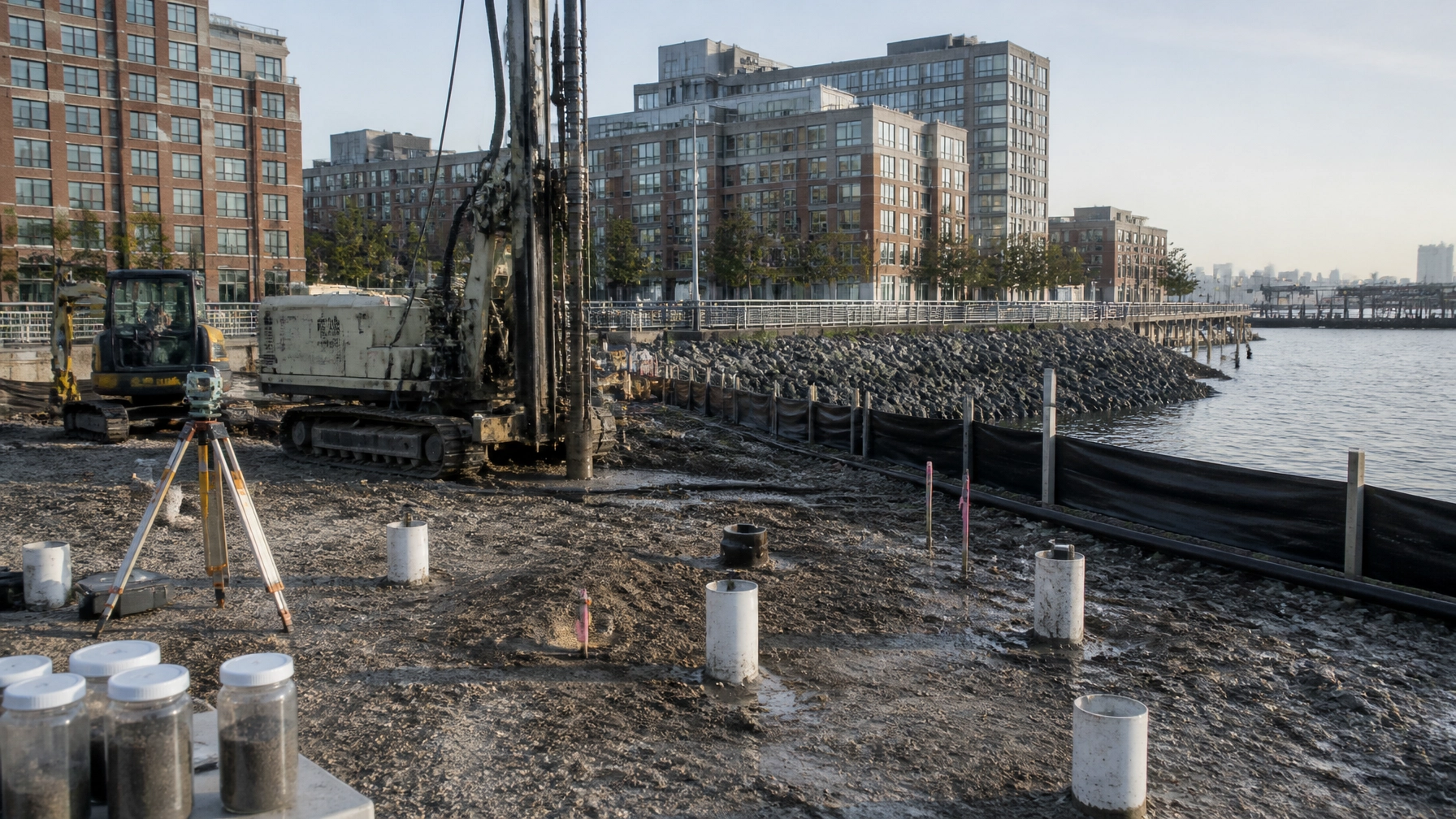
Though flooding in NY/NJ was not as extensive as feared, coastal surge and rain saturation may have infiltrated brownfield and industrial sites. These conditions risk destabilizing legacy contaminants such as heavy metals, petroleum byproducts, and solvents, mobilizing them toward stormwater systems and wetlands. Regulatory agencies such as NYSDEC and NJDEP are likely to scrutinize site conditions in the storm’s aftermath.

Stormwater Infrastructure Under Strain

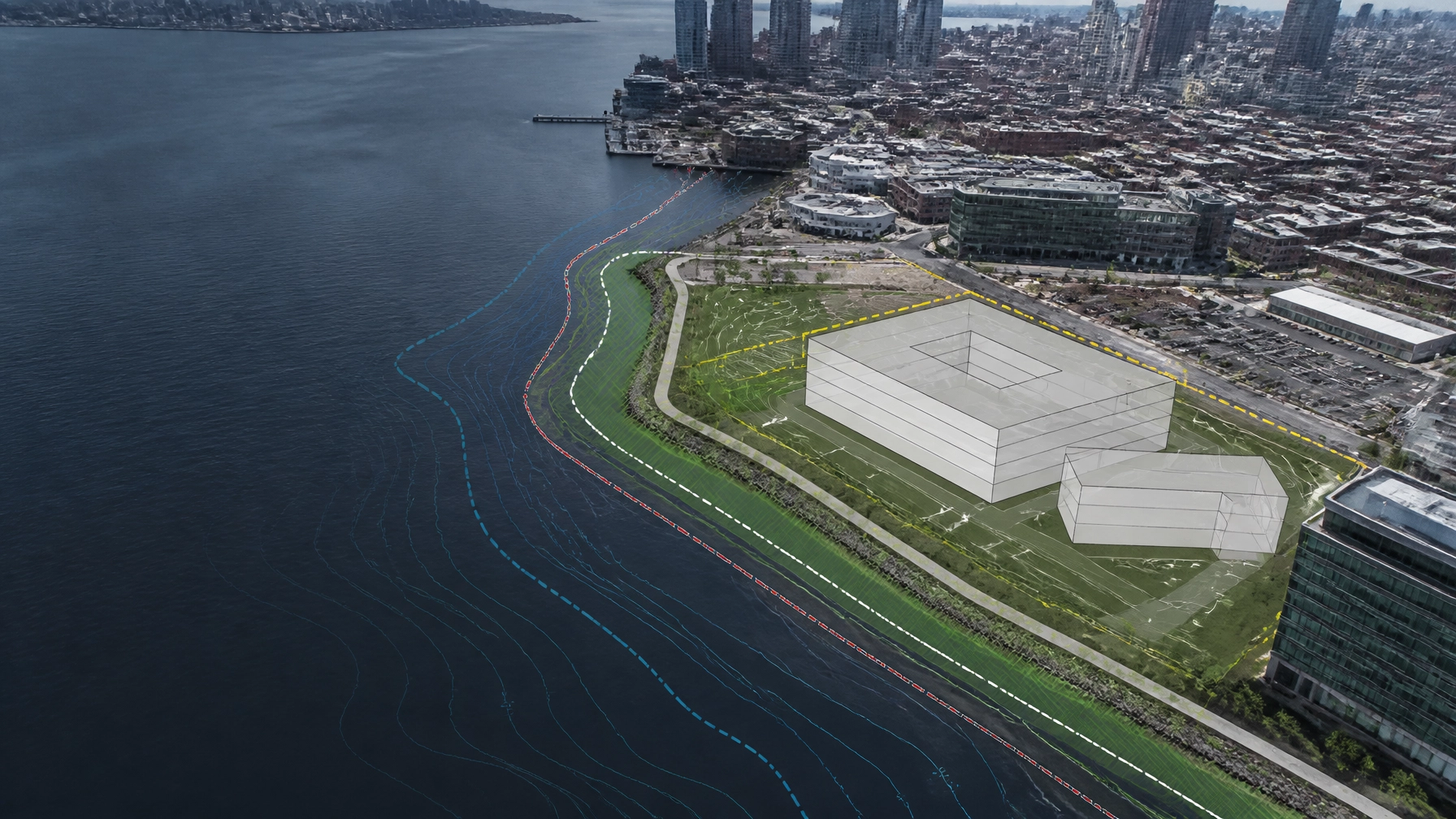
Erin’s offshore trajectory spared us from catastrophic flooding. However, the high surf, erosion, and flash advisories underscore that our stormwater systems and drainage plans remain ill-adapted to high-impact events. Planning must shift from reactive compliance to proactive resilience.

Vapor Intrusion Risks Remain Relevant

Although Erin’s impacts were largely coastal, any groundwater fluctuations or increased saturation across industrial corridors may exacerbate vapor intrusion risks. Sites previously considered closed could now warrant a second look under updated NYSDEC guidance.

Resilience Must Be Built In

Erin’s near-miss serves as a high-stakes warning. “Resilience” must evolve from a buzzword into actionable infrastructure. Passive flood defenses, redundant drainage, and resilient materials should be staples in new designs. With FEMA maps and zoning under review, developers who invest in resilience now will save exponentially later.

Data-Driven Response Is Essential

The storm highlighted that time-sensitive data, not static reports, is essential. As conditions evolve, the ability to monitor soil, groundwater, and structural integrity in real time is a competitive advantage. Envicon’s emphasis on rapid, actionable data positions clients to act decisively when it matters most.

The Bottom Line

Erin may not have made landfall, but its offshore power revealed that even near misses can test our systems. For NY/NJ, it is a timely wake-up call. The message for developers is clear: legacy due diligence is no longer enough. Post-storm groundwater and vapor testing should become part of standard redevelopment protocols. Municipalities, meanwhile, must look beyond FEMA maps and embrace predictive stormwater modeling. Property owners who incorporate passive resilience measures now will see higher asset value and lower insurance risk. Now is the moment to reassess, reinforce, and respond with smarter, faster, and future-ready strategies.
Stay Updated

Get the latest environmental engineering insights delivered to your inbox.

No spam. Unsubscribe anytime.

Initializing security...

Related Articles

Monmouth County NJ Land Use and Environmental Review 2026: CAFRA, Wetlands, Tidelands, and Fort Monmouth Redevelopment
Water, Stormwater & Dewatering

Monmouth County NJ Land Use and Environmental Review 2026: CAFRA, Wetlands, Tidelands, and Fort Monmouth Redevelopment

Monmouth County NJ Land Use and Environmental Review 2026: CAFRA, Wetlands, Tidelands, and Fort Monmouth Redevelopment Meta description: A technical guide for developers on CAFRA, coastal wetlands, tidelands instruments, freshwater wetlands, and Fort Monmouth redevelopment in Monmouth County, New Jersey. Monmouth County development does not follow a SEQRA or CEQR review pathway. Those […]

Sediment and Waterfront Remediation NY and NJ 2026: MGP Residuals, Bulkheads, and Dredge Material Management
Remediation & Brownfields

Sediment and Waterfront Remediation NY and NJ 2026: MGP Residuals, Bulkheads, and Dredge Material Management

A waterfront parcel in Jersey City, Bayonne, Newark, Brooklyn, or Queens rarely has a single environmental problem. The shoreline may contain manufactured gas plant residuals, coal tar, PAH-impacted sediment, historic fill, buried debris, and decades of industrial discharge. The bulkhead may be structurally compromised. The seabed may require dredging or capping. Tidelands, riparian rights, wetlands, […]

Environmental Consultant Hoboken NJ: Phase I ESA, Flood, Historic Fill, and Transaction Risk
Due Diligence & Phase I/II ESA

Environmental Consultant Hoboken NJ: Phase I ESA, Flood, Historic Fill, and Transaction Risk

A Hoboken property transaction can look straightforward on paper and still carry environmental, flood, subsurface, or permitting risks that affect price, financing, and schedule. A credible environmental consultant in Hoboken NJ should do more than deliver a Phase I report. The work should connect environmental findings to the decisions you need to make before closing, […]

New York EIS Timeline 2026: One-Year and Two-Year SEQRA Planning for Manhattan and Brooklyn Projects
Regulatory Updates

New York EIS Timeline 2026: One-Year and Two-Year SEQRA Planning for Manhattan and Brooklyn Projects

For developers planning a Manhattan or Brooklyn project, the New York EIS timeline 2026 now has clearer statutory benchmarks. New York’s 2026 SEQRA changes establish a one-year outside period for the lead agency to determine whether an Environmental Impact Statement is required. For qualifying permit or authorization actions, the agency must generally prepare and make […]

New Jersey Flood Hazard Area Permit Completeness: What REAL Rule Applications Need Before NJDEP Review
Water, Stormwater & Dewatering

New Jersey Flood Hazard Area Permit Completeness: What REAL Rule Applications Need Before NJDEP Review

A New Jersey flood permit does not become complete just because it was uploaded to NJDEP. For waterfront and flood-zone projects in Jersey City, Hoboken, Bayonne, Newark, Hudson County, Bergen County, and Essex County, NJDEP must have enough reliable information to evaluate the regulated activity. That means more than an application form. It means verified […]

Need Expert Guidance?

Our team can help you navigate complex environmental challenges.