
The environmental site assessment game just changed dramatically. EPA's April 2024 designation of PFOA and PFOS as CERCLA hazardous substances isn't just another regulatory update: it's fundamentally reshaping how lenders evaluate environmental risk in commercial real estate transactions.
If you're still using pre-2024 Phase II ESA protocols, you're leaving money on the table and potentially exposing your clients to significant liability. Here's what every developer, lender, and environmental consultant in the NY/NJ market needs to know about the new PFAS requirements heading into 2026.
The CERCLA Game-Changer: What Actually Happened
When EPA designated perfluorooctanoic acid (PFOA) and perfluorooctanesulfonic acid (PFOS) as hazardous substances under CERCLA, it triggered immediate changes to All Appropriate Inquiries (AAI) investigations. This isn't just academic: it directly impacts your liability protection and access to EPA Brownfields grants.
The critical shift: Phase I ESAs completed before this designation may no longer satisfy AAI requirements for CERCLA liability protection. ASTM E1527-21 Appendix X6.10 now requires evaluation of emerging contaminants designated as CERCLA hazardous substances, which includes PFOA and PFOS.
For Phase II ESAs, this means your sampling protocols, laboratory analysis, and reporting standards must now account for these "forever chemicals" to meet lender expectations and regulatory requirements.

What Lenders Are Actually Looking For in 2026
Lenders aren't just asking for PFAS testing: they're demanding comprehensive risk evaluation that demonstrates you understand the regulatory landscape and potential future liabilities. Based on our recent transactions across NYC and New Jersey, here's what's becoming standard:
Enhanced Historical Review Requirements:
- Documentation of any historical dry cleaning operations within 1,000 feet
- Fire training facilities or firefighting foam usage history
- Industrial coating or electroplating operations
- Wastewater treatment facilities and biosolids application areas
- Military installations or airports within a 2-mile radius
Expanded Groundwater Sampling Protocols:
- PFAS testing at all monitoring wells, not just downgradient locations
- Surface water sampling if the site is within 500 feet of water bodies
- Soil sampling at the vadose zone/groundwater interface
- Background/upgradient sampling to establish baseline conditions
The 2026 Lender-Ready Phase II ESA Checklist
Pre-Investigation Requirements
□ Updated Phase I ESA Compliance: Verify your Phase I ESA meets post-April 2024 AAI requirements with specific PFOA/PFOS evaluation
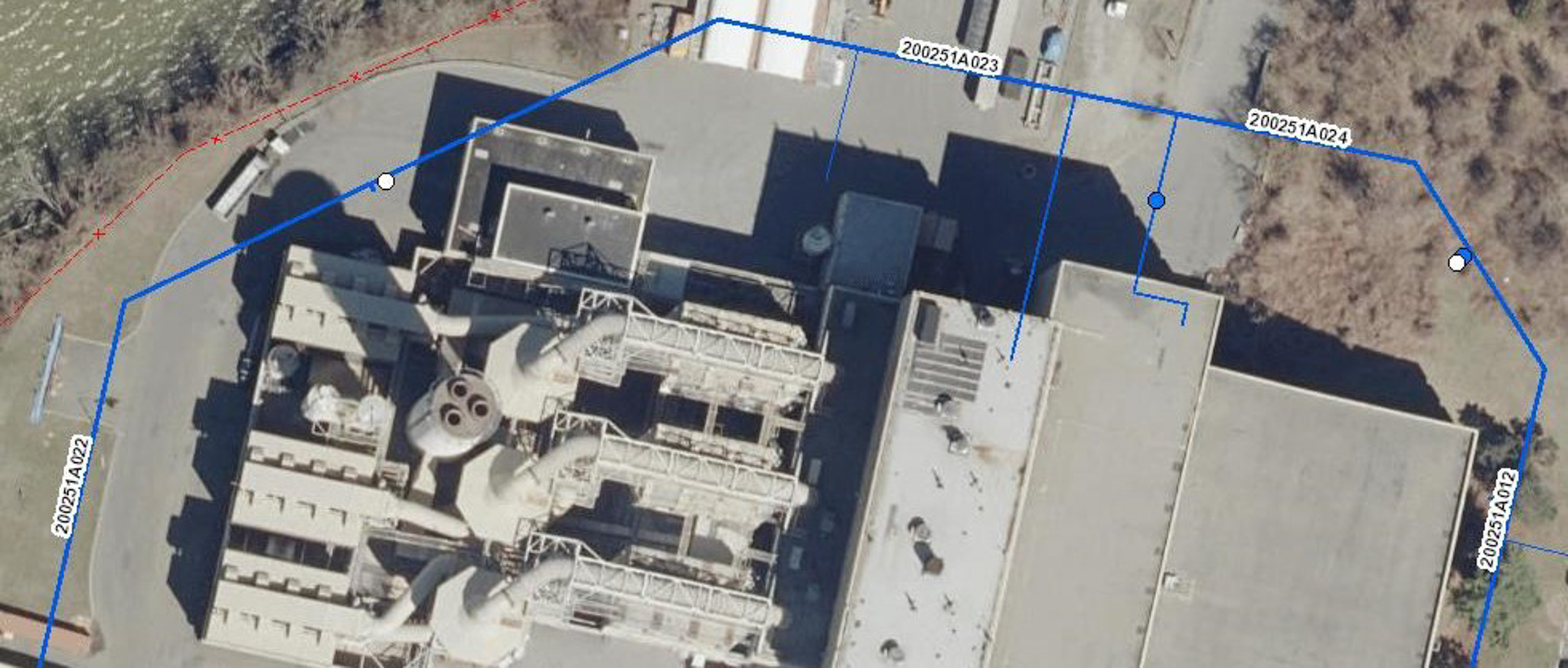
□ PFAS-Specific Historical Research: Document all potential PFAS sources within a 1-mile radius, including:
- Fire departments and training facilities
- Airports and military installations
- Industrial facilities using PFAS-containing materials
- Wastewater treatment plants and landfills
□ Regulatory Database Expansion: Include PFAS-specific databases beyond standard EDR reports
Field Investigation Standards
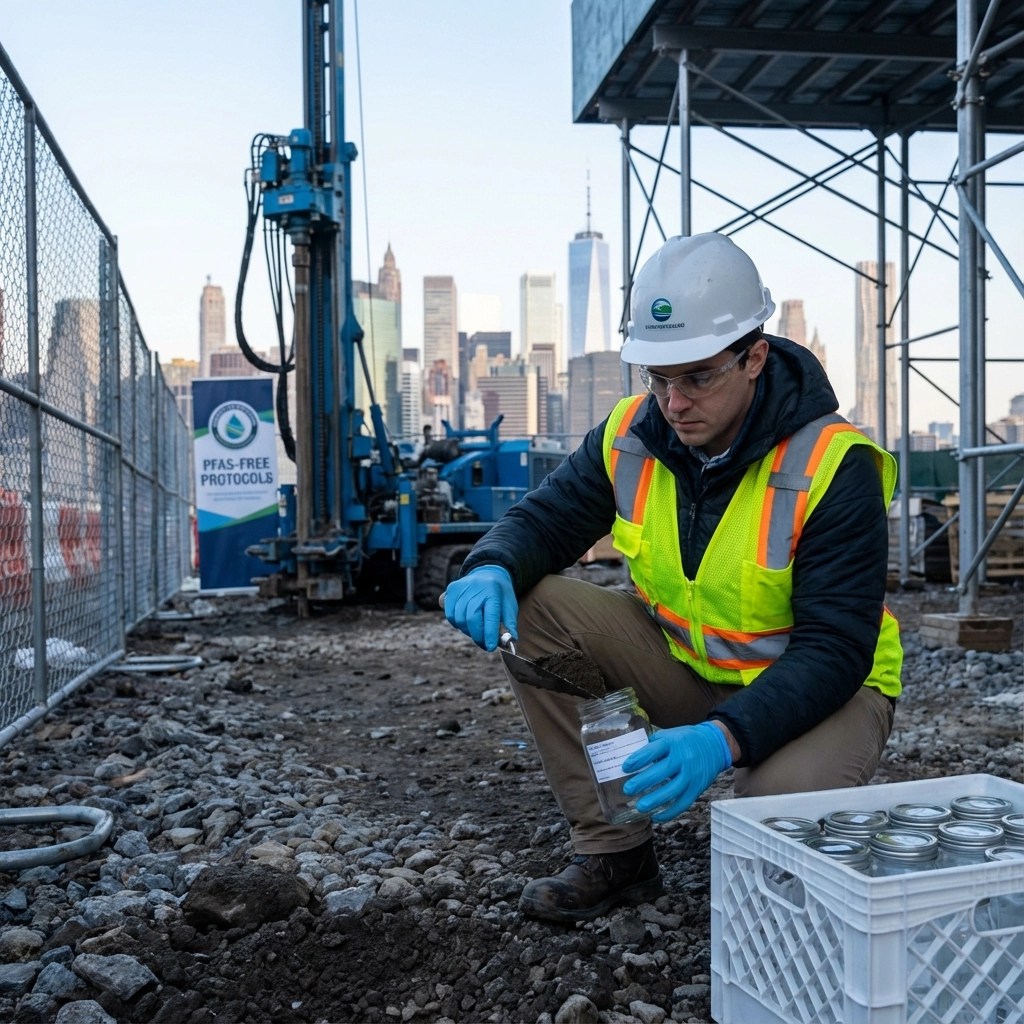
□ Comprehensive Soil Sampling:
- Collect samples from 0-2 feet (surface), 2-4 feet (subsurface), and at groundwater interface
- Include background/reference samples from upgradient areas
- Use appropriate sampling containers (PFAS-free) and chain-of-custody protocols
□ Groundwater Assessment Protocol:
- Sample all existing monitoring wells for PFAS analysis
- Install additional wells if plume delineation is incomplete
- Include upgradient background wells for comparison
□ Surface Water Considerations:
- Sample any on-site surface water bodies or nearby receptors
- Document potential migration pathways to sensitive receptors
Laboratory Analysis Requirements
□ EPA Method 537.1: Drinking water analysis for 18 PFAS compounds (minimum requirement)
□ EPA Method 1633: Expanded analysis covering 40+ PFAS compounds (recommended for comprehensive assessment)
□ Quality Assurance Protocols:
- Use certified laboratories with PFAS-specific accreditation
- Include method blanks, duplicates, and matrix spike recoveries
- Document detection limits meeting regulatory action levels
Reporting and Documentation Standards
□ Regulatory Threshold Comparison: Compare results to EPA's maximum contaminant levels (4 ppt for PFOA, 4 ppt for PFOS)
□ Risk Assessment Integration: Include PFAS in human health and ecological risk evaluations
□ Future Liability Discussion: Address potential regulatory changes and emerging PFAS compounds
□ Remediation Cost Estimates: Provide preliminary treatment cost estimates if contamination is detected
NY/NJ Specific Considerations
New York State Requirements
The New York State Department of Environmental Conservation (NYSDEC) is developing PFAS guidance that will likely exceed federal minimums. Current expectations include:
- PFAS testing at all Brownfield Cleanup Program (BCP) sites
- Enhanced groundwater monitoring for E-Designation properties with environmental restrictions
- Integration with NYC DEP requirements for development near water supply infrastructure
New Jersey Developments
New Jersey is ahead of the federal curve with established Maximum Contaminant Levels (MCLs) for PFOA (14 ppt) and PFOS (13 ppt) in groundwater. The New Jersey Department of Environmental Protection (NJDEP) requires:
- Licensed Site Remediation Professional (LSRP) oversight for sites with PFAS contamination above MCLs
- Integration with Industrial Site Recovery Act (ISRA) requirements
- Vapor intrusion assessments for PFAS in groundwater
Common Mistakes That Kill Deals
Insufficient Background Sampling: Lenders are rejecting reports that don't establish clear background conditions. Without upgradient or off-site reference samples, you can't demonstrate whether contamination is site-related or regional.
Laboratory Limitations: Using labs without proper PFAS accreditation or detection limits above regulatory thresholds creates gaps in due diligence that sophisticated lenders won't accept.
Incomplete Plume Delineation: PFAS plumes can extend significantly beyond traditional contaminant boundaries. Incomplete characterization leaves open questions about off-site liability and remediation costs.
Implementation Strategy: Next Steps
For Active Transactions: If you have Phase II ESAs in progress or recently completed without PFAS analysis, consider supplemental investigations before loan closing. The cost of additional sampling is minimal compared to potential liability exposure or deal delays.
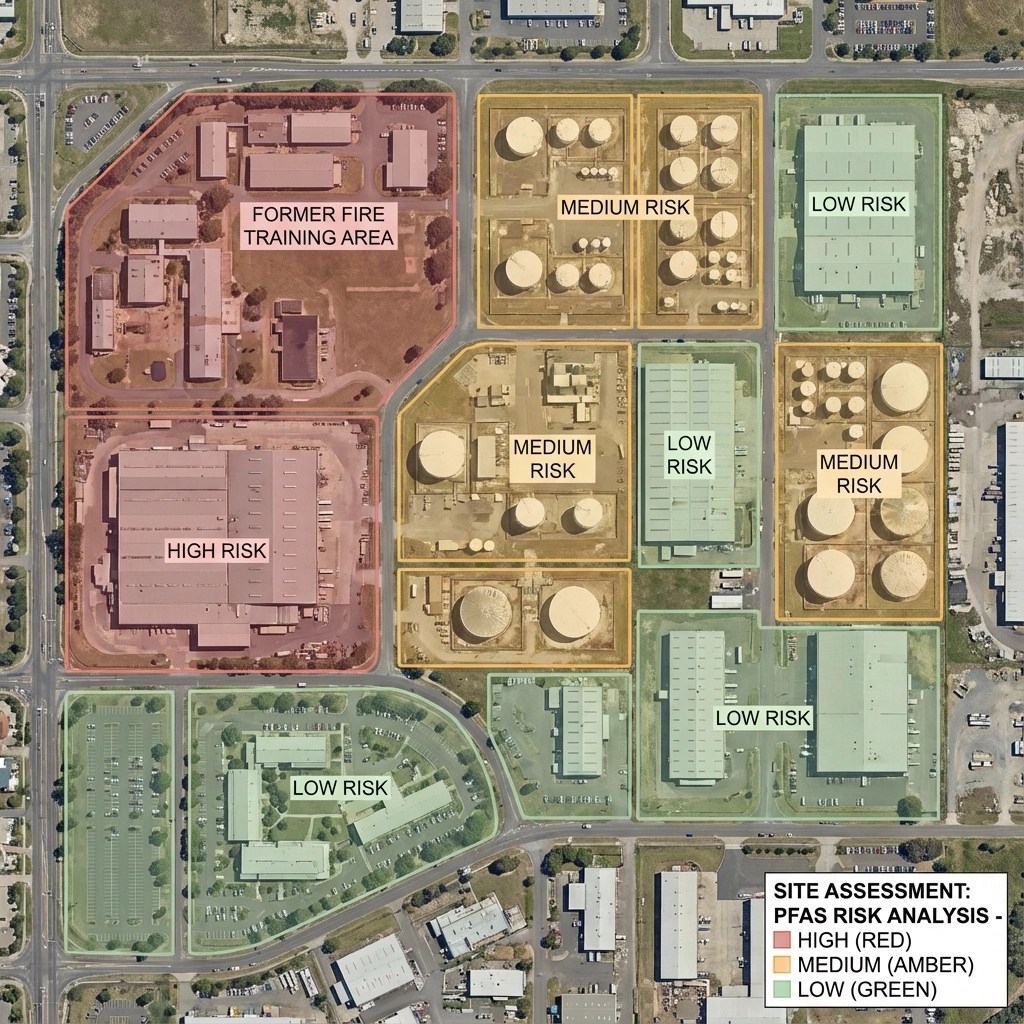
For Portfolio Management: Prioritize PFAS assessment at properties with historical industrial use, fire training areas, or proximity to airports and military installations. These represent the highest-risk locations for PFAS contamination.
Regulatory Monitoring: Subscribe to EPA and state agency updates for emerging PFAS regulations. The regulatory landscape is evolving rapidly, with new compounds and lower action levels expected.
Looking Ahead: The 2026 Reality
PFAS requirements in Phase II ESAs aren't going away: they're becoming more stringent. EPA is evaluating additional PFAS compounds for CERCLA designation, and state regulations are tightening detection limits and expanding testing requirements.
Lenders are increasingly sophisticated about environmental risk, and PFAS represents a significant component of long-term liability exposure. Properties with incomplete PFAS characterization will face increasing difficulty securing favorable financing terms.
The firms that adapt quickly to these new requirements will have a competitive advantage in securing projects and maintaining lender relationships. Those that don't risk being left behind as the market evolves.
The bottom line: 2026 isn't just about compliance: it's about positioning your projects for successful financing in an increasingly complex regulatory environment. The PFAS requirements aren't optional anymore; they're the new standard for professional environmental due diligence.
Ready to ensure your Phase II ESAs meet 2026 lender requirements? The regulatory landscape is complex, but the path forward doesn't have to be. Contact our team to discuss how we're helping clients navigate these new PFAS requirements and maintain competitive advantage in today's market.