The July 20, 2027 deadline is proposed, not automatic
New Jersey developers working in Jersey City, Hoboken, Bayonne, Hudson County, Bergen County, and the Newark waterfront need to separate two issues:
- What NJDEP has proposed.
- What the final rules legally allow for a specific project.
NJDEP adopted the NJPACT Resilient Environment and Landscapes, or REAL, amendments on January 20, 2026. The amendments changed major requirements under:
- Coastal Zone Management, N.J.A.C. 7:7
- Freshwater Wetlands Protection Act, N.J.A.C. 7:7A
- Stormwater Management, N.J.A.C. 7:8
- Flood Hazard Area Control Act, N.J.A.C. 7:13
The original 180-day legacy period was scheduled to end on July 20, 2026. On June 1, 2026, NJDEP published a proposal to extend that period to July 20, 2027.
NJDEP described the proposal as an effort to allow time to evaluate targeted amendments that could simplify or streamline permit reviews. The agency’s official rulemaking notice states that the proposed extension would preserve the opportunity for qualifying applications to receive review under the pre-REAL framework.
As of September 2026, this remains a rulemaking and implementation issue. Developers should not treat the proposed extension as a blanket entitlement. Final legal reliance requires current confirmation from NJDEP, along with project-specific review by qualified environmental and engineering professionals.
What NJ REAL legacy provisions 2027 are intended to do
The proposed extension would give qualifying applicants additional time to submit applications that can be reviewed under the rules in effect before the January 20, 2026 REAL adoption.
The proposed legacy deadline is:
July 20, 2027
The date matters for projects where the pre-REAL standards affect flood elevations, stormwater design, coastal development standards, wetlands impacts, transition areas, or other technical requirements.
The legacy concept generally applies to specified full-review permits and approvals, including:
- Coastal Zone Management individual permits
- Coastal Zone Management general permits
- Freshwater wetlands individual permits
- Freshwater wetlands general permits
- Freshwater wetlands Letters of Interpretation
- Freshwater wetlands transition area waivers
- Certain Flood Hazard Area individual permits
- Certain Flood Hazard Area general permits and verifications
- Water Quality Certificates
- Other qualifying approvals identified in NJDEP’s legacy guidance
Eligibility depends on the rule chapter, permit type, project facts, and the applicable legacy scenario. A project in a Jersey City flood zone cannot qualify simply because it is waterfront or because the applicant began design work before REAL took effect.
The controlling question is whether the project fits an eligible pathway and whether the application package meets NJDEP’s completeness requirements.
Review the NJDEP REAL rule amendment page and the agency’s REAL legacy guidance before selecting a filing strategy.
What “complete” means for an NJ coastal development application
For legacy purposes, “complete” is more than uploading a partially finished application.
A complete application must be both:
- Administratively complete
- Technically complete
That normally means the submittal includes the required forms, ownership information, certifications, plans, reports, calculations, maps, supporting studies, agency-specific attachments, and fees.
For a flood hazard or coastal application, the technical package may need to address:
- Existing and proposed ground elevations
- Flood hazard area limits
- Floodway or riparian zone constraints, where applicable
- Base flood elevations and design elevations
- Proposed grading and fill
- Building and foundation information
- Compensatory storage or flood mitigation measures, where applicable
- Drainage calculations
- Stormwater management design
- Wetlands boundaries and transition areas
- Coastal zone impacts
- Construction sequencing
- Erosion and sediment control
- Utility crossings and infrastructure impacts
- Wetland, waterfront, or water quality impacts
- Supporting surveys and environmental reports
The administrative package also matters. Missing ownership certifications, authorization documents, fees, signatures, or required attachments can create a completeness problem even when the engineering appears sound.
For CAFRA-related individual permits, NJDEP guidance uses a higher review threshold tied to being complete for public hearing or public comment. That distinction can affect waterfront applications in Hoboken, Jersey City, Bayonne, and Newark.
NJDEP may not need to issue its formal completeness determination on the same day the application is submitted. However, the package should be complete enough to support an eventual determination. Waiting until July 20, 2027 to discover that a required study or fee is missing creates unnecessary risk.
Permits by registration and general permits by certification are different
The REAL legacy extension does not provide a way to preserve every former permit pathway.
Developers need to distinguish traditional full-review applications from newer authorization mechanisms, including:
- Permits by registration
- General permits by certification
- New or amended exemptions
These pathways are part of the post-REAL framework. They are not a back door to pre-REAL review.
For example, certain activities previously handled under permits by rule were recodified or reorganized under the REAL amendments. Depending on the activity, the current pathway may involve a permit by registration or a general permit by certification.
Those authorizations are generally governed by the REAL requirements that became effective on January 20, 2026. They should not be presented as legacy-eligible individual or general permit applications.
This distinction is especially important for waterfront improvements, minor coastal work, flood hazard activities, docks, utility work, and projects that appear routine but affect regulated areas.
Before preparing a filing, confirm:
- Whether the activity qualifies for an exemption
- Whether a permit by registration applies
- Whether a general permit by certification applies
- Whether a traditional general permit is required
- Whether an individual permit is necessary
- Whether multiple approvals must be submitted together
A permit classification error can force redesign, delay agency review, and create conflicts between local approvals and NJDEP requirements.

Flood hazard, coastal, wetlands, and stormwater rules overlap
A Jersey City flood permit under legacy rules cannot be evaluated in isolation.
A single waterfront project may involve all four REAL-related rule chapters. The site may also require local planning, zoning, building, utility, and municipal stormwater approvals.
Flood Hazard Area, N.J.A.C. 7:13
The FHA review focuses on flood hazard area limits, elevations, floodway constraints, fill, disturbance, structures, and activities that affect regulated waterways or flood storage.
A project may need a flood hazard area permit even when the work appears limited. Excavation, grading, utility installation, bulkhead work, access improvements, and changes in drainage patterns can change the analysis.
Coastal Zone Management, N.J.A.C. 7:7
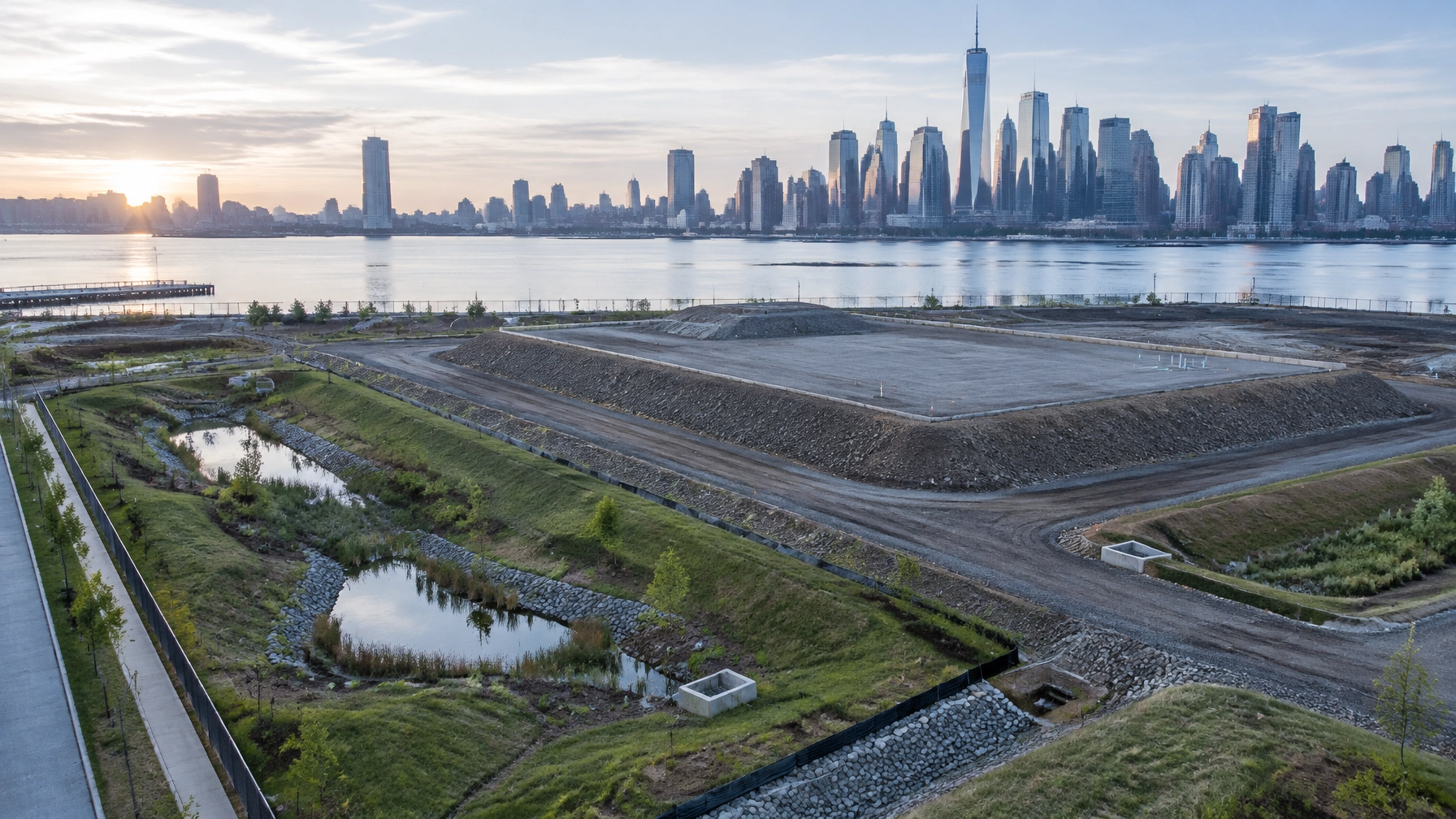
Waterfront development in Jersey City, Hoboken, Bayonne, and Newark may involve coastal zone requirements. Coastal review can address land use, waterfront access, water-dependent activities, flood resilience, public resources, shoreline conditions, and project design.
The coastal application must align with the civil plans. Conflicting drawings create review comments and weaken the argument that the application is technically complete.
Freshwater wetlands, N.J.A.C. 7:7A
Freshwater wetlands issues can arise outside the immediate tidal waterfront. Wetland mapping, field delineation, Letters of Interpretation, transition areas, and waivers may affect sites in Bergen County, Hudson County, and other developed portions of northern New Jersey.
A wetlands determination should occur early. Do not wait until after grading and stormwater plans are complete.
Stormwater Management, N.J.A.C. 7:8
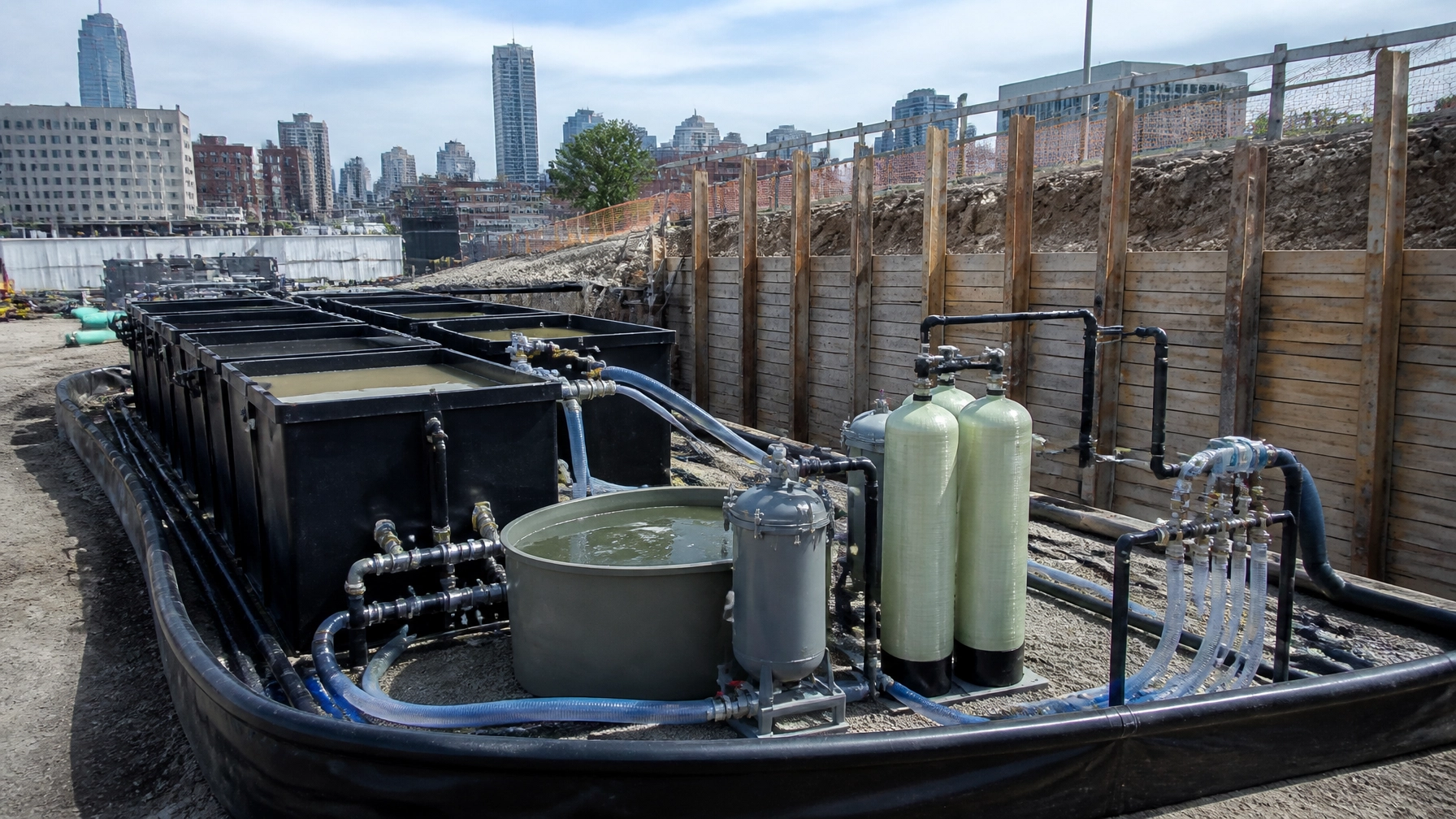
Stormwater design must match the proposed grading, impervious coverage, drainage areas, soil conditions, and flood resilience strategy. The package may also need to address municipal stormwater requirements and construction-phase controls.
A design that satisfies one review program but conflicts with another is not ready to submit.
Build the application backward from the deadline
For a project seeking potential legacy treatment, the team should establish a written application-readiness schedule.
Recommended sequence
-
Confirm the project location and regulatory overlays
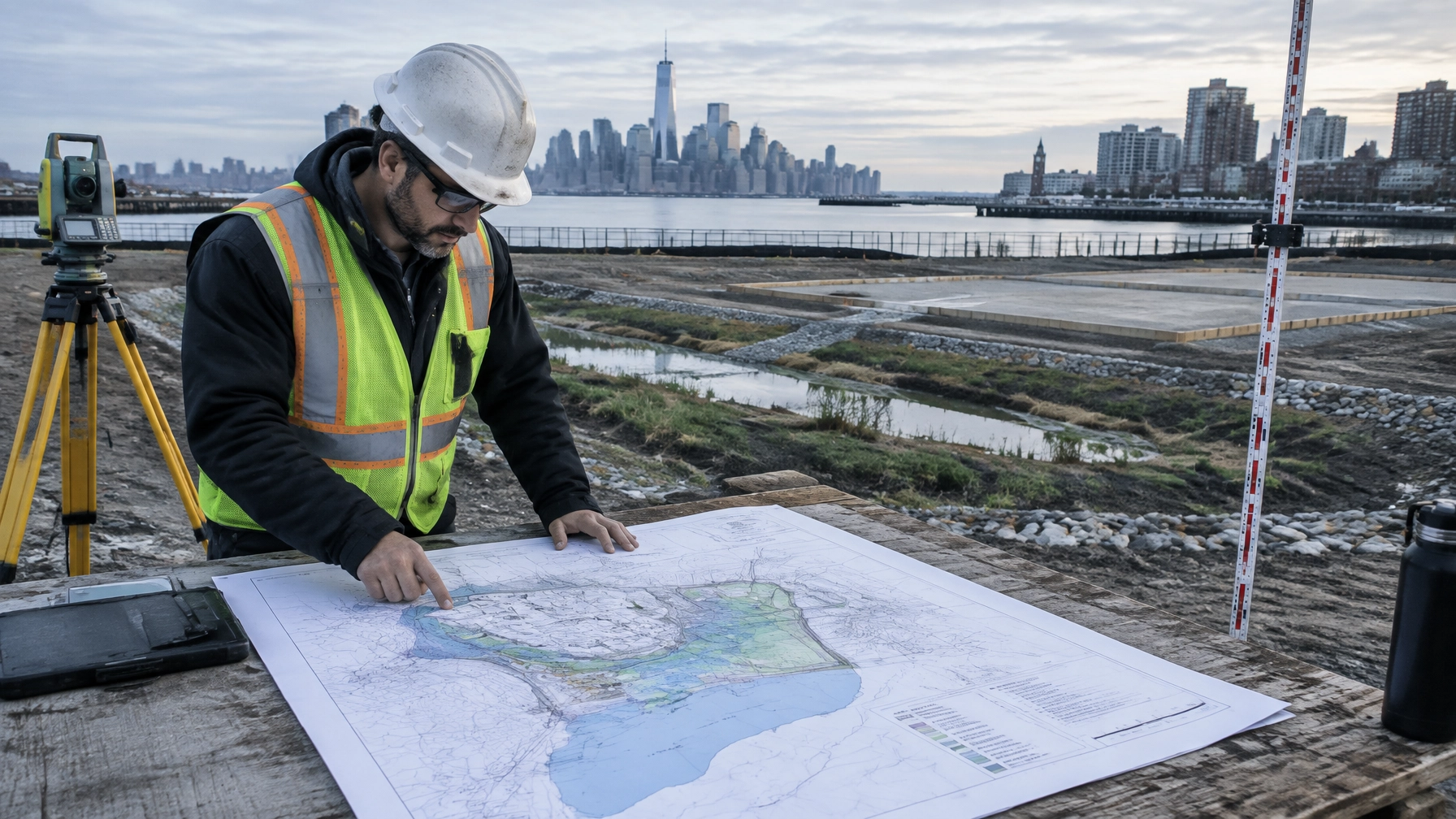
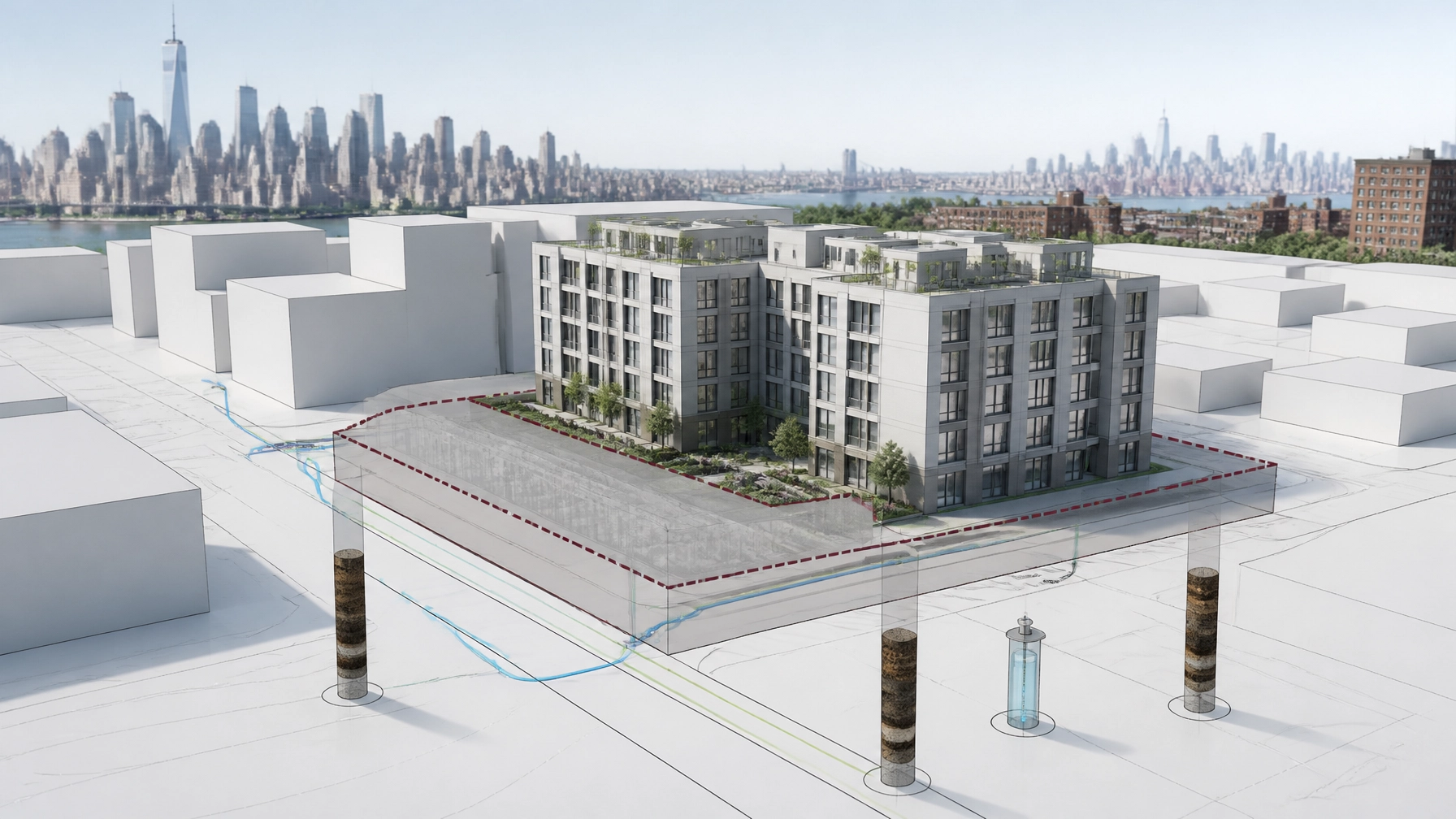
Map the flood hazard area, coastal zone, wetlands, transition areas, waterways, stormwater drainage areas, and municipal jurisdiction.
-
Identify every approval pathway
Prepare a permit matrix showing the likely FHA, CZM, wetlands, stormwater, water quality, municipal, and construction approvals.
-
Confirm the legacy scenario
Compare the project facts with current NJDEP REAL legacy guidance. Document why the selected permit type may qualify.
-
Complete field investigations
Obtain current survey data, wetland information, topography, utility information, soil data, and other field information needed for design.
-
Coordinate the civil and environmental plans
Grading, drainage, foundation elevations, flood mitigation, wetland limits, and construction sequencing must agree across every sheet and report.
-
Prepare administrative documents early
Confirm ownership, applicant authority, signatures, certifications, fee calculations, and electronic filing requirements.
-
Run an internal completeness review
Use the agency checklist, not an informal project checklist. Confirm every required document, plan, calculation, and attachment.
-
Submit before the deadline
Do not plan for a last-day upload. Build time for agency questions, rejected files, payment issues, missing signatures, and technical corrections.

NJ REAL legacy provisions 2027 checklist
Use this checklist for a preliminary review:
- Project address and municipality confirmed
- Jersey City, Hoboken, Bayonne, Newark, Hudson, or Bergen County jurisdiction identified
- Flood hazard area mapping reviewed
- Coastal zone applicability reviewed
- Freshwater wetlands and transition areas evaluated
- Stormwater requirements identified
- Permit type classified correctly
- Permit by registration and general permit by certification exclusions reviewed
- Legacy eligibility scenario documented
- Current survey and elevation information available
- Civil plans coordinated with environmental plans
- Drainage and stormwater calculations complete
- Required technical reports prepared
- Ownership and authorization documents complete
- Application forms signed
- Fees calculated and ready for payment
- Agency checklist completed
- Internal completeness review performed
- NJDEP status confirmed before legal reliance
Envicon can review the package before you file
A large consultant may assign separate teams to flood hazard, wetlands, stormwater, and civil design. That structure can leave you responsible for finding conflicts between deliverables.
Envicon brings compliance permitting, civil engineering, geotechnical review, and field conditions into one coordinated process. Our NJDEP and environmental permitting team handles permit strategy, agency coordination, deficiency responses, and compliance documentation.
Our civil and geotechnical team supports grading, drainage, flood resilience, site design, surveys, and construction coordination.
From our Jersey City office, we support development teams across Hudson County, Bergen County, the Newark waterfront, and the broader New York and New Jersey region.
The immediate objective is not to produce more paperwork. It is to submit a package that the agency can review without sending the project backward.
Key takeaway
The proposed NJ REAL legacy extension to July 20, 2027 may give qualifying Jersey City and Hoboken projects additional time to pursue review under pre-REAL standards. It does not apply to every permit pathway, and it does not eliminate the need for a complete technical and administrative package.
Permits by registration and general permits by certification remain a separate issue. Flood hazard, coastal, wetlands, and stormwater requirements must be coordinated from the beginning.
Treat July 20, 2027 as a planning deadline, not a reason to wait. Confirm the current NJDEP rulemaking status before relying on the extension for a closing, financing decision, design milestone, or construction start.
CTA: Request a permit completeness review
Envicon can review your proposed NJDEP filing, identify missing technical or administrative components, and help you establish a clear path to submission.
- Request a permit completeness review
- Call Envicon at (917) 764-2171
- Use the proprietary project risk screener