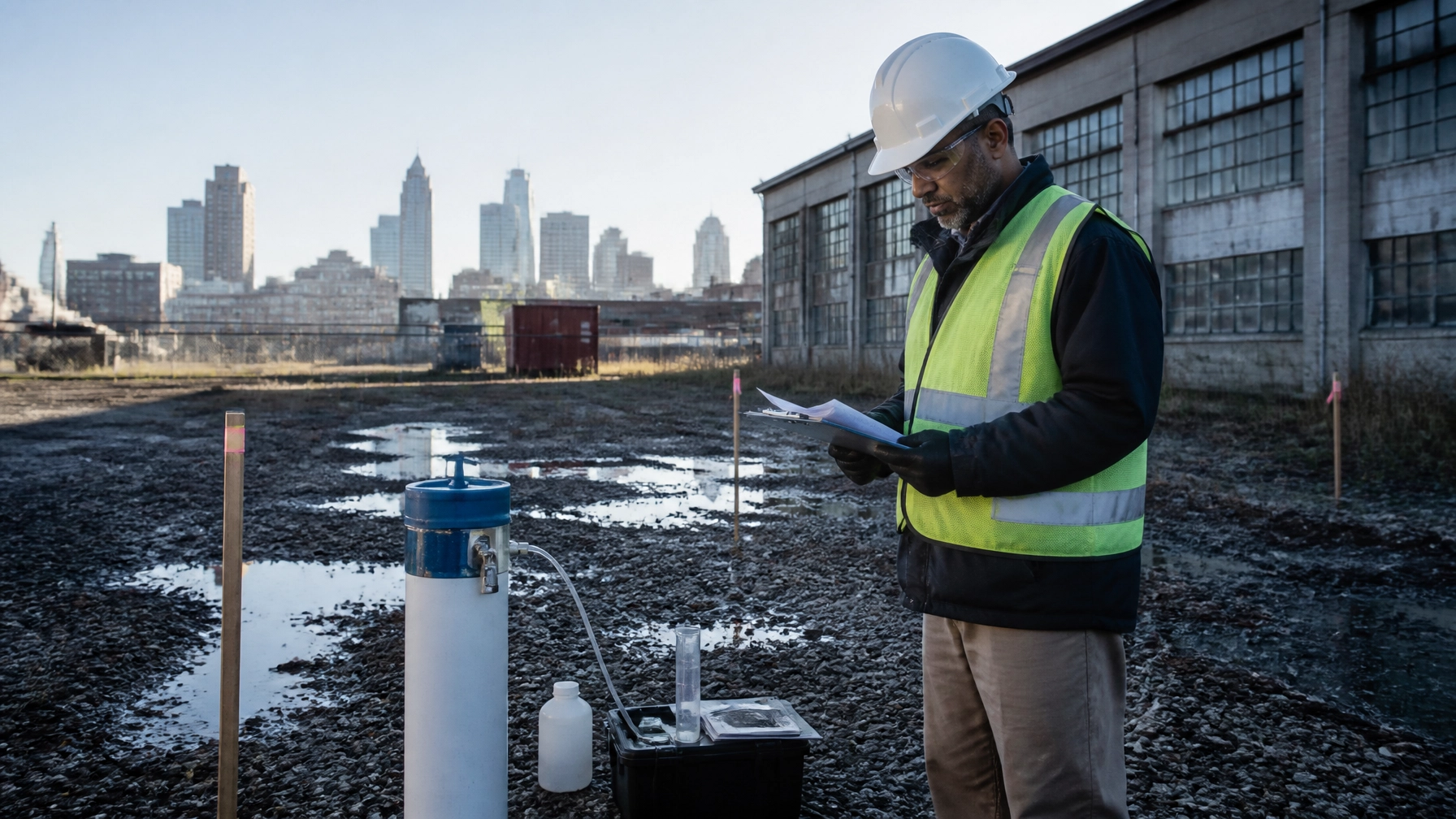
New York’s 2026 SEQRA reforms change how development teams should screen multifamily housing projects before committing to a site plan, financing package, or closing schedule.
The May 2026 budget law created a statutory exemption for certain housing actions on previously disturbed sites. The June 2026 amendments to 6 NYCRR Part 617 added more structured environmental justice and climate screening for projects that remain subject to SEQRA.
The practical point is simple. A potential exemption can shorten environmental review, but it does not eliminate environmental due diligence, hazardous materials obligations, utility review, flood screening, or construction compliance.
For teams working in Manhattan, Brooklyn, Queens, the Bronx, Staten Island, Westchester, Nassau, and Suffolk County, the first question is not just whether a project qualifies for an exemption. It is whether the project can document its eligibility and move through the rest of the approval process without creating a new delay.
What changed in May and June 2026?
The May 2026 budget provisions amended New York Environmental Conservation Law Article 8. New York State added “qualified actions” that may be exempt from SEQRA when the responsible agency determines that every applicable criterion has been met.
The statutory framework appears in ECL § 8-0111.
The June 2026 amendments revised 6 NYCRR Part 617, including environmental assessment forms and significance criteria. These amendments address:
- Disproportionate pollution burdens on disadvantaged communities.
- Air emissions and traffic impacts.
- Wastewater and solid or hazardous waste concerns.
- Flood risk and sea level rise.
- Other physical climate risks that could affect a proposed project.
These are separate but related changes. The budget law creates a housing exemption for qualifying actions. The Part 617 amendments strengthen review for projects that do not qualify for that exemption or another form of SEQRA exclusion.
What is a qualified housing action?
For a project in New York City, the 2026 housing exemption generally requires the project to satisfy all of the following conditions:
- Connection to existing public or community water and sewer systems at the commencement of habitation.
- Location on a previously disturbed site.
- No location in an area zoned exclusively for industrial uses.
- No more than 50,000 square feet of non-industrial, non-residential space.
- No more than 250 dwelling units in lower-density zoning districts.
- No more than 500 dwelling units in qualifying higher-density districts where residential buildings may exceed 45 feet or where no maximum building height applies.
- No project consisting only of one large-lot single-family residence.
New York City guidance also distinguishes between low-density and higher-density zoning districts. The NYC Qualified Action Guidance for Housing Actions states that the responsible agency evaluates the action as a whole.
That matters for rezoning applications and other discretionary actions. The agency may consider the incremental development capacity created by the proposed action, not just the building shown in the first concept plan.
Outside New York City, the unit thresholds change:
- Up to 300 units in an urban area with zoning.
- Up to 100 units in a non-urban area with zoning.
- Up to 20 units in a city, town, or village without zoning.
- Non-residential uses generally cannot exceed 20 percent of gross floor area.
This framework is directly relevant to multifamily projects in Westchester, Nassau, and Suffolk County. It is also relevant to adaptive reuse and infill proposals where public water and sewer capacity already exist.
Previously developed does not automatically mean previously disturbed
“Previously developed” is a useful real estate description. “Previously disturbed” is a statutory eligibility concept.
Under the 2026 framework, the site generally must have been substantially altered by an occupied, formerly occupied, or demolished building, improvement, or prior use at least two years before the application.
A vacant parcel beside an old warehouse may qualify. A recently cleared parcel may not. A paved lot with documented commercial use may qualify, but the responsible agency still needs enough information to determine whether the prior alteration was substantial.
Teams should assemble documentation early, including:
- Historic aerial photographs.
- Sanborn maps and historic topographic maps.
- Building permits and demolition records.
- Certificates of occupancy and prior use records.
- Tax-lot and property records.
- Historic site photographs.
- Zoning and land-use history.
- Evidence addressing agricultural use restrictions.
- Floodplain and coastal erosion screening.
Outside New York City, additional site and adjacency issues may apply, particularly for parcels outside Census-defined urban areas. The responsible agency should confirm how those criteria apply to the specific municipality.
A short narrative saying “the site was previously developed” is not enough. The file should show what was on the site, when it was altered, and why the evidence supports the statutory definition.

Phase I ESA and AAI documentation
The phrase “New York SEQRA housing exemption 2026” does not mean every project follows the same Phase I ESA rule.
Under ECL § 8-0111(5-a), private applicants seeking the qualified action exemption must address hazardous materials requirements. For applications other than land-use actions, zoning text or map amendments, or variances, the applicant must certify that:
- A Phase I Environmental Site Assessment was conducted in accordance with the EPA’s All Appropriate Inquiries requirements under 40 CFR Part 312.
- Applicable hazardous waste laws and regulations have been followed.
- Applicable Phase I ESA recommendations have been followed or will be followed.
- Contamination will be reported as required by law.
This is the core issue for a Phase I ESA qualified housing project in New York. The Phase I ESA is not simply a lender document. It may become part of the exemption and hazardous materials record for the project.
In New York City, land-use actions receive a specific carveout from the statutory Phase I certification language. That does not mean environmental review disappears. NYC agencies may still require hazardous materials documentation, E-Designation controls, or other environmental conditions.
The NYC Department of Housing Preservation and Development environmental review page confirms that exempt projects remain subject to HPD environmental standards for hazardous materials and noise.
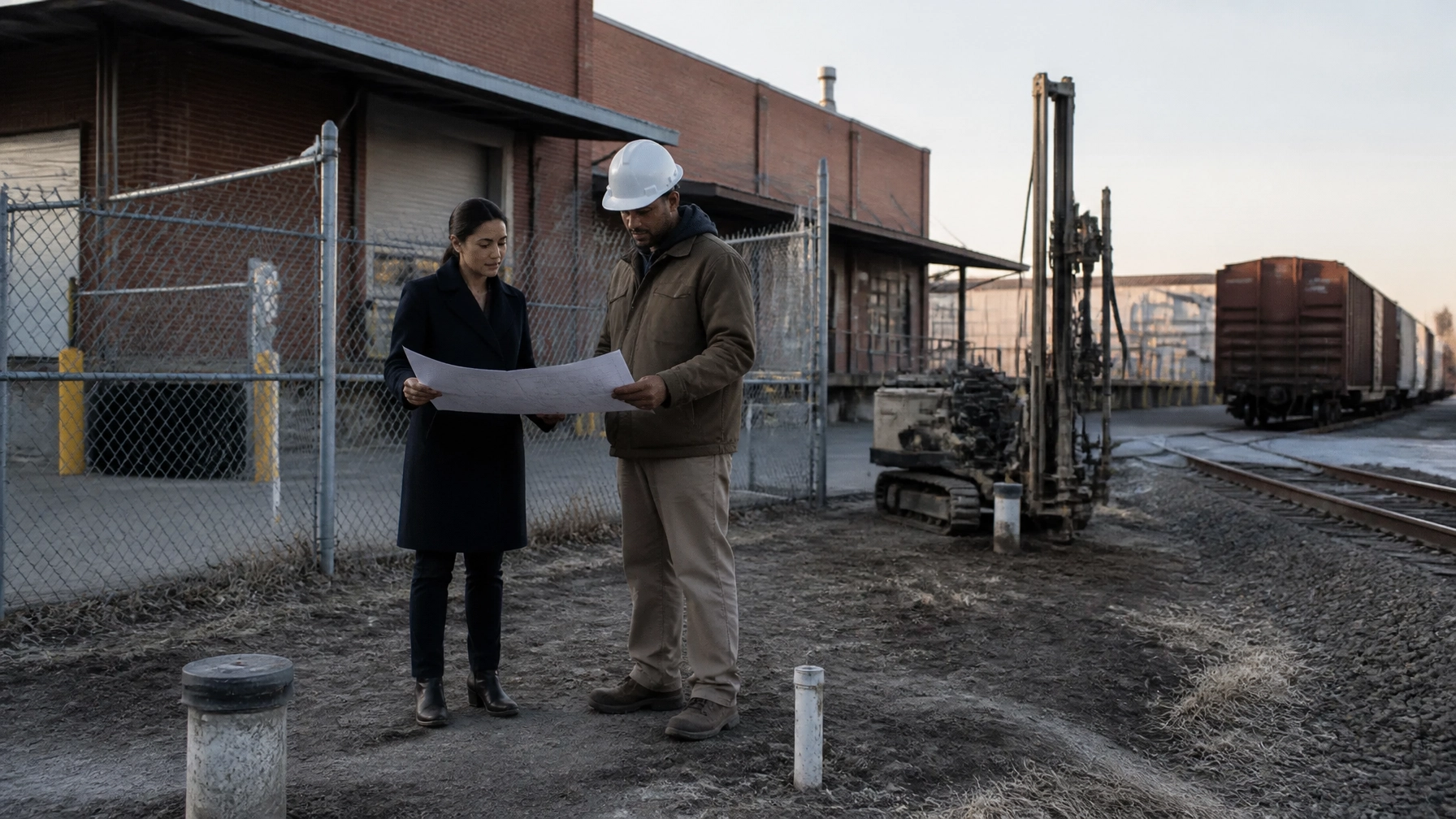
A defensible Phase I ESA should follow ASTM E1527-21 and EPA AAI requirements. It should include records review, regulatory database review, site reconnaissance, interviews, recognized environmental condition analysis, and clear recommendations.
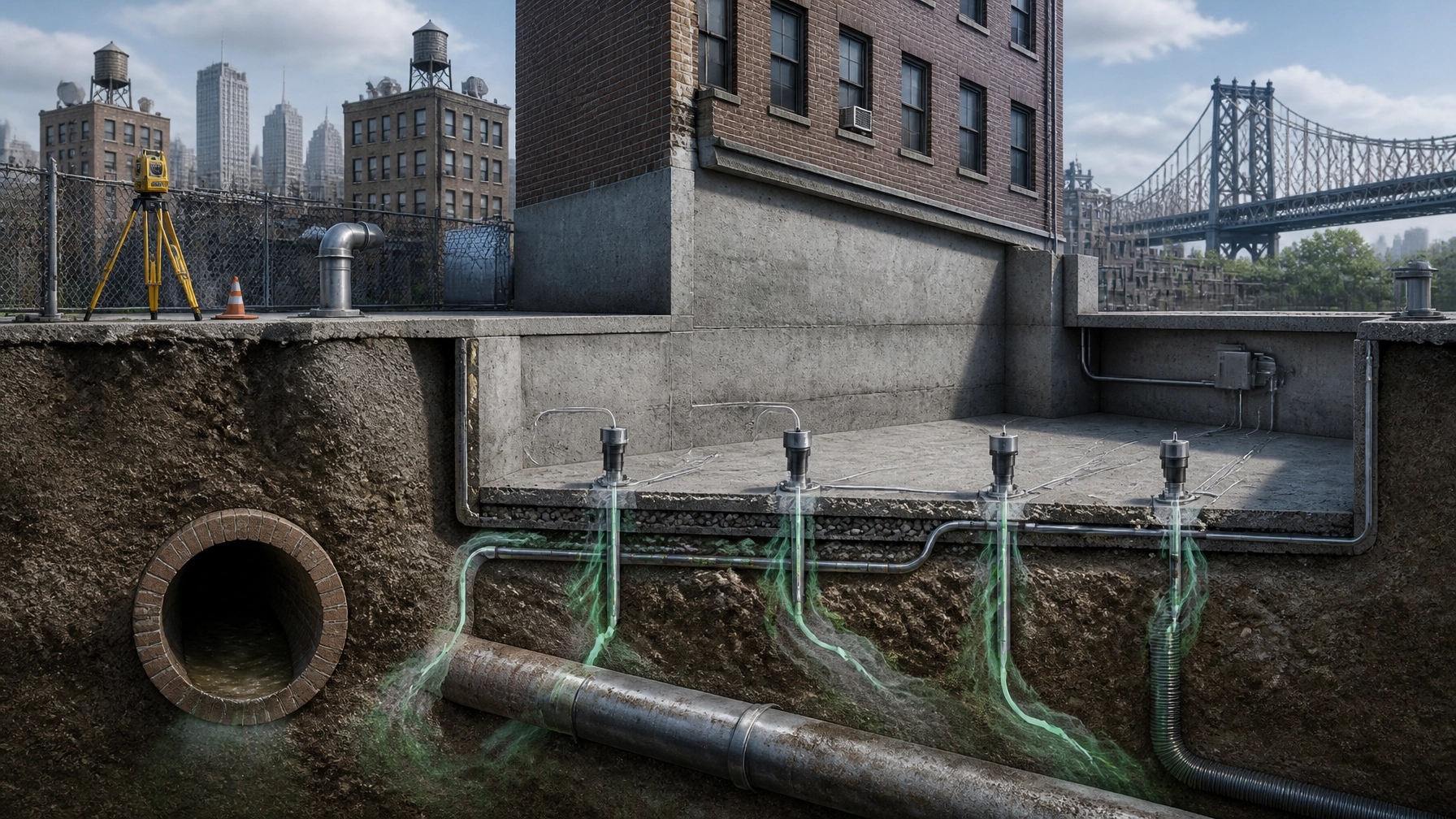
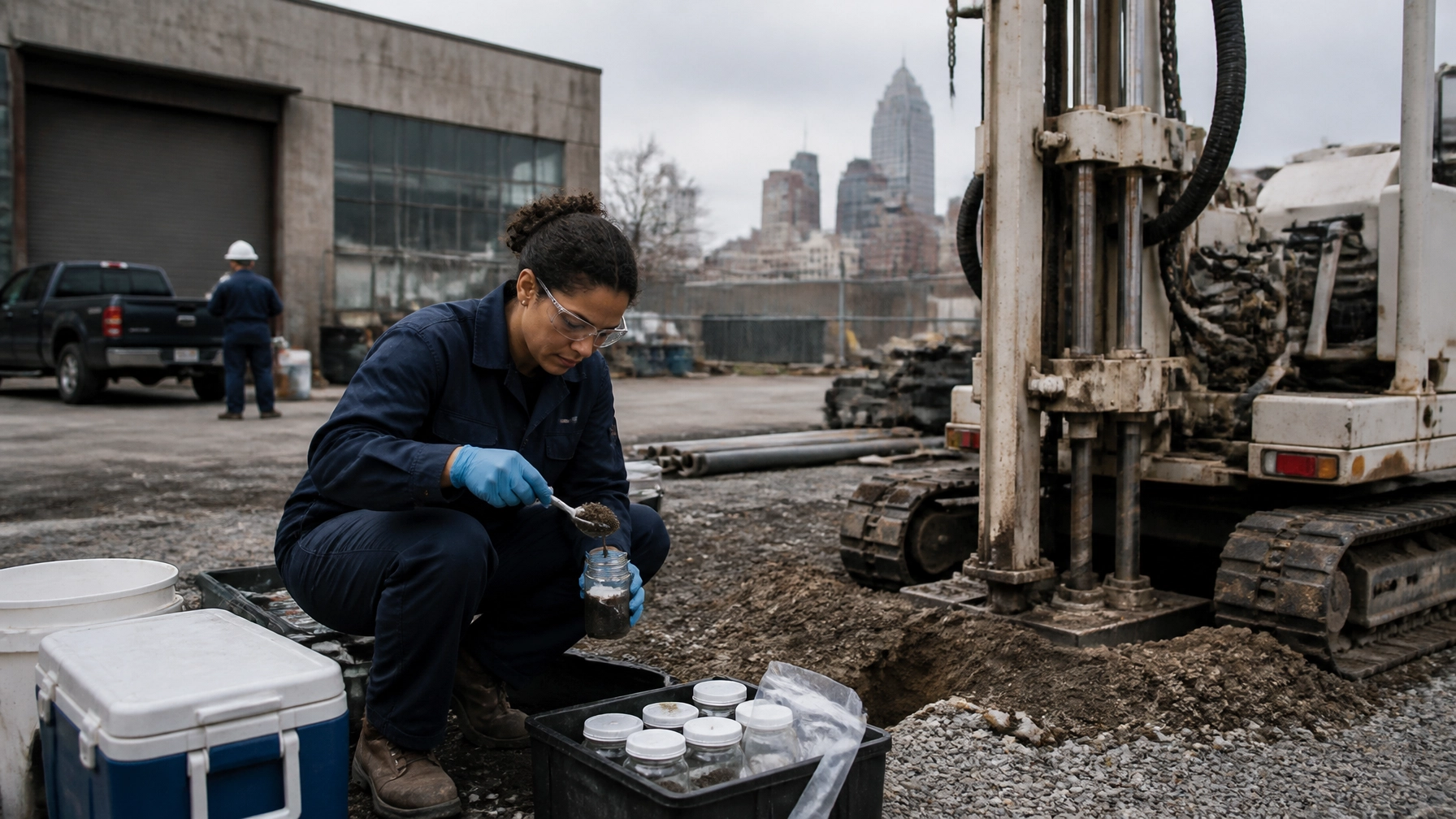
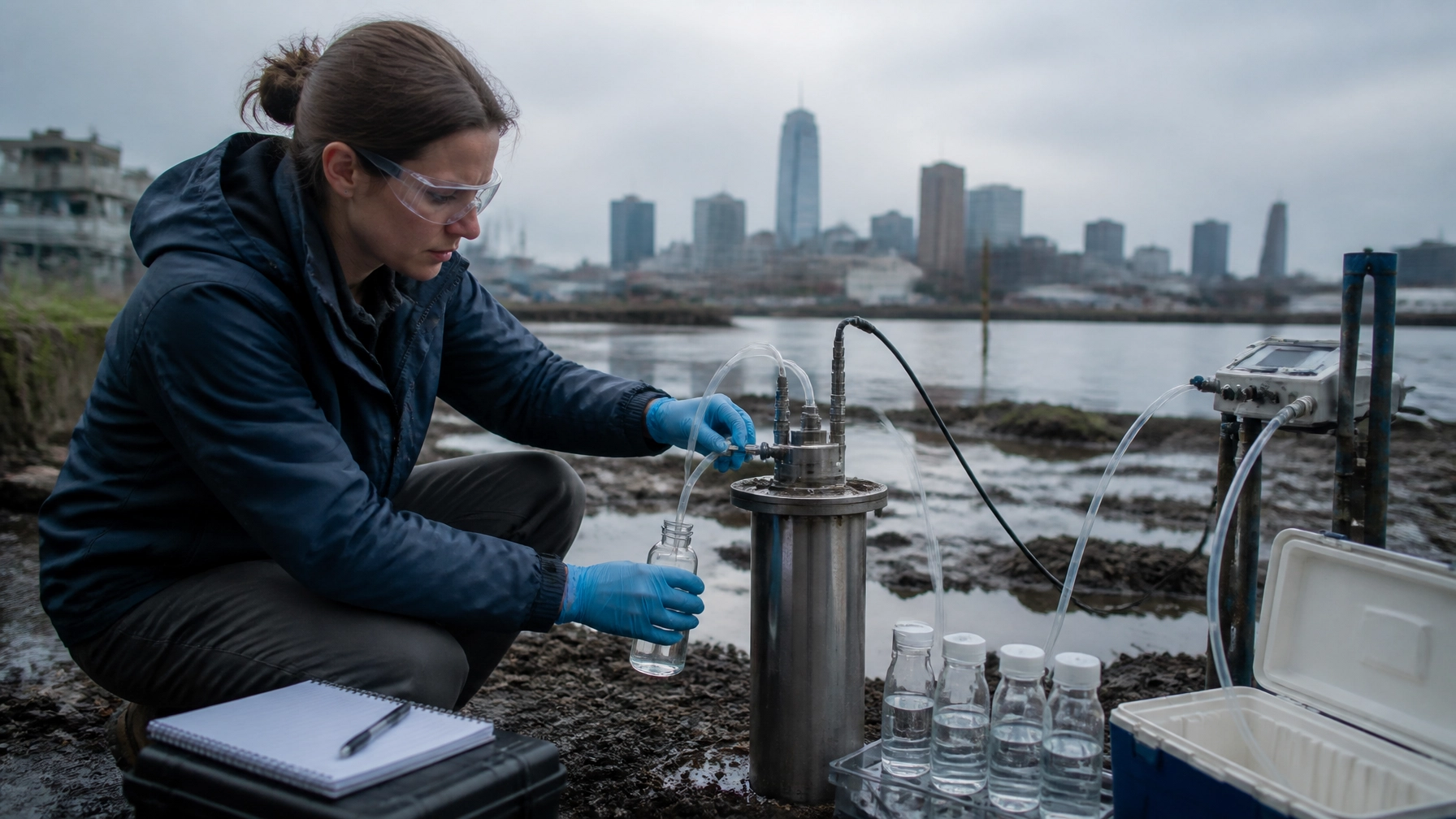
If the Phase I identifies a recognized environmental condition, the project may need a Phase II ESA, soil sampling, groundwater investigation, soil vapor testing, UST review, or a remedial work plan.
An exemption does not turn a recognized environmental condition into a non-issue.
Disadvantaged communities and climate screening
The June 2026 Part 617 amendments matter most when a project remains subject to SEQRA.
The revised significance criteria require agencies to consider whether an action may cause or increase a disproportionate pollution burden on a disadvantaged community. Revised Environmental Assessment Forms also address issues such as:
- New or increased air emissions.
- Traffic impacts.
- Wastewater generation and discharges.
- Solid or hazardous waste.
- Flood exposure.
- Sea level rise.
- Future climate-related physical risks.
This screening is especially relevant for projects in parts of the Bronx, Brooklyn, Queens, and Staten Island where industrial legacy uses, truck traffic, flood exposure, and cumulative environmental burdens may overlap.
A project may qualify for a housing exemption and still require compliance with separate laws governing:
- Stormwater and erosion control.
- Wetlands and coastal resources.
- Floodplain construction.
- Air quality.
- Hazardous materials.
- Soil handling and disposal.
- Historic resources.
- Endangered species.
- Local building and zoning requirements.
The statute makes clear that the SEQRA exemption does not eliminate these independent obligations.
The 120-day determination is not a guaranteed approval date
For applications seeking a qualified action determination, the responsible agency generally must decide whether the action qualifies within 120 days of receiving the application.
The agency may extend the deadline in writing. Extensions are generally limited to the time necessary to make the determination, with a 30-day limit subject to specific exceptions, including application changes, missing information, or circumstances beyond the agency’s control.
This creates a meaningful project-management deadline. It does not mean the development team can wait 120 days before preparing environmental documentation.
Submit a complete package with:
- Site disturbance evidence.
- Unit count and zoning analysis.
- Water and sewer connection information.
- Non-residential floor area calculations.
- Flood and coastal hazard screening.
- Agricultural-use documentation where relevant.
- Phase I ESA and hazardous materials certification when required.
- A clear description of the full action.
The cleaner the package, the less likely the agency will need to stop and request basic eligibility information.
Why the exemption does not end construction obligations
A SEQRA exemption addresses environmental review under Article 8. It does not authorize excavation, occupancy, discharge, soil export, utility connection, or construction by itself.
After an exemption determination, the project may still require:
- NYC OER coordination or E-Designation compliance.
- NYSDEC or municipal permits.
- Construction stormwater controls.
- Soil management and disposal documentation.
- Community air monitoring.
- UST closure or removal.
- Vapor mitigation.
- Lead and asbestos surveys.
- Dewatering controls.
- Civil drainage and utility design.
- Construction inspection and reporting.
The project team still needs a buildable and compliant site. That is why environmental due diligence should begin during acquisition and concept design, not after the lead agency asks for it.
Envicon’s Phase I Environmental Site Assessment service is built around ASTM E1527-21, AAI compliance, lender acceptance, and clear REC determinations. Our New York City environmental consulting team coordinates Phase I and Phase II ESAs, NYC OER matters, E-Designation review, remediation, SWPPP compliance, and construction oversight across all five boroughs.
Practical checklist for September 2026 housing projects
Before advancing a multifamily project on a previously developed site, confirm:
- Is the project inside NYC or outside NYC?
- How many dwelling units does the action facilitate?
- Is the site connected to existing public or community water and sewer?
- Does the zoning district support the applicable unit threshold?
- Is the site outside restricted flood and coastal areas?
- Was the site substantially altered at least two years before the application?
- Can historic records prove the prior use?
- Is the site in or near a disadvantaged community?
- Does the application require a Phase I ESA certification?
- Are hazardous materials requirements addressed in the development budget?
- Who is the lead or responsible agency?
- What documents must be submitted to start the 120-day determination clock?
- What construction obligations remain after the exemption?
FAQ
Does a New York SEQRA housing exemption eliminate the need for a Phase I ESA?
No. For many private, non-land-use applications, ECL § 8-0111(5-a) requires a Phase I ESA completed in accordance with EPA AAI requirements. NYC land-use actions have a statutory carveout from that specific certification language, but local hazardous materials requirements may still apply.
Does a previously developed site automatically qualify as previously disturbed?
No. The site must meet the statutory definition. The project team should document substantial prior alteration, timing, prior use, and applicable flood, coastal, and agricultural restrictions.
Are projects in disadvantaged communities automatically ineligible?
No. A disadvantaged-community designation does not automatically prevent a qualified housing action. However, projects that remain subject to SEQRA receive additional environmental justice and climate screening under the revised Part 617 framework.
Does the 120-day deadline mean the project will be approved within 120 days?
No. The deadline applies to the responsible agency’s determination of whether the action qualifies for the statutory exemption. It does not replace zoning, site plan, building, utility, financing, environmental, or construction approvals.
Should developers wait for an agency to request environmental documentation?
No. Waiting creates avoidable schedule risk. A complete eligibility file, supported by Phase I ESA work and historic site documentation, gives the agency a better basis for making a timely determination.
The takeaway
New York’s 2026 SEQRA reforms create a valuable path for qualifying multifamily housing on previously disturbed sites. They do not create a shortcut around site conditions.
The teams that benefit most will screen the parcel early, document eligibility precisely, complete the right Phase I ESA scope, and carry hazardous materials and construction obligations into the budget from the start.
An exemption can reduce review. Good due diligence keeps the project buildable.
Request a Housing-Project Environmental Screening
Envicon Group helps developers, investors, attorneys, architects, and public agencies determine whether a New York multifamily project has a credible path through the 2026 SEQRA framework.
- Request a housing-project environmental screening
- Call Envicon at (917) 764-2171
- Use the proprietary project risk screener
We solve environmental and engineering challenges with precision, speed, and trust. The goal is not another report. It is a cleared path to a buildable site.
Sources
- New York Environmental Conservation Law § 8-0111
- NYSDEC SEQR program
- NYSDEC Part 617 notice of adoption
- NYC Qualified Action Guidance for Housing Actions
- NYC HPD Environmental Review
- EPA All Appropriate Inquiries, 40 CFR Part 312
- Envicon Phase I Environmental Site Assessment
- Envicon Environmental Consultant NYC