NJDEP says it reduced its Remedial Action Permit application backlog by 25 percent under Operation FAST. For developers and LSRPs with RAP applications in Newark and across New Jersey, that is meaningful progress. It is not a waiver of technical requirements or a guarantee that every application will move faster.
The practical opportunity is to make review easier: resolve open technical questions early, submit a complete application, and plan site work around inspections and permit conditions.
Operation FAST speeds review. It does not replace remediation rules.
In its October 30, 2026 news release, NJDEP described four actions connected to the RAP backlog reduction:
- A Rapid Inspection Program that expedites document inspections after applications are submitted.
- Remedial timeframe extensions.
- A strengthened peer-review process.
- A revamped technical-consultation process for site-specific technical questions.
The announcement changes how NJDEP is working through applications. It does not say that the Department has changed the standards an application must meet.
That distinction matters. N.J.A.C. 7:26E sets technical requirements for site remediation. N.J.A.C. 7:26C addresses administrative requirements, including remediation obligations and remedial action permits. Operation FAST does not replace either rule. Your LSRP still needs to support the remedy and permit application with the site data, documentation, and certifications the applicable requirements call for.
For project teams, the backlog cut is a reason to revisit stalled or upcoming applications, not to assume that a thin or incomplete submittal will now pass. Check the current NJDEP forms update log before preparing the application. The log lists form revisions and dates, including recent changes to RAP application materials.
What the Rapid Inspection Program means for active construction
NJDEP describes the Rapid Inspection Program as expedited document inspections immediately after applications are submitted. The announcement does not establish that each application triggers an immediate site visit, nor does it promise a fixed inspection or approval date.
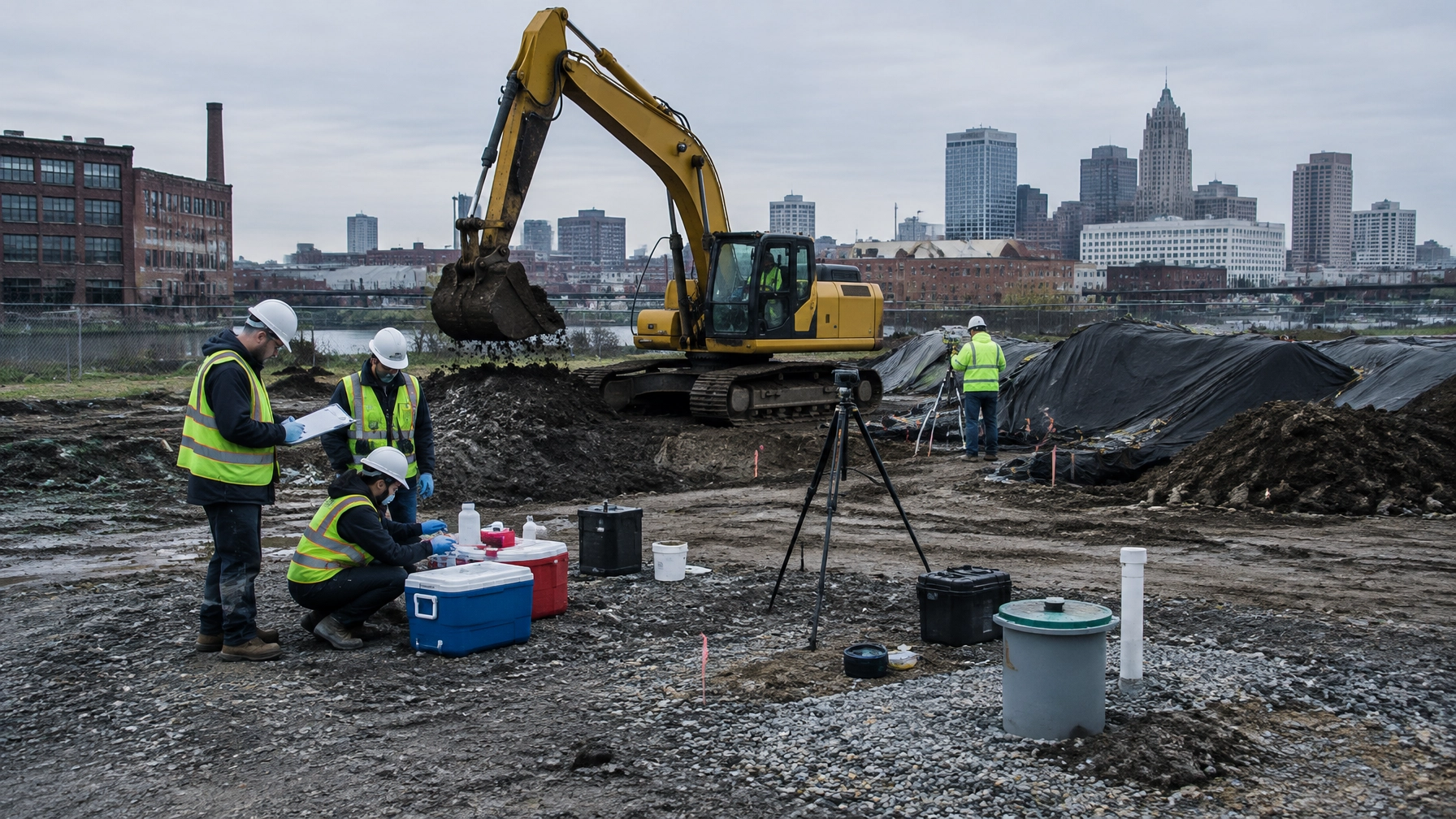
That makes coordination important. A document inspection can surface questions while construction, monitoring, or remedial work continues. If the permit application concerns an active site, the LSRP and project team should know what work is coming next and whether site conditions, access, or contractor sequencing could affect the information NJDEP needs to review.
Before submission, line up the people and records that could be needed to answer questions. Confirm who can provide site access, retrieve field logs, explain the remedy, and coordinate with the contractor. If a separate field inspection is arranged, treat the timing as a construction milestone. Plan access and safe work zones, and avoid scheduling work that would obscure relevant controls or monitoring points.

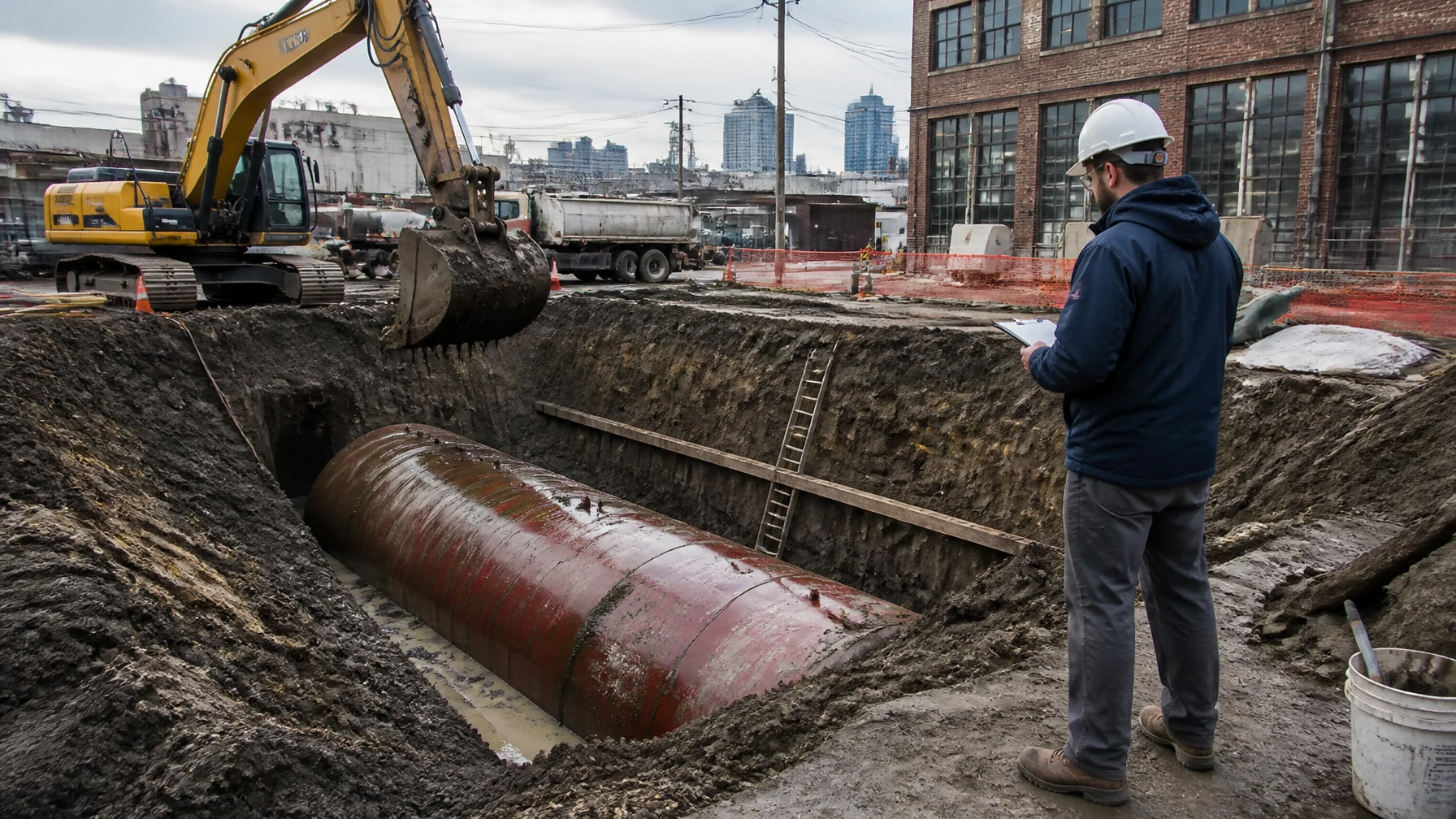
A RAP also carries obligations beyond the application itself. Where contamination remains and long-term controls or monitoring apply, the project team needs a workable plan for maintaining those controls after construction. Design, implementation oversight, regulatory compliance, and permitting should be coordinated as one sequence, not handled as disconnected scopes.
Technical consultations are useful when the question is ready
NJDEP encourages remediating parties to request technical consultations proactively. The consultation process is intended to address site-specific technical questions with experienced Contaminated Site Remediation & Redevelopment staff. It is not a shortcut around the LSRP’s responsibility or the application requirements.
NJDEP’s Technical Consultation guidance says consultations generally make sense after the Remedial Investigation, when substantial progress has produced enough data for a meaningful discussion. For certain groundwater technical-impracticability questions, NJDEP recommends requesting a consultation earlier.
A productive request is specific. Identify the decision you need to make, explain the competing technical options, and provide the data and figures that support the discussion. NJDEP asks for an agenda and relevant data or figures with the request. It also asks for a presentation one week before the meeting. The LSRP should be prepared to present the case information, since staff may not be familiar with the project record.
There are limits. NJDEP says a technical consultation does not address legal, administrative, or regulatory matters such as timeframes, fees, forms, or extensions. Recommendations from the meeting are not Department approval of a proposal or plan. Work and data developed afterward still need to be presented in a formal submittal and may be subject to review.
“A consultation can help frame a technical decision. It does not substitute for a complete, supportable RAP application.”

Build a RAP application that is ready for peer review
Operation FAST’s strengthened peer review makes clear, traceable documentation especially valuable. Before submitting, the LSRP and applicant should confirm that the application matches the current form and the technical record.
Use this practical checklist:
- Confirm the permit scope. Identify the media and areas of concern covered, the requested permit action, and the controls or monitoring tied to the remedy.
- Check the current forms. Review the NJDEP forms update log and download the current application and supporting forms. The log shows what changed and when.
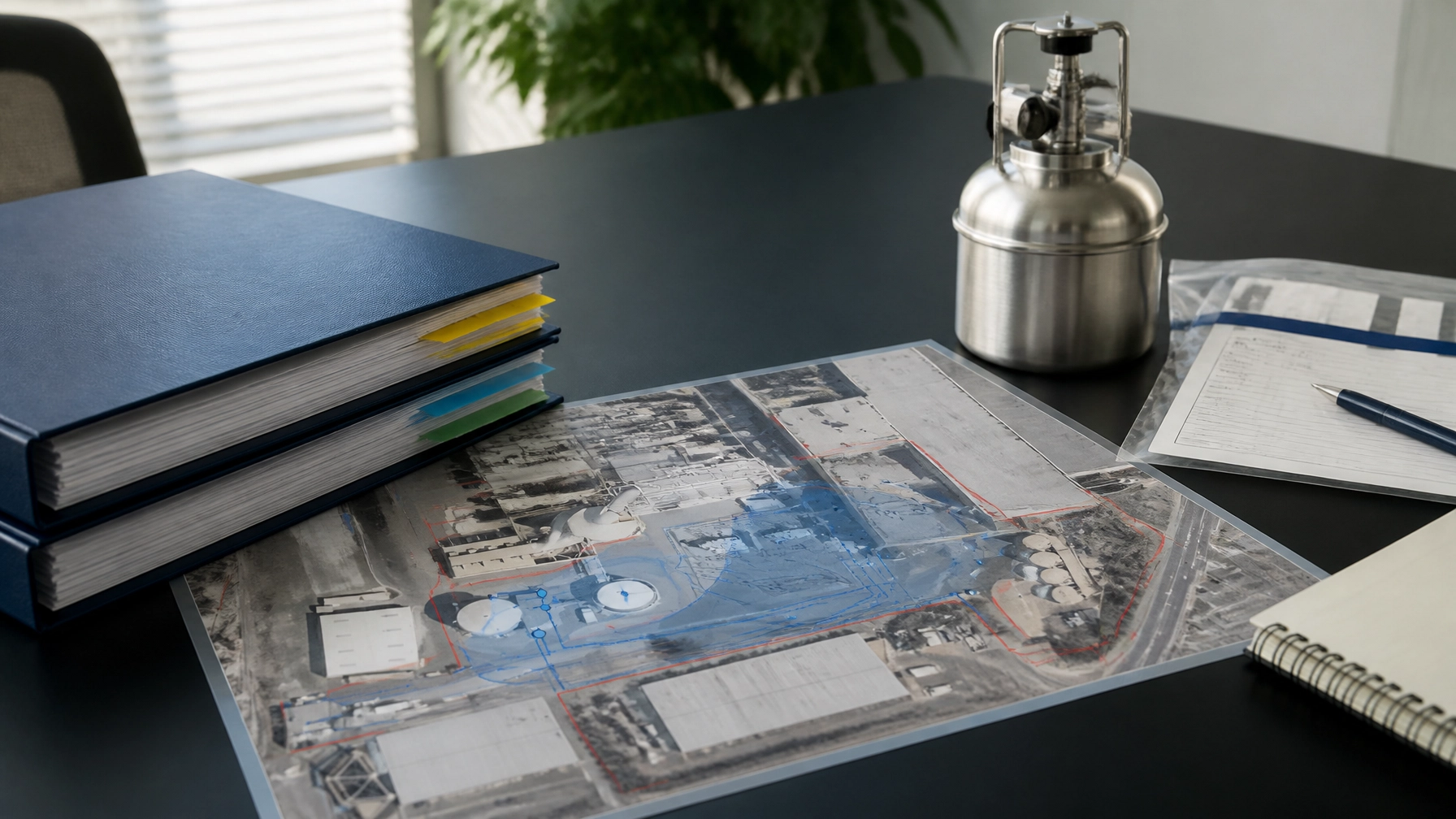
- Reconcile the record. Make sure application statements, remedial action reports, maps, tables, and supporting data agree. Resolve inconsistent locations, sample identifiers, dates, or remedy descriptions.
- Connect each conclusion to evidence. Present the data and figures that support the remedy’s effectiveness and protectiveness. Make it easy for a reviewer to find the relevant report sections and exhibits.
- Show controls clearly. Identify institutional and engineering controls, their locations, and who will maintain them. Include clear, legible maps where needed.
- Verify the administrative package. Confirm required signatures, certifications, fees, attachments, and submission steps for the specific application type.
- Resolve material questions early. If a technical issue could change the remedy or application approach, consider a consultation while there is time to act on the discussion.
- Plan the handoff. Assign an accountable contact for NJDEP questions and make sure the LSRP, owner, developer, attorney, and contractor know who responds and how field activity will be coordinated.
For a Newark project, a late request for missing data can affect more than the filing date. It can ripple into construction sequencing, lender decisions, closing conditions, and planned occupancy. A strong submittal helps the reviewer understand the case and helps the project team make decisions from a shared record.
What the backlog reduction means for Newark redevelopment
Newark has redevelopment sites where a RAP and its long-term requirements form part of the transaction and construction plan. The 25 percent backlog reduction is encouraging. It may improve the review environment, but it does not establish an individual project’s timeline or guarantee a faster decision.
Developers should put the RAP status on the critical path early. Ask the LSRP what remains to complete the application, what technical issues could draw peer-review questions, and which permit conditions could affect future site use or construction. Build time for agency questions into the transaction schedule. Confirm that the proposed design and construction sequence account for required controls and monitoring.
The same discipline applies across New Jersey, including Monmouth County. For adjacent New York work, Queens follows different agencies and requirements. Do not assume that a New Jersey RAP process transfers across the river.
Envicon Group supports developers and LSRPs with remedial design and implementation oversight, plus regulatory compliance and permitting. Our team works directly with clients, LSRPs, contractors, and reviewers to connect technical decisions with field execution. In Newark, that means a clear path from site conditions to an application the project team can act on.
Explore our NJ LSRP services and remediation and brownfield support.
Frequently asked questions
Did Operation FAST change NJDEP’s RAP requirements?
The announcement describes process improvements to reduce the backlog. It does not announce changes to the technical requirements in N.J.A.C. 7:26E or the administrative requirements in N.J.A.C. 7:26C. Confirm the current requirements and forms for your application.
Does the Rapid Inspection Program guarantee an immediate site visit?
No such guarantee appears in NJDEP’s announcement. NJDEP describes expedited document inspections immediately after applications are submitted. Coordinate any separate site inspection with the agency and plan access with the project team.
When should an LSRP request a technical consultation?
NJDEP generally recommends requesting one after the Remedial Investigation, when substantial progress has produced enough relevant data. It recommends earlier consultation in certain groundwater technical-impracticability cases. Check NJDEP’s consultation guidance for request and preparation details.
Does a technical consultation count as NJDEP approval?
No. NJDEP states that consultation recommendations do not constitute Department approval of a proposal or plan. The LSRP must still submit the required information through the applicable process.
How should a Newark developer respond to the backlog reduction?
Treat it as a prompt to check RAP status, confirm the current application form, resolve technical gaps, and align agency coordination with the construction and transaction schedules. Do not assume the backlog reduction guarantees a particular review date.
Takeaway
Operation FAST has put attention on RAP review efficiency. The underlying technical work still matters. For Newark projects, the strongest move is to resolve questions early, submit a complete and consistent application, and coordinate permit review with construction planning. A clearer record gives NJDEP a better basis for review and gives your team a more reliable path forward.