DRAFT FOR APPROVAL.
If you’re searching for NYC OER E-Designation removal, the first point to understand is simple: cleanup completion does not automatically erase an E-Designation from a tax lot.
The NYC Office of Environmental Remediation, or OER, must review the project record and issue the appropriate clearance. Depending on the work, that may include a Notice to Proceed, a standard Notice of Satisfaction, or a final Notice of Satisfaction that allows the NYC Department of City Planning, or DCP, to update its administrative record.
The requirements can involve hazardous materials, air quality, noise, or more than one category. They apply across Manhattan, Brooklyn, Queens, the Bronx, and Staten Island.
“A property with an E-designation means that, as a consequence of a zoning action, a property has environmental requirements relating to air, noise or hazardous materials.”
Source: NYC Office of Environmental Remediation
What E-Designation removal actually means
An E-Designation is a zoning-related environmental requirement attached to a specific tax lot. It is not a building violation, but it can affect development, change of use, soil disturbance, building permits, and certificates of occupancy.
Before asking how to remove E-Designation before closing, confirm three separate questions:
- What type of E-Designation applies?
- What work has OER required for the specific block and lot?
- Has OER issued the formal document needed for the project stage or title objective?
The three primary categories are:
- Hazardous materials: Soil, groundwater, soil vapor, indoor air, or other contamination concerns.
- Air quality: Requirements involving boiler fuel, stack placement, exhaust design, or related controls.
- Noise: Window and wall attenuation, alternate ventilation, acoustical design, and noise monitoring.
Use OER’s Do I Have an E? guidance and DCP’s E-Designation FAQ to confirm the tax lot, E-Designation number, CEQR record, and underlying requirements.
Step 1: Pull the complete CEQR and zoning record
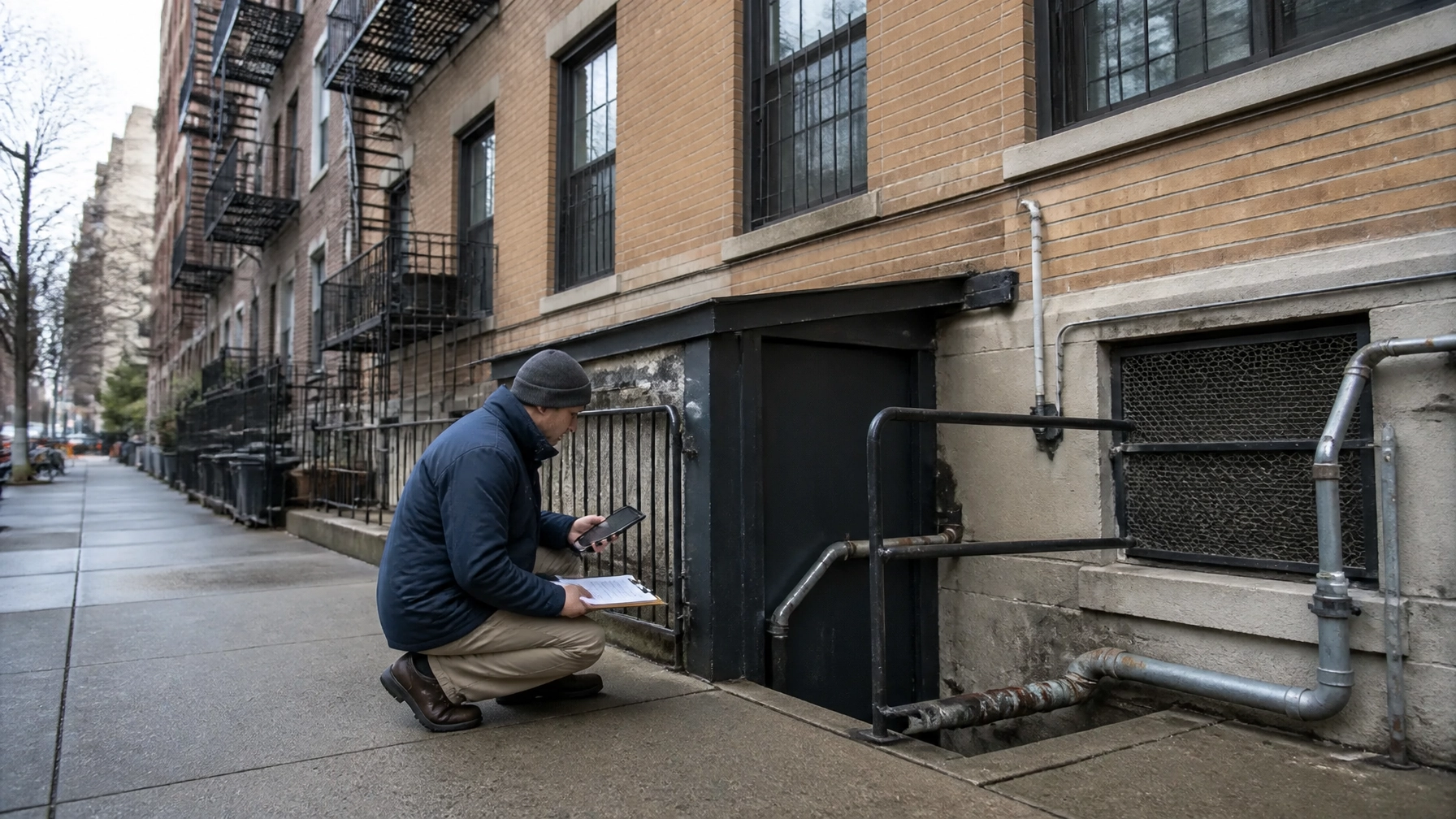
Start with the tax block and lot, not a general address search.
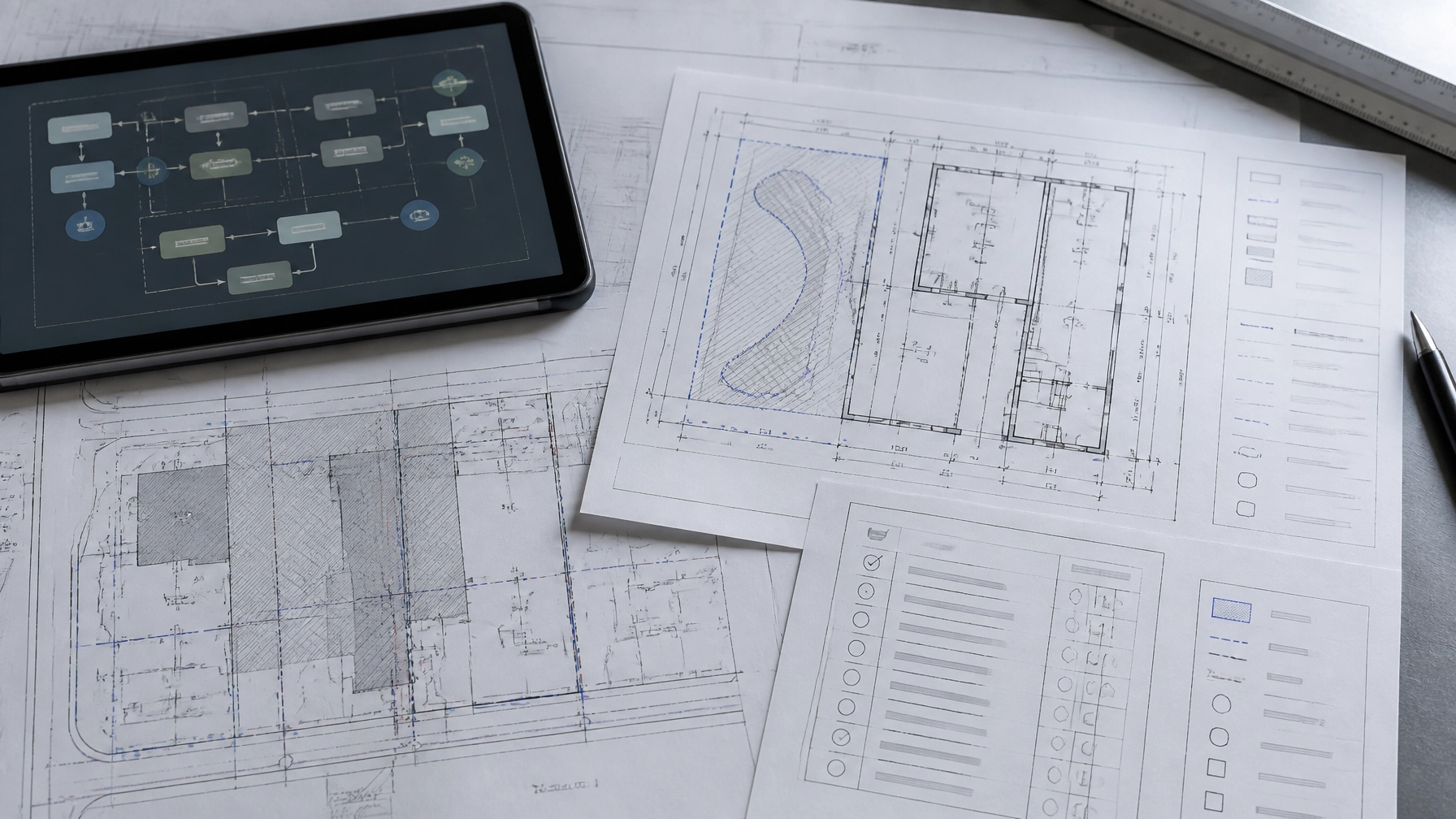
The applicable CEQR or ULURP file may contain requirements that do not appear in a broker package or older environmental report. Review:
- Zoning Resolution Appendix C
- CEQR determination
- Environmental Assessment Statement or Environmental Impact Statement
- OER correspondence
- Prior Phase II reports
- Approved Remedial Action Plans
- Construction Health and Safety Plans
- Restrictive declarations or recorded covenants
- Prior Notices to Proceed or Notices of Satisfaction
- DOB filings and permit status
The NYC Zoning Resolution Appendix C tables help identify the E-Designation. OER’s records establish what must happen next.
This review is especially important for an E-designation removal in Queens, an E-designation closeout in Brooklyn, or an NYC OER hazardous materials closeout in the Bronx. The borough does not replace the tax-lot-specific requirements.
Step 2: Separate permit clearance from final removal
A Notice to Proceed and a Notice of Satisfaction serve different purposes.
Notice to Proceed
OER may issue a Notice to Proceed after approving the required plan, such as:
- Phase II Environmental Site Assessment
- Remedial Action Plan
- Construction Health and Safety Plan
- Air quality design package
- Noise mitigation package
For hazardous materials work, the Notice to Proceed allows DOB to issue permits needed to implement the approved remedial work. It does not, by itself, authorize a temporary or final certificate of occupancy.
Notice of Satisfaction
After the approved work is complete, the applicant submits the required closeout package. For hazardous materials, this usually means a certified Remedial Closure Report. For air quality or noise, it may mean a certified Installation Report.
After OER approves the documentation, it issues a Notice of Satisfaction to the applicant, DOB, and DCP. The notice supports DOB occupancy clearance.
A standard Notice of Satisfaction does not always mean that the E-Designation has been removed from the zoning record. That requires a separate final determination.
Step 3: Complete the hazardous materials investigation
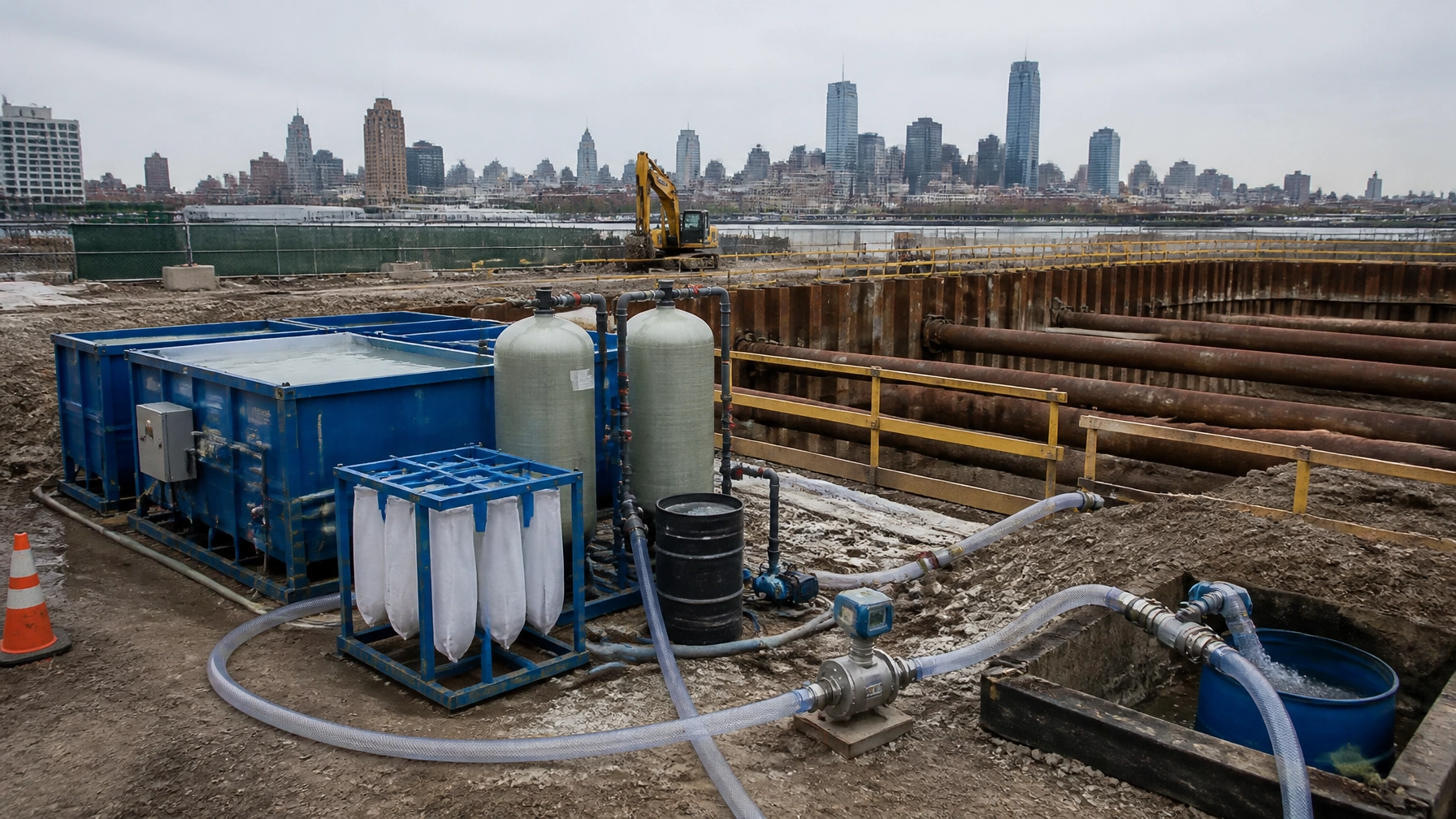
For a hazardous materials E-Designation, OER generally requires an investigation that matches the proposed development and the site’s history.
The investigation may include:
- Phase I ESA and historical research
- Soil borings
- Groundwater sampling
- Soil vapor sampling
- Sub-slab vapor sampling
- Indoor and outdoor air sampling
- UST and petroleum source evaluation
- Waste characterization
- Soil disposal profiling
- Exposure pathway analysis
Under 43 RCNY Chapter 14, the Phase II work plan must identify proposed sampling points, sample depths, analytical methods, health and safety procedures, and the relationship between the investigation and the proposed development.
Sampling must follow the approved work plan. A late scope change can create a problem. New foundation depths, a basement, a courtyard, a utility corridor, or a change in building footprint can affect the conceptual site model and the adequacy of prior data.

Step 4: Address vapor and indoor air before closeout
Vapor is one of the most common reasons an E-Designation closeout requires more than soil excavation.
A Phase II may identify volatile organic compounds in soil, groundwater, or soil vapor. The next question is whether those compounds can migrate into an occupied building.
The closeout scope may require:
- Sub-slab vapor probes
- Indoor air and outdoor ambient air samples
- Laboratory analysis using EPA Method TO-15
- Background and seasonal considerations
- Evaluation of preferential pathways
- Vapor barrier installation
- Sub-slab depressurization
- Active soil vapor management
- Post-installation verification
- Operation and maintenance documentation
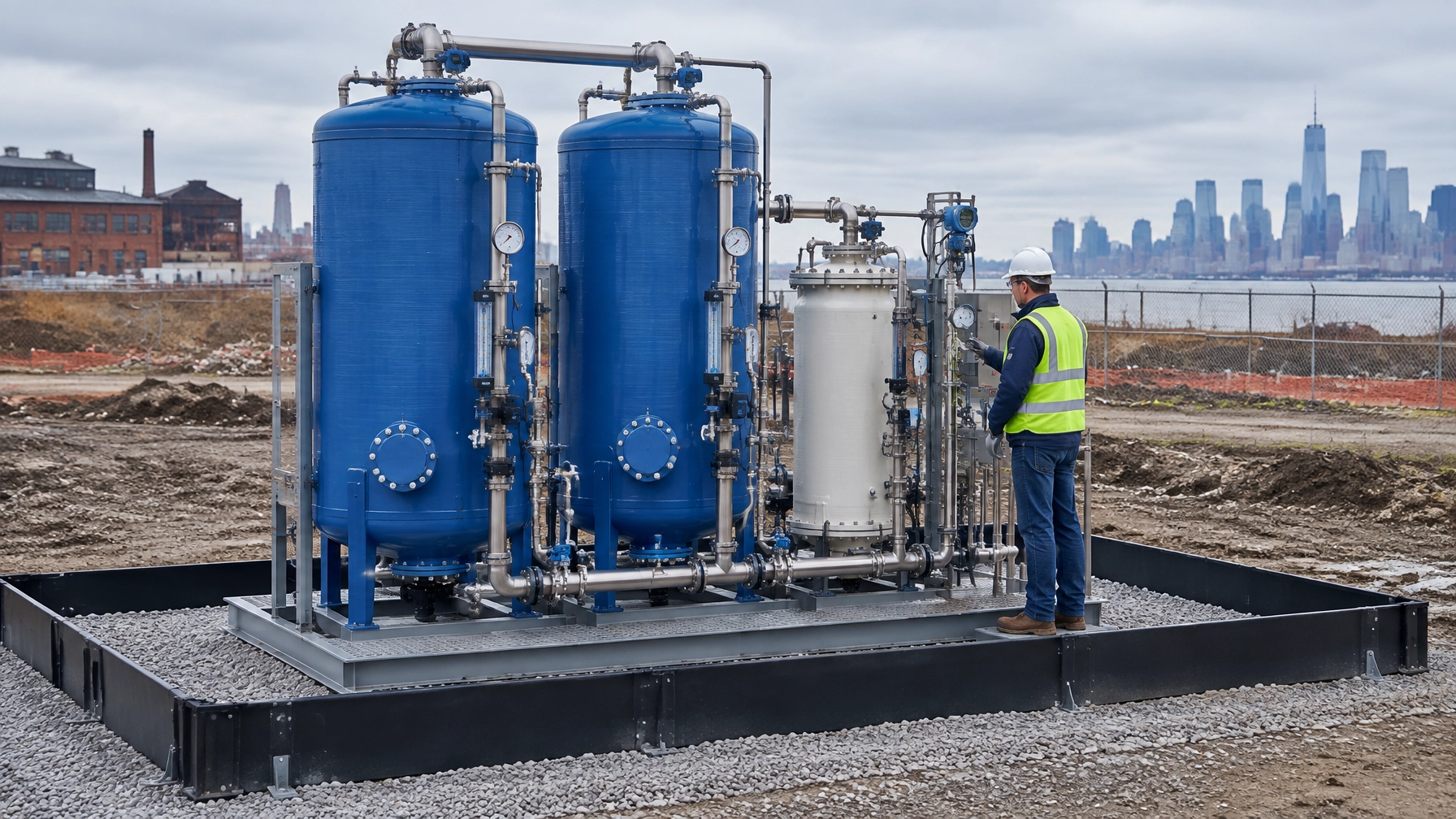
An active soil vapor management system is an engineering control. It may continue operating after occupancy. That means the project may need a site management plan, periodic inspections, monitoring, certification, and reporting.
This distinction matters. A site with an active vapor system may obtain a standard Notice of Satisfaction for the completed work, but it may not qualify for final E-Designation removal if continuing engineering or institutional controls remain necessary.
Envicon supports this phase through vapor intrusion assessment, including sub-slab sampling, indoor air testing, mitigation design, and post-mitigation verification.
Step 5: Close air quality and noise requirements
Hazardous materials is only one part of the OER program.
Air quality
Air requirements may involve:
- Boiler fuel restrictions
- Stack location
- Intake and exhaust separation
- Dispersion analysis
- HVAC design coordination
- Installation certification
The design must match the applicable CEQR and E-Designation requirements. If the proposed building changes after approval, the prior determination may no longer address the actual project.
Noise
Noise closeout may involve:
- Window and wall attenuation
- Alternate means of ventilation
- Acoustical specifications
- 24-hour noise monitoring
- Leq, L10, or Ldn measurements
- Installation documentation
- Architect or professional engineer certification

OER’s rules require an Installation Report for air and noise work. The report should document that the approved measures were installed as designed and satisfy the E-Designation.
Do not treat a contractor invoice or product submittal as a complete closeout package. OER needs a regulator-ready record tied to the approved plan.
Step 6: Build the EPIC closeout record
EPIC should be treated as the working submission record for the OER process. The exact portal workflow and document requirements can change, so the project team should confirm current instructions with OER before filing.
A disciplined EPIC submission should include:
- Correct block, lot, E-Designation, and CEQR references
- Consistent project and applicant information
- Approved work plans
- Phase II or vapor reports
- Laboratory data and chain of custody
- Field notes and boring logs
- Construction photographs
- Engineering control certifications
- RAP and CHASP documentation
- Remedial Closure Report or Installation Report
- Professional certifications
- Site management plan, if required
- Recorded covenant or declaration, if required
- Clear request for the specific OER action
The submission should state whether the request concerns:
- Permit clearance
- Occupancy clearance
- Temporary certificate of occupancy
- Final certificate of occupancy
- Final Notice of Satisfaction
- Administrative removal from the DCP E-Designation list
That distinction prevents a common problem: submitting a technically complete report without clearly requesting the regulatory action needed for the closing or title file.
Step 7: Coordinate OER, DOB, DCP, lender, and title timing
A lender or title company may ask for proof that the E-Designation has been removed. A standard Notice of Satisfaction may not answer that request.
Before closing, confirm:
- Whether OER issued a standard or final Notice of Satisfaction
- Whether all tax lots in the CEQR determination are satisfied
- Whether DCP updated the administrative record
- Whether the zoning appendix reflects the removal
- Whether a restrictive declaration or covenant remains recorded
- Whether active engineering controls continue
- Whether DOB records show the necessary clearance
- Whether the lender needs a separate environmental certification
- Whether title counsel needs a certified copy of the OER document
Under § 43-1475, final removal depends on the facts. For hazardous materials, OER must determine that remediation is complete, protective for any allowable use, and does not require engineering or institutional controls. For air and noise, OER evaluates whether the source has been eliminated or whether the requirements have been completed through full buildout and installation verification.
DCP then removes the affected tax lot from the list appended to the Zoning Resolution. If the CEQR determination covers multiple lots, all applicable lots may need final Notices of Satisfaction before the designation is administratively removed.
Closeout is not the same as a zoning update
This is the point most transaction teams miss.
- OER closeout confirms that environmental requirements have been satisfied.
- DOB clearance supports permits or certificates of occupancy.
- DCP administrative update reflects final removal from the zoning record.
- Title and lender clearance confirms that the closing file contains acceptable evidence.
These steps are connected, but they are not interchangeable. Do not tell a buyer that the E-Designation automatically disappears when excavation ends or when a contractor finishes installing a vapor system.
NYC OER E-Designation removal checklist
Before requesting final closeout, confirm that you have:
- Correct tax block and lot
- Current CEQR and E-Designation requirements
- Phase II investigation or approved waiver
- OER-approved RAP and CHASP, if required
- Approved vapor and indoor air sampling protocol
- ELAP laboratory data and chain of custody
- Air quality and noise documentation, if applicable
- Engineering control design and certification
- Active soil vapor management plan, if applicable
- Construction and field oversight records
- Certified Remedial Closure Report or Installation Report
- Recorded covenant or declaration, if required
- EPIC submission record
- OER Notice of Satisfaction
- Final Notice of Satisfaction request, if removal is the goal
- DCP administrative record confirmation
- Lender and title delivery package
Envicon works across Manhattan, Brooklyn, Queens, the Bronx, and Staten Island. Our team connects the field investigation, engineering controls, OER submission, construction oversight, and closeout record under one accountable process.
Frequently asked questions
How do I remove an E-Designation before closing?
Confirm the applicable requirements, complete the OER-approved work, submit the certified closeout documents, obtain the appropriate Notice of Satisfaction, and verify whether DCP has updated the zoning record. Closing requirements vary by lender and title company.
Does cleanup automatically remove an E-Designation?
No. Cleanup completion does not automatically remove the designation. OER must determine whether the final removal criteria are satisfied and issue a final Notice of Satisfaction where appropriate.
What is an NYC OER Notice of Satisfaction?
A Notice of Satisfaction confirms that OER has accepted the required environmental work for the applicable project stage. A final Notice of Satisfaction may support DCP’s administrative removal of the tax lot from the E-Designation list.
Can an active vapor system remain after closeout?
Yes. OER may accept a closeout with continuing engineering or institutional controls. The property may then require a site management plan, inspections, monitoring, certifications, and reporting.
Does the process differ in Queens, Brooklyn, and the Bronx?
The governing framework is citywide, but the site history, CEQR record, contamination, building design, and prior OER file differ by tax lot. The same applies in Manhattan and Staten Island.
The practical takeaway
NYC OER E-Designation removal is a documented regulatory process, not a field-completion checkbox.
Start with the block and lot. Pull the CEQR record. Confirm the hazardous materials, air quality, and noise requirements. Match sampling and engineering controls to the approved scope. Build a complete EPIC record. Then request the precise OER action your permit, occupancy, lender, title, or zoning objective requires.
Envicon helps owners and development teams move from open environmental requirements to a defensible closeout path with direct coordination, technical documentation, and field-level accountability.
Sources
- NYC Office of Environmental Remediation: E-Designation
- NYC OER: Finding E-Designation Requirements
- 43 RCNY Chapter 14: E-Designation and Environmental Restrictive Declaration Program
- NYC Department of City Planning: E-Designation FAQ
- NYC Zoning Resolution Appendix C
Take the next step
- Call Envicon now
- Get a free quote today
- Use the project risk screener
- Review NYC E-Designation compliance services
- Explore Envicon’s complete service list