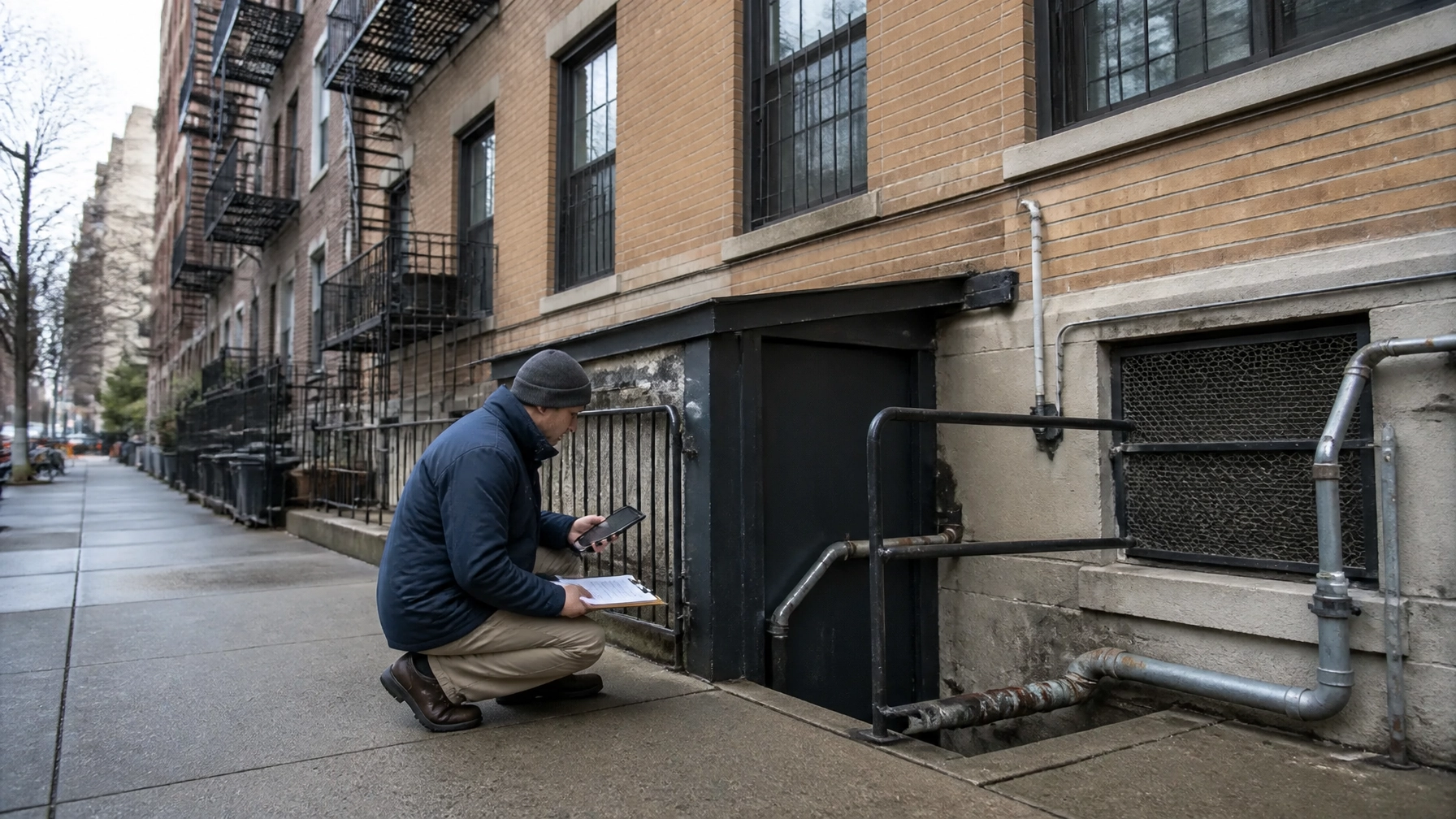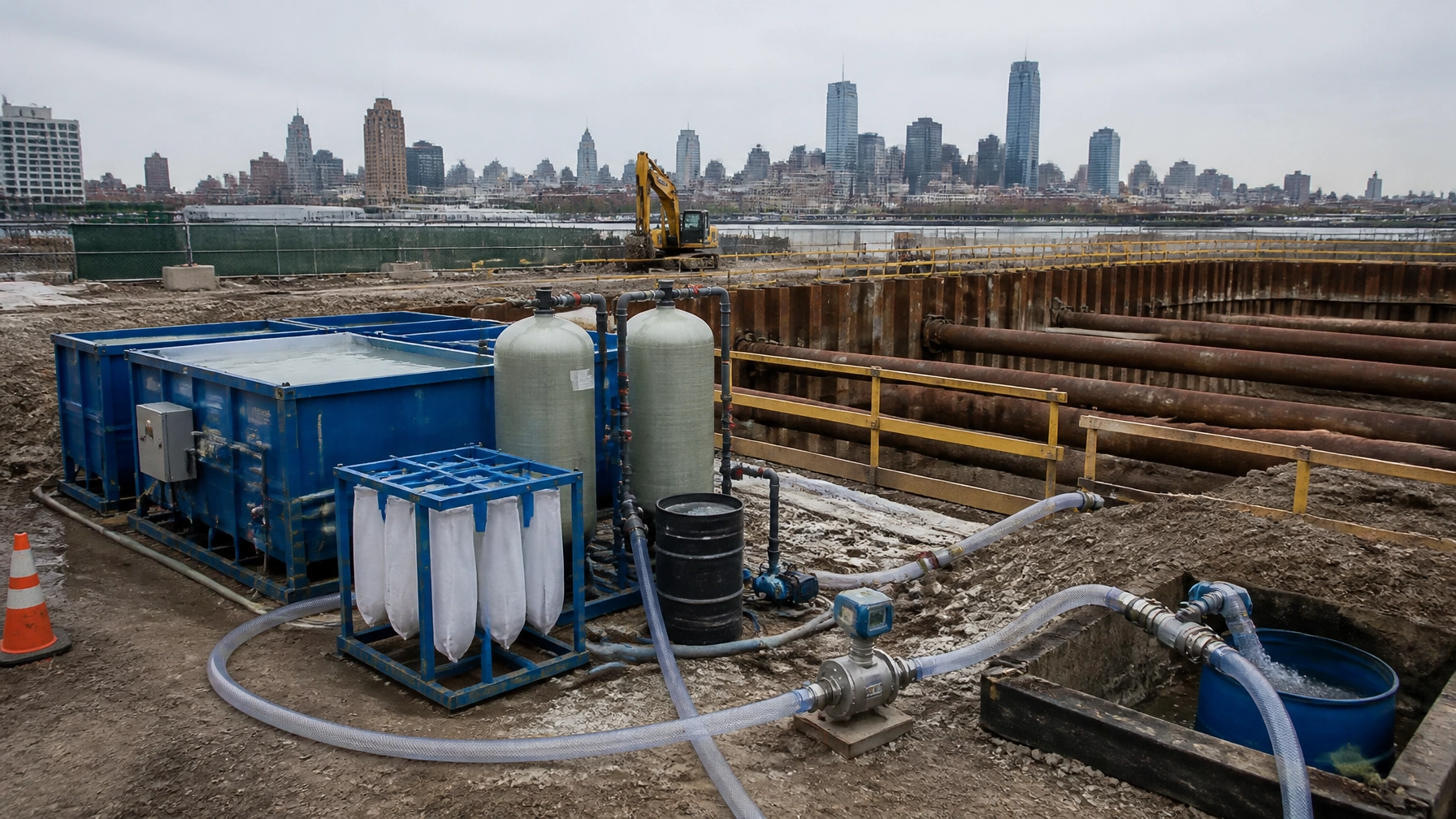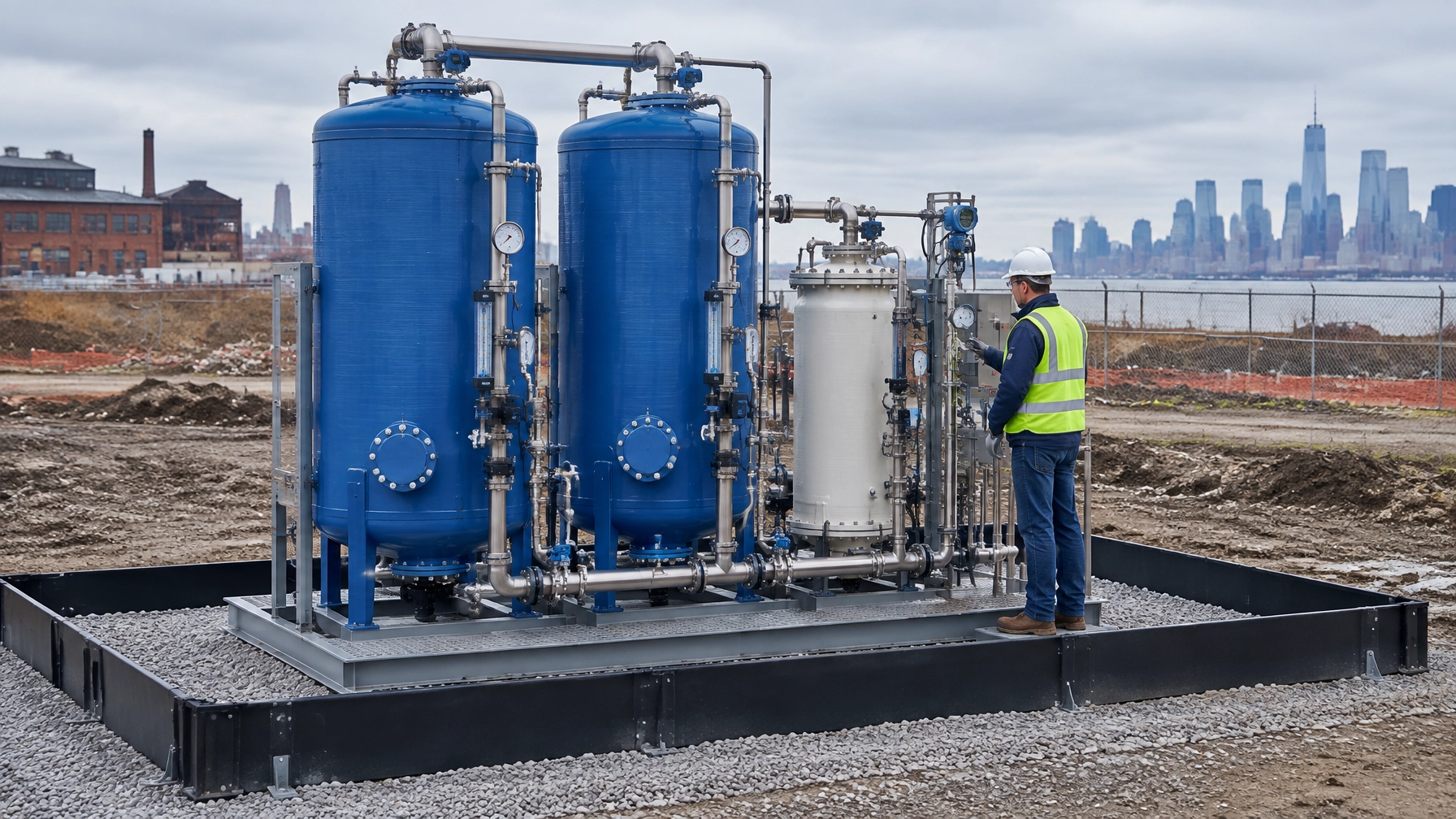
A NYC OER Notice of No Objection can keep a limited renovation moving on a property with an E-Designation or Environmental Restrictive Declaration. It is not a shortcut around environmental requirements. It is a scope-specific determination that the proposed work does not require the broader Hazardous Materials, Air Quality, or Noise review typically associated with a full E-Designation pathway.
That distinction matters in every borough.
A minor interior alteration in Queens may qualify for an NNO. A similar filing in Brooklyn may require a broader OER review if it changes windows, HVAC equipment, occupancy, egress, or disturbs soil. The address alone does not determine eligibility. The proposed work does.
This guide explains how the NNO pathway works, what OER reviews through EPIC Environment, and where project teams commonly make costly assumptions.
What Is a NYC OER Notice of No Objection?
The NYC Office of Environmental Remediation issues a Notice of No Objection for certain projects on properties subject to an E-Designation or Restrictive Declaration.
According to NYC OER’s official guidance, NNOs are typically associated with minor alterations that do not trigger OER review for:
- Hazardous materials
- Air quality
- Noise
The NNO is connected to a specific Department of Buildings application and a defined scope of work. It tells DOB that OER has no objection to the work covered by that filing.
It does not remove the E-Designation from the property. It does not satisfy all environmental obligations for the tax lot. It does not certify that the property is free of contamination.
“The term ‘minor alteration’ is project-specific. It is not a blanket exemption for the property.”
That is the point owners, architects, and expeditors need to keep in view.
When Can a Minor Alteration Qualify?
OER’s E-Fee guidance identifies common characteristics of projects that may qualify for an NNO. A proposed project generally needs to avoid the environmental triggers associated with a full review.
Examples of work that may support an NNO include projects that do not:
- Disturb soil
- Change the site’s use, occupancy, or egress
- Change windows
- Change stack locations
- Change boilers or HVAC systems
- Change fuel types
These criteria are not a substitute for a project-specific determination. A renovation may appear minor on an architectural plan but still create an environmental issue through mechanical changes, altered ventilation, or a change in how a space is occupied.
This is why an E-designation minor alteration NYC review should start with the complete DOB scope, not a one-line project description.
A project described as “interior renovation” may include:
- New kitchens or commercial cooking equipment
- New exhaust or makeup air systems
- Boiler replacement
- Fuel conversion
- New windows
- Basement work
- Changes to egress or occupant load
- Limited excavation for utilities or plumbing
Any of those details can change the OER pathway.
The EPIC Submission Process
All new NNO applications must be submitted through EPIC Environment. OER’s NNO application instructions outline the process.
1. Confirm the property designation
The applicant must verify the property’s E-Designation and any Environmental Restrictive Declaration information in EPIC.
If the designation data is missing or incorrect, resolve that issue before submitting. Do not create a second project to work around a property record problem.
For an existing or previously active OER project, the standard new-project instructions may not apply. OER directs applicants to contact the assigned project manager or the OER main line.
2. Enter the correct DOB information
The EPIC submission must match the DOB filing. This includes:
- DOB job number
- Job type
- Job description
- Any additional DOB job numbers related to the work
A mismatch between the EPIC application and the DOB record can create avoidable review questions. The description should be specific enough for OER to understand the actual work, including mechanical, architectural, and subsurface components.
3. Upload plans and records
The PE or RA of record must provide signed and stamped project plans. The plans should clearly show the scope being reviewed.
For a minor alteration, the plan set should make it easy to confirm:
- No soil disturbance
- No change in use, occupancy, or egress
- No window replacement or modification
- No new or relocated stacks
- No boiler, HVAC, or fuel-type change
- No work that could affect hazardous materials, air quality, or noise conditions
A vague plan set weakens the application. OER needs a defensible connection between the proposed work and the requested NNO.

4. Complete the certified NNO submission
After the project information and plans are uploaded, EPIC generates a draft NNO application. The PE or RA of record must review, sign, and stamp the form.
The signed and stamped document must then be uploaded as the certified NNO submission. Saving the project in EPIC does not complete the application. The applicant must submit the certified form through the final submission step.
OER specifically warns applicants not to click project creation or final submission buttons more than once. Duplicate submissions can complicate project tracking.
What OER Reviews Before Issuing an NNO
OER is not simply checking whether the project title contains the word “minor.” The agency is evaluating whether the defined scope creates environmental concerns that require additional review.
The review may consider:
Hazardous materials
Work in older buildings can involve asbestos-containing materials, lead-based paint, PCBs, mercury devices, or other regulated materials. An NNO does not authorize disturbance of hazardous materials.
If the scope includes demolition, regulated material disturbance, or work in areas with known environmental concerns, the project may need a different review path.
Vapor and subsurface conditions
A project may avoid soil disturbance but still involve a basement, slab penetration, utility trench, or other activity near a known vapor condition.
On a property with a history of contamination or an existing engineering control, the team must confirm that the proposed work will not damage a vapor barrier, sub-slab depressurization system, cap, or other control.
Air quality and mechanical systems
Changes to boilers, HVAC systems, fuel types, stacks, or exhaust locations can affect air quality review. A mechanical scope that looks routine to a contractor may be significant to OER.
The application should identify existing and proposed equipment clearly.
Noise
Equipment, operations, or construction methods may create noise concerns. OER’s NNO pathway is intended for work that does not trigger the applicable environmental review. It is not a general construction noise waiver.
NNO Decision Table
| Project condition | Likely OER pathway | Recommended next step |
|---|---|---|
| Interior work with no soil disturbance, no change in use, occupancy, egress, windows, HVAC, stacks, boilers, or fuel | NNO candidate | Confirm eligibility and submit through EPIC |
| Work changes windows, HVAC, boilers, stacks, or fuel type | Full OER review may be required | Review the scope with an environmental professional before filing |
| Work changes use, occupancy, egress, or requires a new Certificate of Occupancy | Usually outside the minor alteration pathway | Plan for broader E-Designation review |
| Any soil disturbance, foundation work, or excavation | Typically requires additional OER review | Coordinate investigation, environmental controls, and agency requirements |
| Curb cut, sidewalk shed, fence, scaffolding, construction equipment, sprinkler, standpipe, or fire alarm application only | OER requirements may be waived in limited circumstances | Confirm the narrow job scope with DOB and OER |
| Existing or previously active OER project | Standard new-project instructions may not apply | Contact the OER project manager or OER directly |
The table is a screening tool. It is not an approval. OER determines whether the submitted project qualifies.
What an NNO Does and Does Not Authorize
A Notice of No Objection can help DOB move forward with the specific permit action or sign-off covered by the notice. It can also support a temporary or final Certificate of Occupancy in circumstances where the applicable environmental conditions for the covered space have been addressed.
It does not:
- Authorize construction by itself
- Replace a DOB permit
- Approve work outside the submitted scope
- Remove an E-Designation
- Amend an Environmental Restrictive Declaration
- Approve hazardous-materials disturbance
- Approve soil excavation or disposal
- Certify that the property is environmentally clean
- Replace a Notice of Satisfaction for broader E-Designation obligations
OER’s E-Fee guidance distinguishes the NNO pathway from larger projects that require a Notice to Proceed or Notice of Satisfaction. The current listed fee for an NNO review is $475. Applicants should wait for OER’s fee request before submitting payment.
OER reserves up to 30 days for review, although the agency states that most applications are typically reviewed within five business days. Schedule-sensitive projects should not assume the shorter timeframe.

NYC Coverage Across All Five Boroughs
The same regulatory framework applies across Manhattan, Brooklyn, Queens, the Bronx, and Staten Island. The project conditions differ by neighborhood and building history.
- Manhattan: Older commercial buildings, mixed-use conversions, and dense mechanical systems can complicate a seemingly limited alteration.
- Brooklyn: A Notice of No Objection for a Brooklyn property may require careful review of former industrial use, vapor conditions, and basement work.
- Queens: An OER NNO application in Queens should be checked against the full DOB scope, especially for industrial, commercial, and mixed-use properties.
- The Bronx: Former manufacturing and industrial properties may have environmental records that affect the review even when the current work appears interior.
- Staten Island: Properties with unique site layouts, older infrastructure, or prior environmental restrictions still require the same scope-based analysis.
Envicon works across Manhattan, Brooklyn, Queens, the Bronx, and Staten Island.
Avoid the Most Expensive Assumption
The most common mistake is assuming that a minor renovation means a full E-Designation closeout is unnecessary.
That conclusion may be correct for the specific DOB application. It may be completely wrong for the property as a whole.
A project can receive an NNO for limited work while separate E-Designation obligations remain open. If the next phase includes soil disturbance, a change of use, new windows, mechanical changes, or a new Certificate of Occupancy, the project team may need to return to OER for a broader review.
We recommend an eligibility review before the architect finalizes the filing. That review should compare:
- The current E-Designation or Restrictive Declaration
- The proposed architectural and mechanical plans
- The DOB job type and description
- Existing environmental controls
- Prior OER approvals and open obligations
- The owner’s eventual construction and occupancy plan
That is how you avoid filing an NNO application for a project that needs a Notice to Proceed, remediation plan, or eventual Notice of Satisfaction.
Request a NYC OER Eligibility Review
Envicon provides senior-led environmental consulting in NYC, including E-Designation review, environmental assessment, OER coordination, vapor assessment, and remediation planning.
We do not hand you a generic checklist and leave you to interpret it. We review the actual project scope, identify the likely regulatory path, and coordinate directly with your architect, expeditor, attorney, and agency contacts.
- Request a project eligibility review
- Call Envicon at (917) 764-2171
- Use the project risk screener
- Review environmental assessment services
- Explore remediation and brownfield services
A Notice of No Objection can keep the right project moving. The key is proving that your project is the right project for that pathway.