Regulatory status checked October 26, 2026. NYSDEC has placed new climate-risk amendments for Petroleum Bulk Storage (PBS) and Chemical Bulk Storage (CBS) on its 2026 regulatory agenda. That does not mean a new rule has been formally proposed or taken effect. For buyers and sellers of former tank properties, however, the agenda is a reason to examine flood exposure, tank history, and likely closure or retrofit costs before a deal closes.
What DEC has on its 2026 agenda
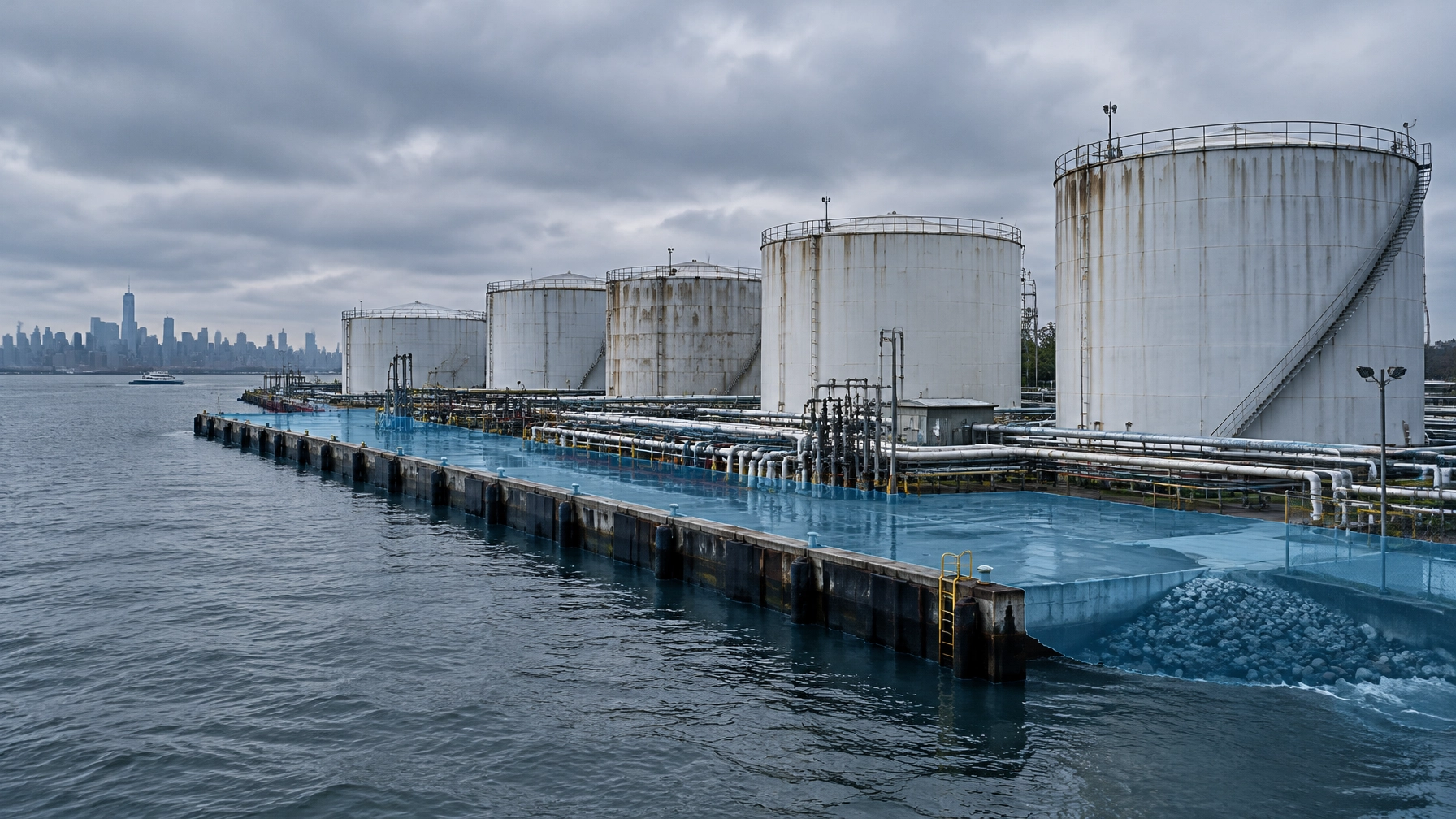
The agenda describes future amendments to 6 NYCRR Part 613, which governs petroleum bulk storage, and Parts 597 and 598, which govern chemical bulk storage. The stated focus is future physical climate risk, including sea-level rise, storm surge, and flooding. The contemplated scope reaches tank design and installation as well as operation, maintenance, monitoring, testing, and inspection at new and existing facilities.
The status matters. An agenda entry identifies a rulemaking DEC may pursue. It is not proposed regulatory text, a comment-period notice, or an effective legal requirement. As of the date above, DEC’s bulk-storage rulemaking page and regulatory agenda do not show a formal 2026 climate-risk proposal with express terms and a public comment deadline. DEC’s climate-rulemaking page also says no climate regulations are proposed at this time.
That means owners should keep meeting current requirements, not treat the agenda as an immediate retrofit order. Buyers should still account for the possibility that future requirements could affect investment decisions.
What the 2023 rules already say
DEC adopted a revised Part 613 in June 2023. The current rule includes 6 NYCRR § 613-1.15, “Future climate risk,” which directs facilities to take into account ECL § 17-1015 when complying with Part 613. The statute requires DEC to consider future physical climate risks when developing petroleum bulk-storage standards for new and existing facilities.
That provision is important, but it is not a detailed flood-design code. It does not, by itself, set a single sea-level-rise elevation, prescribe a universal retrofit, or establish a new deadline for tank closure. DEC’s 2023 rulemaking record explains that the broad climate measures were left for later work because they could bring significant costs and needed further evaluation. The Part 613 rulemaking record provides that context, while the current Part 613 text is the reference for existing requirements.
DEC’s agenda also lists the CBS amendments separately. Do not confuse these upcoming climate-risk efforts with the earlier harmonization rulemaking. Parts 370 and 374-2 appeared in related 2023 updates, but the current climate-risk agenda identifies Parts 613 and 597/598. The available agenda does not describe a separate 2026 climate proposal for Parts 370 or 374-2.
Which NYC properties deserve attention
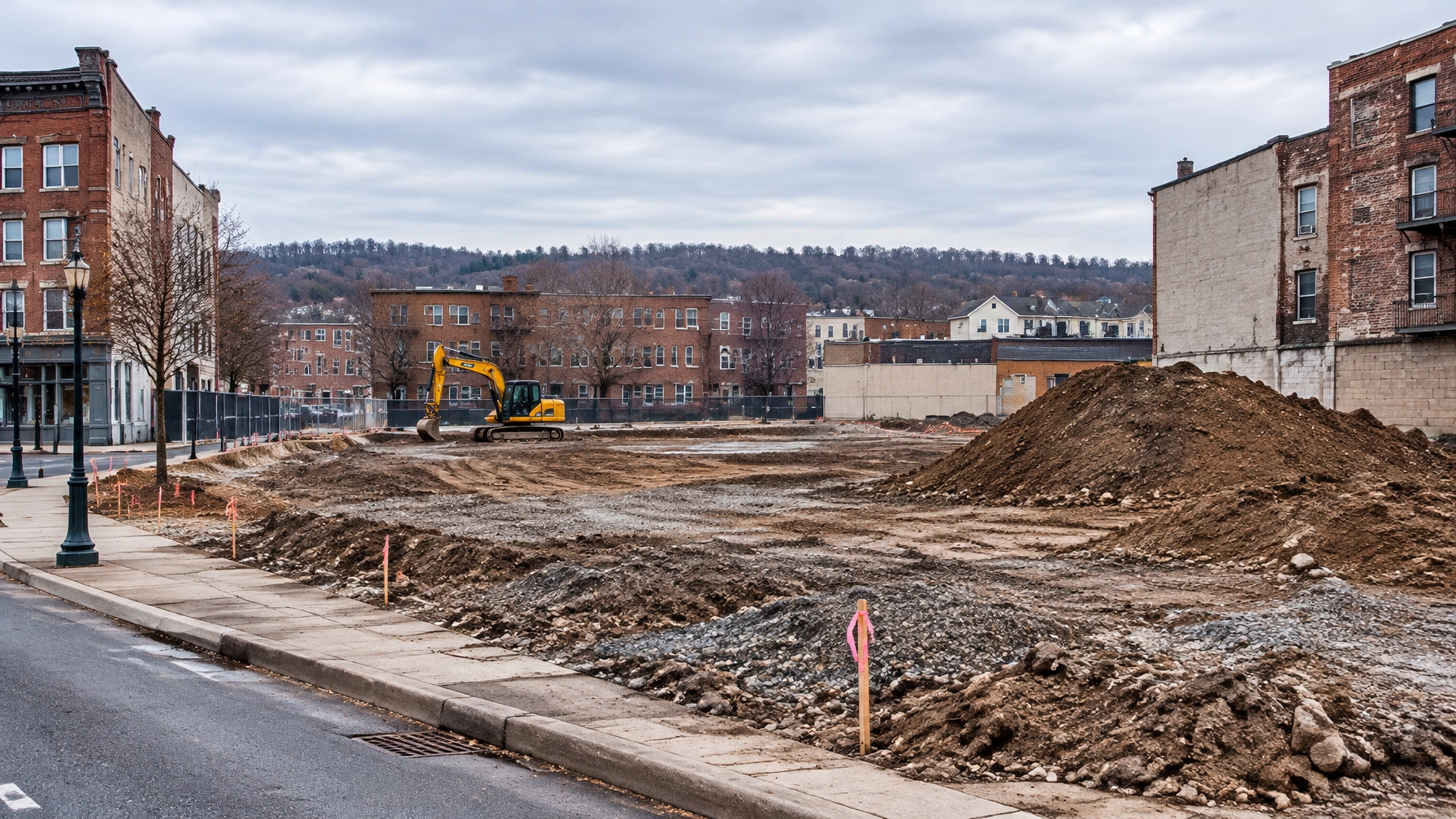
Registered PBS and CBS facilities are the direct regulatory focus. In the New York City market, that can include waterfront fuel terminals, industrial facilities, and gas stations with underground storage tank fields. Queens and Brooklyn sites near shorelines, tidal areas, or mapped flood zones warrant careful review. So do former facilities where tanks were removed, closed in place, or left undocumented.
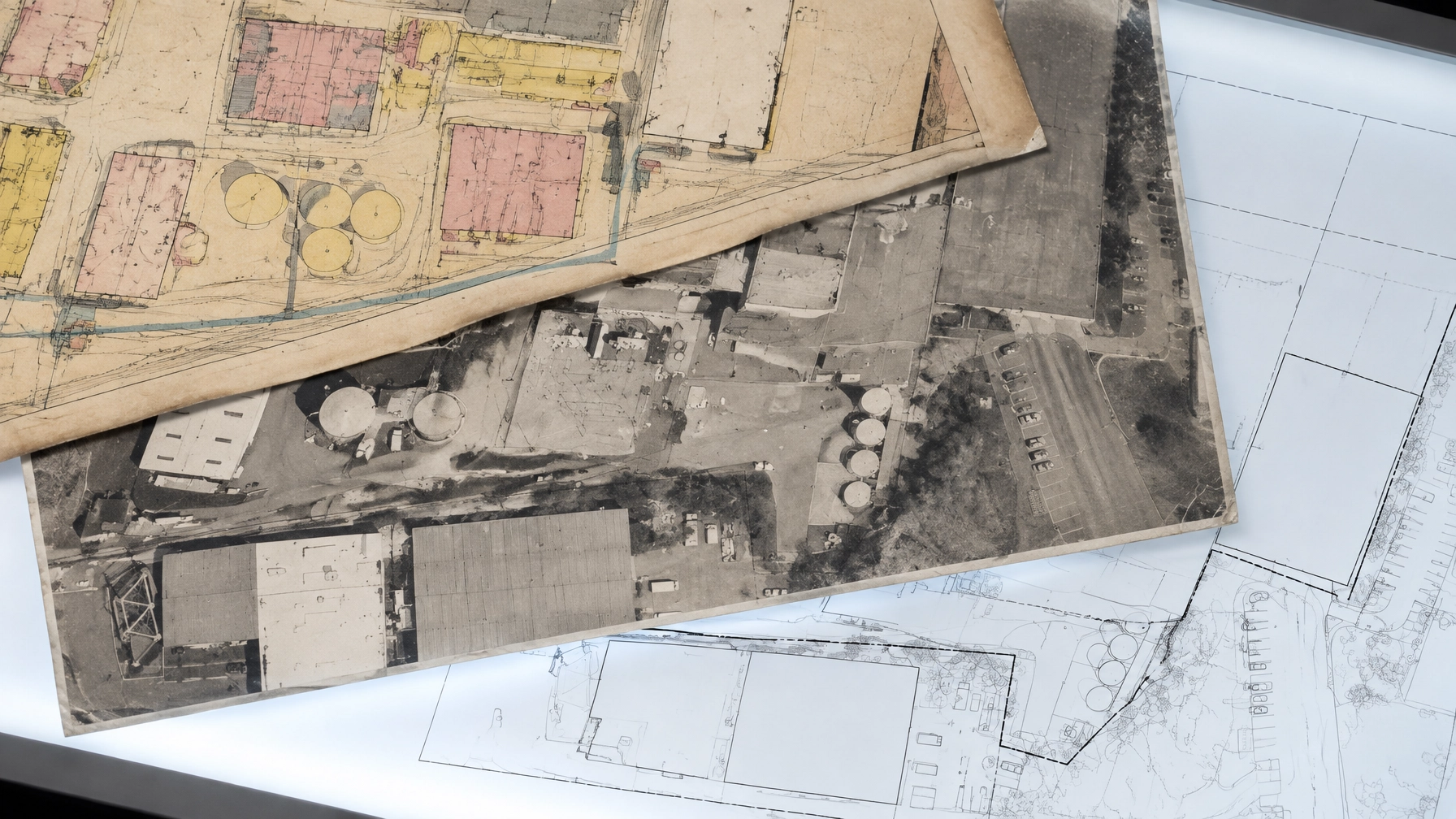
For a Queens acquisition, a Phase I alone may identify a former tank use without resolving what remains below grade. A targeted Phase II environmental site assessment can investigate soil, groundwater, and, where warranted, soil vapor. The work should reflect tank locations, release records, historic operations, site geology, and redevelopment plans. PFAS may merit screening when site history, process use, or available records support it. It should not be assumed to be a petroleum-tank contaminant.

A useful investigation should answer more than whether contamination is present. It should help the project team understand whether groundwater conditions, flood exposure, or tank buoyancy could affect removal, closure, construction sequencing, or future tank-system improvements. That calls for coordination between environmental, civil, geotechnical, and construction teams early enough to influence the budget and site plan.
The due diligence and closure cost picture
For buyers, a possible future rule is not a reason to book a mandatory upgrade as a settled cost. It is a reason to test the deal against realistic scenarios. Ask what happens if the current tanks need flood protection, if the tanks are no longer suitable for continued use, or if a future redevelopment requires permanent closure.
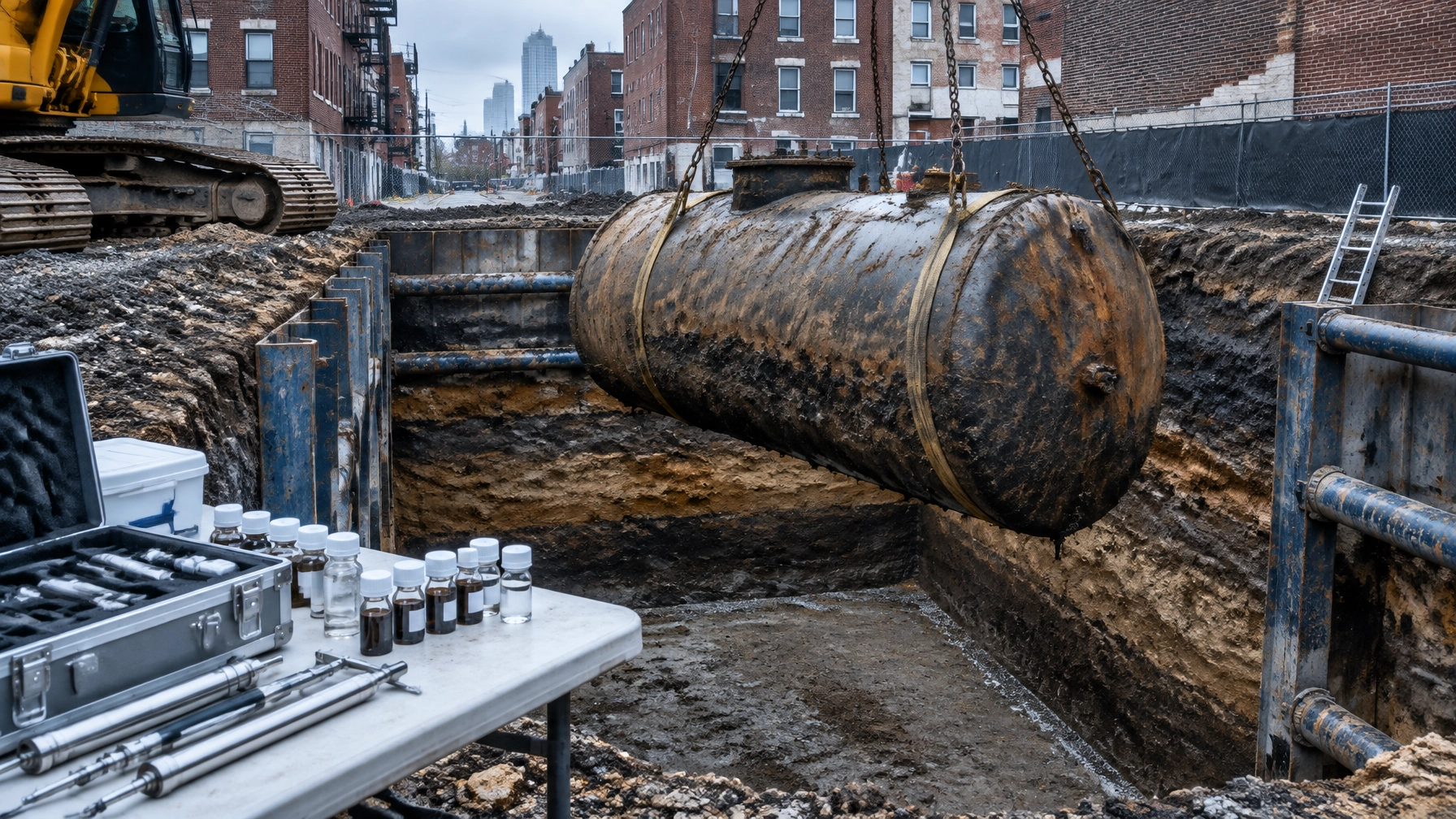
In New York City, UST closure costs depend on site conditions and scope. Budget drivers can include utility clearance, access and traffic constraints, tank removal or closure in place, contaminated soil handling and disposal, groundwater management, confirmatory sampling, and agency documentation. Waterfront groundwater or a tight urban footprint can change both the means and the schedule. A quote that treats tank removal as a stand-alone excavation may miss the environmental work needed to document closure.
The same diligence discipline applies when comparing a UST closure cost in NJ with a Queens project. Regulatory requirements and site conditions differ by state and property. A benchmark from another jurisdiction is not a substitute for a site-specific scope.
For sellers, organized tank records can reduce uncertainty. Gather current and historic registrations, tank capacities and contents, installation and repair records, inspections, release reports, closure documents, and environmental sampling. If records are missing, flag that before the buyer’s investigation becomes a closing surprise.
How we assess flood and tank risk in a transaction
At Envicon, we connect the tank question to the redevelopment plan. We review available records and site conditions, then scope fieldwork around the decisions the buyer needs to make. That can include geophysical screening, targeted borings, groundwater monitoring wells, laboratory analysis, and coordination with the tank contractor or design team.
For flood-resilient remediation, we consider how site grading, groundwater elevation, flood exposure, monitoring points, and planned excavation fit together. The goal is not to design to a rule that has not been published. It is to identify present risks, document assumptions, and avoid choices that could make future compliance or construction harder.

Our Phase II investigation service supports targeted site characterization, and our UST closure service addresses tank removal and closure documentation. Explore our complete services or our Queens location. We also work across the region, including Newark, New Jersey and Monmouth County, New Jersey.
The difference is practical. You work directly with a team that can connect investigation results to cost, sequencing, and regulatory next steps. A report should not leave you to guess what the finding means for the transaction.
What buyers and sellers can do now
Before closing or committing to redevelopment:
- Confirm the facility’s PBS or CBS registration status and obtain available tank records.
- Map current and former tanks against site plans, flood exposure, and the proposed building footprint.
- Scope Phase II sampling to investigate identified tank-related concerns, not as a generic grid.
- Estimate closure, soil handling, groundwater management, and confirmation requirements as separate budget items.
- Identify whether additional contaminants, including PFAS, warrant assessment based on site-specific evidence.
- Track DEC’s rulemaking page for formal proposed text, public comments, and effective dates.
The takeaway: The 2026 agenda is a signal to assess climate and bulk-storage risk, not a new regulation already in force. For Queens waterfront and floodplain properties, sound UST due diligence means evaluating current contamination and closure needs while making the project team aware of potential future requirements. Get the facts on the ground, price the realistic scenarios, and keep a clear path from investigation to redevelopment.