On October 14, 2026, the New Jersey Department of Environmental Protection (NJDEP) issued a notice on alternative remediation standards and compliance averaging. The message is direct: don’t submit an Alternative Remediation Standard (ARS) when compliance averaging already demonstrates compliance with the applicable default standard. NJDEP says it will not review an unnecessary ARS.
For developers and brownfield buyers in Monmouth County, the notice is a practical warning. An ARS needs a defensible technical basis and a complete supporting record. A template cannot make up for missing delineation or analytical data.
Read NJDEP’s October 14 notice. NJDEP’s Remediation Standards page links to the applicable rules, guidance, forms, and calculators.
First decide whether an ARS is needed
An ARS is an alternative to the applicable default remediation standard, developed under the relevant provisions of N.J.A.C. 7:26D. It is not an extra document to attach automatically whenever a report discusses compliance averaging.
If an accepted compliance-averaging option demonstrates compliance with the default standard, NJDEP says an ARS is not necessary and should not be submitted. The October 14 notice says the Department will not review it. If an ARS was included by mistake, the notice directs the responsible party to contact NJDEP’s Bureau of Inspection & Review.
An ARS may be appropriate when the site conditions and applicable pathway support an alternative standard, and the technical basis is documented under the relevant rule and NJDEP guidance. That decision depends on the contaminant, exposure pathway, area of concern (AOC), data, and method used. The project team should confirm the regulatory basis with its Licensed Site Remediation Professional (LSRP) before preparing the package.
The distinction matters: compliance averaging and an ARS are not interchangeable calculations. Document the approach that applies. Don’t submit both by default.
Depth-based ARS requires complete delineation first
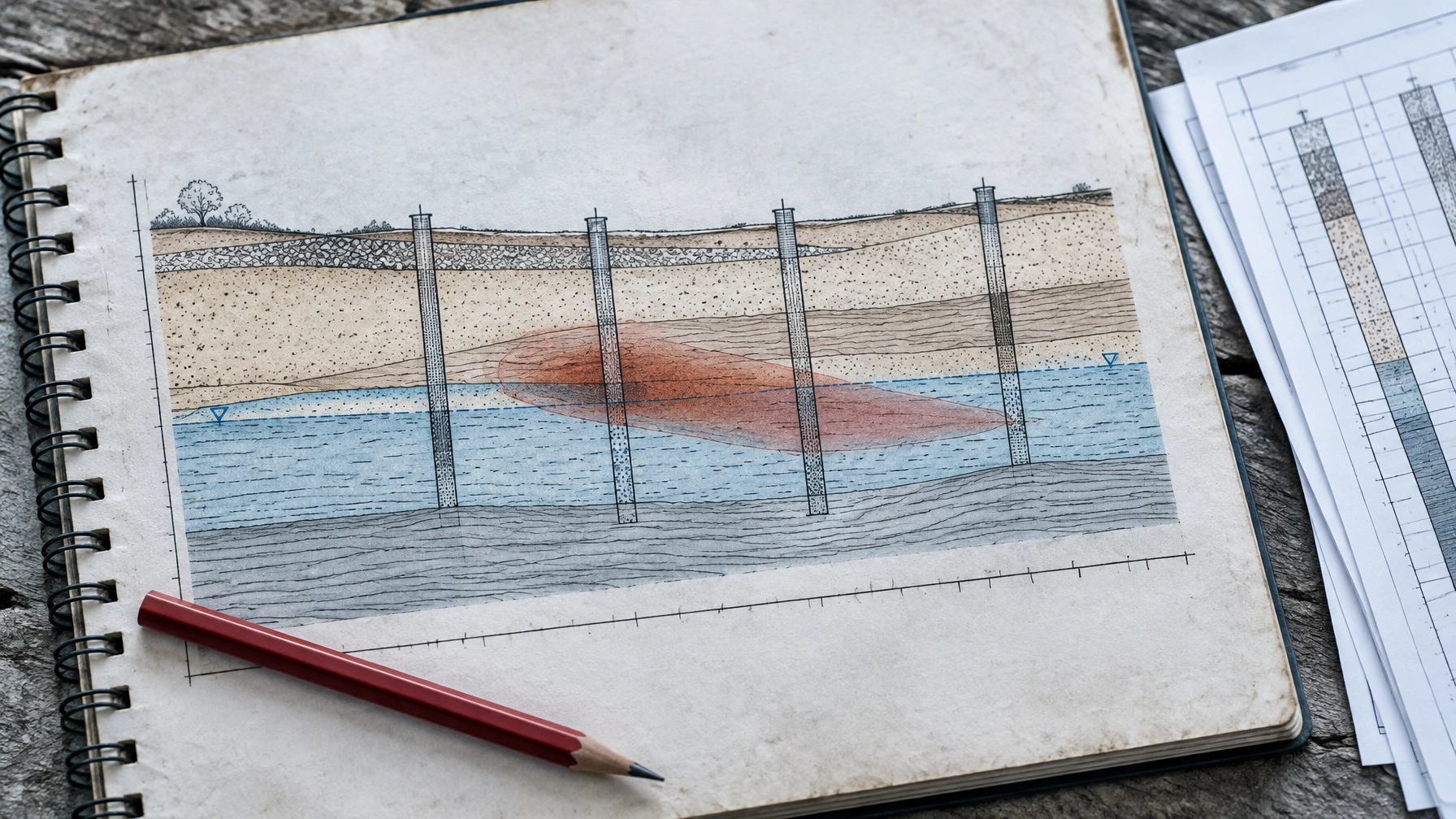
NJDEP’s notice identifies a specific issue for depth-based ARS submissions involving soil standards for the inhalation exposure pathway. Under N.J.A.C. 7:26D Appendix 7III(b) and Section 5.3.1 of NJDEP’s 2021 technical guidance, the AOC must be delineated to the appropriate default soil remediation standard both horizontally and vertically before developing the ARS.
NJDEP also states that extrapolation to the default standard is not allowed to determine depth of contamination. In practice, the team needs sufficient sampling to establish where the contamination ends, not an assumed boundary based on a trend or a gap in the data.

This sequencing is important. If the vertical or horizontal delineation remains incomplete, preparing the ARS first can produce a polished calculation that still lacks the field evidence needed to support it.
What to assemble for the submission
The notice calls out distinct supporting materials for different ARS methods. The precise package depends on the selected pathway and calculation method. At a minimum, organize the documentation so NJDEP can trace the AOC, the data, and the technical basis without guesswork.
For a depth-based inhalation-pathway ARS
Before developing the ARS, complete horizontal and vertical delineation to the applicable default standard. The supporting record should make the boundaries and depth intervals clear.
For a Soil-Water Partitioning Equation ARS
For an ARS developed using the Soil-Water Partitioning Equation (SWPE), NJDEP identifies two required items:
- A printout of the Department’s fraction organic carbon (foc) calculator spreadsheet.
- The associated analytical laboratory data package, including measured total organic carbon (TOC) values.
For a Synthetic Precipitation Leaching Procedure ARS
For an ARS developed using the Synthetic Precipitation Leaching Procedure (SPLP), NJDEP says the submission must meet the sampling and submission requirements and include:
- Laboratory analytical data.
- A printout of NJDEP’s SPLP spreadsheet.
The notice says that, in some cases, collecting at least three contaminated soil samples may not be possible, or the analytical results may be unexpected. It directs investigators to consult Section 6.6 of the 2021 technical guidance before submitting in those situations.
Make the supporting record easy to review
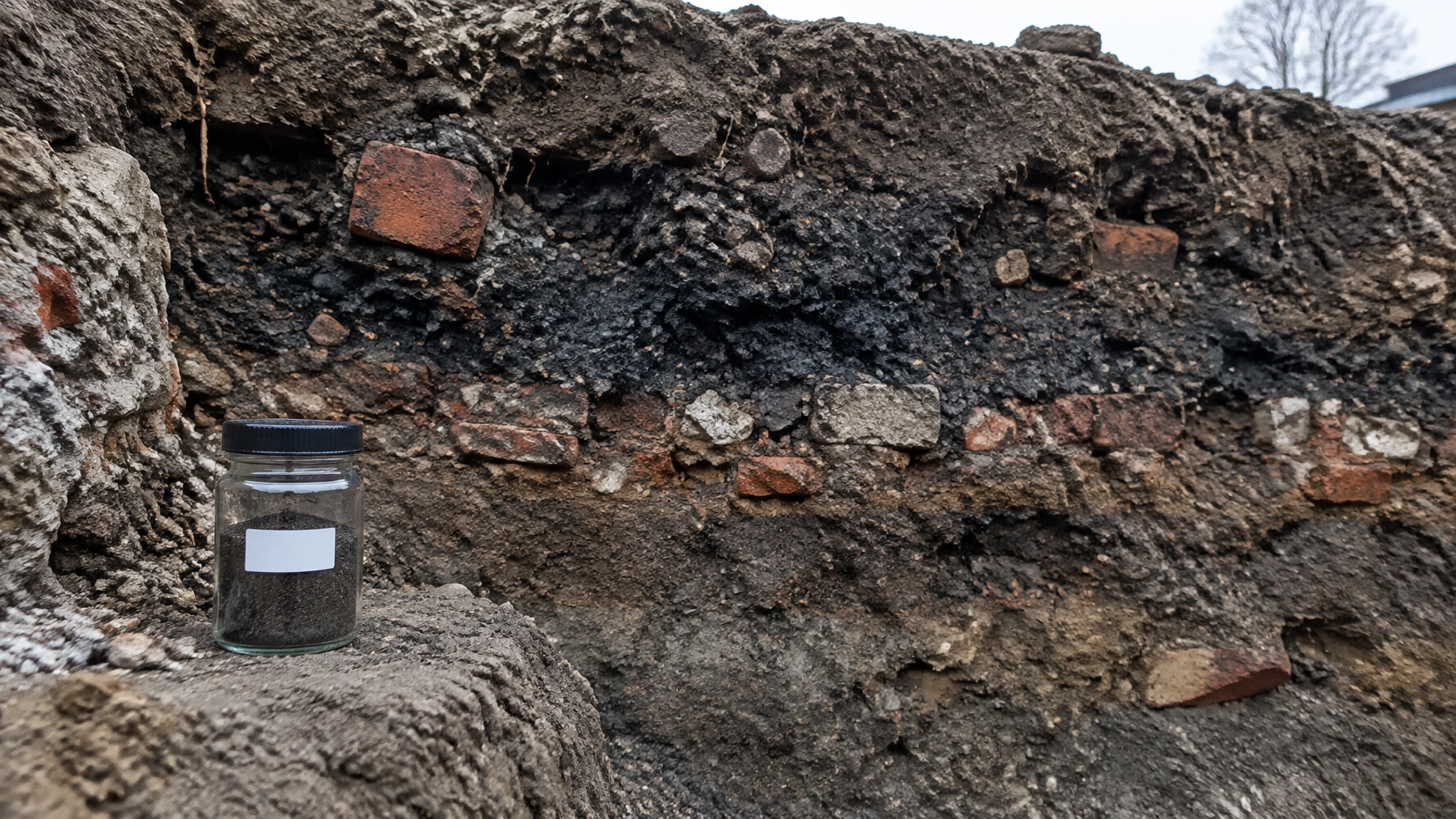
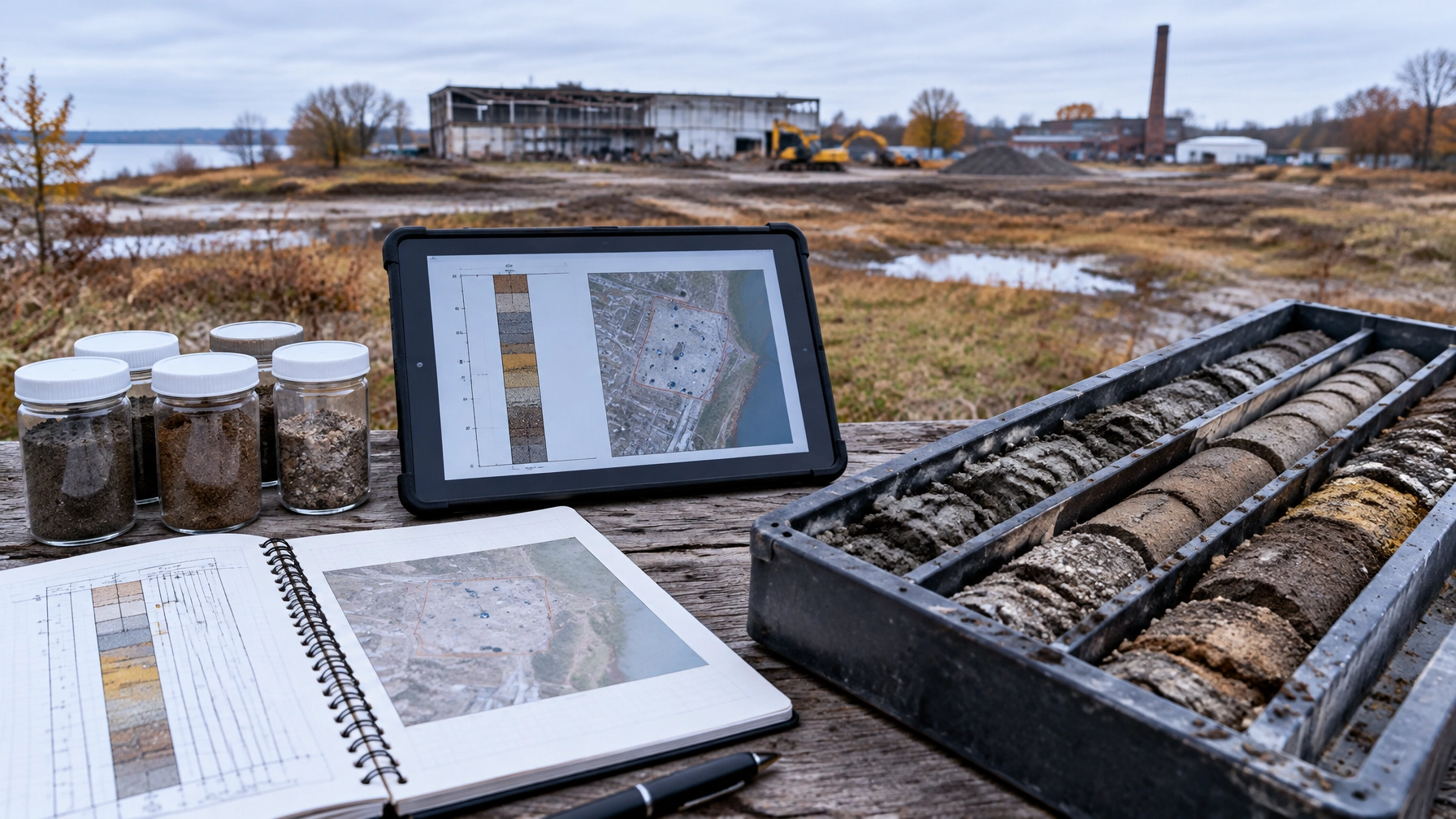
The notice names specific method-dependent materials. To make the basis clear, organize the supporting report with area-specific maps, AOC boundaries, sample locations, sample depths, analytical concentrations, applicable standards, and the calculation method. Where the method depends on statistical analysis, explain the statistical basis and show the data used.
That level of traceability helps a reviewer connect the map to the samples, the samples to the results, and the results to the proposed standard. Follow the current NJDEP rules and technical guidance for the selected method. A generic checklist cannot substitute for method-specific requirements.

Common mistakes NJDEP identified
The October 14 notice highlights recurring errors that can make an ARS package unnecessary or incomplete:
- Submitting an ARS when compliance averaging already shows compliance. NJDEP says it will not review that unnecessary ARS.
- Developing a depth-based inhalation ARS before full delineation. Horizontal and vertical delineation to the default standard must come first.
- Using extrapolation to establish the depth of contamination. The notice says extrapolation to the default standard is not allowed for this purpose.
- Omitting the SWPE materials. The foc calculator printout and associated TOC laboratory data package are required for an SWPE-based ARS.
- Submitting an incomplete SPLP package. The notice calls for laboratory analytical data and the NJDEP SPLP spreadsheet printout, along with proper sampling.
- Skipping the guidance when sampling or results raise questions. If the minimum sample count is not achievable or results are unexpected, consult Section 6.6 of NJDEP’s 2021 guidance before submitting.
For technical detail, see NJDEP’s Alternative Remediation Standards guidance and the October 14 notice. Environmental Shortcut’s notice summary provides additional context.
Why the sequence affects buyers and ISRA schedules
For a buyer, an incomplete ARS package can turn into more than a technical comment. If the data do not support the proposed approach, the team may need additional sampling, revised analysis, and a resubmission. That can affect due diligence, remedial design, construction planning, and transaction timing.
The risk deserves early attention on projects subject to the Industrial Site Recovery Act (ISRA). ISRA applies to certain industrial establishments and transfers, and the applicable obligations and timing depend on the facts of the transaction. Buyers should coordinate early with their counsel and LSRP to understand how environmental work fits the deal schedule. A preventable sampling gap can consume time the project does not have.
This is where template-driven work can fall short. A firm may produce an ARS package from a standard format without first confirming that delineation is complete or that the chosen method fits the data. The report can look finished while the technical prerequisite remains unresolved.
Our approach to remedial design and implementation oversight starts with the site conditions and the regulatory path. We check the data, confirm what is still needed, and coordinate with the LSRP and project team before a submission moves forward. For developers looking at environmental due diligence and remediation services in New Jersey, the objective is simple: build a defensible path from investigation to action, with clear ownership and no surprises.
Monmouth County has active redevelopment and land-use planning needs. Project teams can refer to the County’s environmental and sustainability planning resources for local planning context. The cleanup standard, however, must be established from the site-specific evidence and applicable NJDEP requirements.
Practical pre-submission check
Before the ARS package goes out, confirm:
- Does compliance averaging already establish compliance with the default standard?
- Does the chosen ARS method fit the contaminant, pathway, and available data?
- For a depth-based inhalation ARS, is the AOC fully delineated horizontally and vertically to the default standard?
- Are the method-specific NJDEP calculators, laboratory packages, and sample records included?
- Do the maps, sample locations, depths, concentrations, and calculations tell one consistent story?
- Have the LSRP and transaction team confirmed the submittal sequence against any ISRA or closing deadlines?
The October 14 notice is a reminder to submit only what the site needs, and to support it with the data the method requires. A complete investigation comes before a credible ARS. Envicon Group provides field-first remediation support and oversight for projects across New Jersey, including Monmouth County, as well as Newark, NJ, and Queens, NY. We work to keep the technical record clear and the project moving.
Frequently asked questions
When should a New Jersey project submit an ARS?
Submit an ARS when the site conditions and applicable regulatory pathway support an alternative standard, and the required technical basis and data are in place. Confirm the method and requirements with the project LSRP.
Does NJDEP review an ARS when compliance averaging already shows compliance?
According to NJDEP’s October 14, 2026 notice, no. If compliance averaging demonstrates compliance with the appropriate default standard, the ARS is unnecessary and NJDEP will not review it.
Can a depth-based inhalation ARS use extrapolation to establish the depth of contamination?
No. The notice states that the relevant AOC must first be fully delineated horizontally and vertically to the default standard, and that extrapolation to the default standard is not allowed to determine depth of contamination.
What does an SWPE-based ARS package need?
The notice specifies a printout of NJDEP’s foc calculator spreadsheet and the associated analytical laboratory data package with measured TOC values.
What if the SPLP sampling cannot produce three contaminated soil samples?
NJDEP advises investigators to consult Section 6.6 of the 2021 technical guidance before submission when three contaminated samples cannot be collected or analytical results are unexpected.
Takeaway and next step
An unnecessary ARS will not earn NJDEP review. An incomplete one can lead to rework and lost schedule. Confirm the compliance approach first, finish the required delineation, and assemble the data around the method actually being used. That is how you protect the cleanup schedule and keep a transaction moving.
- Use our proprietary project risk screener tool
- View our complete list of services
- Call now: (917) 764-2171