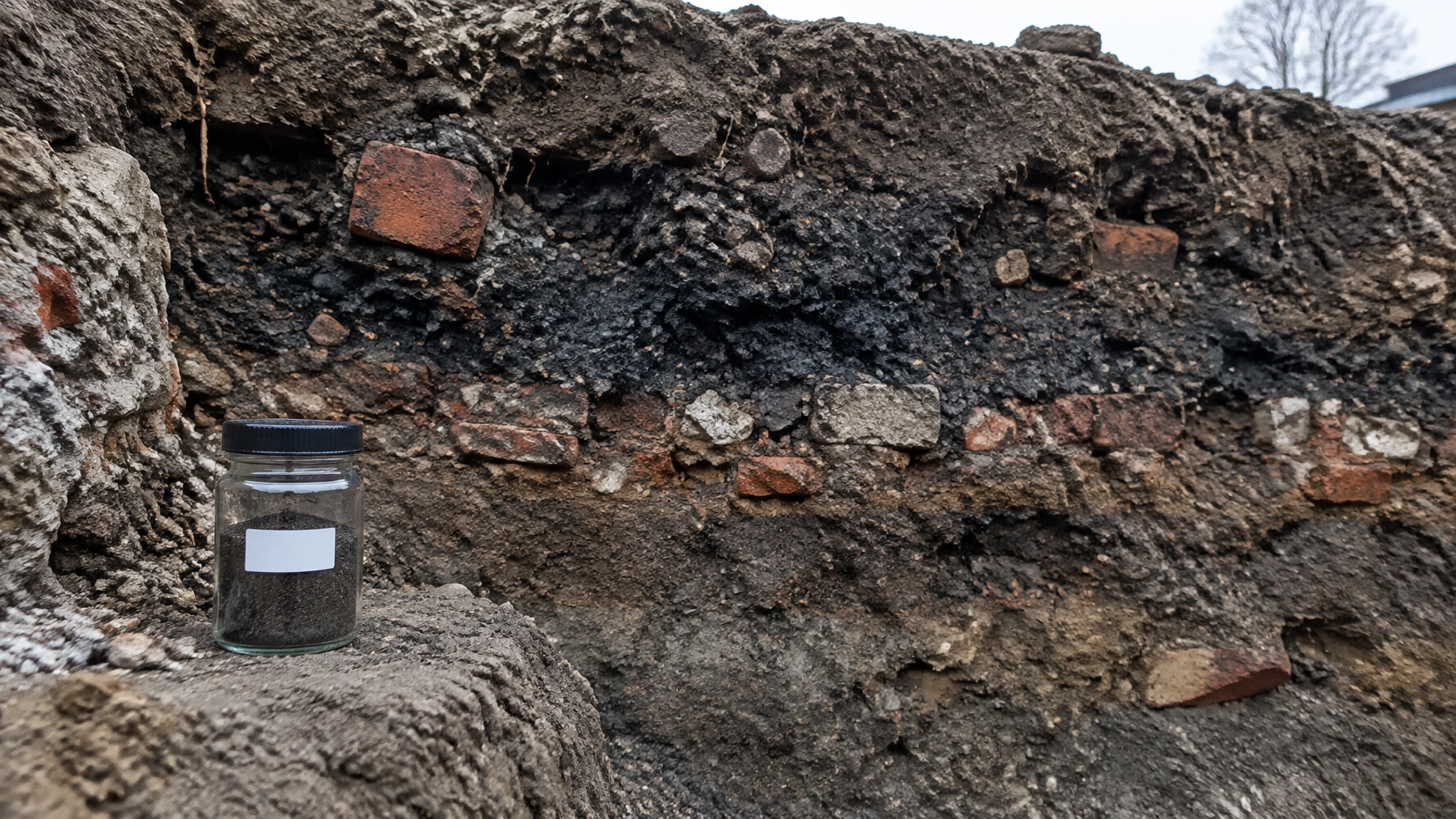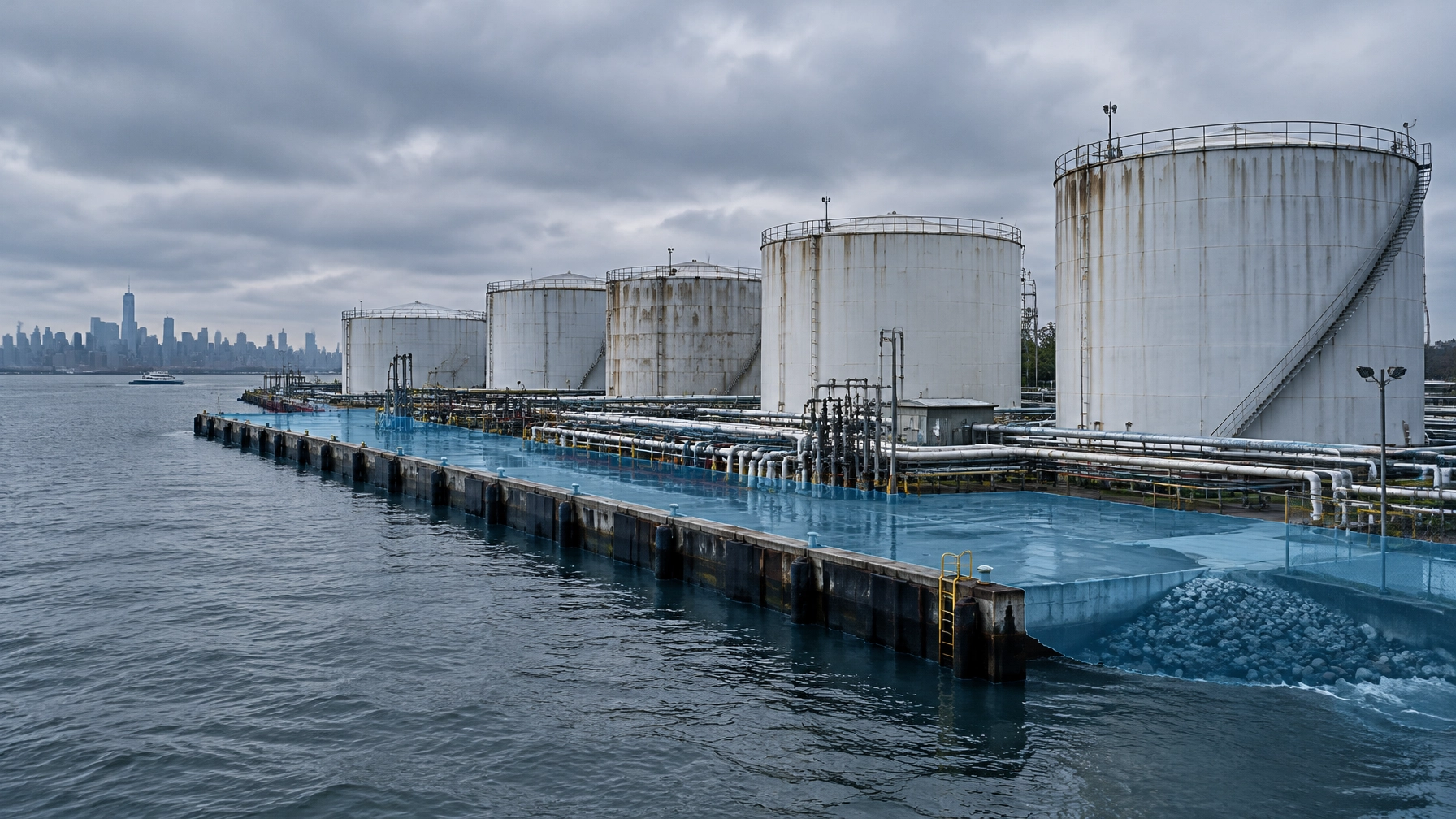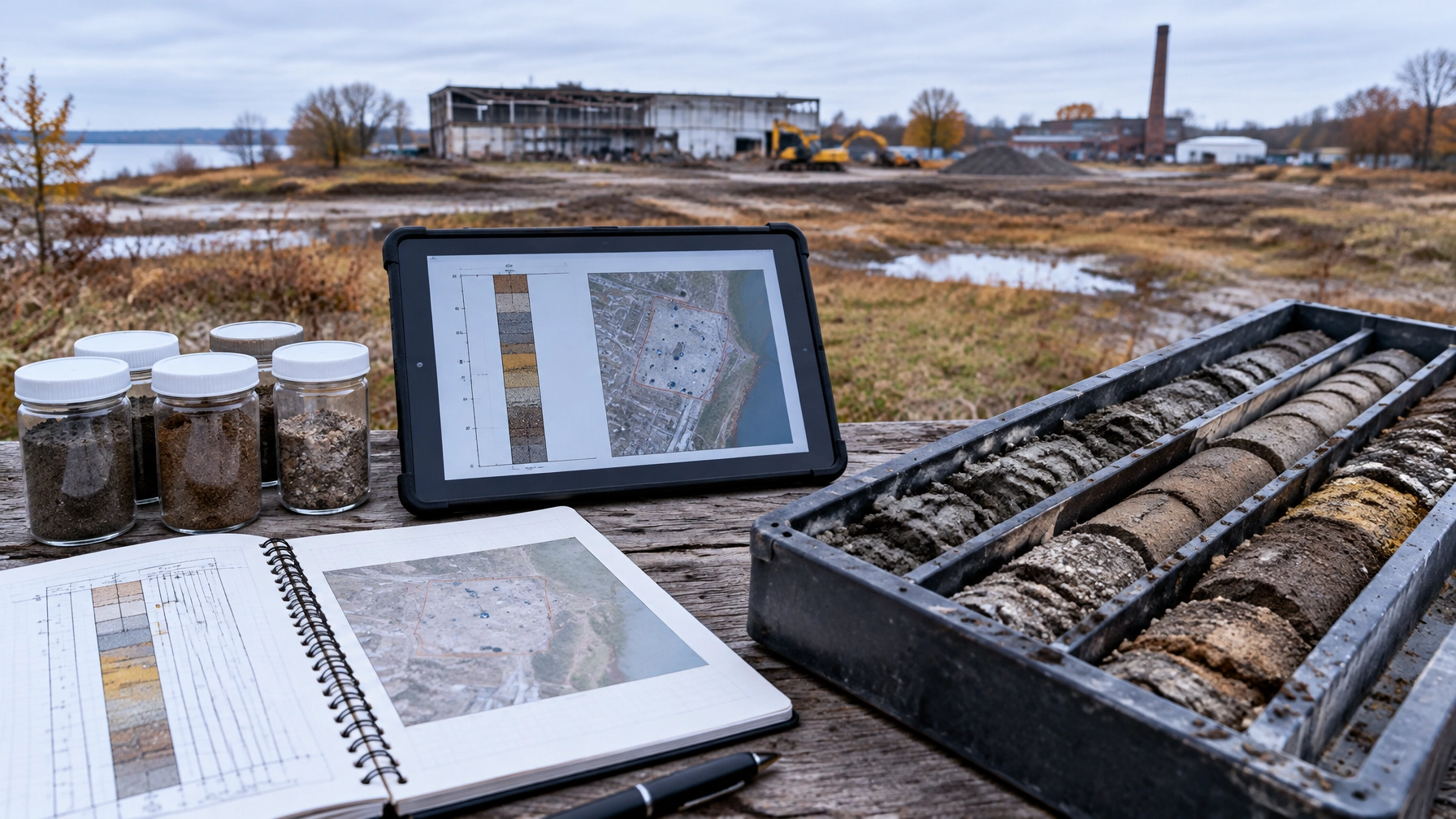
A development site in Queens does not move through the same environmental review process as a brownfield in Newark or a coastal parcel in Monmouth County.
Queens projects may require CEQR and SEQRA, with an Environmental Impact Statement when significant impacts are possible. Newark projects often center on NJDEP site remediation, the LSRP framework, and ISRA. Monmouth County projects may require CAFRA, freshwater wetlands, flood hazard, or waterfront approvals, together with local planning and zoning approvals.
The correct review path affects your schedule, financing, design, public process, and obligations after closing.
This guide compares the three markets for developers, investors, attorneys, architects, and construction teams planning work in 2026.
At a glance: three different review systems
| Issue | Queens, New York City | Newark, New Jersey | Monmouth County, New Jersey |
|---|---|---|---|
| Primary trigger | City discretionary action, city funding, or city agency project | Contamination, regulated industrial activity, ISRA triggering event, or redevelopment of a contaminated site | Development in the CAFRA zone, regulated wetlands, waterfront areas, or other NJDEP jurisdiction |
| Lead agency or authority | NYC lead agency under CEQR, coordinating with NYSDEC under SEQRA | NJDEP Site Remediation Program and an LSRP, with Newark planning and zoning agencies handling local approvals | NJDEP Division of Land Resource Protection, with municipal planning and zoning boards |
| Main deliverable | EAS, negative or positive declaration, DEIS, FEIS, and findings statement | PA/SI, RI, RAWP, RAO, Remedial Action Permit, ISRA certification, or related NJDEP documentation | CAFRA permit, wetlands authorization, LOI, flood hazard or waterfront approval, plus local approvals |
| Public process | Public scoping, DEIS comment period, public hearing, FEIS responses, and findings | NJDEP notices, technical review, possible public participation, and local board hearings | Public notice, DEP Bulletin comment period, possible hearing, and local board hearings |
| Post-approval obligations | Follow findings, mitigation commitments, E-designations, and agency conditions | Maintain controls, monitoring, RAPs, deed notices, certifications, and LSRP obligations | Build and operate according to permit conditions, mitigation plans, monitoring requirements, and local approvals |
Queens: CEQR, SEQRA, and the EIS process
What triggers review?
In Queens, CEQR generally applies when a New York City agency must approve, fund, or directly undertake a discretionary action. Examples include:
- Rezoning or zoning map changes
- Special permits and other discretionary land use approvals
- City-funded housing or infrastructure
- City-sponsored capital projects
- Public agency actions affecting land use or development capacity
Routine ministerial building permits generally do not trigger CEQR by themselves.
CEQR implements New York State’s SEQRA requirements within New York City. As the NYC Office of Environmental Coordination explains, “CEQR is the process by which agencies of the City of New York review proposed discretionary actions to identify the effects those actions may have on the environment.”
The review begins with an Environmental Assessment Statement, or EAS. The action may be classified as Type II, Type I, or Unlisted under SEQRA. A Type II action is generally exempt from further review. Type I and Unlisted actions require an EAS and a significance determination.
A positive declaration means the project may cause one or more significant adverse environmental impacts. That triggers an Environmental Impact Statement, or EIS.
The official CEQR FAQs identify technical areas that may require analysis, including hazardous materials, transportation, air quality, noise, public health, natural resources, historic resources, and construction impacts.
Typical timeline and deliverable
A simple EAS review may take several weeks to a few months, depending on agency comments and project complexity.
A full CEQR and SEQRA EIS can take substantially longer. A realistic planning range for a complex Queens rezoning or large mixed-use project is often 12 to 24 months, including:
- Lead agency coordination and project scoping
- Draft EAS or Full EAS preparation
- Technical studies and agency review
- Positive declaration, if applicable
- Draft scope and public scoping
- DEIS preparation
- Public comment and hearing
- FEIS preparation and response to comments
- CEQR and SEQRA findings
The final deliverable may include a DEIS, FEIS, Statement of Findings, mitigation commitments, and E-designations placed on the zoning lot.
For related technical planning, see Envicon’s guides on NYC E-Designation compliance, SEQRA environmental justice documentation, air quality E-designation requirements, and noise compliance.

What happens if the project changes?
A change after approval is not automatically harmless.
The lead agency must determine whether the change remains within the scope of the prior environmental review. A material change in:
- Building size or location
- Number of dwelling units
- Excavation depth
- Traffic generation
- Construction duration
- Energy systems
- Waterfront or natural resource impacts
- Hazardous materials controls
may require an amended environmental assessment, supplemental analysis, revised mitigation, or additional agency findings.
E-designation obligations and other mitigation commitments must remain coordinated with the construction documents. A site plan change that conflicts with the FEIS, findings, or OER requirements can delay building permits and the certificate of occupancy.
How do obligations transfer on sale?
CEQR and SEQRA findings are tied to the discretionary action and approved project, not to the original developer alone. A buyer who acquires the property must understand the findings, mitigation measures, E-designations, environmental restrictions, and open agency commitments.
The buyer should review:
- Final EIS and findings documents
- E-designation language
- OER or NYSDEC correspondence
- Remedial action plans
- Construction monitoring requirements
- Deed, zoning, and land record restrictions
A sale does not erase the environmental obligations attached to the property or the approved development program.
Developers planning work in Queens can also review Envicon’s Queens environmental consulting services and NYC environmental consultant hub.
Newark: NJDEP, LSRP, and ISRA
What triggers review?
Newark projects commonly involve former industrial uses, historic fill, petroleum equipment, manufacturing operations, and Passaic River corridor concerns.
The principal environmental framework is New Jersey’s Site Remediation Reform Act and the Licensed Site Remediation Professional system. An LSRP directs investigation and remediation under NJDEP requirements.
ISRA may apply when a covered industrial establishment experiences a triggering event, such as:
- Sale or transfer of ownership
- Transfer of operations
- Cessation of regulated operations
- Certain leases, bankruptcies, or operational changes
ISRA applicability depends on the nature of the industrial establishment and the transaction. It does not apply simply because a property is located in Newark.
Typical timeline and deliverable
A Newark remediation review usually includes:
- Preliminary Assessment and data gap review
- Site Investigation
- Remedial Investigation, if needed
- Remedy selection and RAWP
- Remedial action implementation
- Engineering or institutional controls, if required
- RAO and related NJDEP documentation
An initial PA/SI scope may take approximately 4 to 8 weeks. A more complex remedial investigation and closure pathway may take 3 to 12 months or longer, depending on contamination, access, groundwater, vapor, agency issues, and construction coordination.
The final deliverable may be an RAO, Remedial Action Permit, ISRA remediation certification, or another NJDEP-recognized compliance document. An RAO does not necessarily mean the site has no continuing obligations. If the remedy relies on a cap, deed notice, groundwater restriction, or monitoring program, those obligations continue.
Envicon provides NJ LSRP services, NJ ISRA compliance support, and Newark environmental consulting.

What happens if the project changes?
The LSRP must evaluate whether a design or site condition change affects the approved remedy.
Changes that may require additional work include:
- Deeper excavation
- A new building footprint
- Utility trenching through a restricted area
- Change from commercial to residential use
- New vapor or indoor air exposure pathways
- Unexpected contamination during construction
- Off-site disposal or soil reuse changes
The response may involve a revised RAWP, additional sampling, a remedial action permit modification, a new deed notice, or revised engineering controls.
How do obligations transfer on sale?
A buyer should not treat an RAO as a clean slate.
Where a site has a Remedial Action Permit, the seller and buyer must address the permit transfer process. NJDEP guidance generally requires a Remedial Action Permit Transfer or Change of Property Ownership application within 60 days after the sale or transfer, subject to the specific permit conditions.
The buyer may need to become a co-permittee and assume ongoing duties such as:
- Cap inspections and maintenance
- Groundwater or indoor air monitoring
- Biennial certifications
- Institutional control compliance
- Financial assurance
- LSRP retention
For Newark transactions, the purchase agreement should allocate responsibility for open remediation, transfer filings, monitoring, and post-closing construction changes.
Monmouth County: CAFRA, wetlands, and local approvals
What triggers review?
In Monmouth County, the first question is often whether the parcel and proposed work fall within the CAFRA coastal zone or another NJDEP land use jurisdiction.
Potential triggers include:
- New development or expansion in the CAFRA zone
- Coastal or waterfront construction
- Development near tidal wetlands
- Filling, grading, or disturbance near regulated wetlands
- Work affecting flood hazard areas
- Shoreline structures or public access areas
- Projects requiring freshwater wetlands or waterfront approvals
A CAFRA review may occur alongside NJDEP wetlands, flood hazard, tidelands, or federal water resource approvals. Local planning and zoning approvals remain separate.
Typical timeline and deliverable
A straightforward CAFRA individual permit often takes approximately 4 to 6 months from submission to decision. Complex projects can take longer.
The regulatory sequence commonly includes:
- Pre-application applicability review
- NJDEP Online submission
- Administrative and technical completeness review
- Required newspaper and agency notices
- DEP Bulletin public comment period
- Additional information requests
- NJDEP decision
- Local planning and zoning approvals
NJDEP generally has up to 20 working days for its initial completeness review. A public comment period is commonly 30 days. After the application becomes complete for review, the decision period is generally 60 days, or 90 days when additional information or a hearing is required.
The deliverable may be a CAFRA permit, wetlands authorization, Letter of Interpretation, flood hazard approval, or related NJDEP authorization.

What happens if the project changes?
CAFRA and wetlands permits are tied closely to the approved plans.
Changes to building footprints, grading, shoreline work, wetland disturbance, access roads, utilities, or mitigation areas may require:
- Permit modification
- Revised plan sheets
- Additional resource analysis
- New public notice
- A new application
- Updated local approvals
Do not assume that a local site plan revision is minor from NJDEP’s perspective. The permit drawings and environmental limits must remain aligned.
How do obligations transfer on sale?
CAFRA approvals are generally tied to the approved property and project. A sale does not remove permit conditions, mitigation duties, monitoring requirements, or construction limits.
The buyer should confirm:
- The permit remains valid
- Permit deadlines have not expired
- Required mitigation is complete
- Monitoring or restoration obligations remain open
- NJDEP has been notified when required
- Local approvals remain active
- The proposed construction still matches the approved plans
A buyer planning a different project may need a CAFRA modification or a new permit.
Monmouth County developers can review Envicon’s Monmouth County environmental consulting services, wetland delineation and restoration services, and compliance and permitting services.
The practical difference for developers
The three markets require different front-end decisions.
In Queens, identify the discretionary action and lead agency before assuming the project can proceed through routine permitting. In Newark, determine whether contamination, LSRP obligations, or ISRA affect the transaction and construction sequence. In Monmouth County, map the coastal and wetlands jurisdiction before finalizing the site plan.
Your early checklist should include:
- Confirm the lead agency
- Identify the legal trigger
- Map environmental constraints
- Establish the public process
- Build the agency review schedule
- Review transfer obligations before closing
- Create a change-control process for design revisions
- Keep environmental, civil, legal, and construction teams aligned
The official NYC CEQR Technical Manual, NYSDEC SEQRA resources, NJDEP Watershed and Land Management program, and NJDEP Site Remediation Program should remain part of your project reference file.
The takeaway
Queens requires a discretionary action review through CEQR and SEQRA. Newark centers on NJDEP remediation, LSRP oversight, and possible ISRA obligations. Monmouth County requires early coastal and wetlands jurisdiction analysis under CAFRA and related NJDEP programs.
The deliverable is different in each market. So is the public process. So are the obligations that survive a sale.
Envicon helps developers solve environmental and engineering challenges with precision, speed, and trust. We coordinate the technical work, agency communication, local approvals, and construction implications under one accountable team.