For years, "forever chemicals" have been the looming shadow over New Jersey real estate and industrial operations. On June 15, 2026, the New Jersey Department of Environmental Protection (NJDEP) finally stepped out of the interim period and into a hard-coded regulatory reality. With the formal adoption of amendments to the Ground Water Quality Standards (N.J.A.C. 7:9C) and Remediation Standards (N.J.A.C. 7:26D), PFAS is no longer a "special consideration": it is now a routine, enforceable metric that will drive every site investigation in the state.
If you are a developer, property owner, or attorney managing a portfolio in New Jersey, the goalposts just moved. The headline of this rulemaking is the GenX (HFPO-DA) groundwater standard set at a razor-thin 0.02 µg/L (20 parts per trillion).
At Envicon Group, we don’t just deliver reports that restate these regulations. we sell cleared paths. This update isn't just about new numbers; it’s about a fundamental shift in how projects move through the NJDEP pipeline.
The New Numeric Reality: Promulgated PFAS Standards
Before June 15, many LSRPs and consultants were operating under interim criteria. While those numbers were influential, "promulgated" standards carry a different weight in court and during the LSRP closure process.
The NJDEP has now finalized the following groundwater remediation standards:
- GenX (HFPO-DA): 0.02 µg/L
- PFNA: 0.013 µg/L
- PFOS: 0.013 µg/L
- PFOA: 0.014 µg/L
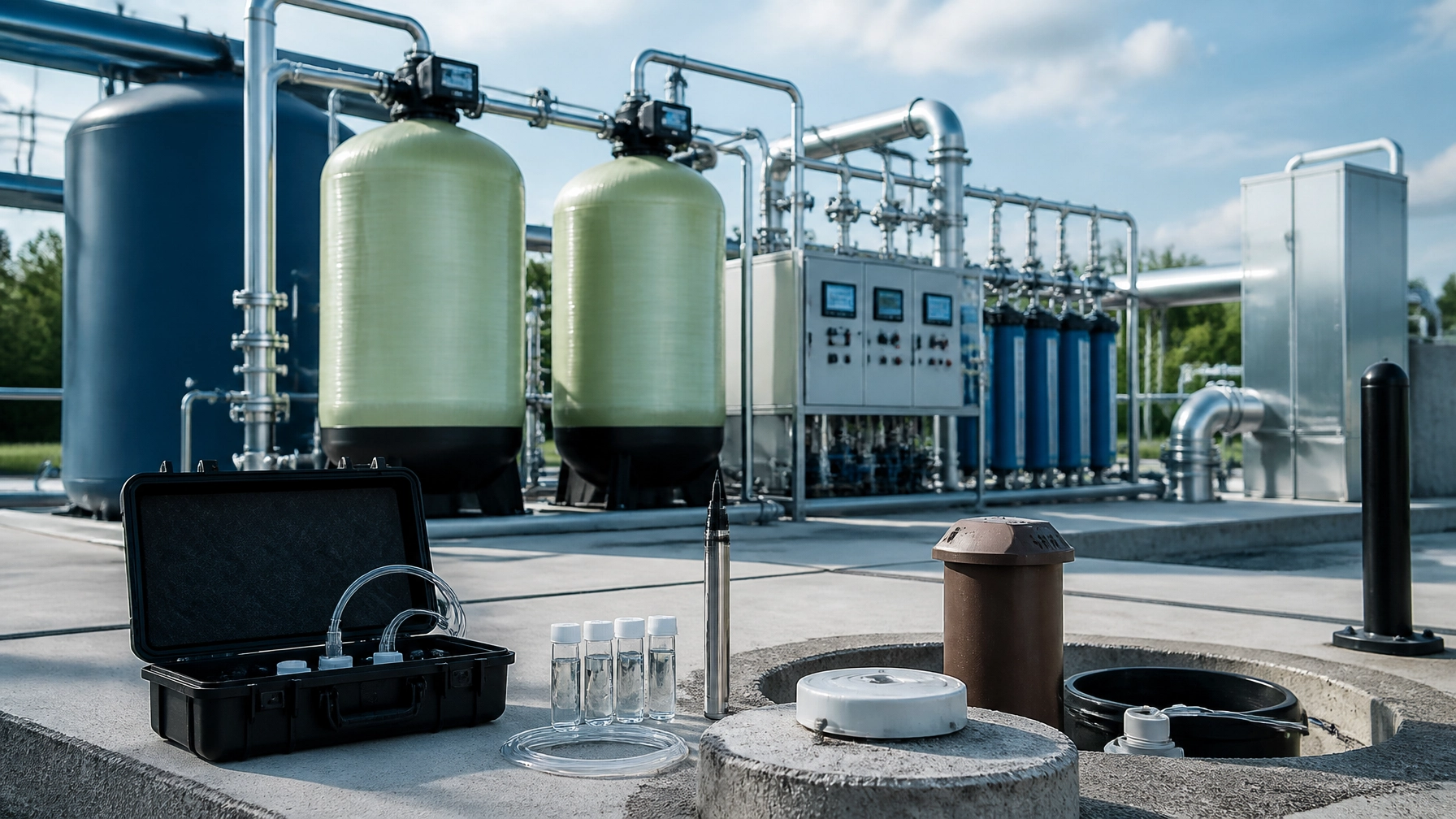
To put 0.02 µg/L for GenX into perspective: imagine one drop of ink in 20 Olympic-sized swimming pools. This level of precision requires sophisticated sampling techniques and laboratory equipment that many "big-box" firms struggle to coordinate efficiently.

Why GenX Changes the Game
GenX was originally introduced as a "safer" alternative to older PFAS compounds like PFOA. However, New Jersey’s 0.02 µg/L standard reflects a growing regulatory consensus that these shorter-chain chemicals are just as persistent and potentially mobile in groundwater.
Because GenX and other PFAS compounds do not break down naturally, their presence often leads to expansive plumes that cross property lines. Under the new rules, if your site is even remotely associated with historical industrial activity: coatings, plastics, electronics, or firefighting foams: you can expect the NJDEP to demand a PFAS characterization.
Routine Sampling Is No Longer Routine
The most significant operational change in this rulemaking is found in the Technical Requirements for Site Remediation (N.J.A.C. 7:26E). The NJDEP now explicitly requires PFAS evaluation and analysis when contaminants at a site are "unknown or poorly documented."
In plain English: The days of skipping PFAS in your Phase II Environmental Site Assessment because it "isn't a typical contaminant" are over. If you have an industrial history and your current consultant isn't recommending PFAS sampling, they are likely setting you up for a massive regulatory hurdle: or a lender rejection: later in the project lifecycle.

Why PFAS Will Now Drive Your Investigation Timelines
In the world of New Jersey redevelopment, time is the only commodity that matters. Every week your project is stalled in a regulatory "black box" incurs carrying costs and tests the patience of your lenders.
PFAS is the new "timeline killer" for three reasons:
- Lab Bottlenecks: PFAS analysis requires specialized equipment (LC-MS/MS). As every site in New Jersey begins sampling simultaneously, lab capacity is becoming a choke point.
- Regulatory Scrutiny: NJDEP reviewers are hyper-focused on these new standards. A report that doesn't follow the 2026 updated sampling protocols will be kicked back, leading to re-mobilization and re-sampling costs.
- Complex Delineation: Because the standards are so low, "clean" samples are harder to find. Delineating a plume to 0.013 µg/L takes more wells and more time than traditional petroleum or solvent cleanups.
The Envicon Difference: Speed and Precision
When you hire a large national firm, you usually talk to a partner during the pitch and then never see them again. Your PFAS sampling plan: the very document that determines your project's financial viability: is often written by a junior staffer in a different time zone.
At Envicon, we do things differently. We bring 20 years of direct agency relationships with the NJDEP. We know the reviewers, we know the local soil strata, and we know that a 48-hour turnaround capability is a requirement, not a luxury.
- Field-First Leadership: Our PEs are on the site, not behind a desk. We catch sampling errors before the bottles even reach the lab.
- Direct Coordination: We work directly with your architects and construction managers to ensure that remediation doesn't stall your build.
- Technology-Driven Results: We use proprietary project management tools to give you real-time visibility into your sampling status. You won't wait for a monthly PDF to find out if your site is compliant.
Strategic Takeaways for NJ Developers
The finalization of these rules on June 15, 2026, means the "wait and see" period is over. Here is how you should handle your next NJ acquisition or remediation project:
- Update Your Due Diligence: Ensure your Phase I ESAs are meeting the ASTM E1527-21 standards and specifically addressing PFAS as a recognized environmental condition (REC).
- Screen for Risk Early: Use advanced mapping and historical data to determine if GenX or other PFAS compounds were used nearby.
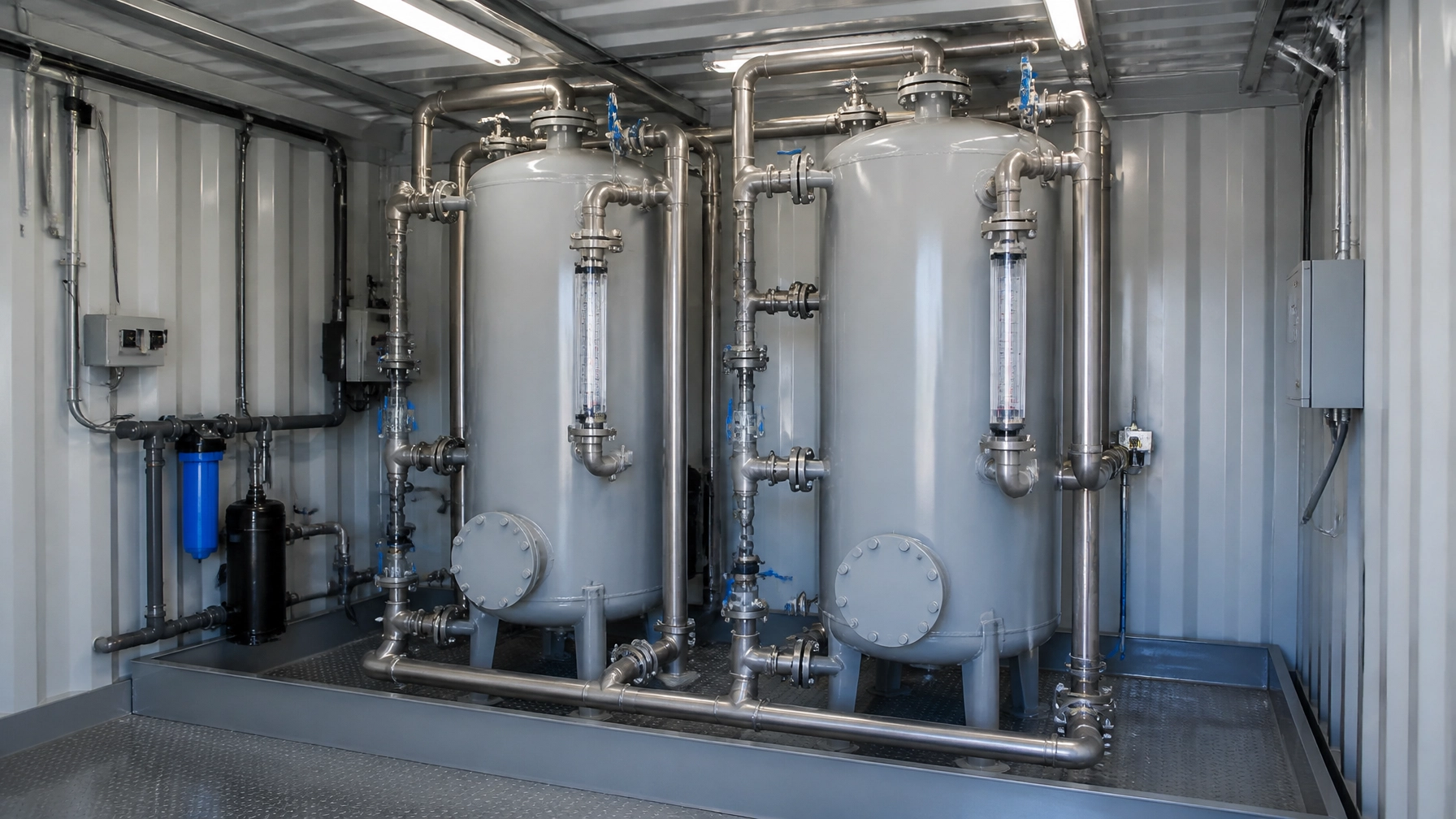
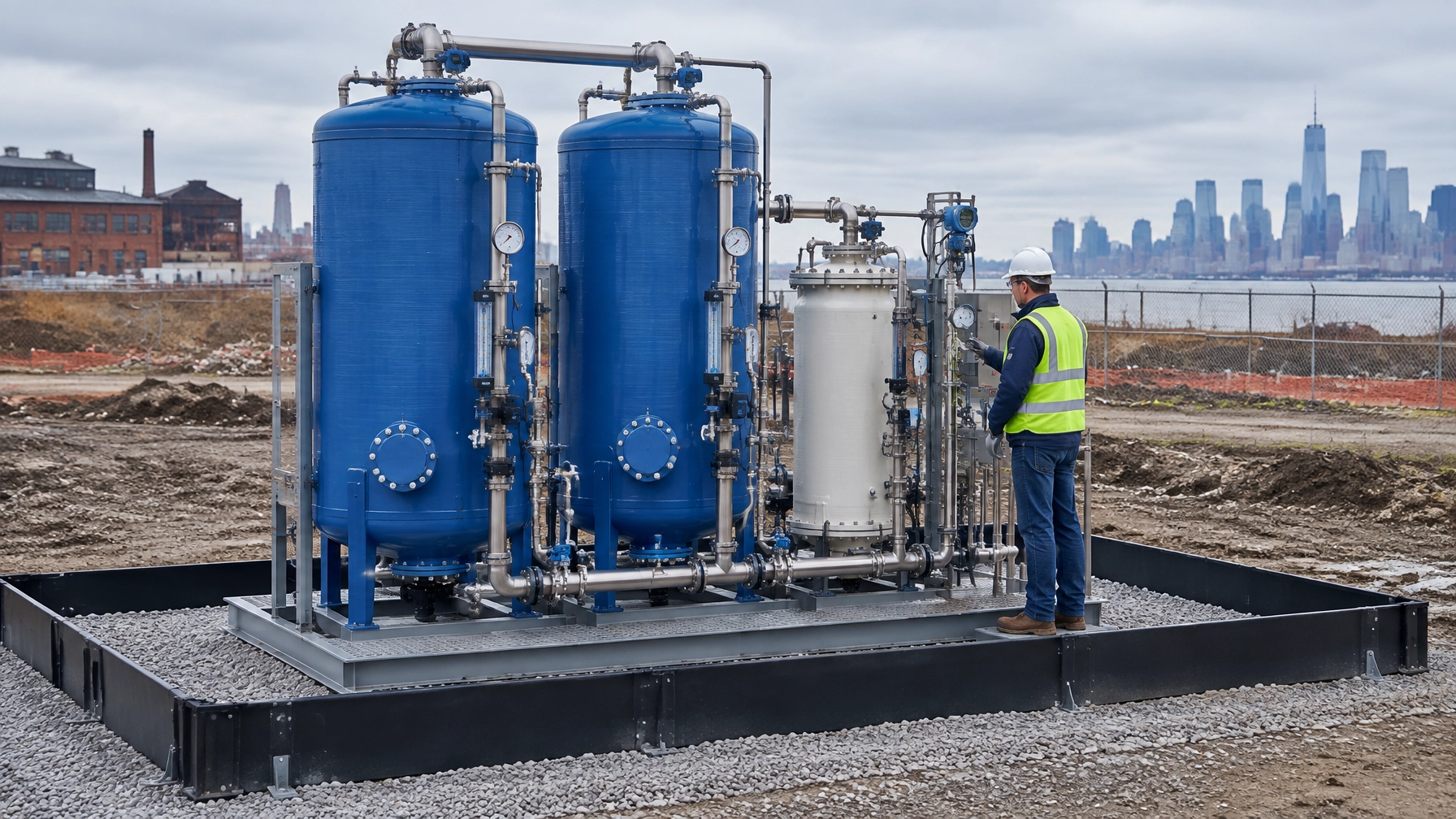
- Budget for Filtration: If you are managing groundwater during construction (dewatering), you may need GAC (Granular Activated Carbon) systems to meet these new 0.02 µg/L discharge limits.
- Demand Transparency: If your consultant can't give you a clear path from a PFAS finding to a Response Action Outcome (RAO), you have the wrong consultant.
The NJDEP is serious about GenX. You need a team that is just as serious about your schedule. At Envicon Group, we remove the obstacles between you and a buildable site. We don’t just deliver services: we help transform underused and contaminated properties into thriving assets.
Summary Checklist
- Rule Effective Date: June 15, 2026.
- Key Standard: GenX at 0.02 µg/L in groundwater.
- Mandate: PFAS analysis is now required for sites with "unknown" contaminant profiles.
- Impact: Expect longer investigation timelines and more stringent dewatering requirements.
Is your project ready for the new PFAS standards? Don't let a "forever chemical" create a forever delay.
- Book a free consultation: https://envicongroup.com/contact
- Risk screener tool: https://envicongroup.com/risk-screener?utm_source=website&utm_medium=nav_megamenu&utm_campaign=resources&utm_content=risk-screener
- Read more on the blog homepage: https://envicongroup.com/blog?utm_source=website&utm_medium=nav_megamenu&utm_campaign=resources&utm_content=blog-insights