Published October 26, 2026
A BCP public comment period is more than a notice to the community. For a developer, it is a short, public window into the site’s environmental record, local concerns, and potential schedule risks.
Two current NYSDEC examples show why it belongs in your underwriting review: the Swan and Chicago Streets Site in Buffalo, with comments due November 6, 2026, and the Whitestone Center Former Dry-Cleaning Facility in Queens, whose comment period closed October 23.
The deadline is not a verdict on a project. It is a prompt to read the record before you commit equity.
How the NYSDEC BCP comment period works
NYSDEC publishes BCP notices in its Environmental Notice Bulletin (ENB). The notice identifies the site, applicant, documents available for review, how to submit comments, and the deadline. Documents may also be available at local repositories, such as a public library or community board office.
For a BCP application, the standard public comment window is generally 30 days. A longer period can apply when an application includes a draft Remedial Work Plan. Don’t confuse that document with a Remedial Investigation Work Plan: an RI work plan describes how the applicant will investigate the site. A remedial work plan describes a proposed cleanup. Check the specific ENB notice for the controlling deadline and instructions.
Comments give community members and other interested parties a way to raise questions or provide information for DEC’s consideration. They do not automatically approve, reject, or veto an application. For an investor, the practical value is different: the process makes concerns and technical gaps visible while the deal is still being evaluated.
What the Buffalo and Queens notices tell investors
The Swan and Chicago Streets Site notice covers a BCP application and a Draft Remedial Investigation Work Plan for Site C915423 in Buffalo. The notice sets November 6, 2026 as the comment deadline. As of October 26, comments remain open.
The Whitestone Center notice concerns BTF Whitestone Realty LLC’s application for Site C241310 at 153-17 Cross Island Parkway in Queens. Its comment period closed October 23, 2026. The notice identifies local document access through Queens Community Board 7 and the Queens Public Library at Whitestone.
These examples offer two useful underwriting moments: one open window to review and comment, and one recently closed window where the record and any agency follow-up deserve attention. A closed period doesn’t mean the risk is gone. Review the available application materials and confirm with DEC whether any additional notices or decisions have followed.
What comments may reveal
Comments can surface questions that affect cost, schedule, or public acceptance. For example:
- Opposition or unresolved concerns: Community members may identify site history, nearby uses, or potential exposure pathways that deserve a technical response.
- Investigation gaps: A comment may raise a question about whether sampling covers the relevant media, depth, or off-site areas.
- Schedule risk: Requests for clarification or added work can require additional coordination, sampling, or revisions before the project advances.
- Remedy scope: Comments may flag a possible need for added controls, monitoring, or evaluation of impacts beyond the property boundary.
Comments are signals, not confirmed findings. Underwriters should distinguish a documented condition from a question raised during the process, then track how the applicant and NYSDEC address it.
Read the Draft RI Work Plan before the deadline
A Draft RI Work Plan is a proposal for how the applicant will investigate site conditions. For the Buffalo site, read the actual plan rather than relying on the ENB summary. The NYSDEC notice and associated documents provide the starting point.
Look for clear links between the site history, the conceptual site model, and the proposed field work. Ask:
- Does the plan identify likely sources and contaminants based on prior uses?
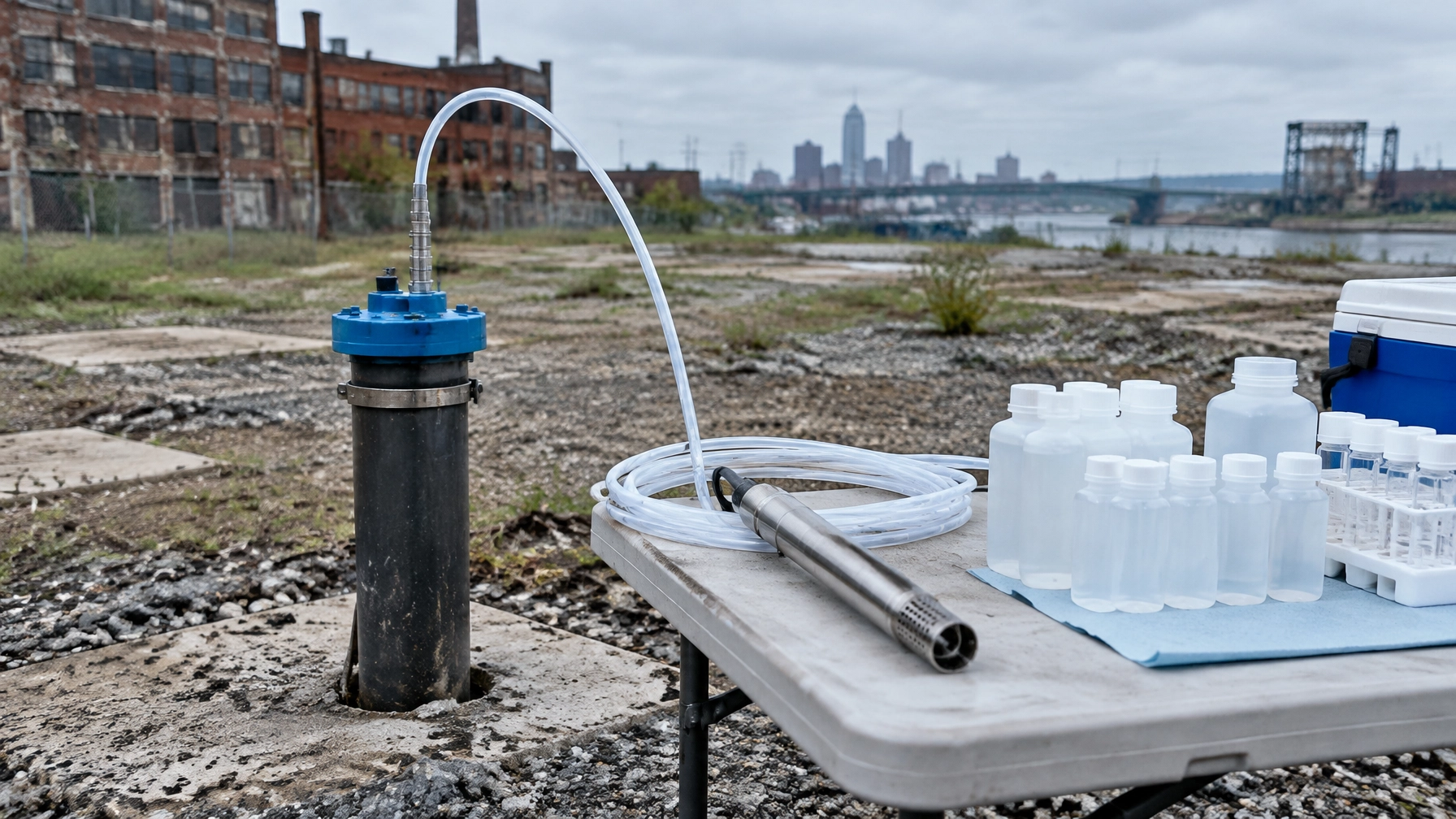
- Will it investigate soil, groundwater, and soil vapor where the site history warrants?
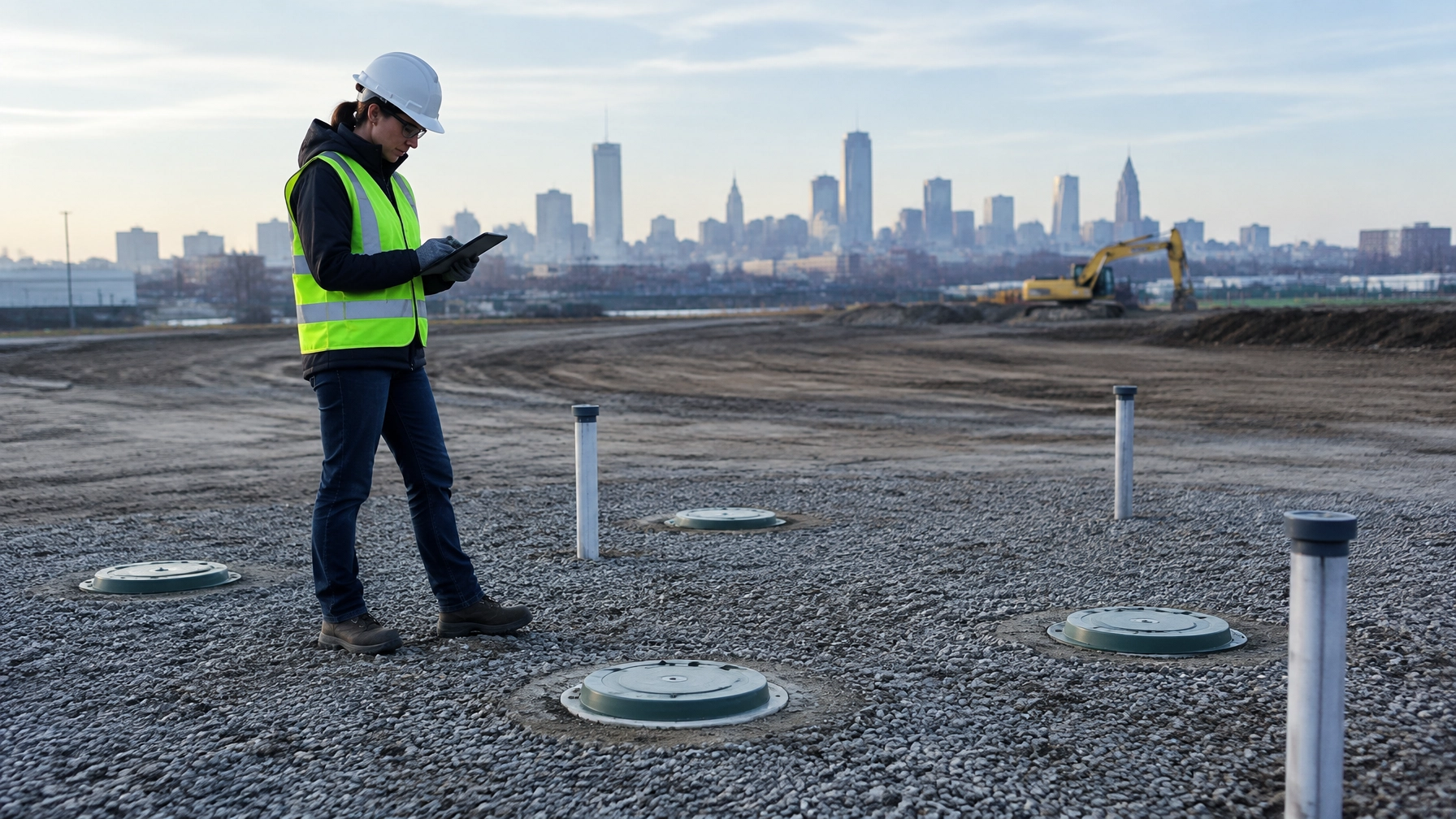
- Are proposed boring and sampling locations sufficient to define the source and potential migration pathways?
- Does the plan address data gaps from earlier investigations?
- Are off-site impacts or vapor intrusion pathways relevant to nearby properties?
- Does the schedule account for access, laboratory turnaround, agency review, and follow-up work?
A plan that leaves a material data gap unresolved may not answer the question your investment committee needs answered. If a technical concern remains, the comment period can be an opportunity to put a specific, evidence-based question on the record before the deadline.
Dry-cleaner history: focus on the pathway, not the label
Former dry-cleaning properties in Queens warrant careful review for chlorinated solvents such as tetrachloroethylene, commonly called PCE. Depending on site-specific conditions, solvent releases can affect soil, groundwater, and soil vapor. Vapor intrusion occurs when vapors move from contaminated soil or groundwater through the subsurface and enter a building.
The Whitestone Center’s history as a former dry-cleaning facility is a reason to examine its investigation and application documents closely. It is not, by itself, proof that PCE is present or that a particular cleanup system will be required. Confirm what the reports actually show.
Where investigation documents identify a vapor intrusion concern, developers may need to evaluate building-specific sampling and potential vapor intrusion mitigation systems, such as a sub-slab depressurization system or vapor barrier. The right approach depends on measured conditions, building design, and regulatory review. These measures can affect design coordination, construction sequencing, operation, and long-term management.

For Queens projects, keep the regulatory pathway clear. NYSDEC’s BCP and NYC OER brownfield cleanup or E-Designation processes are distinct programs with different review steps. Investors comparing Queens opportunities with brownfield redevelopment NJ or a NJ Brownfield Tax Credit deal should also avoid carrying assumptions from one state’s process into another.
From comment period to tax-credit timing
Public comments can affect the questions NYSDEC needs to resolve. The answers may affect subsequent investigation, remedy selection, agency review, and ultimately the path to a Certificate of Completion (COC). A COC is an important milestone for eligible New York BCP tax credits, but the end of the comment period is not the same as receiving a COC. The site still has to advance through the applicable cleanup and agency approval steps.
For underwriting, model the milestones separately: application review, investigation, remedy development and approval, cleanup implementation, final reporting, and COC. Confirm tax-credit eligibility and timing with qualified tax and legal advisors. See NYSDEC’s BCP tax-credit eligibility and rate guidance and the New York State Department of Taxation and Finance’s BCP credit information.
How Envicon reviews a BCP application for a developer
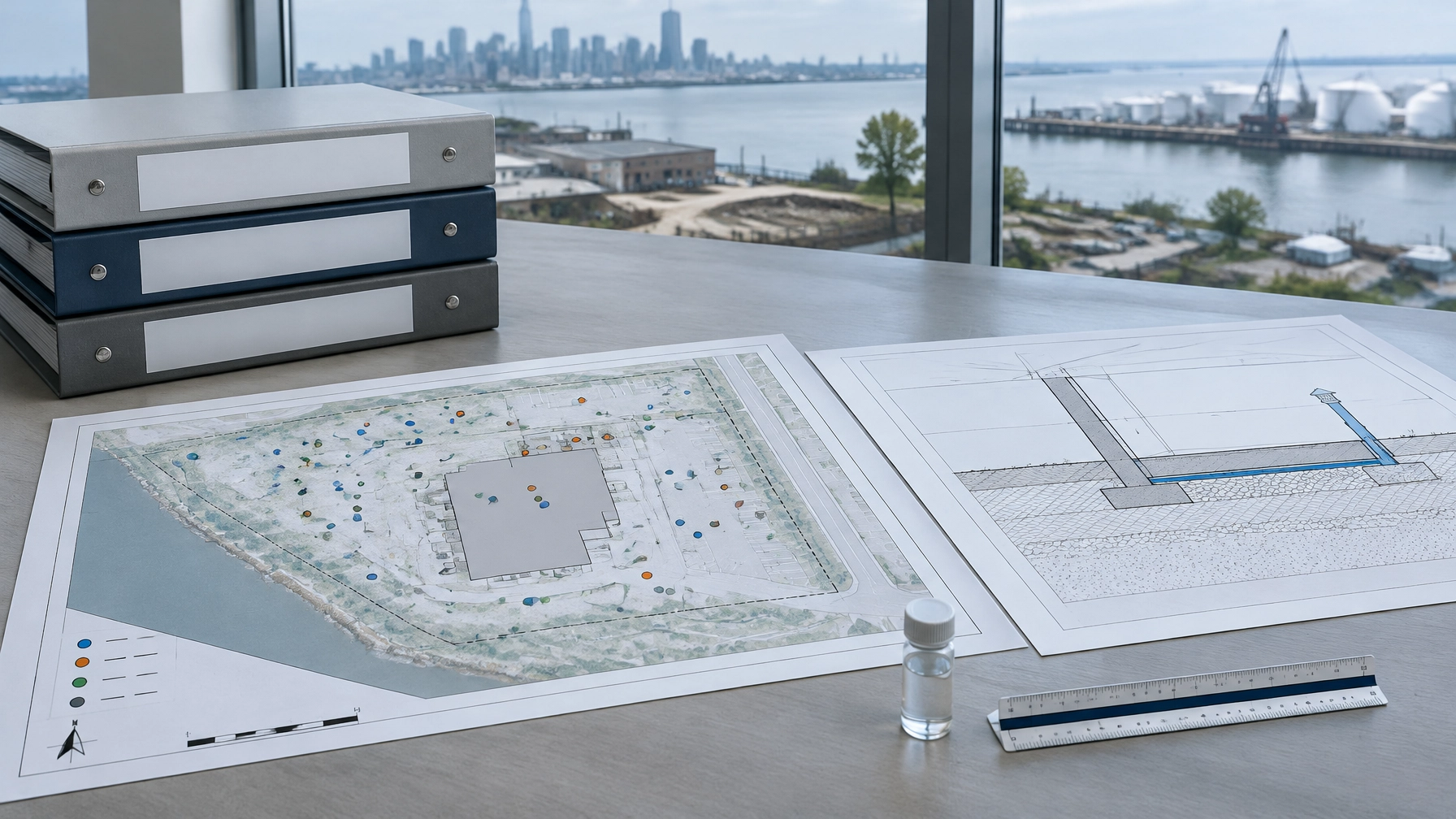
At Envicon, we review the public notice alongside the application, investigation reports, and work plan. We look for the gap between what the documents establish and what the project still needs to know.
That means testing whether proposed field work answers the actual site questions, identifying potential schedule and remedy implications, and translating technical findings into decisions a development team can use. When a comment window remains open, we can help clients assess whether a focused, technically supported comment is appropriate. We also coordinate with the client’s legal, design, and construction teams so environmental issues connect to the project plan.
Explore our BCP and brownfield redevelopment support, our complete services, and our Queens location. Collaboration is not a buzzword. It’s how we keep decisions connected to the field, the regulator, and the schedule.
Frequently asked questions
Does a public comment determine whether NYSDEC accepts a BCP application?
No. Comments provide information or raise concerns for NYSDEC to consider. The agency evaluates the application under the BCP requirements and responds through its review process. A comment is not automatically a rejection or a veto.
Is an RI Work Plan the same as a Remedial Work Plan?
No. A Remedial Investigation Work Plan explains how the applicant proposes to investigate site conditions. A Remedial Work Plan proposes a cleanup. The distinction matters when determining which public-comment timeline applies, so always follow the specific ENB notice.
The Whitestone comment period closed. What should an investor do now?
Review the application and supporting documents available through NYSDEC and the repositories named in the notice. Check for later agency decisions or notices, and ask the project team how it has addressed questions raised during the comment period.
Does a former dry cleaner mean the site needs a vapor mitigation system?
Not by itself. Dry-cleaning history can warrant investigation for chlorinated solvents, but the need for mitigation depends on site-specific sampling, exposure pathways, building conditions, and agency review.
The underwriting takeaway
Read the ENB notice, check the local repository, and review the underlying technical documents before you price risk. A comment period can reveal questions early, but it does not replace investigation or predict a COC date. For the Buffalo site, the posted deadline is November 6. For Whitestone, the posted window has closed, so the focus shifts to the application record and what happens next.
A better-informed equity decision starts with the record, not the headline.
Get support before you commit equity