On September 28, 2026, NJDEP announced Response Action Outcome (RAO) Guidance Version 4.0. The update incorporates indoor-air provisions and the Indoor Air Notification Area (IANA) into RAO language and notices.
That matters if your New Jersey site is approaching closure, has an existing Remedial Action Permit (RAP), or needs an RAO before a transaction or construction milestone. The key is to align the RAO, Remedial Action Report (RAR), permit application, and supporting evidence. A complete, coordinated package gives NJDEP and the project team a clearer path through review.
For developers and owners in Newark, NJ, the practical takeaway is straightforward: don’t treat indoor air as an afterthought or assume an existing RAP will automatically fold into the new format.
What Version 4.0 changes
The updated guidance reflects amendments to the Administrative Requirements for the Remediation of Contaminated Sites (ARRCS), N.J.A.C. 7:26C, adopted November 17, 2025. NJDEP says the revisions add indoor-air stipulations to Unrestricted, Restricted, and Limited Restricted Use RAOs, add notices addressing IANAs, and update the model RAO to align with the current ARRCS Appendix D.
The RAO is the LSRP’s closure document. It records the remedial action and the outcome achieved. It is not the RAP application itself. Where a remedy requires an institutional or engineering control, the LSRP also needs to address the applicable RAP and its supporting materials.
The wider permit changes took effect through updated RAP forms and instructions released in February 2026. The framework covers soil, groundwater, and indoor air, and allows a combined RAP for applicable media. Existing permits may be combined only when the required site and permittee conditions are met. See NJDEP’s IANA guidance and the February 2026 RAP forms and program overview.

What the LSRP must document
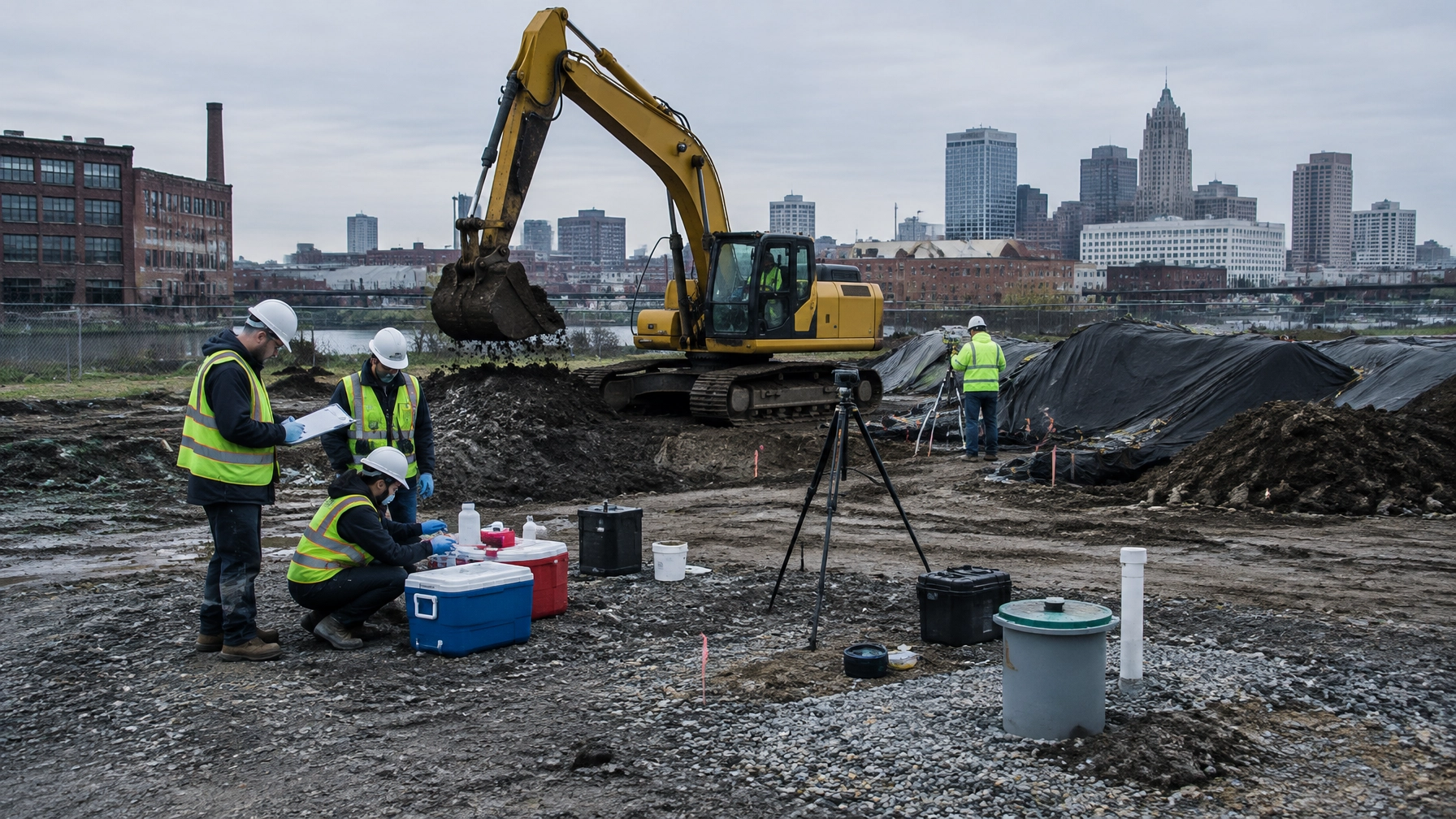
When indoor-air impacts or vapor-intrusion controls are part of closure, the LSRP needs to connect the data, remedy, and permit conditions. Depending on the site and media, the package may include:
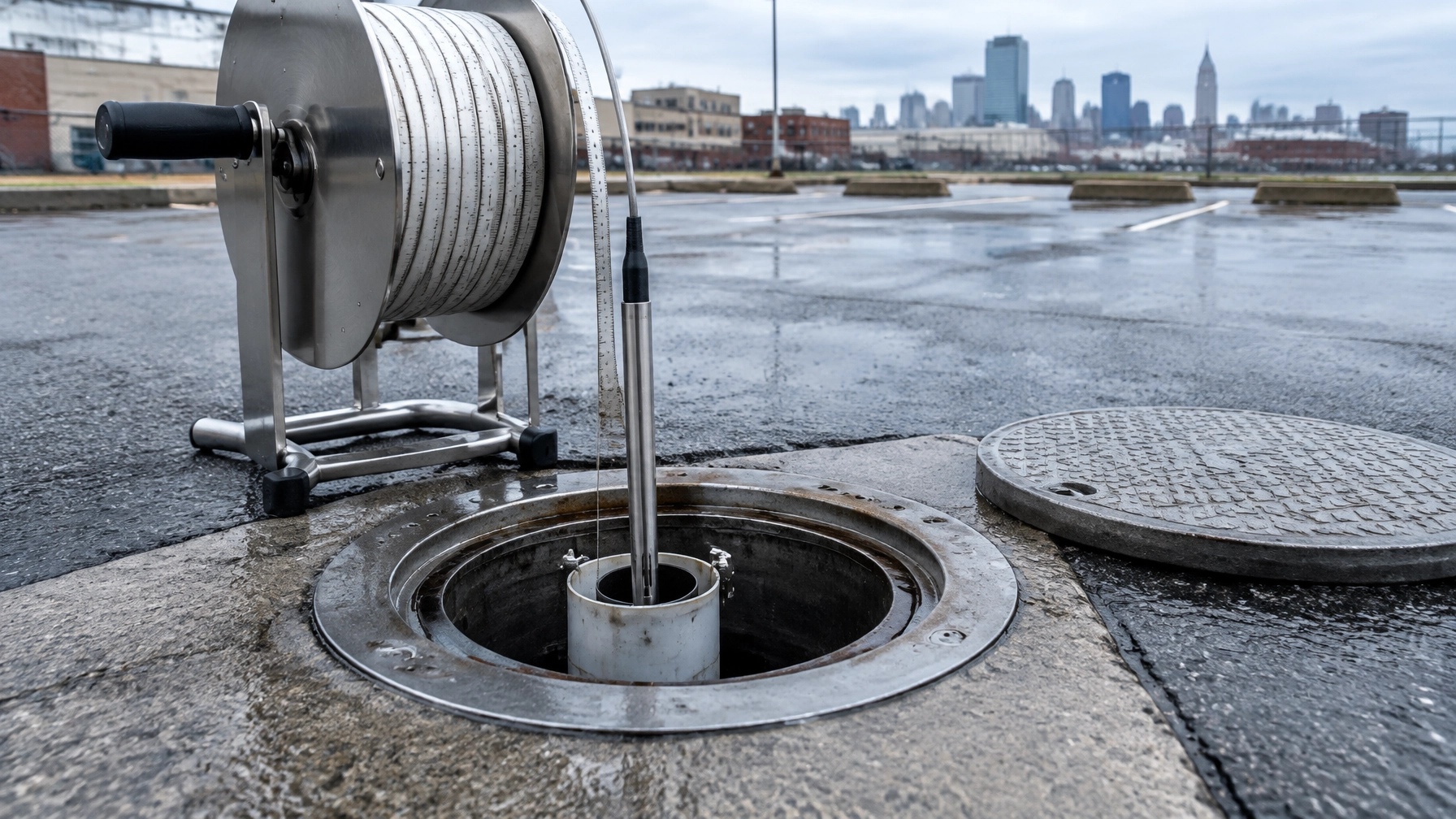
- Indoor-air and soil-gas results: Sampling locations, depths, laboratory data, and a clear comparison with applicable standards.
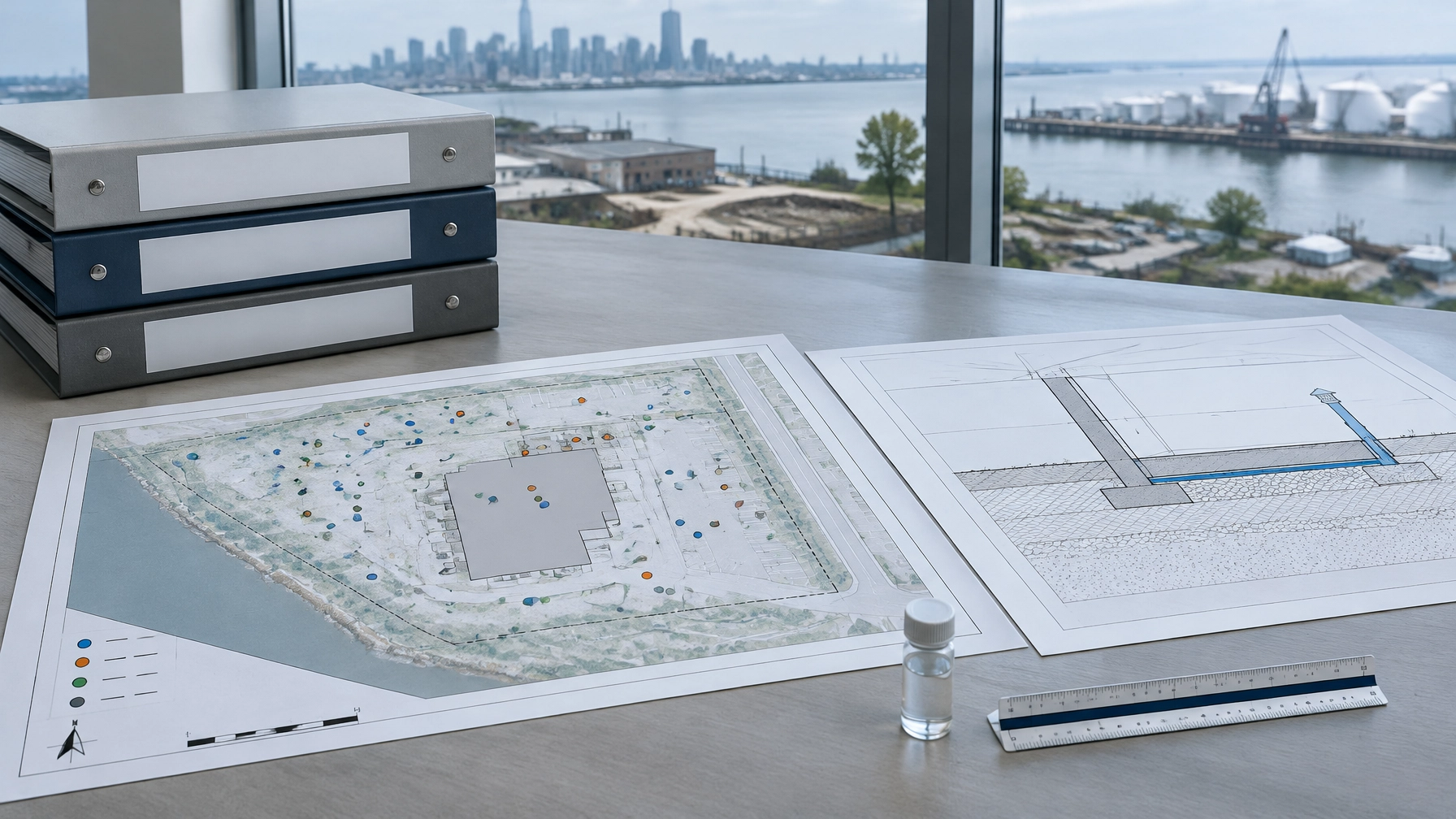
- AOC and source maps: Scaled figures showing the source areas, buildings, sampling points, subsurface utilities, and the extent of the relevant impacts.
- Receptor evaluations: Documentation that impacted and potentially impacted receptors have been evaluated and addressed. The updated new-media RAP instructions include a certification on receptors.
- IANA materials: The IANA fact sheet, mapped boundary, and required notice information. NJDEP requires notification when an IANA is proposed or revised to municipal officials, health departments, county planning boards, and nearby property owners, tenants, and occupants.
- Mitigation records, when applicable: As-built drawings, operating instructions, verification sampling, and the operations, maintenance, and monitoring (OMM) plan for the vapor-intrusion engineering control.
- GIS deliverables: Spatial files for the institutional control, submitted in the format and through the channel NJDEP specifies.
NJDEP’s IANA guidance describes the control as notice that indoor air in a building exceeds applicable standards and that mitigation and monitoring are required to protect occupants. The department also states: “The Department may revise or reestablish an IANA at any time.” That makes accurate boundaries and current supporting data important beyond the initial filing.
How the RAO and RAP filing work now
For a site with a required control, don’t wait until the RAO is drafted to decide how the RAP will be filed. Coordinate the RAR and RAP application so the control, maps, operating requirements, and proposed RAO language tell the same story.
A practical sequence is:
- Confirm the closure basis. Check that investigation and remediation address the applicable exposure pathways, receptors, and standards. Identify any ongoing monitoring or control obligations.
- Select the right RAO language. Use Version 4.0 and the current model language. Include the relevant indoor-air stipulations and notices for the site’s conditions.
- Complete the RAR evidence package. Make sure figures, sampling tables, lab data, receptor evaluations, and control details support the conclusions and the proposed boundaries.
- Choose the appropriate RAP application. Use the current NJDEP form for an initial permit or new media component. If adding indoor air to an approved RAP, use the new-media pathway when seeking a combined RAP. A technical change, permit termination, or administrative combination may require a different form.
- Complete the certifications and attachments. The updated Initial/New Media Component instructions identify Section N as supplemental certification for applicable media. The September 2026 version makes that section part of the application process. If the LSRP cannot accurately certify an item, the instructions call for an explanation rather than an unsupported certification.
- Check signatures, identifiers, and fees. Confirm that the property, NJDEP PI number, block and lot, permittees, RAR service information, and LSRP details agree across the package. Resolve outstanding permit compliance items before relying on an application to move forward.
The current instructions and forms are available through NJDEP’s Site Remediation Program forms page. Requirements vary with the remedy and media, so the checklist for a soil-only permit will not be the same as one that includes indoor air.

What changes for a site already mid-closure?
Version 4.0 does not mean every open case automatically converts to one combined RAP. The filing path depends on what NJDEP has already approved, whether the RAR is complete, which media are involved, and whether an institutional or engineering control is in place or proposed.
For a site still working toward an RAO, review the indoor-air pathway and control requirements before finalizing the RAR. If an RAP is needed, coordinate its application with the RAR rather than leaving it as a post-closure task.
For a site that already has one or more RAPs, distinguish among the available actions:
- Add a media component when the site needs a new component and the team seeks to combine it with an existing permit.
- Request a technical modification when the existing permit or control needs a substantive change.
- Apply for termination or removal of a media component when the regulatory conditions for doing so have been met.
- Seek administrative combination only when the existing RAPs meet NJDEP’s eligibility and compliance requirements. It is not a substitute for technical modifications.
Before selecting an option, check the permit record, fee status, required protectiveness or biennial certifications, and any outstanding applications. A filing can stall if the proposed route doesn’t match the site’s current permit status.
Common completeness problems to catch early
A filing may face questions or an incomplete notice when its forms and evidence don’t line up. Common risk areas include:
- Using an outdated form or selecting the wrong application type.
- Omitting Section N or making a certification that the supporting record does not substantiate.
- Leaving gaps in indoor-air sampling, receptor evaluation, IANA maps, GIS deliverables, or required notifications.
- Submitting an RAR and RAP application with inconsistent site names, PI numbers, parcel details, permittees, or boundaries.
- Missing signatures, required attachments, or permit compliance items that must be resolved before processing.
These are preventable coordination issues. Have the LSRP, owner, project manager, counsel, and design team review the same current site and permit information before submittal.
Sequence the filing against closing and occupancy
A closing date or certificate of occupancy (CO) target should shape the filing schedule, not replace the technical sequence. An RAO or RAP submittal is not itself a CO, and neither guarantees a particular review or issuance date.
For a transaction, identify the required environmental milestone in the purchase documents and confirm which party will complete each remaining task. Leave time for required sampling, NJDEP review, responses, and permit documentation. For projects considering a New Jersey Brownfield Tax Credit, coordinate the environmental closure schedule with tax counsel and the project’s separate incentive documentation. An RAO and a tax-credit determination are not interchangeable approvals.
For a CO schedule, bring the LSRP into design and construction coordination early. Make sure the building use and vapor-intrusion remedy fit the assumptions in the RAR and permit. Confirm who will maintain and monitor any required control and how occupants will receive required notices. A late change in building use or foundation design can affect the vapor-intrusion evaluation and the closure package.

Takeaway: coordinate the record before you file
NJDEP RAO Guidance Version 4.0 brings indoor-air conditions and IANAs into the current RAO framework. For an LSRP, successful filing means more than using the new model language. The RAR, RAP application, certifications, maps, control documentation, and project schedule all need to agree.
Envicon Group provides NJ LSRP services and remediation and brownfield support across New Jersey, including Newark and Monmouth County. Our team works directly with the project and regulatory process, so you have a clear next step rather than a report that leaves the filing path unresolved. We also support projects in Queens, NY, where separate New York requirements apply.