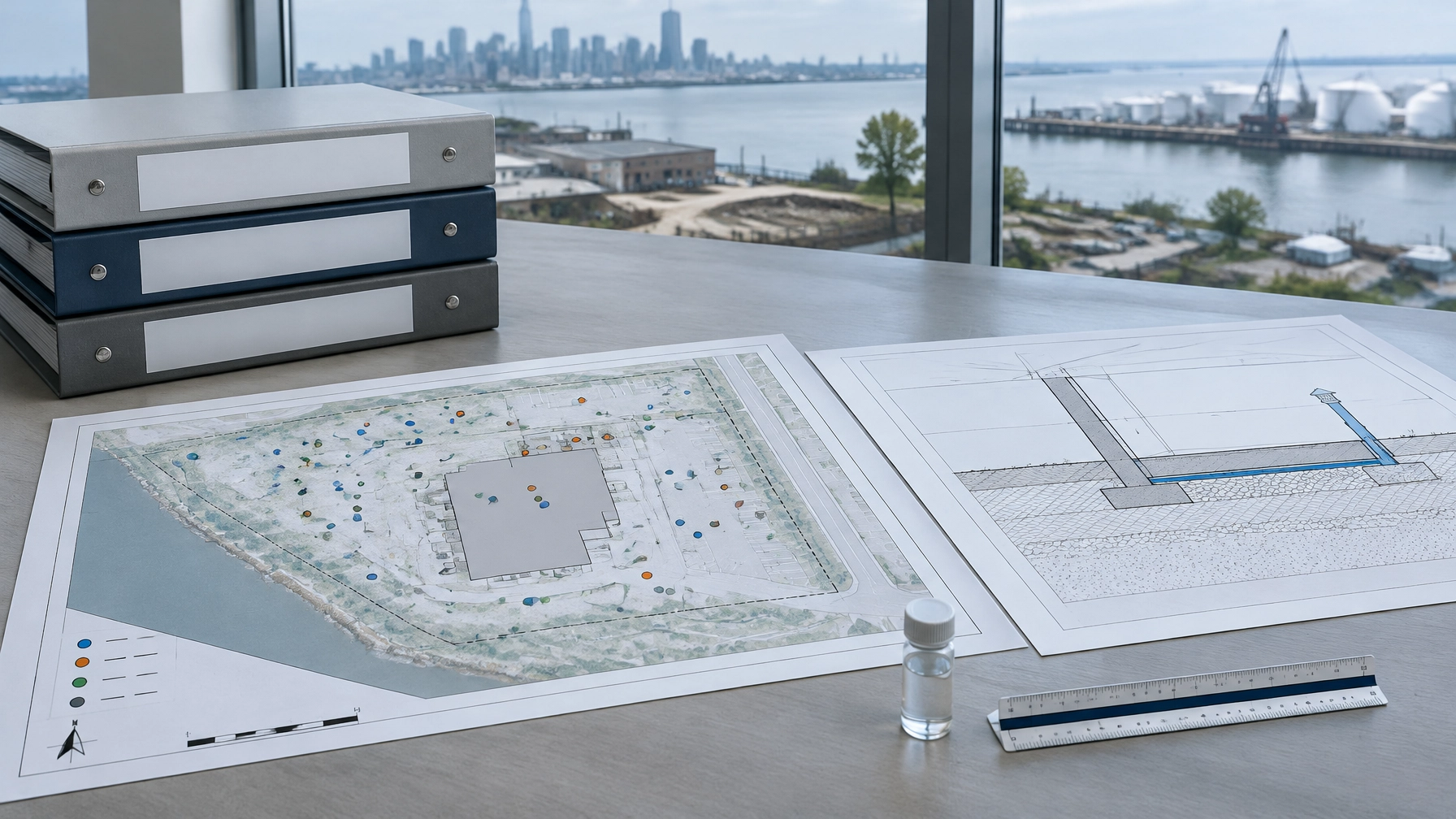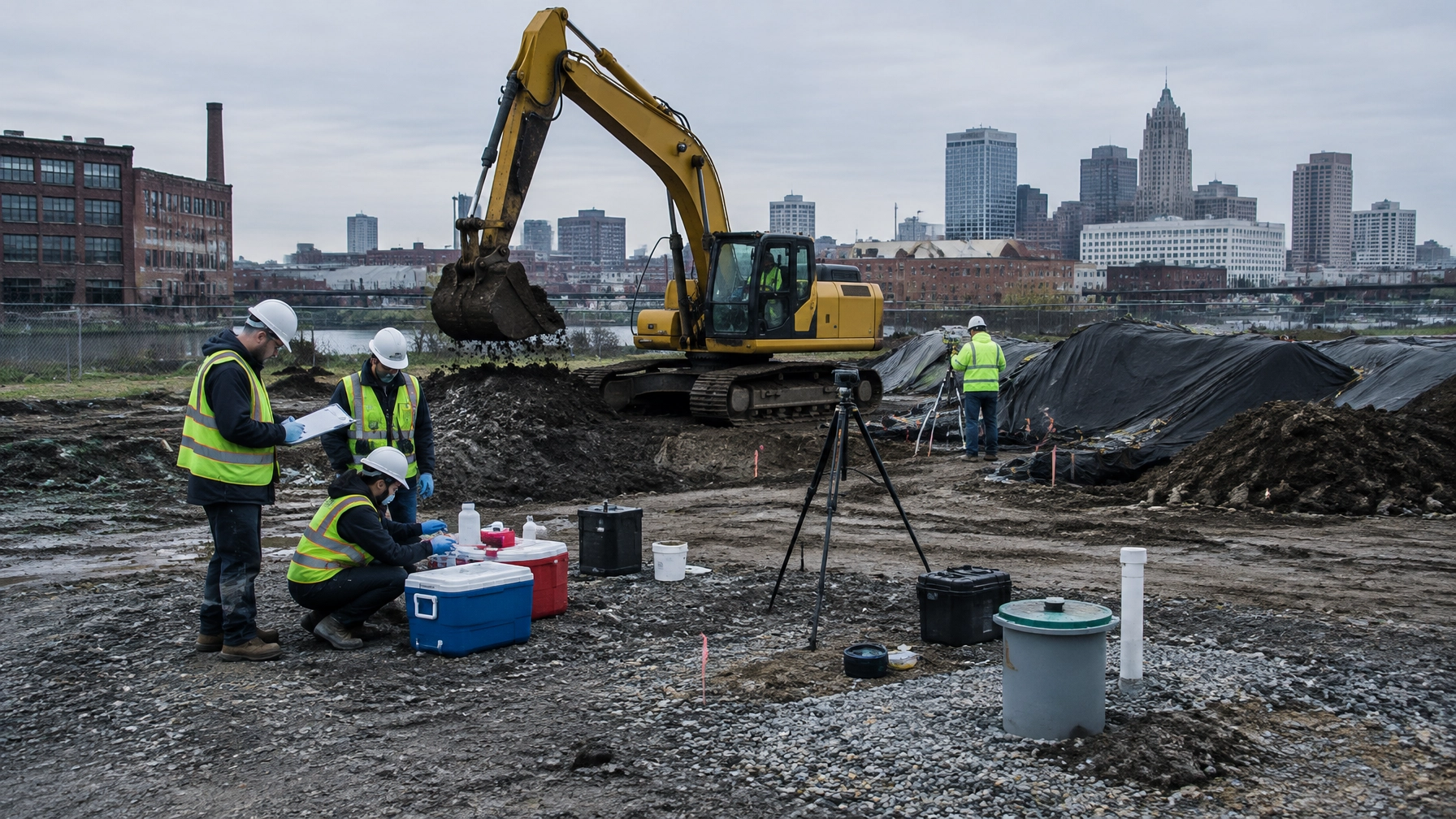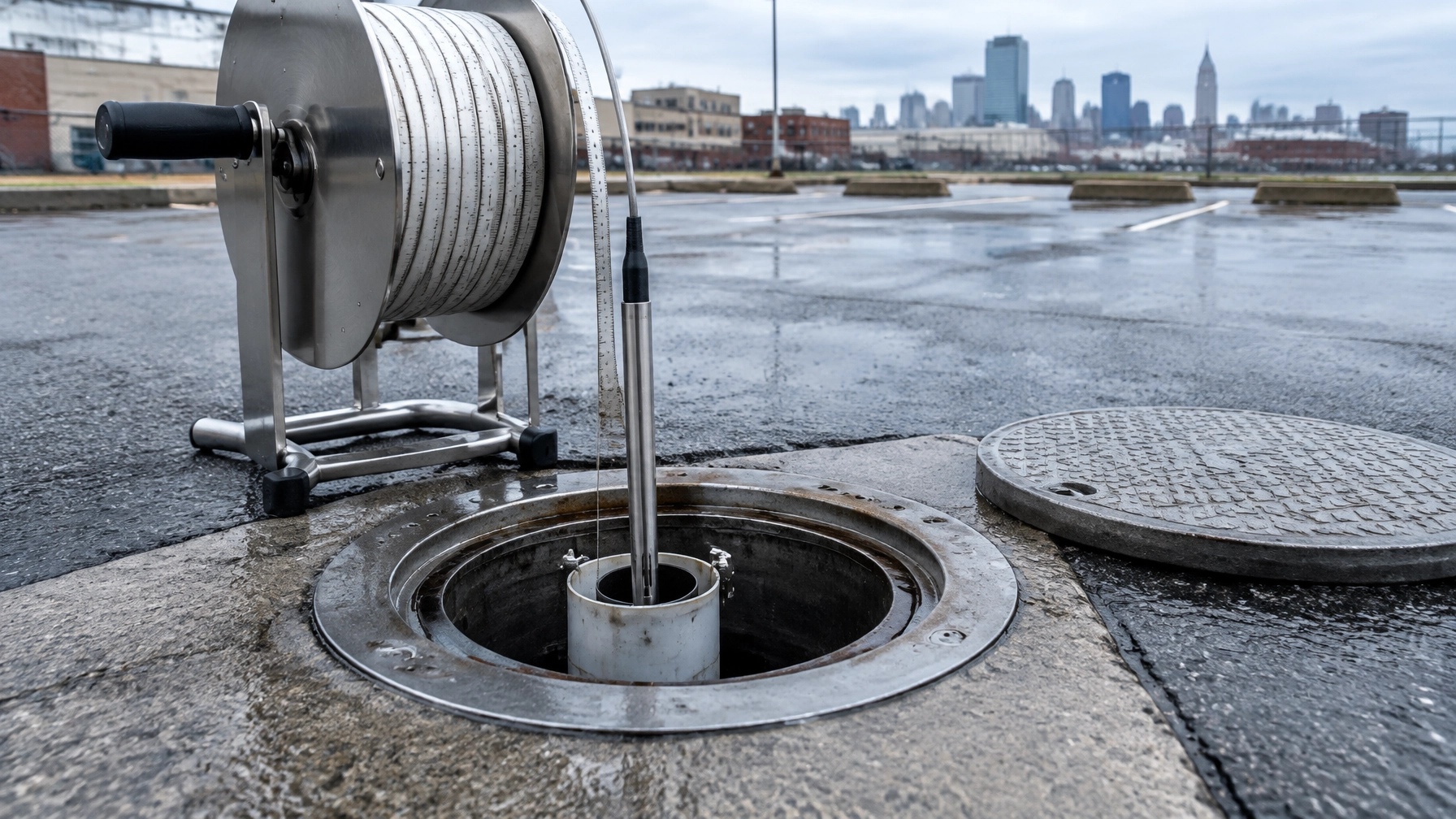
A RAP package can be technically sound and still lose time at administrative review. A missing attachment, mismatched case detail, or outdated form can send the file back before technical reviewers get to the substance.
NJDEP’s November 19, 2026 virtual Hot Topics training is a useful window into what its teams are emphasizing. The agenda covers RAP deficiencies, RTNF revisions, conditional timeframe extensions, case creation, and Administrative Consent Orders (ACOs). For site owners and developers in Monmouth County and across New Jersey, those topics affect both cleanup schedules and redevelopment decisions.
The training runs from 8:30 a.m. to 12:15 p.m. on GoToWebinar. NJDEP says attendees can join beginning at 8:15 a.m. Register here. The NJDEP training page lists the agenda and webinar details.
RAP administrative deficiencies: a preventable delay
The November session separates administrative review from technical review. NJDEP says the Bureau of Case Assignment and Initial Notice (BCAIN) checks RAP applications administratively. The Bureau of Remedial Action Permitting conducts the technical review.
That distinction matters. A package may have an adequate remedy but still need correction before it can proceed through technical review. NJDEP’s agenda flags incomplete or incorrect attachments, financial assurance, delineation, variances and deviations, and deficiencies across soil, groundwater, and indoor air as areas that can delay permit issuance.
For owners, the cost is practical. A return or incompleteness finding can mean more consultant coordination, another submission cycle, and a later start to site work or redevelopment. In Monmouth County, where brownfield plans may also depend on local land-use and coastal constraints, a paperwork delay can disrupt more than the cleanup schedule.
Before filing, have the LSRP verify that the RAP application, supporting records, and certifications work together as one complete package. Don’t rely on a report’s technical conclusion to answer administrative questions.
RTNF v1.4: use the current form and instructions
The current NJDEP Remedial Timeframe Notification Form is version 1.4, dated September 28, 2026. NJDEP lists it under N.J.A.C. 7:26C-3.2 and provides the form, instructions, and update log.
The change log documents concrete edits from version 1.3. NJDEP updated the program name, removed “report” wording from the RI lengthening and submission-type language, removed items 2 through 4 from Section E, and added a note to that section about lengthening. The instructions also update electronic submission information and the BCAIN mailing address if paper submission is requested. See the RTNF version 1.3 to 1.4 change log.

The training announcement says Alissa Ambacher will cover the RTNF revisions, completion guidance, common submission errors, and conditional extensions. The practical lesson is straightforward: don’t carry forward a saved form or old completion routine without checking the current version and instructions.
Before sending an RTNF, reconcile the form with the case record. Confirm the submission type and timeframe basis, make sure the dates and case identifiers match the supporting file, and review Section E against the updated instructions. If the case history is unclear, raise that question before submitting.
Conditional extensions and RAP status changes
A conditional timeframe extension is not a detail to assume is permanent. NJDEP’s October 13 presentation outline says the November training will address what it means when a case with conditional extension approval has a RAP issued, withdrawn, or deemed incomplete. The October 13 listserv presentation provides the agency’s advance context.
The key operational point: a RAP status change can affect how an extension applies. Do not treat a prior approval as locked without checking the conditions, the current case status, and the applicable NJDEP instructions. The result may depend on the facts and the specific approval. Ask the LSRP to confirm the consequence for the case and, if needed, get NJDEP clarification.
Bring a specific example to the session. Identify the approval date, its conditions, the relevant RAP status history, and the timeframe at issue. A focused question is more useful than a general request to explain extensions.

Case creation and ACO updates: check the file before you inherit it
The agenda includes case creation updates and tips from BCAIN, plus a session on ACO types and amendments. NJDEP says the case creation segment will cover recent process updates and common form-submission issues. The ACO presentation will explain the agency’s new Types of ACOs graphic and how an ACO or amendment can bring a site that has missed timeframes back into compliance.
That makes the session relevant to a buyer, lender, attorney, or developer stepping into an existing case. Don’t rely only on a seller’s summary or an old consultant report. Verify the current case record and the responsibilities tied to it.
For an inherited site, line up the program interest number and case tracking information with the NJDEP records. Confirm who holds responsibility, which milestones apply, whether an ACO or amendment governs the schedule, and what submissions remain outstanding. For an ISRA NJ compliance transaction, clarify how any active remediation obligations affect closing and the redevelopment plan.
Envicon supports environmental due diligence through Phase I and Phase II Environmental Site Assessments and brownfield redevelopment support. Our Monmouth County team helps clients connect site findings and regulatory obligations to the next project decision.
Pre-submission checklist for November 19
Before the webinar, put the open items in one place. Bring the relevant documents and ask the questions that can move your site forward.
- Confirm the active NJDEP case identifiers, site owner, responsible party, and LSRP contacts.
- Download RTNF v1.4 and its instructions. Check each open notification against the updated form.
- Compare submitted RAP materials with the agency’s current file. Flag missing attachments, inconsistent details, and unresolved financial assurance items.
- Review the case’s timeframe record, extension approval, and any conditions attached to that approval.
- Track RAP status changes, including issued, withdrawn, or deemed incomplete, and note the dates.
- Check whether an ACO or amendment applies. Identify any required action or milestone that remains open.
- Prepare concise questions. State the case context, the issue, what you have already checked, and the decision you need.

The training is scheduled for November 19, 2026, from 8:30 a.m. to 12:15 p.m. NJDEP’s announcement says it has applied for 1 technical and 2.5 regulatory continuing education credits. Credit approval and eligibility requirements apply, so check the NJDEP training page for current details.
FAQ
Is RTNF version 1.4 the current form?
NJDEP lists RTNF version 1.4, dated September 28, 2026, as the current form. Review the form and its instructions before submission.
What does the November 19 NJDEP training cover?
The agenda includes case creation updates, timeframe guidance, DataMiner, RTNF revisions and conditional extensions, ACO types and amendments, RAP administrative deficiencies, and RAP submittal best practices.
Can a RAP status change affect a conditional timeframe extension?
It can affect how the extension applies. NJDEP’s presentation specifically addresses cases with conditional extension approval when a RAP is issued, withdrawn, or deemed incomplete. Confirm the result against the case-specific approval and current agency instructions.
What should a buyer review before taking over a New Jersey remediation case?
Review the case identifiers, current status, timeframe record, extension conditions, RAP and ACO history, outstanding submissions, and responsible-party contacts. Have the LSRP reconcile those records with NJDEP before you rely on them for transaction or construction decisions.
Keep the case moving
A complete submittal is more than a form filled in. It is a consistent record that matches the case history and gives NJDEP a clear basis to review the next step. For a Monmouth County acquisition, a Newark redevelopment, or a portfolio decision involving New York properties, the discipline is the same: verify the file, check the current requirements, and resolve uncertainty before it becomes a delay.
Review your project’s exposure and next steps: