NJDEP’s October 19, 2026 notice is direct: remediating parties and Licensed Site Remediation Professionals (LSRPs) should prepare contaminated sites for extreme weather, make every effort to prevent new discharges, and maintain active remediation systems. For flood-prone sites, that turns storm readiness into a practical part of operations and maintenance (O&M), not a task to improvise after the water recedes.
The notice does not create a new standalone rule. It reinforces existing responsibilities and points to NJDEP’s catastrophic events guidance, which calls for site-specific preparedness and post-event evaluation. Here is what that means for active systems in Monmouth County, NJ, Newark, and other flood-exposed areas.
What NJDEP said on October 19
The October 19 listserv notice asks those responsible for contaminated sites to evaluate their remediation cases and get them “as ready as practicable” for extreme weather. It says all efforts should be made to prevent new discharges and maintain active remediation systems.
NJDEP also recommends that, when necessary, remediating parties share its fact sheet on vapor mitigation systems and power outages with property owners before weather likely to cause outages. After the event, the notice says sites should be reevaluated for immediate environmental concerns, changed conditions, and potential impacts to receptors.
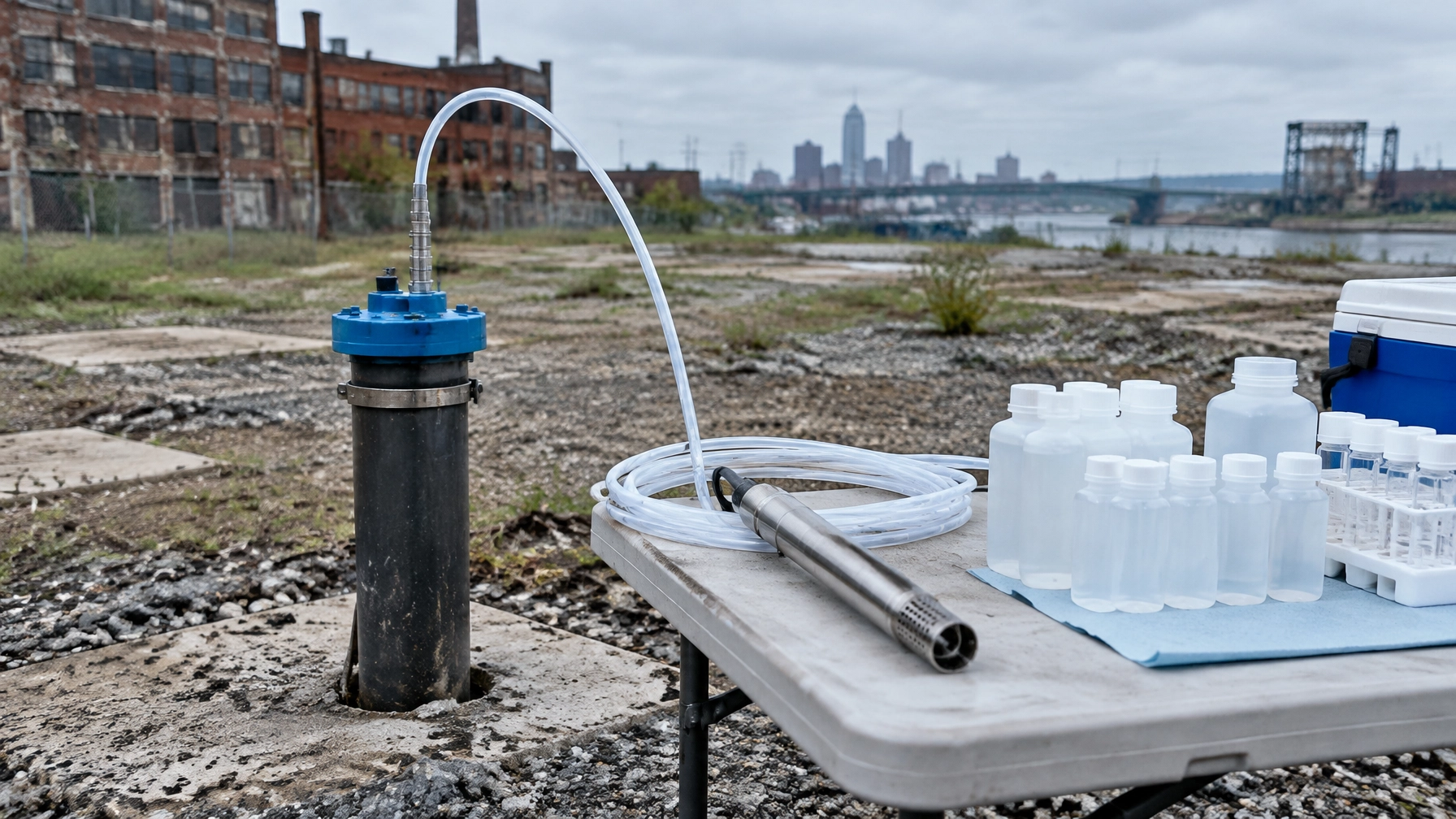
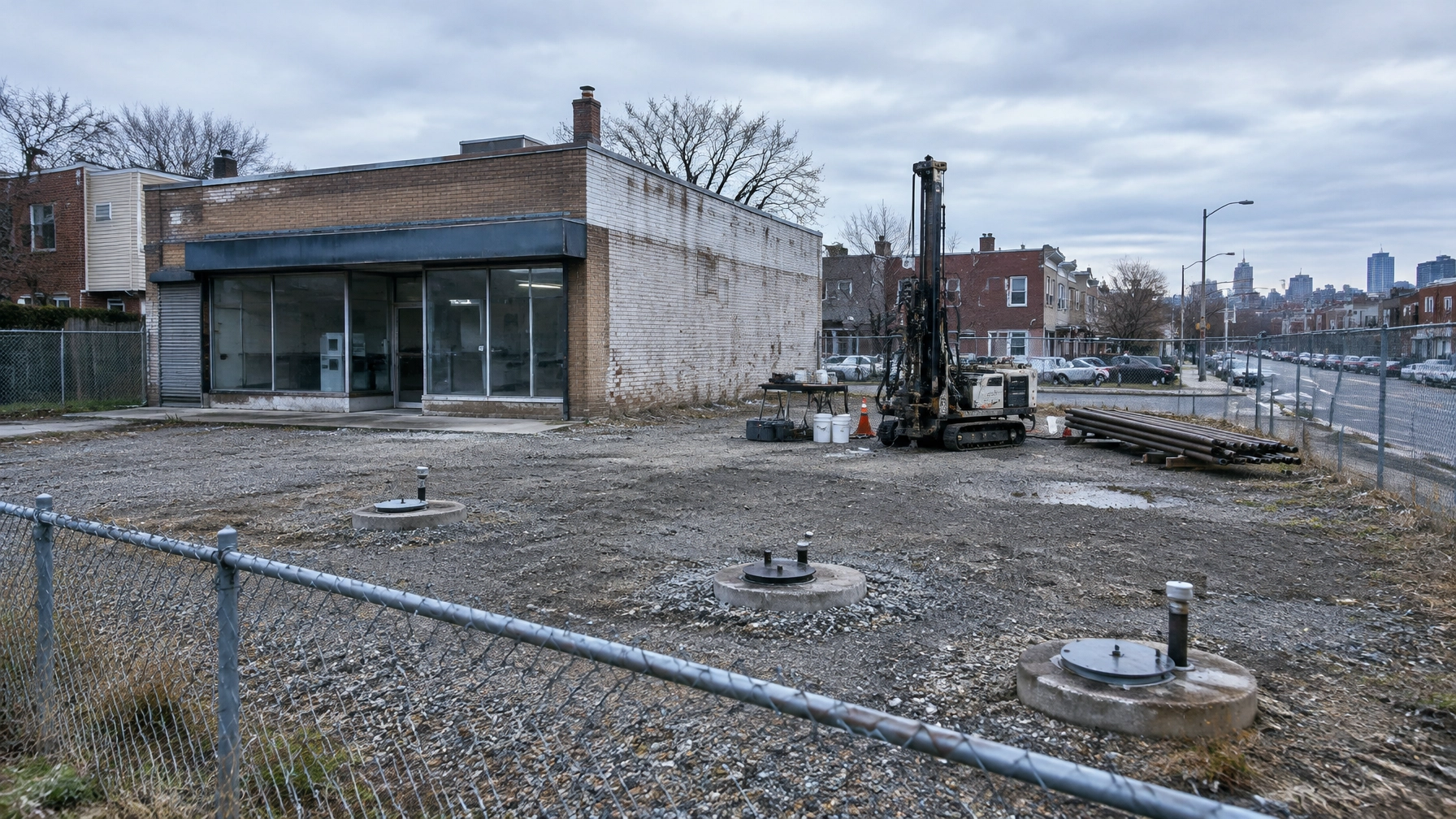
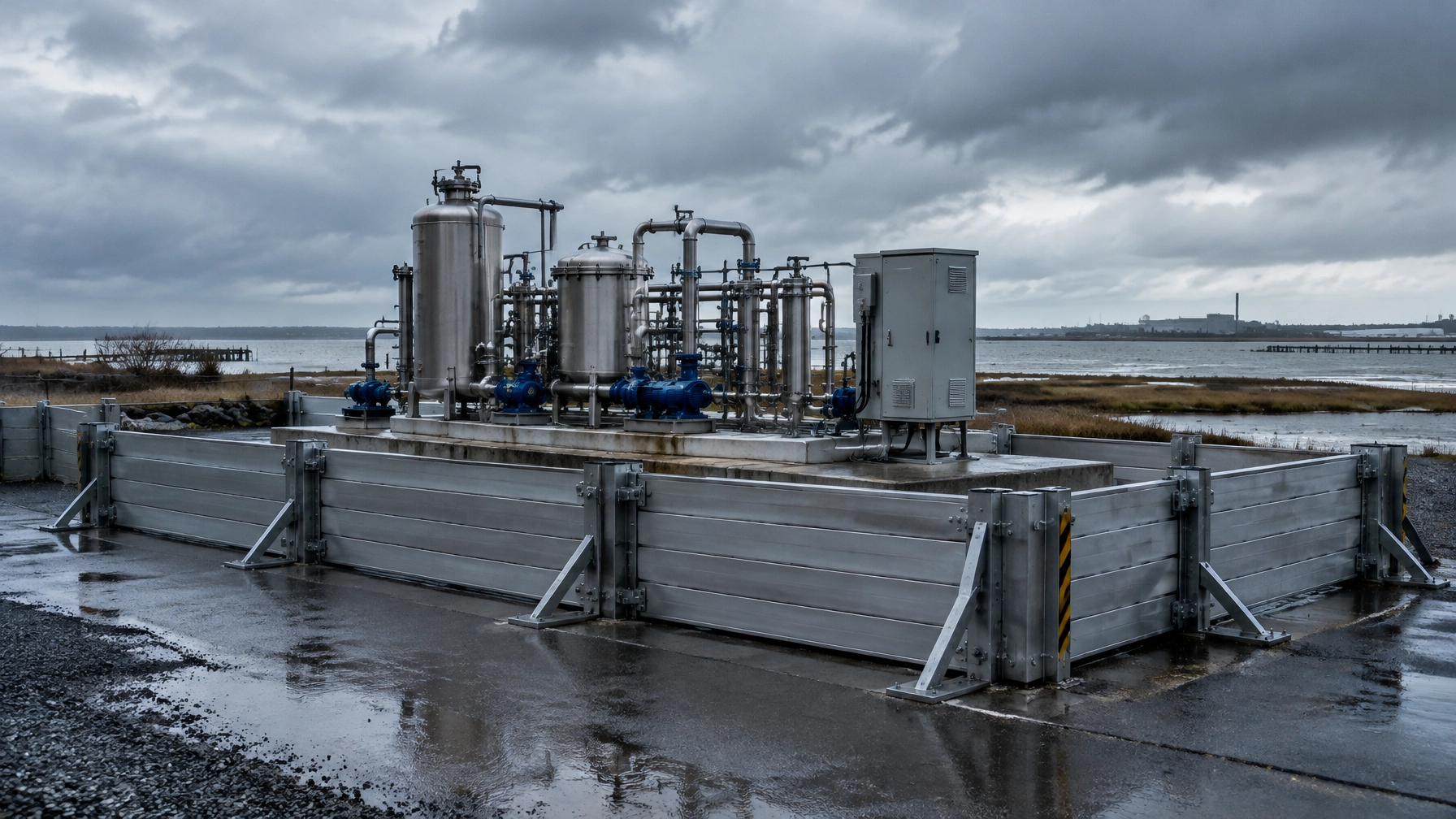
That matters for pump-and-treat, soil vapor extraction (SVE), air sparging, and other powered systems. An outage can interrupt treatment. Floodwater can reach controls, pumps, well vaults, electrical connections, and chemical or fuel storage areas. The risk depends on the system and site. The preparation should, too.
Why coastal and urban sites face specific risks
Nor’easters can bring heavy rain, coastal flooding, and storm surge. In Monmouth County, low-lying or shore-adjacent properties may face inundation and difficult site access. In Newark, industrial parcels and dense infrastructure can complicate drainage, access, and response.
Common vulnerabilities include:
- Loss of power: Treatment pumps, blowers, control panels, and telemetry may stop operating. A shutdown can affect system performance and delay the return to normal operation.
- Flooded well vaults: Water can enter a vault, damage equipment, compromise access, or complicate later sampling and inspection.
- Inundated tank areas: Floodwater can affect tanks, hoses, containment areas, electrical equipment, and site drainage.
- Unplanned discharge pathways: A displaced container, damaged line, or flooded treatment area can create a release risk that did not exist before the storm.

Reporting and LSRP notification duties
The October notice states that hazardous-substance discharges must be reported to NJDEP’s DEP Hotline at 1-877-WARN-DEP (1-877-927-6337). It also asks site teams to reassess conditions after the storm. A system outage by itself does not automatically mean a discharge occurred or that an Immediate Environmental Concern (IEC) exists. The facts on the ground determine the response.
If an LSRP has specific knowledge of a previously unreported discharge at a site for which they are responsible, notification duties may apply under N.J.A.C. 7:26I-6.10. The LSRP must immediately notify the person responsible for conducting the remediation and explain that party’s duty to report. The LSRP also has immediate notification duties, including calling the NJDEP Hotline and notifying other LSRPs working at the site.
If post-storm conditions may meet the definition of an IEC, the person responsible for conducting the remediation must assess and follow applicable response and notification requirements under N.J.A.C. 7:26E-1.11. Do not assume every flood or outage qualifies. Do not assume a damaged remedy is safe to restart without review.
For projects involving an industrial establishment, storm planning should also sit alongside applicable ISRA NJ compliance requirements. Storm preparedness does not replace ISRA or other remediation obligations.
Practical storm-readiness checklist
A useful plan identifies who acts, what they check, and when they escalate. Tailor it to the system design, site conditions, permits, and remedial objectives. NJDEP’s Planning for and Response to Catastrophic Events at Contaminated Sites guidance provides additional direction.
Before the storm:
- Confirm backup power arrangements. Check generator capacity, fuel, connection points, and safe operating procedures. Identify which equipment needs uninterrupted power and which can be safely shut down.
- Secure wells and vaults. Inspect well caps, vault covers, seals, and fasteners. Confirm that access points are secured against anticipated water levels.
- Inspect tanks and containment. Check secondary containment, drainage sumps, tank connections, hoses, and anchoring. Remove or secure materials that could float or move.
- Set shutdown and restart steps. Record who can shut down the system, how to isolate equipment, and what checks or approvals are needed before restart. Do not improvise electrical work in wet conditions.
- Set a communication chain. Keep current contacts for the property owner, operator, contractor, LSRP, and emergency response. Share relevant NJDEP vapor-system outage information with property owners where appropriate.
After the storm:
- Inspect before restarting. Check for standing water, damaged equipment, displaced materials, leaking lines, unusual odors, sheen, or visible releases.
- Document what you find. Take dated photographs, record water levels and system status, note inspection times, and track actions taken.
- Reassess the site and receptors. Evaluate whether conditions changed, whether contamination may have migrated, and whether any immediate environmental concern needs action.
- Report a discharge promptly. If a hazardous-substance discharge occurred, follow applicable notification requirements. Do not wait for a routine report or scheduled LSRP visit.
The business cost of a storm-damaged remedy
A damaged system can mean more than a repair invoice. If a storm causes a new discharge, it can trigger immediate reporting and response. If conditions meet IEC criteria, a more urgent response may follow. Depending on the facts, NJDEP may also take enforcement action.
Even where no reportable discharge occurs, lost operating time can mean contractor remobilization, replacement equipment, additional sampling, and a delayed remedial schedule. Those costs can affect financing, construction sequencing, and redevelopment plans. A system that is difficult to restart also creates uncertainty for owners, lenders, and the surrounding community.
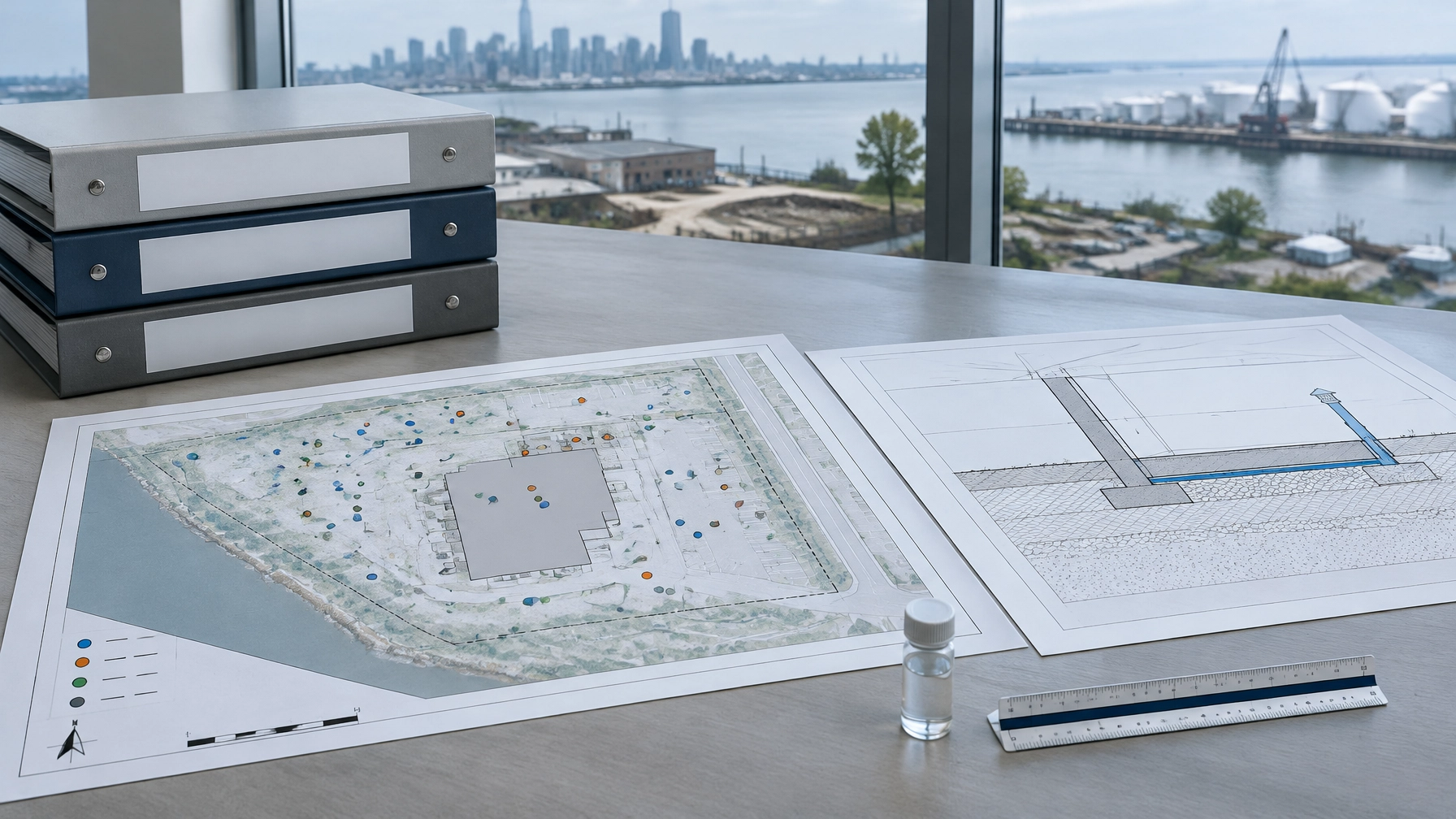
A written O&M plan helps make those decisions before conditions deteriorate. It should connect the technical steps to actual site responsibilities, including who inspects, who authorizes restart, and who contacts the LSRP or NJDEP.
Build resilience into remediation O&M
Storm preparation should reflect the remedy that is actually installed, not a generic checklist. Envicon supports remedial design and implementation oversight, system field coordination, and environmental monitoring for sites across New Jersey. Our work connects design decisions to field conditions, clear documentation, and practical operating steps.
For Monmouth County brownfield redevelopment and Newark projects, that means reviewing vulnerabilities such as power supply, well access, tank containment, and flood exposure before the next weather event. It also means defining post-storm inspection and escalation steps with the owner, contractor, and LSRP. We provide remediation and construction oversight services and regional support through our New Jersey environmental consulting hub.
A large consulting team may give you a plan without owning the handoff between design, field operations, and response. We keep licensed leadership close to the work and coordinate directly with the project team. Collaboration is not a buzzword. It is how storm plans become usable on site.
Frequently asked questions
Does the October 19 NJDEP notice create a new storm-resilience rule?
No. The notice is guidance, not a new standalone regulation. It reinforces that site teams should prepare as practicable, prevent new discharges, maintain active remediation systems, and reevaluate sites after extreme weather.
Does a power outage automatically require an IEC response?
No. An outage alone does not establish an IEC. The site team must assess actual conditions, potential releases, impacts to receptors, and whether applicable IEC criteria are met.
Who reports a new hazardous-substance discharge?
The October 19 notice says discharges must be reported to the NJDEP Hotline at 1-877-WARN-DEP (1-877-927-6337). The person responsible for conducting the remediation and the LSRP may have separate notification duties. Follow the applicable rules and site-specific requirements.
What should an active remediation system’s storm plan include?
At minimum, address backup power, well and vault protection, tank containment, safe shutdown and restart procedures, communication contacts, and documented post-storm inspections. Tailor the plan to the system and site.
The takeaway
NJDEP’s October 19 notice makes the operational expectation clear: prepare active remediation systems for extreme weather, work to prevent new discharges, and reassess site conditions after the event. For remediating parties and LSRPs, the best time to confirm power, containment, inspection, and notification steps is before the forecast turns into a field response.