A Queens redevelopment can require more than zoning approval and building permits. If a City agency must approve, fund, or undertake a discretionary action, the project may require review under the City Environmental Quality Review process, commonly called CEQR.
CEQR evaluates whether a proposed action could create significant adverse environmental impacts. It also gives agencies, community members, lenders, and project stakeholders a documented basis for decision-making.
For projects moving through ULURP, the quality and timing of the CEQR work can affect the entire approval schedule. The current guidance for reviews commenced on or after December 30, 2025, is the December 2025 edition of the CEQR Technical Manual, which serves as the operative manual for 2026 reviews.
What CEQR is and when it applies
CEQR applies when a New York City agency must take a discretionary action that may affect the environment. That action may involve:
- A zoning map or text amendment
- A special permit
- A City land disposition
- Public funding
- A site selection
- A capital project
- A lease, approval, or other agency decision
CEQR is New York City’s local environmental review process. It operates within the broader framework of the State Environmental Quality Review Act, or SEQRA, and incorporates City-specific procedures established under Executive Order 91 and the CEQR rules.
CEQR is not itself a zoning approval. It is a disclosure and decision-support process. The lead agency uses the review to determine whether the project may cause significant adverse impacts and whether those impacts can be avoided or mitigated.
The lead agency is not selected by the applicant. It is generally the agency taking the discretionary action. In a ULURP matter, the Department of City Planning, Department of Housing Preservation and Development, Economic Development Corporation, or another agency may serve as lead agency depending on the action.
The CEQR Technical Manual and analysis areas
The CEQR Technical Manual provides the procedures, screening criteria, methodologies, and documentation standards used for environmental reviews in New York City.
A project team should not treat the manual as a checklist to complete at the end of design. The analysis begins with the project description, the zoning actions, the surrounding land uses, the affected communities, and the reasonable worst case development scenario.
The manual addresses technical areas including:
- Land use, zoning, and public policy
- Socioeconomic conditions
- Community facilities and services
- Open space
- Shadows
- Historic and cultural resources
- Urban design and visual resources
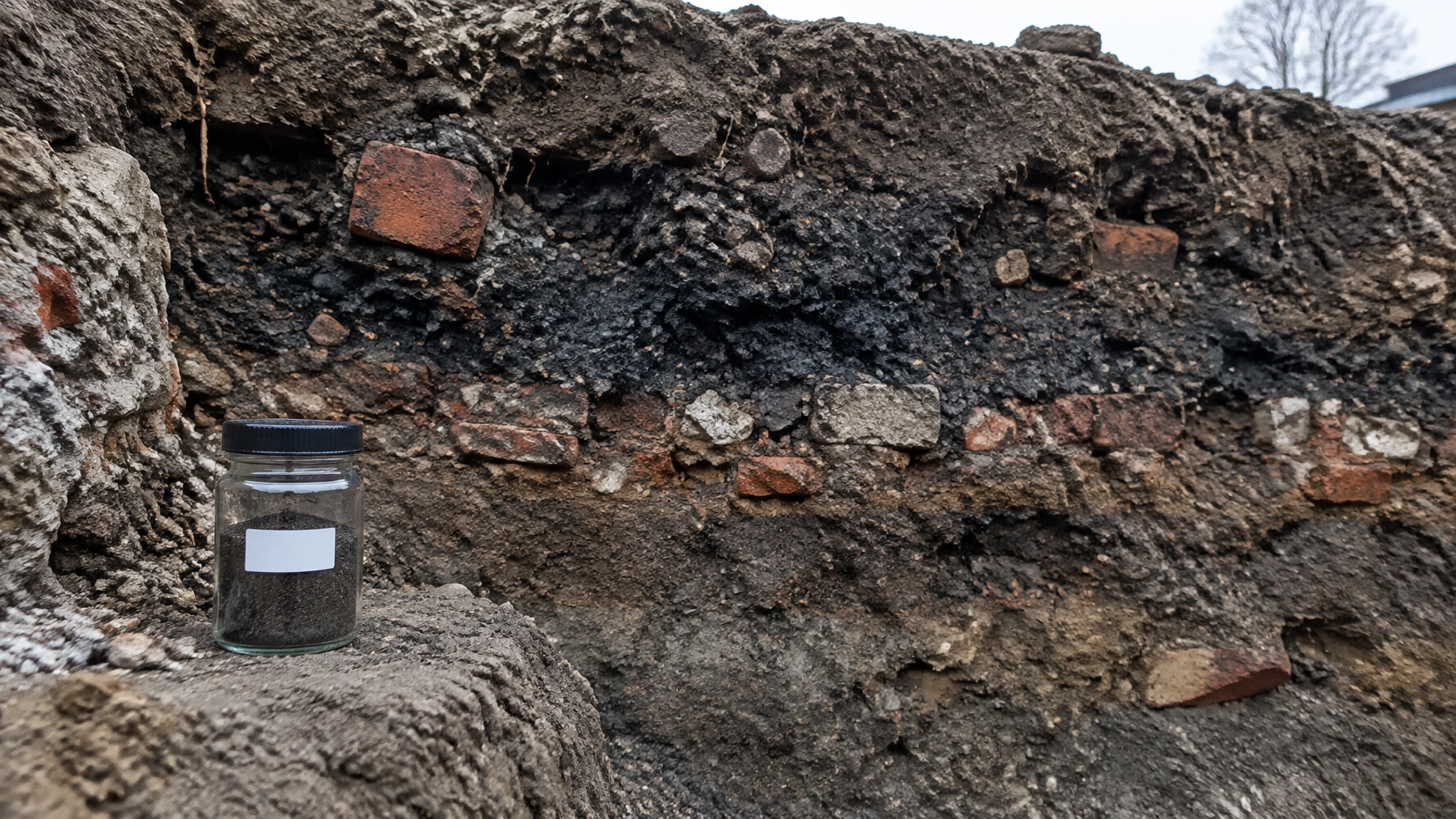
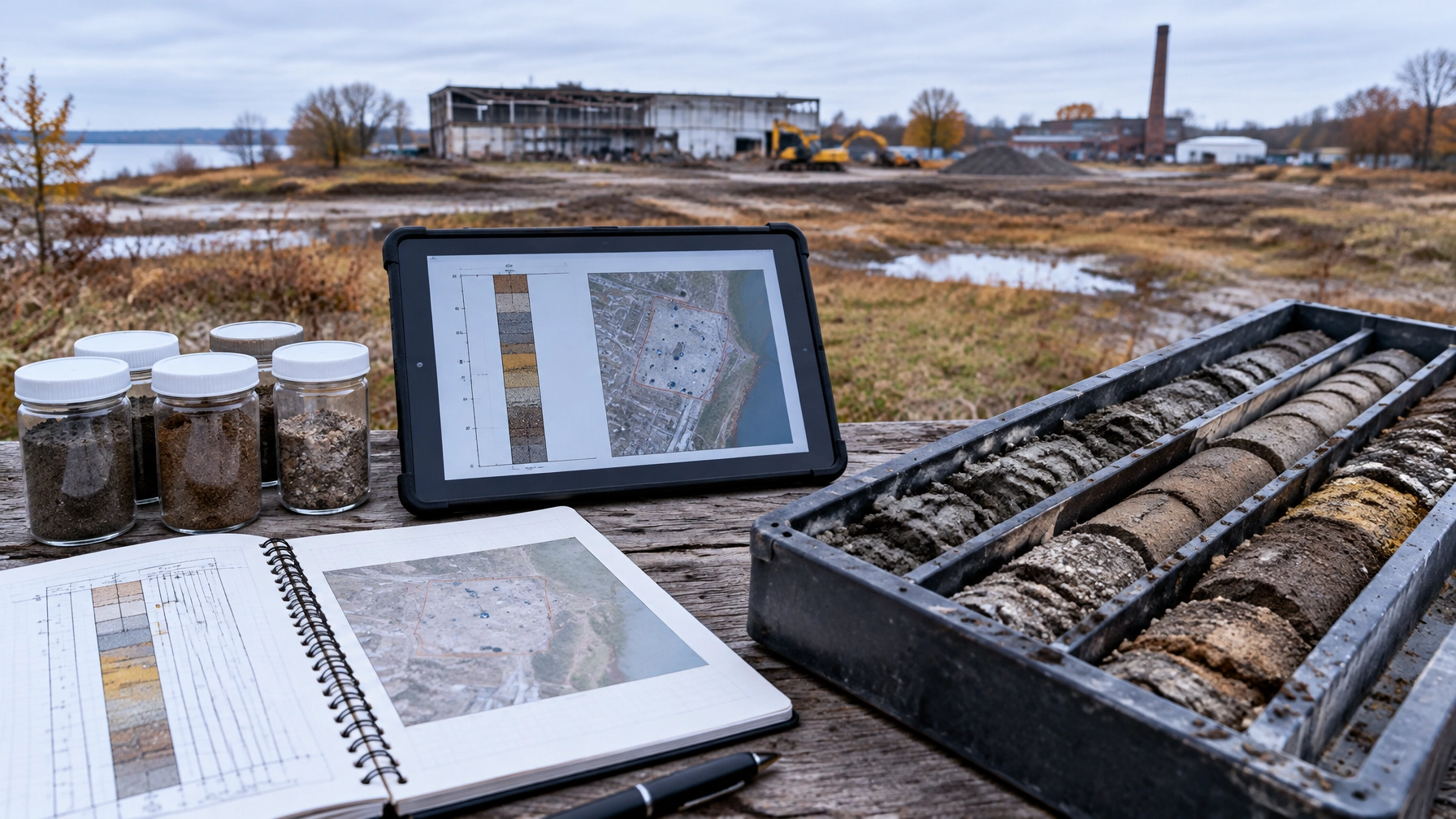
- Hazardous materials
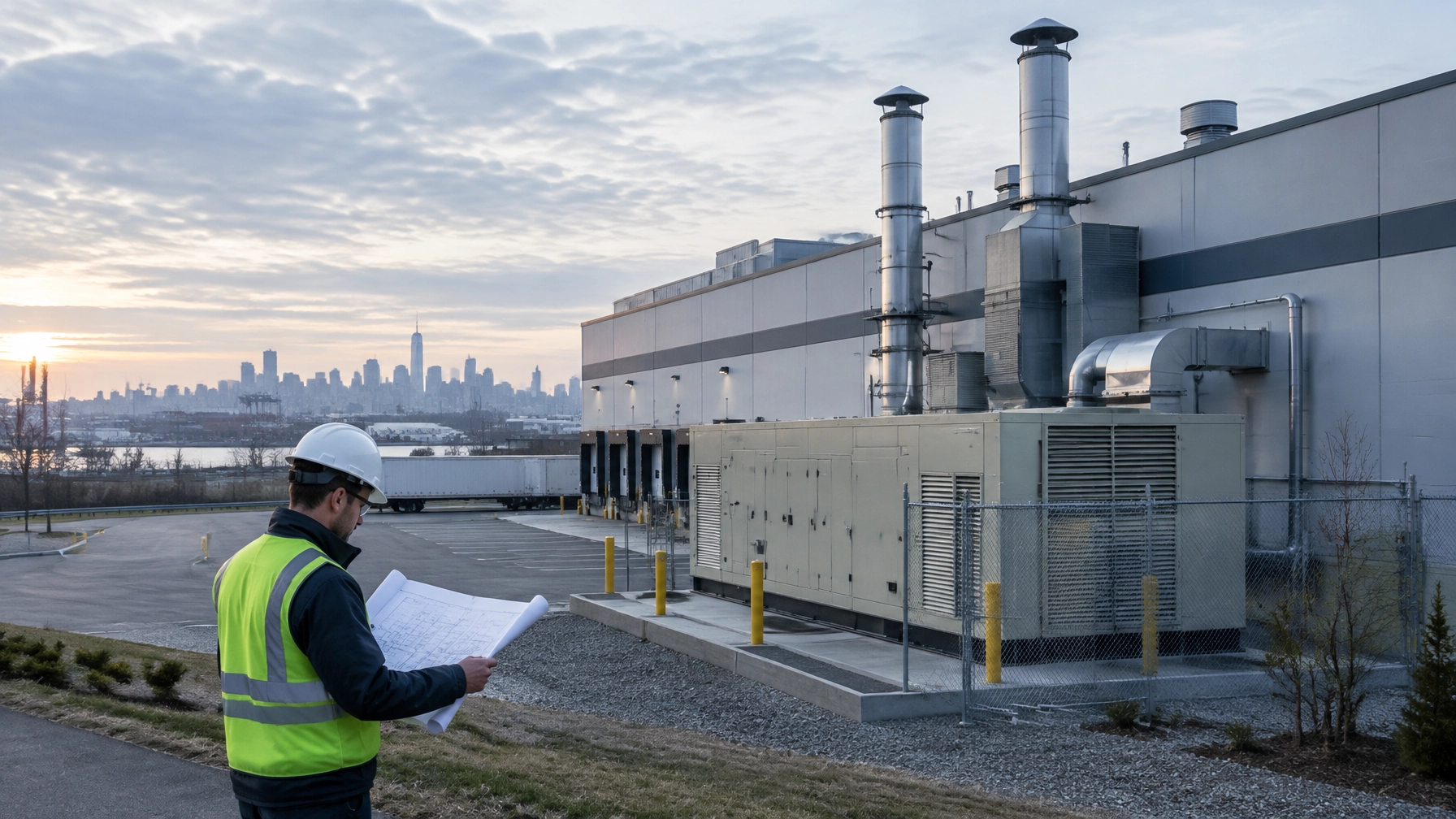
- Air quality
- Noise
- Transportation
- Solid waste and sanitation services
- Energy
- Greenhouse gas emissions and climate change
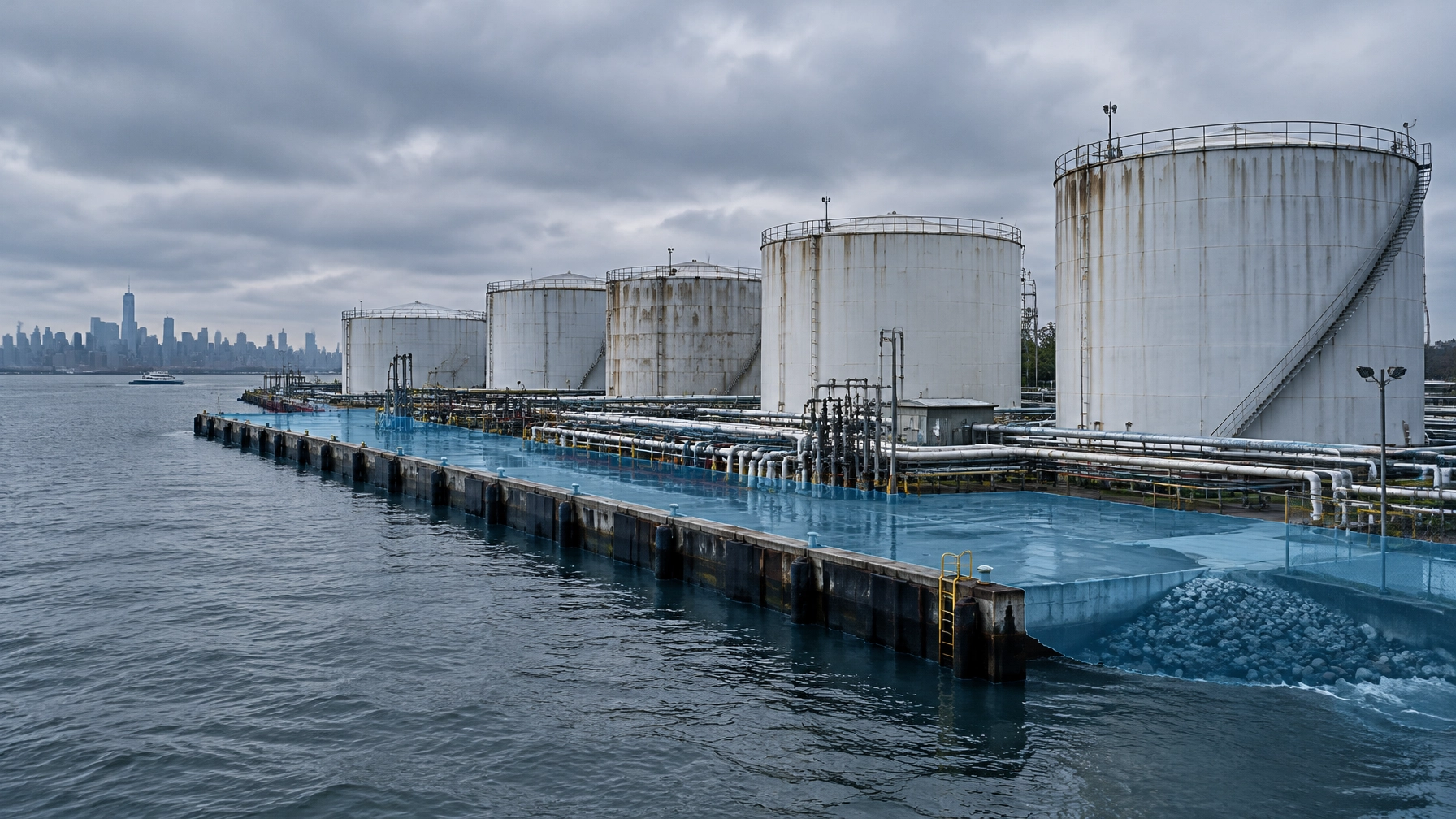
- Climate resilience
- Natural resources
- Water and sewer infrastructure
- Public health
- Neighborhood character
- Construction
- Effects on disadvantaged communities
- Alternatives
Not every project requires a detailed analysis in every category. The EAS screening determines which technical areas require further study. A poorly defined project, inconsistent development program, or unsupported assumption can create unnecessary review cycles.
EAS and the Environmental Assessment Form
The Environmental Assessment Statement, or EAS, is the primary screening document used in CEQR. It describes the proposed action and evaluates whether the project could result in significant adverse environmental impacts.
The EAS functions as the City’s environmental assessment form. It directs the lead agency to review the project against the technical thresholds and methodologies in the CEQR Technical Manual.
The EAS typically identifies:
- The project location and existing conditions
- Proposed zoning, land use, and development changes
- The size and type of development
- Construction activities and timing
- Existing and future land use conditions
- Potential impacts across CEQR technical areas
- Proposed mitigation or protective measures
The lead agency may issue:
- A Negative Declaration if no significant adverse impact is expected
- A Conditional Negative Declaration if the project avoids significant impacts through enforceable measures
- A Positive Declaration if the project may result in one or more significant adverse impacts
A Positive Declaration triggers preparation of an Environmental Impact Statement.

The Reasonable Worst Case Development Scenario
CEQR does not analyze a vague concept. It analyzes a defined development program.
For a zoning action, the project team usually establishes a Reasonable Worst Case Development Scenario, or RWCDS. The RWCDS represents the development outcome most likely to produce the greatest environmental effects within the range of development allowed by the proposed action.
The RWCDS may consider:
- Residential units
- Affordable housing
- Commercial floor area
- Community facility space
- Retail space
- Parking
- Building height and massing
- Construction sequencing
- Population and employment increases
- Open space demand
- Transportation demand
The RWCDS matters because it drives the technical analyses. A change in unit count, retail square footage, building height, or construction duration can alter the conclusions for traffic, shadows, socioeconomic conditions, air quality, noise, community facilities, and neighborhood character.
We help project teams define a defensible development scenario early. That gives architects, land use counsel, traffic engineers, environmental consultants, and owners a common basis for the review.
What a CEQR EIS includes
If the lead agency issues a Positive Declaration, the EIS process begins with formal scoping.
1. Draft Scope of Work
The Draft Scope of Work identifies the technical areas that will be studied, the methods that will be used, the study areas, the alternatives, and potential mitigation measures.
The document should reflect the actual project. A generic scope creates problems later because agencies and the public may reasonably expect analysis that does not match the proposed action.
2. Public scoping meeting
The lead agency publishes the Draft Scope and holds a public scoping meeting. The public may submit oral and written comments focused on the proposed scope.
The public comment period generally remains open through at least the tenth day after the meeting. The lead agency then reviews the comments and determines whether revisions are required.
3. Final Scope of Work
The Final Scope controls the preparation of the Draft Environmental Impact Statement. It establishes the framework for the detailed analyses and identifies the issues that must be addressed.
4. Draft Environmental Impact Statement
The DEIS evaluates existing conditions, the future No-Action condition, and the future With-Action condition.
A complete DEIS generally includes:
- Project description
- Environmental setting
- Analysis of significant adverse impacts
- Mitigation measures
- Alternatives
- Irreversible and irretrievable commitments of resources
- Short-term and long-term effects
- Construction impacts
- Technical appendices and supporting studies
The lead agency reviews the DEIS and determines whether it is adequate for public review.
5. DEIS public hearing and comment period
After the DEIS is accepted, the lead agency issues a Notice of Completion and schedules a public hearing. The public may review and comment on the document.
The project team must respond to substantive comments. The responses are not a marketing exercise. They become part of the administrative record.
6. Final Environmental Impact Statement
The FEIS includes the DEIS, revisions, technical updates, and responses to substantive comments. It must address the Final Scope and disclose significant adverse impacts and mitigation commitments.
After the FEIS is complete, the lead agency issues a Notice of Completion. Agencies responsible for approving, funding, or undertaking the action then prepare Statements of Findings before their approvals proceed.

CEQR, ULURP, and the City Planning Commission
CEQR and ULURP are separate processes that often move together.
ULURP governs the public review of certain land use actions. CEQR evaluates the environmental consequences of those actions. A zoning amendment may require both.
The City Planning Commission reviews the land use application as part of ULURP. Its decision is informed by the CEQR record, including the EAS, DEIS, FEIS, mitigation commitments, and Statement of Findings.
For a project team, this means the land use and environmental schedules must stay aligned. A late change to the zoning envelope or development program can require revisions to the RWCDS and technical analyses.
What makes Queens CEQR review different
Queens contains a wide range of development conditions. A redevelopment in Queens West or Long Island City may involve waterfront conditions, former industrial uses, dense transit demand, changing land use patterns, and nearby high-rise residential development.
In Astoria, the review may focus on neighborhood character, transportation, noise, industrial-residential interfaces, and community facilities.
In Jamaica, transit access, commercial activity, public facilities, socioeconomic conditions, and neighborhood investment patterns can shape the analysis.
In Flushing, traffic, pedestrian conditions, open space, community facilities, neighborhood character, and the relationship between new development and established commercial districts may require close attention.
A project along the Queens Boulevard corridor can present a different set of issues involving transit, traffic, pedestrian movement, urban design, shadows, and construction coordination.
Queens redevelopment also differs from a typical Manhattan project. Manhattan sites often involve a more uniform high-density block pattern and a highly constrained street network. Queens projects may involve larger parcels, irregular assemblages, industrial remnants, lower-density residential areas, transportation corridors, waterfront conditions, and sharper transitions between land uses.
That does not make Queens review easier. It makes early site-specific analysis more important.
Newark NJ and Monmouth County are not CEQR markets
CEQR applies in New York City. It does not apply to a project in Newark, New Jersey, or Monmouth County, New Jersey.
New Jersey does not have a broad state statute that functions exactly like SEQRA for every local discretionary land use action. Depending on the project, the applicable review may involve:
- NJDEP permitting and environmental review
- Executive Order 215 for certain major construction projects undertaken or funded by State entities
- Federal NEPA review for federally funded or approved actions
- Environmental Justice Impact Statement requirements for qualifying facilities in overburdened communities
- Local planning and zoning review
The correct review path depends on the agency action, funding source, facility type, location, and permits required. Our compliance and permitting team helps owners and project teams identify the applicable framework before assumptions become schedule problems.
For Newark projects, see our Newark location page. For projects elsewhere in New Jersey, our environmental and engineering services can be coordinated around the actual agency path.
The practical takeaway for owners
CEQR is manageable when the project is defined, the RWCDS is defensible, and the technical work starts early.
Before filing, confirm:
- Which agency will serve as lead agency
- Whether the action requires ULURP
- Whether an EAS is required
- What development program will define the RWCDS
- Which CEQR technical areas may need detailed analysis
- Whether hazardous materials, air quality, noise, traffic, or construction issues could affect the schedule
- How mitigation commitments will be documented and implemented
Envicon works directly with owners, architects, attorneys, planners, engineers, and public agencies. We provide clear technical documentation, responsive agency coordination, and field-informed recommendations that move the project toward a decision.
Collaboration is not a buzzword. It is how the work gets done.
Sources and official guidance
- NYC Office of Environmental Coordination: 2025 CEQR Technical Manual
- NYC Office of Environmental Coordination: Environmental Quality Review
- CEQR Procedural FAQs
- NYC Department of City Planning: Environmental Review
- New Jersey Executive Order 215 guidance
- NJDEP Environmental Justice Law
Ready to plan your environmental review?
If your Queens project is entering ULURP, preparing an EAS, or considering whether a full EIS may be required, bring Envicon in before the filing schedule hardens.