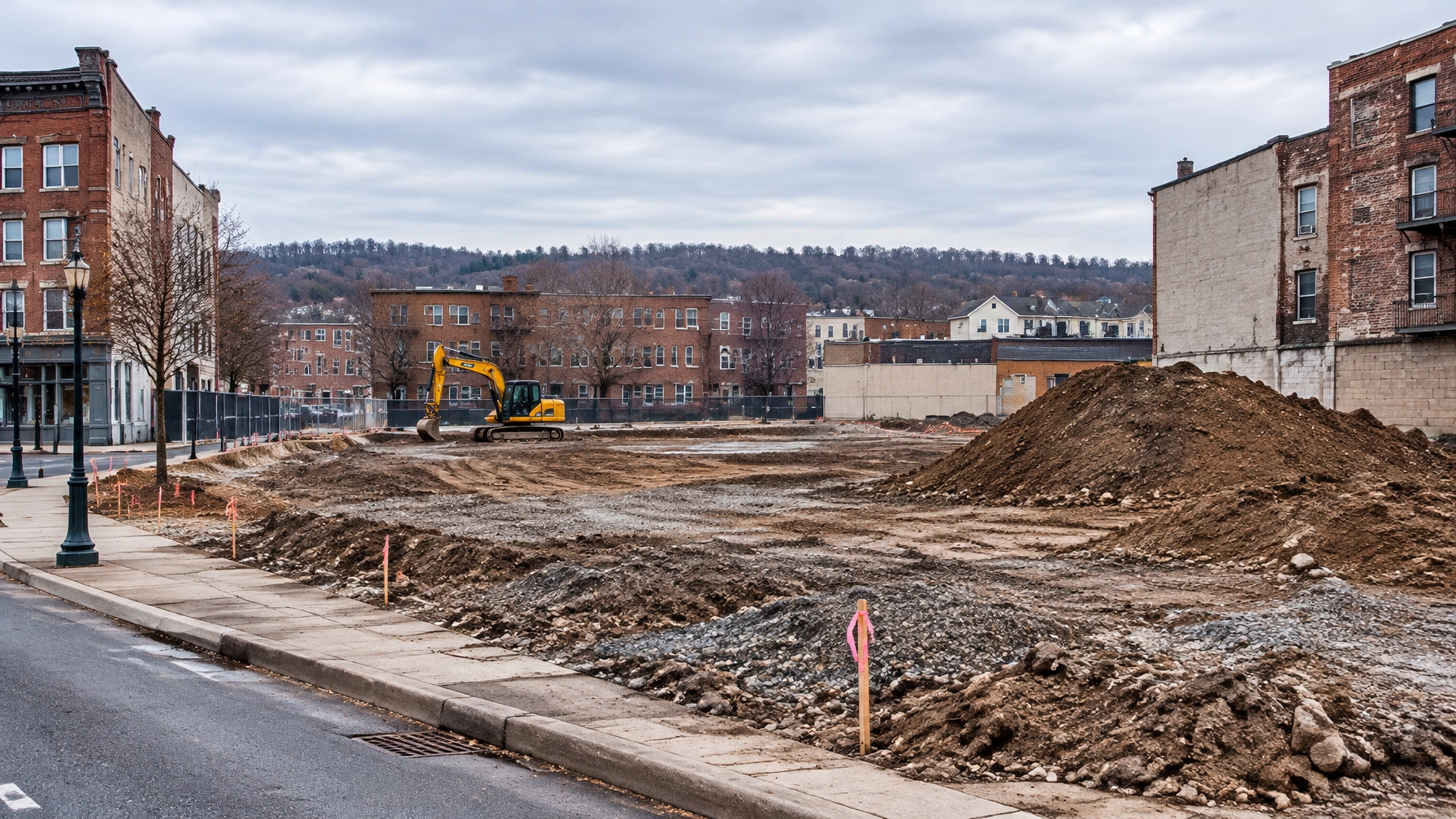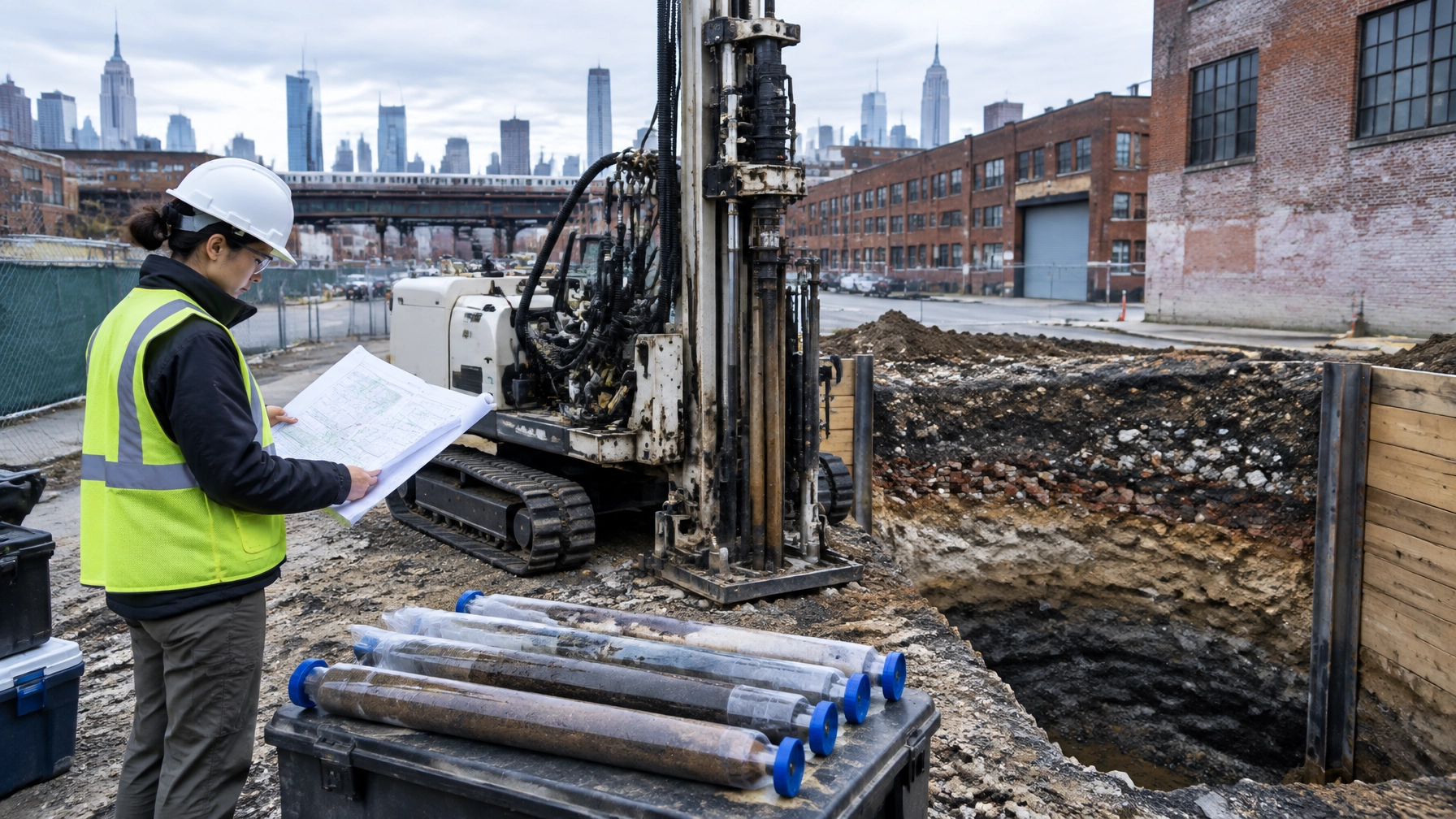
A hazardous materials chapter is not a technical appendix added after the real environmental review is complete. In a CEQR or SEQRA environmental impact statement, it can influence the project description, alternatives analysis, construction sequence, permit conditions, and long-term obligations.
The investigation must answer a practical question:
Can the proposed action disturb hazardous materials or create a new exposure pathway, and can the project avoid or properly mitigate that risk?
For projects in Queens, New York, the governing framework is generally CEQR and Chapter 12 of the CEQR Technical Manual. For projects elsewhere in New York, the broader framework is SEQRA. Newark and Monmouth County projects typically follow New Jersey’s contaminated site remediation and redevelopment framework rather than SEQRA. The investigative logic remains similar, but the lead agencies, forms, standards, and approval paths differ.
What the hazardous materials chapter must establish
The hazardous materials chapter should connect site history and field data to actual project activities. It should not simply list historic uses or laboratory results.
A complete analysis generally addresses:
- Current and historic site uses.
- Recognized environmental conditions and other potential sources.
- Known spills, tanks, waste handling, and regulatory listings.
- Historic fill and the potential for metals, petroleum, and polycyclic aromatic hydrocarbons.
- Soil, groundwater, and soil vapor conditions.
- Exposure pathways for workers, neighbors, and future occupants.
- Construction activities that could mobilize contamination.
- Measures needed to avoid, control, or remediate impacts.
The CEQR Technical Manual hazardous materials chapter frames the issue around whether a proposed project could increase exposure to hazardous materials. That standard requires more than a clean-looking property inspection. It requires a defensible understanding of what lies beneath the site and how construction will interact with it.
What an ASTM E1527-21 Phase I ESA contributes
An ASTM E1527-21 Phase I ESA is a non-intrusive environmental due diligence assessment. Its primary purpose is to identify recognized environmental conditions involving hazardous substances and petroleum products.
The Phase I typically includes:
- Review of environmental databases.
- Historical aerial photographs.
- Sanborn fire insurance maps.
- City directories and topographic maps.
- Review of adjoining property uses.
- Interviews with owners, operators, occupants, and officials when available.
- Site reconnaissance.
- Evaluation of recognized environmental conditions, historical recognized environmental conditions, and controlled recognized environmental conditions.
The Phase I gives the EIS team a structured baseline. It identifies the sources and conditions that require closer analysis. A former dry cleaner, auto repair facility, manufactured gas plant, industrial operation, filling station, or waste handling area may justify intrusive investigation.
But a Phase I ESA is not the hazardous materials chapter itself.
ASTM E1527-21 is designed primarily for commercial real estate due diligence and CERCLA-related liability evaluation. It does not, by itself, determine whether a proposed excavation, foundation, utility installation, or new residential use could create a significant environmental impact under CEQR or SEQRA.
The EIS must go further. It must evaluate the proposed action, exposure pathways, construction disturbance, future use, and mitigation commitments.
Why a standalone due diligence Phase I is different
A lender or buyer may order a Phase I ESA to answer:
- Is there a recognized environmental condition?
- Does the property present a potential environmental liability?
- Is further investigation warranted?
- Can the transaction proceed with acceptable risk?
An EIS hazardous materials analysis asks a broader project question:
- What will the proposed action disturb?
- Could construction expose workers or the public?
- Could contamination migrate?
- Could future occupants encounter soil vapor or residual contamination?
- What mitigation must become part of the project design and approval?
These scopes overlap, but they are not interchangeable.
A standalone Phase I may conclude that a REC exists and recommend a Phase II. The EIS must explain how that REC affects the proposed action. It may need to address excavation depth, foundation design, soil export, groundwater handling, vapor controls, indoor air protection, construction health and safety, and long-term site management.
The same consultant should prepare both when possible. That avoids losing critical site history between the transaction team and the environmental review team. It also prevents a common problem: one consultant identifies the risk, while another consultant later redesigns the investigation after the project has already advanced.
The scopes should remain clear and separate. The deliverables should not be copied and pasted. The information should move through one coordinated technical process.
How Phase II investigation supports the EIS
A Phase II ESA provides the field evidence needed to characterize potential contamination. Under ASTM E1903, a Phase II may include sampling and analysis of:
- Soil and historic fill.
- Groundwater.
- Soil vapor.
- Sub-slab vapor.
- Indoor air, where appropriate.
- UST-related areas.
- Suspected source areas and migration pathways.
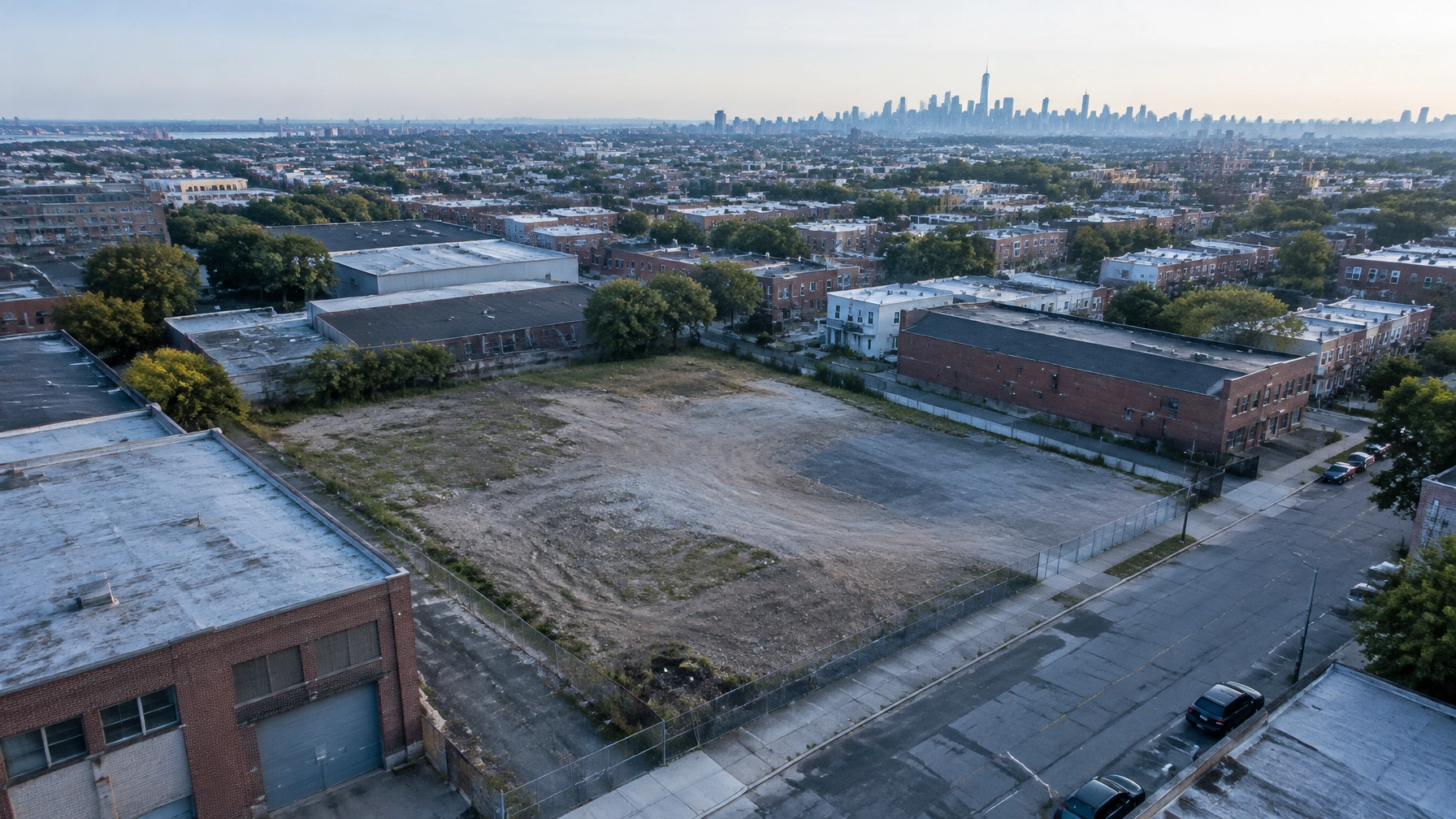
For CEQR projects, the Phase II should be designed around the concerns identified in the Phase I and the actual construction plan. A regular grid may not be enough. Sampling locations should target former tanks, dry cleaning areas, fill placement zones, chemical storage areas, utility corridors, and areas beneath proposed buildings.
A strong Phase II work plan answers five questions:
- What contaminants are suspected?
- Which environmental media may contain them?
- Where should samples be collected?
- What laboratory methods and reporting limits are appropriate?
- How will the results affect the EIS, remedy, and construction controls?
In Queens and Newark, historic fill often requires careful vertical profiling. A sample from shallow fill may not describe deeper native soil or groundwater conditions. The investigation should distinguish fill from native material and document the depth, composition, and lateral extent of each unit.

E-designations and the CEQR record
An NYC E-designation is a zoning-based notice that identifies environmental requirements associated with a tax lot. It may address hazardous materials, noise, or air quality. This article focuses on hazardous materials E-designations.
The E-designation does not mean that every site contains confirmed contamination. It means the CEQR record identified environmental requirements that must be addressed before covered development can proceed.
For a hazardous materials E-designation, the project may need:
- A Phase II work plan.
- OER review and coordination.
- Soil, groundwater, or soil vapor sampling.
- A remedial action plan.
- Construction health and safety procedures.
- Soil management requirements.
- Vapor mitigation.
- A site management plan or long-term engineering controls.
The applicable requirements should be confirmed through the project’s CEQR documents, zoning records, and the NYC E-designation database. The NYC Office of Environmental Remediation administers hazardous materials E-designation obligations and related notices.
The E-designation must be treated as part of the project record, not as a separate administrative item. If the Phase II findings change the understanding of site conditions, the remedial approach and construction commitments may also need to change.
Vapor intrusion and soil vapor assessment
Vapor intrusion occurs when volatile chemicals in soil, groundwater, or soil vapor migrate into an occupied building. The risk depends on the contaminant, concentration, pathway, building design, pressure differences, cracks or penetrations, and the effectiveness of mitigation.
A soil vapor evaluation may include:
- Soil vapor points around proposed building footprints.
- Sub-slab sampling beneath existing structures.
- Groundwater sampling for volatile organic compounds.
- Indoor air and ambient air sampling.
- Evaluation of preferential pathways such as utilities.
- Review of proposed foundation and vapor barrier details.
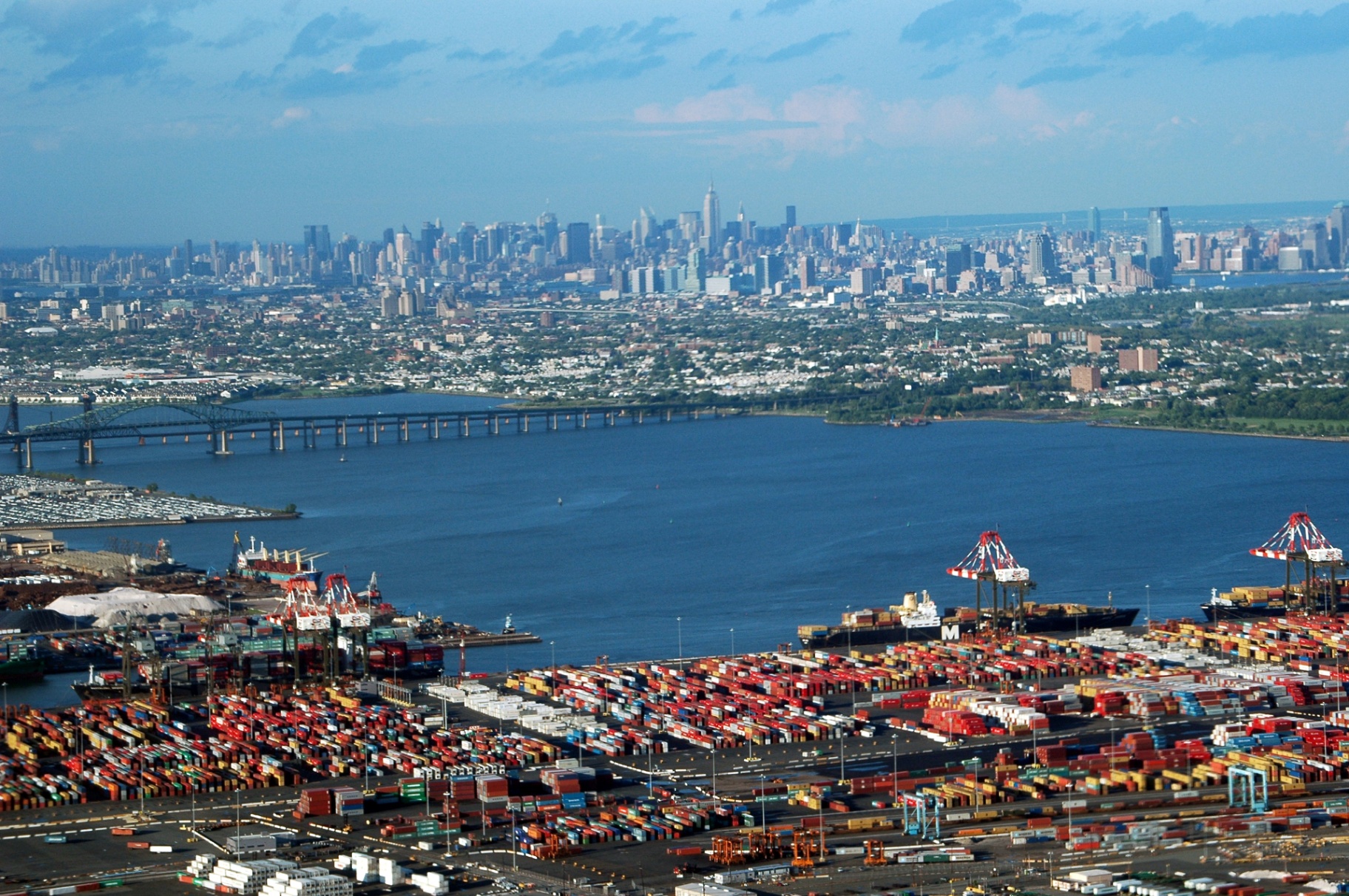
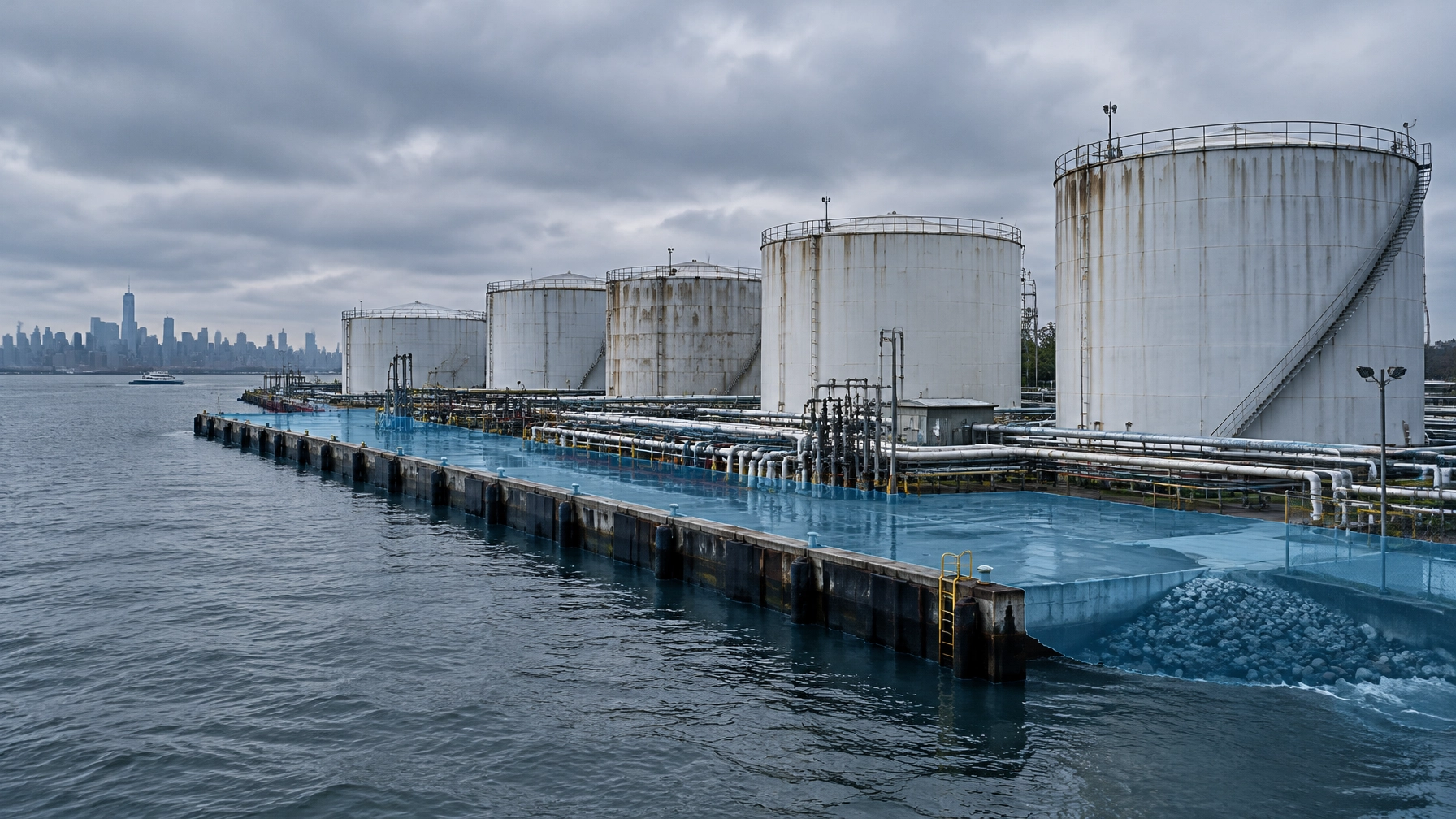
In Queens, vapor concerns may arise from former industrial uses, dry cleaners, petroleum facilities, and contaminated fill. In Newark, the same concerns may extend to former manufacturing areas and regional groundwater plumes.
New Jersey projects should be evaluated against applicable NJDEP vapor intrusion guidance, including the need for additional soil gas, sub-slab, indoor air, or groundwater investigation.
A vapor mitigation system should not appear as a generic sentence in the EIS. The documents should identify the design basis, installation requirements, inspection responsibilities, operation and maintenance obligations, and conditions for future modification.

Historic fill in Queens and Newark
Historic fill is common in heavily developed urban areas. It may contain brick, ash, cinders, glass, metals, petroleum-related compounds, and PAHs. Fill can also vary significantly across a single property because it was placed at different times and from different sources.
For a Queens or Newark redevelopment project, the EIS should address:
- The likely origin and age of fill.
- Fill thickness and variability.
- Chemical concentrations.
- Contact with groundwater.
- Soil disposal and reuse options.
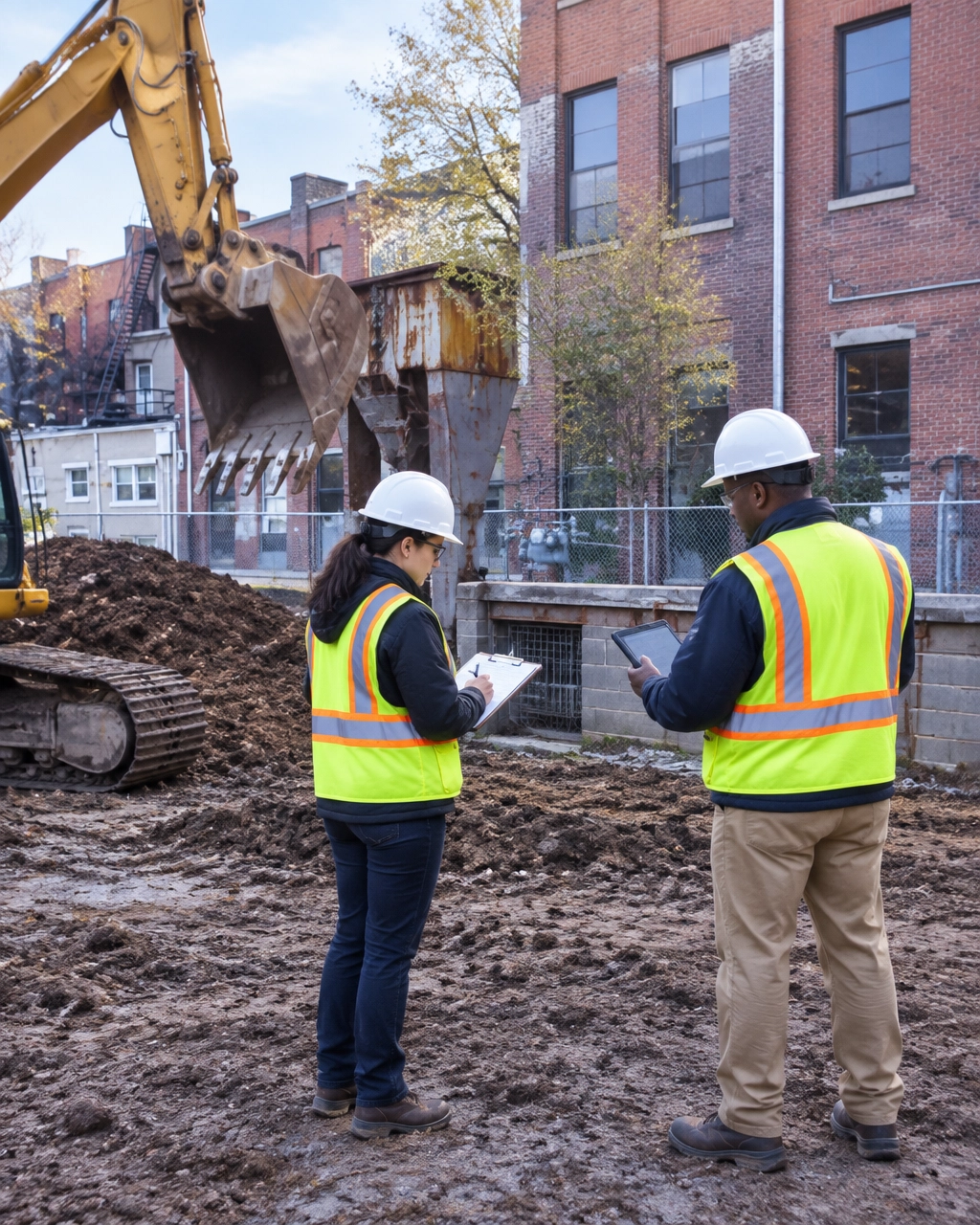
- Worker protection during excavation.
- Dust, odor, and vapor controls.
- Imported clean soil or cover requirements.
- Potential long-term engineering controls.
The goal is not automatically to remove all fill. The correct approach depends on the planned use, contaminant concentrations, exposure pathways, excavation limits, and agency requirements.
How the hazardous materials chapter shapes alternatives
The hazardous materials analysis can change the alternatives analysis in several ways.
A project alternative with a deeper basement may require more excavation, groundwater management, soil export, and worker protection. A residential alternative may create a more sensitive future use than a commercial alternative. A no-action or reduced-density alternative may leave contamination in place but avoid certain disturbance pathways.
The EIS should compare alternatives based on:
- Excavation volume.
- Disturbance of contaminated media.
- Building footprint and foundation depth.
- Potential vapor exposure.
- Soil and groundwater management.
- Construction duration and staging.
- Feasibility of engineering controls.
- Long-term operation and maintenance.
- Cost and schedule risk.
This is where early investigation creates value. If Phase II work is completed before alternatives are locked, the project team can design around actual conditions. If contamination is discovered during construction, the project loses time and control.
From investigation to remedial and construction commitments
The hazardous materials chapter often leads to a coordinated package of documents and controls, including:
- Remedial Action Plan.
- Construction Health and Safety Plan.
- Soil management plan.
- Community air monitoring or perimeter monitoring.
- Dewatering and groundwater handling procedures.
- Soil characterization and disposal documentation.
- Vapor barrier or sub-slab depressurization design.
- Site management plan.
- Agency approval conditions.
For Monmouth County projects, the applicable NJDEP remediation pathway, licensed site remediation professional, and local approvals should be identified early. The same applies in Newark, where urban redevelopment may involve historic industrial operations, groundwater impacts, and vapor intrusion concerns.

The Envicon approach
Envicon connects the Phase I, Phase II, EIS analysis, remedial design, and construction oversight. We do not treat the report as the finish line.
Our Phase II ESA services are designed to answer the questions that affect permitting, financing, construction, and long-term site use. We also support remediation and brownfield redevelopment with field-level coordination and regulator-facing documentation.
For clients working in Newark, our Newark environmental consulting team brings local project context into the investigation and approval process. For Queens and Monmouth County, we apply the same field-first model while adapting the work to the applicable city, state, and agency requirements.
Collaboration is not a buzzword. It is how the work gets done.
Key takeaway
A hazardous materials chapter should give decision-makers a clear path from site history to action. A Phase I identifies potential conditions. A Phase II characterizes them. The EIS explains how the proposed project will avoid, control, or remediate the resulting risks.
The strongest projects coordinate these steps early. They use one technical record, one accountable team, and clear commitments that hold up through agency review and construction.