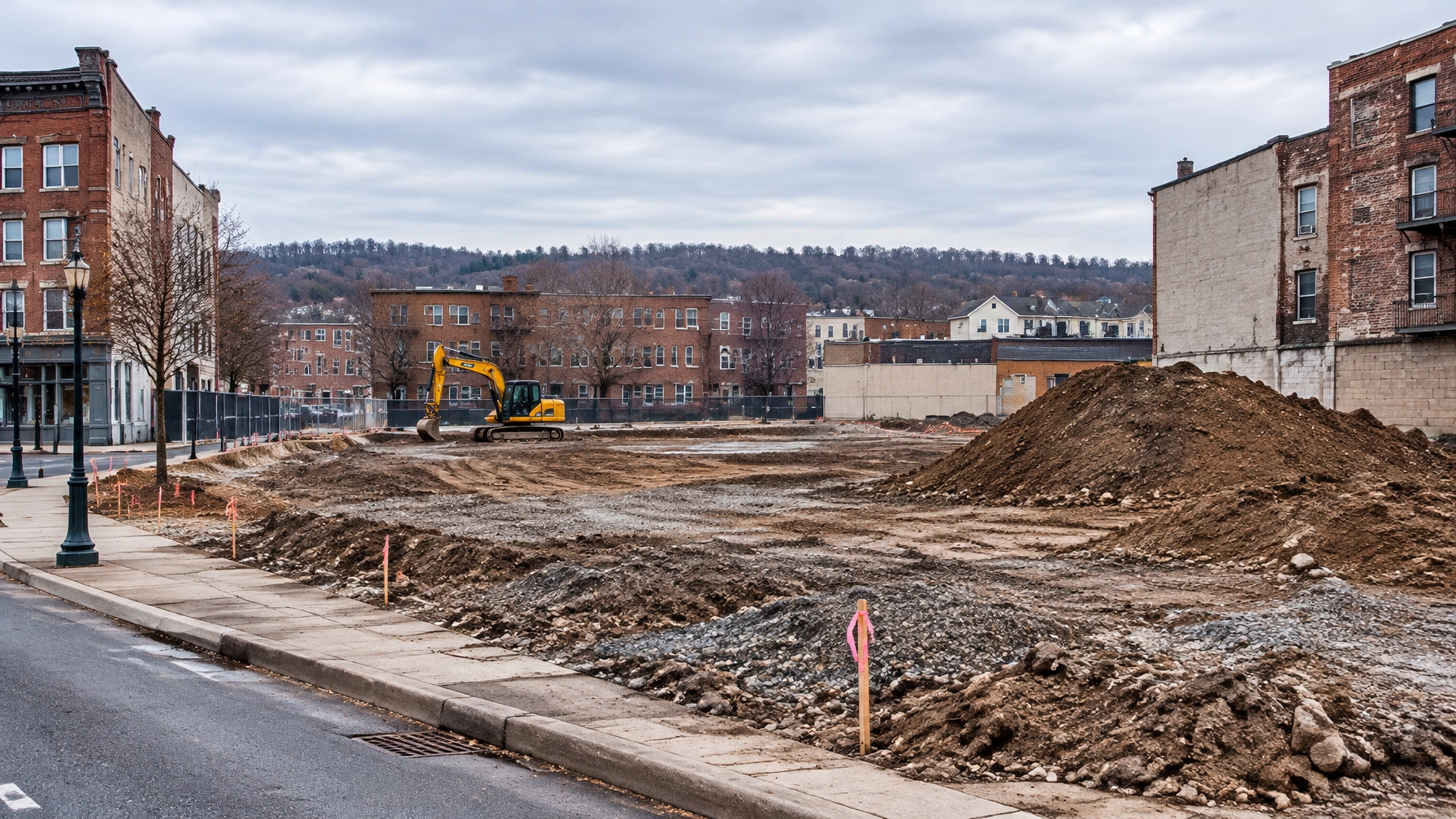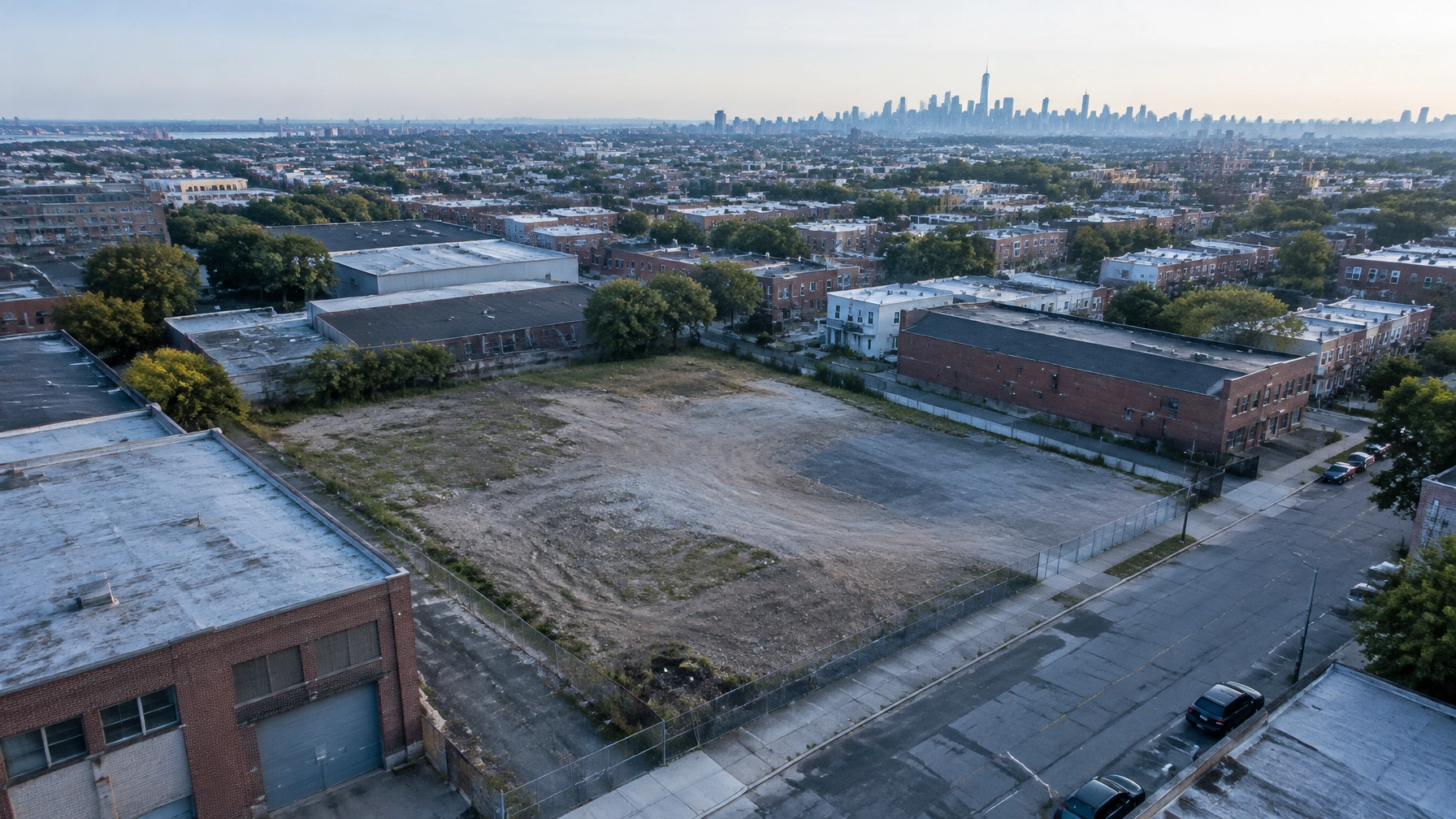
For a Queens housing project seeking a Qualified Action Determination, the environmental work happens before the public-review clock. DCP’s October 2026 process guidance sets out what applicants submit, when they submit it, and how the agency reaches a determination. A separate October rule adoption creates ELURP’s 90-day public-review procedure for eligible land-use actions, effective November 14, 2026.
These tracks connect, but they are not interchangeable. A Qualified Action determination may exempt an eligible action from further SEQRA and CEQR review. It does not waive local hazardous-materials requirements, guarantee that DCP will not require an NYC E-Designation, or start ELURP’s public-review clock.
DCP’s Qualified Action process, step by step
DCP’s Process Guidance for Qualified Action Determinations describes a staged process through DCP’s Applicant Portal.
-
Start with the Project Initiation Form. For a housing project seeking a determination from DCP, submit the Qualified Action Framework form and spreadsheet in the portal’s “Attached Documents” section. Together, they describe the affected area, development scenarios, calculations and soft sites. For zoning actions, DCP also calls for an up-to-date Phase I Environmental Site Assessment.
-
Give DCP enough information to assess the action. The agency needs the location and proposed development the action would facilitate, along with information on non-applicant-owned sites that could be developed under the proposed action. A thin project description or incomplete scenario analysis can leave EARD unable to advise on eligibility or move the project through precertification.
-
Work through EARD’s review before finalizing the action. DCP’s Environmental Assessment Review Division (EARD) reviews the framework materials. When the land-use action is finalized, EARD advises whether those materials need updates or corrections, or whether they are sufficient to prepare the formal Qualified Action Determination Form.
-
Submit the formal materials with the land-use application. In the Land Use Application’s “Attached Documents” section, include the completed Qualified Action Determination Form and the Applicant Hazardous Materials Certification. The form summarizes the action and site, explains why the site qualifies as previously disturbed, and presents the No-Action and With-Action conditions and project increment. The development increment table should cover projected development sites.
-
DCP determines the outcome and posts it. DCP reviews the materials and provides feedback on whether a hazardous-materials E-Designation will be issued. If the action qualifies, DCP issues a determination memorandum with the form and certification attached, then posts it on the project’s Zoning Application Portal page.
This is more than a form-filing sequence. The Phase I, development assumptions and site history must tell a consistent story. If any of those pieces changes during project development, the framework may need to be updated before the determination can proceed.
How the determination fits the ELURP 90-day clock
The City adopted the ELURP and Affordable Housing Appeals Board rules in October 2026. For eligible actions, the rules establish a 90-day public-review period that begins with certification of a complete application, not the first project meeting, Project Initiation Form or draft submission.
Under the adopted rules, Community Board and Borough President reviews generally run concurrently for 60 days. The City Planning Commission then has 30 days to hold a hearing and act. The rules include special timing provisions, including longer review periods for certain summer filings and a 45-day CPC period for certain Affordable Housing Fast Track applications that require an environmental impact statement. The final rule text controls for each application.
The important schedule point is that certification comes after DCP’s completeness review. The adopted rules require environmental review determinations and any required proposed E-Designation notifications to be addressed before certification. That makes the Qualified Action process and hazardous-materials work part of the pre-certification path, not a parallel substitute for it.
The October 2026 rule adoption explains the new procedure and its eligibility criteria. For a helpful overview of the fast-track context, see Holland & Knight’s analysis. Neither a Qualified Action request nor an ELURP filing guarantees a 90-day path from the day a project team begins work. Precertification, environmental materials and application completeness take time.
Qualified Action does not mean “no E-Designation”
A Qualified Action determination addresses whether an eligible action is exempt from further SEQRA and CEQR review. It does not erase local hazardous-materials obligations. DCP’s housing guidance says privately initiated housing actions must still comply with applicable local requirements, including a Phase I ESA and, where appropriate, an E-Designation or alternative remediation requirements.
The Applicant Hazardous Materials Certification is not a promise that a site is uncontaminated. It is an applicant certification connected to the site’s environmental due diligence and legal obligations. It addresses compliance with applicable hazardous-materials requirements, completion of a Phase I ESA consistent with All Appropriate Inquiries, following the assessment’s recommendations, and reporting contamination as required by law.
DCP’s process guidance specifically says it will advise whether a hazardous-materials E-Designation will be issued. That decision can remain necessary even when the land-use action qualifies for the environmental-review exemption. If DCP identifies a hazardous-materials concern requiring controls or remediation, the project may need an NYC OER E-Designation pathway. A Qualified Action determination is not an OER clearance or a Notice of Satisfaction.

The Phase I ESA is the foundation of the certification
A certification is only as defensible as the environmental assessment behind it. ASTM E1527-21 Phase I ESAs combine historical and regulatory records review, interviews and site reconnaissance to identify recognized environmental conditions and document data gaps. DCP’s request for an up-to-date Phase I on zoning actions matters because a stale report may not reflect current site conditions, ownership, plans or information that has emerged since it was prepared.
For All Appropriate Inquiries, federal rules require certain components to be completed within 180 days before property acquisition, and the inquiry must be completed within one year. Those are AAI timing requirements, not a blanket guarantee that every report remains suitable for a later DCP submission. A project team should confirm report dates and update information when conditions or project facts have changed. See the EPA’s All Appropriate Inquiries guidance.
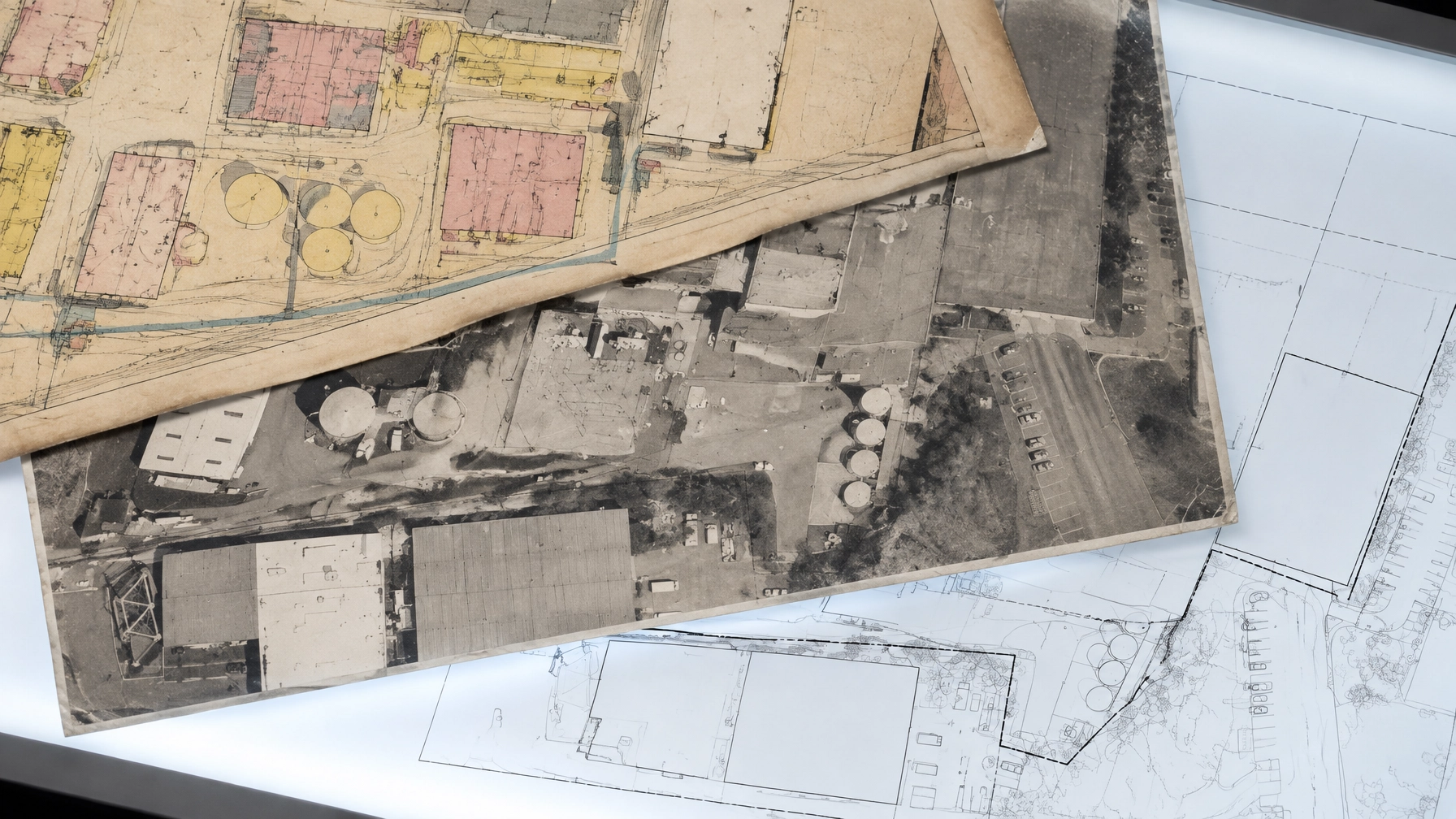
In Queens, a careful historical review can matter as much as the site walk. Historic fill, former industrial uses and other urban site conditions may require more than a quick database check. The records review should examine available Sanborn maps and aerials, regulatory records, prior uses and known site history. It should also identify data gaps plainly.
Conditions that can undermine a Qualified Action certification include:
- Historic fill or other urban fill: The report should explain what historical sources show and whether available information supports further evaluation.
- NYC brownfield-style conditions: Former commercial or industrial uses, documented spills or environmental files may point to a need for additional investigation or a regulatory pathway.
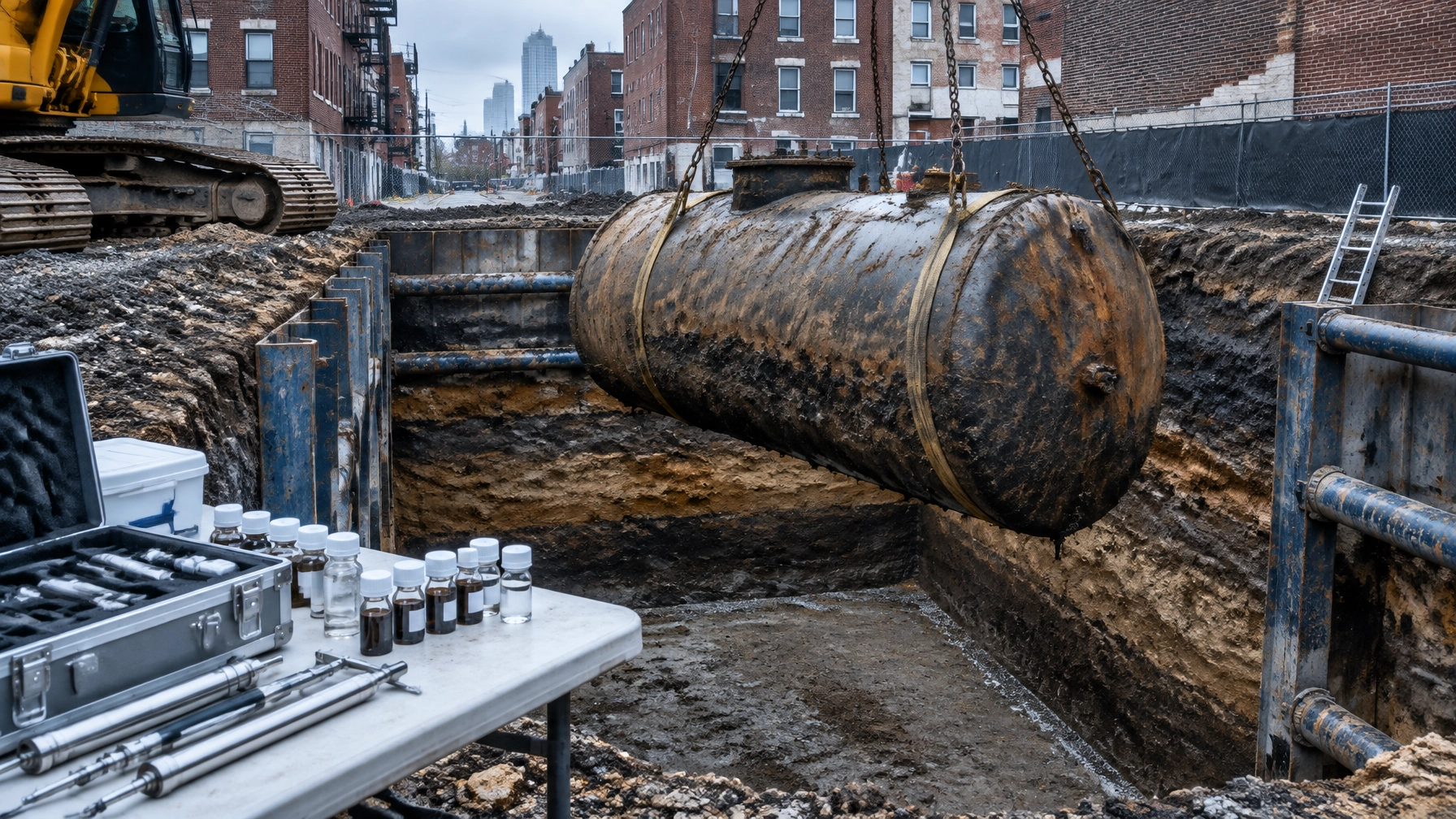
- Undocumented underground storage tanks: A lack of tank records is not proof a tank never existed. Historical use and site observations may justify a recommendation for further work.
- Stale or incomplete information: Old site reconnaissance, missing interviews, gaps in historical coverage or a project description that no longer matches the assessment can weaken the basis for certification.
A thin Phase I can turn an intended exemption path into additional review, an E-Designation and an OER remediation program. That can add sampling, agency coordination and schedule exposure before construction. The aim is not to make the report sound reassuring. It is to give DCP and the project team a clear, supportable account of what the property history shows and what needs to happen next.

What this means for Phase I ESA cost in NYC
Phase I ESA cost in NYC depends on the property, records available, site access, prior uses and requested schedule. A lower initial fee does not help if the report leaves material gaps that later require an update, more research or a separate investigation.
Envicon’s Phase I ESA service is built around ASTM E1527-21 and documents records review, reconnaissance, interviews, findings and clear recommendations. For entitlement work, we focus the assessment on the project’s actual use, site history and regulatory context. We coordinate directly with the project team so the report can support the Qualified Action process rather than sit apart from it.
For housing and redevelopment in Queens, that means examining historic uses and fills, NYC environmental records, potential tanks and other conditions that could affect a certification or trigger follow-up. We explain what the findings mean and what step comes next. Our Queens environmental consulting team works across the borough, with broader NYC environmental consulting support for citywide projects.
Frequently asked questions
Does the Qualified Action determination start ELURP’s 90-day clock?
No. The formal ELURP public-review period begins when DCP certifies the application as complete. Project initiation, pre-certification work and a Qualified Action request do not by themselves start the clock.
Does a Qualified Action determination prevent an NYC E-Designation?
No. A Qualified Action may exempt an eligible action from further SEQRA and CEQR review, but local hazardous-materials requirements still apply. DCP may determine that an E-Designation is required.
What does DCP require at Project Initiation?
DCP’s guidance calls for the Qualified Action Framework form and spreadsheet. For zoning actions, it also calls for an up-to-date Phase I ESA. The formal determination form and Applicant Hazardous Materials Certification are submitted with the land-use application.
Can an older Phase I ESA support a certification?
Possibly, but age alone does not establish that the report is adequate for the current project. Confirm applicable AAI dates, whether site conditions or project facts have changed, and whether DCP’s request for an up-to-date assessment is met. An environmental professional can assess whether an update is needed.
Keep the determination path moving
DCP’s guidance makes the sequence clear: provide the framework and current environmental information early, resolve EARD comments, update the record as the action changes, then submit the formal determination materials with the land-use application. ELURP can shorten the public-review stage for eligible actions, but it does not eliminate the work needed to reach certification.
A Phase I written for the site and the entitlement decision can help identify issues before they become schedule problems. Envicon Group provides direct, technically grounded Phase I ESAs for Queens and citywide projects. We help clients move from findings to a defensible next step.