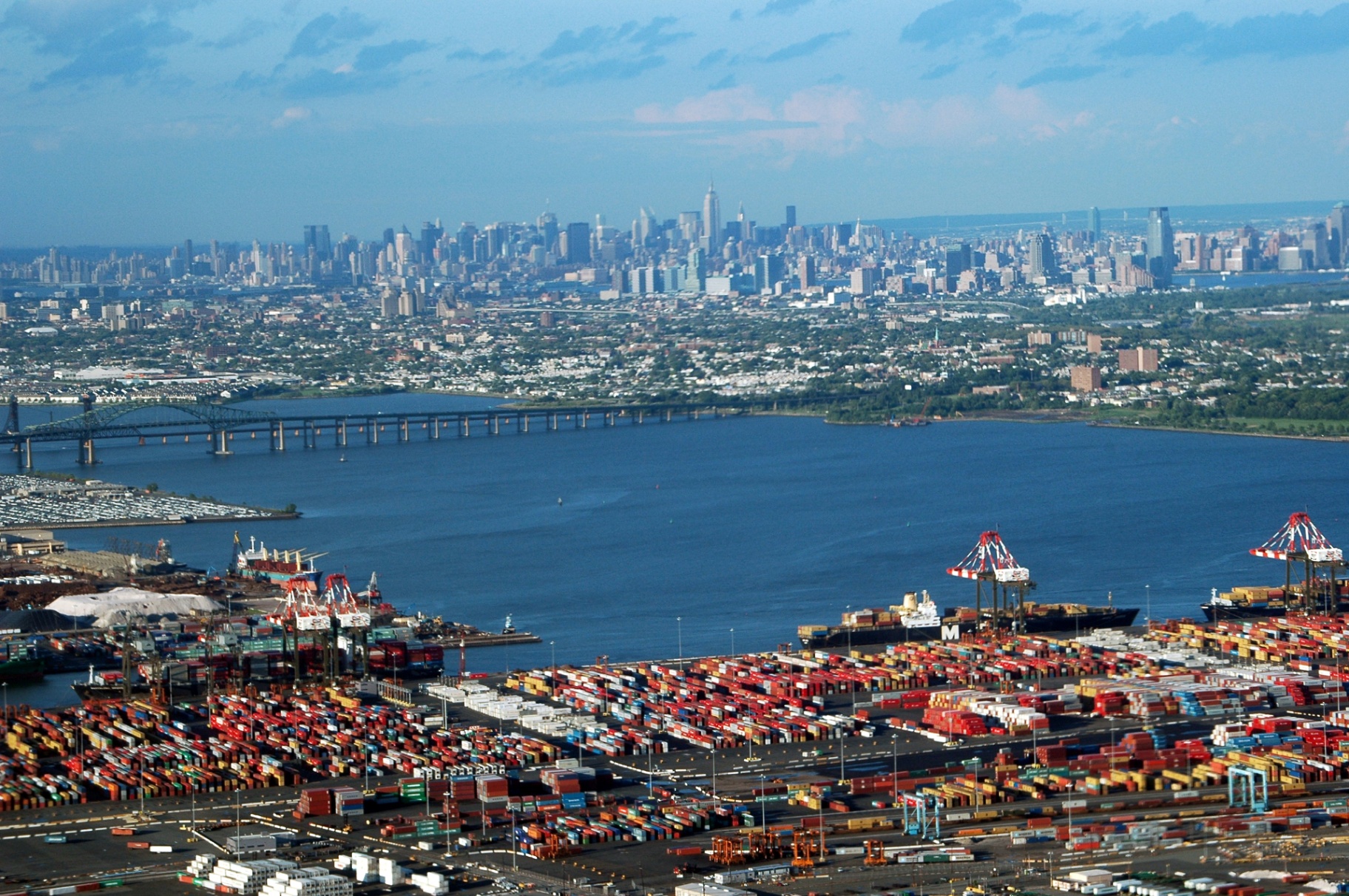
Newark is not subject to SEQRA or CEQR. A Newark development project follows a different path. The core review runs through the New Jersey Department of Environmental Protection, the Licensed Site Remediation Professional framework under the Site Remediation Reform Act, and local land-use authorities including the Newark Central Planning Board and municipal redevelopment agencies.
That distinction matters. A developer who applies a New York environmental review model to a Newark site can miss an ISRA trigger, underestimate historic fill risk, or sequence municipal approvals before the remediation strategy is ready.
For projects in the Ironbound district, Port Newark, the Newark Liberty Airport industrial corridor, or along the Passaic River, environmental due diligence needs to connect three workstreams:
- Transaction and lender due diligence
- NJDEP investigation and remediation
- Newark municipal approvals and redevelopment requirements
Envicon supports developers through this process with NJ LSRP services, brownfield redevelopment planning, and direct regulatory coordination.
Newark’s environmental review pathway is not CEQR
Newark projects do not use CEQR, New York City’s environmental review framework. They also do not use SEQRA, New York’s statewide environmental review statute.
Instead, a Newark project may involve:
- NJDEP site remediation requirements
- ISRA NJ compliance for qualifying industrial establishments
- LSRP-directed investigation and remediation
- NJDEP air, waste, wetlands, waterfront, or other program approvals when applicable
- Newark zoning, site plan, subdivision, and redevelopment approvals
- Public participation and environmental justice requirements for qualifying facilities
The project may still require a detailed environmental record. It simply develops through a different legal and administrative structure.
Newark’s municipal review can include the Central Planning Board, zoning officials, the municipal redevelopment process, and construction officials. The exact approvals depend on the site, zoning district, proposed use, redevelopment plan, and whether the project requires variances or public financing.
ISRA NJ compliance starts with the operation, not the dirt
Historic contamination alone does not automatically trigger ISRA. Applicability depends on the business operation, applicable NAICS code, hazardous substance or hazardous waste activities, and a triggering transaction or operational change.
Under the current NJDEP ISRA rules, an industrial establishment generally involves:
- A business or real property associated with a qualifying NAICS code
- Operations conducted on or after December 31, 1983
- Generation, manufacture, refining, transportation, treatment, storage, handling, or disposal of hazardous substances or hazardous waste on site
Common ISRA triggers include:
- Sale or transfer of the business or industrial property
- Transfer of operations
- Closing or substantial reduction of operations
- Certain changes in controlling ownership
- Certain transfers of assets, partnership interests, or limited liability company interests
- A lease of 99 years or longer
The current rules require the owner or operator to submit a General Information Notice within five calendar days after specified triggering events, including the execution of an agreement to transfer ownership or operations.
That deadline is easy to miss when ISRA is reviewed only after the purchase agreement is signed. Developers should screen the transaction structure, current and historical NAICS codes, operating history, and lease documents before signing.
ISRA also places responsibility on both the owner and operator. A transaction may proceed before final regulatory closure in some circumstances, but only through an appropriate mechanism such as an RAO, certified Remedial Action Workplan, remediation certification, or NJDEP authorization.
A private Phase I is not the same as an LSRP investigation
A private transaction Phase I ESA is usually prepared for a buyer, lender, investor, or insurer. It evaluates recognized environmental conditions under the applicable ASTM framework and helps determine whether additional investigation is warranted.
An LSRP-directed regulatory investigation serves a different purpose. It is designed to satisfy New Jersey site remediation requirements and support a regulatory outcome.
The distinction is important:
| Private transaction Phase I | LSRP-directed regulatory investigation |
|---|---|
| Supports acquisition, financing, and risk allocation | Supports compliance with SRRA and NJDEP requirements |
| Reviews historical and current property conditions | Defines Areas of Concern and contaminant impacts |
| May recommend Phase II testing | Directs investigation, delineation, and remediation |
| Helps a buyer make a decision | Creates the technical record for regulatory closure |
| Is not itself a regulatory closure document | Can support an RAO, RAWP, RAP, or other final remediation document |
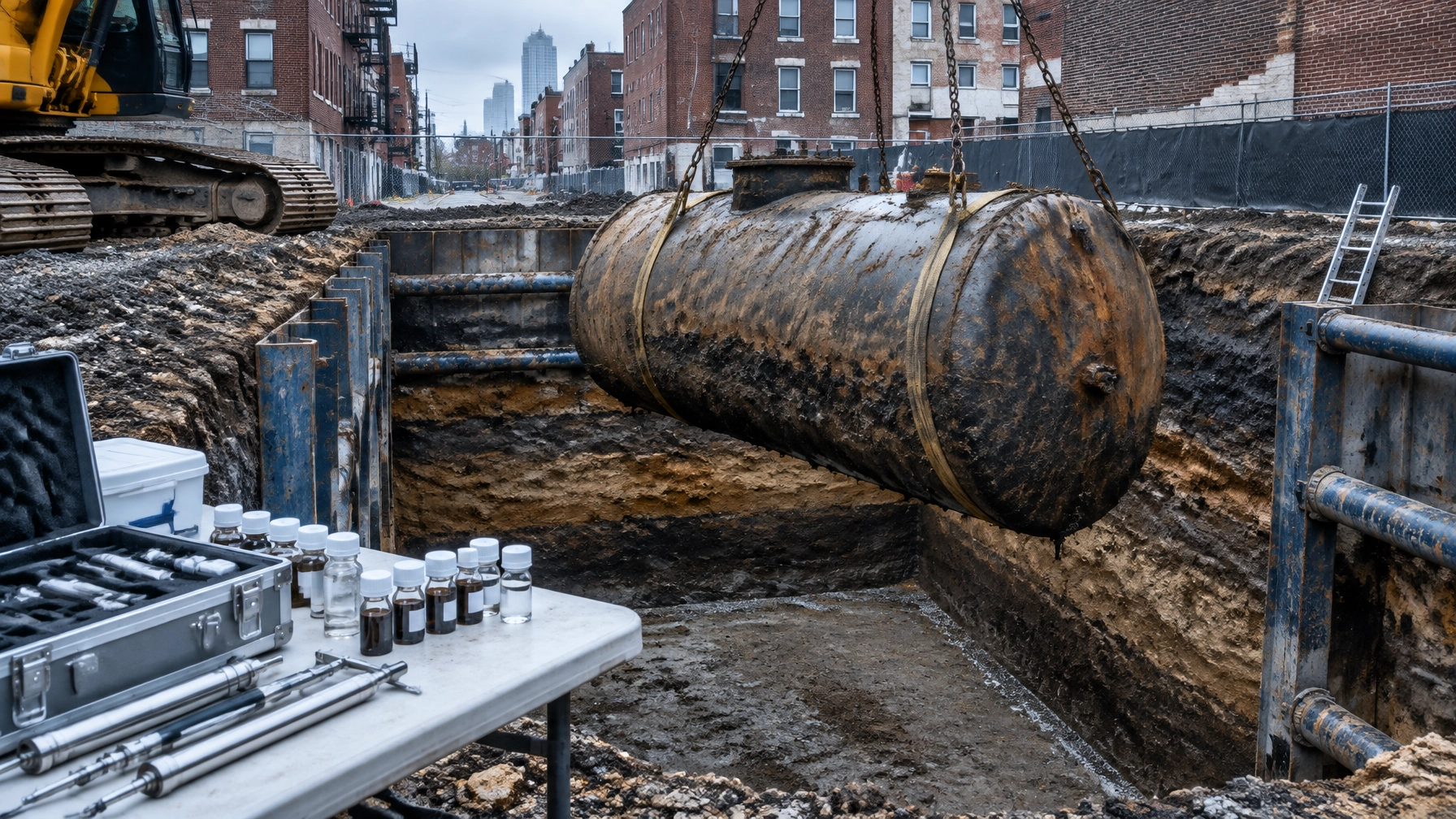
A Phase I may identify a former metalworking operation, petroleum storage, dry cleaning use, rail activity, fill placement, or solvent handling. The LSRP then determines how those conditions should be investigated under the Technical Requirements for Site Remediation.
Do not treat a clean transaction report as proof that the site has satisfied NJDEP obligations. Conversely, do not order a full regulatory investigation before understanding the transaction, end use, redevelopment design, and likely areas of concern.
Historic fill changes the Newark development equation
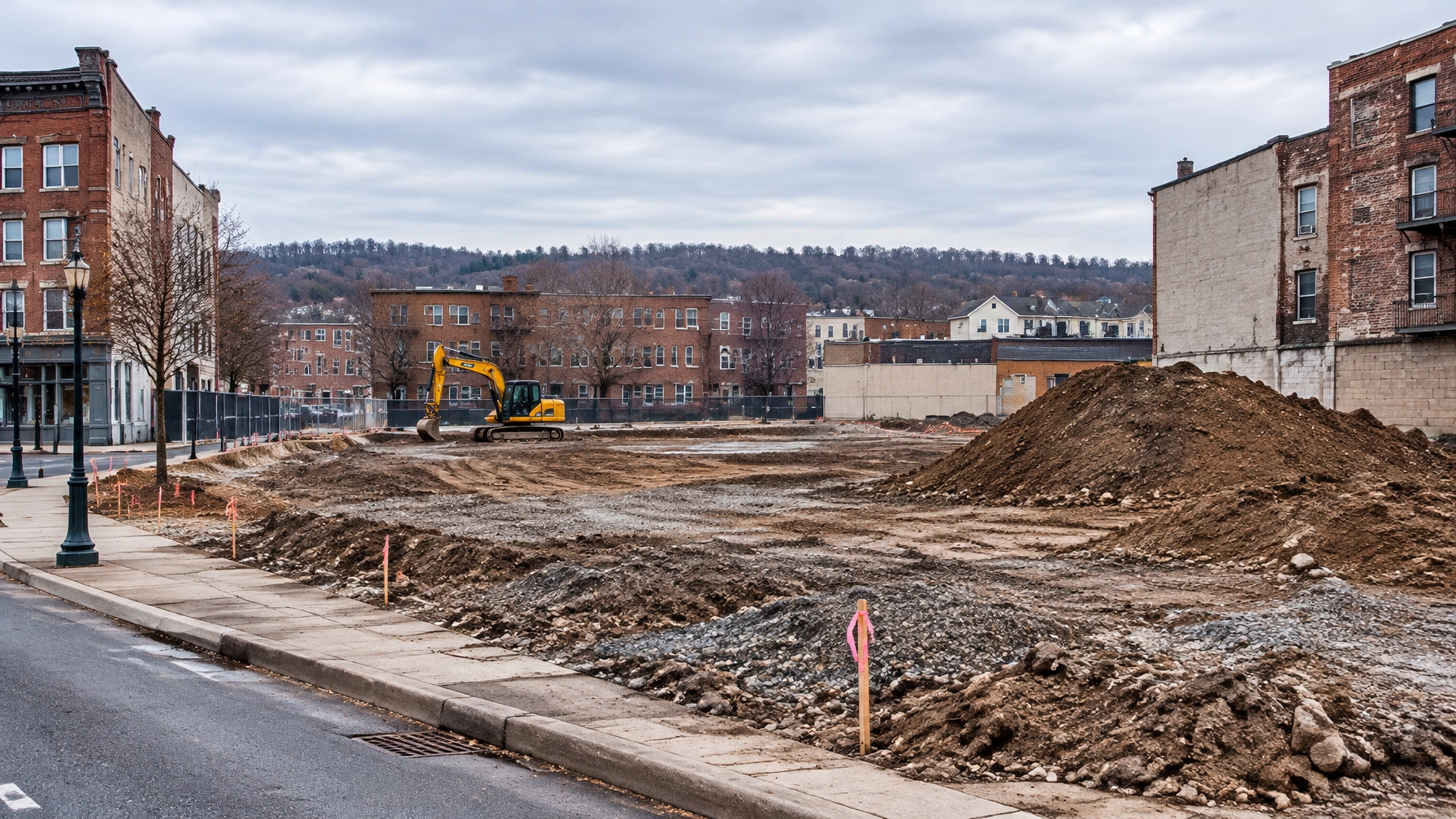
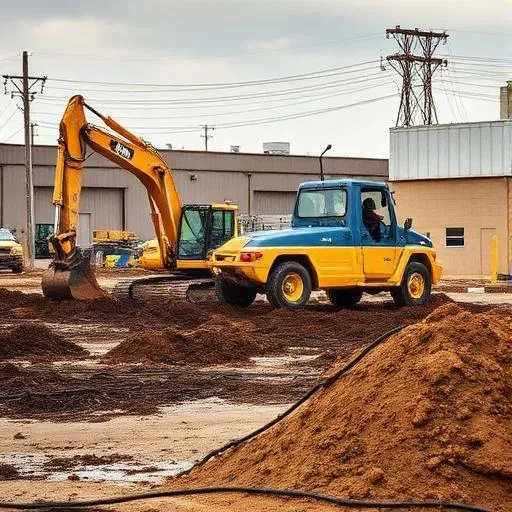
Historic fill is common across older Newark industrial and waterfront areas. It may include ash, slag, construction debris, imported soil, and other materials used to raise or stabilize land before modern environmental controls.
The issue is not simply whether historic fill exists. The development questions are more practical:
- What is the chemical profile of the fill?
- Does it contain metals, PAHs, petroleum constituents, or other contaminants?
- Will excavation expose workers or nearby receptors?
- Can the material remain beneath a properly designed cover system?
- Can it be reused on site?
- Will it require off-site disposal or special handling?
- Will utilities, foundations, or grading disturb an existing engineering control?
Historic fill should be addressed in the soil management and remedial strategy. A developer may need targeted characterization, a soil management plan, an engineering control, a deed notice, a site management plan, or a remedial action permit depending on the conditions and proposed use.
NJDEP’s Contaminated Site Remediation and Redevelopment program provides the governing framework, forms, guidance, remediation standards, and site information tools used by LSRPs.
The correct strategy is usually not “remove everything.” It is to match the remedy to the exposure pathways, redevelopment plan, regulatory standards, and long-term obligations.
Passaic River sediment and waterfront risk
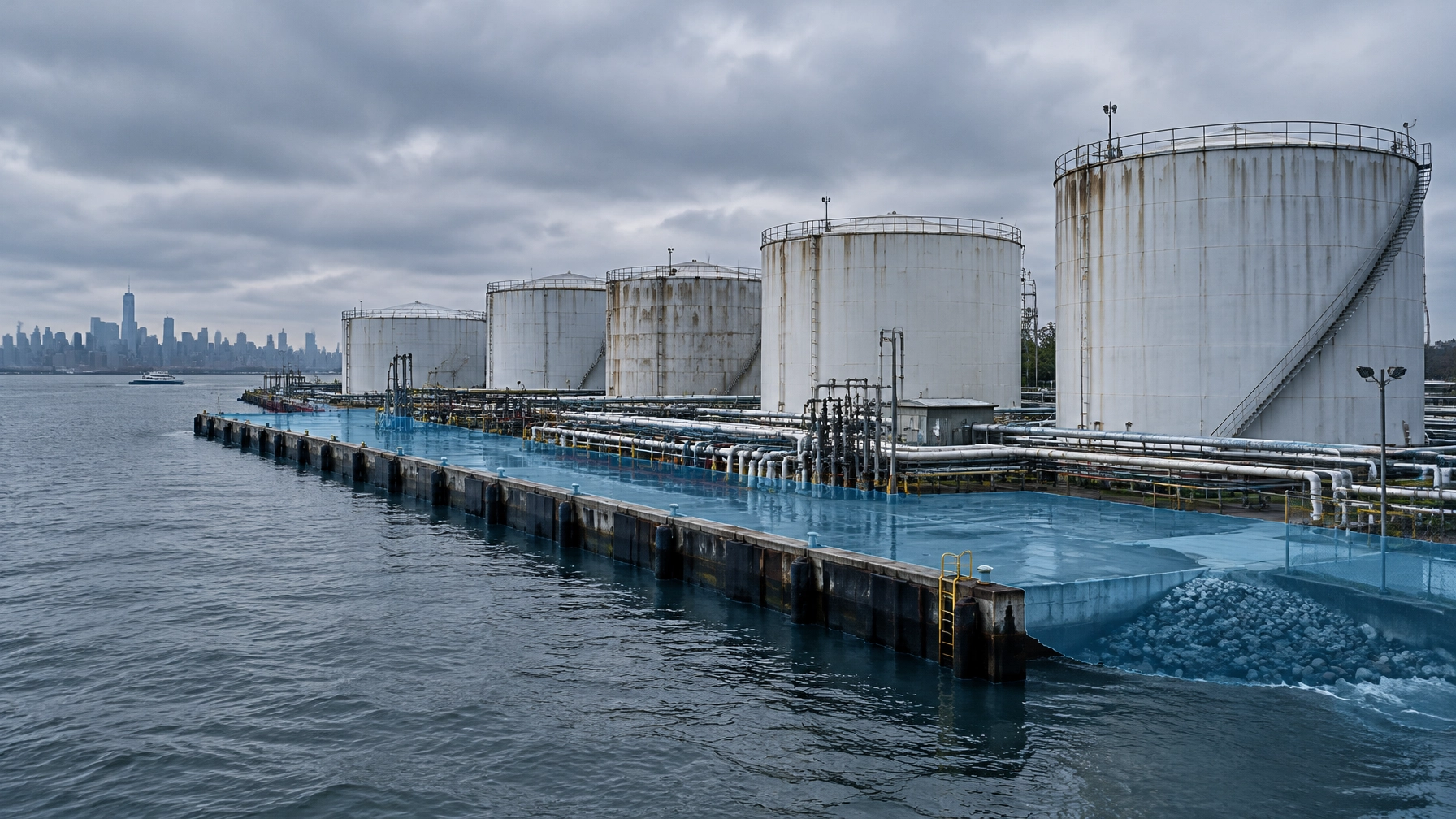
Sites near the Passaic River, Newark Bay, and port facilities require a wider review than the property boundary. The lower Passaic River is part of the Diamond Alkali Superfund Site, with documented sediment contamination and continuing federal and state remediation activity.
For a waterfront or river-adjacent project, the team should evaluate:
- Historical industrial uses on the parcel and nearby properties
- Groundwater and surface-water migration pathways
- Sediment conditions near bulkheads, outfalls, and in-water work areas
- Existing caps, controls, easements, or access restrictions
- Potential impacts from pile installation, dredging, excavation, or shoreline work
- Coordination requirements with NJDEP and other agencies
The Ironbound district and port corridor also bring operational issues that affect project approvals. Truck traffic, rail access, industrial emissions, noise, and proximity to residential neighborhoods can create additional scrutiny even when a proposal satisfies the basic zoning requirements.
A developer needs an environmental plan that accounts for field conditions and the public record. A report that ignores the river context is not a complete Newark due diligence product.

Environmental justice and Newark municipal approvals
Newark includes multiple communities that NJDEP identifies through its environmental justice framework. The state’s Environmental Justice program addresses fair treatment, meaningful involvement, cumulative stressors, and the effects of regulated facilities on overburdened communities.
NJDEP explains:
“Fair treatment means that no group of people should bear a disproportionate share of the negative environmental consequences resulting from industrial, governmental, and commercial operations or policies.”
EJ requirements do not determine ISRA applicability. A qualifying industrial establishment remains subject to ISRA whether or not the site is in an overburdened community.
EJ considerations can affect the broader project, particularly when the proposal involves a new or expanded regulated facility. Developers should screen the site early using NJDEP’s EJMAP tool and evaluate whether the project could trigger additional permit review, public engagement, or mitigation requirements.
The municipal process may also consider:
- Compatibility with Newark’s redevelopment plan
- Traffic and truck routing
- Air emissions and facility operations
- Noise and construction impacts
- Community access and public benefits
- Remediation commitments
- Site design and long-term land-use controls
This is where environmental work and land-use strategy need to meet. NJDEP may focus on contamination and regulated environmental impacts. Newark boards and officials may focus on site use, neighborhood compatibility, redevelopment objectives, and implementation.
How developers should sequence a Newark project
A typical Newark redevelopment sequence looks like this:
1. Screen the transaction and site history
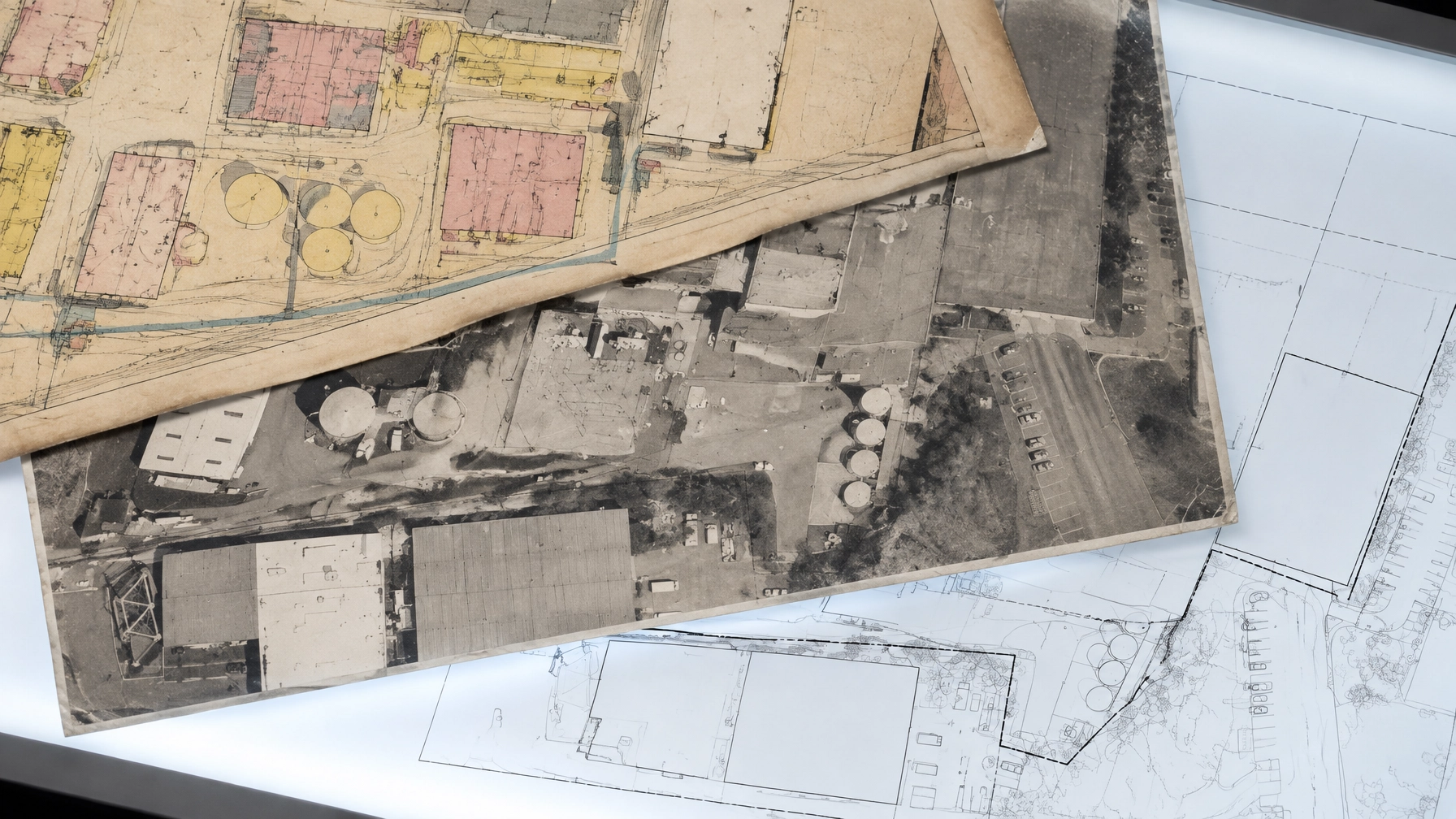
Complete a Phase I ESA, review historical Sanborn maps and aerials, identify prior industrial operations, check NJDEP databases, and determine whether ISRA may apply.
2. Confirm the regulatory pathway
Identify whether the property has an existing NJDEP case, LSRP, RAO, deed notice, engineering control, site management plan, or remediation funding source.
3. Retain the LSRP early
The LSRP should review the Phase I findings, define the regulatory Areas of Concern, and establish a realistic investigation and closure strategy.
4. Coordinate investigation with the concept plan
Sampling locations should account for proposed foundations, utilities, parking, loading areas, elevators, and other construction elements. This prevents the developer from paying for a second investigation after the design changes.
5. Build the remediation and soil plan
Address historic fill, excavation management, waste characterization, potential engineering controls, and long-term monitoring before finalizing the construction budget.
6. Map NJDEP and municipal milestones
Coordinate the NJDEP remediation schedule with Newark zoning, site plan, subdivision, redevelopment, variance, and building approval requirements.
7. Engage with EJ and community issues before public review
If the project is in an overburdened community or involves a regulated industrial use, identify the public process early. A technical response prepared after opposition begins is usually slower and more expensive.
This sequence also helps teams working across the region. A project in Queens, New York may involve CEQR or other New York City requirements. A project in Monmouth County, New Jersey may involve NJDEP and local municipal review but a very different land-use and environmental context. The regulatory framework must follow the actual jurisdiction.
The Newark takeaway
Newark redevelopment is not a generic Phase I exercise and not a CEQR checklist. It is a coordinated process involving ISRA screening, LSRP case management, historic fill evaluation, Passaic River context, EJ planning, and municipal approvals.
The strongest development teams answer these questions before closing:
- Does ISRA apply?
- Has the required notice been filed?
- Who is the LSRP?
- What contamination remains?
- How will historic fill be managed?
- Are there existing controls or NJDEP obligations?
- Does the project affect a qualifying EJ permit process?
- What must Newark approve before construction can begin?
Envicon helps developers turn those questions into a clear path forward. We bring senior technical leadership, direct agency coordination, and field-level accountability to complex New Jersey sites.
Plan your Newark environmental review
Get a project-specific starting point before your transaction or redevelopment schedule locks in:
- Use Envicon’s proprietary project risk screener
- Estimate your remediation and brownfield project cost
- View Envicon’s complete list of services
Solve environmental and engineering challenges with precision, speed, and trust. In Newark, the path to a buildable site starts with knowing which path you are actually on.