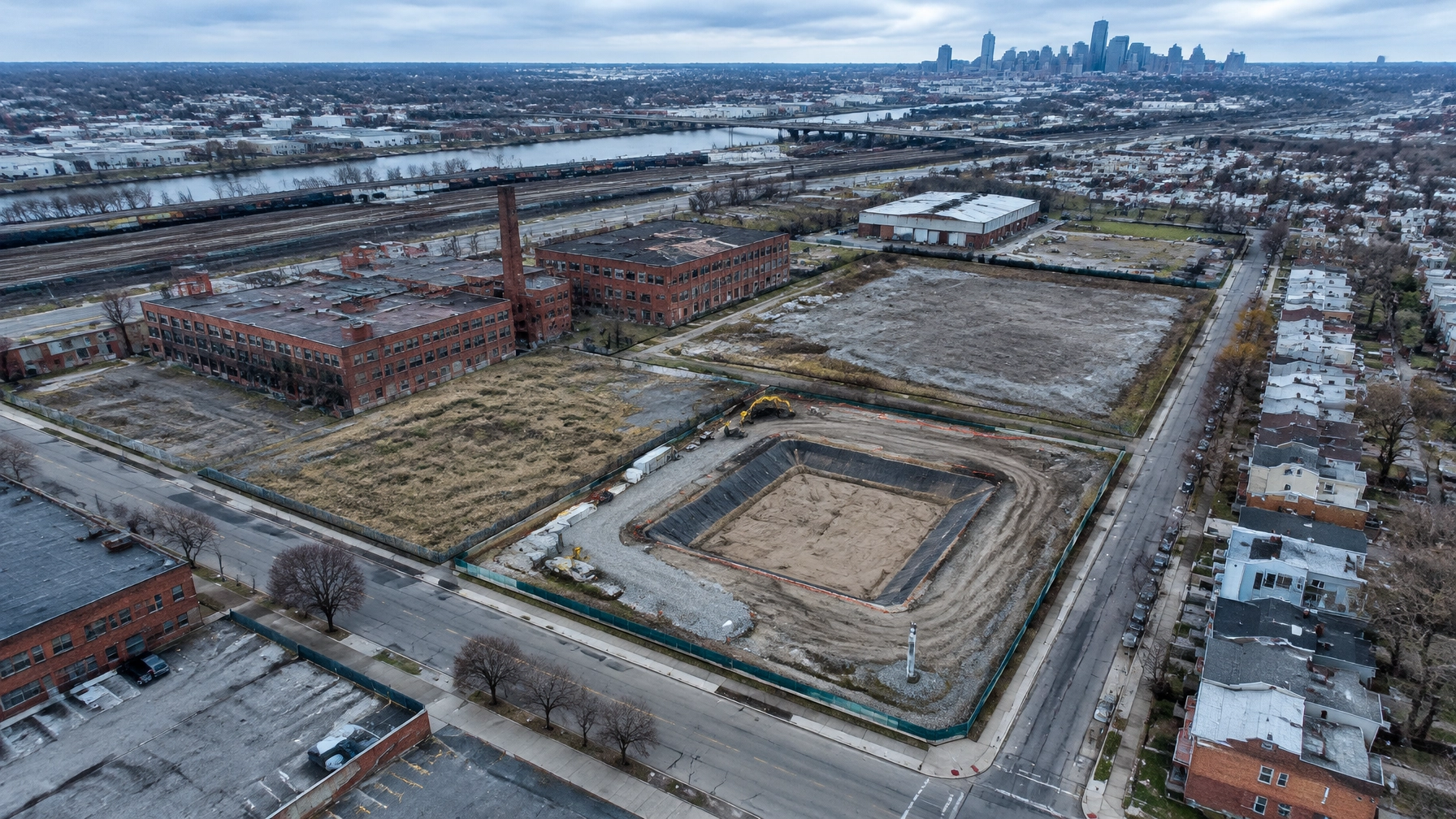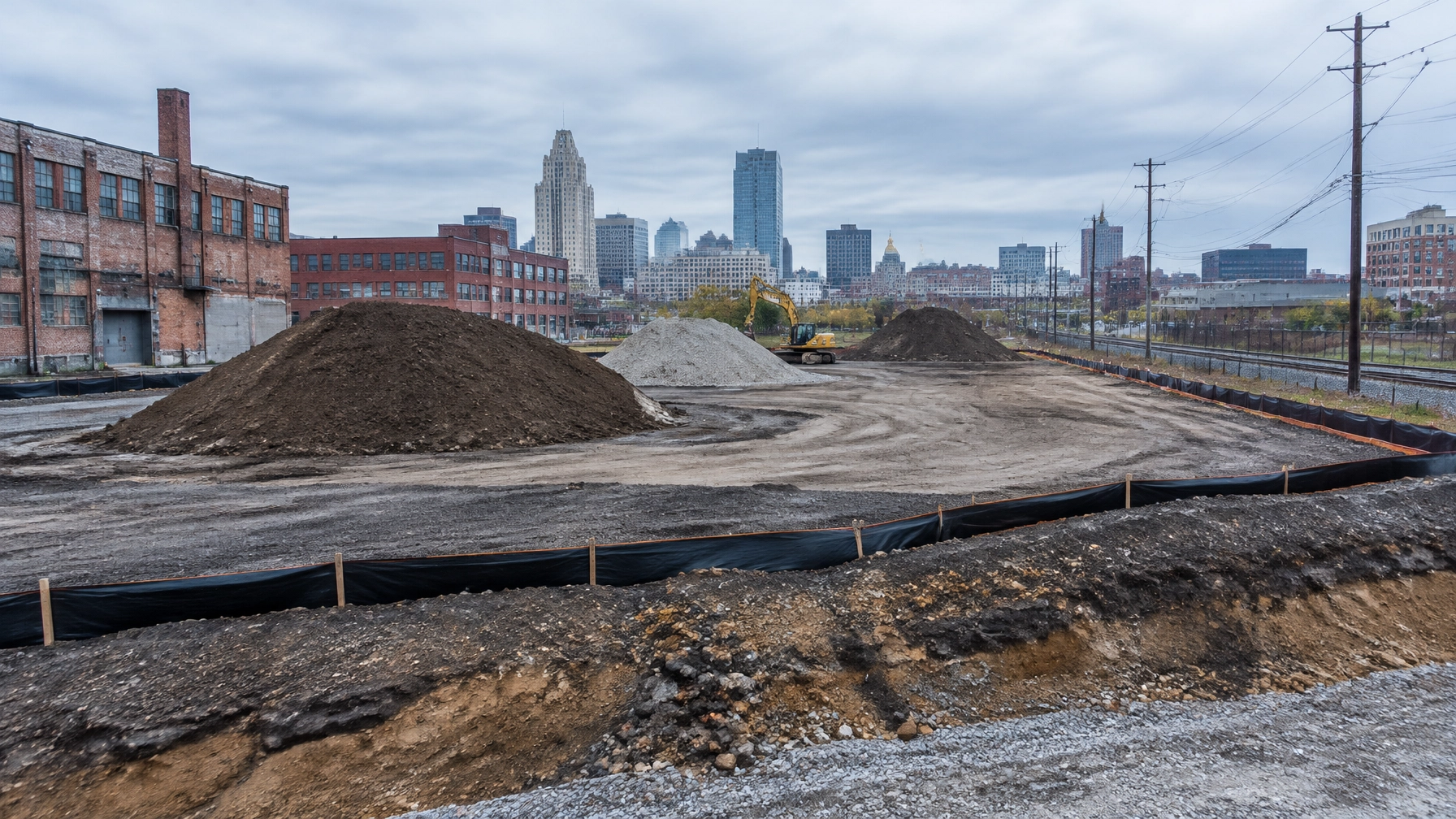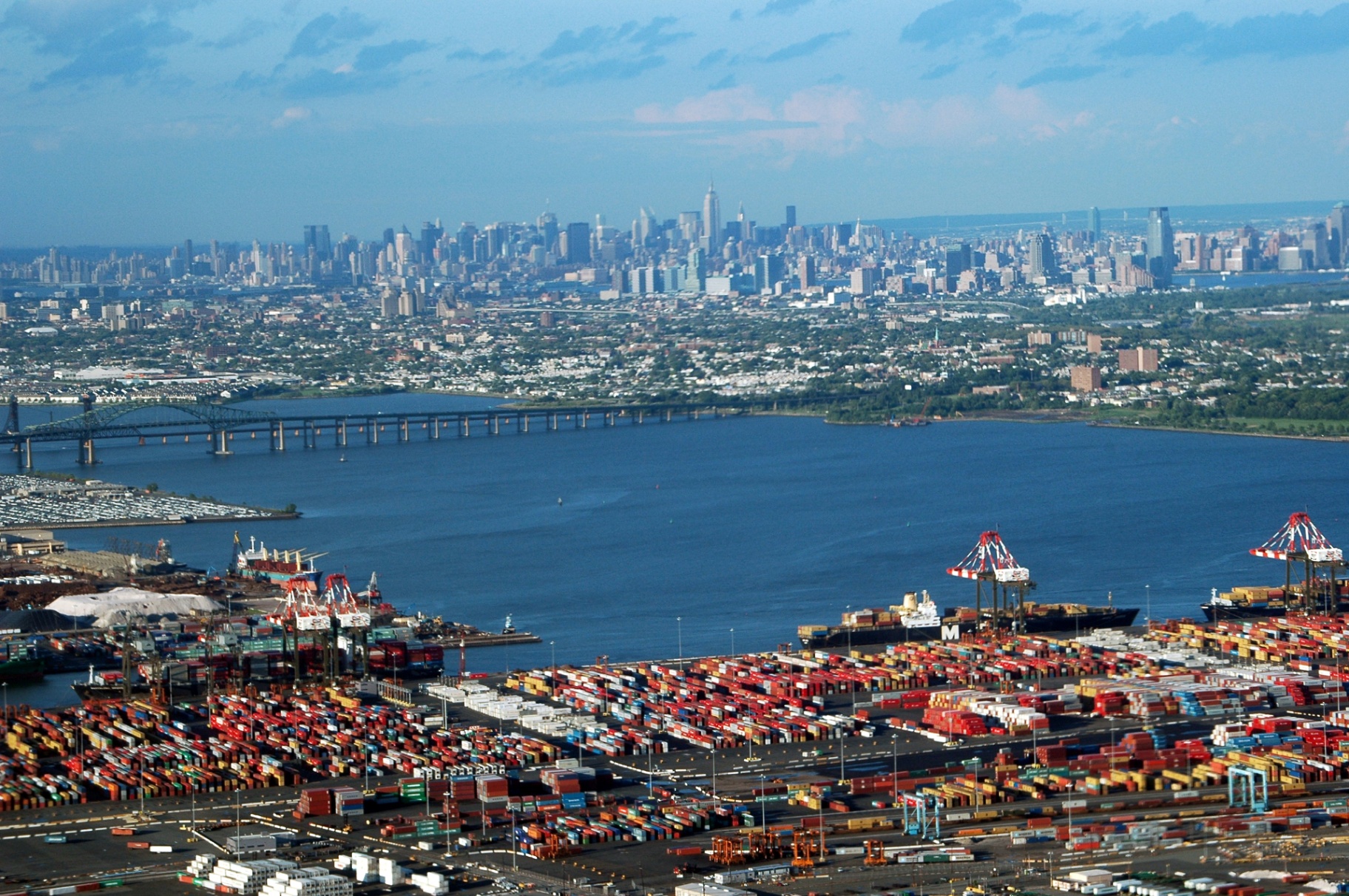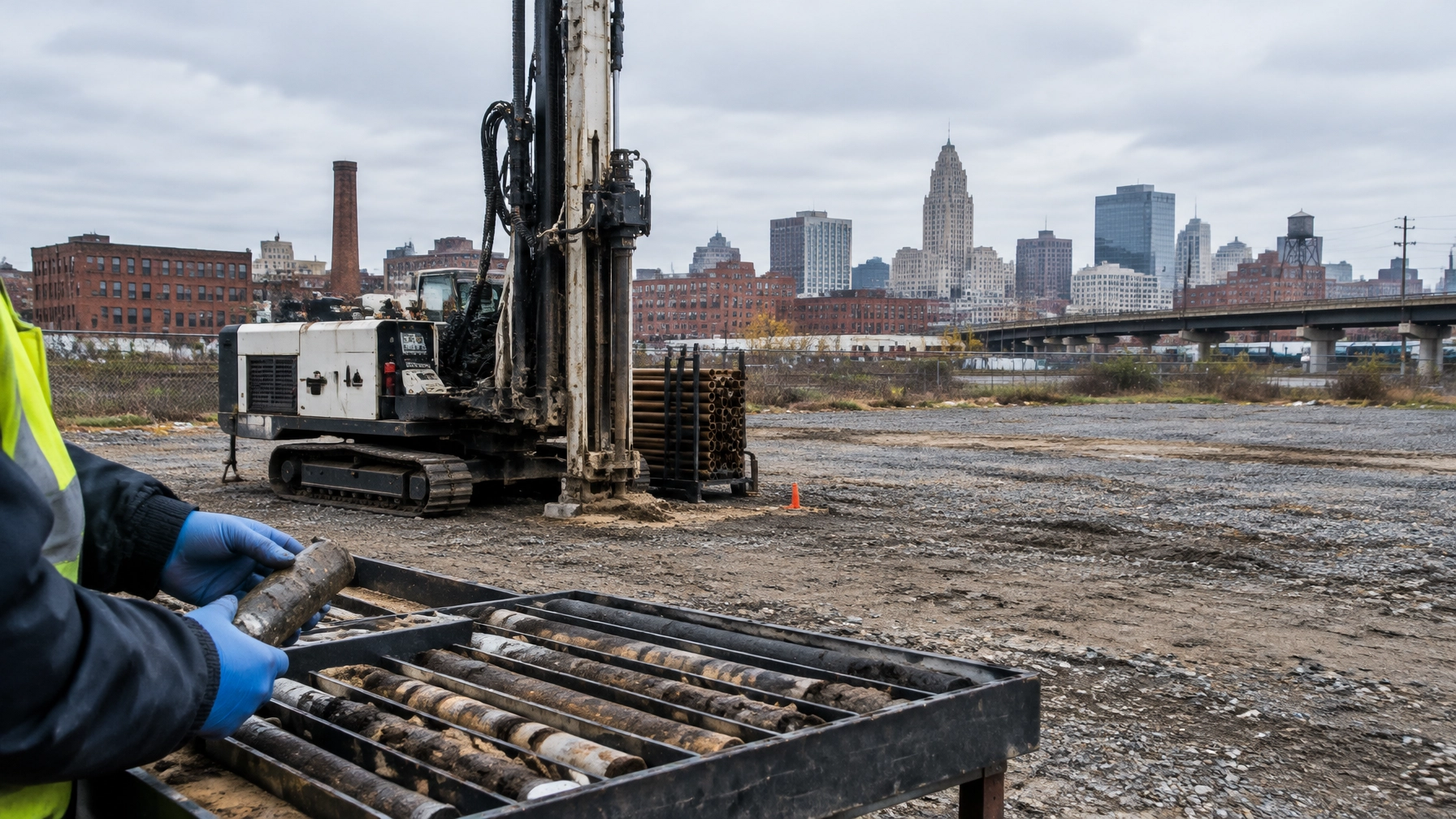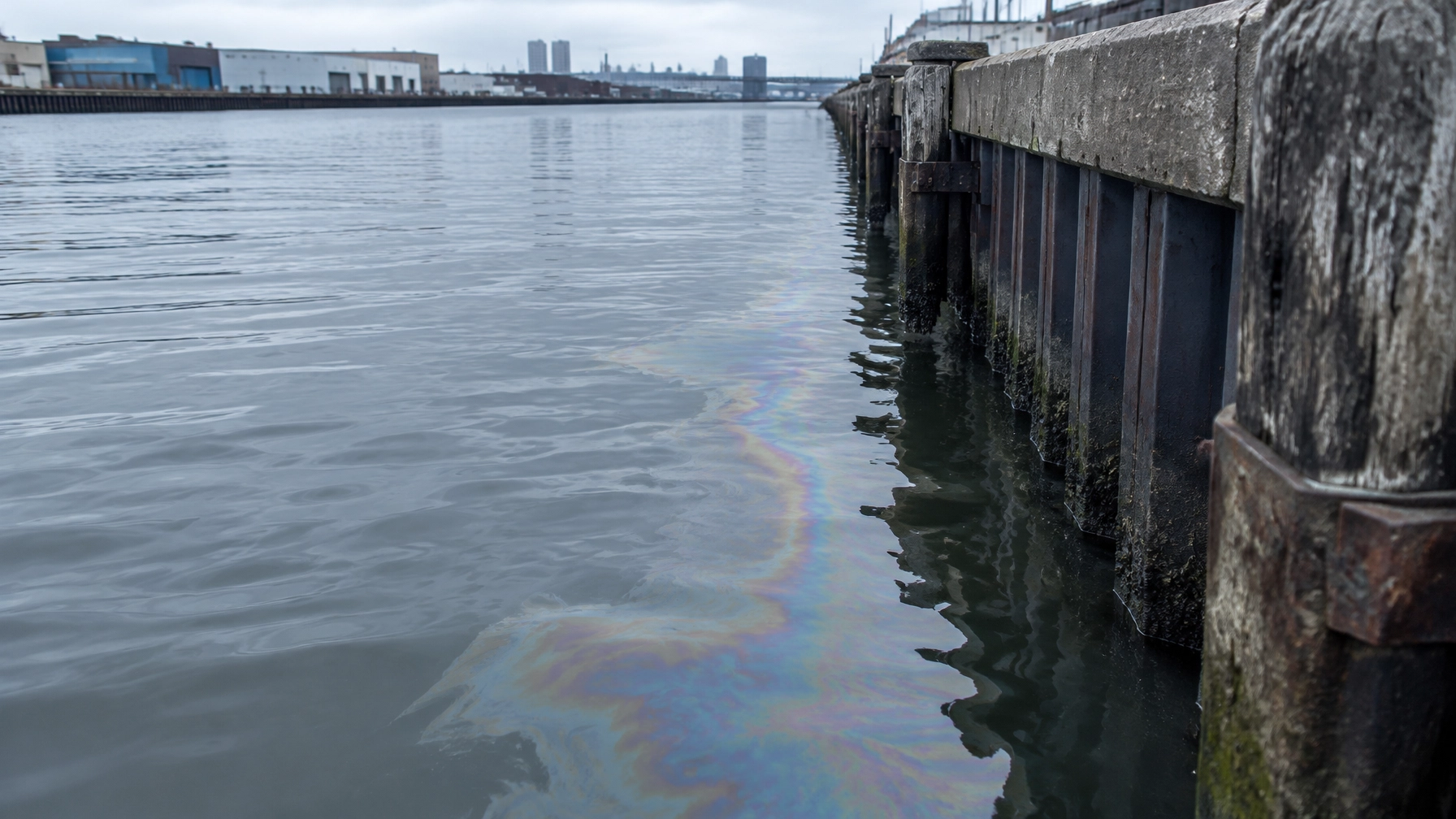
On September 16, 2026, NYSDEC proposed changing Newtown Creek’s classification from Class SD to Class I. For property owners and project teams with discharges to the creek, that proposed change is an engineering issue as much as a policy one. It changes the water quality standards that regulators use to assess the receiving water and, in turn, may affect how they evaluate permitted discharges.
The rule is proposed, not adopted. Written comments are due by 11:59 p.m. on November 30, 2026. Until the rule becomes final, the substantive standards do not change.
What NYSDEC has proposed
The proposed amendment to 6 NYCRR Part 890 would reclassify Newtown Creek from Class SD to Class I. It would add year-round Enterococci standards for existing secondary contact recreation, such as boating, and protection for aquatic life propagation. NYSDEC based the proposal on a comprehensive Use Attainability Analysis, or UAA, prepared in accordance with EPA guidance.
Class I is not a swimming classification. Under 6 NYCRR Part 701, the classifications relevant to the proposal are defined as follows:
- Class SA: Best uses are shellfishing, swimming, boating, and fishing.
- Class SB: Best uses are swimming, boating, and fishing.
- Class SC: Best use is fishing, but water quality must remain suitable for swimming and boating.
- Class I: Best uses are boating and fishing.
- Class SD: Supports a limited best use of fishing only, providing protections for fish survival.
The Class SD to Class I shift expands the designated uses and aquatic life protections. It does not establish swimming as a designated best use in Newtown Creek.
For wider context, NYSDEC adopted a saline reclassification rule on October 15, 2025, that reclassified 30 waterbody segments. It also reclassified the Harlem River from Class I to Class SB with a wet weather limited use designation. NYSDEC says that once its planned updates are final, 91 percent of New York City’s saline waters by area will fully meet Clean Water Act fishable and swimmable goals, while 97 percent will meet them fully or partially. The agency also plans to phase out Class SD classifications. Remaining waters under examination include Coney Island Creek, the East River and tributaries, tributaries of Jamaica Bay, and the Staten Island kills and tributaries. NYSDEC’s saline water standards and reclassification page has the rulemaking documents and agency updates.
The receiving water is the yardstick, not just the permit limit
A discharge permit sets enforceable conditions for a particular outfall. Ambient water quality standards describe the quality the receiving water must meet to support its designated uses. When regulators assess a discharge, they consider both. The creek’s standards help inform water-quality-based effluent limits in a SPDES permit. The permit limit remains enforceable, but it is not the only relevant number.
That distinction matters for outfalls along Newtown Creek. The proposed Class I designation would make the year-round Enterococci criteria applicable to the creek: a 30-day geometric mean of 72 CFU per 100 mL, and a statistical threshold value of 266 CFU per 100 mL, which no more than 10 percent of samples collected in the same 30-day period may exceed. These are receiving-water criteria, not a blanket requirement that every single discharge sample meet those values.
Why Enterococci matters for a wet weather outfall or CSO
Enterococci is a fecal indicator bacteria used to assess water quality associated with recreational uses. It becomes a practical focus for wet weather outfalls and combined sewer overflows because storm events can drive bacteria loads into the creek. Under the proposal, the Class I criteria would apply year-round.
A site owner should not assume that a low discharge volume makes the issue irrelevant. Nor should they assume that a single sample above a criterion proves a permit violation. The analysis depends on the discharge, ambient conditions, applicable permit terms, and any authorized mixing zone. Class I narrows the room to argue that a discharge is de minimis without showing its effect with site-specific data.
What the proposal means at a creek-side parcel
A waterfront parcel in Greenpoint, East Williamsburg, Maspeth, or Long Island City needs a site-specific review. A classification change does not automatically require dredging, capping, or a new remedial action. It does change the regulatory context for evaluating a remedy, a discharge, and the condition of sediment near the shoreline.

Sediment: characterize before deciding to dredge or cap
The dredge-or-cap decision starts with the sediment data and the project’s remedial objectives. A remedial investigation should define the nature and extent of sediment impacts, identify likely sources, and characterize the material relevant to the remedy. The site’s relationship to the broader Newtown Creek cleanup also matters. The creek is a federal Superfund site, and the UAA describes selected sediment actions that include dredging and in-place stabilization in the East Branch.
The proposed class change does not replace site-specific remedy selection. It does make it important to explain how sediment conditions, ongoing sources, and water quality objectives relate to the proposed endpoint. A Brownfield NYC project team should not treat an old sediment report as a current basis for a remedy without checking its coverage, methods, and assumptions.
NAPL and sheen: document the observation and the source
At a canal head or along a bulkhead, record any visible sheen or suspected non-aqueous phase liquid, or NAPL, with location, date, weather, tide, and field conditions. Follow up with appropriate investigation to determine whether it represents an active release, residual product, or another source.
An active sheen changes the remedial endpoint discussion. It raises a source-control question that cannot be solved by arguing only about ambient water quality or proposing a cap. It does not, by itself, dictate a specific remedy. But any endpoint argument that does not account for a continuing source will be difficult to defend.

Groundwater discharge and the mixing zone
Where groundwater may reach the creek through a pipe, drain, seep, or excavation dewatering system, determine whether the pathway is a regulated discharge and what permit conditions apply. The mixing zone question is technical. It requires a defensible assessment of discharge flow, water quality, receiving-water conditions, tidal setting, and the applicable permit and regulatory requirements.
“Small flow” is not a mixing zone analysis. The proposal does not automatically eliminate mixing zones or impose a new limit on every parcel. But a Class I water quality objective makes it harder to rely on a general claim that a discharge is too minor to matter. That argument needs data and a clear regulatory basis.
For remediation work, Envicon’s remedial design and implementation oversight services connect investigation findings to a field-ready remedy. Discharge approvals and permit obligations also need to stay aligned with compliance and permitting requirements. On a Queens, NY site, that coordination starts with understanding the exact parcel, outfall, and regulator pathway. See our Queens, NY location page.
Read the UAA before you write a comment
A UAA is not just a conclusion that a waterbody can or cannot attain a use. It documents what the water attains now, what it could attain under planned controls, and what factors limit further attainment. The Newtown Creek UAA evaluates water quality, modeled outcomes, physical and hydrologic conditions, and financial capability. That financial capability analysis is easy to skip when reading the technical conclusions, but it is part of the record behind the proposed use.
For a parcel owner or adviser, the UAA is not a substitute for site data. It does, however, provide context for the standards, assumptions, and waterbody conditions regulators may consider. We have read the comment files and sat with reviewers on this waterway. We will tell a client when a remedial endpoint argument will not hold instead of writing around the weak point.
If you own or advise on a creek-side parcel, bring these items to a comment letter:
- Current discharge data, including flow and water quality information
- The most recent sediment characterization
- Records of sheen or NAPL observations, including field notes and follow-up
- The site’s remedial status and current endpoint rationale
- The mixing zone analysis, if one exists
NYSDEC held an in-person hearing on Monday, November 16, at 2:00 p.m. at its Region 2 Office, 8th Floor Conference Room 834, 47-40 21st Street, Long Island City, NY 11101. A virtual hearing is scheduled for Thursday, November 19, at 2:00 p.m. Written comments are due by 11:59 p.m. on November 30. Submit through the Smart Comment application, preferred by NYSDEC; email WQSrulemakings@dec.ny.gov; or mail to NYSDEC, 625 Broadway, 4th Floor, Albany, NY 12233-3500, ATTN: Gwendolyn Wynkoop. Review the Express Terms, Regulatory Impact Statement, and Newtown Creek UAA and Financial Capability Analysis before filing.
Frequently asked questions
Does Class I mean Newtown Creek will be approved for swimming?
No. Class I designates boating and fishing as best uses. It does not add swimming as a best use.
Are the Enterococci criteria already in effect for Newtown Creek?
No. NYSDEC has proposed the rule, but it has not adopted it. The substantive standards do not change for Newtown Creek until the rule is final.
Does the proposed reclassification require dredging or capping my property’s sediment?
Not automatically. Sediment characterization, source conditions, remedial objectives, and applicable regulatory programs inform site-specific remedy decisions.
Is the discharge limit the same as the ambient water quality criterion?
No. Ambient criteria apply to the receiving water. Regulators use them, along with discharge and mixing information, to evaluate water quality and derive or assess permit conditions.
What should I do before November 30?
Review the proposal and supporting UAA, gather relevant site and discharge records, and submit a specific, evidence-based comment through an accepted method by the deadline.
Takeaway
A proposed Class I designation does not rewrite every parcel’s permit today. It does signal a more protective year-round standard for boating-related water quality and aquatic life. For a creek-side site, the practical work is to understand the discharge pathway, check the sediment and shoreline record, and make sure the remedial endpoint is supported by evidence. The rule is still open for comment. Use the record, and make your case with data.
Talk with Envicon Group
Use our proprietary project risk screener tool
View our complete list of services
Call now: (917) 764-2171