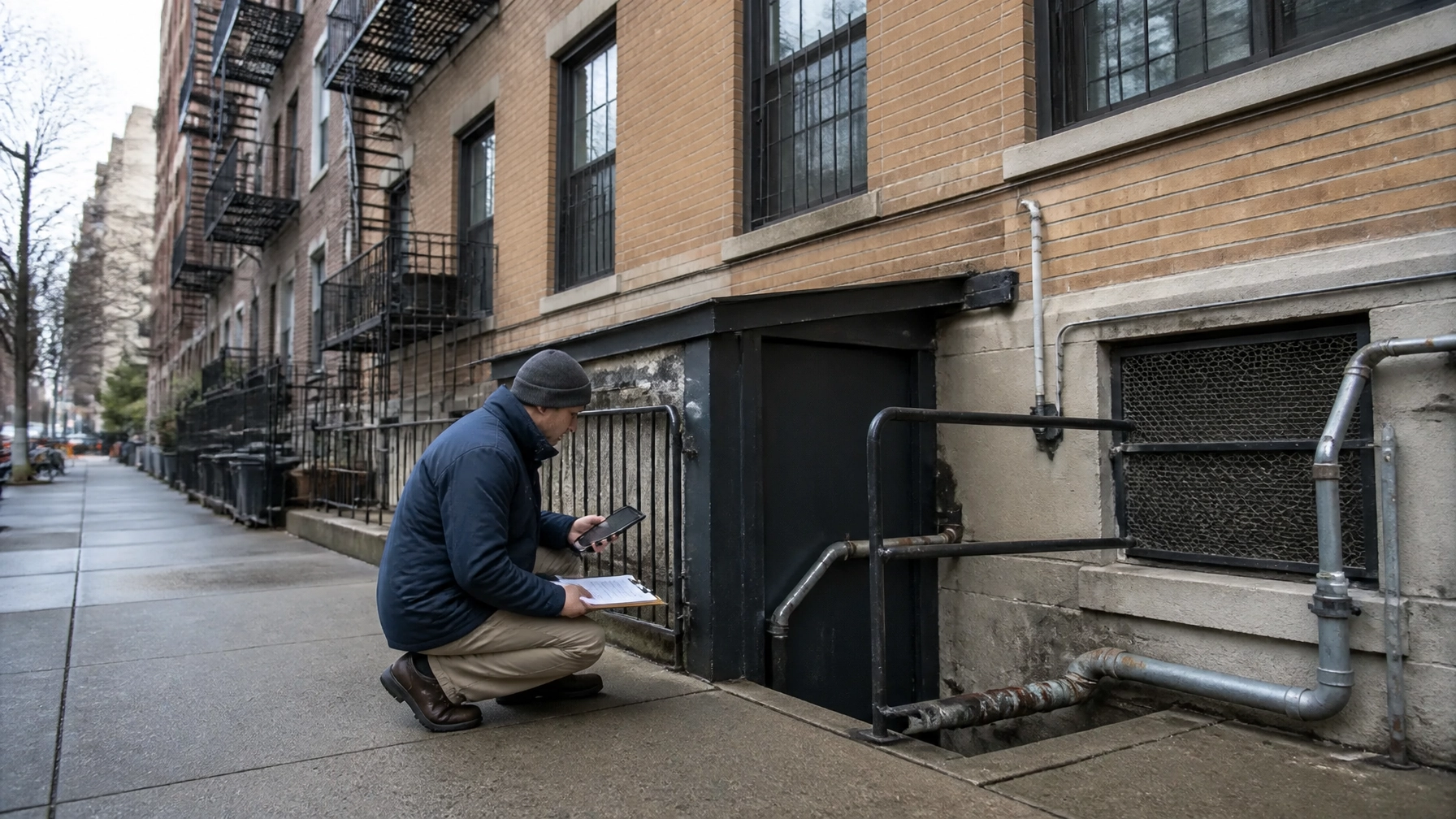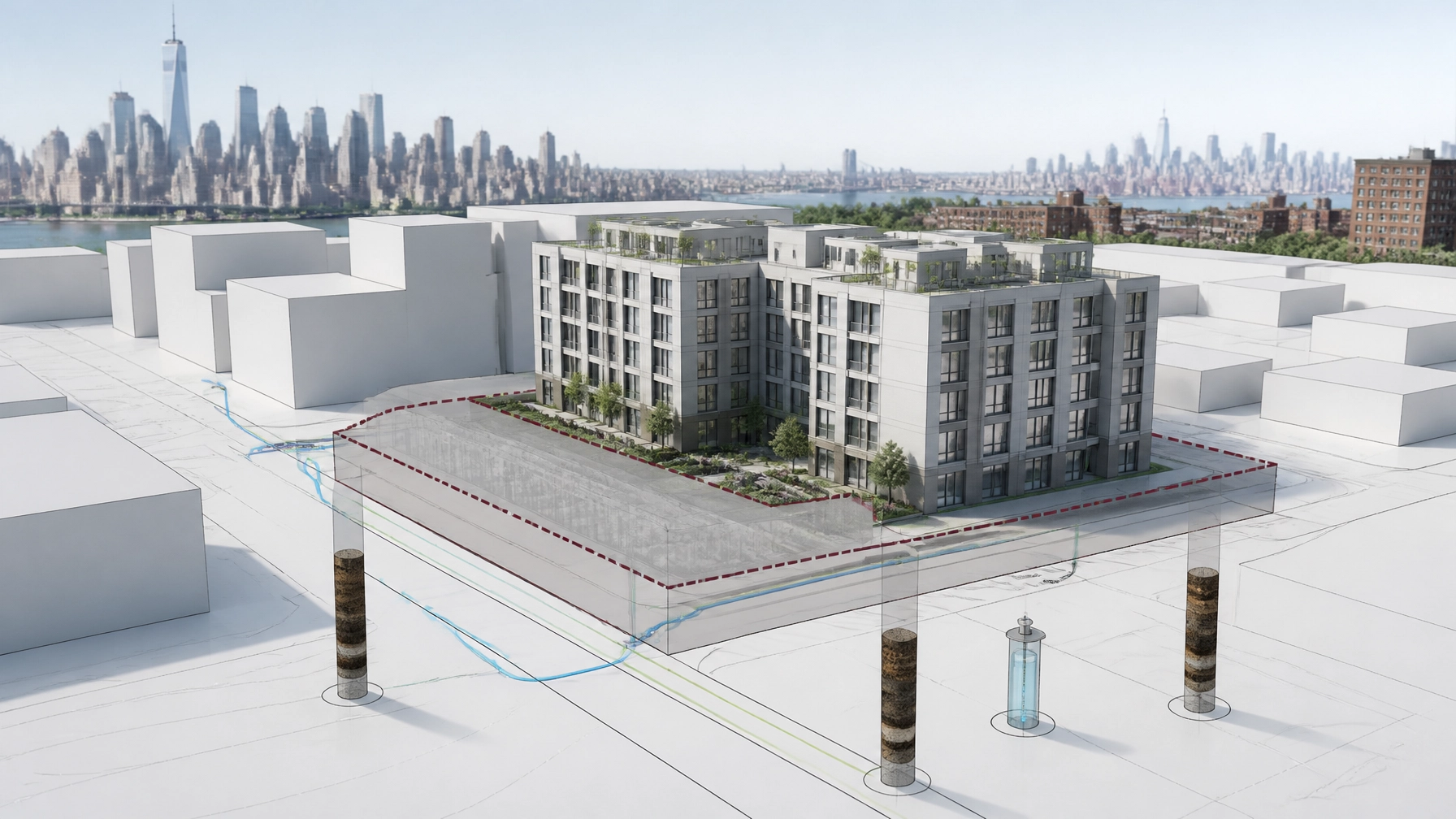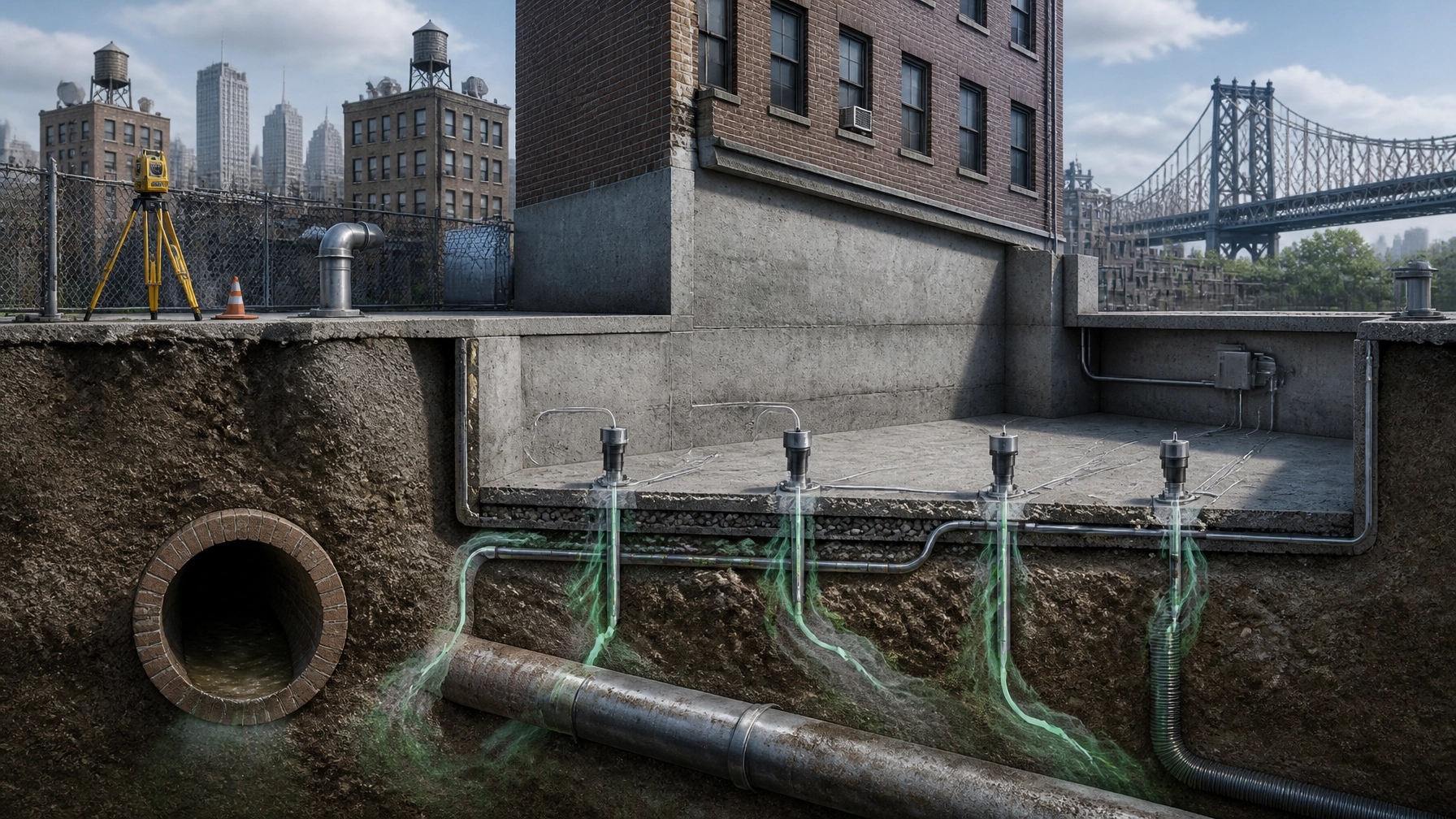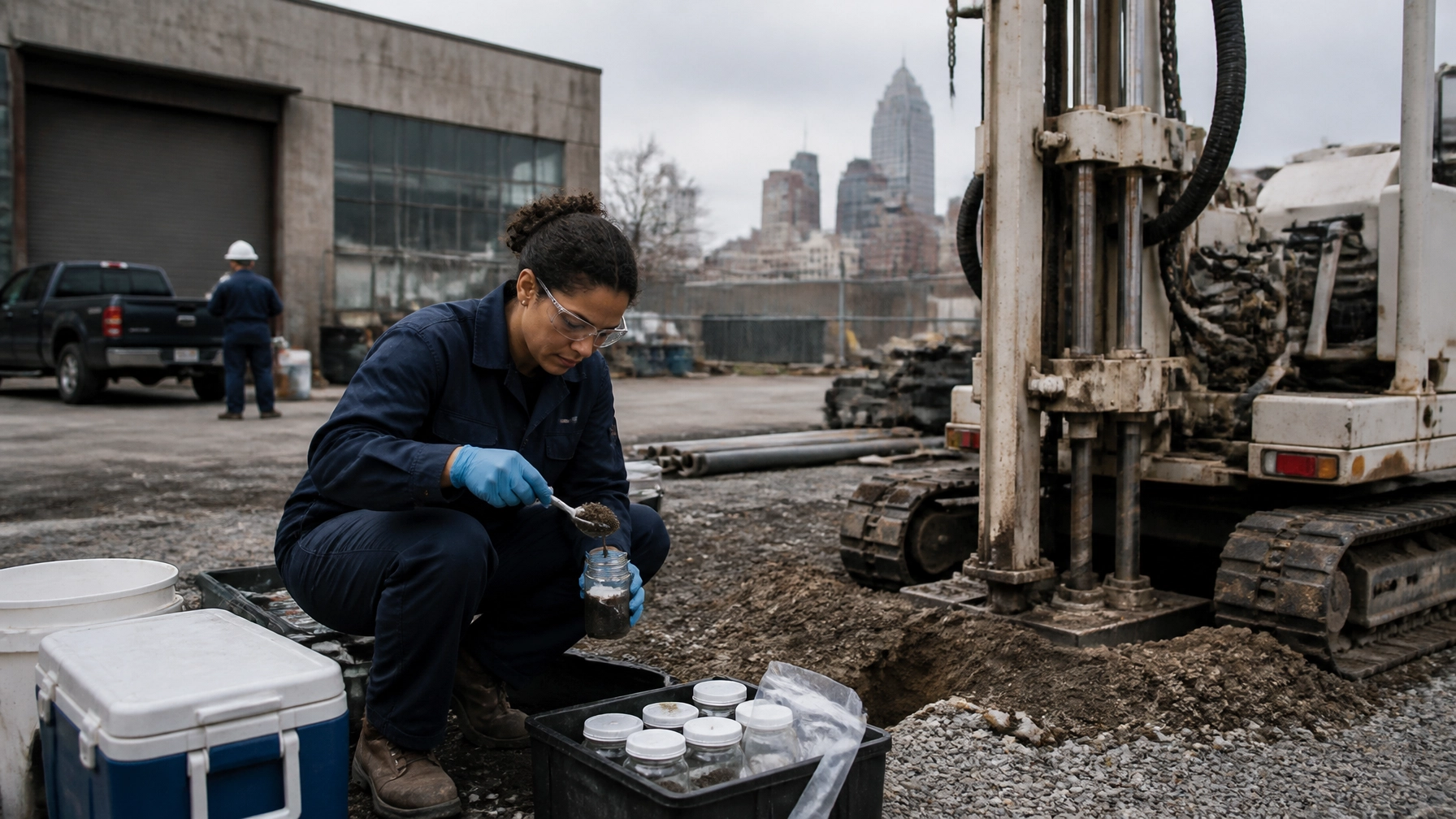
For New York development projects entering environmental review in September 2026, disadvantaged community screening is no longer an optional background exercise.
On June 12, 2026, amendments to 6 NYCRR Part 617 took effect. The amended SEQRA rules and revised Environmental Assessment Forms now require lead agencies to consider whether a proposed action may cause or increase a disproportionate pollution burden on a disadvantaged community.
For developers, owners, architects, attorneys, and public agencies, that means NYC DACAT tool screening should happen early. A screening completed after the site plan is fixed is less useful than one completed while the team can still change traffic circulation, construction methods, stormwater controls, building systems, or site layout.
What DACAT screens
The New York State Department of Environmental Conservation Disadvantaged Community Assessment Tool, or DACAT, helps a SEQRA lead agency evaluate existing environmental burdens and population vulnerabilities in potentially affected disadvantaged community census tracts.
NYSDEC describes DACAT as:
“An initial screening tool to identify DAC census tracts that may warrant further consideration, analysis, and community input.”
You can review the official NYSDEC Environmental Justice Siting Law guidance, the Part 617 SEQRA regulatory revisions, and the DACAT methodology.
DACAT is based on the Climate Justice Working Group disadvantaged community map. It compares environmental burden and population vulnerability scores for DAC census tracts against relevant non-DAC comparison groups. The output helps identify whether a tract has comparatively higher or lower burdens and vulnerabilities.
That comparison does not decide the project. It tells the lead agency where a closer review may be required.
Why this matters for NYC development sites
A development site in Brooklyn, Queens, the Bronx, Manhattan, or Staten Island may sit near several different pollution pathways. The project footprint itself may be small. The potential impact area may not be.
A practical NYC DACAT screening should consider whether the action could affect a DAC through:
- Air emissions, including stationary sources, mobile sources, construction equipment, and truck activity.
- Traffic and transportation, including changes in vehicle trips, delivery routes, idling, parking demand, and congestion.
- Wastewater discharges, sewer connections, process water, combined sewer interactions, and treatment capacity.
- Solid and hazardous waste, including generation, storage, transportation, disposal, and construction-related waste.
- Noise, odors, light, and other local stressors identified through the revised EAF process.
- Flood exposure and climate vulnerability, including storm surge, extreme rainfall, drainage limitations, and future sea-level-rise conditions.
- Cumulative burdens, especially where existing facilities, heavy traffic, industrial uses, or infrastructure constraints already affect the surrounding community.
The default site-related screening radius is often one-half mile, but that radius is not a legal boundary. A truck route, wastewater discharge, air emission, construction staging area, or utility improvement may require review beyond one-half mile.
That point matters in dense areas such as Hunts Point, the South Bronx, Gowanus, East New York, Jamaica, Long Island City, Flushing, and industrial waterfront areas across Staten Island and Queens.

DACAT is not a Phase I ESA
A DACAT environmental review in Brooklyn or elsewhere in NYC is not a substitute for environmental due diligence.
A Phase I ESA evaluates the potential for recognized environmental conditions associated with a property. It typically includes historical records, regulatory database research, interviews, site reconnaissance, and a conclusion regarding RECs, HRECs, or CRECs under ASTM E1527-21.
DACAT asks a different question:
Could a proposed action interact with existing burdens or vulnerabilities in a disadvantaged community?
A project may need both analyses. A former industrial property in Queens may require a lender-ready Phase I ESA for acquisition, while the proposed development may also require DACAT and SEQRA review by the lead agency.
The two workstreams should inform each other, but they should not be merged into one unsupported conclusion.
DACAT is not CEQR
In New York City, many projects also undergo City Environmental Quality Review, or CEQR. CEQR evaluates project-related environmental impacts using the NYC framework and technical areas such as land use, zoning, socioeconomic conditions, community facilities, open space, shadows, historic resources, transportation, air quality, noise, hazardous materials, and construction.
DACAT is part of the broader SEQRA environmental justice framework. It does not replace CEQR.
For a city-led action, the project team may need to coordinate:
- The appropriate SEQRA environmental assessment form.
- DACAT and disadvantaged community mapping.
- CEQR technical analysis.
- NYC agency review.
- Project-specific mitigation.
- Public engagement and agency documentation.
The lead agency remains responsible for the significance determination. The applicant’s job is to provide clear, technically supported information that allows the agency to make that decision.
DACAT does not approve or deny a project
DACAT is a screening tool. It is not a permit.
A DACAT result does not:
- Approve a zoning action.
- Authorize construction.
- Replace an air, wastewater, stormwater, or waste permit.
- Establish a cleanup standard.
- Prove that a project will cause a health impact.
- Create a legal finding of environmental injustice.
- Automatically require an Environmental Impact Statement.
It also does not include all project-specific information. DACAT reflects existing conditions and comparative burdens. The lead agency must combine the result with the actual project scope, impact magnitude, duration, exposure pathways, alternatives, mitigation, and local context.
That distinction should appear in every defensible screening memorandum.
How to document a lead-agency review
A useful NYSDEC disadvantaged community assessment tool NYC review should leave a clear record. At minimum, document:
1. Define the action
Identify the address, tax lots, project components, construction duration, proposed use, utility connections, access points, staging areas, and any off-site improvements.
2. Define the potential impact area
Map the project boundary and the initial one-half-mile study area. Expand the review where traffic, air emissions, wastewater, waste hauling, drainage, or climate-related impacts may travel farther.
3. Identify affected DAC tracts
Use the current DAC map and the official DACAT map materials. Record the census tract identifiers, map date, source, and whether the site or potential impact area overlaps a DAC.
4. Record the DACAT result
Save the relevant DACAT output or map. State whether the potentially affected tract is identified as having comparatively higher or lower burdens and vulnerabilities.
Do not simply write “the site is in a DAC.” That does not explain the DACAT result or the project’s potential interaction with existing conditions.
5. Cross-reference project impacts
Create a short matrix that connects project activities to potential burdens:
| Project element | Potential stressor | DACAT and SEQRA question |
|---|---|---|
| Construction fleet | Mobile air emissions and noise | Could temporary activity add to existing burdens? |
| New parking or loading | Traffic and idling | Could vehicle activity affect nearby DAC receptors? |
| Process or sanitary discharge | Wastewater | Does the action change sewer or treatment demands? |
| Excavation and demolition | Dust and waste | Are controls and disposal routes adequate? |
| Waterfront or low-lying site | Flood and sea-level rise | Could climate exposure affect the project or nearby community? |
6. Explain mitigation and remaining effects
Document design changes, truck management, dust control, air monitoring, noise controls, stormwater measures, waste handling, floodproofing, and alternatives considered.
The review should distinguish between impacts that are avoided, minimized, temporary, permanent, direct, indirect, or cumulative.
7. Preserve agency coordination
Keep copies of lead-agency comments, revised EAF responses, DACAT outputs, technical memoranda, meeting notes, and public input. A clean record helps the project team answer questions without reopening the entire analysis.

What changes across the NYC region
The screening logic applies across:
- Brooklyn
- Queens
- The Bronx
- Manhattan
- Staten Island
- Westchester County
- Nassau County
- Suffolk County
The data and regulatory context may change by location. A waterfront redevelopment in Staten Island raises different questions than a warehouse conversion in the Bronx. A mixed-use project in Queens may require closer review of traffic, air emissions, and wastewater. A Manhattan institutional project may have limited site-related emissions but still need to document why potential effects do or do not reach a DAC.
Local context matters. A national consultant using a generic environmental justice appendix may identify the tract but miss the practical issue. The useful question is not only whether a community is designated. It is how the proposed action interacts with conditions already present.
How Envicon approaches DACAT screening
Envicon treats DACAT as an early project-control item, not a form-filling exercise.
Our team can help you:
- Screen Brooklyn, Queens, Bronx, Manhattan, and Staten Island sites.
- Review Westchester, Nassau, and Suffolk development pipelines.
- Map DAC tracts and the potential impact area.
- Coordinate DACAT with SEQRA, CEQR, Phase I ESA, and technical studies.
- Identify air, traffic, wastewater, waste, flood, and sea-level-rise issues.
- Prepare a concise lead-agency review memorandum.
- Coordinate directly with architects, attorneys, agencies, and project managers.
You get a clear record of what was screened, what was found, and what needs to happen next. No oversized report that leaves your team to interpret the result.
September 2026 DACAT screening checklist
Before submitting a revised EAF or starting agency coordination, confirm that you have:
- Confirmed whether the action is subject to SEQRA.
- Reviewed the June 12, 2026 Part 617 amendments.
- Identified the SEQRA lead agency.
- Mapped the site and potential impact area.
- Screened DAC tracts using current DACAT resources.
- Recorded the DACAT result and source date.
- Evaluated air emissions and traffic.
- Evaluated wastewater and solid or hazardous waste.
- Screened flood, climate, and sea-level-rise conditions.
- Considered cumulative burdens and local context.
- Documented mitigation and agency coordination.
- Kept the DACAT analysis separate from Phase I ESA conclusions and permit decisions.
The takeaway is simple. DACAT screening identifies where the project needs a closer look. It does not make the final decision. The strongest development teams use the result early, while changes are still affordable and before the lead agency has to ask for missing information.
Request a DACAT and SEQRA screening review
Need a SEQRA disadvantaged community assessment Bronx review, a DACAT environmental review Brooklyn, or environmental justice screening Queens development support?
Request a DACAT and SEQRA screening review
Call Envicon at (917) 764-2171
Use the proprietary project risk screener
Envicon Group helps turn complex environmental review into a clear path forward. Precision, speed, and trust matter before the project reaches the agency queue.