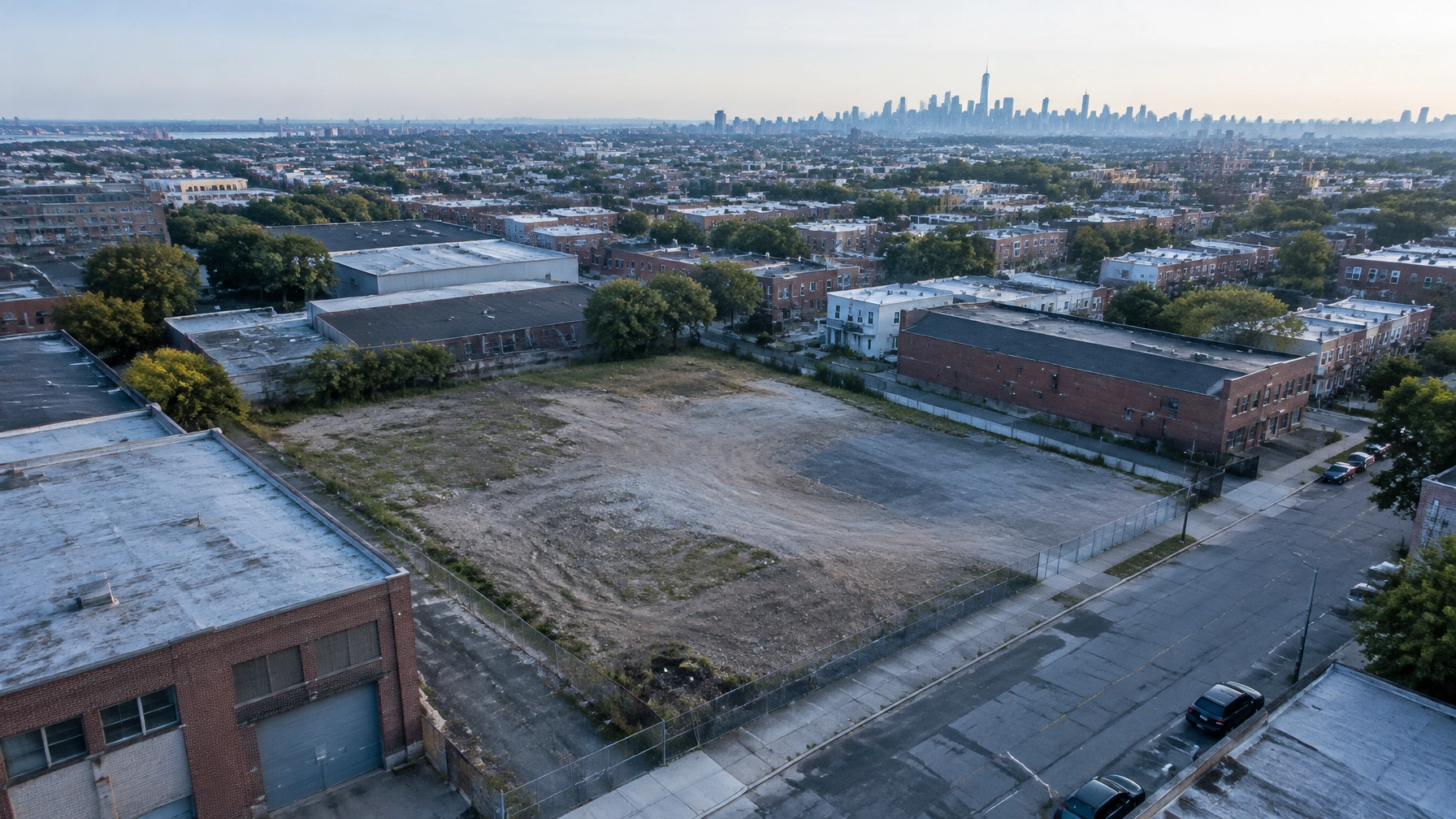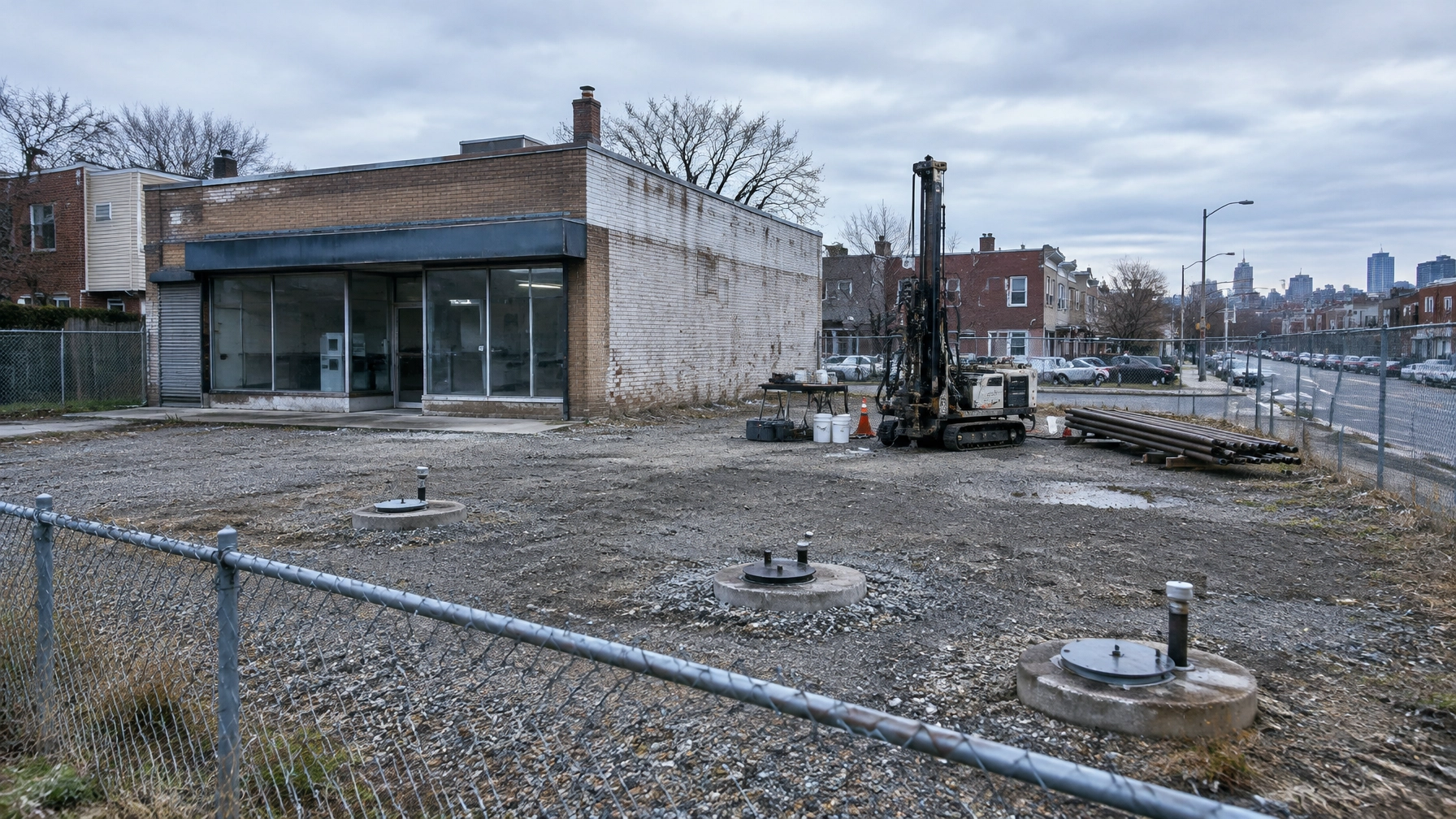
A soil pile is not automatically acceptable because it passed one laboratory test.
On a construction or remediation site in Newark, Jersey City, Brooklyn, or Queens, waste characterization controls what happens next. It determines whether excavated historic fill can be reused, recycled, or sent to a permitted landfill. It also determines whether a facility will accept the material, request more testing, or reject the load at the gate.
The same pile can be accepted by one facility and rejected by another. That is not necessarily a contradiction. Facilities operate under different permits, profiles, acceptance criteria, and risk tolerances.
The generator still owns the decision.
Total analysis is not the same as TCLP
A total analysis measures the concentration of a substance in the bulk material. For example, a laboratory may report total lead in soil as milligrams per kilogram. That result tells you how much lead is present in the sample.
A TCLP test asks a different question:
How much of a regulated constituent could leach from the waste under a prescribed extraction procedure?
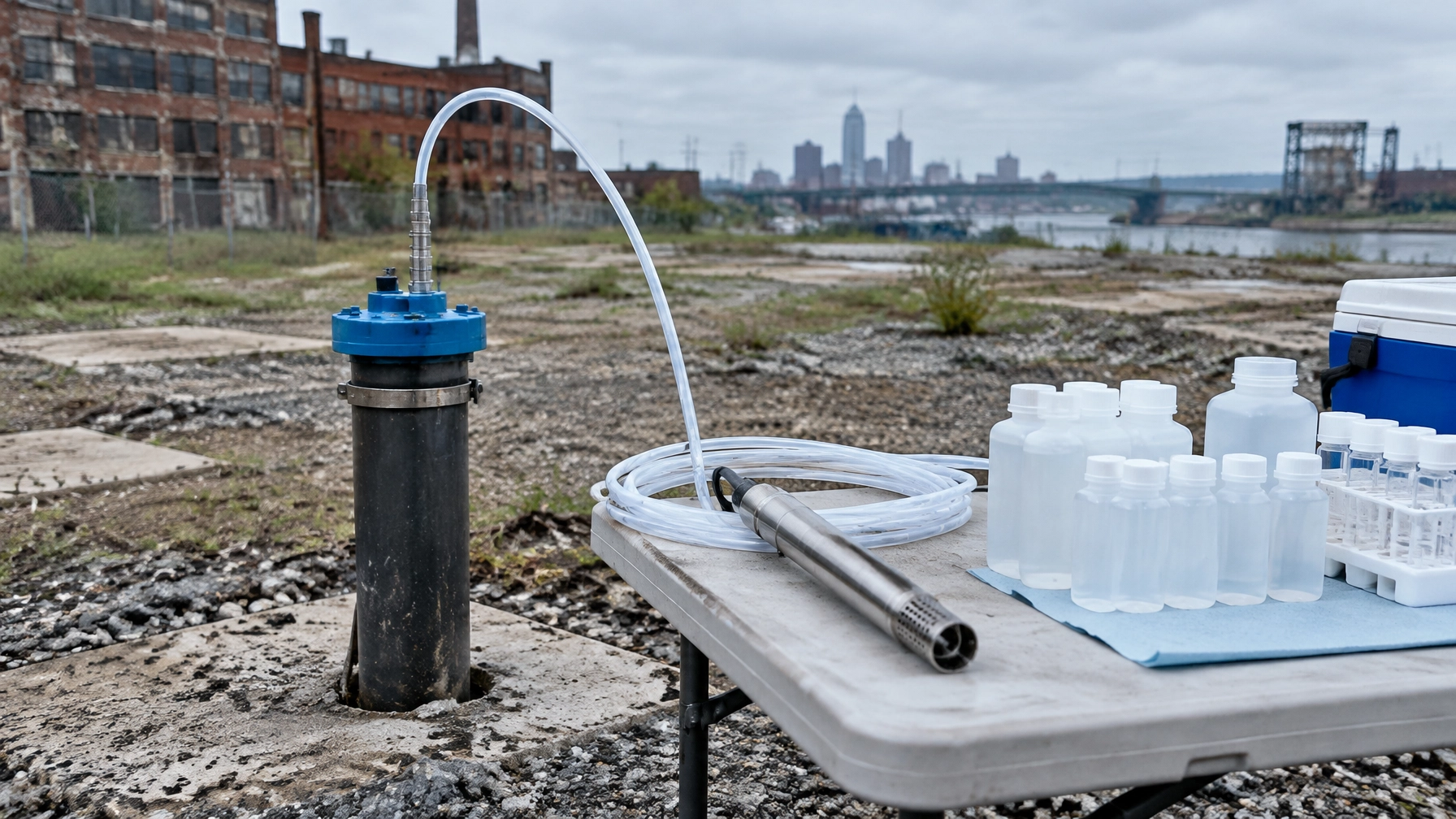
The Toxicity Characteristic Leaching Procedure uses an extraction fluid and laboratory method designed to evaluate the mobility of certain contaminants. The result is reported in the liquid extract, generally in milligrams per liter.
That distinction matters.
A soil sample may have elevated total lead but produce a TCLP extract below the federal toxicity threshold. Another sample with a lower total concentration may require closer review because of the material’s chemistry, waste history, or facility requirements.
TCLP does not measure groundwater quality. It is a regulatory leachability test used to evaluate the federal toxicity characteristic under 40 CFR 261.24.
A total analysis and a TCLP result answer different questions. A defensible waste characterization plan often needs both.

The generator makes the hazardous waste determination
Under 40 CFR 262.11, the person who generates a solid waste must make an accurate hazardous waste determination.
That responsibility does not transfer simply because:
- A consultant collected the sample.
- A laboratory performed the analysis.
- A contractor excavated the material.
- A disposal facility reviewed the profile.
- A transporter signed the shipping paperwork.
The project owner, operator, contractor, or other responsible party must identify the generator and establish who will certify the waste profile and manifests.
The regulation requires the generator to evaluate the waste at the point of generation. The determination generally includes:
- Whether an exclusion applies.
- Whether the waste is a listed hazardous waste.
- Whether the waste exhibits one or more hazardous characteristics.
- Whether land disposal restrictions apply.
- Whether the selected facility is authorized to receive the material.
A consultant can perform the fieldwork, prepare the sampling plan, interpret the laboratory data, and coordinate with facilities. The generator remains responsible for the final determination.
That distinction becomes important when a facility asks for additional data after the consultant has already issued a report.
What are the RCRA characteristics?
A solid waste may be hazardous because it is listed or because it exhibits one or more of the four RCRA characteristics:
- Ignitability: The waste can catch fire under defined conditions.
- Corrosivity: The waste has a very high or very low pH or otherwise meets the regulatory definition.
- Reactivity: The waste is unstable, explosive, water-reactive, or capable of producing dangerous reactions.
- Toxicity: The waste leaches regulated constituents at or above the thresholds in 40 CFR 261.24.
For excavated soil and historic fill, toxicity is often the primary concern. Metals such as lead, cadmium, chromium, and mercury may drive TCLP testing. Organic constituents such as benzene may also matter on petroleum-impacted sites.
Concrete, brick, wood, and mixed debris require their own evaluation. None is automatically hazardous. None is automatically acceptable as clean fill.
The material’s origin, condition, coatings, residues, staining, physical composition, and history all matter. Painted or chemically impacted debris may require different testing from clean structural concrete. Wood from a former industrial operation may raise different questions from untreated dimensional lumber.
Mixed loads create another problem. When soil, brick, concrete, asphalt, wood, and waste materials are combined, the generator may lose the ability to demonstrate that the material is a consistent waste stream.
NJDEP historic fill requires more than a soil test
New Jersey historic fill often contains a mixture of soil-like material and debris. The material may include brick, ash, cinders, concrete, asphalt, demolition debris, and other non-indigenous fill placed to raise grades or expand usable land.
NJDEP historic fill guidance treats historic fill as an important area of concern during site remediation. If it remains in place, the project may address it through engineering and institutional controls. If it is excavated, the material requires a management decision.
That decision is not limited to “hazardous” or “non-hazardous.”
The project may need to determine whether the material is:
- Hazardous waste.
- Non-hazardous contaminated soil.
- ID 27 solid waste.
- Debris-containing fill.
- Reusable alternative fill.
- A material requiring a beneficial use determination or other approval.
NJDEP’s fill requirements guidance distinguishes soil-like material from fill containing construction and demolition debris. Debris-rich material may not qualify for unrestricted reuse, even when it does not exhibit a RCRA hazardous characteristic.
For a New Jersey brownfield redevelopment project, the right question is not simply, “Did the sample pass TCLP?”
The better question is:
Does this material meet the requirements for the specific destination and proposed use?
A defensible sampling plan starts with the pile, not the laboratory
The laboratory cannot correct a poor sampling design.
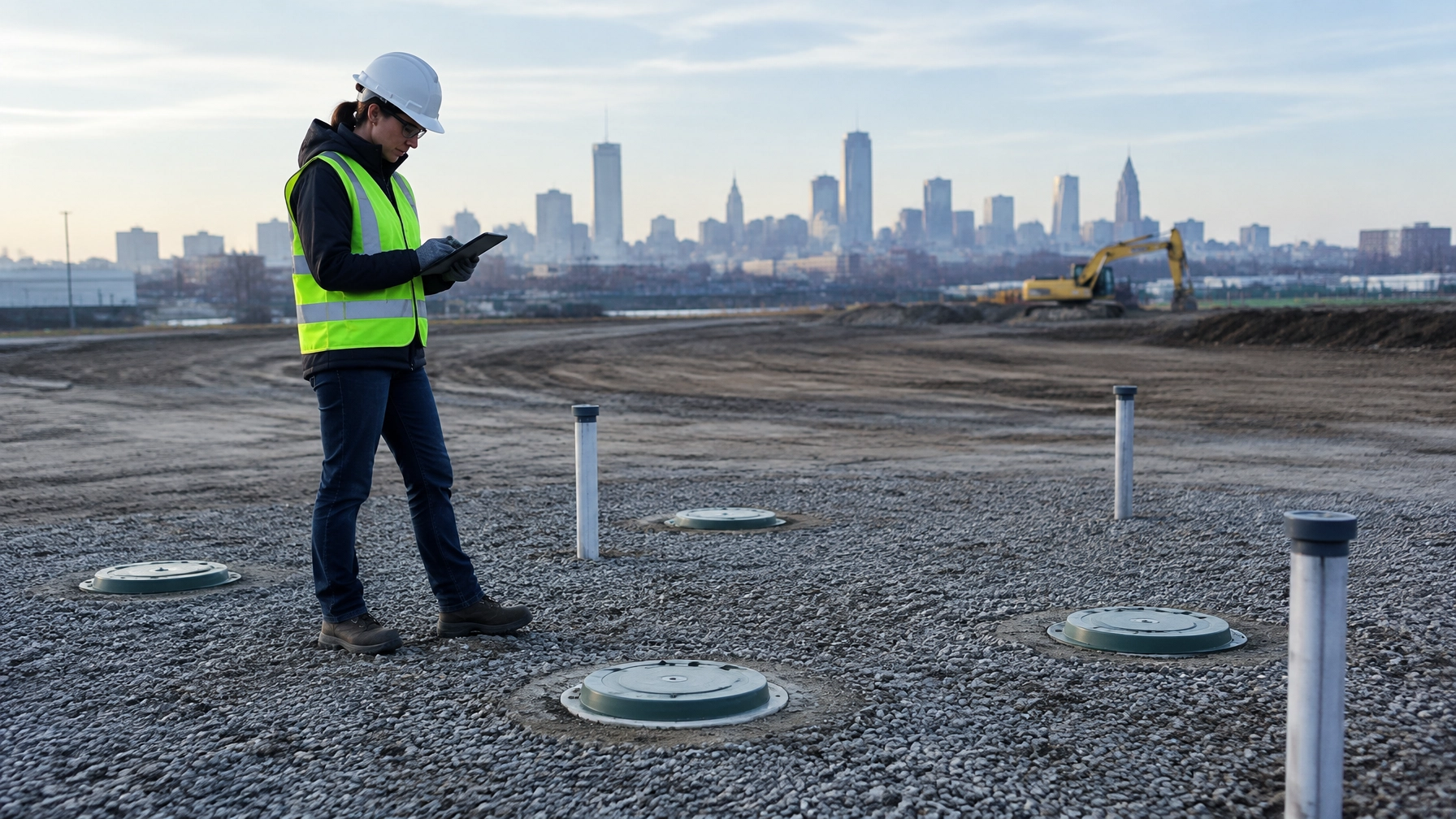
A representative sampling plan should account for:
- Material type.
- Soil texture and fill composition.
- Visible debris.
- Depth and excavation history.
- Known or suspected areas of concern.
- Stockpile size and volume.
- Changes in color, odor, staining, or physical composition.
- Areas that were mixed during excavation.
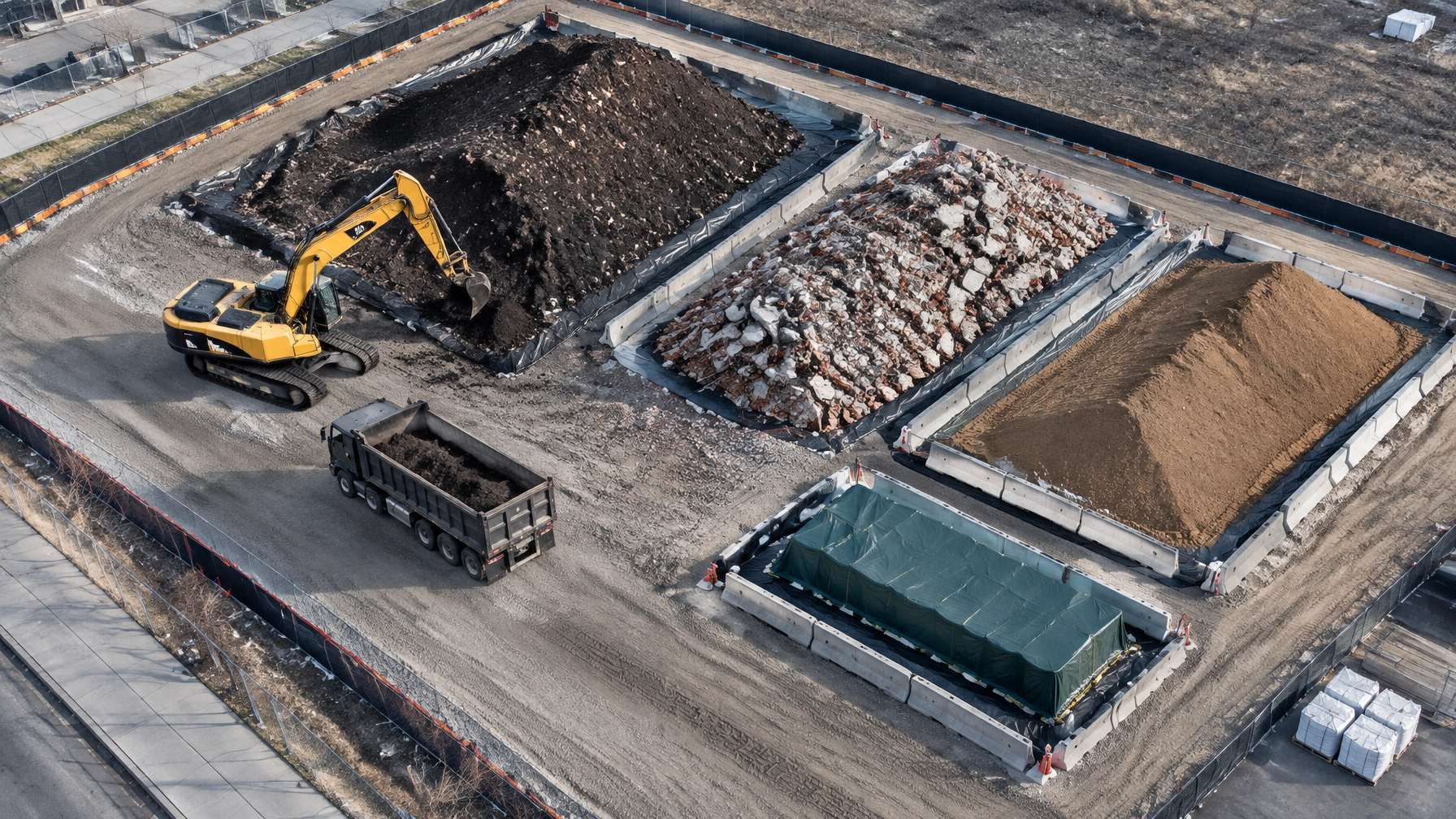
For a large stockpile, one sample from the edge is not representative. A better approach may use a grid or systematic layout combined with volume-based sampling density. Separate samples should be collected from visually distinct materials and potential hot spots.
Keep waste streams separate whenever possible:
- Historic fill soil.
- Clean native soil.
- Brick and concrete.
- Asphalt.
- Wood.
- Petroleum-impacted soil.
- Material with visible staining or unusual odor.
Segregation helps the generator prove what each waste stream contains. It also creates more disposal options.

Why one facility accepts the pile and another rejects it
Facilities do not all accept the same material under the same conditions.
A facility may reject a load because:
- The waste profile does not match the approved sample.
- The facility permit does not authorize that waste type.
- The facility requires TCLP even when generator knowledge could support a non-hazardous determination.
- The facility requires total metals, TCLP metals, VOCs, SVOCs, PCBs, or other parameters.
- The sample density does not match the volume being shipped.
- The material contains too much debris.
- The facility does not accept mixed construction waste.
- The destination requires a specific moisture, grain-size, or physical composition.
- The facility has a lower internal acceptance limit than the regulatory threshold.
- The profile is too old or does not represent current site conditions.
- The receiving facility has reached a capacity or operational restriction.
The facility’s acceptance decision does not determine the generator’s legal classification. It determines whether that facility will accept the waste under its permit and commercial requirements.
This is why pre-approval matters. Before excavation begins, obtain the facility’s profile form, analytical requirements, sampling criteria, and prohibited-material list. Then collect the data the destination actually needs.
Beneficial use, recycling, or landfill routing
Waste characterization should support a management hierarchy, not just a disposal decision.
Depending on the material and applicable approvals, the project may evaluate:
- Reuse on the same site. Soil may remain in place or be relocated under an approved soil management plan.
- Beneficial use at another site. Certain non-hazardous materials may qualify as alternative fill or another approved beneficial use.
- Recycling. Clean concrete, brick, asphalt, and other materials may be recyclable when they meet facility and regulatory requirements.
- Non-hazardous landfill disposal. Contaminated soil or debris may require a permitted solid waste facility.
- Hazardous waste treatment or disposal. Material that exhibits a hazardous characteristic or meets a listing must go to an authorized facility with the required documentation.
In New Jersey, a formal classification question may require NJDEP review through the HWM-009 process. In New York, projects must evaluate applicable NYSDEC hazardous waste requirements under 6 NYCRR Parts 370 through 376.
The handoff failure that delays projects
The classic failure looks like this:
The environmental consultant collects samples. The laboratory issues a report. The contractor starts excavation. The disposal broker sends the material to a facility. The facility rejects it because the profile did not address a required parameter.
Now the project faces re-sampling, re-profiling, standby charges, truck cancellations, and possible stockpile management issues.
A national firm may divide these tasks among separate departments. One group samples. Another writes the report. A third coordinates disposal. A fourth tracks manifests.
Envicon keeps the workflow connected. One team can develop the sampling plan, interpret the results, profile the waste, coordinate facility pre-approval, support field segregation, and track manifests through closeout.
That direct accountability matters in Newark, Jersey City, Brooklyn, and Queens, where excavation schedules, facility availability, and agency requirements can change quickly.

What to document before the first truck leaves
For a 2026 construction or remediation project, maintain a complete waste characterization file containing:
- The identified generator.
- Site history and material descriptions.
- Sampling plan and sampling locations.
- Stockpile volumes and segregation records.
- Laboratory reports, including total and TCLP results.
- Hazardous waste determination.
- Land disposal restriction evaluation, when applicable.
- Facility profile and written pre-approval.
- Transporter credentials and manifests.
- Load tickets and disposal receipts.
- Field observations and photographic documentation.
- Records of rejected or reclassified loads.
The goal is not to produce more paperwork. The goal is to make the disposal decision defensible before excavation creates schedule pressure.
The takeaway
TCLP is not a substitute for total analysis. A consultant’s report does not remove generator responsibility. A facility’s acceptance does not make a waste classification correct for every other destination.
For historic fill and contaminated materials in New York and New Jersey, successful soil and groundwater management depends on four things:
- Representative sampling.
- Accurate hazardous waste determinations.
- Facility-specific pre-approval.
- One accountable team from characterization through manifests.
The right waste profile does more than move a pile off site. It protects the project schedule, preserves disposal options, and helps turn a complicated brownfield into a buildable asset.
Ready to plan soil and groundwater management?
Envicon Group helps developers, contractors, attorneys, and property owners manage excavated soil, historic fill, debris, facility profiles, disposal coordination, and field documentation across New York and New Jersey.