A Phase I Environmental Site Assessment is only as defensible as the work behind it. In 2026, a low-cost report signed by someone who does not meet the Environmental Professional requirements can leave a buyer without the All Appropriate Inquiries record needed to pursue CERCLA landowner liability protections.
For a Queens acquisition, the result can be more than a lender’s comment. It can mean a rushed replacement assessment, a delayed closing, or a gap in your liability record that cannot be fixed by adding a résumé after the fact.
What the rules require
ASTM E1527-21 is an accepted standard for conducting All Appropriate Inquiries, or AAI, under EPA’s AAI rule. The standard works alongside 40 CFR Part 312, which defines who qualifies as an Environmental Professional, or EP.
Under 40 CFR §312.10, an EP must have the education, training, and relevant experience to use professional judgment when evaluating potential releases or threatened releases of hazardous substances. The individual must meet one of these qualification pathways:
- Hold a current Professional Engineer or Professional Geologist license, plus at least three years of relevant full-time experience.
- Hold a government license or certification to conduct environmental inquiries, plus at least three years of relevant full-time experience.
- Hold a bachelor’s degree or higher in engineering or science from an accredited institution, plus at least five years of relevant full-time experience.
- Have at least ten years of relevant full-time experience.
The experience must relate to AAI investigations, environmental site assessments, or comparable site investigations involving environmental conditions and professional judgment. A general environmental background alone does not establish that someone meets the rule.
ASTM E1527-21 also requires EP involvement in the assessment. A qualified EP must conduct the work or oversee it under their supervision or responsible charge. That includes involvement in planning, reviewing and interpreting information, developing findings and conclusions, and signing the required declaration. See the ASTM E1527-21 standard.

Why the signature matters to CERCLA protection
AAI is a required part of several CERCLA landowner protections, including bona fide prospective purchaser, innocent landowner, and contiguous property owner protections. EPA explains that qualifying parties must conduct AAI before acquiring property and meet additional statutory requirements.
That distinction matters: a Phase I report does not guarantee CERCLA protection on its own. The buyer must satisfy the applicable legal requirements, including continuing obligations after acquisition. But if the assessment does not meet AAI, the report may fail to establish that essential prerequisite.
A report bearing a signature is not enough. The signer must qualify as an EP, and the assessment must meet the applicable standard and rule. If the EP qualifications are inadequate or the work was not properly conducted under EP supervision, the buyer may not have the AAI documentation they expected.
What lender environmental risk desks check
Lenders may require more than the federal minimum. Their environmental risk teams often review the report’s compliance statement, EP declaration, timing, scope, and reliance language before accepting it for a transaction. A lender can also reject a report for underwriting reasons even when the issue does not, by itself, determine whether a legal protection applies.
A common point of friction is whether the qualifications and the EP’s role are adequately documented. Before ordering a Phase I, ask who will take professional responsibility for the assessment and what evidence of qualification will be included.
Lender reviewers may look for:
- A signed EP declaration. Confirm the report includes the required statement and signature.
- A clear qualifications record. The report or its appendix should document the EP’s license or degree, relevant experience, and basis for meeting the rule.
- Meaningful EP involvement. Confirm the qualified professional will oversee the assessment, review the supporting information, and make the professional judgments in the report.
- Current AAI components. EPA says AAI must be conducted or updated within one year before acquisition, with certain components updated within 180 days. The applicable dates matter to the transaction.
- Scope and reliance that fit the deal. The report should address the correct property and identify whether the lender or other intended users can rely on it.
- A clear compliance statement. Check that the report identifies the ASTM practice used and describes any exceptions or deviations.

Red flags in a Phase I report
Price alone does not prove a report is deficient. A lower bid can reflect an efficient process and a well-defined scope. The problem is when the proposal cuts out the qualified oversight and documentation that support the assessment.
Watch for these warning signs:
- The proposal does not name the EP responsible for the report.
- The report lists a signer but provides no meaningful qualifications.
- A non-qualifying staff member appears to have conducted the assessment without documented EP oversight.
- The EP declaration is missing, unsigned, or inconsistent with the report date.
- The report says “ASTM compliant” but does not identify exceptions or explain missing work.
- The consultant cannot explain how the EP will review records, site observations, interviews, and findings.
- The vendor offers a desktop screen or transaction review as if it were a full ASTM E1527-21 Phase I ESA.
A desktop review may help with early screening, but it is not interchangeable with a full Phase I ESA conducted to ASTM E1527-21 and AAI requirements.
How to verify qualifications before you order
Do this before you authorize work, not after the lender flags the report. Ask the provider for the proposed EP’s name and a short qualifications summary. Have the provider identify the exact route the individual meets under §312.10.
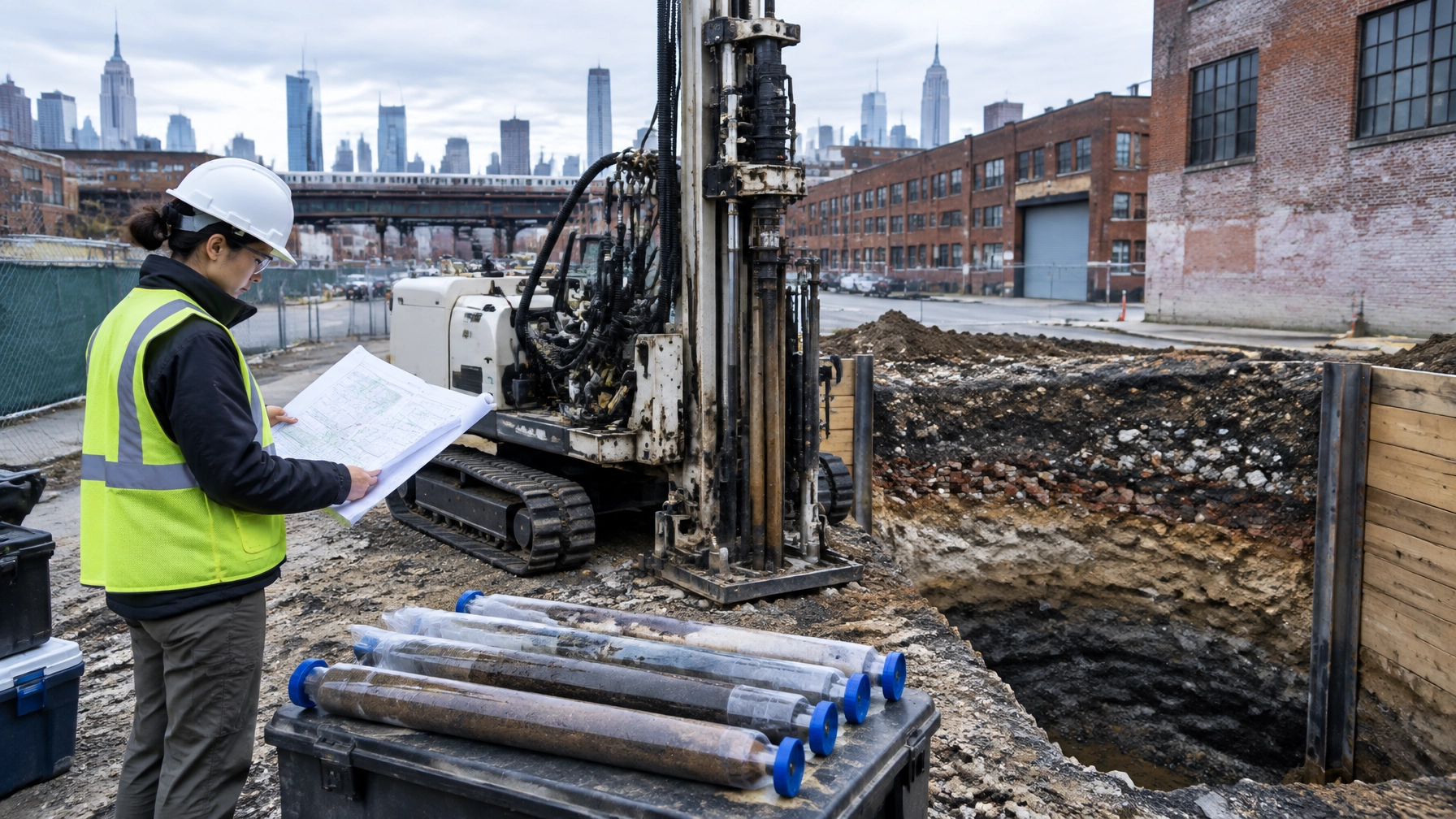
Then confirm the work plan puts the EP in a responsible role. Who will review the records? Who will interpret findings? Who will sign the declaration? If the answers are vague, clarify them in writing before the site visit.
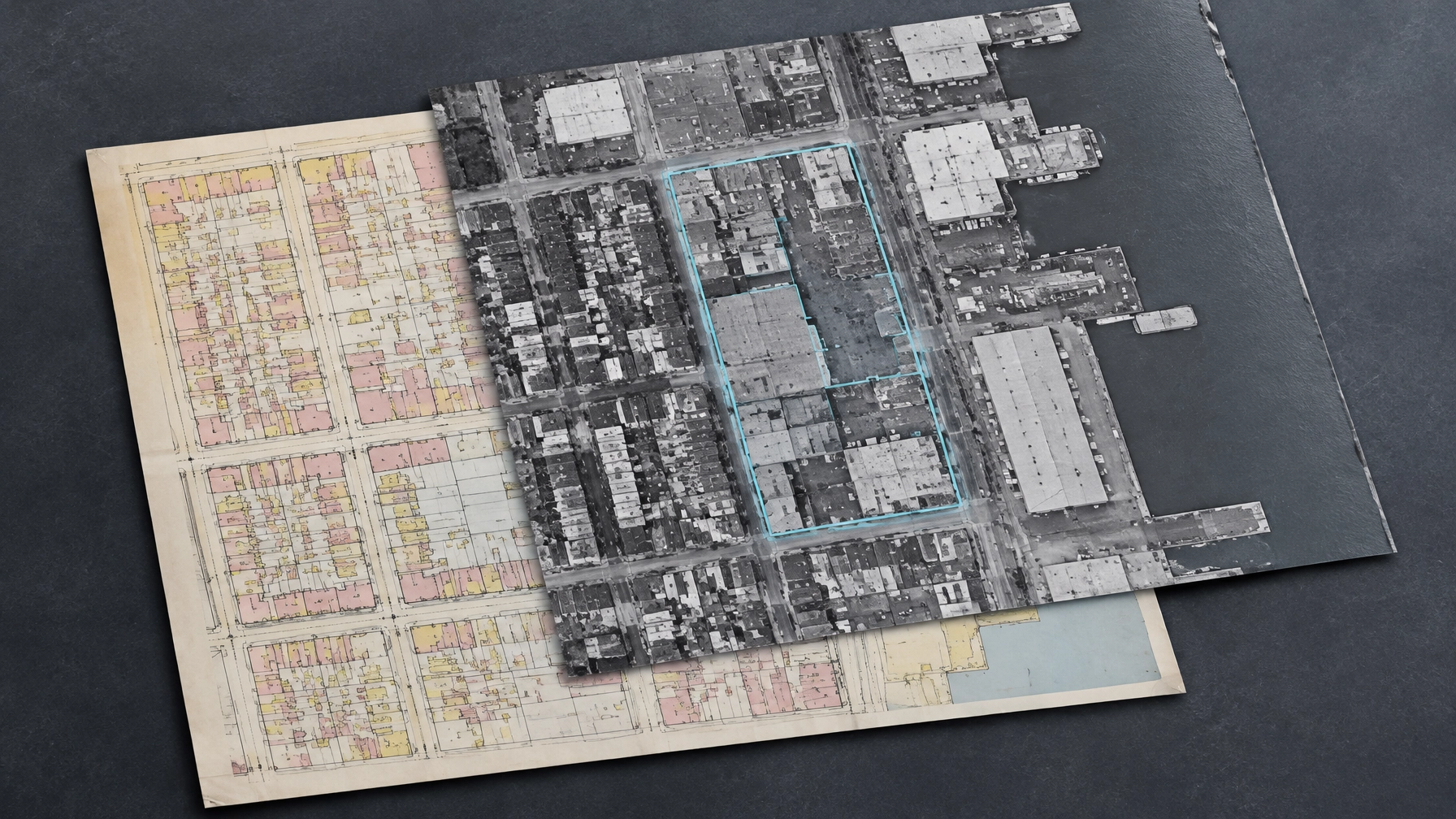
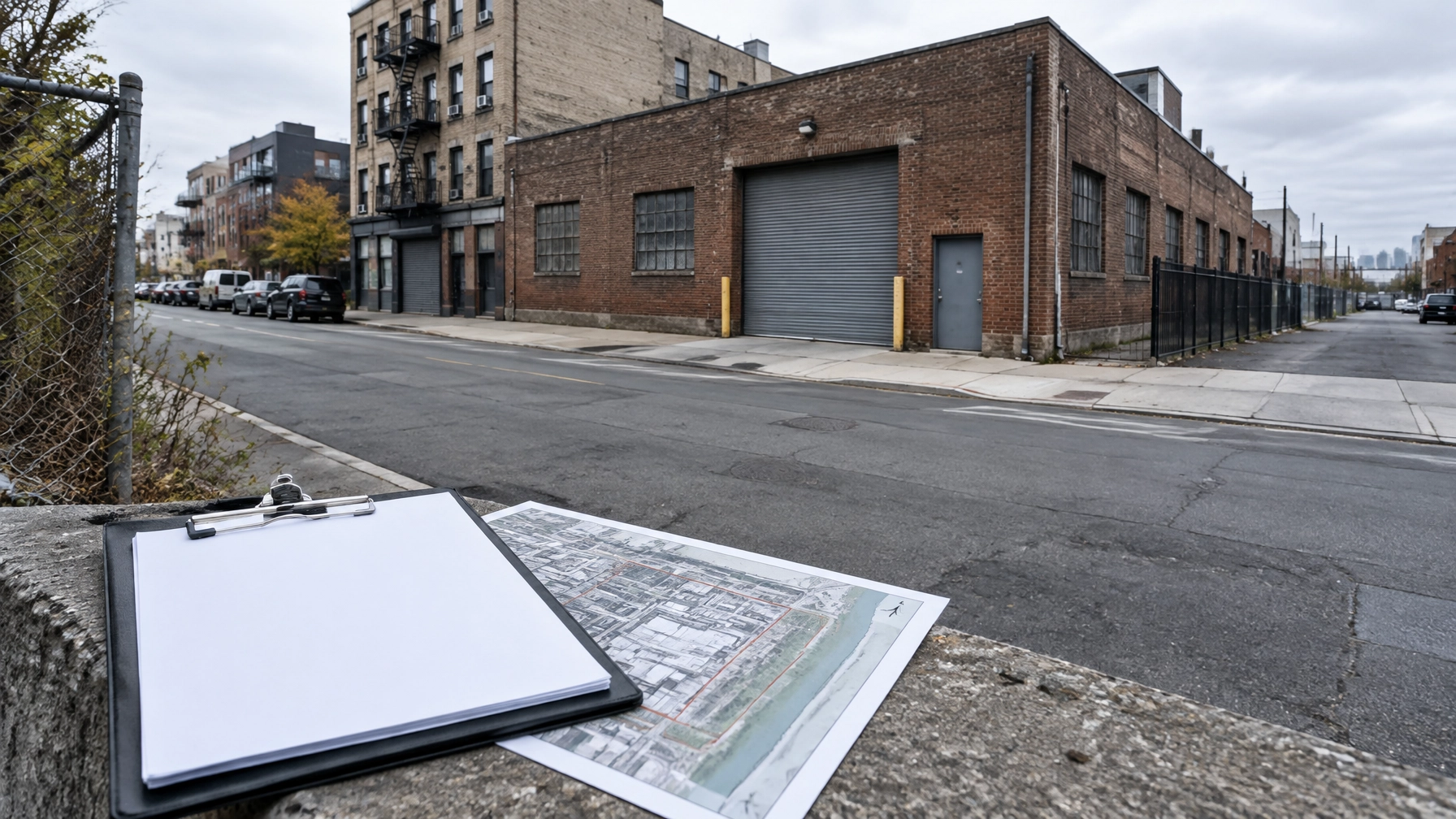
For a Queens property, also make sure the scope accounts for the actual site and transaction. The property’s history, surrounding land uses, access conditions, and lender requirements can affect the work. A generic report template does not replace a site-specific assessment.
This standard applies across the region. If your portfolio also includes Newark, New Jersey or Monmouth County, check that each report addresses the property, transaction, and applicable requirements for that site.

How much does a Phase I ESA cost in NYC?
Phase I ESA cost NYC varies with the property, its history, access, schedule, and lender requirements. The lowest quote is not automatically a bad one, and a higher fee is not proof of better work. Compare the scope and accountability behind the price.
When asking how much does a Phase I ESA cost, check that the fee includes the site reconnaissance, records review, interviews, EP oversight, signed declaration, and deliverable your lender can review. If the quote is substantially below others, ask what is excluded and who is responsible for the professional opinions.
Envicon’s Queens location supports local due diligence, and our Phase I ESA service is built around ASTM E1527-21 and AAI. We make the scope and schedule clear before work starts, then keep the qualified professional involved from review through report delivery.
Frequently asked questions
Does a Phase I ESA signer need to be a Professional Engineer?
Not necessarily. Under 40 CFR §312.10, an EP can qualify through one of several pathways. These include specific engineering or geology licensure with three years of relevant experience, a qualifying environmental inquiry license or certification with three years of experience, a relevant science or engineering degree with five years of experience, or ten years of relevant experience.
Can a non-EP conduct the site visit?
A non-EP may assist with AAI activities when working under the supervision or responsible charge of a qualifying EP. The report should make the EP’s role clear. Fieldwork by itself does not establish that the overall assessment meets AAI.
Does a qualified EP guarantee CERCLA protection?
No. A qualified EP and an AAI-compliant assessment support a required part of the process. They do not guarantee liability protection. Buyers must also satisfy the other applicable CERCLA conditions.
Can a lender reject a report because of the signer’s qualifications?
A lender can reject a report that does not satisfy its review requirements. If the report fails to document the signer’s EP qualifications or involvement, the lender may require clarification, an update, or replacement work. Ask the lender for its requirements before ordering.
What should I ask before hiring a Phase I provider?
Ask who the EP is, which §312.10 qualification pathway they meet, how their qualifications will be documented, and what role they will have in reviewing and signing the assessment. Confirm the report will meet ASTM E1527-21 and the lender’s requirements.
Get the qualifications right before you close
A Phase I ESA is part of your transaction record and your AAI diligence. Verify the EP’s qualifications before authorizing the work. Confirm the scope, report timing, and lender reliance requirements up front. That is how you avoid paying twice for a report that cannot move the deal forward.
Envicon Group provides Phase I ESAs for due diligence, financing, and acquisition across New York and New Jersey. We bring qualified professionals, direct project communication, and clear next steps to the work. We do not just deliver reports. We help clear the path to a buildable site.