On November 14, 2026, New York City’s new Expedited Land Use Review Procedure takes effect. For qualifying rezonings, ELURP replaces the usual sequence with concurrent Community Board and Borough President review, followed by a City Planning Commission decision.
The 90-day period is not a head start for incomplete environmental work. It follows certification of a complete application. If the environmental review decision, hazardous materials record, or proposed E-designation materials are not ready when DCP reviews the package, certification can stall before the public clock even begins.
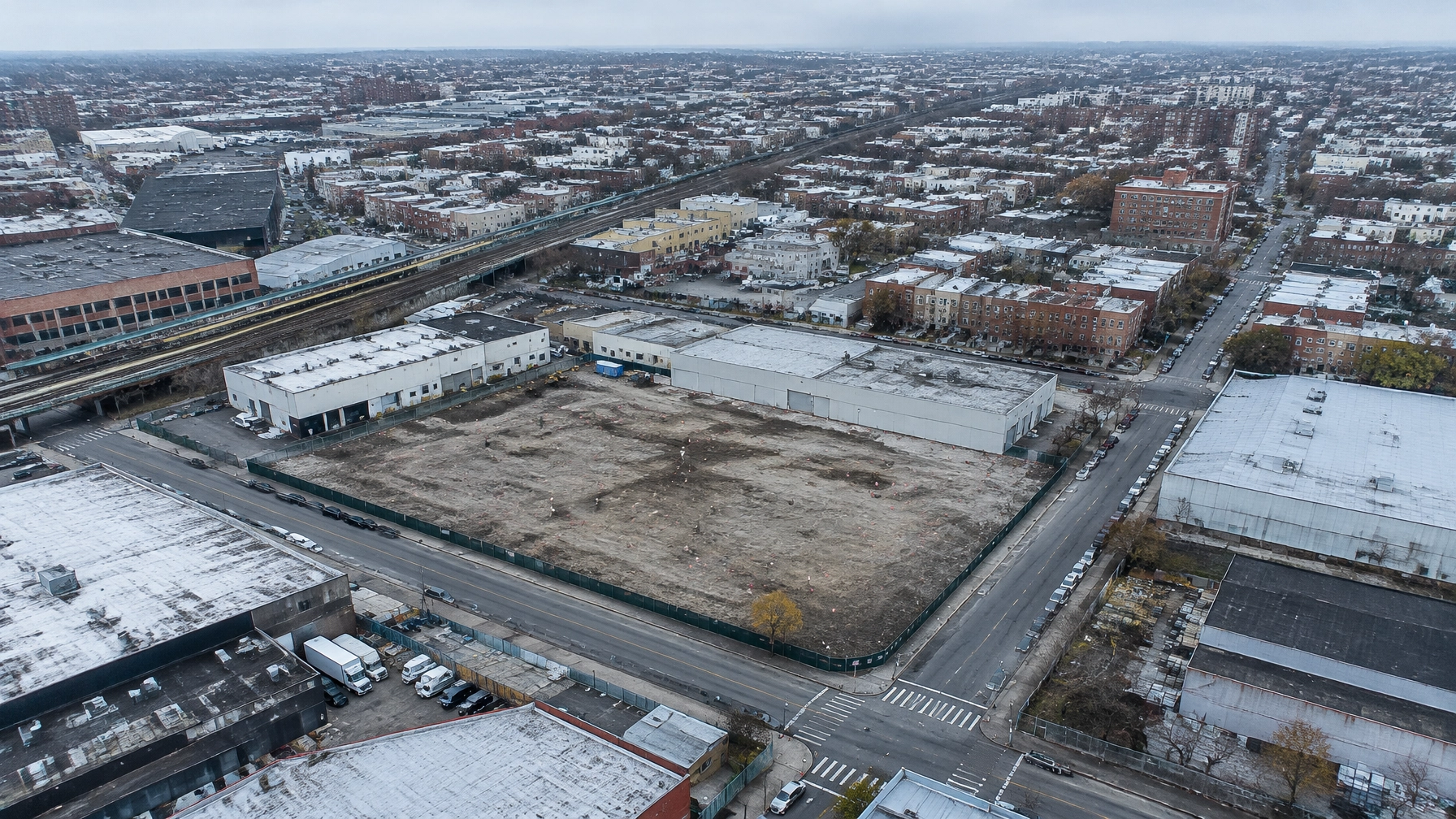
That distinction matters in Queens, where a rezoning can involve former industrial uses, potential NYC OER E-designations, and site conditions that need investigation. The practical job is to coordinate environmental review with land-use review, not to run them as separate files.
What the 90-day ELURP clock actually covers
The adopted ELURP and AHAB rules set out the formal review sequence:
- First 60 days: The Community Board and Borough President review the complete application at the same time. Their recommendations are advisory.
- Next 30 days: The City Planning Commission holds a public hearing and votes to approve, approve with modifications, or disapprove the application.
- Final decision: For standard ELURP applications, the CPC decision ends the land-use review process. There is no later City Council review under this procedure.
The public-review clock begins after DCP certifies the application as complete. It does not begin simply because an applicant first submits a package. Pre-certification review can require additional information, and the rules give DCP time to review corrections and supplements. Summer applications also have longer Community Board and Borough President review periods.
The NYC Rules rulemaking page confirms the November 14 effective date.
“The City Planning Commission’s decision is final.”
That is why environmental readiness needs to be part of filing strategy, not a follow-up task.

The EAS versus EIS call can determine the review path
For most ELURP-eligible actions, an application that requires an Environmental Impact Statement is excluded from the expedited process. The key exception is a qualifying Affordable Housing Fast Track application under Charter § 197-e(b)(9). If that application requires an EIS, CPC’s review period is extended to 45 days.
That is not a general 45-day allowance for every affordable housing application. Nor should ELURP be confused with AHAB. AHAB is a separate appeals process that can review certain City Council decisions on eligible affordable-housing applications. The EIS-related 45-day CPC period applies to qualifying Affordable Housing Fast Track ELURP applications.
For a Queens rezoning, the lead agency’s CEQR determination is therefore one of the most consequential early decisions. It shapes whether the project can use ELURP and what supporting environmental material DCP needs. A Phase I Environmental Site Assessment may identify recognized environmental conditions, or RECs, that call for additional investigation. A REC is a finding to evaluate, not a standalone filing requirement or a predetermined EIS outcome.
A sound screen reviews the proposed action, site history, hazardous materials, air and noise conditions, and other relevant CEQR topics. It should reach a defensible conclusion. An EAS is a tool for environmental review, not a shortcut to a predetermined negative declaration. If the analysis supports an EIS, build that pathway into the schedule rather than trying to force the project into ELURP.
E-designations and OER work need to move alongside DCP
A proposed NYC E-designation can address potential hazardous materials, air quality, or noise impacts identified during environmental review. If a rezoning proposes an E-designation, the adopted rules require the relevant notification materials to be submitted before DCP can certify the application as complete.
That makes early coordination important. The team needs to understand which lots may receive an E-designation, what environmental condition drives it, what investigation is available, and what the proposed zoning control means for future development. Waiting until after rezoning to start that work can leave the project with a land-use approval path on one track and unresolved site requirements on another.
Keep the terminology straight, too. NYC OER’s current rules generally refer to a Remedial Action Plan (RAP). Some project teams use “RWP” informally for remedial work plan. Confirm the required OER document and scope rather than assuming those terms are interchangeable.
For a new building or substantial redevelopment, an NNO may not be the relevant final clearance. Depending on the project and OER’s determination, the permit path may require OER review, a Notice to Proceed, implementation, closure documentation, and a Notice of Satisfaction. An NNO is a specific OER notice, not a substitute label for every E-designation approval.
The 90-day land-use process and OER’s later permit process are separate, but they depend on coordinated information. A Queens developer should scope OER work before filing, identify the agency milestones, and keep the environmental lead, land-use counsel, architect, and construction team aligned.

Queens rezoning filing checklist
Before the application goes to DCP, walk through the following with the land-use, environmental, design, and legal teams:
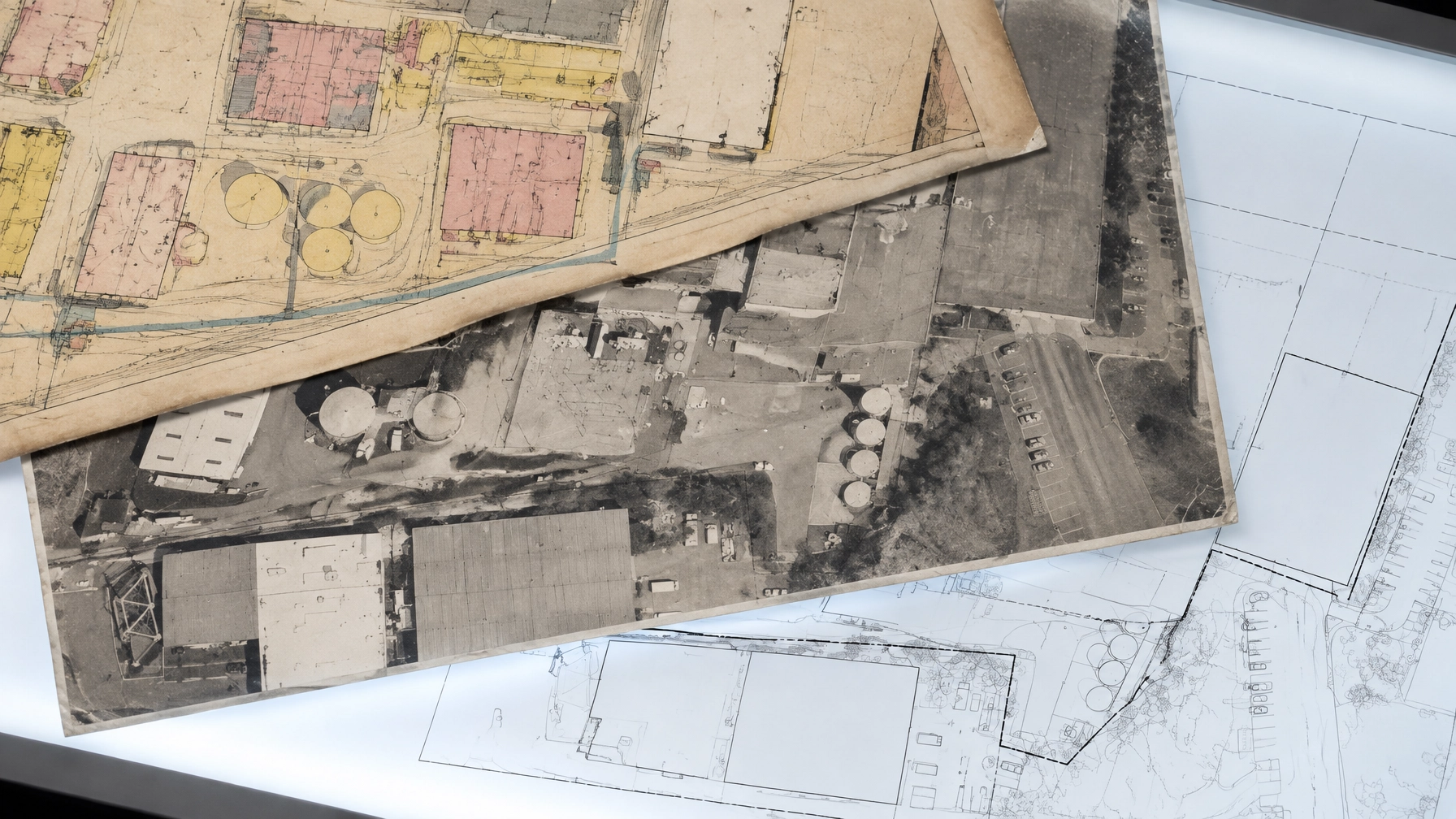
- Complete the Phase I review. Document site history, current conditions, regulatory records, and potential RECs. Identify whether prior reports can support the CEQR analysis or whether further investigation is needed.
- Resolve the environmental-review scope. Coordinate the EAS and CEQR analysis with the lead agency. Determine whether the record supports a negative or conditional negative declaration, or whether an EIS is required. Do not treat the screening decision as a formality.
- Check traffic, affordability, and infrastructure inputs early. Confirm the project’s traffic assumptions and affordable-housing program. For Affordable Housing Fast Track cases, the rules call for CPC findings on fair housing plan consistency and the adequacy of transportation, sewer, and other infrastructure.
- Map potential E-designations. Identify affected tax lots and likely hazardous materials, air, or noise controls. Coordinate the proposed designation and required owner notification with the lead agency and DCP before certification.
- Scope the OER pathway. Review prior OER files and determine what Phase II work, RAP, construction health and safety planning, or other OER submissions may be needed. Use the correct OER terminology and confirm the project-specific path.
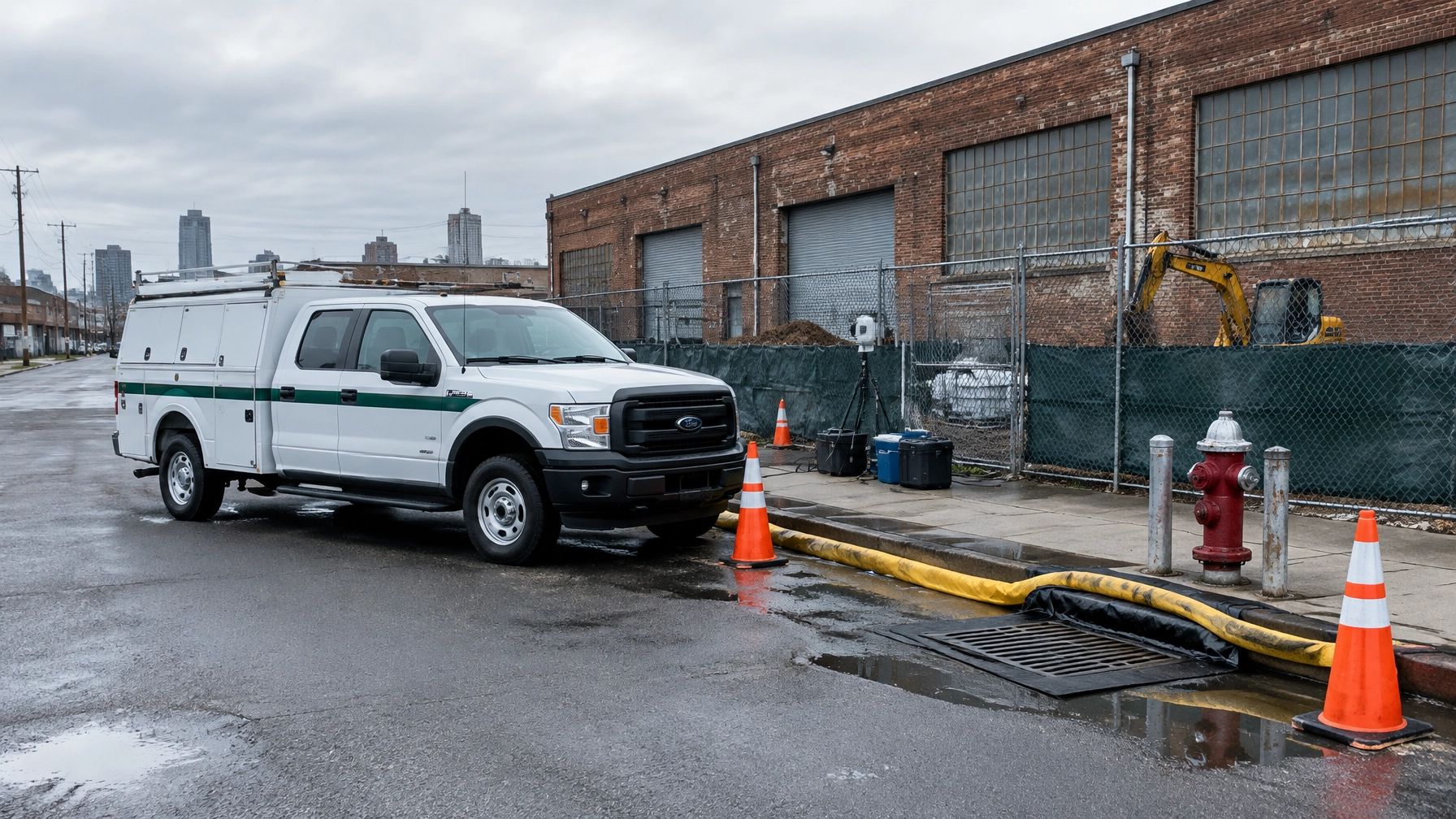
- Set the construction and monitoring plan. If remediation or intrusive work will follow, align contractor sequencing, soil handling, air monitoring, reporting, and agency oversight with the proposed remedy. Envicon’s brownfield redevelopment support and construction oversight and environmental monitoring can connect investigation decisions to field execution.
- Check the package against certification requirements. The adopted rule requires the environmental review determination and applicable environmental documentation, along with notification of a proposed E-designation, as part of the completeness review. Confirm the current DCP instructions before submitting.
If environmental issues threaten the timeline
An incomplete application can delay certification, so the public-review clock may not start when the project team expects. A late discovery of contamination can also change the environmental analysis, require additional sampling, or alter the proposed remedy.
The practical response is to identify the gap, quantify what new work it requires, and update the schedule before making commitments based on the 90-day period. Depending on the facts, the team may need to complete additional investigation, revise the CEQR materials, coordinate a modified E-designation approach, or prepare for an EIS and the applicable review path. An EIS should not be avoided where the analysis requires one.
Once the project reaches construction, field conditions can create further changes. Environmental monitoring, clear daily records, and direct coordination with the contractor and regulator help resolve those issues while the work is active. A report that stops at findings leaves the owner to connect the pieces. A coordinated plan carries the findings into agency review and construction.
For a Queens project, work with an environmental consultant serving NYC who can coordinate the environmental file with the land-use team. Envicon also supports projects in Queens, with Newark and Monmouth County, New Jersey included in our broader regional service area.

Frequently asked questions
When does the ELURP 90-day clock start?
The public-review period begins after DCP certifies the application as complete. The initial submission alone does not start the 90-day clock.
Does an EIS automatically disqualify a rezoning from ELURP?
Generally, yes. The key exception is a qualifying Affordable Housing Fast Track application under Charter § 197-e(b)(9). If that application requires an EIS, CPC’s review period is 45 days instead of 30.
Is an NYC OER E-designation the same thing as an NNO?
No. An E-designation is a zoning control tied to environmental conditions. An NNO is a specific OER notice. The correct OER clearance pathway depends on the project and the work proposed.
Does an E-designation mean the site needs a RAP?
Not automatically. OER reviews the available information and determines what work and documents the site requires. NYC OER generally uses the term RAP, or Remedial Action Plan. Confirm the required scope for the specific project.
Are AHAB and ELURP the same process?
No. ELURP is an expedited land-use review procedure ending with a CPC decision for qualifying applications. AHAB is a separate appeals mechanism for certain eligible City Council decisions involving affordable housing.
Keep the environmental file ahead of the clock
November 14 is the effective date, not a reason to compress environmental due diligence. For Queens developers, the key is to settle the CEQR path, document site conditions, coordinate any proposed E-designations, and scope OER work before certification. That is how you protect the schedule without cutting corners.
Plan your next step with Envicon Group: