NYSDEC’s proposed DER-42 policy is open for public comment until November 30, 2026. It addresses how DEC Division of Environmental Remediation (DER) staff operate environmental emergency response vehicles.
DER-42 is not a proposed regulation for site owners. But it is a useful reminder for developers and facility operators: DEC policies can influence how agency staff handle field work, and how site-specific expectations are documented. If you’re acquiring or operating property in Queens, Newark, or elsewhere in the metro area, it pays to track these documents before they become part of a project conversation.
What DER-42 covers
The draft, “Operation of Environmental Emergency Response Vehicles,” describes when DEC Spill Response personnel may operate designated emergency vehicles in emergency mode. It addresses training, safe operation, and the circumstances that may justify use of emergency vehicle privileges.
The draft distinguishes emergency response from routine travel. In general, emergency operation is intended for situations where a responder’s presence is specifically needed to prevent loss of life, serious injury, or irreparable environmental harm. The draft also describes limits on speed and unsafe maneuvers, and calls for appropriate emergency vehicle and defensive driving training.
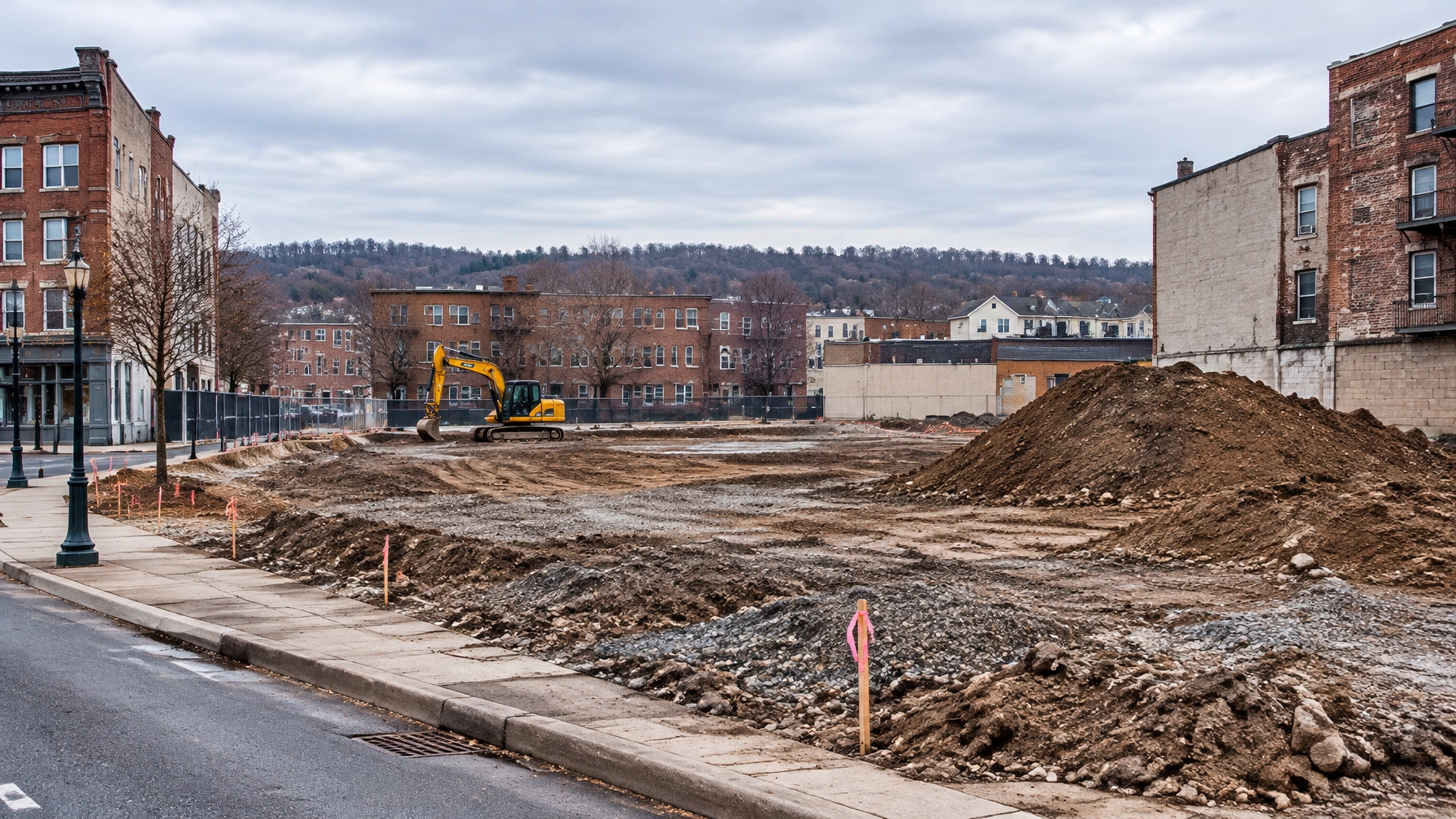
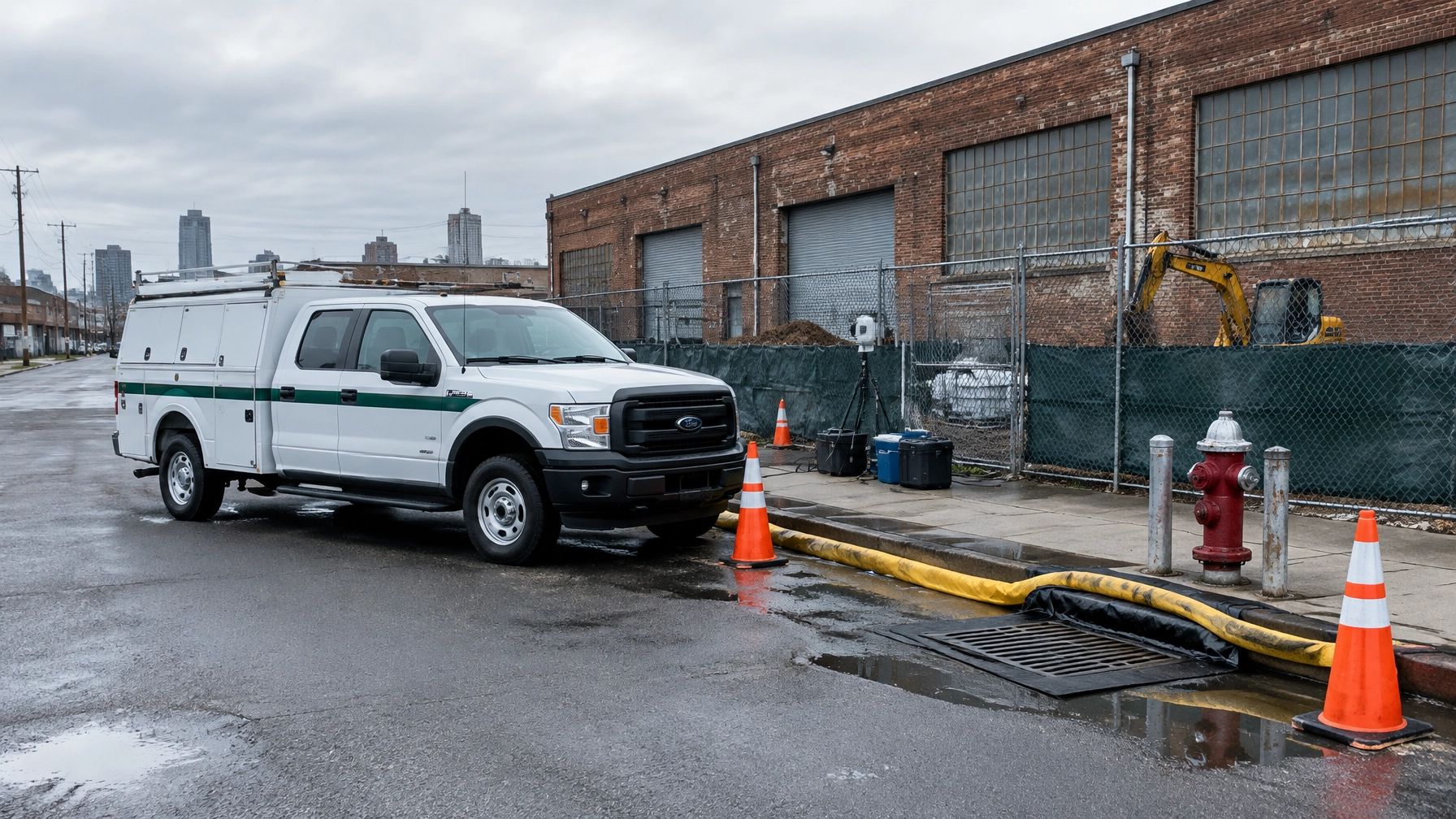
That matters at urban sites. Spill response can involve congested streets, constrained access, active construction, and stormwater pathways close to buildings and public areas. For a facility operator, response time may depend on practical details such as a clear gate, accurate site contacts, and knowing where a spill could reach a catch basin or waterway.

Spill response planning depends on clear access, accurate site information, and an understanding of where a release could travel.
Policy is not a regulation, but it can shape the work
A regulation adopted under state law creates legal requirements through a formal rulemaking process. A guidance document or policy explains how an agency intends to interpret or administer its programs. It does not automatically create a new legal obligation for every property owner.
Still, the distinction does not make guidance irrelevant. DEC staff may use guidance when reviewing investigations, remedial work plans, or site-specific proposals. A policy can shape what an agency expects to see in the field and in the project record.
Site-specific documents matter. When a requirement is written into an executed consent order, a Brownfield Cleanup Program agreement, or an approved work plan, it may become an enforceable commitment for that project. The obligation comes from the applicable agreement, order, or approval, not simply from the existence of guidance. DEC’s Environmental Notice Bulletin also helps interested parties track public notices and project actions, but an ENB notice is not itself a regulation.
DEC maintains a Remediation Guidance and Policy Documents page and a separate page for proposed, emergency, and recently adopted regulations. The separation is useful. It helps readers identify whether DEC is proposing a rule or seeking input on guidance.
What the comment window means for Queens projects
DER-42 concerns DEC response vehicle operations. It does not create a new emergency preparedness rule for Queens property owners, nor does it set new requirements for private contractors’ vehicles.
The broader practical point is that DEC’s procedures affect how field response happens. At a UST site, industrial yard, or redevelopment property, the speed and effectiveness of a response may depend on whether responders can reach the right area, identify site hazards, and contact someone who can provide useful information.
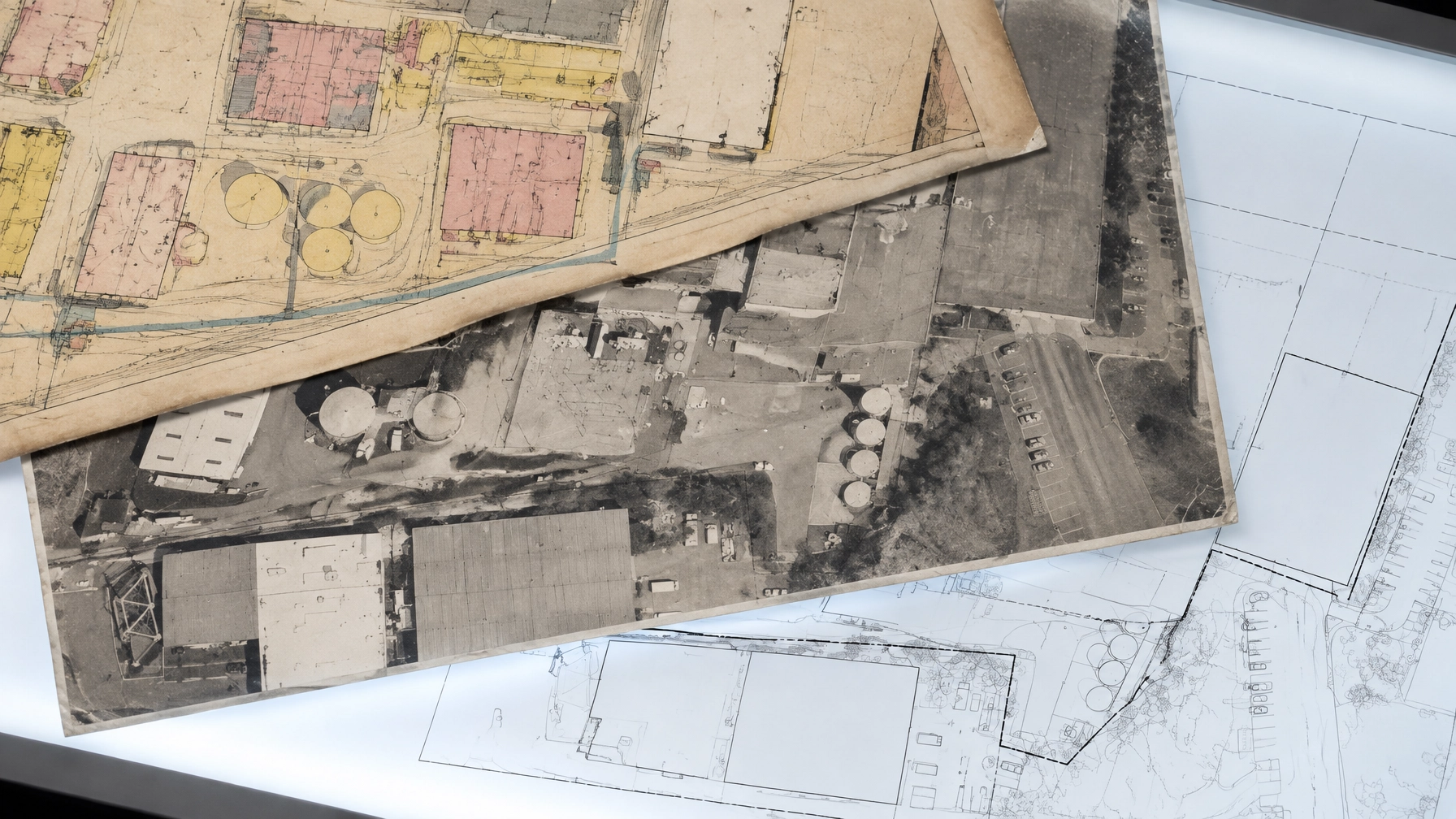
For acquisition teams, due diligence helps establish what is present before closing. A Phase I Environmental Site Assessment can identify recognized environmental conditions, including past tank use or spill history. A Phase II investigation may be warranted when the Phase I findings support targeted sampling. Our environmental assessment services support due diligence, financing, and acquisition in New York and New Jersey.
A Phase I ESA cost in NYC depends on property size, history, access, and scope. It is not a substitute for emergency planning, but it can surface environmental conditions that deserve follow-up before a transaction or construction start. In New Jersey, a Phase II environmental site assessment may likewise help evaluate a specific concern identified during due diligence.
How to track and comment on DEC guidance
The current DER-42 comment period closes November 30, 2026. DEC’s notice directs commenters to submit comments by email to derweb@dec.ny.gov with the subject line “Comments on Proposed DER-42.” The notice also lists a mail option: NYS DEC, Division of Environmental Remediation, 625 Broadway, Albany, NY 12233-7012, Attn: Jenn Dawson. Review the DEC policy notice and the draft itself for current submission instructions before sending.
Useful comments are specific. They identify a provision, explain a practical effect, and suggest language or a workable alternative. A comment letter should not just say that a policy is too strict or too costly.
A clear comment can include:
- The section or proposed wording you are addressing.
- A real operating scenario, such as access constraints at an urban facility or the availability of required training.
- The effect of the wording, including safety, response time, or implementation issues.
- A specific proposed change or clarification.
- Supporting information, where available, such as operational data or technical references.
Keep the tone professional and evidence-based. The goal is to make a policy clearer and more workable, not to restate general objections.

Effective comments connect proposed language to field conditions and offer a practical, specific improvement.
What to check at a UST, industrial, or redevelopment site
DER-42 does not require owners to revise their emergency plans. But it is a good prompt to check whether your own response information is current and usable.
For an active or planned site, confirm that:
- Site access points and after-hours contacts are current.
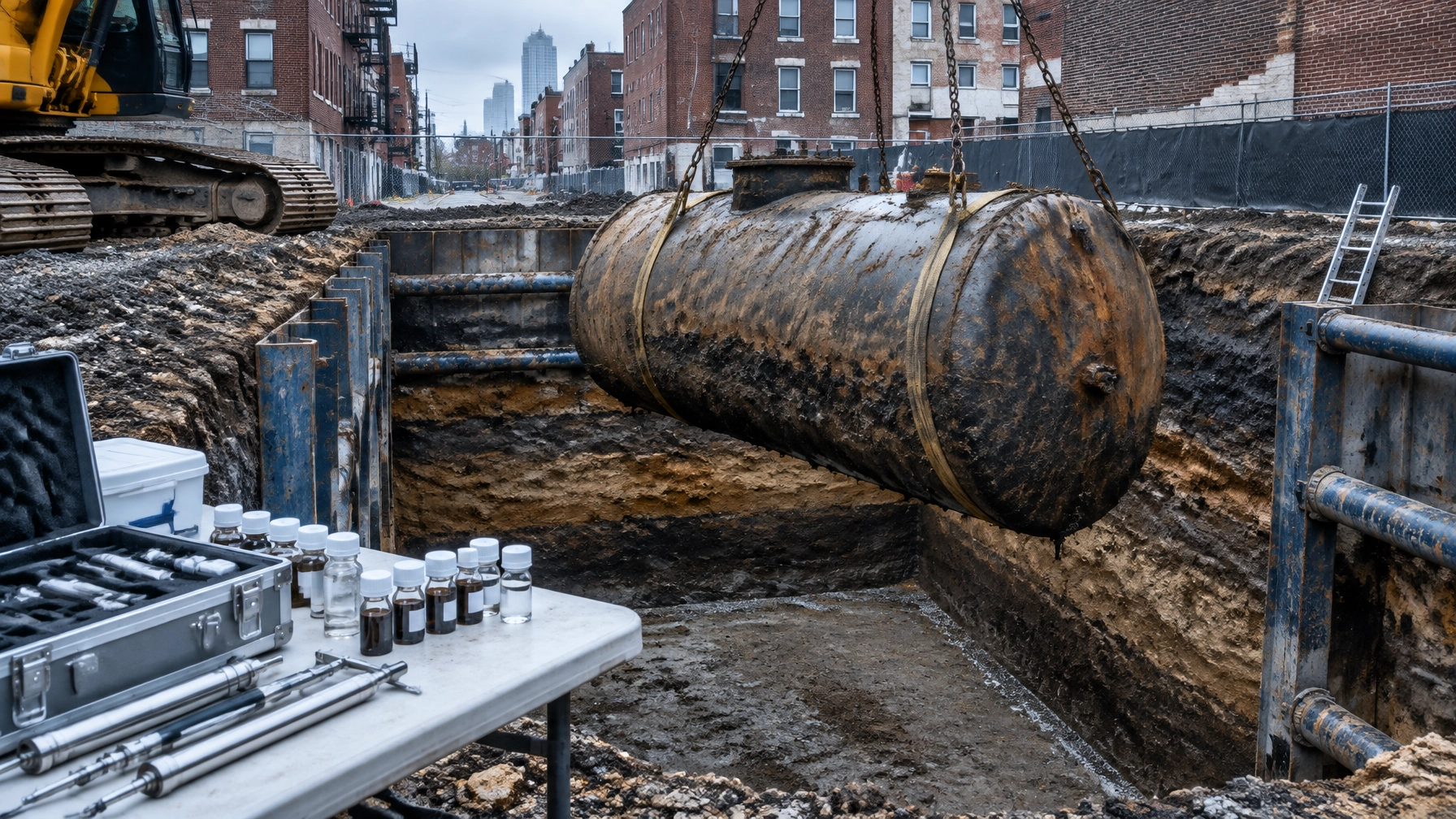
- UST locations, shutoffs, and relevant utility information are documented.
- Spill response procedures identify nearby catch basins, drains, and surface-water pathways.
- Contractors know who to contact and how to report a release.
- Investigation or remediation records clearly document site conditions and open issues.
- Your project team knows which agency documents govern the site and which are advisory.
For Queens properties, these checks can be especially useful where tight urban layouts place work areas near public streets, storm drains, or occupied buildings. A local environmental consultant in NYC can help connect property history, field findings, and the agency record. Envicon also supports sites in Queens, Newark, and Monmouth County.

At UST and redevelopment sites, a clear record of tank locations, access, and field conditions supports better-informed decisions.
What DER-42 says about DEC’s 2026 direction
The available information describes DER-42 as proposed guidance, not a proposed regulation. DEC’s regulatory agenda lists potential rulemaking activity; the agency’s separate remediation policy page identifies proposed guidance documents such as DER-42. That distinction matters when assessing what a document does and does not require.
The practical signal is straightforward: DEC is making its internal response procedures available for review and accepting input before finalizing the policy. For site owners and project teams, that is a reason to monitor both formal rulemakings and program guidance. A regulation may set the legal floor. Guidance can help show how the agency expects work to proceed.
We work through that distinction on due diligence assignments. We review the property record, explain what the findings mean for your transaction, and identify a next step when one is warranted. Collaboration is not a buzzword. It is how we keep a site decision grounded in the facts and the applicable agency process.
Practical checklist
Before the DER-42 comment deadline, or your next site acquisition, take these steps:
- Read the DER-42 draft and verify DEC’s latest submission instructions.
- Submit comments by November 30 if you have a specific, evidence-based recommendation.
- Track DEC guidance separately from proposed regulations.
- Review your site’s spill, tank, access, and contact information.
- For a transaction, scope Phase I and, where findings support it, Phase II assessment work to the actual property conditions.
Frequently asked questions
Does DER-42 apply to private property owners?
The draft addresses DEC Division of Environmental Remediation response vehicle operations. It does not create a general emergency vehicle operating rule for private property owners.
Is DER-42 a regulation?
No. DEC identifies it as proposed guidance. It is not presented as a proposed amendment to the New York Codes, Rules and Regulations. Check DEC’s policy and regulation pages for updates.
When are comments due, and where do I send them?
Comments are due by November 30, 2026. DEC’s notice directs email submissions to derweb@dec.ny.gov with the subject line “Comments on Proposed DER-42.” Confirm current directions on the DEC policy page.
Can DEC guidance become enforceable?
Guidance is not automatically a site-specific legal obligation. However, requirements may be incorporated into an executed consent order, program agreement, or approved work plan. The terms of that document govern the project.
Does DER-42 change Phase I or Phase II ESA requirements?
The draft concerns DEC response vehicle operations, not ESA standards. Phase I and Phase II assessments remain separate due diligence tools for evaluating property history and subsurface conditions.
Keep the project record clear
DER-42 is a proposed DEC operating policy, not a new rule for site owners. But it shows why developers and operators should follow agency guidance as well as regulations. Review the draft, comment where you have useful field evidence, and keep your site records ready for the work ahead.
Ready to discuss a Queens or NY/NJ property?