A Certificate of Completion does not end environmental responsibility.
For many NYC brownfield properties, it changes the type of responsibility the owner carries. Remediation may be complete, but the site can remain subject to environmental easements, deed restrictions, institutional controls, engineering controls, monitoring, inspections, and recurring certifications.
These obligations matter during refinancing, construction, ownership transfers, and resale. A missed annual certification or unreported site disturbance can create a regulatory problem at the same time a lender, buyer, or title company is reviewing the property.
This article explains what owners need to manage after an NYC OER or NYSDEC brownfield cleanup, with a focus on NYC OER brownfield cleanup and NYSDEC Part 375 requirements.
A COC is a regulatory milestone, not a clean slate
Under the NYSDEC Brownfield Cleanup Program, governed by 6 NYCRR Part 375, a Certificate of Completion confirms that the approved remedial program reached its required endpoint.
The COC may provide liability protections and, where eligible, support brownfield tax credits. It does not eliminate every obligation tied to the property.
If the remedy depends on controls that remain in place, the owner may still need to:
- Maintain an environmental easement.
- Follow an approved Site Management Plan.
- Preserve soil covers, caps, vapor barriers, or sub-slab systems.
- Restrict groundwater use or future site uses.
- Complete inspections and monitoring.
- Submit annual or periodic IC/EC certifications.
- Notify NYSDEC or NYC OER before certain changes in use, ownership, or site conditions.
NYC OER projects follow a similar structure. OER may issue a Notice of Completion, a NYC Green Property Certification, or related closure documentation. Where institutional or engineering controls remain, OER can require continuing site management and a recorded deed restriction.
The operating principle is simple:
Closure of the remedial work does not mean closure of the site management obligation.
Environmental easement versus NYC E-designation
These terms are often treated as interchangeable. They are not.
NYSDEC environmental easement
A NYSDEC environmental easement is a recorded property instrument. It runs with the land and binds future owners. It typically supports a remedy that relies on institutional controls, engineering controls, or both.
The easement may restrict:
- Future land use.
- Residential use or other sensitive uses.
- Groundwater use.
- Disturbance of clean soil or a protective cap.
- Modification or removal of vapor mitigation systems.
- Interference with monitoring wells or treatment equipment.
The easement also connects the property to the approved SMP. The current owner must implement the SMP, maintain the controls, and complete the required reporting.
The NYSDEC site completion and COC resources provide the agency framework for COCs, easements, and post-completion obligations.
NYC E-designation
An NYC E-designation is a zoning notation connected to environmental requirements identified through the City Environmental Quality Review process. It is administered through NYC OER and related City agencies.
The most common categories include:
- E-1 for hazardous materials.
- E-2 for noise.
- E-3 for air quality.
An E-designation can affect DOB permits, changes of use, and Certificates of Occupancy. For a hazardous materials E-designation, OER may require a Phase I, Phase II, Remedial Action Plan, Construction Health and Safety Plan, field oversight, and a Remedial Closure Report.
When OER determines that the applicable requirements have been completed, it may issue a Notice of Satisfaction. The NYC E-designation rule describes the process and the relationship between environmental completion and DOB sign-off.
An E-designation is not the same as a NYSDEC environmental easement.
An E-designation is a public zoning and permitting condition tied to a tax lot. A NYSDEC environmental easement is a recorded real estate instrument tied to a state-supervised remedy. A property can have one, the other, or both. The controlling documents must be reviewed before any transaction or construction activity.
For NYC-specific permitting and closure support, see Envicon’s NYC E-designation compliance and OER clearance service.
What the Site Management Plan controls
The SMP is the field-level operating manual for the post-COC property.
It should identify what must be maintained, who performs each task, how often the task occurs, what records must be retained, and what must be reported to the agency.
Typical SMP requirements include:
Institutional controls
Institutional controls are legal or administrative restrictions. Examples include:
- Prohibiting groundwater extraction.
- Restricting the property to approved uses.
- Requiring agency notification before soil disturbance.
- Requiring compliance with an environmental easement or deed restriction.
- Requiring future contractors to follow soil handling procedures.
Engineering controls
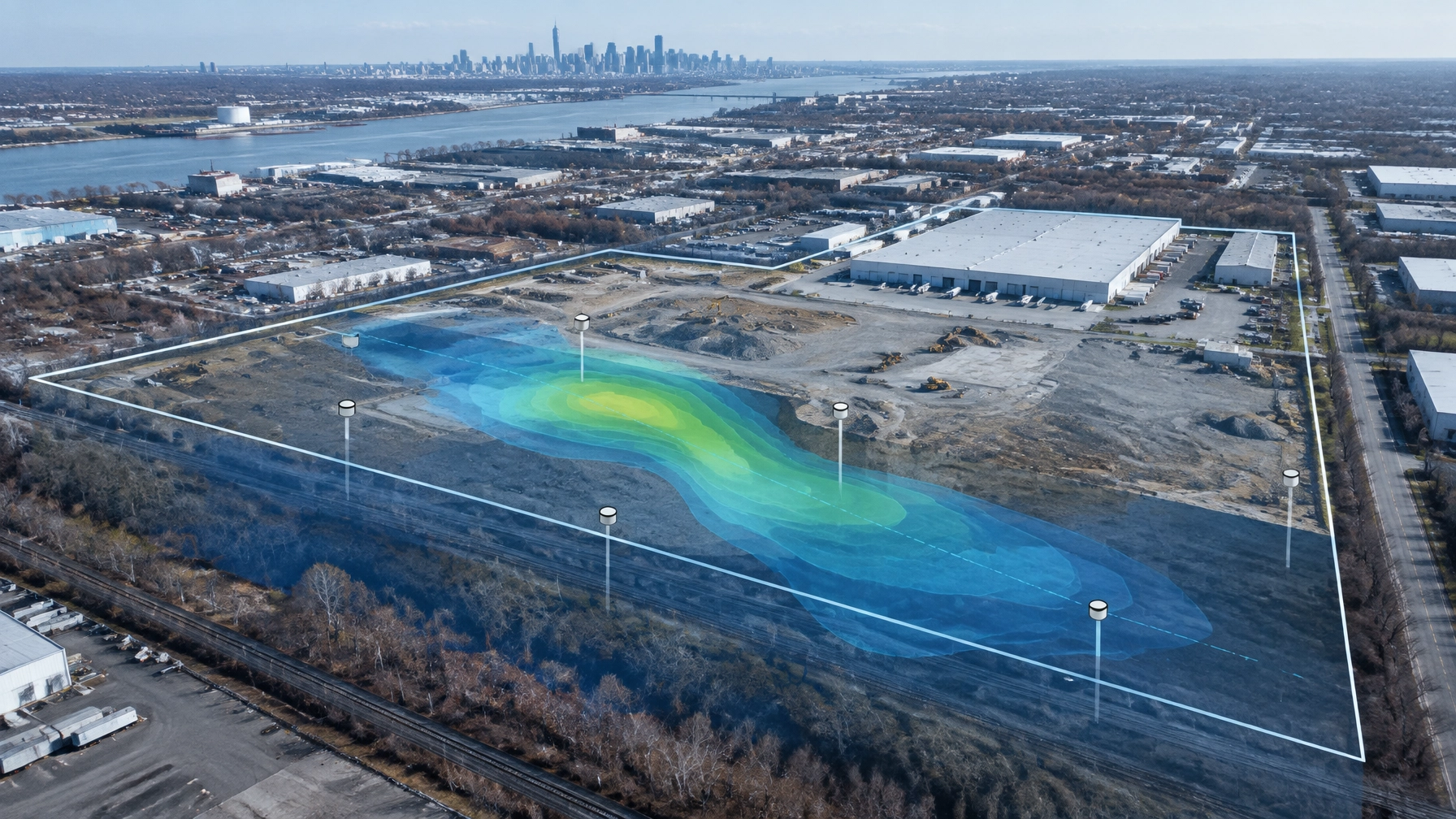
Engineering controls are physical systems that prevent exposure or control a remaining contaminant pathway. Examples include:
- Concrete or asphalt caps.
- Clean soil covers.
- Sub-slab depressurization systems.
- Vapor barriers.
- Groundwater treatment systems.
- Monitoring wells.
- Fencing or restricted-access areas.
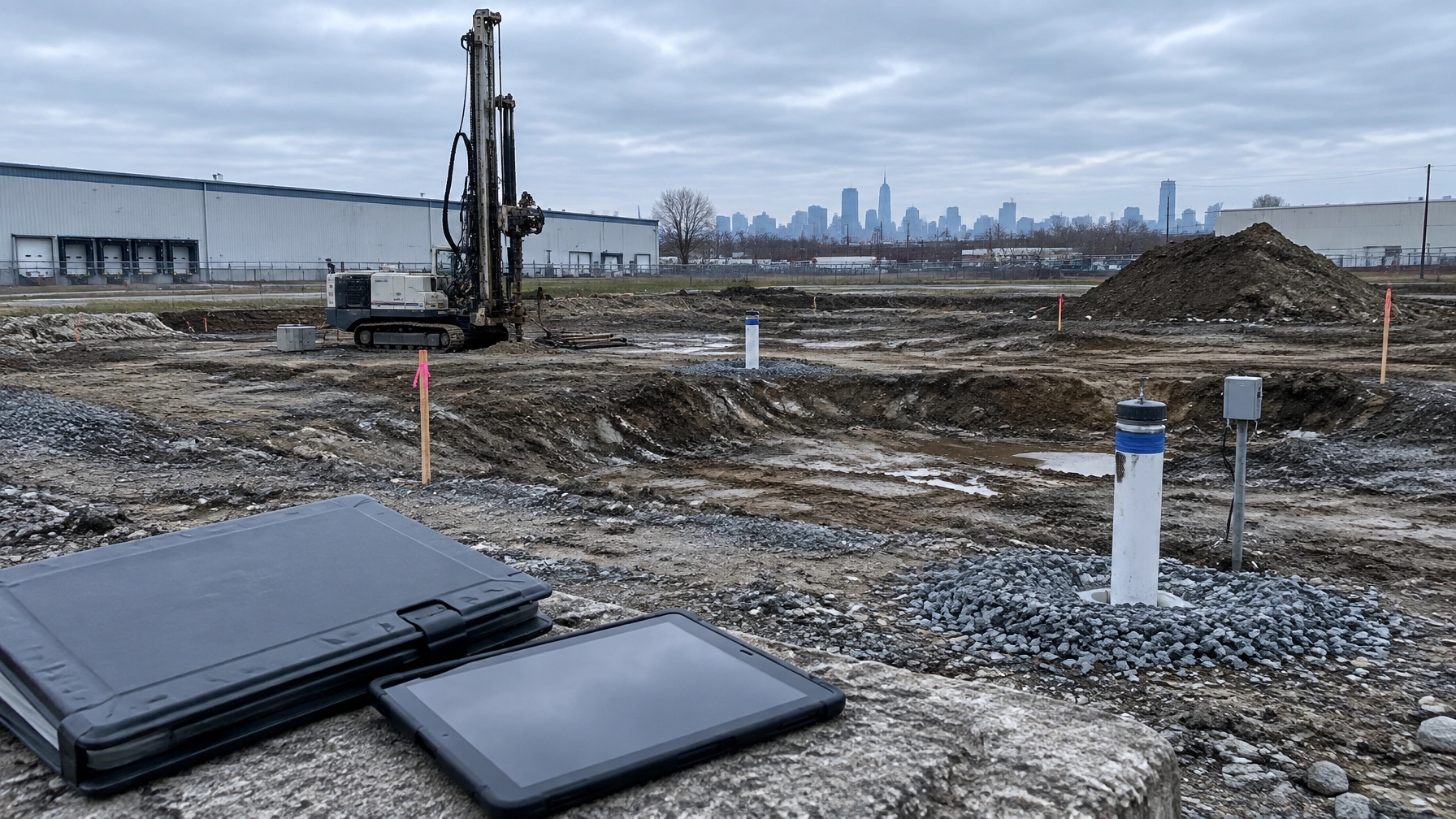
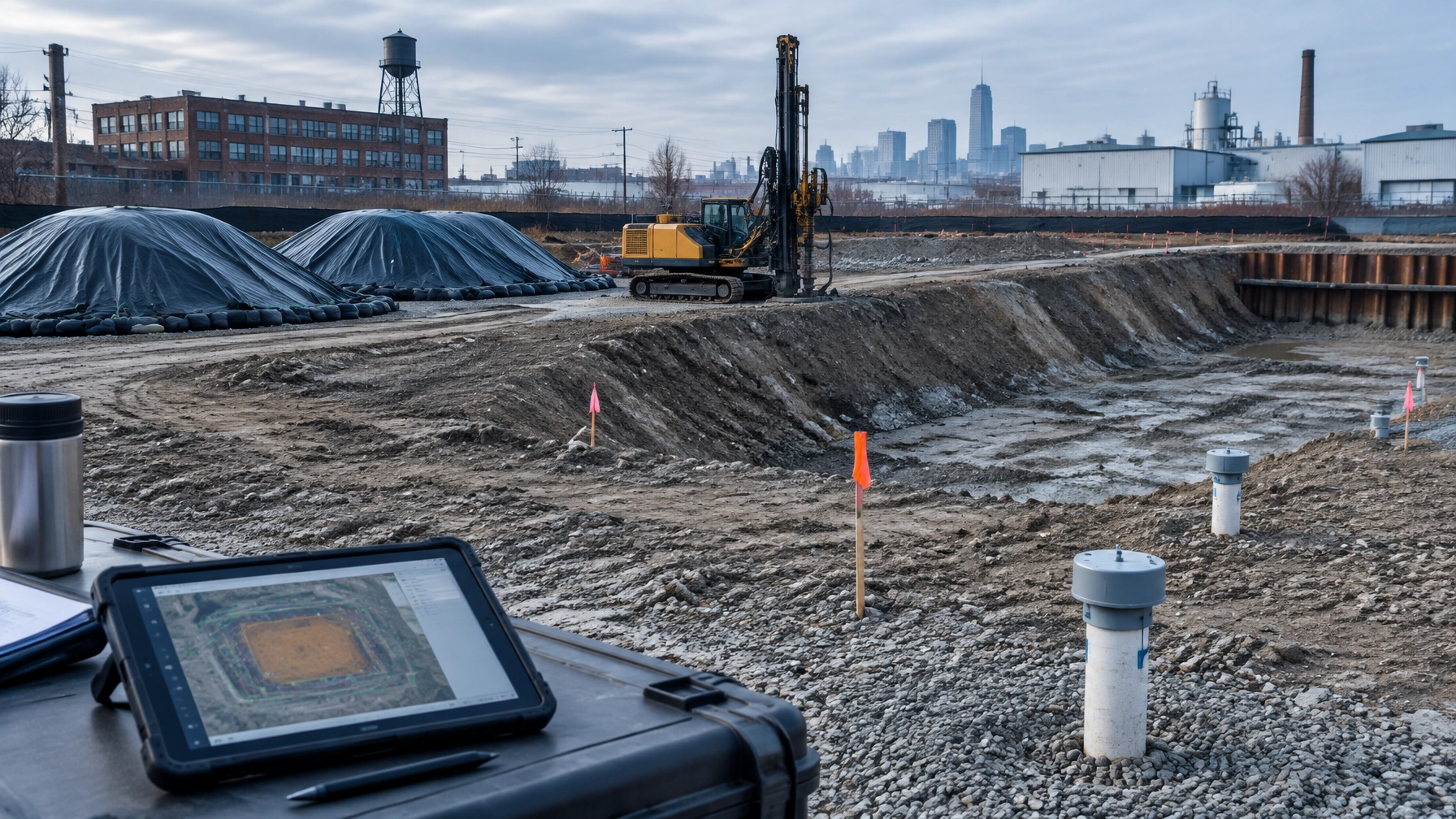
Engineering controls are not self-maintaining. A sub-slab system requires operating checks. A cap requires inspection after utility work, landscaping, paving, and excavation. A monitoring well can be damaged by construction or paving.

Annual IC/EC certifications are not paperwork exercises
For a NYSDEC site, the SMP and COC typically require a Periodic Review Report with the required institutional control and engineering control certifications. The schedule is often annual unless NYSDEC approves a different interval.
For NYC OER sites, the owner must follow the reporting schedule in the OER agreement, SMP, deed restriction, and applicable rules. OER’s standard VCP agreement requires periodic reporting when site management depends on institutional or engineering controls.
The certification generally addresses whether:
- The site was inspected.
- Controls remain in place.
- Controls remain effective.
- The site remains consistent with the approved SMP.
- Any disturbance, damage, interruption, or change was reported.
- Monitoring and maintenance occurred as required.
The appropriate signer depends on the controls. A professional engineer or qualified environmental professional may need to certify active or mitigation systems. An owner may be able to certify a site with only a simple institutional control or physical cover, depending on the agency’s requirements.
The exact obligation comes from the site-specific documents. Do not rely on a generic calendar reminder without reviewing the COC, easement, SMP, and agency correspondence.
Ownership changes require planning before closing
A transfer should not be treated as a standard real estate closing.
For NYSDEC BCP properties, Part 375 and the site documents can require advance notice before a change in ownership, change in use, or change in the party responsible for implementing the SMP. The transfer process may also require post-closing filings and documentation that the successor received the BCA, work plans, reports, SMP, easement, and related obligations.
NYSDEC’s Certificate of Completion transfer form identifies the type of information needed to transfer responsibility and preserve the applicable protections.
For NYC OER properties, the standard Voluntary Cleanup Agreement requires notification when a change of use occurs. A transfer that creates a new party responsible for implementing the SMP may also require notice to OER and updates to the site management contact structure.
Before closing, the buyer and seller should confirm:
- The current owner of record.
- The party responsible for the SMP.
- The next certification due date.
- The current agency contacts.
- The status of all monitoring and maintenance.
- Whether any control has been interrupted.
- Whether a new use or construction plan conflicts with the easement or SMP.
- Whether the COC, easement, deed restriction, and SMP appear correctly in the title and transaction files.
Late notice can create avoidable questions about whether the new owner properly assumed the site obligations.
How easement language affects financing and resale
A recorded environmental easement does not automatically make a property unfinanceable. It does make the property more document-intensive.
Lenders and buyers commonly want to know:
- What uses are permitted?
- Is residential use allowed?
- Can the property be excavated?
- Who pays for long-term monitoring?
- Does a vapor system have to operate continuously?
- Are groundwater wells still active?
- Is there a required reserve for cap repair or system replacement?
- Are annual certifications current?
- Has the agency accepted the latest PRR?
- Has any construction disturbed the remedy?
- Can the proposed redevelopment remain protective?
A clean transaction file can answer these questions quickly. A missing certification, expired monitoring program, damaged cap, or unclear responsibility assignment can delay underwriting and trigger additional environmental conditions.

The best time to resolve these issues is before refinancing or listing the property. Waiting until a lender raises the problem gives the transaction less time to address it.
Common post-COC failures
Most failures are operational. They do not begin with a major release or dramatic site event.
Common examples include:
- Missing an annual IC/EC certification.
- Submitting a certification without the required inspection or supporting records.
- Allowing a monitoring well to be paved over or damaged.
- Discontinuing a sub-slab system because the building appears stable.
- Performing utility work through a capped area without following the SMP.
- Failing to report a change in use.
- Allowing an environmental consultant’s monitoring contract to expire.
- Selling the property without transferring SMP responsibility.
- Giving a buyer the COC but not the full easement, SMP, and reporting history.
- Treating an E-designation as resolved because a construction permit was issued.
- Assuming a Notice of Satisfaction eliminates separate easement obligations.
A practical post-COC compliance program should include:
- A single source of truth for the COC, easement, SMP, deed restriction, agency letters, drawings, and certifications.
- A recurring inspection and reporting calendar.
- A named owner representative and backup contact.
- A qualified environmental professional for required EC inspections.
- A pre-construction review for all excavation, utility, paving, landscaping, and building work.
- A transaction checklist for refinancing, sale, lease, and ownership changes.
- A documented response process for damaged, interrupted, or altered controls.
Envicon’s site management plan and engineering control services combine regulatory review with field verification. That matters because an SMP is only useful when the property team understands how its requirements affect actual maintenance and construction.
Keeping a NYC brownfield in good standing
For owners in Manhattan, Brooklyn, Queens, the Bronx, and Staten Island, post-COC obligations should be managed as part of the property’s operating plan.
A site in Brooklyn, for example, may have overlapping requirements involving OER, DOB, construction contractors, lenders, and future occupants. The owner needs one coordinated process, not separate files held by different consultants.
Envicon works with developers, attorneys, lenders, contractors, and property managers to review the regulatory record, confirm current controls, prepare certifications, coordinate agency notifications, and identify problems before they affect financing or construction. Our brownfield remediation and redevelopment service supports the full path from investigation through long-term site management.
The takeaway is direct: a Certificate of Completion protects value only when the property remains compliant with the obligations that came with it. Maintain the controls. File the certifications. Notify the agency before the transaction or disturbance. Keep the documentation ready for the next lender, buyer, or regulator.
Keep your post-COC obligations under control
If your NYC brownfield property has an environmental easement, deed restriction, E-designation, SMP, or active engineering control, Envicon can review the file and define the next required action.
- Call now: (917) 764-2171
- Get a free quote today
- Use our proprietary project risk screener tool
- View our complete list of services