New York’s Class 2 reclassification of K&L Cleaners in Penn Yan is a clear warning for owners, buyers and lenders: a former dry-cleaning property can shift from a diligence question to an active Superfund concern when investigation data confirms significant contamination.
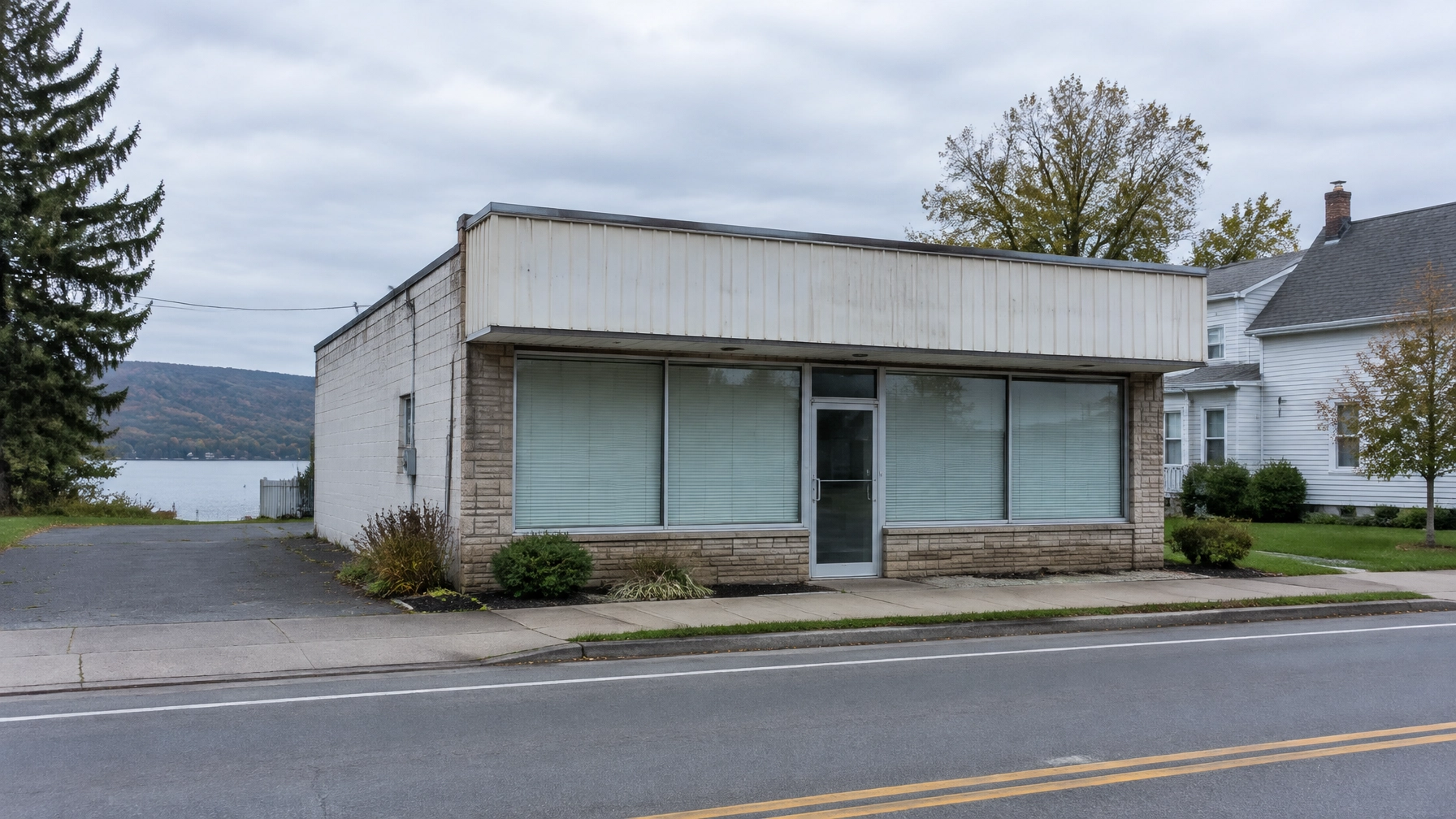
At 2469 Route 54A, testing found sub-slab PERC vapor as high as 59,000 micrograms per cubic meter (µg/m³), groundwater impacts from chlorinated solvents, and detections of PFOA and PFOS. The reclassification can change a property’s risk profile and transaction economics quickly. But it does not, by itself, prove that people are being exposed or establish who will ultimately pay for cleanup.
The site and what testing found
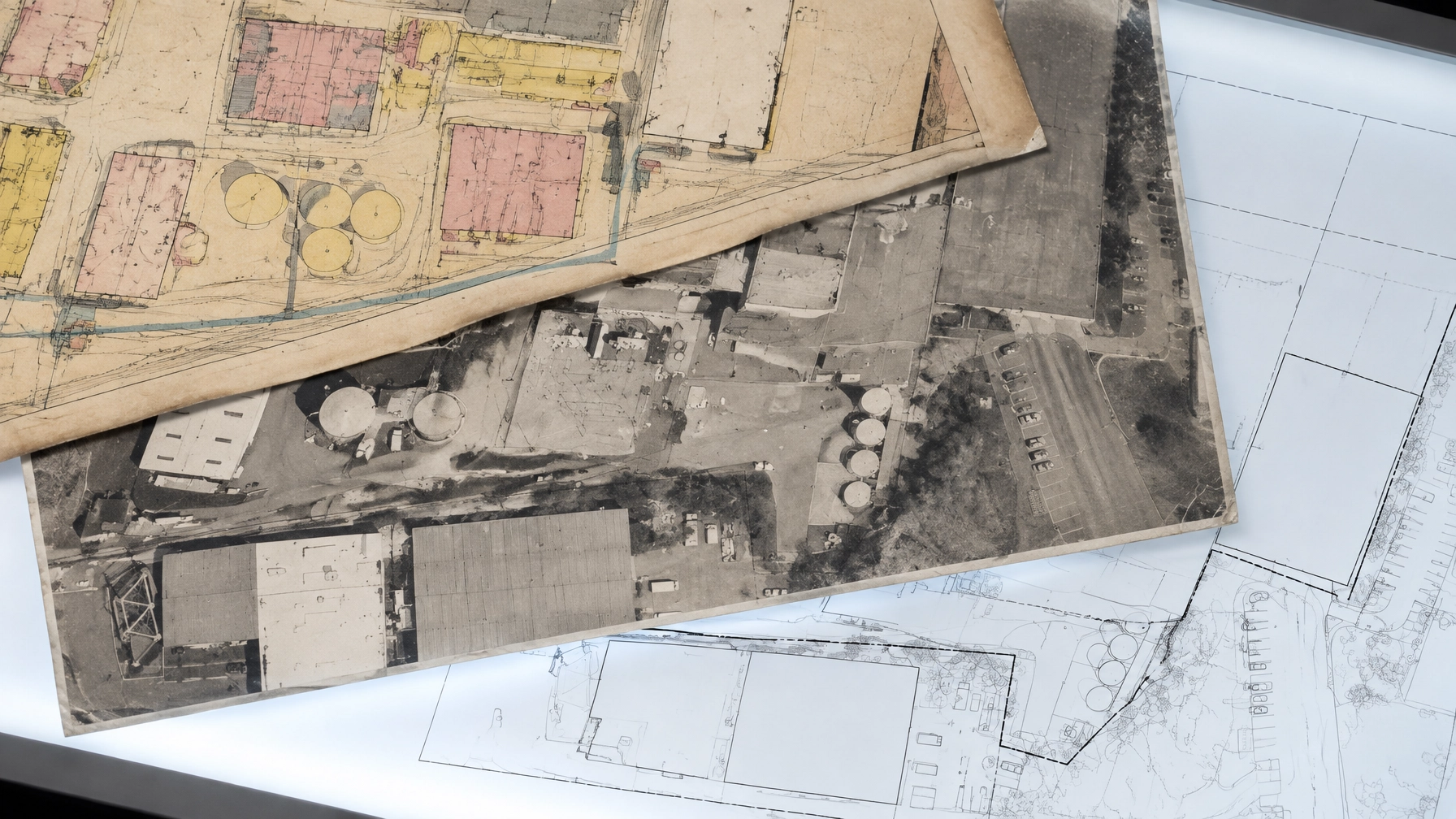
NYSDEC site characterization work from 2025 to 2026 followed an environmental assessment that identified volatile organic compound impacts in soil and groundwater. The state’s reported findings include:
- PERC, also called perchloroethylene or tetrachloroethylene, in sub-slab vapor at up to 59,000 µg/m³.
- Cis-1,2-dichloroethylene in groundwater near the property boundary at up to 3,400 parts per billion.
- PFOA and PFOS in groundwater at up to 17 and 24 parts per trillion, respectively.
- Residences and an outlet to Keuka Lake within 250 feet, in the direction of groundwater flow.
These findings are reported in the local coverage of the reclassification and coverage of contamination at the former cleaner. The site is listed in NYSDEC’s database as site 862010. Search the DEC remediation database.
The numbers describe different media and pathways. The 59,000 µg/m³ result is sub-slab vapor, not an indoor-air or outdoor-air measurement. The groundwater detections warrant delineation, but proximity to homes and a lake does not alone prove that contamination reached either receptor. DEC says the next phase will investigate the extent of contamination, potential exposure pathways and cleanup options.
How a Class 2 reclassification works
NYSDEC first investigates a potential site through a site characterization. If the data confirms consequential hazardous waste and a significant threat, the site can be added to the Registry of Inactive Hazardous Waste Disposal Sites with a classification.
In DEC’s words, a Class 2 site represents a “significant threat to the public health or environment” where “action is required.” That designation triggers further investigation and remedial action. It is not the same as a finding that people are currently exposed. DEC describes the stages and classifications in its State Superfund program overview.
For K&L Cleaners, the initial site characterization moved the property from a potential-site investigation status to the Class 2 Registry. The next remedial investigation is expected to examine soil, bedrock, groundwater, surface water, soil vapor, sub-slab vapor and indoor air, including possible off-site impacts.
Why the sub-slab result matters
The reported sub-slab PERC reading indicates a substantial solvent source beneath the building slab. It is not a universal numerical threshold that automatically produces a Class 2 designation. DEC considers the full record, including contaminant concentrations, affected media, pathways, potential receptors and applicable standards, criteria and guidance values.
A high sub-slab result raises immediate technical questions: Is vapor migrating into occupied space? How far does the source extend? Are neighboring buildings at risk? Could utility corridors, drains or sewers provide preferential pathways? These questions require properly designed sampling, not assumptions from a single result.

The PFAS dimension at dry cleaners
PFOA and PFOS add complexity because the investigation cannot stop at chlorinated solvents. At K&L Cleaners, reported groundwater values of 17 and 24 ppt are above New York’s 10-ppt drinking-water maximum contaminant level for each compound. That comparison is useful context, not evidence that the groundwater is drinking water or that anyone has been exposed.
PFAS at dry-cleaner sites also needs careful interpretation. PERC is the familiar legacy solvent. PFAS may be associated with treated fabrics, stain-resistant products, wastewater or process wastes, but their presence should not be presumed at every cleaner. A Florida DEP pilot study of dry-cleaning sites found PFAS at some facilities and discussed potential sources including treated fabrics and facility waste streams. That is a reason to check records and sample based on site history, not proof that a particular spot-treatment product contained PFOA or PFOS.
For former cleaners, review product inventories and Safety Data Sheets, waste records, floor drains, sumps, septic or drainfield locations and historical fabric-treatment services. Where warranted, design a PFAS analyte list suited to the site instead of adding a generic PFAS panel without a sampling rationale.
This can materially affect the investigation and cleanup plan. PFAS remediation cost cannot be estimated from a detection alone. The affected media, concentrations, plume boundaries, applicable requirements, treatment approach and disposal options all matter. Owners looking up PFAS remediation costs NJ should expect site-specific scoping, not a reliable flat price based only on property type.
Liability: State Superfund is not the BCP
A Class 2 listing can affect financing, saleability, insurance review and redevelopment assumptions. It can also bring investigation and cleanup obligations into sharper focus. But classification is not a liability judgment against a named owner or operator. Responsibility depends on the site record, parties’ roles, release history and applicable legal defenses.
New York’s State Superfund program may require responsible parties to conduct work or allow the state to perform work and seek cost recovery. By contrast, the Brownfield Cleanup Program (BCP) is a voluntary cleanup program with its own eligibility requirements, agreement and oversight. Eligible participants may receive a Certificate of Completion after approved remedial work, which provides statutory liability protections subject to the program’s terms. A BCP protection is not automatic just because a buyer funds cleanup, and a Class 2 listing does not itself provide BCP protection. See NYSDEC’s BCP overview and program comparison fact sheet.
New Jersey owners face a different statutory framework. The Spill Act and NJDEP remediation rules apply, and an innocent-purchaser defense depends on specific facts and due diligence. The state’s Licensed Site Remediation Professional process and available liability protections are not interchangeable with New York’s BCP. Get environmental and legal advice before relying on a transaction document or a program label.
What owners of former dry-cleaner sites should do
For a prospective acquisition or existing asset in Queens, Newark or Monmouth County, start with a focused review of past operations, records and pathways. A Phase I can identify recognized environmental conditions, but suspected solvent releases commonly require a targeted Phase II. Scope it around the actual equipment, drains, waste areas, geology and building use.
A defensible investigation may include:
- Soil and groundwater sampling for PCE/PERC and degradation products, with a rationale for other site-related chemicals.
- Sub-slab vapor and indoor-air sampling where the building and site conditions indicate vapor intrusion potential.
- A PFAS review based on product, process, waste and site history, including appropriate analytes and locations.
- Sump, floor-drain, sewer, utility-corridor and wastewater-disposal pathway evaluation.
- Off-site delineation when data indicates a plume may cross the property boundary.
- A clear assessment of regulatory status, transaction obligations, potential program eligibility and cleanup scenarios.

For environmental due diligence for developers NJ, the same discipline applies, with New Jersey-specific regulatory and liability review. A Phase II ESA NJ should answer the transaction’s real questions, not simply generate a long analyte table. For work in Queens, Newark or Monmouth County, pair the property history with a sampling plan and agency pathway that fit that jurisdiction.
When vapor intrusion is confirmed, the response may include additional delineation, exposure assessment and, where appropriate, vapor intrusion mitigation systems. The right design follows the data. It should not be selected before the pathway and building conditions are understood.

Envicon’s environmental assessment and investigation team evaluates soil, groundwater and vapor conditions and connects findings to practical next steps. Our remediation and brownfield services support investigation, cleanup planning and agency coordination. Clients work directly with the technical team, with clear deliverables and project visibility, rather than receiving a report without a path forward.
The takeaway
K&L Cleaners shows how new investigation data can reprice a former dry-cleaner property and trigger a broader regulatory process. The high sub-slab PERC result, groundwater VOCs and PFAS detections deserve disciplined follow-up. For owners and buyers, the priority is to confirm what is present, understand where it can move, and identify the correct liability and cleanup path before the next transaction milestone.
Frequently asked questions
Does a Class 2 listing mean residents are being exposed?
No. It means NYSDEC considers the site a significant threat requiring action. Exposure needs to be assessed through site-specific investigation and pathway data.
Is 59,000 µg/m³ a universal Class 2 threshold?
No. The reported result is a sub-slab vapor measurement. DEC’s classification considers the full site record, applicable criteria and potential pathways, not one universal concentration cutoff.
Should every former dry cleaner be tested for PFAS?
Not automatically. Review site history, products, waste handling and potential sources, then determine whether PFAS sampling is warranted and which analytes to include.
Does State Superfund status give a buyer BCP liability protection?
No. BCP protections require eligibility and program steps, including a cleanup agreement and completion requirements. State Superfund listing alone does not provide a BCP Certificate of Completion.
What should a buyer request before purchasing a former dry cleaner?
Obtain available environmental reports and agency records, review historic operations and waste practices, and have a qualified professional scope additional assessment where needed. Consult environmental counsel on jurisdiction-specific liability and program options.