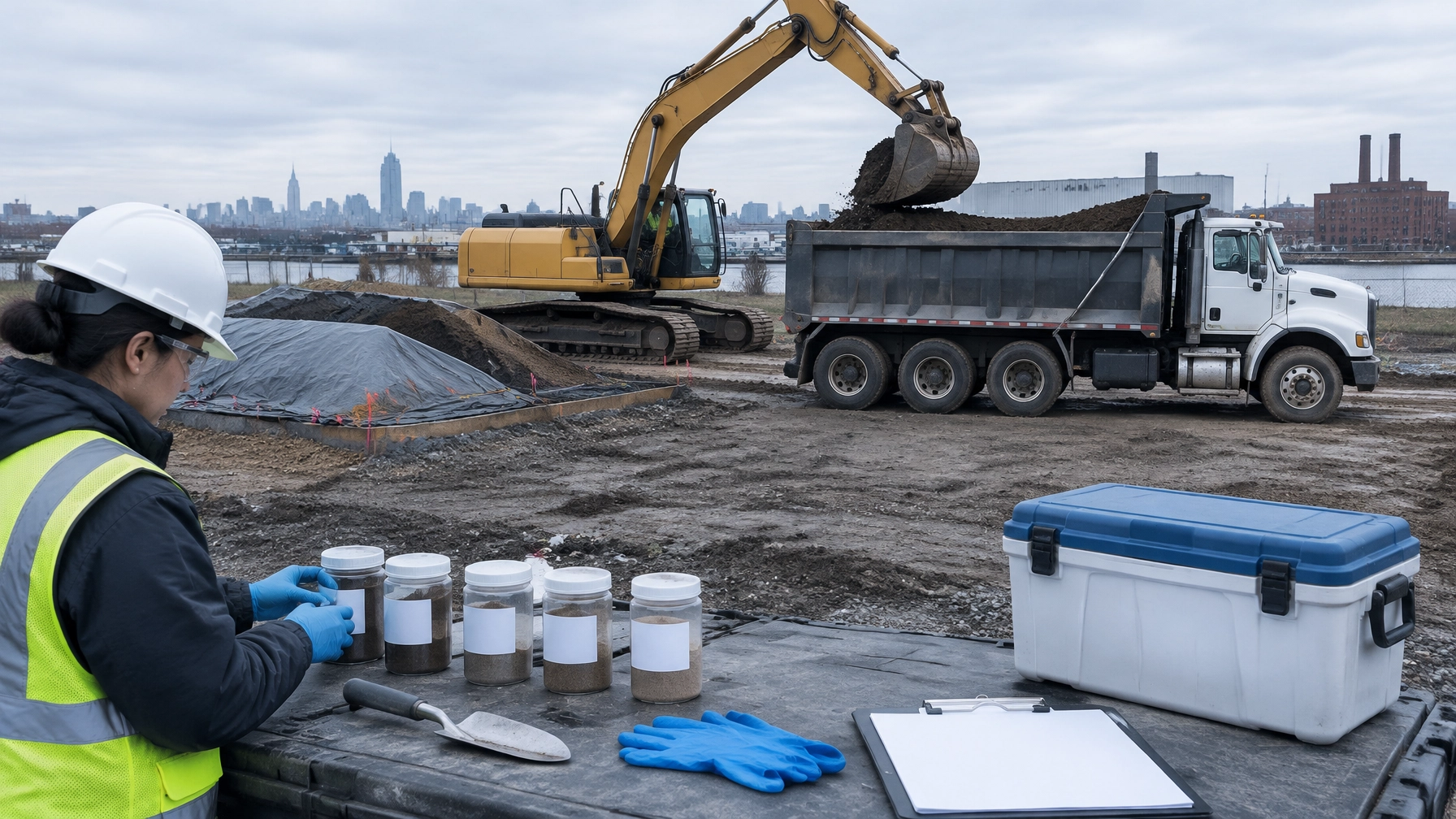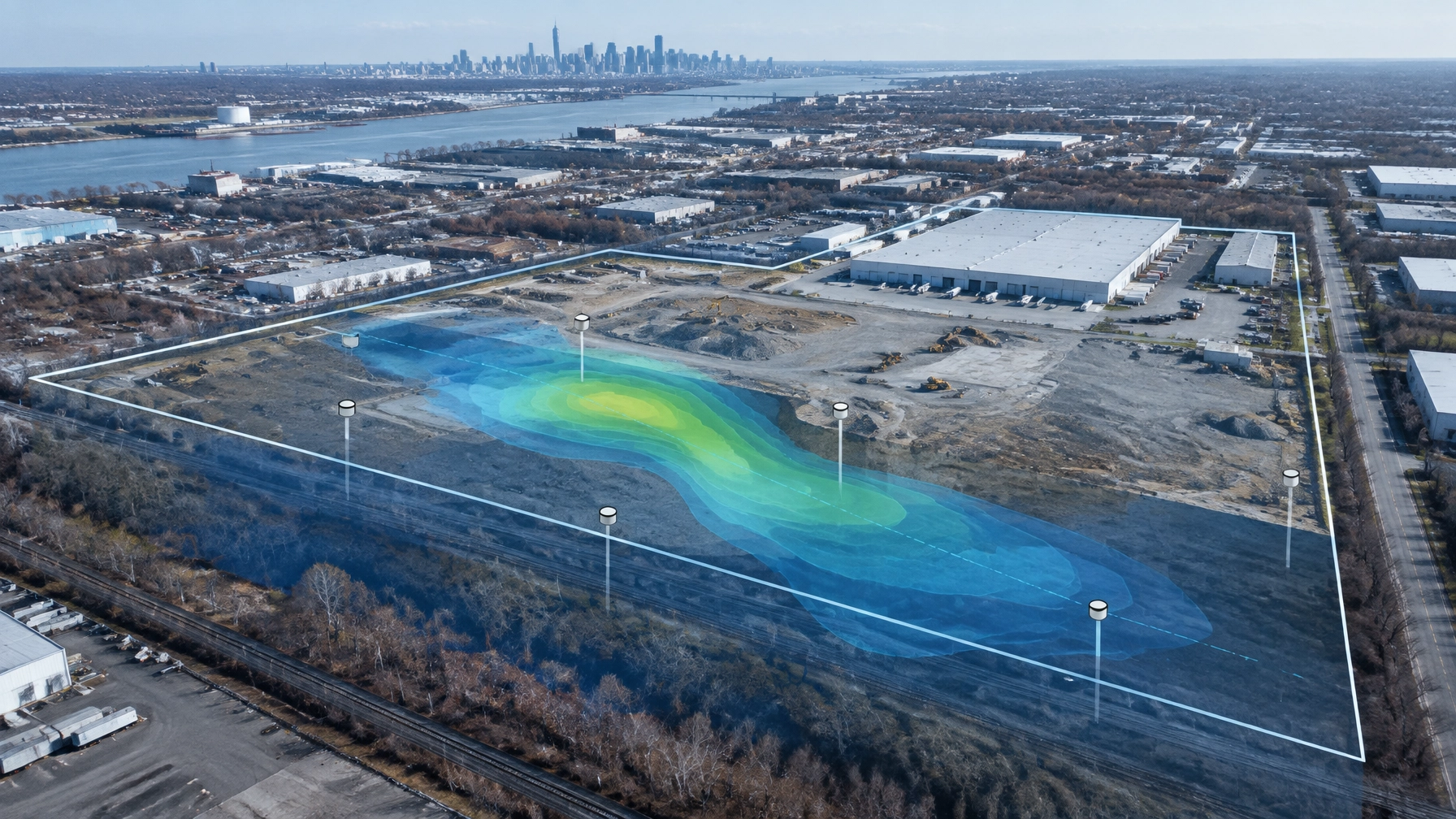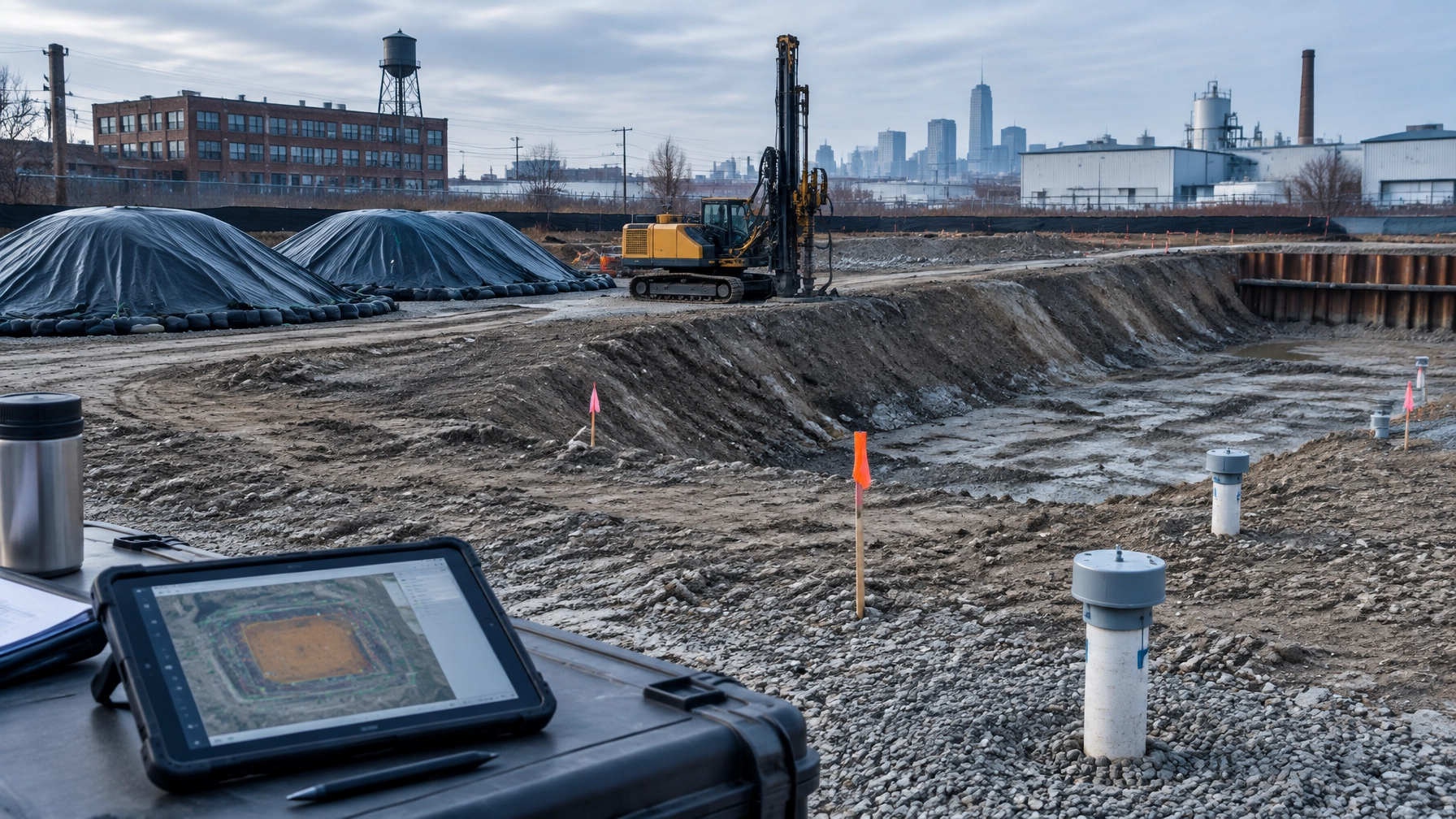
It’s 7:00 AM on a Tuesday in Jersey City. The air is cold, the coffee is lukewarm, and your excavation crew just hit a pocket of black, odorous soil that wasn't on the original site plan. The project is already behind schedule, and every hour that machine stays idle costs you thousands in carrying costs and equipment rental.
You look to your environmental consultant for a call. But the person standing there isn't the senior partner who pitched you in the boardroom three months ago. It’s a 23-year-old junior staffer with a clipboard and a deer-in-the-headlights stare.
"I'll have to call my manager," they say.
That manager is at a desk in a regional office three states away, stuck in a back-to-back meeting schedule. Meanwhile, your project sits. This isn't just an inconvenience: it’s a massive business risk. In the world of New Jersey site remediation, the Licensed Site Remediation Professional (LSRP) isn't just a consultant; they are the regulatory authority for your site. When they aren't in the field, your project is effectively rudderless.
The Big-Firm "Bait and Switch"
Most national environmental firms operate on a "body shop" model. They win your business with high-level resumes and a polished pitch from a Senior Vice President you will never see again. Once the contract is signed, the work is handed down to the lowest-cost labor available: junior staff with minimal field experience and zero decision-making authority.
At Envicon, we see the fallout of this model every week. We get calls from developers who have been burned by "defensive report writing": reports written by junior staff to protect the consulting firm from liability, rather than reports designed to move the project toward a Response Action Outcome (RAO).
When a junior staffer is the only one on-site during critical events like UST removals or soil characterization, they lack the "professional judgment" required by the Site Remediation Reform Act (SRRA). They follow a checklist. If something falls outside that checklist, the project stops.
The LSRP is Your Site’s Judge: Not a Spectator
Under the NJDEP’s LSRP program, the responsibility for protecting public health and the environment shifted from the state directly to the LSRP. This means your LSRP is legally and ethically bound to ensure that the remediation follows the Technical Requirements for Site Remediation (N.J.A.C. 7:26E).
If an LSRP isn't providing "direct supervisory control" over the field work, they are putting your project: and their license: at risk. The consequences of inadequate field oversight include:
- RAO Audits: The NJDEP has a three-year window to audit any RAO issued for your site. If they find that the field data was collected improperly by unsupervised staff, they can rescind your closure.
- Mandatory Timeframes: Missing a regulatory or mandatory timeframe because of field delays can trigger Direct Department Oversight, where the NJDEP takes control of your project and forces you to post a massive remediation funding source.
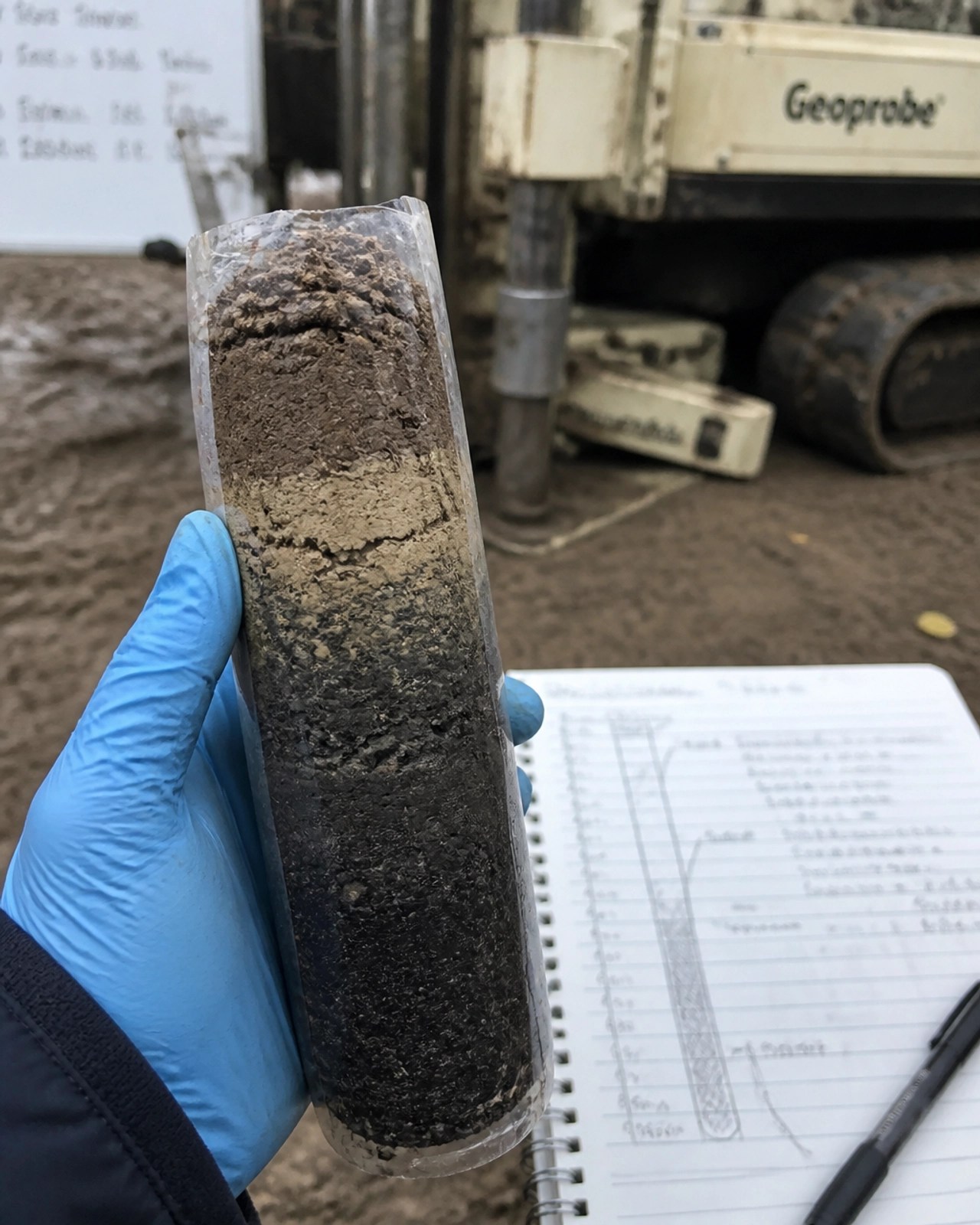
- Cost Creep: Re-sampling because a junior staffer forgot to preserve a vial or misidentified a soil strata is the most common reason for budget overruns in environmental consulting.
"Collaboration is not a buzzword: it’s how we work. Having a Professional Engineer (PE) or LSRP on site doesn't just ensure compliance; it ensures the project keeps moving because the person standing in the dirt has the authority to make the call." : Jason Pancoast, CEO of Envicon Group.
Why "Field-First" Matters for Your Bottom Line
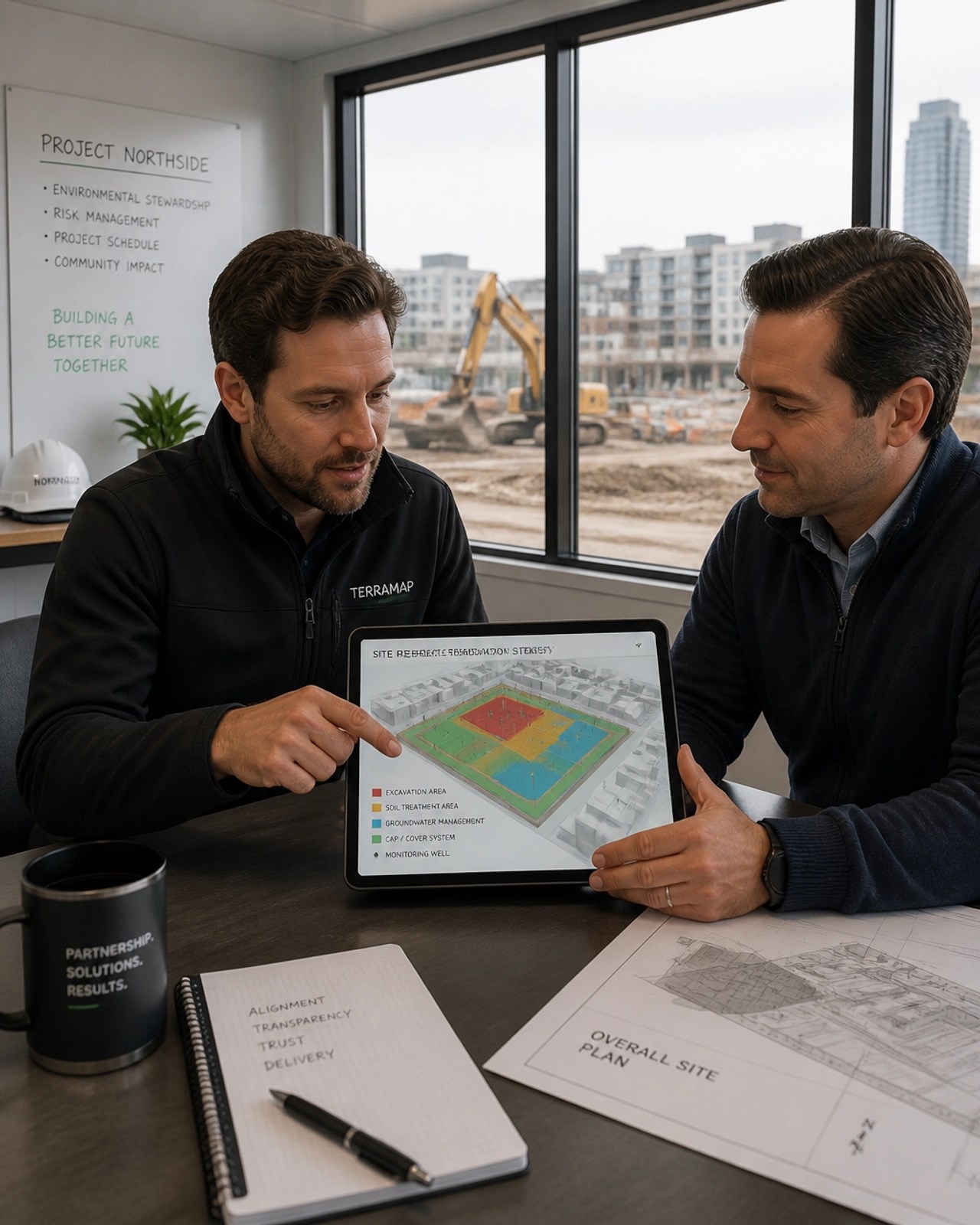
At Envicon, we don't sell reports. We sell cleared paths. Our PE-led approach means that the people designing your remedial strategy are the same people standing on your site at 7:00 AM.
When we are on-site, we aren't just "monitoring." We are looking for opportunities to optimize. If the soil looks cleaner than the models predicted, we adjust the sampling plan in real-time to potentially reduce the remediation footprint. If we find an unexpected challenge, we solve it right then and there with the construction manager, the architect, and the contractor.

We use proprietary technology and real-time project reporting dashboards to give you full visibility into what’s happening in the field. You aren't waiting for a monthly PDF to find out your project is behind; you see the data as we collect it.
The Technical Reality: N.J.A.C. 7:26I
The rules governing LSRPs (N.J.A.C. 7:26I) are clear: the LSRP must exercise professional judgment that is "consistent with the protection of public health and safety and the environment." This isn't something that can be delegated to an intern.
When you hire a consultant, you need to ask three hard questions:
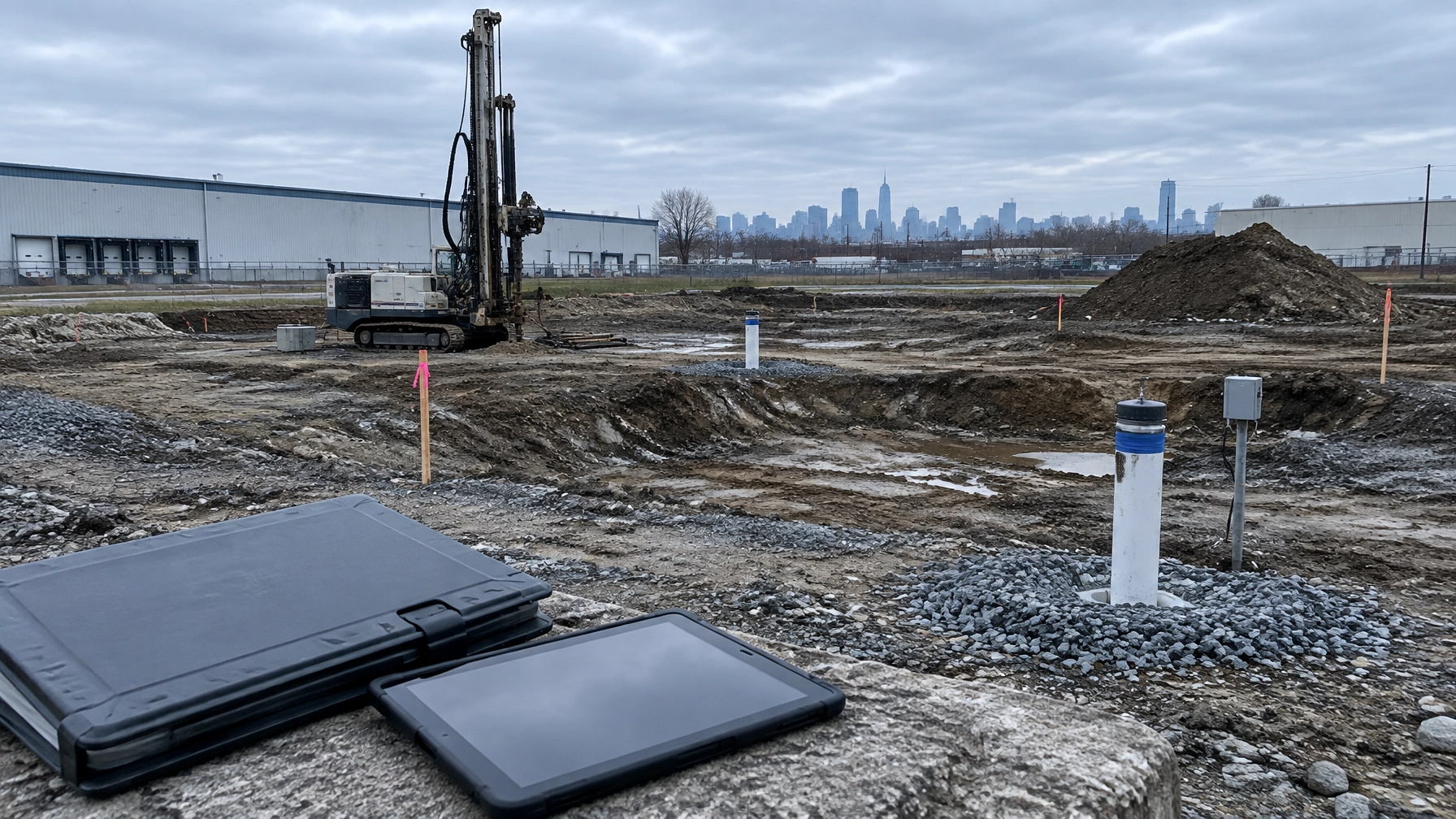
- Who will actually be on-site when the drill rig is running?
- Does that person have the authority to change the work plan if site conditions change?
- How often will my LSRP be physically present during intrusive activities?
If the answer involves a "project coordinator" or a "field technician" who has to call the office for every decision, you aren't paying for expertise: you're paying for a middleman.
Moving From Findings to Action
Environmental consulting in the NY/NJ metro area is high-stakes. Whether you are dealing with brownfield redevelopment, ISRA compliance, or complex civil and site engineering, the "wait and see" approach of big-box firms is a luxury your budget can't afford.
Envicon was built for developers who are tired of paying premium rates for junior-staff execution. We bring 20 years of direct agency relationships with the NJDEP, NYC OER, and NYC Parks. We don't hide behind a queue; we sit at the table with the regulators to advocate for your project.
Summary of the Envicon Advantage:
- PE-Led Leadership: Licensed professionals are in the field, not just the boardroom.
- Zero-Fluff Documentation: We produce deliverables that hold up under regulatory scrutiny and get you to the next step.
- Urgency & Integrity: We take ownership of outcomes, from the first boring to the final RAO.
- Regional Fluency: We know the reviewers by name, and we know how they want to see the data.
Don't let your multi-million dollar development be held hostage by a consultant's internal hierarchy. You deserve a partner who picks up the phone and a decision-maker who shows up at the site.
Stop paying for reports. Start paying for a cleared path.
Contact Envicon Group today to discuss your next project.