Published October 5, 2026 at 2:00 PM ET
If your Manhattan, Queens, or Brooklyn property has an NYC OER E-Designation with continuing institutional controls or engineering controls, annual certification remains an owner obligation in 2026.
The designation rules did not materially change this year. Enforcement has become less forgiving.
The NYC Zoning Resolution Appendix C list was last amended on May 20, 2026. OER continues to manage E-Designation and Environmental Restrictive Declaration compliance through the EPIC Environment portal. Owners must follow the reporting schedule in the site’s OER-approved Site Management Plan, or SMP.
That means inspecting controls, documenting performance, filing the required certification, and reporting failures promptly. A missed fan inspection, outdated tenant notice, or poorly documented ownership handoff can create a regulatory problem that affects operations, financing, and future construction.
What changed in 2026?
The core E-Designation framework remains familiar.
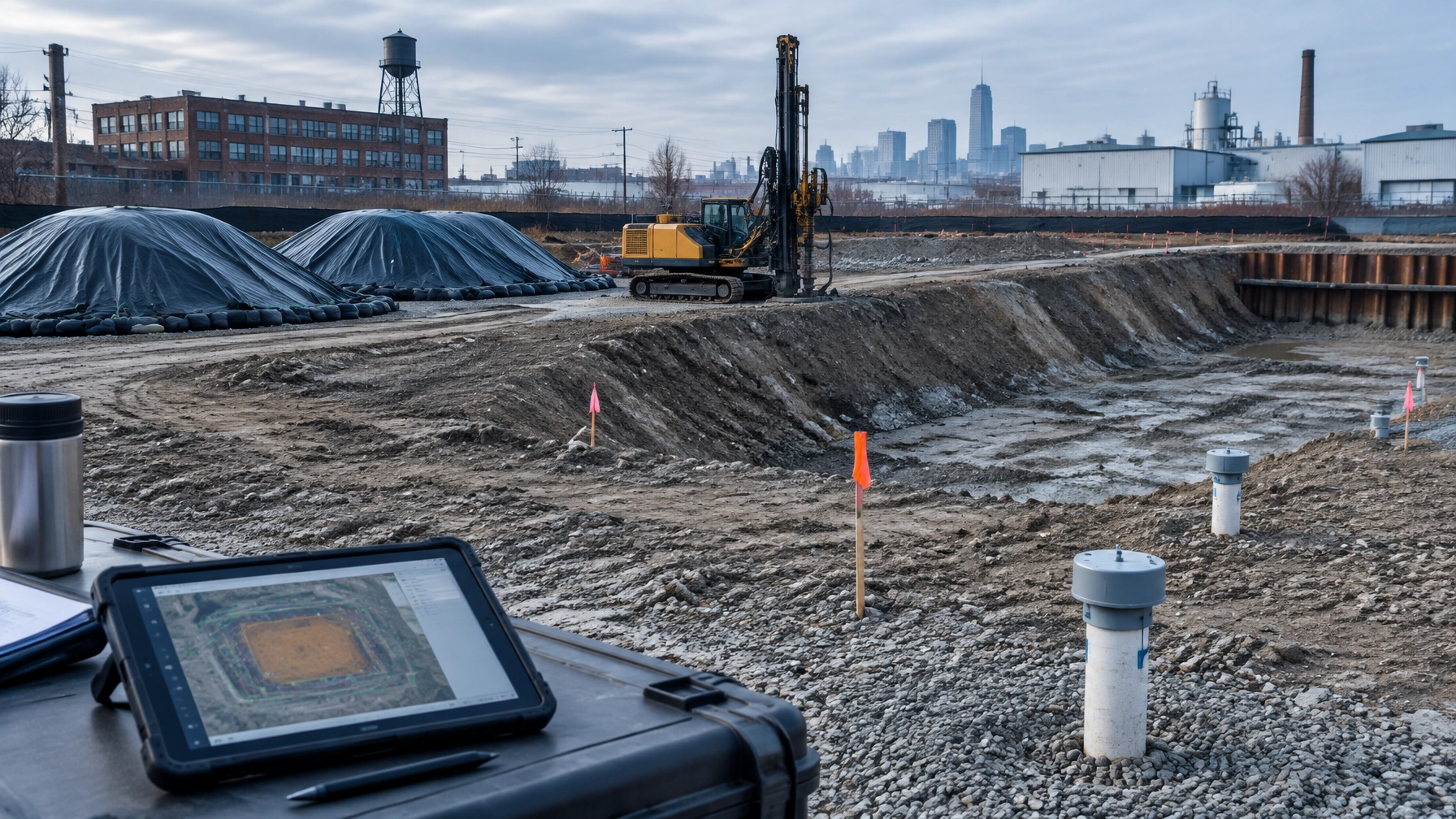
An E-Designation is a zoning notation connected to environmental requirements identified through the City Environmental Quality Review process. The designation may relate to:
- Hazardous materials
- Air quality
- Noise
The official Appendix C, Table 1 shows that Table 1 was last amended on May 20, 2026. The table identifies E-Designation numbers, CEQR and application numbers, affected tax blocks and lots, designation types, and satisfaction dates.
The important 2026 issue is not a new designation category. It is ongoing accountability after construction and occupancy.
Where the approved remedy includes institutional controls or engineering controls, the obligations continue according to the SMP and any recorded declaration. OER can require annual reporting, site inspections, maintenance records, and corrective action documentation.
As the rule states, an owner must “annually submit” a written institutional control or engineering control certification when the SMP requires periodic reporting, unless OER approves another schedule in writing. See 43 RCNY § 43-1474.
Who must certify an NYC E-Designation site?
The answer depends on the controls in place.
Active remedial systems
For active systems, the certification must be prepared by a Qualified Environmental Professional, or QEP. Examples may include:
- Active sub-slab depressurization systems
- Soil vapor extraction systems
- Active ventilation systems
- Groundwater treatment systems
- Other mechanical systems required by the approved remedy
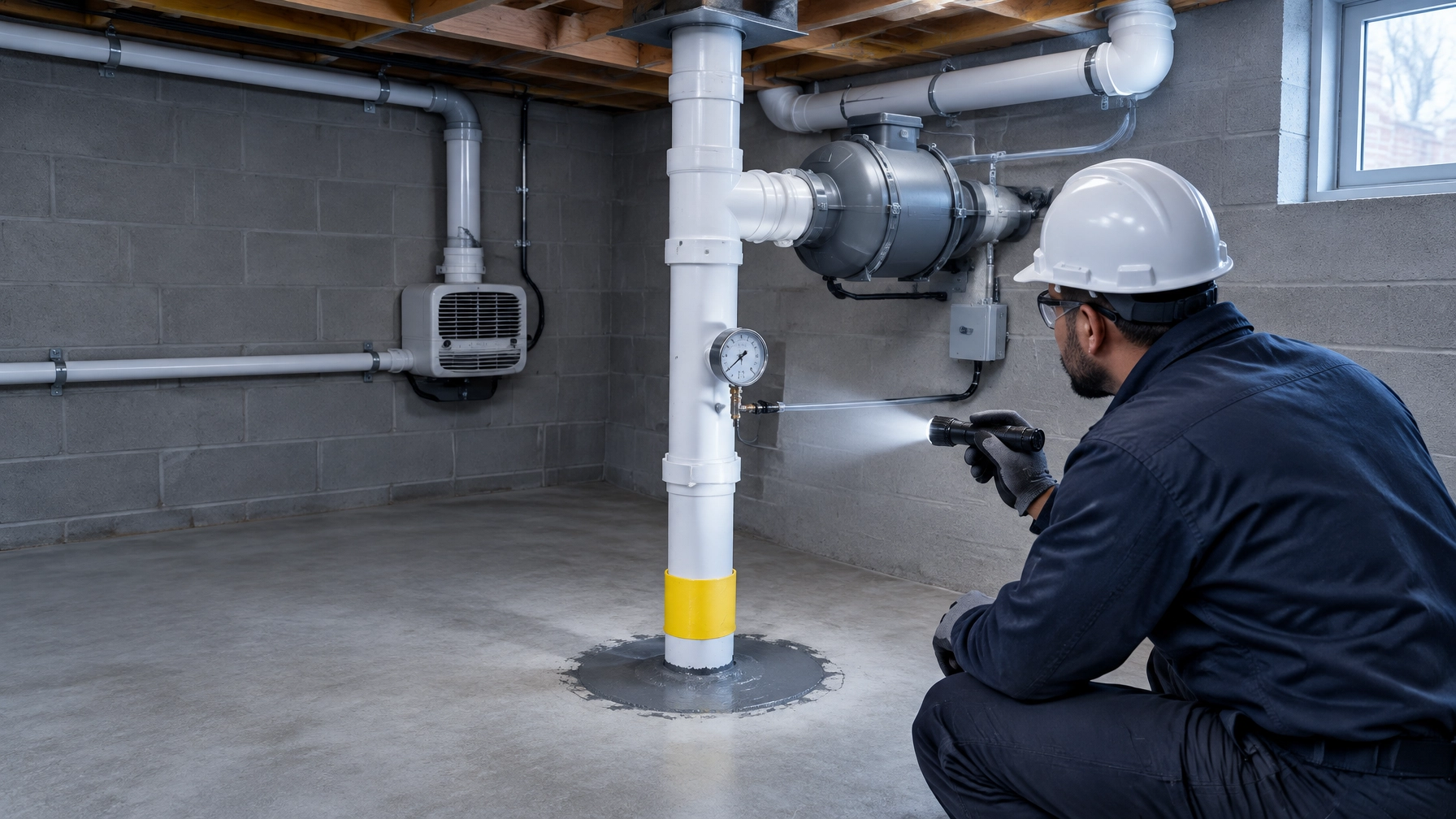
An active sub-slab depressurization system is not compliant simply because it was installed years ago. The owner must show that the system remains in place, operates as required, and has not been impaired.
Passive systems and mitigation systems
Passive remedial or mitigation systems also require QEP certification when the SMP requires periodic reporting.
The QEP must review the site conditions and the supporting records. That review should address the system’s condition, maintenance history, access, and continued effectiveness under the approved remedy.
Institutional controls only
If the only control is an institutional restriction, physical cover, or barrier, the property owner may be permitted to make the written certification.
That exception does not apply automatically. The property team must read the SMP, declaration, and OER correspondence carefully. If the site includes an active vapor mitigation system, do not assume an owner-only certification is sufficient.
Engineering controls may also require professional engineer certification. The remedy documents control the exact signatory and stamping requirements.
There is no single NYC annual certification date
Owners often ask whether all NYC E-Designation certifications are due on a fixed date, such as March 1 or December 31.
They are not.
The applicable schedule comes from the site-specific SMP, declaration, or written direction from OER. Some sites may follow an annual anniversary date. Others may have a different reporting period approved by OER.
Your 2026 compliance calendar should include:
- The certification period covered by the SMP
- The required inspection dates
- Fan and alarm checks
- Tenant notice review dates
- Maintenance and repair deadlines
- The report preparation date
- The EPIC submission deadline
- The date for confirming OER receipt or comments
Do not build the calendar from a generic internet checklist. Pull the controlling dates from the actual OER file.
EPIC filings require a complete record
OER identifies EPIC as the platform for accessing projects, submitting applications, uploading documents, and communicating with the agency.
For an annual certification, the owner should generally maintain a complete site management performance package before uploading it to the existing EPIC project.
A strong package may include:
- The signed annual IC/EC certification
- The applicable SMP and amendments
- Site inspection documentation
- Fan and mechanical system inspection logs
- Pressure or vacuum readings required by the SMP
- Repair and maintenance records
- Photographs of system components
- Tenant or occupant notice records
- Evidence of continuing land-use restrictions
- Copies of recorded declarations
- Corrective action documentation
- Prior certifications and OER correspondence
OER’s required file format and upload category can change. Follow the instructions in the project record and current OER direction. Do not create a new project when the annual report belongs in an existing EPIC record.
The forgotten fan inspection problem
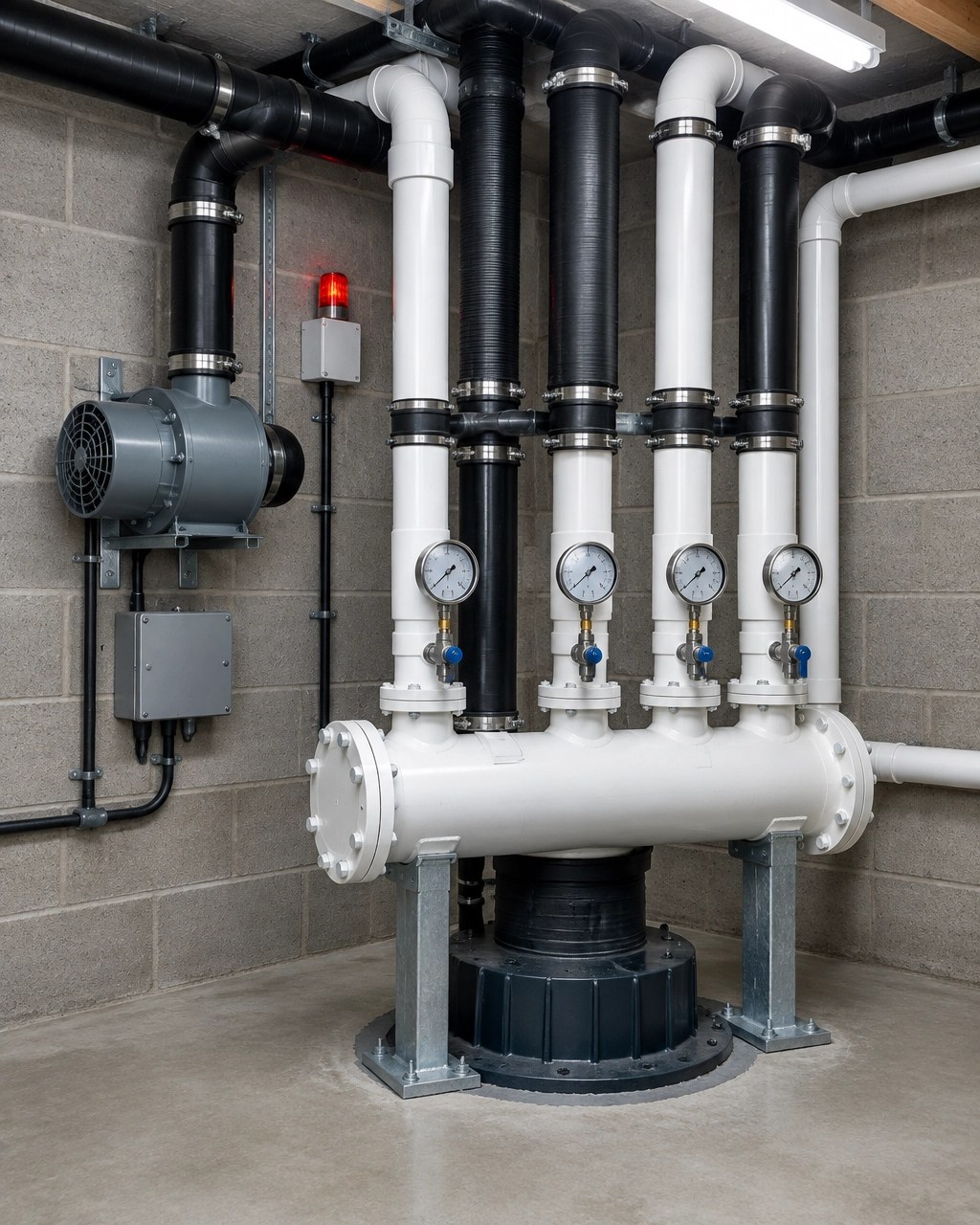
Sub-slab depressurization systems create one of the most common annual certification failures.
The fan may be mounted on a roof, in a mechanical room, or in another secured area. Building staff may assume that the system is operating because the motor is quiet or the indicator light is on. That is not enough.
The inspection should follow the SMP and address the equipment that makes the engineering control effective, including:
- Fan or blower operating status
- Power supply and disconnect
- Alarm or fault indicators
- Pressure or vacuum readings
- Vent piping and joints
- Sumps and risers
- Pipe penetrations and seals
- Corrosion, damage, or obstruction
- Evidence of water intrusion
- Maintenance and replacement history
- Access for future OER inspection
The OER rule does not list “fan inspection” as a standalone phrase. It requires a site inspection adequate to confirm that the controls remain effective. For an active vapor system, that normally requires verification of the fan and related components.
If the fan was offline for a period, document the outage. Explain the cause, repair, duration, and corrective action. If the certification cannot truthfully state that the controls remained effective, notify OER and submit a corrective work plan instead of signing an unsupported certification.
Other failures that create exposure
Lapsed or missing restrictive declaration records
An Environmental Restrictive Declaration is recorded against the property and can bind current and future owners. The official Appendix C, Table 2 identifies recorded environmental declarations by reference number, date, tax block, tax lot, and recording information.
The declaration itself does not disappear because the building changed hands or because construction ended. Confirm that:
- The recorded declaration is available in the title file
- The current owner has reviewed all obligations
- No required amendment or notice has been missed
- The SMP remains accessible to property management
- Any required access and maintenance rights remain intact
Missing tenant notices
Tenant notices are not universal at every site. They are required when the SMP, declaration, or other OER-approved document requires them.
Where required, maintain evidence of the notice process. That may include:
- Current notice language
- Lease riders
- Distribution records
- Delivery confirmations
- Lobby or building postings
- Tenant turnover procedures
- Contractor and maintenance notices
A building sale or management change can interrupt this process. Assign responsibility in writing.
Incomplete records
A certification is not a substitute for supporting documentation. If the inspection occurred but the log is missing, the owner may have difficulty demonstrating compliance.
Keep annual records in a controlled digital file. Connect each inspection, repair, notice, and certification to the applicable tax lot and EPIC project.
Penalty exposure is now a business issue
OER’s enforcement framework provides civil penalty exposure for failures involving institutional controls and engineering controls.
Legal analyses of the current rules identify a $20,000 default penalty and a $10,000 minimum penalty for failure to certify compliance. The framework also allows summonses and provides a correction process.
If OER serves a summons, the owner may have a limited period to submit a certification of correction and documentary proof. The reported correction period is 45 days from service of the summons. That opportunity is not a reason to delay. It is a response mechanism after the problem has already escalated.
The practical lesson is simple. A $275 periodic report review fee listed in 43 RCNY § 43-1476 is not comparable to the cost of a penalty, emergency repairs, legal response, tenant coordination, or a delayed transaction.
How to hand off compliance when a building sells
An E-Designation and its continuing obligations follow the tax lot. The recorded owner, including successors and assigns, remains responsible for compliance.
Before closing, the seller should assemble a transfer package containing:
- The E-Designation number and CEQR information
- Tax block and lot details
- The OER decision documents
- The current SMP
- The recorded restrictive declaration
- EPIC project information
- Prior annual certifications
- Inspection and maintenance logs
- Fan replacement and repair records
- Tenant notice procedures
- Open OER comments or deficiencies
- The next certification deadline
- Contact information for the QEP, PE, property manager, and consultant
The purchase and sale agreement should assign responsibility for the current reporting period, known failures, repairs, tenant notices, and OER communication.
The buyer should not wait until after closing to create an EPIC access plan. Confirm who will maintain the records, who will schedule inspections, and who will sign the next certification.
Where Envicon fits
Annual certification is not a document production exercise. It is a field, regulatory, and ownership coordination task.
Envicon provides NYC E-Designation compliance and OER clearance services for projects in Manhattan, Queens, Brooklyn, and across the five boroughs. We connect the SMP, field inspection, engineering controls, EPIC record, property manager, counsel, and ownership team.
Our work is direct. We review the controlling documents, inspect the actual system, identify gaps, and give you a clear path to correction or certification. You do not receive a bloated report and a list of unanswered questions.
Collaboration is not a buzzword. It is how the work gets done.
2026 NYC E-Designation checklist
Before the annual filing, confirm that you have:
- Reviewed the SMP and recorded declaration
- Confirmed the site-specific reporting deadline
- Identified all ICs and ECs
- Scheduled the required site inspection
- Inspected fans, alarms, piping, and gauges
- Documented system downtime and repairs
- Confirmed required tenant notices
- Verified use restrictions
- Confirmed QEP and PE signatory requirements
- Compiled a complete performance report
- Uploaded the filing to the correct EPIC project
- Preserved the submission record
- Assigned the next deadline to the current owner or manager
Summary
NYC E-Designation requirements did not disappear when the building received its certificate of occupancy. In many cases, that is when long-term compliance begins.
In 2026, owners should treat annual certification as an operating requirement tied to the site’s SMP, not as a last-minute form. Inspect the fan. Verify the controls. Maintain the notices. Protect the records. Transfer responsibility clearly when the property sells.
That is how you protect the building, the transaction, and the path forward.
CTA: Plan Your 2026 NYC OER Certification
Envicon can review your E-Designation file, identify the next reporting deadline, inspect the required controls, and prepare a practical compliance path.
- Use the NYC project risk screener
- Estimate your project cost
- Connect with Envicon on LinkedIn
- Review compliance and permitting services
- See our Manhattan project support